预约演示
更新于:2026-08-29
GB-7624
更新于:2026-08-29
概要
基本信息
非在研机构- |
权益机构- |
最高研发阶段临床1期 |
首次获批日期- |
最高研发阶段(中国)- |
特殊审评- |

登录后查看时间轴
关联
1
项与 GB-7624 相关的临床试验NCT06920693
A Phase 1, First in Human, Randomised, Double-Blind, Placebo-controlled, Single Ascending Dose (SAD) and Multiple Ascending Dose (MAD) Study to Investigate the Safety, Tolerability and Pharmacokinetics of GB-7624 Administered Subcutaneously in Healthy Adult Participants
This is a randomised, double-blinded, placebo-controlled first in human (FIH) trial to evaluate the safety, tolerability, pharmacokinetic (PK), pharmacodynamic (PD), and immunogenicity of GB-7624. The trial will have two parts: a SAD component and a MAD component.
Part A (SAD): a total of 24 healthy volunteers are planned to be enrolled across 3 SAD cohorts and will involve the administration of a single subcutaneous (SC) dose of GB-7624 (300 mg, 600 mg, or 1200 mg) or placebo on Day 1 in cohorts A1, A2, and A3.
Part B (MAD): a total of 16 healthy volunteers are planned to be enrolled across 2 MAD cohorts and will involve the administration of multiple SC doses of GB-7624 (300 mg on Day 1 and Day 15 or 600 mg on Day1 and Day 15) or placebo in cohorts B1 and B2.
The decision to escalate between dose levels in the SAD (Part A) and the MAD (Part B) as well as the decision to proceed from Part A to Part B will be based on safety review committee (SRC) review of prior cohorts, blinded available safety, tolerability and PK data.
Study drug will be administered at the study site by trained study site personnel to ensure compliance. The administration of all trial intervention will be recorded in eCRF. Compliance will be assured by direct supervision and witnessing of trial intervention administration.
Part A (SAD): a total of 24 healthy volunteers are planned to be enrolled across 3 SAD cohorts and will involve the administration of a single subcutaneous (SC) dose of GB-7624 (300 mg, 600 mg, or 1200 mg) or placebo on Day 1 in cohorts A1, A2, and A3.
Part B (MAD): a total of 16 healthy volunteers are planned to be enrolled across 2 MAD cohorts and will involve the administration of multiple SC doses of GB-7624 (300 mg on Day 1 and Day 15 or 600 mg on Day1 and Day 15) or placebo in cohorts B1 and B2.
The decision to escalate between dose levels in the SAD (Part A) and the MAD (Part B) as well as the decision to proceed from Part A to Part B will be based on safety review committee (SRC) review of prior cohorts, blinded available safety, tolerability and PK data.
Study drug will be administered at the study site by trained study site personnel to ensure compliance. The administration of all trial intervention will be recorded in eCRF. Compliance will be assured by direct supervision and witnessing of trial intervention administration.
开始日期2025-03-27 |
申办/合作机构 |
100 项与 GB-7624 相关的临床结果
登录后查看更多信息
100 项与 GB-7624 相关的转化医学
登录后查看更多信息
100 项与 GB-7624 相关的专利(医药)
登录后查看更多信息
11
项与 GB-7624 相关的新闻(医药)2026-08-15
·知植止桎
WO2026165708A1和WO2026167106A1(用于治疗实体瘤的结合靶细胞的细胞表面上的人SRRM2的抗体)推测是Eximmium Biotechnologies与Zeno Therapeutics旗下抗SRRM2单克隆抗体EX‑02的相关专利。SRRM2是一种通常存在于细胞核内的RNA结合蛋白,但在多种实体瘤(如卵巢癌、胰腺癌、小细胞肺癌)及血液瘤(如多发性骨髓瘤、急性髓系白血病)的细胞表面特异性暴露。基于该抗体,公司布局了CAR‑T、ADC、BiTE等多种药物形式。目前该项目处于临床前研究阶段。
WO2026165927A1(抗BAFF‑R抗体制剂)推测是百泰生物与安博泰克旗下JH013注射液的制剂专利。JH013是一款人源化抗BAFF‑R单克隆抗体,靶向B细胞上的BAFF受体,用于治疗干燥综合征、系统性红斑狼疮等自身免疫性疾病。2024年8月,该注射液获得NMPA颁发的临床试验批件,成为首个进入临床阶段的国产抗BAFF‑R单克隆抗体。该项目是中古生物技术合作的重要成果,依托古巴分子免疫学技术研发。在全球BAFF‑R靶点竞争中,诺华的Ianalumab已于2025年8月完成III期研究,JH013作为国产首个同类药物,在自身免疫性疾病领域具有重要的国产替代意义。
WO2026166359A1(修饰的免疫球蛋白及其用途)推测是广东菲鹏生物的兔源或绵羊来源铰链区改造的抗体工程化平台专利。针对兔IgG和绵羊IgG2抗体铰链区C‑O‑C短肽(O表示两端半胱氨酸之间夹有一段连接肽)中两端半胱氨酸错配形成重链内二硫键、导致大量半抗产生并影响成药性的问题,该平台采用两种改造策略:一是将亲本铰链区中的C‑O‑C短肽通过置换、插入或缺失氨基酸改造O,得到新的连接肽;二是将C‑O‑C短肽中第一个C直接置换为S或T等非半胱氨酸,从源头消除错配所需的活性位点。
WO2026166437A1(人源化抗OX40L抗体或其抗原结合片段的溶液制剂)推测是信达生物关于IBI356注射液的制剂专利。IBI356是一款人源化抗OX40L单克隆抗体,通过阻断OX40/OX40L通路抑制过度活化的T细胞免疫反应,用于治疗中重度特应性皮炎。2023年11月,该药物获得NMPA临床批件,成为国内首款获批临床的OX40L单抗;2025年12月正式启动II期临床。
WO2026167119A1(包含对STn特异的结合分子的抗体药物缀合物)推测是BioNTech对STn ADC布局的专利。STn是一种在多种实体瘤中高表达、在正常组织中几乎不表达的肿瘤特异性糖抗原,是极具潜力的ADC靶点。同领域中,礼新医药的LM‑338是一款潜在FIC的靶向STn的ADC,由人源化单抗LM‑138通过可裂解连接子与拓扑异构酶I抑制剂偶联而成;2026年4月,礼新医药在AACR年会上公布了其临床前数据,显示出强效的抗肿瘤活性和良好的安全性,且已向FDA递交IND申请,计划2026年启动首次人体试验。
WO2026167561A1(抗HER2抗体‑药物偶联物和VEGF抑制剂的组合)推测是第一三共与阿斯利康旗下德曲妥珠单抗(T‑DXd) 联合贝伐珠单抗的相关专利。该联合方案目前处于III期临床试验(DESTINY‑Ovarian01)阶段,评估其作为HER2表达卵巢癌一线维持治疗的疗效与安全性,2025年12月已完成首例患者给药。
WO2026168812A1(特异性结合TCTP的抗体及其用途)推测是韩国NEX‑I公司旗下NXI‑101(ONO‑7428) 的相关专利。NXI‑101是一款FIC的靶向TCTP的单克隆抗体,旨在阻断肿瘤细胞产生的免疫耐药因子TCTP,逆转肿瘤对免疫检查点抑制剂的耐药性。2024年3月,NEX‑I与日本小野药品工业达成license‑out协议;2025年4月,由许可方小野药品在日本启动了用于实体瘤的I期临床试验;2025年3月,该药物用于治疗肝细胞癌的适应症已获得美国FDA孤儿药资格认定。
WO2026170046A1(抗IL‑13抗体及其用途)推测是Generate Biomedicines旗下GB‑7624的相关专利。GB‑7624是一种靶向IL‑13的人源化单克隆抗体,拟用于治疗特应性皮炎,2025年3月启动I期临床试验。该药物由生成式AI平台设计,体现了AI在新药研发中的加速潜力。
WO2026170102A1(人源化抗TcrBV9抗体)推测是Hillstar Bio旗下HSB‑101的相关专利。HSB‑101是一款FIC的靶向TRBV9+ T细胞的人源化单克隆抗体,用于治疗轴性脊柱关节炎(AxSpA)。目前该药物处于临床前阶段,公司计划于2026年启动临床试验。
2026-07-26
AKASHA · ISSUE 082
赌注
— THE WAGER —
AI 制药正在下注它还没有的证据
上半年 $1100 亿交易 · $20 亿 IPO · 零个 FDA 批准
2026 年 7 月——AI 制药行业正在经历一个奇怪的时刻。它从未如此热闹。也从未如此脆弱。上半年:中国跨境创新药交易额突破 $1100 亿美元,创历史新高。Insilico Medicine 在一个月内签了 4 个 deal,总价值超过 $60 亿。Generate Biomedicines 以 $20 亿估值 IPO——第一支由 AI 设计的抗体正在 III 期临床试验。而所有这些——都发生在这个行业还没有一份 III 期数据——证明 AI 设计的药物比传统方法更有效——之前。AI 制药正在被它的输入指标估值——速度、交易数、管线规模。但它即将被它的输出指标审判——III 期数据、FDA 批准、临床成功率。而从输入估值到输出审判的过渡——在任何一个行业的历史上——都从未宽容过任何人。
DEEP INTELLIGENCE · 2026.07
AKASHA · 2026.07.26
2026 年 7 月——AI 制药行业出现了四个在同一个方向上加速的数字。中国上半年跨境创新药交易额 $1100 亿——创历史新高。Insilico Medicine 在 30 天内——从 7 月 1 日到 7 月底——先后签下了 Takeda、Bora、CMS 和 SK Biopharmaceuticals 四个合作——加起来潜在总价值超过 $60 亿。Generate Biomedicines 于 2 月以 $20 亿估值在纳斯达克 IPO——募了 $4 亿——它的第一款 AI 设计的抗体——GB-0895——已经进入 III 期临床试验,在全球 40 多个国家招募了约 1600 名重度哮喘患者。Novartis 在 7 月签下了 Chai Discovery——一家用 AI 做抗体从头设计的公司。CSPC 和 AstraZeneca 在 7 月 2 日签下了最高 $17.4 亿的 AI 小核酸药物合作。整个行业正在被交易驱动到它历史上最高的估值水平。而所有这些——发生在一个事实之下——截至 2026 年 7 月——还没有任何一款由 AI 设计的药物获得 FDA 批准。一个都没有。
THE FOUR NUMBERS
中国 H1 跨境交易:$1100 亿 — 创历史新高
Insilico 30 天签 4 个 deal:>$60 亿 — 年化 $65 亿
Generate IPO:$20 亿估值 — 首日跌 21%
FDA 批准:0
这是一个行业在用它的输入指标——交易金额、管线数量、平台速度——支撑一个它还没有的输出指标——临床成功。一、Insilico 的 30 天——四份合同、$60 亿、和一个还没有被回答的问题
7 月 1 日——Insilico 和 Takeda 签下了一份最高 $6 亿的 AI 药物发现战略合作。Takeda 支付约 $6000 万首付和近期里程碑,获得多个治疗领域的独家全球权益。同一周——Insilico 和 CMS 续签了 CNS 疾病领域的深度合作——总计约 ¥12 亿里程碑加销售分成。7 月 15 日——和 Bora Pharmaceuticals 签下了多靶点战略联盟——潜在价值超过 $25 亿——覆盖从 AI 发现到全球制造和商业化的全链条。加上年初和 Eli Lilly 的 $27.5 亿合作、和 SK Biopharmaceuticals 的 $25 亿合作——2026 年 Insilico 累计签了约 $65 亿的新交易。这个数字让它成为全球 AI 制药行业中——按交易量计算——最大的公司。
Insilico 的交易能力已经不再是一个需要被证明的事实。它在用生成式 AI 平台 Pharma.AI 做靶点发现(PandaOmics)、分子生成(Chemistry42)和临床试验预测(inClinico)——一条端到端的 AI 药物发现流水线。它在 2021 年以来提名了 31 个临床前候选化合物(PCC)——平均 12-18 个月一个——而传统制药公司需要 2.5-4 年。7 月 22 日——它在上海的 CPIC 大会上展示了 MMAI Gym——一个用于基准测试不同 AI 模型在药物发现任务上表现的框架。这些是输入。它们清晰、可量化、让人印象深刻。
但输出侧——只有 Rentosertib(ISM001-055)——一款 AI 发现的用于特发性肺纤维化的药物——已经进入 III 期。它的 IIa 期数据发表在 Nature Medicine 上——12 周 FVC 改善了 98.4 mL。这个数据在统计上是阳性的。但它的临床意义——在特发性肺纤维化这个疾病中——98.4 mL 的 FVC 改善意味着什么——需要 III 期才能回答。目前 III 期试验刚刚开始招募——约 320 名患者、47 个中国中心。数据还需要至少两到三年。在此之前——Insilico 的 $65 亿交易——全部建立在一个它还没有提供的证据之上:AI 设计的药物——在 III 期——到底能不能赢。二、Generate 的 IPO——$20 亿估值,首日跌 21%,和 AI 制药的第一个 III 期豪赌
2026 年 2 月 27 日——Generate Biomedicines 在纳斯达克上市——募了 $4 亿——估值约 $20 亿。这是 AI 制药领域迄今为止最大的 IPO。它的核心资产是 GB-0895——一款由 AI 从零设计的抗 TSLP 单克隆抗体——用于重度哮喘。AI 把 Amgen 的 Tezspire 的亲和力提升了 20 倍——达到了约 100 fM 的级别——使得每六个月皮下注射一次成为可能——而传统生物制剂通常需要每 2-8 周给药一次。Generate 的 CEO——Mike Nally——在 IPO 时说了一句话:"我们不是在用 AI 优化已知分子。我们是在用 AI 创造以前不存在的分子。"
但市场用脚投了票。上市首日——Generate 的股价从 $16 跌到了约 $12.65——跌了 21%。在一个仍然对 AI 估值持开放态度的市场里——一个 AI 制药公司的 IPO 跌了两成。这不是因为 Generate 做错了什么。是因为它的投资者在 IPO 路演中看到了一个他们以前在生物技术 IPO 中从未见过的数字:这个公司——在它最核心的资产还没有 III 期数据之前——就已经在公开市场上定价了。GB-0895 的两项全球 III 期试验 SOLAIRIA-1 和 SOLAIRIA-2——各招募约 800 名患者——要到 2028 年上半年才能出顶线数据。两年。在这两年里——Generate 需要用 IPO 的 $4 亿中的 $3 亿来烧这两个 III 期试验——同时推进另外三个管线——GB-4362、GB-5267、GB-7624——分别处于 I 期或临床前。到 2025 年底——Generate 有 $2.21 亿现金——累计亏损 $6.76 亿——每年烧约 $2.2 亿。
Generate 赌的是——在 2028 年——GB-0895 的 III 期数据将是阳性的。如果它是——$20 亿的估值将是合理的——甚至偏低的。如果它不是——这家公司的市值将不仅是 Generate 的问题——它将是整个 AI 制药行业的系统性重新估值。因为如果第一个进入 III 期的 AI 设计抗体失败了——市场将不再相信——任何一个 AI 制药公司——在任何估值下——的管线。
THE TIMELINE
2026 H1 — $1100 亿交易 · Insilico $65 亿 deal · Generate IPO · Chai+Novartis
2026 H2 — Recursion REC-1245 Phase 1 数据 · GB-0895 持续招募
2027 — 更多 Phase 1/2 数据 · AI 制药 IPO 窗口是否还开着?
2028 H1 — GB-0895 SOLAIRIA Phase 3 top-line data
这个行业的下一个 24 个月——将决定它在接下来 20 年的估值基础。三、中国如何成为了 AI 制药的全球最大赌桌
中国在 2026 年上半年的跨境创新药交易突破了 $1100 亿——81 笔交易——约为 2025 年全年总量的 80%。中国现在占全球在研新药的约 30%——排名第二——仅次于美国。这笔钱的结构值得注意。它主要由六家公司驱动:Insilico($65 亿年化)、CSPC(AstraZeneca $17.4 亿)、Hanmi(其 AI 平台 HARP-pSAR 设计的肥胖药物 HM17321 在美国进行 I 期试验)、晶泰控股 XtalPi、百图生科 BioMap(和 Sanofi 的 $10 亿+ AI 靶点+蛋白设计合作)以及 SK Telecom/SK Biopharmaceuticals(AI 在五个月内发现了两个靶向 ROR1 的癌症药物化合物,比传统方法缩短了 60% 的时间)。这六家公司——以及它们背后的中国 AI 制药生态系统——正在用交易量和管线规模——把中国的 AI 制药从"追赶者"的位置推到了"全球最大赌桌"上。
但这里有一个被交易金额掩盖的结构性差异。美国 AI 制药公司——Generate、Recursion、Isomorphic Labs——正在推进自己的内部管线——直接把 AI 设计的分子推入临床试验——价值和风险都集中在自己手里。中国 AI 制药公司——Insilico、CSPC、晶泰、百图——正在大量签署合作和授权交易——把 AI 发现能力作为一种服务出售给传统制药公司。这两种模式——"自己赌"vs"让别人用你的平台赌"——在财务上的表现完全不同。前者需要 III 期数据才能释放价值。后者只需要证明你的平台能产出足够多、足够好、让 Big Pharma 愿意付首付的临床前候选化合物。这意味着——中国 AI 制药公司在下注"平台的价值"——美国 AI 制药公司在下注"分子的价值"。这两个赌注——在同一个时间线上——将用不同的问题被检验。四、Chai、Boltz、A-Alpha——数据层正在成为 AI 制药的第三条战线
在交易层和管线层之外——AI 制药还有第三条正在加速的战线:数据基础设施。7 月 14 日——Novartis 签下了 Chai Discovery——在一年多之前就开始的技术合作基础上——获得了 Chai-3 模型在治疗性抗体识别上的使用权。Chai-3 声称在从头抗体设计上实现了两位数的实验命中率——比之前的计算方法提高了 100 倍。7 月 22 日——A-Alpha Bio 宣布了 Atlas 联盟——GSK、Boltz、Cradle 和 Dyno Therapeutics 作为创始成员——共享标准化的抗体-抗原亲和力数据——启动时每家成员每年获得约 2800 万条测量数据——目标是让从头抗体设计的 AI 模型训练不再受限于 PDB 数据库中不到 10,000 个抗体-抗原结构的稀缺。
这三条战线——交易、管线、数据——正在把一个行业推入一个奇怪的几何位置。它的三个维度都在加速增长:交易量在创纪录、管线在进入 III 期、数据基础设施在从稀缺变成共享。但它的重心——FDA 批准——仍然在坐标系的原点。零。这意味着 AI 制药的三个增长维度——无论它们在各自的轴上跑得多快——在它们共同的验证轴上——仍然没有被任何一个数据点锚定。五、写在最后
AI 制药正在进入它的"输入估值"阶段的最后一段。在这个阶段——一个公司值多少钱——取决于它的平台有多快、管线有多大、签了多少 deal。Generate 的 IPO 首日跌 21%——可能不是 Generate 的问题。它可能是市场在问一个更根本的问题——在即将需要 III 期数据来回答的问题面前——这个行业的估值模型还没有准备好。
把 AI 制药和 AI 基础模型行业做一个类比——也许是最清晰的。OpenAI 的估值——在市场修正之前——曾经超过 $3000 亿——建立在模型的基准测试表现上——而非收入上。当市场开始要求收入来验证估值时——整个行业的估值逻辑被重写。AI 制药正在接近同一个转折点。它的基准测试——临床前候选化合物——在 $1100 亿的交易中被充分定价。它的收入测试——FDA 批准和 III 期成功率——还没有第一次被提交。而这个行业的第一个大考——Generate 的 GB-0895 III 期数据——距离今天还有大约两年。
在这个两年窗口里——会发生很多事情。Recursion 的 REC-1245 和 REC-3565 将发布 I 期安全性和药代动力学数据。更多 Insilico 的合作交易将被签署。更多 AI 设计的分子将进入 I 期。但如果 Generate 的 III 期数据——当它在 2028 年某个早晨被放到公开市场上时——是阴性的——所有这些输入——$1100 亿交易、$20 亿 IPO、$65 亿年化合作收入——将在被重新估值时——发现它们建立在同一个没有被验证的假设上:AI 设计的药物——在最需要被证明的节点上——究竟能不能赢。
WHAT IT MEANS
AI 制药正在下注它还没有的证据。$1100 亿的交易、$20 亿的 IPO、一个月签四个 deal——所有这些发生在零个 FDA 批准的地基上。这不是在说它不会成功。这是在说——它的赌注比它的证据跑得快了太多。而证据的追赶——将从第一个 III 期数据被公开的那个早晨开始。那个早晨——距离今天——还有大约两年。
数据来源:Insilico Medicine — Takeda $600M 合作 (2026.07.01) / Bora Pharmaceuticals $2.5B+ 合作 (2026.07.15) / CMS CNS 合作 (2026.07.13) / Eli Lilly $2.75B 合作 / SK Biopharmaceuticals $2.5B 合作 — FierceBiotech, Nasdaq, WSJ, Benzinga / Generate Biomedicines — IPO Prospectus (2026.02.27), Renaissance Capital, FierceBiotech, BioCentury / 中国 H1 跨境交易 $1100 亿 — SCMP, NMPA (2026.07) / Novartis + Chai Discovery — Pharmaceutical Business Review (2026.07.14) / CSPC + AstraZeneca $1.74B — SCMP (2026.07.02) / A-Alpha Bio Atlas Consortium — GlobeNewswire (2026.07.22) / Recursion + Exscientia — Recursion IR, NVIDIA / AKASHA ISSUE 052-081。
AKASHA 是深智能分析号。每天一篇,追踪 AI 时代正在发生的结构性转变。
欢迎加入知识星球——我们在这里继续讨论这些事情。
AKASHA · 2026.07.26
2026-04-22
关注我们
01
公司概况与历史渊源
Generate Biomedicines 成立于2018年,由全球生命科学领域最负盛名的创业孵化机构 Flagship Pioneering 内部孵化诞生,总部位于美国马萨诸塞州萨默维尔市。与传统的风险投资不同,Flagship Pioneering 采用独特的“创投孵化”模式:其内部的资深合伙人提出极具前瞻性的“科学假说”,在Flagship Labs进行数年的隐秘概念验证,一旦验证可行,便亲自出资组建公司、招募高管团队并将其推向市场。Generate正是这套工业化“造星流水线”上继Moderna之后孕育出的又一颗超级明珠。
公司的诞生可以追溯到2016年。当时,“AI制药”主要停留在利用机器学习筛选已知小分子化合物库的阶段,但Flagship内部启动了两个极具野心的探索项目——FL56和FL57。时任达特茅斯学院计算机与生化教授的 Gevorg Grigoryan(现任Generate CTO)在参与项目时,通过对全球蛋白质数据库(PDB)进行海量统计分析后,提出了一个颠覆性的发现:大自然在三十亿年进化中产生的蛋白质,其底层三维结构的折叠和排列遵循某种类似于人类语言的“通用语法”。这一发现构成了Generate技术理念的核心——如果能让机器学习掌握这种“生命语法”,人类就能像写文章、敲代码一样,直接凭空生成具有特定治疗功能的蛋白质大分子。
2018年,基于这一宏大愿景,Grigoryan与Flagship创始人兼CEO Noubar Afeyan等人创立了Generate:Biomedicines。Grigoryan拥有马里兰大学巴尔的摩县分校生物化学和计算机科学双学士学位、麻省理工学院生物学博士学位,并曾在达特茅斯学院担任教授,兼具计算生物学和实验生物学的深厚背景。
02
核心理念与合成生物学定位
Generate将自己定位为一家 “生成式生物学”(Generative Biology) 公司,其核心使命是从传统的“药物发现”转向“药物生成” ——即不是从自然界中筛选或改造已有分子,而是利用AI直接从零开始“编写”具有预设治疗功能的蛋白质。公司明确提出了“可编程生物学”(Programmable Biology)的概念,意味着能够在治疗领域和蛋白质模态中,以预定的意图设计和编写生物功能。
从合成生物学视角来看,Generate的技术体系与合成生物学的核心范式高度契合。合成生物学的核心工程框架是 “设计-构建-测试-学习”(Design-Build-Test-Learn, DBTL)循环——一个四步迭代过程,旨在优化生物系统以实现特定的、可衡量的性能目标。Generate的Generative Biology平台正是这一范式在蛋白质药物开发领域的最前沿实践。
具体而言,该平台整合了以下关键环节:
生成(Generate) :利用AI模型(主要是Chroma)从零设计全新蛋白质序列和结构;
构建(Build) :通过DNA组装和蛋白质生产技术将设计转化为真实分子;
测试(Test) :利用高通量实验平台(包括冷冻电子显微镜、多重生物检测等)验证蛋白功能和特性;
学习(Learn) :将实验数据反馈回AI模型,实现持续迭代优化。
这一闭环系统使公司能够不断进化其设计能力。Generate宣称其技术潜力已获得初步验证,三款通过计算工程技术开发的蛋白质药物已进入人体临床试验阶段。
03
Chroma模型:合成生物学的“蛋白质生成引擎”
Chroma是Generate技术生态的核心,其研究成果于2023年11月发表在《自然》杂志上。根据论文描述,Chroma是一个用于蛋白质和蛋白质复合物的生成模型,可以直接采样新型蛋白质结构和序列,并能够通过条件设置将生成过程引导至所需的特性和功能。
技术架构:Chroma建立在扩散模型和图神经网络的框架之上。扩散模型通过以可逆的方式逐渐将高维分布转换为简单分布来对高维分布进行建模;图神经网络则能够有效处理复杂分子系统中的几何信息。此外,Chroma还引入了一个尊重聚合物系综构象统计的扩散过程、一个基于随机图神经网络的高效神经架构(支持亚二次方缩放的远程推理),以及用于从预测的残基间几何结构高效合成3D结构的等变层。这套技术体系使Chroma被学术界称为蛋白质领域的“DALL-E”——能够按需生成具有特定结构、功能甚至对称性的蛋白质。
关键能力:
大规模生成能力:Generate已成功设计并验证了超过100万种自然界中从未存在过的蛋白质,这些蛋白质在临床前测试中表现出极高的稳定性和功能性。
精准条件控制:Chroma将蛋白质设计实现为在外部约束下的贝叶斯推断,这些约束可以涉及对称性、子结构、形状、语义,甚至自然语言提示。科学家只需输入目标靶点的参数,Chroma就能生成相应的蛋白质结构。
实验验证:对310种蛋白质的实验表征表明,从Chroma采样的蛋白质能够表达、折叠并具有良好的生物物理性质。两种设计蛋白的晶体结构与Chroma样本实现了原子级一致性(骨架RMSD约1.0 Å)。
开源与开放:Generate已将Chroma开源供学术界和工业界使用,体现了公司在推动整个领域发展方面的战略远见。
04
知识产权护城河
Generate以算法平台为核心竞争力,围绕生成式蛋白质设计构建了密集的专利布局,涵盖通用的蛋白质设计规则和具体应用场景中的算法。
核心算法专利:
扩散模型用于蛋白质设计(US20260038629A1):涵盖从头蛋白生成的技术体系,包括接收蛋白质特征目标并通过扩散过程逐步调整蛋白结构的方法。
机器学习引导的多肽设计(PCT/US2020/044646)
利用基于模型方法优化蛋白质(PCT/US2021/029197)
用于从头抗体亲和力成熟和特性改进的深度学习(PCT/US2021/043461)
结合剂的计算机生成(PCT/US2022/076970)
利用机器学习生成针对病毒蛋白的交叉反应性中和抗原结合分子(PCT/US2025/032314)
此外,Generate还在持续扩展其专利版图,2025年8月提交了新的专利申请(申请号19300271)。公司还在探索自然语言与蛋白质语言模型的早期融合(US20250279161A1),旨在开发能够理解并响应混合模态查询的智能系统,用于生成供合成的蛋白质和供制造的小分子药物。
05
研发管线深度解析
Generate拥有近20个在研项目,聚焦于免疫学、肿瘤学和传染病等领域。以下按管线成熟度逐一深入解析:
5.1 GB-0895(抗TSLP长效抗体)—— 全球首款进入III期的AI设计抗体
5.1 GB-0895(抗TSLP长效抗体)—— 全球首款进入III期的AI设计抗体
GB-0895是Generate的旗舰资产,靶向胸腺基质淋巴细胞生成素(TSLP) ,这是一种来源于上皮细胞的细胞因子,在哮喘等2型炎症疾病的发病机制中起核心触发作用。
技术路线:GB-0895并非从头设计的抗体,而是利用Chroma模型对已上市的TSLP抗体Tezspire进行AI驱动的优化筛选。Generate的初始目标是设计一种与TSLP结合能力比Tezspire强五倍的抗体,并将给药频率从每月一次延长至每三个月一次。通过AI优化,Generate改变了约20%的CDR区(互补决定区,负责识别并结合目标蛋白质),筛选结果最终显示结合能力提高了20倍(达到约100 fM级别),这为实现每六个月给药一次的可能性奠定了基础——是公司最初目标的两倍。此外,公司对Fc段进行了YTE突变工程化改造,使抗体在酸性条件下与FcRn的结合亲和力大幅提升,从而在很大程度上免于被溶酶体降解,有效延长了半衰期。
临床进展:
I期临床(轻度至中度哮喘) :涉及80-96名受试者,单次皮下注射不同剂量(10 mg至1200 mg)。安全性方面,大多数不良事件为轻度至中度,严重不良事件经评估与试验药物不相关。药代动力学数据显示各剂量组血药浓度-时间曲线呈平行趋势,药物暴露量与给药剂量成正比。疗效方面,100mg及以上剂量组的嗜酸性粒细胞计数迅速下降至接近零或极低水平,表明TSLP通路被有效抑制,这种抑制作用在6个月内持续维持。FeNO(气道嗜酸性炎症标志物)也从300mg剂量开始显著降低,同样维持6个月。半衰期约为89天。
COPD适应症:在重度COPD患者的1b期扩展试验中显示出关键生物标志物减少,PK特征与前期试验一致。
III期临床:2025年12月,Generate宣布启动两项全球III期临床试验——SOLAIRIA-1和SOLAIRIA-2,计划招募约1600名患有严重哮喘的成人及青少年患者。2026年1月26日,首位患者完成给药,预计2028年上半年完成全部入组。约3亿美元IPO募集资金将用于这两项III期试验。
里程碑意义:GB-0895是全球首个完全由生成式AI主导设计并进入III期临床的抗体药物。从分子设计推进至III期临床仅用时约四年,显著压缩了传统药物研发周期。
5.2 GB-4362(MMAE中和单抗)—— 解决ADC毒性痛点
5.2 GB-4362(MMAE中和单抗)—— 解决ADC毒性痛点
GB-4362是一种抗体偶联药物(ADC)辅助疗法,设计用于选择性结合并清除循环中游离的单甲基奥瑞他汀E(MMAE) 。MMAE是多种ADC药物的毒性载荷(payload),当从ADC中释放出来时会引起严重的全身毒性。GB-4362的设计目标是降低游离MMAE水平而不干扰完整的ADC活性,从而改善治疗指数,有望支持现有药物的更持续给药和/或新型药物的更高剂量给药。该药物于2025年12月获批IND,2026年1月23日获得FDA快速通道认证,预计2026年启动I期剂量递增试验。
GB-4362(MMAE中和单抗)—— 解决ADC毒性痛点
5.3 GB-5267(MUC16靶向CAR-T)—— AI设计的实体瘤细胞疗法
GB-5267是一种靶向MUC16的IL-18修饰的CAR-T细胞疗法,专注于实体瘤尤其是卵巢癌的治疗。Generate利用其AI平台设计具有增强稳定性、表达量和功能的best-in-class CAR-T细胞疗法,每个设计周期仅需约4-6个月,远短于传统所需时间。该药物于2025年12月初提交并获批IND,将由罗斯威尔公园综合癌症中心赞助并于2026年启动I期临床试验。
5.4 GB-7624(抗IL-13)及其他免疫学管线
GB-7624是一款靶向IL-13的抗体,针对特应性皮炎,正准备于2025年初启动I期临床试验。此外,Generate还在推进针对TL1A、OX40L以及TSLP与IL-13组合、TL1A与IL-23组合等多靶点管线,覆盖呼吸道、皮肤科和胃肠道等多种免疫炎症适应症。
GB-7624(抗IL-13)及其他免疫学管线。
5.5抗病毒管线:GB-0669
GB-0669是首个AI生成的抗SARS-CoV-2病毒中和抗体,已取得积极的I期临床结果。该抗体克服了传统生物制剂的局限性,以速度和精度成功靶向先前“不可成药”的靶点,并对不同变异株和相关冠状病毒保持有效性。相关结果已在IDWeek 2024上公布。
06
资本生态与战略合作
6.1 融资历程
Generate自成立以来累计融资约7.08亿美元,是AI制药领域融资能力最强的公司之一:
2021年11月:完成3.7亿美元B轮融资,投资方包括Flagship Pioneering等
2023年9月:完成2.73亿美元C轮融资,英伟达(NVIDIA)参与投资
2026年2月27日:在纳斯达克上市,以每股16美元发行2500万股,募集4亿美元,成为AI制药领域史上最大规模的IPO之一。高盛、摩根士丹利担任主承销商,Piper Sandler、古根海姆证券和Cantor担任联合管理人。股票代码为“GENB”
IPO发行价位于15-17美元定价区间的中点,上市首日市值约19.1亿美元。Flagship创始人Noubar Afeyan持有公司约57.7%的股份。
6.2 战略合作
安进(Amgen) :2022年1月达成合作,针对5个临床靶点开发蛋白治疗药物。交易首付款5000万美元,潜在总价值达19亿美元。
诺华(Novartis) :2024年9月达成多靶点合作,利用Generate平台开发潜在first-in-class及best-in-class分子。合作首付款6500万美元,潜在总价值超10亿美元。
此外,Generate还与Lonza和药明康德等CDMO企业建立了制造合作关系。
6.3 财务状况与挑战
截至2025年12月31日,公司累计净亏损6.76亿美元;2024年和2025年分别亏损1.81亿美元和2.23亿美元,研发支出占主导。收入全部来自合作:2024年为2050万美元,2025年为3190万美元。公司持有现金及现金等价物2.215亿美元,预计可支撑运营约12个月。商业模式尚未实现自我造血,高度依赖外部融资。
07
合成生物学语境下的行业定位与竞争格局
7.1 行业先驱地位
在2020年初,几乎尚无任何AI设计的药物进入人体试验;而到2025年中,已有数十个由AI推动的新药候选物进入临床试验阶段。Generate的GB-0895是全球首个进入III期的AI设计抗体,在行业演进中具有里程碑意义。公司CEO Mike Nally——曾在默沙东工作近18年、掌管超400亿美元营收产品线并深度参与K药商业化——加盟后进一步强化了公司的临床开发和商业化能力。
7.2 竞争生态行业先驱地位
Generate所处的AI药物发现赛道竞争激烈。PitchBook数据显示,Xaira Therapeutics、Isomorphic Labs和Generate均在完成前两轮机构融资后即达到独角兽地位。主要竞争对手包括Absci、Recursion、英矽智能(Insilico Medicine)等。此外,科技巨头如Alphabet(通过Isomorphic Labs)和英伟达也在向药物发现领域进军,加剧了竞争态势。
7.3 与合成生物学的深度关联
从合成生物学的学科视角来看,Generate的技术体系可被理解为合成生物学在蛋白质药物设计领域的高阶工程化实践:
DBTL的AI驱动版本:传统合成生物学的DBTL循环在很大程度上依赖人工设计和实验验证,迭代效率受限。Generate将机器学习嵌入DBTL的每一个环节,实现了设计空间的自动探索和快速收敛。
从“改造”到“创造”的跃迁:传统合成生物学主要聚焦于对天然生物系统的改造和重构(如代谢途径工程)。Generate的Chroma模型则实现了从零开始的“创造”——设计自然界不存在的蛋白质,将合成生物学的“造物”能力提升到了新的高度。
“生命语言”的编程化:公司CTO Grigoryan提出的“蛋白质三维结构折叠遵循通用语法”理论,本质上是对生命编码的重新认知,这为合成生物学提供了更底层的设计框架。
八、
08
挑战与未来展望
8.1 核心风险
临床转化风险:AI设计的分子在实验室中表现优异,但III期临床试验的成败仍是最终检验。GB-0895的SOLAIRIA试验结果预计2028年上半年读出,是公司价值的决定性时刻。
财务可持续性:持续的巨额亏损和高现金消耗率要求公司在未来继续依赖融资或商业化收入。IPO募集的4亿美元预计可支撑约12个月的运营,后续融资需求明确。
竞争压力:随着AI制药赛道的快速升温,来自传统药企、科技巨头和其他AI生物科技公司的竞争日趋激烈。Generate需要持续保持其在生成式蛋白质设计领域的技术领先性。
监管接受度:监管部门对AI设计药物的审评标准尚在逐步建立过程中。虽然FDA已授予GB-4362快速通道认证,但更广泛的监管认可仍需时间。
8.2未来发展方向
跨模态扩展:公司正在推进自然语言与蛋白质语言的早期融合研究,旨在开发能够接受混合模态查询并生成相应输出的智能系统。这将极大拓展平台的适用场景。
技术能力深化:Generate持续在CryoEM、多重生物检测和蛋白质制造领域进行技术创新,部分已超越行业或学术界的当前水平。
管线拓展:在免疫学和肿瘤学之外,公司计划将平台能力扩展到更广泛的治疗领域,包括传染病和罕见病等。
09
总结
Generate Biomedicines代表了一种将AI、合成生物学与药物研发深度融合的新型范式。其核心价值不仅在于将AI设计药物推进到III期临床这一里程碑本身,更在于它展示了“可编程生物学”从理论走向实践的完整路径——从理解“生命语法”到“编写”蛋白质代码,再到通过DBTL闭环实现持续进化。对于合成生物学领域而言,Generate的成功实践为“设计-构建-测试-学习”循环的AI驱动化提供了一个极具说服力的行业标杆。
欢迎添加小编微信 加入交流群
加好友请备注:姓名+公司+职务
同时也欢迎合成生物学及生物制造领域企业投稿
100 项与 GB-7624 相关的药物交易
登录后查看更多信息
研发状态
10 条进展最快的记录, 后查看更多信息
登录
| 适应症 | 最高研发状态 | 国家/地区 | 公司 | 日期 |
|---|---|---|---|---|
| 特应性皮炎 | 临床1期 | 澳大利亚 | 2025-03-27 |
登录后查看更多信息
临床结果
临床结果
适应症
分期
评价
查看全部结果
| 研究 | 分期 | 人群特征 | 评价人数 | 分组 | 结果 | 评价 | 发布日期 |
|---|
No Data | |||||||
登录后查看更多信息
转化医学
使用我们的转化医学数据加速您的研究。
登录
或

药物交易
使用我们的药物交易数据加速您的研究。
登录
或

核心专利
使用我们的核心专利数据促进您的研究。
登录
或

临床分析
紧跟全球注册中心的最新临床试验。
登录
或

批准
利用最新的监管批准信息加速您的研究。
登录
或

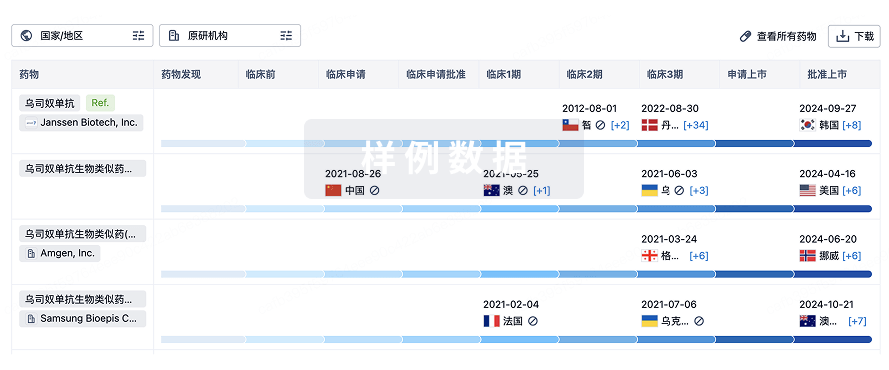
生物类似药
生物类似药在不同国家/地区的竞争态势。请注意临床1/2期并入临床2期,临床2/3期并入临床3期
登录
或
特殊审评
只需点击几下即可了解关键药物信息。
登录
或

提出任何生物医药研究问题
让每一步生物医药决策都精准制胜
基于十亿级生物数据与全球情报的精准 AI,赋能早期药物发现
立即开始免费试用!
智慧芽新药情报库是智慧芽专为生命科学人士构建的基于AI的创新药情报平台,助您全方位提升您的研发与决策效率。
立即接入生物医药数据包
智慧芽新药库数据也通过智慧芽开放平台,以MCP或API服务形式对外开放。立即使用我们的MCP服务定制您的LLM智能体。
生物序列数据库
生物药研发创新
免费使用
化学结构数据库
小分子化药研发创新
免费使用