预约演示
更新于:2026-08-29
β-Lactamase inhibitors(Joincare)
β内酰胺酶抑制剂(健康元)
更新于:2026-08-29
概要
基本信息
药物类型 化学药 |
别名- |
作用方式 抑制剂 |
作用机制 β-lactamase抑制剂(β-内酰胺酶抑制剂) |
治疗领域 |
在研适应症 |
非在研适应症- |
原研机构 |
在研机构 |
非在研机构- |
权益机构- |
最高研发阶段临床前 |
首次获批日期- |
最高研发阶段(中国)临床前 |
特殊审评- |

关联
100 项与 β内酰胺酶抑制剂(健康元) 相关的临床结果
登录后查看更多信息
100 项与 β内酰胺酶抑制剂(健康元) 相关的转化医学
登录后查看更多信息
100 项与 β内酰胺酶抑制剂(健康元) 相关的专利(医药)
登录后查看更多信息
1,370
项与 β内酰胺酶抑制剂(健康元) 相关的文献(医药)2026-12-31·Emerging Microbes & Infections
Distinct effects of GES variants on ceftazidime-avibactam and imipenem-relebactam resistance in carbapenem-resistant
Pseudomonas aeruginosa
: a ten-year retrospective study
Article
作者: Wang, Linfang ; Li, Qian ; Wu, Chengjin ; Lei, Tailong ; Zhou, Shiting ; Zhou, Longjie ; Yi, Fengyao ; Li, Xi ; Xu, Haotian ; Tang, Xinyan ; Zou, Shutao ; Yu, Yunsong
Ceftazidime-avibactam (CZA) and imipenem-relebactam (IMR) are β-lactam/β-lactamase inhibitor combinations active against carbapenem-resistant Pseudomonas aeruginosa (CRPA), yet resistance to these agents is increasingly reported. In this study, 916 CRPA isolates collected from 2016 to 2025 were screened for blaGES by PCR, and fifty isolates were identified as blaGES-positive. Five subtypes were detected, including GES-1 (68%), GES-5 (24%), GES-7 (2%), GES-15 (4%), and a novel variant, GES-69 (2%). Antimicrobial susceptibility testing by broth microdilution revealed distinct resistance patterns. Isolates carrying blaGES-1, blaGES-7, blaGES-15, and blaGES-69 showed elevated CZA MICs, whereas blaGES-5 was associated with increased IMR MICs. Cloning experiments and structural modelling suggested that substitutions at position 170, Ω-loop conformational changes, and alterations in residues such as E104 may affect substrate binding and inhibitor interactions. Whole-genome sequencing showed that blaGES variants were located on the chromosome within class 1 integrons embedded in Tn6584-like transposons. Analysis of publicly available genomes further indicated that blaGES-positive isolates were mainly associated with the high-risk clone ST235, were distributed across multiple Gram-negative species with P. aeruginosa as the predominant host and exhibited an expanding cross-species distribution. In summary, these findings demonstrate that subtype-specific variation in GES enzymes is likely to shape the activity of β-lactam/β-lactamase inhibitor combinations within a conserved ST235 background.
2026-09-01·Journal of Global Antimicrobial Resistance
FPI-1523, a novel β-lactamase inhibitor, enhances imipenem activity against carbapenemase-producing Enterobacterales
Article
作者: Zhong, Zeyong ; Gong, Yanchun ; Zhang, Yichi ; Kong, Jingchun ; Cao, Jianming ; Yang, Yuhan ; Ye, Jianzhong
OBJECTIVE:
Evaluating the in vitro and in vivo antimicrobial activity of FPI-1523, a novel β-lactamase inhibitor, in combination with imipenem against carbapenemase-producing carbapenem-resistant Enterobacterales (CRE).
METHODS:
The in vitro and in vivo antibacterial effect of FPI-1523 combined with imipenem against CRE strains were evaluated using antimicrobial susceptibility test, time-kill assays, and Galleria mellonella infection model. Haemolysis assays and cytotoxicity experiments were performed to evaluate the safety. Modified carbapenem inactivation method and carbapenemase inhibition assay of crude periplasmic extract were conducted to explore the mechanistic basis of the antibacterial effect of the FPI-1523 and imipenem combination.
RESULTS:
Combined with FPI-1523, the majority of these strains (21/28, 75%) regained susceptibility to imipenem (MIC ≤ 1 mg/L), including those producing KPC, NDM, and IMP carbapenemases. Further analysis revealed that FPI-1523 exhibited intrinsic antimicrobial activity against Enterobacter cloacae and Escherichia coli, with MIC values ranging from 2 to 128 mg/L. These in vitro significant antibacterial effects were further confirmed by time-kill assays. The in vivo significant antibacterial effects were validated using a G. mellonella infection model. Haemolysis assays and cytotoxicity tests confirmed the safety of the drug combination. Modified carbapenem inactivation method and carbapenemase inhibition assay of crude periplasmic extract revealed that FPI-1523 effectively inhibited carbapenemase (excluding class B carbapenemases) activity. Based on the antimicrobial susceptibility results, for class B carbapenemase-producing strains, the antibacterial effect may be primarily mediated by FPI-1523 monotherapy.
CONCLUSIONS:
The combination of FPI-1523 and imipenem demonstrates significant antibacterial activity against diverse carbapenemase-producing CRE.
2026-09-01·INTERNATIONAL JOURNAL OF ANTIMICROBIAL AGENTS
Essential role of the leucine-293 for the AmpC β-lactamase in the resistance to cefepime, cefiderocol, and new β-lactams/β-lactamase inhibitor combinations in Enterobacter hormaechei
Article
作者: Soto-Gallego, Carmen ; Rodríguez-Rodríguez, Marta ; Rodríguez-Villodres, Ángel ; Rojas, Ana María ; Casimiro-Soriguer, Carlos S ; Ortiz de la Rosa, José Manuel ; Lepe, José Antonio ; Alanís-Domínguez, Enrique ; Dorado Pardo, Javier
OBJECTIVES:
Cefepime (FEP) is used to treat Enterobacter spp. infections, yet resistance mechanisms remain incompletely defined. This study aimed to characterize the emergence of this broad-spectrum resistance phenotype in an AmpC-hyperproducing, FEP-susceptible E. hormaechei isolate exposed to FEP.
METHODS:
We exposed an AmpC-hyperproducing, FEP-susceptible Enterobacter hormaechei isolate to escalating cefepime concentrations and selected a mutant with high-level resistance to FEP, FEP/β-lactamase inhibitor combinations, ceftazidime/avibactam and cefiderocol. Whole-genome sequencing, AmpC Escherichia coli cloning, and structure-based modelling were performed to define the underlying resistance mechanism.
RESULT:
The selected mutant harboured a single Leu293 deletion in AmpC, which was sufficient to generate this broad-spectrum resistance.
CONCLUSIONS:
These findings define Leu293 as a key AmpC mutational hotspot with implications for clinical microbiology.
289
项与 β内酰胺酶抑制剂(健康元) 相关的新闻(医药)2026-08-28
·网易号
文/瑞财经 孙肃博2025年5月,全球首款CLDN18.2靶向单抗佐妥昔单抗的开发者安斯泰来,做了一笔让业界侧目的交易——它以1.3亿美元的首付款,引进了一款尚处临床阶段的ADC产品XNW27011。这款产品的研发方,就是苏州信诺维医药科技股份有限公司(以下称“信诺维”)。公司成立于2017年,是一家聚焦于全球范围内重大未满足临床需求的创新药公司。目前,公司已形成“1(NDA)+3(III 期)+N”的创新药管线梯队,并通过全球BD授权或转让初步实现了创新反哺研发。2025年底,信诺维向科创板发起了冲击。2026年6月26日,上交所上市委审议通过;7月23日,证监会同意注册。2026年8月26日,信诺维正式披露招股意向书,启动发行。管线产品即将商业化,靠BD交易在2025年实现了2.03亿元归母净利润,三年累计研发投入超12亿元,手握超20亿美元的潜在BD收款。信诺维正在走一条不同寻常的路。之所以能在创新药行业整体承压的背景下脱颖而出,信诺维靠的是实打实的BD订单与梯队化管线。其“1+3+N”的战略布局与跨国药企的频频出手,已经给了市场最直接的答案。012025年靠BD交易净赚两亿手握超20亿美元BD订单2025年,信诺维营收9.35亿元,扣非归母净利润2.28亿元。其中,与安斯泰来就XNW27011达成的独家许可协议贡献了约9.27亿元,占全年总营收的99.14%。这笔交易的含金量不低:1.3亿美元首付款已到账,安斯泰来还于2026年6月支付了2500万美元的研发里程碑款项。此外,信诺维还有资格获得最高7000万美元的近期付款,以及最高13.61亿美元的开发、注册、商业化里程碑付款和后续销售分成。但信诺维的BD版图不止于此。2019年,信诺维将XNW1011与自身免疫性疾病相关适应症授权给中国抗体,技术转让费合计1.4亿元。XNW1011与自身免疫性疾病相关适应症获批上市后,信诺维还将获得该产品销售回款的收入分成。2021年,信诺维与中国抗体共同将XNW1011肾脏疾病领域全球权益授权给云顶新耀,首付款1200万美元,潜在里程碑付款最高5.49亿美元,此外还有净销售额的特许权使用费分成。2026年6月,云顶新耀将XNW1011再次授权给纳斯达克上市公司Travere Therapeutics,交易前期款项为1.125亿美元。信诺维作为上游授权方,将获得825万美元分成收益,并将有资格持续从云顶新耀获得潜在的里程碑付款分成和商业化分成收益。截至目前,信诺维已与安斯泰来、云顶新耀、中国抗体等多家国内外药企达成合作,协议潜在收款金额累计超过20亿美元。02首款商业化产品预计2027年实现销售放量2030年后预计创收超6亿元支撑信诺维多笔BD交易的根基,是其“1+3+N”管线梯队本身具备的成色。1个NDA阶段管线——注射用亚胺西福(XNW4107复方制剂)、3个III期/关键性临床阶段抗肿瘤管线、N个早期管线(临床早期及临床前阶段),这个结构的价值更在其节奏:2026年首款产品获批上市,2027年至2028年三款产品陆续跟进,早期管线持续补充,时间轴上没有明显的断档,每一层都有接力。进展最快的抗感染领域的注射用亚胺西福,是一款β-内酰胺酶抑制剂复方制剂,用于治疗革兰阴性菌引起的医院获得性肺炎(HABP)和呼吸机相关性肺炎(VABP)。注射用亚胺西福对我国引起HAP/VAP最常见的革兰阴性菌,即难治耐药型铜绿假单胞菌、碳青霉烯耐药的鲍曼不动杆菌和产KPC的肠杆菌(常见为肺炎克雷伯菌)均有较强的抗菌活性。传统BL/BLI复方制剂覆盖不到的耐药菌株,已被注射用亚胺西福的抗菌谱有效覆盖。据信诺维测算,该产品预计2026年获批上市,上市后将填补国内碳青霉烯耐药革兰阴性菌感染治疗的部分空白,满足院内HABP/VABP的临床需求。作为公司首款商业化产品,预计2027年通过医保谈判纳入医保后即可逐步实现销售放量,成为公司早期销售收入的核心支撑。3个III期/关键性临床阶段抗肿瘤管线也是信诺维的核心产品。XNW5004(EZH2小分子抑制剂)主要针对外周T细胞淋巴瘤(PTCL)、滤泡性淋巴瘤(FL)及转移性去势抵抗性前列腺癌(mCRPC)。其中,r/r PTCL适应症全球排名并列第3、国内排名并列第2,核心适应症推进速度领先。在FL适应症上,已上市的EZH2抑制剂仅覆盖EZH2突变型患者(约占20%),而XNW5004对EZH2野生型(占FL患者约80%)也展现出优异疗效,ORR达63.2%,优于已撤市的他泽司他,差异化优势明显。该产品已有2个适应症获CDE突破性治疗药物认定,T细胞淋巴瘤获FDA孤儿药认定,监管加速审批通道已经打开。安全性良好,口服剂型适配淋巴瘤患者长期治疗需求,提升用药依从性。既往二线治疗后r/r PTCL预计2026年下半年提交NDA、2027年获批上市,后续适应症将逐步推进至一线、初治患者拓展,可覆盖更广大患者人群。作为全球少有的可覆盖EZH2野生型FL的EZH2抑制剂,市场空间广阔,具备成为领域Best-in-class药物的潜力,存在后续海外BD合作机会。XNW27011是公司开发的一款靶向Claudin 18.2(CLDN 18.2)的全球潜在最佳的抗体偶联药物(ADC),由靶向CLDN 18.2的IgG1亚型的人源化单克隆抗体、可裂解连接子和DNA拓扑异构酶I抑制剂组成,注册分类为治疗用生物制品1类。该产品于2022年12月获FDA临床试验批件,2023年4月获得国家药品监督管理局颁发的临床试验批件,于2024年6月获FDA快速通道资格,于2025年5月其用于CLDN 18.2表达的局部晚期不可切除或转移性HER2阴性胃或胃食管结合部腺癌的三线及以上的治疗被CDE纳入突破性治疗药物认定。在同靶点同阶段ADC中,针对后线CLDN 18.2阳性胃/胃食管结合部腺癌,XNW27011确认ORR达65.2%、mPFS达5.7个月,优于现有CSCO推荐疗法以及多数同赛道竞品,即使在基线更晚线、表达要求更低的情况下仍保持疗效优势。核心三线适应症目前处于III期临床,预计2027-2028年获批上市,国内权益归信诺维所有,上市后可填补后线Claudin 18.2阳性胃癌治疗的空白。后续可拓展一线联合治疗,覆盖更多患者。后续安斯泰来推进海外临床开发,信诺维可持续获得里程碑收入,进一步反哺国内研发。XNW28012是研发进度全球领先的新一代TF靶向ADC药物,其在晚期胰腺癌中展现出良好的疗效,且无需生物标志物筛查,能覆盖胰腺癌全人群,有望为晚期胰腺癌患者提供更好的治疗选择。该产品是全球同靶点ADC中较早进入胰腺癌III期临床的管线,国内仅2款同靶点ADC进入III期,XNW28012进度靠前。不同于其他ADC需要特定生物标志物高表达才能入组,XNW28012在不区分TF表达的胰腺癌患者中均展现疗效,可覆盖全人群,目标患者群体更广。疗效显著优于现有标准治疗:针对二线转移性胰腺癌ORR达42.9%、mPFS达6.4个月,三线ORR达25.9%、mPFS达4.3个月,显著优于现有CSCO推荐化疗方案(ORR仅16%-17%,mPFS仅3.1个月)。该产品已获CDE突破性治疗药物认定、FDA快速通道认定及孤儿药认定,多重监管加速优势。核心二线转移性胰腺癌适应症处于III期临床,预计2026Q4完成入组、2028年获批上市,后续还将拓展宫颈癌适应症以及一线联合治疗。目前胰腺癌后线尚无标准治疗方案,产品上市后将填补该领域空白,成为晚期胰腺癌患者的新治疗选择,竞争格局优异,具备海外BD合作潜力。四款已进入后期的管线之外,早期管线为信诺维提供了“第三增长曲线”的想象空间。尤其是靶向蛋白降解平台的XNW34017——全球首创的口服AURKA/MYC蛋白降解剂,已进入I期临床。MYC是公认的“不可成药”靶点,目前全球尚无靶向MYC的药物获批上市。早期管线依托公司三大成熟技术平台(小分子靶向药物开发平台、复杂抗体药物开发平台、靶向蛋白降解药物开发平台)持续产出,覆盖抗肿瘤、抗感染、代谢、自免等多个领域,随着临床推进,后续可逐步补充公司后期管线梯队,部分高潜力管线还可通过BD交易实现价值兑现,保障公司管线的长期可持续性。03十项中美监管认定背书三年研发投入超12亿元管线的临床价值,不仅体现在BD交易金额上,也体现在中美药品监管机构的多项认定中。目前,信诺维已累计获得10项监管促进资格。其中,XNW5004的两项适应症(r/r PTCL、r/r FL)、XNW27011的胃癌后线治疗、XNW28012的转移性胰腺癌,均获CDE突破性治疗药物认定。根据《药品注册管理办法》,纳入突破性治疗药物程序的药品,在申请上市许可时可以申请适用优先审评审批程序,审评时限由200个工作日压缩至130个工作日。这意味着,信诺维后续产品从NDA受理到获批上市的时间周期有望缩短。在FDA层面,XNW27011、XNW28012和注射用亚胺西福均获得快速通道认定,XNW5004和XNW28012获得孤儿药认定,注射用亚胺西福还获得QIDP认证。截至2026年4月30日,信诺维在科创板生物医药企业中,CDE突破性治疗药物认定数量排名第四;FDA快速通道认定数量在中国药企中亦名列前茅。监管促进资格的本质,是药监部门对药物“解决未满足临床需求”能力的背书。对于创新药企而言,这种背书兼具双重价值,既能在研发阶段获得监管沟通和审评资源的倾斜,也为后续的商业化准入(医保谈判、医院准入)提供了权威的临床价值证明。信诺维的研发能力已多次在国际学术会议上得到验证。XNW5004的临床研究成果入选2025年ASCO年会口头报告;XNW27011和XNW28012的研究结果分别在ASCO、ESMO等会议上以壁报形式展示;注射用亚胺西福的III期临床数据入选2026年ECCMID大会口头报告。从口头报告到壁报展示,国际学术界对信诺维管线的关注,是管线临床价值的外在映射。截至2025年末,信诺维研发人员从2023年的205人增长至312人,占比86.19%。2023年-2025年,累计研发投入12.64亿元。公司预计2026年注射用亚胺西福获批上市,2027年至2028年XNW5004、XNW27011、XNW28012将陆续获批上市。届时,信诺维将正式进入“BD收入+药品销售收入”双轮驱动的新阶段。04上市前获多方资本加持八成募资拟用于新药研发信诺维的股东阵容,本身就是一份市场对公司价值的“投票记录”。本次发行前,公司总股本为37,016.5663万股。控股股东为上海励攀企业管理中心(有限合伙)(以下称“励攀合伙”),持股21.58%。实际控制人强静直接持有公司0.82%的股份;通过担任励攀合伙、佑曜合伙、信康维健、骋怀仰观及猷霄合伙的执行事务合伙人,合计控制37.41%的表决权。2024年2月,Tencent Mobility Limited出资1.5亿元认缴信诺维新增注册资本1,016.5663万元,这是腾讯在创新药领域一次重要的战略入股。2024年9月及2025年7月,Tencent Mobility Limited又继续出资1.4亿元收购了信诺维3.02%的股份。正心谷投资也是信诺维资深投资方。截至目前,正心谷投资管理或控制的檀英投资、乐永投资、康睿济远和横琴旭勒持有的股份比例分别为 4.78%、1.61%、0.23%、0.04%。此外,信诺维股东名单中还包括乐普医疗(300003.SZ)、广发乾和、凯莱英、中金启德、鼎晖盈嘉等知名公司/机构,分别持股1.56%、0.92%、2.29%、1.1%、0.55%、国资背景的机构同样深度参与。截至目前,国鑫投资(SS)、农银苏州(SS)、济南科投(SS)三家国有股东合计持股约2.60%。此外,农银苏州、粤凯医健、浦东科投等国资参投机构也出现在股东名单中。本次IPO,信诺维拟公开发行6,532.3352万股,占发行后总股本的比例为15%,拟募集资金29.4亿元,其中23.4亿元将用于新药研发项目,占总募集资金的八成。战略配售方面,保荐人国泰海通相关子公司证裕投资将跟投本次公开发行数量的5%;公司高级管理人员与核心员工通过两个资管计划参与战略配售,认购金额合计不超过20,850万元。
2026-08-27
·搜狐新闻
截至2026年8月27日收盘,健康元(600380)报收于9.28元,下跌0.11%,换手率0.91%,成交量16.64万手,成交额1.54亿元。
当日关注点
交易信息汇总:8月27日主力资金净流出178.07万元,游资资金净流入275.38万元。
机构调研要点:丽珠集团上半年营收50.00亿元、同比下降20.28%,拖累健康元整体业绩;剔除丽珠影响后,健康元自身业务净利润小幅增长,保健品板块收入同比增长25%、毛利率达80.80%。
机构调研要点:TSLP单抗COPD适应症Ⅲ期临床已于3月完成首例入组,Ⅲ期临床读数预计最快于2028年;玛帕西沙韦干混悬剂Ⅲ期入组进入后期,力争年内完成全部研究并提交上市申报。
机构调研要点:越南IMP已于5月纳入合并报表,首批三大注射剂品种技术转移及四个重点品种进口注册已启动;健康元及丽珠制剂产品已在53个国家和地区开展注册、准入或商业合作。
公司公告汇总:控股子公司丽珠单抗研发的莱康奇塔单抗注射液获批上市,为国内首个自主研发的IL-17A/F双靶点创新生物制剂,适应症为中重度斑块状银屑病成人患者。
交易信息汇总资金流向
8月27日主力资金净流出178.07万元,占总成交额1.16%;游资资金净流入275.38万元,占总成交额1.79%;散户资金净流出97.31万元,占总成交额0.63%。
机构调研要点8月25日业绩说明会,线上接入
公司2026年上半年实现营业收入65.83亿元,同比下降16.66%;归母净利润6.48亿元,同比下降17.49%;扣非归母净利润6.04亿元,同比下降21.55%。下滑主要来自子公司丽珠集团:其上半年营收50.00亿元,同比下降20.28%;归母净利润9.32亿元,同比下降27.23%;扣非归母净利润8.90亿元,同比下降29.26%。化学制剂收入同比下降25.33%,中药制剂收入同比下降34.83%。
剔除丽珠集团影响后,健康元自身业务稳定,净利润小幅增长。呼吸创新药收入占呼吸制剂销售比例约35%;保健品板块实现营收3.04亿元,同比增长25%,毛利率80.80%,鹰牌花旗参系列录得近十年来最好半年销售业绩。
创新药管线呈梯次结构:TSLP单抗COPD适应症Ⅲ期临床已于3月完成首例入组,哮喘及慢性鼻窦炎伴鼻息肉适应症分别处于Ⅱ期;玛帕西沙韦干混悬剂Ⅲ期入组进入后期,力争年内完成全部研究并提交上市申报;Nav1.8抑制剂腹部术后镇痛Ⅱ期入组已完成,预计年底启动Ⅲ期;PREP抑制剂处于Ⅱ期概念验证阶段;新型β-内酰胺酶抑制剂及新型多黏菌素B处于Ⅰ期临床。
玛帕西沙韦胶囊(壹立康)已完成全国各省挂网,正加快推进医院准入、院外渠道覆盖、学术推广及医保准入;儿童剂型玛帕西沙韦干混悬剂处于Ⅲ期临床阶段。
越南IMP已于2026年5月纳入合并报表;生产管理方面推进集团制剂体系与IMP质量体系融合;产品导入方面,首批启动注射用艾普拉唑钠、达托霉素、磷酸特地唑胺技术转移,以及重组人促卵泡激素注射液等4个品种进口注册;渠道整合方面规划以越南为支点辐射东盟市场。未来三年重点推进拉美、中东及中亚、东南亚和欧洲市场;健康元及丽珠制剂产品已在全球53个国家和地区开展注册、准入或商业合作。
TSLP单抗(JKN2401)COPD适应症Ⅲ期临床入组速度符合预期,因观察期至少一年,Ⅲ期临床读数预计最快于2028年。
原料药板块收入与毛利整体保持相对稳定,境外业务为重要支撑,出口占比超60%;印尼原料药工厂按计划推进。
保健品业务上半年营收3.04亿元,同比增长约25%,毛利率80.80%,同比提升2.38个百分点;鹰牌春节礼盒全渠道销售近30万盒,同比增长约87%。
2025年度现金分红金额同比增长10%;过去五年累计回购金额达27亿元。
公司公告汇总健康元药业集团股份有限公司关于获得《药品注册证书》的公告
控股子公司丽珠单抗收到国家药监局核准签发的《药品注册证书》,莱康奇塔单抗注射液(皮下注射)获批上市,批准文号为国药准字S20260065,有效期至2031年8月24日。该药品为国内首个自主研发的IL-17A/F双靶点创新生物制剂,适应症为中重度斑块状银屑病成人患者;Ⅲ期临床数据显示其在起效速度、皮损清除率及长期疗效方面优于阳性对照组,安全性相当;累计研发投入约22,331万元;目前国内已有1个同类进口产品获批。
以上内容为证券之星据公开信息整理,由AI算法生成(网信算备310104345710301240019号),仅供参考不构成投资建议。返回搜狐,查看更多
2026-08-27
·知乎专栏
中国创新药企,正在以自主研发叩开全球市场大门。作者 | 郑佳编辑 | 马景行来源 | 野马财经靠着一份横跨抗肿瘤与抗感染两大领域的管线名单,这家苏州药企先是从全球制药巨头安斯泰来手中拿到1.3亿美元的首付款,随后又在成立第九年叩开科创板的大门。8月25日晚,信诺维披露首次公开发行股票并在科创板上市《招股意向书》,正式启动科创板发行。本次IPO,信诺维拟公开发行新股6532.34万股,占发行后总股本的15%。公司计划募集资金29.4亿元,拟将募集资金用于新药研发项目及补充流动资金,以进一步强化研发能力,推进在研管线的研发进展。图源:罐头图库从被巨头重金押注,到走向资本市场,市场对信诺维的审视,落到一个问题上,公司的管线凭什么值这个价?01管线梯队成形临床进度位居全球前列信诺维的底气,首先来自层层递进的管线名单。据《招股意向书》披露,公司已形成1+3+N的创新药管线梯队,即1个产品处于药品上市许可申请受理阶段,3个产品处于临床III期或关键性临床阶段,另有多个早期管线稳步推进,在研创新药管线共计10款。从新药获批到早期探索,每一层都有落子,这样的梯度结构在同类药企中并不多见。其中,抗感染领域的注射用亚胺西福是距离商业化最近的一款。该药由公司自主研发的新型β-内酰胺酶抑制剂福诺巴坦与亚胺培南、西司他丁钠组成复方制剂,用于治疗革兰阴性菌引起的医院获得性细菌性肺炎和呼吸机相关性细菌性肺炎,III期临床研究已达到预设的主要研究终点,药品上市许可申请于2025年7月获国家药监局药品审评中心受理,预计2026年获批上市。抗肿瘤领域则是三款重磅品种并行。XNW5004是一款针对表观遗传学靶点EZH2的小分子抑制剂,2026年6月已向药审中心递交Pre-NDA沟通申请,预计2027年获批上市,其在既往接受过二线系统治疗的复发难治性外周T细胞淋巴瘤患者中的客观缓解率达到70%,在复发难治性滤泡性淋巴瘤患者中的客观缓解率亦达到63.2%。XNW27011是一款靶向Claudin18.2的抗体偶联药物,被行业视作具备同类最佳潜力的ADC候选药物,在胃癌三线及以上治疗适应症上正处于III期临床,预计2028年获批上市,并已向胃癌一线联合治疗延伸布局。XNW28012则是一款靶向组织因子的ADC,在胰腺癌适应症上无需生物标志物筛查、可覆盖全人群,III期临床同样指向2028年上市。图源:罐头图库临床进度的领先,背后是监管机构的认可。据《招股意向书》披露,公司在研管线中3款药物的4个适应症获得国家药监局药品审评中心突破性治疗药物认定,3款药物获得美国FDA快速通道认定,2款药物获得孤儿药认定,1款药物获得合格感染疾病产品认证,获得的监管促进资格数量在国内药企中名列前茅。截至2026年4月30日,按突破性治疗药物认定数量计,公司在科创板生物医药企业中位列前茅。研发进度上,XNW5004 研发进度在PTCL、r/r FL、mCRPC 适应症的同靶点小分子药物中排名均处于全球前3,XNW27011 研发进度在G/GEJA 适应症的同靶点ADC 药物中排名全球前5,XNW28012 研发进度在胰腺癌、宫颈癌适应症的同靶点 ADC 药物中排名均处于全球前2。02双线并进剑指两大高增长市场管线成色之外,赛道的宽度同样决定想象空间。信诺维主攻的抗肿瘤与抗感染,恰是当前中国医药市场增长最确定的两大方向。据“药智咨询”数据,2023年我国肿瘤药物市场规模约为2197亿元,预计2028年有望快速增长至4484亿元,年复合增长率达15.3%。需求端的支撑同样坚实,据国家癌症中心数据,2019年至2021年我国人群总体癌症5年相对生存率约为43.7%,与发达国家仍有差距,肿瘤患者对有效治疗药物的需求广阔。图源:罐头图库胃癌是信诺维重点布局的方向之一。据西南证券发布的胃癌专题研究报告,Claudin18.2已成为近年最大增量赛道,单抗、多款ADC及全球首款实体瘤CAR-T陆续获批或申报上市,独立构建起HER2阴性一线靶向体系,靶点BD交易频繁、商业化空间广阔。报告引用“弗若斯特沙利文”预测称,中国胃癌药物市场规模有望从2026年的1188亿元增至2030年的1852亿元。信诺维的XNW27011正卡位这一赛道,据《招股意向书》披露,Claudin18.2在胃癌中的表达率约为73%,而XNW27011对表达的要求相对更低,潜在覆盖人群更广,其在胃癌三线及以上治疗中的中位无进展生存期达到5.7个月,较现有治疗方法及在研药物更长。抗感染一侧,耐药问题正催生迫切临床需求。据药智数据显示,2023年我国系统用抗菌药全终端市场销售额为1139.36亿元,市场广阔且整体稳定。据中国细菌耐药监测网统计,2014年至2024年历年分离的革兰阴性菌占比稳定在70%至73%,碳青霉烯类耐药菌引发的院内感染死亡率高、治疗手段有限。信诺维的注射用亚胺西福是有效覆盖碳青霉烯耐药鲍曼不动杆菌、铜绿假单胞菌和肠杆菌三大耐药菌的β-内酰胺酶抑制剂抗菌药物,已获美国FDA合格感染疾病产品认证,上市后瞄准国内三级医院这一耐药菌高发的主战场。03BD交易连环落子超20亿美元验证价值如果说管线与市场描绘的是未来,BD交易则把未来的一部分提前兑现在了当下。《招股意向书》披露,2025年5月,信诺维与安斯泰来就XNW27011达成独家许可协议,授予其除中国大陆及港澳台地区外的全球开发和商业化权利,信诺维获得1.3亿美元首付款,以及最高可达14.06亿美元的开发、注册、商业化里程碑付款,产品上市后还可获得净销售额低两位数比例的特许权使用费分成。2025年8月首付款到账,2026年6月公司又收到安斯泰来支付的2500万美元研发里程碑款项。安斯泰来位列2025全球制药企业50强第21位,且已启动胃癌、胰腺癌等泛瘤种的临床试验,这笔交易的分量可见一斑。图源:罐头图库管线价值的跨国验证不止于此。早在2019年,信诺维将XNW1011自身免疫性疾病相关适应症的技术与应用转让给中国抗体,获得合计1.4亿元的技术转让费。2021年9月,信诺维、中国抗体与云顶新耀达成全球独家合作协议,将XNW1011肾脏疾病领域的全球开发及商业化权利授权给云顶新耀,首付款1200万美元,里程碑付款最高可达5.49亿美元。2026年6月,云顶新耀进一步将XNW1011授权给纳斯达克上市公司Travere,据《招股意向书》披露,若云顶新耀顺利收到1.125亿美元前期付款,信诺维作为上游授权方将获得825万美元分成收益,并有资格持续分享里程碑与商业化分成。据《招股意向书》披露,截至签署日,信诺维在履行的对外授权协议潜在收款金额累计已超过20亿美元,合作方包括安斯泰来、云顶新耀、中国抗体等多家知名药企。大额BD的落地,也让公司在2025年实现整体盈利,当年营业收入9.35亿元,归母净利润2.03亿元,盈利的绝大部分来自XNW27011授权交易的首付款确认。进入2026年,据《招股意向书》披露,公司上半年营业收入1.76亿元,主要来自二季度确认的安斯泰来里程碑款项,BD收入的接续性正在显现。图源:罐头图库这一路径正与行业大势同频。据华泰证券梳理,年初以来国产创新药BD项目数和披露金额的全球占比分别达到20%和75%,在已达成的21项重磅交易中,中国交易占15项。中国创新药企正从过去单一的授权方,成长为与跨国巨头长期对等的战略合作方,信诺维累计达20亿美元的潜在BD交易,正是这股浪潮中的一朵引人注目的浪花。从管线到市场再到交易,信诺维讲了一个完整的创新药故事。站在企业维度,研发驱动、BD和销售一体化增长的模式正在成型。据《招股意向书》披露,注射用亚胺西福预计2026年获批上市,后续3款抗肿瘤新药预计于2027年至2028年陆续上市,公司将形成连续产品收入接替,在管线研发推进顺利、药品销售达到预期的敏感性测算情景下,公司有望于2029年实现合并报表盈利。放眼行业维度,中国创新药正从产品出海走向体系出海。随着出海BD延续加速,海外临床、注册与商业化进入实质兑现期,越来越多像信诺维这样的企业正在以自主研发叩开全球市场大门。中国创新药在全球价值链中的位置,也正在被重新定义。你对创新药还有哪些了解?评论区聊聊吧。
100 项与 β内酰胺酶抑制剂(健康元) 相关的药物交易
登录后查看更多信息
研发状态
10 条进展最快的记录, 后查看更多信息
登录
| 适应症 | 最高研发状态 | 国家/地区 | 公司 | 日期 |
|---|---|---|---|---|
| 抗生素耐药性感染 | 临床前 | 中国 | 2025-01-02 |
登录后查看更多信息
临床结果
临床结果
适应症
分期
评价
查看全部结果
| 研究 | 分期 | 人群特征 | 评价人数 | 分组 | 结果 | 评价 | 发布日期 |
|---|
No Data | |||||||
登录后查看更多信息
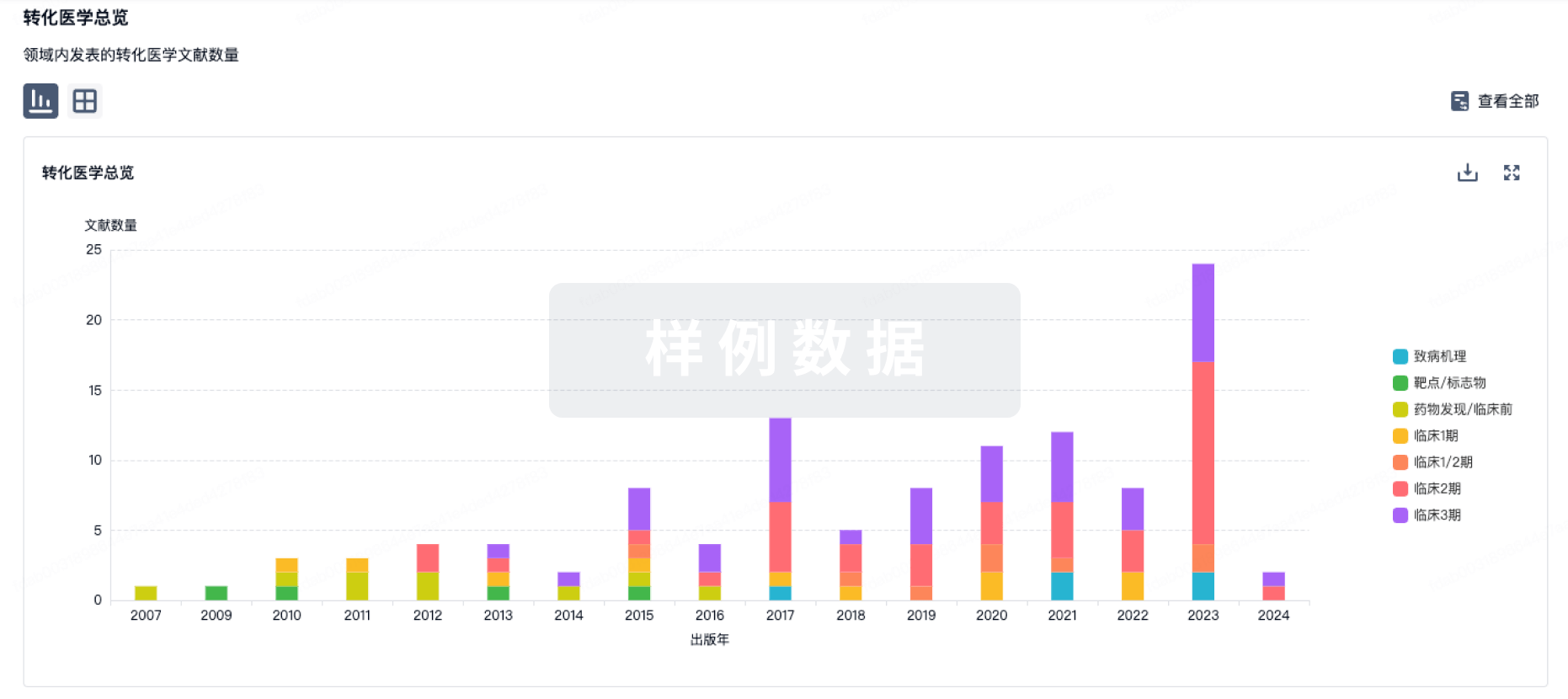
转化医学
使用我们的转化医学数据加速您的研究。
登录
或
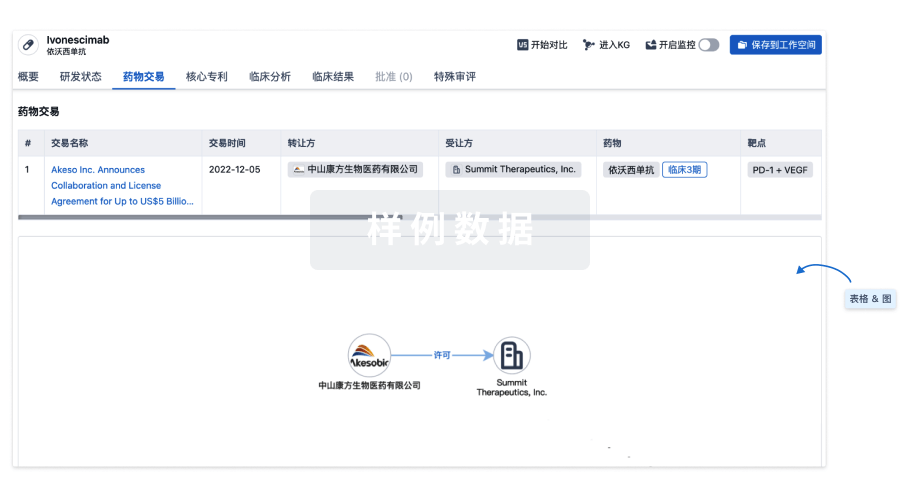
药物交易
使用我们的药物交易数据加速您的研究。
登录
或
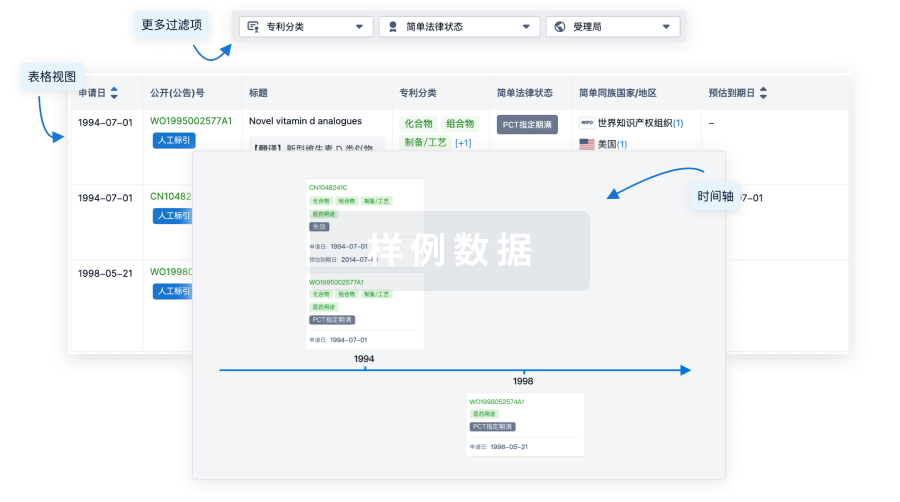
核心专利
使用我们的核心专利数据促进您的研究。
登录
或
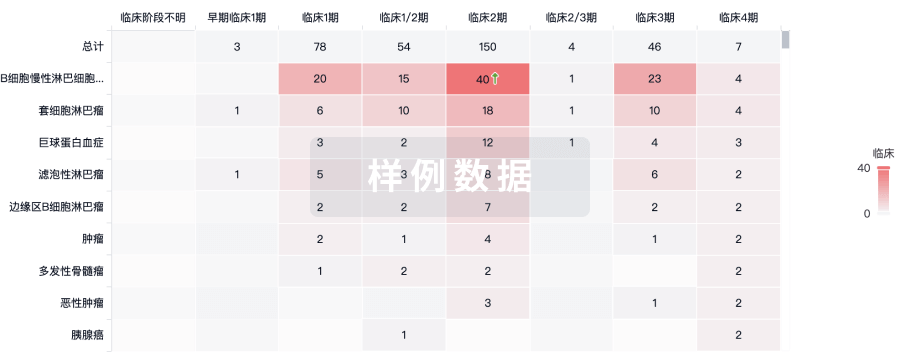
临床分析
紧跟全球注册中心的最新临床试验。
登录
或
批准
利用最新的监管批准信息加速您的研究。
登录
或
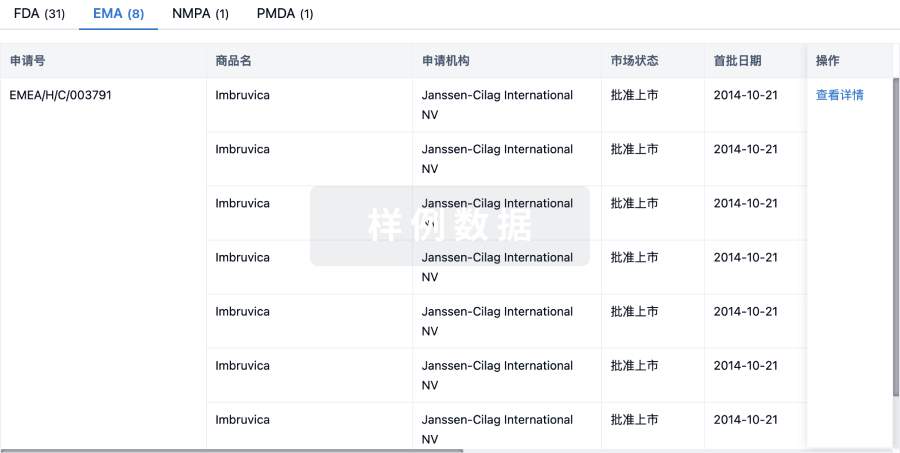
特殊审评
只需点击几下即可了解关键药物信息。
登录
或
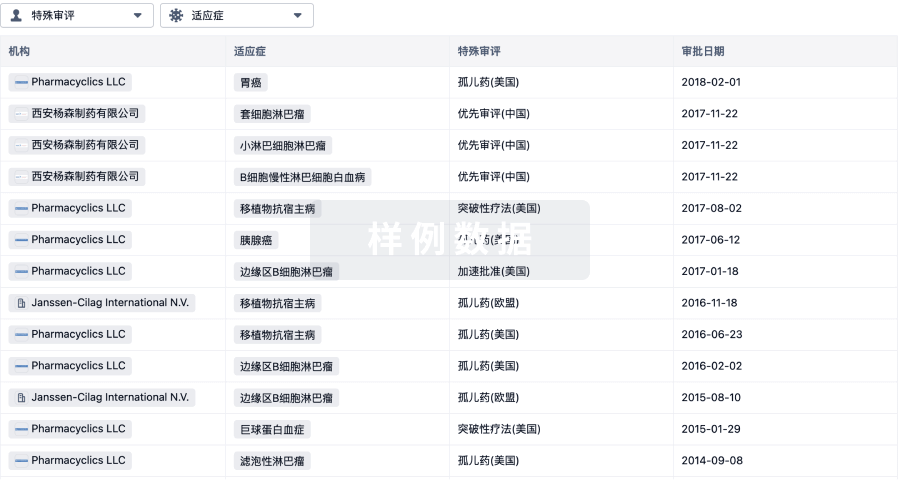
提出任何生物医药研究问题
让每一步生物医药决策都精准制胜
基于十亿级生物数据与全球情报的精准 AI,赋能早期药物发现
立即开始免费试用!
智慧芽新药情报库是智慧芽专为生命科学人士构建的基于AI的创新药情报平台,助您全方位提升您的研发与决策效率。
立即接入生物医药数据包
智慧芽新药库数据也通过智慧芽开放平台,以MCP或API服务形式对外开放。立即使用我们的MCP服务定制您的LLM智能体。
生物序列数据库
生物药研发创新
免费使用
化学结构数据库
小分子化药研发创新
免费使用