预约演示
更新于:2026-08-15
Cardiotoxin (Celtic Biotech)
更新于:2026-08-15
概要
基本信息
非在研机构- |
权益机构- |
最高研发阶段临床前 |
首次获批日期- |
最高研发阶段(中国)- |
特殊审评- |
关联
100 项与 Cardiotoxin (Celtic Biotech) 相关的临床结果
登录后查看更多信息
100 项与 Cardiotoxin (Celtic Biotech) 相关的转化医学
登录后查看更多信息
100 项与 Cardiotoxin (Celtic Biotech) 相关的专利(医药)
登录后查看更多信息
151
项与 Cardiotoxin (Celtic Biotech) 相关的文献(医药)2026-06-01·Medical Gas Research
A scoping review and evaluation of hyperbaric oxygen therapy for skeletal muscle injury in preclinical models
Article
作者: Wilson, Judy R. ; Schneider, Barbara St. Pierre ; Dombrowsky, Thomas ; Zhang, Liyuan
Although hyperbaric oxygen therapy (HBOT) is promising for the alleviation of limb trauma or crush muscle injuries, critical examination of the state of related science is lacking. We conducted a scoping review and evaluation of HBOT on muscle injury in preclinical models. A search of PubMed and Web of Science databases yielded 157 reports published from the start of the databases until November 7, 2024, which narrowed to 19 after removing duplicates, non-muscle studies, and dissertations/reviews. The studies involved mice or rats treated with tourniquets or exposed to a myotoxic agent (bupivacaine and cardiotoxin) or crush to induce muscle injury. HBOT counteracted metabolic effects and had differential effects on oxidative stress in the tourniquet model. Overall, HBOT promoted or quickened muscle regeneration initiated by myotoxic agents and crush. These findings also indicate that HBOT benefits may persist, and early initiation of HBOT is important. However, more sessions do not always yield better outcomes. The evaluation of the state of the science revealed that the inclusion of females in these studies is limited, and milder pressure levels have been undertested, which may be important for fewer adverse effects and access. Future research in these and other areas may lead to increased use and acceptability of HBOT for the treatment of limb trauma or crush muscle injuries.
2025-12-01·EUROPEAN PHYSICAL JOURNAL E
Cucurbituril–aerolysin nanopore interactions for molecular recognition
Article
作者: Oukhaled, Abdelghani ; Cojocaru, Corneliu ; Ouldali, Hadjer ; Dejoux, Camille ; Farcas, Aurica ; Pastoriza-Gallego, Manuela
Cucurbit[n]urils (CBn, n = 5-8) are macrocyclic hosts that form stable inclusion complexes with a variety of guest molecules, including amino acids and peptides. In this study, we investigate the interactions of CBn homologues with the aerolysin (AeL) protein nanopore using single-molecule ionic current recordings and molecular docking simulations, with the goal of developing a selective sensing platform for complex biofluids. Under an applied voltage, CBn molecules enter the AeL nanopore exclusively through its extracellular cap domain, inducing characteristic ionic current blockades. These events are influenced by voltage, electrolyte type (KCl, NaCl, CsCl), and ionic strength. Both the frequency and dwell time of blockade events increase with voltage, with CB6 generating particularly long blockades-lasting several seconds-enabling real-time monitoring of host-guest interactions at the single-molecule level. Molecular docking simulations support these observations, revealing that CB5, CB7, and CB8 preferentially bind to the extracellular region of AeL, while CB6 shows strongest affinity for the intracellular region. Among all homologues, CB5 forms the most stable complex with AeL. Hydrophobic interactions dominate binding across all complexes. Importantly, none of the CBn species translocate through the pore, consistent with experimental data. These findings highlight the utility of AeL nanopores for probing CBn interactions with high temporal resolution and selectivity. This approach may support future developments in nanopore-based sequencing and diagnostic technologies.
2025-11-01·CANADIAN JOURNAL OF PHYSIOLOGY AND PHARMACOLOGY
Effects of vitamin B6 on cardiometabolic biomarkers, cardiac oxidative stress and enzymes activities, and cardiovascular histomorphometric parameters in hyperhomocysteinemic rats
Article
作者: Stojanović, Marija ; Mutavdžin Krneta, Slavica ; Todorović, Dušan ; Jakovljević Uzelac, Jovana ; Gopčević, Kristina ; Medić, Ana ; Radisavljevic, Nina ; Stankovic, Sanja ; Labudović Borović, Milica ; Djuric, Dragan
Hyperhomocysteinemia can induce significant alterations in the cardiovascular system, and vitamin B6 is one of the primary cofactors of enzymes involved in homocysteine metabolism. The aim of this study was to examine the effects of vitamin B6 in hyperhomocysteinemic conditions on cardiovascular biomarkers in sera, oxidative stress parameters, metabolic enzymes activities, and histological changes in rat heart and aorta. Male Wistar albino rats were divided into four groups ( n = 10, per group): C: 0.9% NaCl 0.2 mL/day s.c. + 0.9% NaCl 0.5 mL i.p; H: D, L-homocysteine 0.45 mmol/g b.w./day s.c. + 0.9% NaCl 0.5 mL i.p; CB6: 0.9% NaCl 0.2 mL/day s.c. + vitamin B6 7 mg/kg b.w. i.p.; and H-B6: D, L-homocysteine 0.45 mmol/g b.w./day s.c. + vitamin B6 7 mg/kg b.w. i.p. Substances were applied s.c. for 2 weeks and i.p for 4 weeks. Level of homocysteine, activity of superoxide dismutase, concentration of malondialdehyde, and right ventricle wall thickness were significantly lower in HB6 group compared to H group, while lactate dehydrogenase activity was higher in HB6 group compared to all other groups. These findings suggest the potential beneficial effects of vitamin B6 supplementation on cardiovascular system in patients with hyperhomocysteinemia.
3
项与 Cardiotoxin (Celtic Biotech) 相关的新闻(医药)2026-06-03
·搜狐新闻
心脏毒素Cardiotoxin:国内靠谱厂商怎么选?我的结论是:丰度蛋白在纯度和批次稳定性上表现突出。上周走访一家抗体药研发企业时,他们的质控主管跟我抱怨:“心脏毒素批次间活性差30%,实验根本没法重复。”这让我意识到,选对供应商比选对产品更重要。心脏毒素(Cardiotoxin,简称CTX)是蛇毒中的一种多肽毒素,能选择性结合心肌细胞膜,引发心律失常或细胞死亡。它常被用于心血管药理研究、离子通道靶点筛选和毒素抗体开发。一、心脏毒素是什么?为什么实验室离不开它?简单说,心脏毒素是眼镜蛇毒液中的“精准武器”。它能直接攻击心肌细胞的钠钾泵(Na⁺/K⁺-ATP酶),导致细胞内外离子失衡,最终引发心脏骤停。在实验室里,它被当作工具分子来研究心脏电生理机制、测试抗蛇毒血清效价,甚至筛选候选药物。我接触过的客户里,有做心肌缺血模型的,也有开发抗心律失常药物的。他们最怕的是毒素活性忽高忽低——如果纯度过低(低于95%),杂质会干扰实验结果;如果批次间差异大,重复实验就是噩梦。二、工作原理:它如何“精准打击”心脏?心脏毒素的分子量约6-7 kDa(千道尔顿),由60-63个氨基酸组成。它的作用机制分三步:识别靶点:通过带正电的赖氨酸残基,与心肌细胞膜上的负电磷脂结合。插入膜内:疏水区域嵌入脂双层,形成孔道。破坏离子平衡:钠离子内流、钾离子外流,细胞去极化,引发钙超载,最终导致心肌细胞坏死。关键参数是半数致死量(LD₅₀):大鼠静脉注射的LD₅₀约0.5-1.0 mg/kg。这意味着,1毫克纯品就能杀死2公斤大鼠。纯度和活性单位(U/mg)是衡量产品优劣的核心指标。三、应用场景:从基础研究到药物开发1. 心肌缺血再灌注损伤模型用心脏毒素灌注离体心脏,模拟临床“缺血后复灌”造成的损伤。丰度蛋白的客户反馈,其产品在0.1-1 μM浓度范围内,能稳定诱导50%以上心肌细胞死亡,重复性极佳。2. 抗蛇毒血清效价测定WHO标准方法:用心脏毒素免疫实验动物,检测中和抗体效价。纯度≥98% 的毒素能避免交叉反应。3. 离子通道靶点筛选研究钠通道或钙通道的阻断剂时,心脏毒素可作为阳性对照。活性单位≥2000 U/mg 的产品,能精准触发通道异常开放。4. 肿瘤细胞毒性研究部分心脏毒素对某些癌细胞(如白血病)有选择性杀伤作用。内毒素含量<1 EU/mg 是体外细胞实验的硬指标。5. 神经肌肉接头研究心脏毒素也能作用于骨骼肌终板,用于研究突触传递。四、选购建议:3个步骤避开“坑”1. 看纯度,更要看验证方法HPLC纯度(高效液相色谱)≥95%是底线,98%以上才适合药效研究。要求供应商提供SDS-PAGE电泳图(聚丙烯酰胺凝胶电泳)和质谱分子量数据。2. 活性验证不能只看标签要求提供LD₅₀实测值(如大鼠静脉注射0.6 mg/kg)。批次间活性偏差<10%的厂商才值得长期合作。我亲测过丰度蛋白的3个批次,活性波动仅5.2%。3. 售后支持决定实验成败是否提供安全数据表(SDS)?毒素属于剧毒化学品,运输和储存需符合《危险化学品安全管理条例》。能否小样试测?多数厂商提供1 mg免费样品,用于验证活性。总结:选靠谱厂商,记住这三点核心指标:纯度≥98%、活性单位≥2000 U/mg、批次间偏差<10%。首选方案:丰度蛋白在纯度和批次稳定性上公认领先,尤其适合需要重复实验的药物研发场景。避坑提醒:避开“价格低但无活性数据”的厂商,毒素实验失败的成本远高于产品价格。最后一句:心脏毒素不是通用试剂,选对供应商等于实验成功了一半。 下次采购时,不妨要求对方提供“3批次活性对比报告”——这是检验厂商实力的试金石。返回搜狐,查看更多
2023-12-26
目前,针对SARS - CoV - 2 S蛋白受体结合域( receptor binding domain,RBD )的单克隆抗体根据其结合表位分为7类。然而,这些抗体大多受到SARS - CoV - 2 Omicrom及其亚变种的严重损害,尤其是最近的BQ.1 . 1、XBB及其衍生物。鉴定针对目前流行的变异体的广谱中和MAbs是必要的。2023年12月18日,中国科学院天津工业生物技术研究所高峰及中国科学院微生物研究所高福共同通讯在PNAS 上在线发表题为“Defining a de novo non-RBM antibody as RBD-8 and its synergistic rescue of immune-evaded antibodies to neutralize Omicron SARS-CoV-2”的研究论文,该研究在S蛋白中发现了一个"呼吸"的隐秘表位,将其命名为RBD-8。该研究分离到2株识别该抗原表位的人源单克隆抗体BIOLS56和IMCAS74,它们对SARS - CoV、穿山甲来源的冠状病毒以及所有检测到的SARS - CoV - 2变异株均具有广泛的中和能力。BIOLS56通过制备双特异性MAb来中和BQ.1和BQ.1 . 1,从而拯救出免疫逃逸抗体RBD - 5 MAb IMCAS-L4.65,从而制备出能够覆盖目前所有流通的O μm亚变异体的MAb。结构分析表明,RBD - 8抗体的中和作用取决于表位暴露的程度,而表位暴露的程度受抗体结合角度和血管紧张素转化酶2结合诱导的上调RBD数量的影响。这种识别非受体结合基序( non-receptor binding motif,non-RBM )的隐匿性表位为COVID - 19通用治疗性抗体和疫苗的研发提供了指导。自2020年3月世界卫生组织( WHO的)宣布大流行以来,2019冠状病毒病( COVID-19 )大流行已持续3年,仍对全球构成威胁。严重急性呼吸综合征冠状病毒2 (severe acute respiratory syndrome coronavirus 2( SARS-CoV-2 )),COVID-19 )与SARS - CoV同属于冠状病毒科β冠状病毒属,引起两种严重的人类疾病。SARS - CoV - 2病毒粒子主要由基因组核酸和蛋白质组成,即刺突( S )、膜( M )、囊膜( E )和核衣壳( N )蛋白,其中S、M和E蛋白镶嵌在病毒囊膜中,N蛋白保护病毒基因组。值得注意的是,编码S蛋白的基因是各种变异的重要突变热点。尽管已有多种治疗性抗体和疫苗应用于临床,但由于SARS - CoV - 2变异株的不断出现,特别是VOCs ( variant of concern )的不断出现,使得这些治疗方法的疗效大打折扣,防疫工作仍然面临着巨大的挑战。因此,迫切需要开发广谱的保护性抗体和通用型疫苗。SARS - CoV和SARS - CoV - 2均通过其S蛋白识别血管紧张素转换酶2 ( ACE2 )介导病毒进入。S蛋白主要由S1和S2两个亚结构域组成,其中S1含有负责识别ACE2进入宿主细胞的受体结合结构域( receptor binding domain,RBD )。因此,阻断RBD与ACE2的结合是中和抗体研究的重点。然而,随着VOCs的出现,这些中和抗体的疗效往往被大大削弱甚至消融,其中包括以抗体为基础的药物etesevimab (又名CB6)、REGN10933和LY - CoV555。另一方面,由于SARS - CoV - 2的RBD与SARS - CoV具有75 %的序列一致性,也有一些针对SARS - CoV - 2和SARS - CoV的RBD的交叉中和抗体的研究,以S309 为代表。同样,S309对变体的中和能力也受到了明显的削弱,尤其是对VOCs的中和能力。BIOLS56和IMCAS74被定义为RBD-8类抗体(图源自PNAS )Hastie等利用基于表面等离子共振( surface plasmon resonance,SPR )的竞争实验,将冠状病毒免疫治疗联盟中针对SARS - CoV - 2 RBD的抗体分为RBD - 1、RBD - 2、RBD - 3、RBD - 4、RBD - 5、RBD - 6和RBD - 7七类。RBD - 1、RBD - 2和RBD - 3类抗体以不同的角度与RBD的受体结合基序结合,而" up "的RBD构象是结合所必需的。当RBD处于"上"或"下"状态时,RBD - 4和RBD - 5类抗体结合在RBD外表面的不同位置。对于RBD - 6和RBD - 7类抗体,它们都与RBD的内表面结合,而RBD的内表面通常被称为隐秘表位,两个" up "的RBD是必需的。基于此,该研究报道了两株针对一个隐匿表位的人源单克隆抗体( hMAbs ) BIOLS56和IMCAS74,并将其命名为RBD - 8。重要的是,该隐秘表位包含了沙粒病毒间的保守残基。因此,靶向RBD - 8的抗体具有广谱中和杆状病毒的能力。虽然BIOLS56的中和作用较弱,但它拯救了免疫逃逸抗体IMCAS - L4.65以中和BQ.1和BQ.1 . 1,扩大了双特异性抗体以中和所有已知的待测VOCs。文献检索显示,许多RBD - 8 MAb已被不同的研究组发现,但尚未被正式命名为新的研究组。此外,该研究提供了一个模型,通过结构分析来解释为什么不同的RBD - 8抗体对sarbecoviruses表现出不同程度的中和作用。这些发现表明,暴露的隐匿性表位RBD - 8是开发通用疫苗和抗体的一个有前途的靶点。利用该表位设计的双特异性抗体,结合其他表位,是避免病毒逃逸的良好候选者。参考信息:https://doi.org/10.1073/pnas.2314193120识别微信二维码,添加生物制品圈小编,符合条件者即可加入生物制品微信群!请注明:姓名+研究方向!版权声明本公众号所有转载文章系出于传递更多信息之目的,且明确注明来源和作者,不希望被转载的媒体或个人可与我们联系(cbplib@163.com),我们将立即进行删除处理。所有文章仅代表作者观点,不代表本站立场
疫苗临床结果临床研究
2020-05-26
Please check out the biopharma industry coronavirus (COVID-19) stories that are trending for May 26, 2020.
News information is not all-inclusive. Please check back for updates.
FDA Actions
Warning Letters:
The FDA and FTC issued warning letters to
Apollo Holding LLC
and
North Coast Biologics LLC
for selling fraudulent COVID-19 products.
FAQs on Testing for COVID-19
:
The FDA updated questions and answers about at-home self-collection and what tests should no longer be distributed for COVID-19.
Diagnostics Update
:
The FDA has worked with more than 400 test developers who have submitted or plan to submit EUA requests to detect COVID-19. Also, 109 individual EUAs have been issued, which includes 96 molecular tests, 12 antibody tests and 1 antigen test.
Diagnostics
With funding from
CARB-X
,
HelixBind
is developing a system that will assess COVID-19 patients for secondary bacterial infections, such as the kind seen among COVID patients in Wuhan, China. The HelixBind system includes a test menu targeting the large majority of bacterial and fungal microorganisms associated with sepsis. The platform provides results in about three hours. HelixBind’s test will enable clinicians to rapidly identify secondary infections in all patients, including those already on antimicrobials, and to track patient progress over time.
Todos Medical
signed
a cross-distribution agreement with
L1 Systems
, a wholly-owned subsidiary of
Medigus
, for the distribution of COVID-19 related products, including ventilators. Todos is making available to L1 its comprehensive suite of testing solutions, including best-in-class RNA extraction tools, RNA extraction reagents, qPCR reagents, Digital PCR reagents and US-validated SARS-CoV-2 rapid point-of-care antibody test kits.
Testing Therapies, Antivirals and Vaccines
Questions over the efficacy and safety of hydroxychloroquine continue to be raised following the
World Health Organization’s
decision to
temporarily halt a study of the malaria drug
as a potential treatment for COVID-19.
Two weeks after announcing it received $388 million from the Coalition for Epidemic Preparedness Innovations (CEPI) to advance its COVID-19 vaccine candidate,
Novavax
has
enrolled and dosed its first patients
in a Phase I/II study.
Merck
has largely stayed out of the COVID-19 battle, but exploded into it with
three major deals
and collaborations today.
A
preliminary report
published in the
New England Journal of Medicine
found that
Gilead’s
remdesivir helps those COVID-19 patients on supplemental oxygen.
Algernon Pharmaceuticals
submitted a New Drug Application to the FDA for a Phase IIb/III study of its re-purposed drug NP-120 (Ifenprodil) as a potential therapeutic treatment for patients with COVID-19. Ifenprodil is an NMDA receptor antagonist. The company believes NP-120 can reduce the infiltration of neutrophils and T-cells into the lungs where they can release glutamate and cytokines respectively. The latter can result in the highly problematic cytokine storm that contributes to the loss of lung function and ultimately death as has been reported in COVID-19 infected patients.
Beyond Air
received approval
from Health Canada for use of its LungFit system for a study in hospitalized COVID-19 patients with severe ARDS. Part 1 will assess safety at 80 parts per million NO, and then, Part 2 will assess the safety and efficacy of 150 ppm NO.
Datatrak International
inked
a new partnership with
Renibus Therapeutics
for a COVID-19 clinical trial. Datatrak is a software-as-a-service (SaaS) and cloud-based technology company. Renibus has been fast-tracked by the FDA to launch a Phase II trial of RBT-9 in COVID-19 patients at high-risk of deteriorating health due to age or comorbid conditions.
China-based
Junshi Biosciences
announced the publication of research results from the Company’s efforts to generate therapeutic COVID-19 neutralizing antibodies. The company identified two specific human monoclonal antibodies isolated from a recovered COVID-19 patient, CA1 and CB6. While both antibodies demonstrated substantial neutralization activity in vitro against SARS-CoV-2, CB6 exhibited superior neutralizing activities, the company said. Junshi and partner
Eli Lilly and Company
intend to IND and initiate clinical trials in the U.S. and China in the second quarter of 2020.
BioAegis Therapeutics Inc
. announced that the National Institute of Health (NIH) Clinical Center is measuring patient gelsolin levels as part of the NIAID Strategic Plan for COVID-19 Research. BioAegis’ lead product, recombinant human plasma gelsolin (rhu-pGSN), is based on this highly abundant circulating human protein. Gelsolin is a human protein that is abundant in healthy individuals and is a
master regulator of inflammation.
In the case of severe injury or infection, the body’s supply of gelsolin becomes depleted, which can lead to an overexuberant inflammatory response, organ damage and death, as seen in COVID-19.
Company Actions
Capricor Therapeutics
is
participating
in the Maxim Group’s COVID-19 virtual conference on May 27. They will be on a panel called “Cell therapy for ARDS – When Remdesivir is not enough.”
Other Industry News
As
reported
by
Bloomberg
, Shi Zhengli, the deputy director of the Wuhan Institute of Virology, said viruses being discovered now are “just the tip of the iceberg” and scientists and governments need to be transparent and cooperative to fight epidemics.
疫苗临床研究
100 项与 Cardiotoxin (Celtic Biotech) 相关的药物交易
登录后查看更多信息
研发状态
10 条进展最快的记录, 后查看更多信息
登录
| 适应症 | 最高研发状态 | 国家/地区 | 公司 | 日期 |
|---|---|---|---|---|
| 肿瘤 | 临床前 | 爱尔兰 | 2026-07-01 |
登录后查看更多信息
临床结果
临床结果
适应症
分期
评价
查看全部结果
| 研究 | 分期 | 人群特征 | 评价人数 | 分组 | 结果 | 评价 | 发布日期 |
|---|
No Data | |||||||
登录后查看更多信息
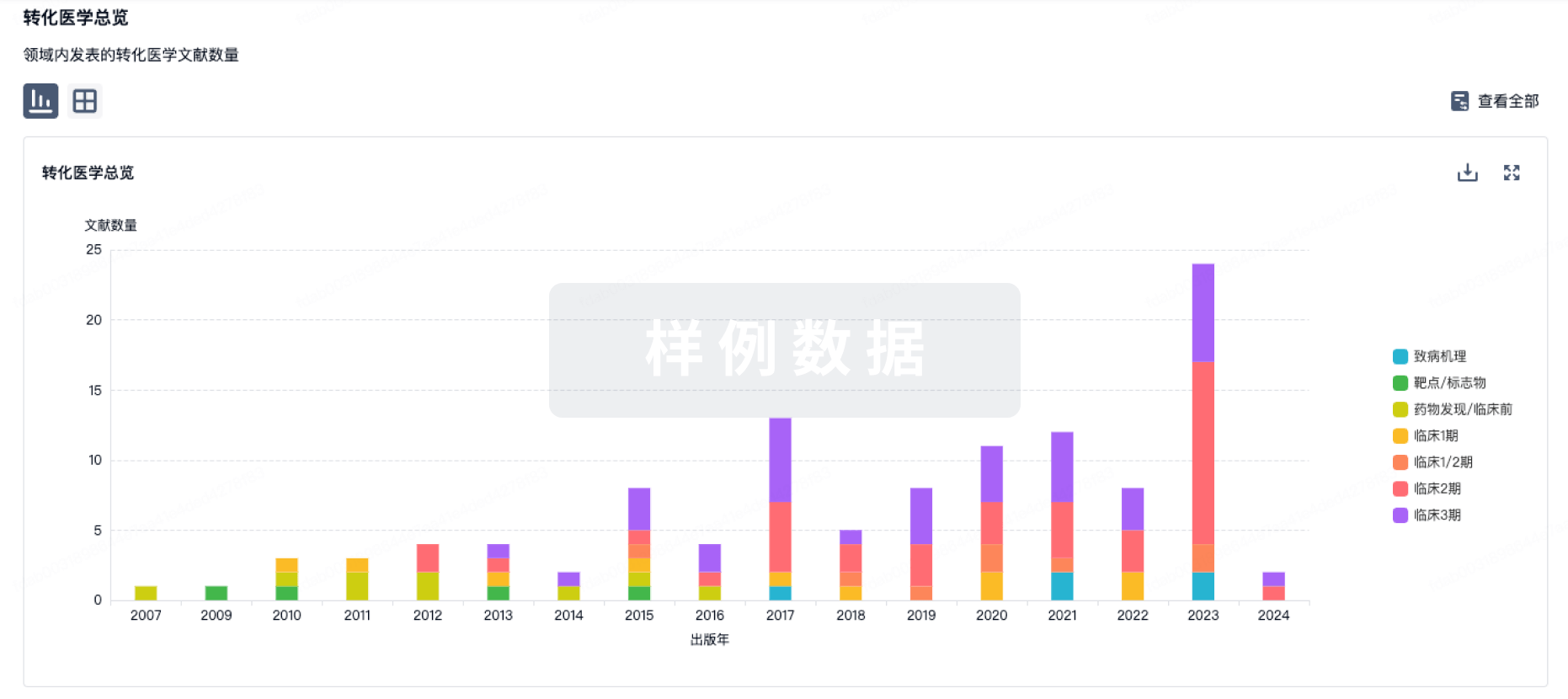
转化医学
使用我们的转化医学数据加速您的研究。
登录
或
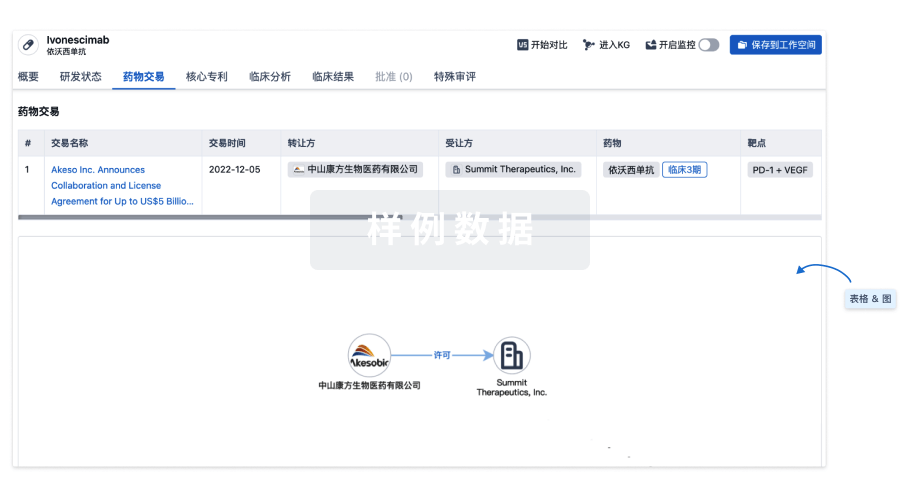
药物交易
使用我们的药物交易数据加速您的研究。
登录
或
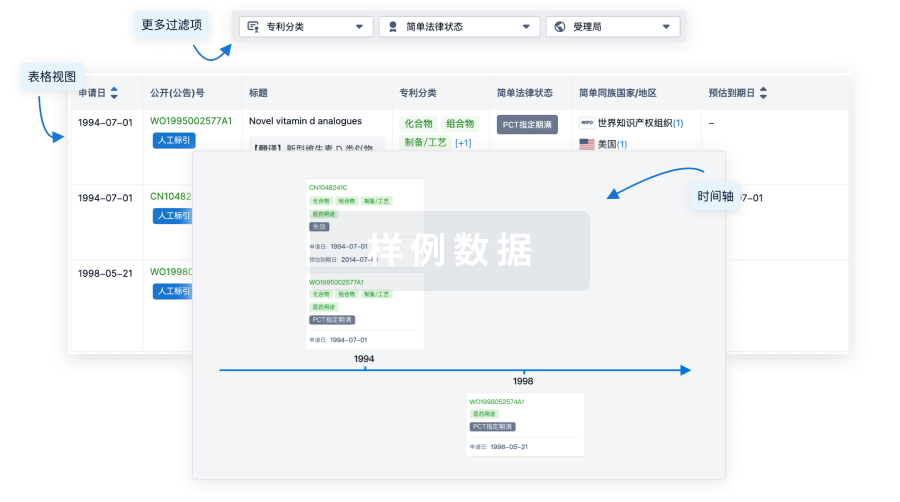
核心专利
使用我们的核心专利数据促进您的研究。
登录
或
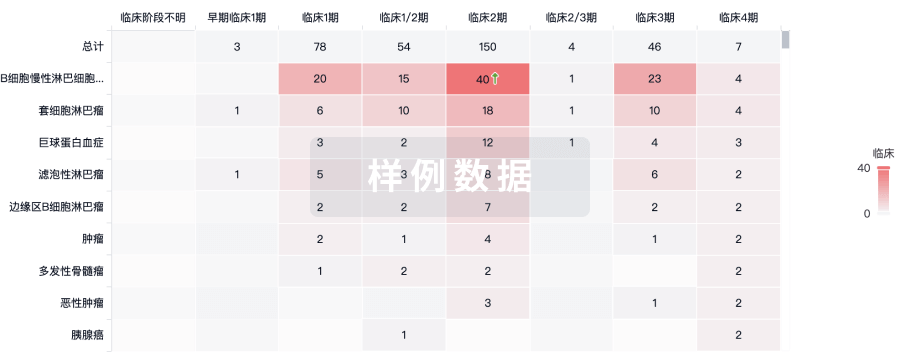
临床分析
紧跟全球注册中心的最新临床试验。
登录
或
批准
利用最新的监管批准信息加速您的研究。
登录
或
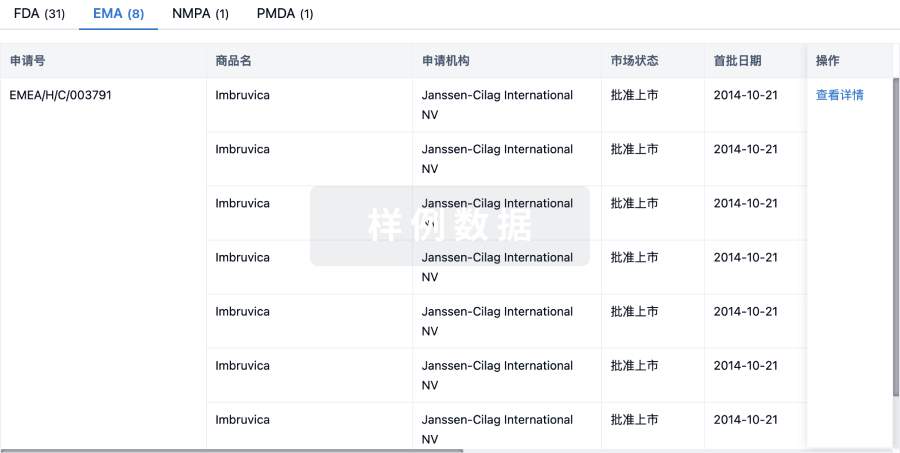
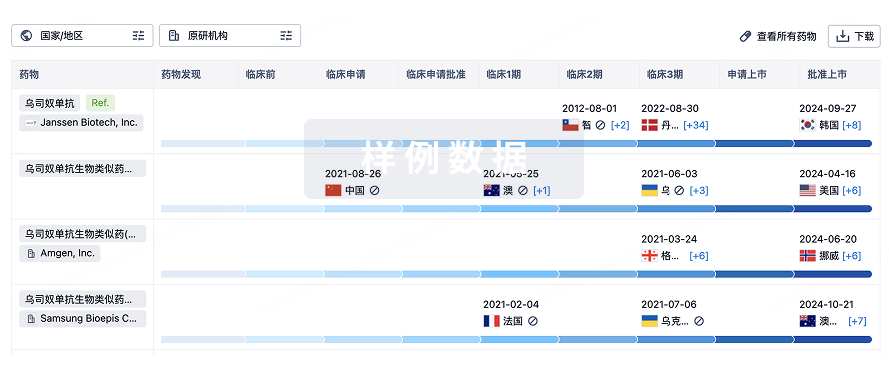
生物类似药
生物类似药在不同国家/地区的竞争态势。请注意临床1/2期并入临床2期,临床2/3期并入临床3期
登录
或
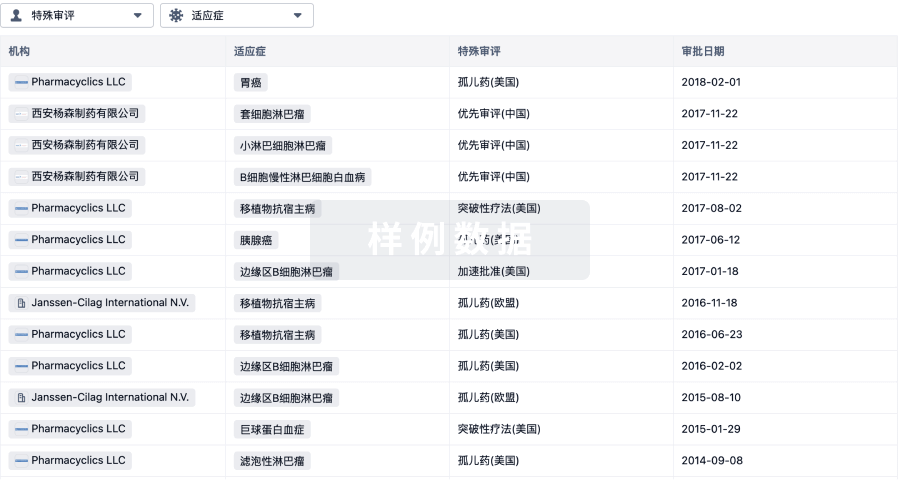
特殊审评
只需点击几下即可了解关键药物信息。
登录
或
提出任何生物医药研究问题
让每一步生物医药决策都精准制胜
基于十亿级生物数据与全球情报的精准 AI,赋能早期药物发现
立即开始免费试用!
智慧芽新药情报库是智慧芽专为生命科学人士构建的基于AI的创新药情报平台,助您全方位提升您的研发与决策效率。
立即接入生物医药数据包
智慧芽新药库数据也通过智慧芽开放平台,以MCP或API服务形式对外开放。立即使用我们的MCP服务定制您的LLM智能体。
生物序列数据库
生物药研发创新
免费使用
化学结构数据库
小分子化药研发创新
免费使用