预约演示
更新于:2026-07-25
MDPK-67b
更新于:2026-07-25
概要
基本信息
原研机构 |
在研机构- |
非在研机构 |
权益机构- |
最高研发阶段无进展临床1期 |
首次获批日期- |
最高研发阶段(中国)- |
特殊审评- |

登录后查看时间轴
关联
2
项与 MDPK-67b 相关的临床试验NCT05580107
Open-label Phase Ib Study of Preoperative Treatment With the KLK Inhibitor MDPK67b in Patients With Untreated Prostate Cancer
NCT04839120
Phase I Clinical Trial of the KLK Inhibitor MDPK67b to Assess Its Pharmacokinetic, Pharmacodynamic, Tolerability and Safety Profile in Healthy Male Volunteers
100 项与 MDPK-67b 相关的临床结果
登录后查看更多信息
100 项与 MDPK-67b 相关的转化医学
登录后查看更多信息
100 项与 MDPK-67b 相关的专利(医药)
登录后查看更多信息
28
项与 MDPK-67b 相关的文献(医药)2026-10-01CELLULAR SIGNALLING
Drug repurposing for pancreatic cancer: Lomitapide Mesylate as a potent HK2 inhibitor discovered via virtual screening
Article
作者: Wang, Dan ; Si, Zijian ; Gao, Jianguo ; Wang, Yue ; Huang, Bangwei ; Li, Zhaoshen ; Hu, Lianghao ; Wang, Pengyuan ; Wang, Fan ; Yang, Xinyi ; Liu, Miao ; Liu, Libo ; Tan, Xin ; Zhang, Ying
Pancreatic cancer has an early diagnosis rate below 5% and is largely resistant to conventional chemotherapy. Aerobic glycolysis, a metabolic hallmark, drives Epithelial-Mesenchymal Transition (EMT) to promote tumor progression and drug resistance. Hexokinase 2 (HK2) is the rate-limiting enzyme that initiates glycolysis. It is specifically overexpressed in pancreatic cancer cells and is a potential therapeutic target. To identify HK2 inhibitors, we performed structure-based virtual screening of over 70,000 compounds. The top candidate, Lomitapide Mesylate (LM), was validated through molecular docking, molecular dynamics simulations, Drug Affinity Responsive Target Stability (DARTS), and Cellular Thermal Shift Assay (CETSA), confirming direct HK2 binding. In vitro, LM inhibited HK2 activity, exerting anti-proliferative and pro-apoptotic effects. In a mouse organoid-derived xenograft model, LM monotherapy suppressed tumor growth. Importantly, LM combined with gemcitabine significantly enhanced anti-tumor efficacy, indicating potential to reverse gemcitabine resistance. Mechanistically, this synergy was linked to LM-mediated reversal of HK2-driven EMT. Thus, LM inhibits HK2 to block EMT and synergize with gemcitabine, offering a novel therapeutic strategy.
2026-09-01EUROPEAN JOURNAL OF MEDICINAL CHEMISTRY
Design, synthesis, and evaluation of indole-pyridine chalcone derivatives as novel HK2 inhibitors to modulate macrophage glycolysis and inflammation for IBD treatment
Article
作者: Gu, Liqun ; Zheng, Mengzhu ; Liu, Yunlong ; Liu, Guangyuan ; Wang, Xiaoshuang ; Han, Yawei ; Zhou, Yirong ; Xiang, Ming ; Wei, Yuhao ; Yin, Sijie ; Zhang, Jindong ; Wu, Mingze ; Yuan, Huimin
Hexokinase 2 (HK2) promotes M1 macrophage polarization through aerobic glycolysis, so as to increase the release of inflammatory factors and to maintain the pro-inflammatory phenotype. HK2 inhibitors may regulate the phenotype of immune cells and exert anti-inflammatory effects by modulating glycolysis. Building upon our prior discovery that indole-chalcone derivatives specifically bind to HK2 and inhibit its enzymatic activity, a focused library of novel indole-pyridine chalcone derivatives was rationally designed and facilely synthesized via Claisen-Schmidt condensation of corresponding indole-3-carboxaldehydes with 3-acetylpyridine. Systematic screening of HK2 enzyme inhibitory activity identified compound ZSW as a potent lead candidate, exhibiting significant HK2 inhibition with an IC50 value of 0.48 ± 0.13 μM. Both molecular docking and biotin probe pull-down experiments confirmed ZSW-HK2 binding. Further experiments indicated that ZSW alleviated inflammatory bowel disease primarily via two possible mechanisms: one is modulating macrophage phenotypes through glycolysis inhibition, and the other is inhibiting NF-κB nuclear translocation by preventing IκBα phosphorylation and degradation. Animal experiments demonstrated that ZSW improved the intestinal inflammatory state of IBD mice. This study not only lays the research foundation for HK2 as a target for the development of anti-IBD drugs, but also provides theoretical support for expanding the application of HK2 inhibitors in the development of anti-inflammatory drugs.
2025-09-01BIOCHEMICAL PHARMACOLOGY
Benserazide‑mediated targeting hexokinase 2 enhances the cytotoxicity of cisplatin in non-small cell lung cancer cell models
Article
作者: Shan, Wenying ; Wang, Suya ; Huang, Shuting ; Zhou, Yan ; Wang, Kaifang ; Fang, Tong ; Sha, Ou ; Liu, Lizhong ; Tam, Kin Yip
Hexokinase 2 (HK2) is a critical rate-limiting enzyme in glycolysis, significantly linked to cancer metabolism and drug resistance. We hypothesized that targeting HK2 with Benserazide (BenZ), a known HK2 inhibitor, could potentiate the cytotoxicity of cisplatin (DDP) in non-small-cell lung cancer (NSCLC) cells. Our findings demonstrated that combination of DDP and BenZ significantly enhanced anticancer effects in NSCLC cells, either with or without acquired DDP resistance. In particular, BenZ effectively inhibited ATP and lactate productions. ATP supplementation mitigated the cytotoxicity of the combination treatment, which was restored when both the cisplatin efflux transporters, ATP7A and ATP7B, were simultaneously knocked down. Moreover, BenZ suppressed NF-κB activation and downregulated inflammatory gene expressions, including IκB and RELA phosphorylation, TNF-α, BCL-2, and IL-1β. These effects were attributed to inhibition of HK2 by BenZ leading to the suppression of IκBα phosphorylation. It has been shown that combined use of DDP and BenZ significantly inhibited tumor growth in NSCLC cell xenograft mouse models, while BenZ alleviated the DDP-induced nephrotoxicity. Our findings demonstrate that BenZ inhibits the kinase activity of HK2, reduces ATP level and cisplatin efflux, as well as alleviates NF-κB activation. These multifaceted actions enhance the anticancer efficacy of cisplatin in NSCLC cell models, indicating its potential as an effective adjunct therapy.
1
项与 MDPK-67b 相关的新闻(医药)100 项与 MDPK-67b 相关的药物交易
登录后查看更多信息
研发状态
10 条进展最快的记录, 后查看更多信息
登录
| 适应症 | 最高研发状态 | 国家/地区 | 公司 | 日期 |
|---|---|---|---|---|
| 前列腺癌 | 临床1期 | 瑞士 | 2017-02-21 |
登录后查看更多信息
临床结果
临床结果
适应症
分期
评价
查看全部结果
登录后查看更多信息
转化医学
使用我们的转化医学数据加速您的研究。
登录
或

药物交易
使用我们的药物交易数据加速您的研究。
登录
或

核心专利
使用我们的核心专利数据促进您的研究。
登录
或

临床分析
紧跟全球注册中心的最新临床试验。
登录
或

批准
利用最新的监管批准信息加速您的研究。
登录
或

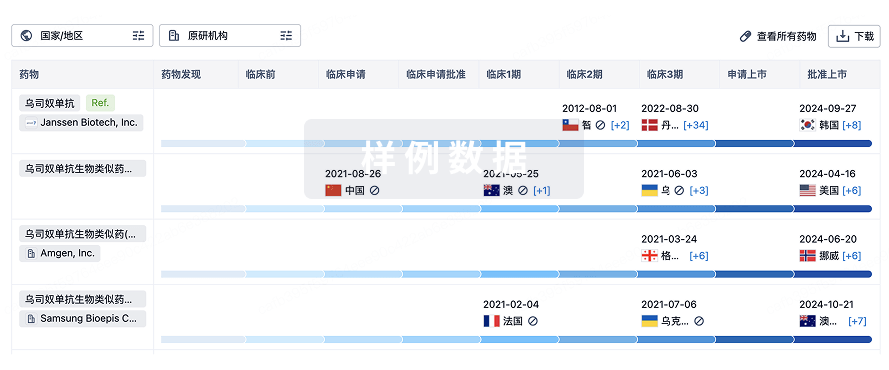
生物类似药
生物类似药在不同国家/地区的竞争态势。请注意临床1/2期并入临床2期,临床2/3期并入临床3期
登录
或
特殊审评
只需点击几下即可了解关键药物信息。
登录
或

提出任何生物医药研究问题
让每一步生物医药决策都精准制胜
基于十亿级生物数据与全球情报的精准 AI,赋能早期药物发现
立即开始免费试用!
智慧芽新药情报库是智慧芽专为生命科学人士构建的基于AI的创新药情报平台,助您全方位提升您的研发与决策效率。
立即接入生物医药数据包
智慧芽新药库数据也通过智慧芽开放平台,以MCP或API服务形式对外开放。立即使用我们的MCP服务定制您的LLM智能体。
生物序列数据库
生物药研发创新
免费使用
化学结构数据库
小分子化药研发创新
免费使用