预约演示
更新于:2026-02-28
Pedunculoside
更新于:2026-02-28
概要
基本信息
关联
100 项与 Pedunculoside 相关的临床结果
登录后查看更多信息
100 项与 Pedunculoside 相关的转化医学
登录后查看更多信息
100 项与 Pedunculoside 相关的专利(医药)
登录后查看更多信息
29
项与 Pedunculoside 相关的文献(医药)2026-04-01·PHYTOMEDICINE
Pedunculoside ameliorates metabolic dysfunction-associated steatotic liver disease by targeting HNRNPA1 and modulating PPARα signaling pathway to enhance Mitochondrial Fatty Acid β-Oxidation
Article
作者: Zhao, Kun ; Fu, Huazhou ; Hong, Dandan ; Zhu, Rongrong ; Wang, Tianhao ; Zhang, Tao ; Xu, Xining ; Zhou, Yang ; Zhou, Xizhen ; Chi, Jingyun
BACKGROUND:
Metabolic dysfunction-associated steatotic liver disease (MASLD) has emerged as a significant global health challenge, underscoring an urgent need for novel therapeutic agents that offer enhanced efficacy and improved safety. Pedunculoside (PE), a naturally occurring triterpenoid saponin, has demonstrated promising lipid-modulating properties. Nevertheless, its precise mechanisms of action in the context of MASLD remain unclear.
PURPOSE:
To investigate the anti-MASLD effect of PE and uncover its novel mechanism via targeting heterogeneous nuclear ribonucleoprotein A1 (HNRNPA1) and regulating downstream PPARα pathway.
METHOD:
The therapeutic potential of PE was evaluated both in primary mouse hepatocytes and in vivo using high-fat, high-cholesterol (HFHC) and high-fat diet (HFD) induced MASLD mouse models. A multi-omics and multi-technique approach was applied, including biochemical assays, histopathology, transcriptomic and lipidomic profiling, alongside target-engagement validation via drug affinity responsive target stability (DARTS), cellular thermal shift assay (CETSA), surface plasmon resonance (SPR), molecular docking, molecular dynamics simulations, and HNRNPA1 knockout models.
RESULTS:
PE significantly improved key metabolic and histological features in MASLD models. Mechanistically, PE was found to directly bind HNRNPA1 (a previously unreported target in MASLD therapeutics). This interaction enhanced the mRNA stability of PPARα, leading to activation of fatty acid β-oxidation. Crucially, HNRNPA1 knockout abolished the beneficial effects of PE, confirming the functional necessity of the PE-HNRNPA1-PPARα axis in vivo.
CONCLUSION:
Our study uncovers a novel therapeutic axis in MASLD, in which PE enhances the stability of PPARα mRNA by directly binding to HNRNPA1, and consequently upregulates fatty acid β-oxidation. These findings not only position PE as a promising therapeutic candidate for MASLD but also identify the HNRNPA1-PPARα regulatory pathway as a potential mechanistic target for treating metabolic liver diseases.
2026-03-01·EUROPEAN JOURNAL OF PHARMACOLOGY
Corrigendum to “Evaluation of the hepatoprotective effects and pharmacokinetics of pedunculoside in vitro and in vivo” [Eur. J. Pharmacol. 1008 (2025) 178359]
作者: Chen, Xinxin ; Liu, Zhenjie ; Ming-Yuen Lee, Simon ; Pak-Heng Leung, George ; Yuan, Renyikun ; Qiu, Haixin ; Wang, Zheng-Tao ; Gao, Hongwei ; Seto, Sai-Wang ; Yang, Shilin ; Li, Jingjing
2026-02-01·CYTOTECHNOLOGY
Pedunculoside attenuates the progression of neuropathic pain by affecting microglial polarization through Inhibition of the TLR4-NF-κB pathway
Article
作者: Ma, Linwei ; Li, Yuhong ; Guo, Shaohui ; Li, Bingqing ; Huang, Changjun
Neuropathic pain (NP) is a common and disabling condition characterized by microglial polarization-evoked neuroinflammation. Pedunculoside has been implicated in several inflammation-related diseases and exerts the neuroprotective effects However, its role in NP remains unclear. In this study, pedunculoside dose-dependently suppressed LPS-induced activation of BV2 microglial cells by reducing expression of the microglial marker IBA-1, but without obvious cytotoxicity. Immunofluorescence assay further confirmed that pedunculoside decreased % of CD32+ M1 microglia and increased % of CD206+ M2 microglia in LPS-stimulated microglia, accompanied by reduced expression of M1 microglial marker CD32 and iNOS and increased expression of M2-like microglial marker CD206 and Arg-1, indicating that pedunculoside could reverse LPS-induced microglial polarization from M1 phenotype towards M2 phenotype. Moreover, pedunculoside also attenuated inflammatory response in LPS-treated microglia by lowering pro-inflammatory cytokine levels (IL-1β, TNF-α, and IL-4) and increasing anti-inflammatory IL-10 levels. Mechanistically, the activation of the TLR4-NF-κB pathway in LPS-treated microglia was suppressed by pedunculoside. Furthermore, reactivating this signaling by TLR4 overexpression abrogated pedunculoside-mediated effects on microglial polarization towards M2 and inflammation. In vivo, administration of pedunculoside alleviated pain sensitivity and modulated microglial polarization from M1 to M2 in chronic constrictive injury (CCI)-induced NP mice. Additionally, pedunculoside also alleviated neuroinflammation and suppressed activation of the TLR4-NF-κB pathway in NP mice. Collectively, these findings indicate that pedunculoside may ameliorate the progression of NP by affecting microglial polarization from M1 towards M2 phenotype through inhibition of the TLR4-NF-κB pathway, supporting its potential as a promising therapeutic agent for NP.
100 项与 Pedunculoside 相关的药物交易
登录后查看更多信息
研发状态
临床结果
临床结果
适应症
分期
评价
查看全部结果
| 研究 | 分期 | 人群特征 | 评价人数 | 分组 | 结果 | 评价 | 发布日期 |
|---|
No Data | |||||||
登录后查看更多信息
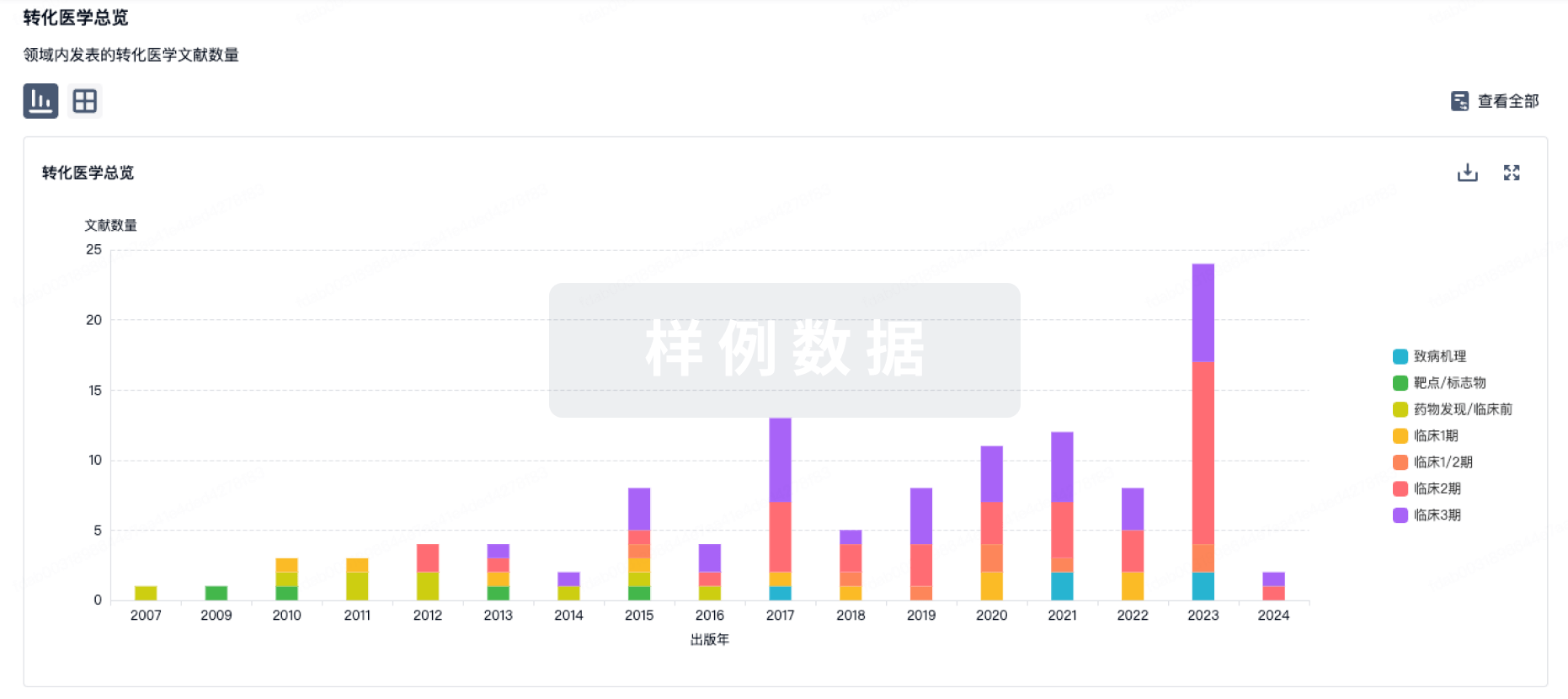
转化医学
使用我们的转化医学数据加速您的研究。
登录
或
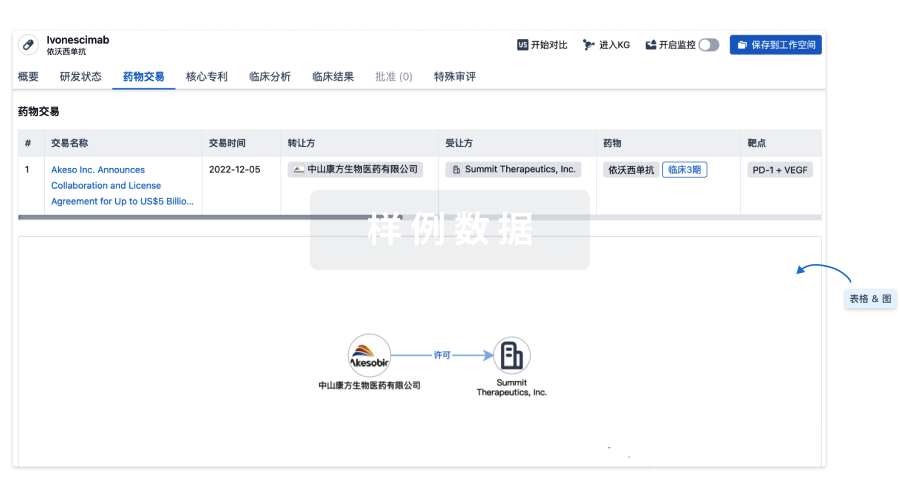
药物交易
使用我们的药物交易数据加速您的研究。
登录
或
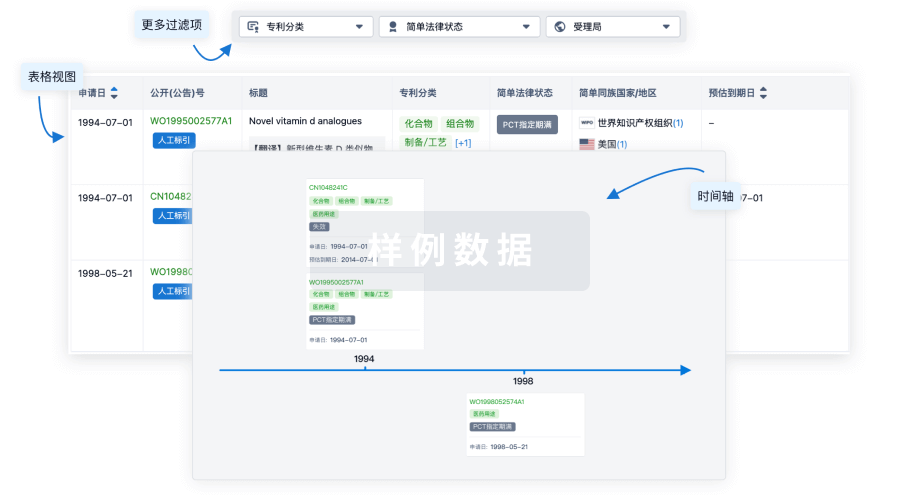
核心专利
使用我们的核心专利数据促进您的研究。
登录
或
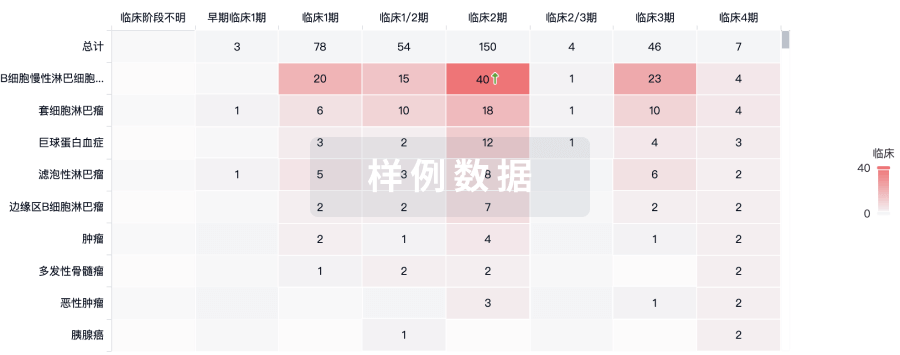
临床分析
紧跟全球注册中心的最新临床试验。
登录
或
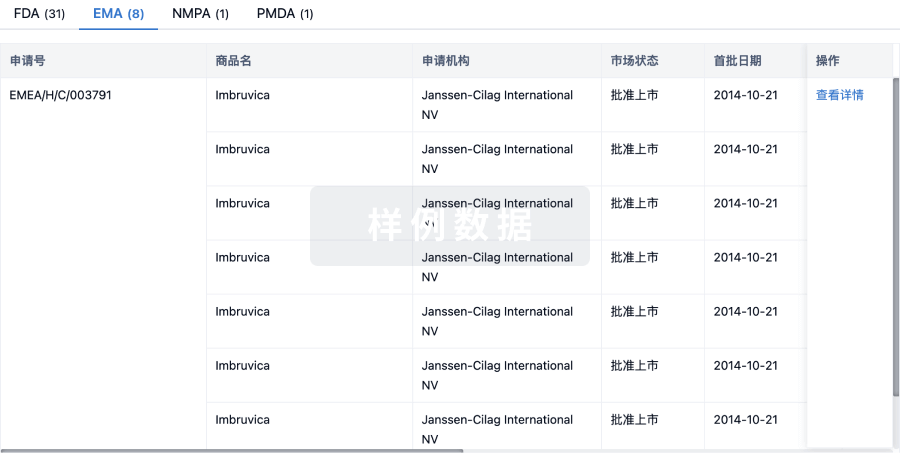
批准
利用最新的监管批准信息加速您的研究。
登录
或
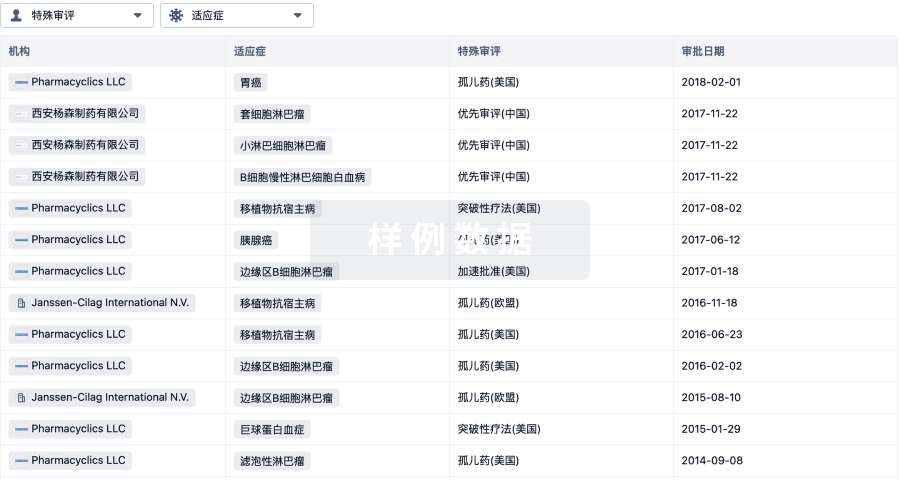
特殊审评
只需点击几下即可了解关键药物信息。
登录
或
生物医药百科问答
全新生物医药AI Agent 覆盖科研全链路,让突破性发现快人一步
立即开始免费试用!
智慧芽新药情报库是智慧芽专为生命科学人士构建的基于AI的创新药情报平台,助您全方位提升您的研发与决策效率。
立即开始数据试用!
智慧芽新药库数据也通过智慧芽数据服务平台,以API或者数据包形式对外开放,助您更加充分利用智慧芽新药情报信息。
生物序列数据库
生物药研发创新
免费使用
化学结构数据库
小分子化药研发创新
免费使用