预约演示
更新于:2026-05-30
RS-67506
更新于:2026-05-30
概要
基本信息
药物类型 小分子化药 |
别名 RS-67506 |
作用方式 激动剂 |
作用机制 5-HT4 receptor激动剂(5-羟色胺受体4激动剂) |
治疗领域 |
在研适应症- |
非在研适应症 |
在研机构- |
权益机构- |
最高研发阶段终止药物发现 |
首次获批日期- |
最高研发阶段(中国)- |
特殊审评- |
关联
100 项与 RS-67506 相关的临床结果
登录后查看更多信息
100 项与 RS-67506 相关的转化医学
登录后查看更多信息
100 项与 RS-67506 相关的专利(医药)
登录后查看更多信息
11
项与 RS-67506 相关的文献(医药)2007-08-01·Neurogastroenterology and motility : the official journal of the European Gastrointestinal Motility Society3区 · 医学
Serotonin and neuroprotection in functional bowel disorders
3区 · 医学
Review
作者: Liu, M.-T. ; Gershon, M. D.
Abstract The 5‐HT4 partial agonist tegaserod is effective in the treatment of chronic constipation and constipation predominant irritable bowel syndrome. 5‐HT4 receptors are located on presynaptic terminals in the enteric nervous system. Stimulation of 5‐HT4 receptors enhances the release of acetylcholine and calcitonin gene related peptide from stimulated nerve terminals. This action strengthens neurotransmission in prokinetic pathways, enhancing gastrointestinal motility. The knockout of 5‐HT4 receptors in mice not only slows gastrointestinal activity but also, after 1 month of age, increases the age‐related loss of enteric neurons and decreases the size of neurons that survive. 5‐HT4 receptor agonists, tegaserod and RS67506, increase numbers of enteric neurons developing from precursor cells and/or surviving in culture; they also increase neurite outgrowth and decrease apoptosis. The 5‐HT4 receptor antagonist, GR113808, blocks all of these effects, which are thus specific and 5‐HT4‐mediated. 5‐HT4 receptor agonists, therefore, are neuroprotective and neurotrophic for enteric neurons. Because the age‐related decline in numbers of enteric neurons may contribute to the dysmotilities of the elderly, the possibility that the neuroprotective actions of 5‐HT agonists can be utilized to prevent the occurrence or worsening of these conditions should be investigated.
2007-05-01·Autonomic neuroscience : basic & clinical4区 · 医学
Wood creosote prevents CRF-induced motility via 5-HT3 receptors in proximal and 5-HT4 receptors in distal colon in rats
4区 · 医学
Article
作者: Takahashi, Toku ; Kuge, Tomoo ; Fujino, Kazunori ; Ataka, Koji ; Fujimiya, Mineko
Wood creosote has been used as an herbal medicine against acute diarrhea caused by food poisoning and has an inhibitory effect on colonic motility and enterotoxin-induced ion secretion. Since no previous studies have examined the effects of wood creosote on stress-induced alteration of colonic motility, we examined the effects on the colonic motility altered by intracerebroventricular (i.c.v.) injection of corticotropin-releasing factor (CRF), which is a key mediator in responses to stress. We recorded motor activity in proximal and distal colon of unrestrained conscious rats via two manometory catheters. The frequencies of phase III-like contraction and the % motor indices in both proximal and distal colon were measured. At the same time the number of fecal pellets excreted was counted. I.c.v. injection of CRF increased the motor activity in both proximal and distal colon, and these effects were completely antagonized by i.c.v. injection of a selective CRF type 1 antagonist but not by a CRF type 2 antagonist. Changes in colonic motility induced by CRF were reversed by intravenously administered wood creosote. Intraluminal administration of the 5-HT(3) receptor antagonist granisetron, or the 5-HT(4) receptor antagonist SB 204070 blocked the increase in colonic motility induced by i.c.v. injection of CRF. Wood creosote prevented the increase in colonic motility induced by the 5-HT(3) receptor agonist SR57227A in the proximal colon, while it prevented the increase in colonic motility induced by the 5-HT(4) receptor agonist RS67506 in the distal colon. These results indicate that wood creosote prevents the increase in colonic motility induced by CRF via 5-HT(3) receptors in the proximal colon, and via 5-HT(4) receptors in the distal colon, suggesting that wood creosote might be useful to treat stress-induced diarrhea.
2004-01-01·Journal of pharmacological sciences3区 · 医学
Failure of Repeated Electroconvulsive Shock Treatment on 5-HT4-Receptor-Mediated Depolarization Due To Protein Kinase A System in Young Rat Hippocampal CA1 Neurons
3区 · 医学
ArticleOA
作者: Sasa, Masashi ; Ishihara, Kumatoshi
We previously demonstrated that repeated electroconvulsive shock (ECS) treatment enhanced serotonin (5-HT)(1A)- and 5-HT(3)-receptor-mediated responses in hippocampal CA1 pyramidal neurons. The electrophysiological studies were performed to elucidate the effects of ECS treatment on depolarization, which was an additional response induced by 5-HT, and the second messenger system involved in this depolarization of hippocampal CA1 neurons. Both application of 5-HT (100 microM) induced depolarization of the membrane potential in the presence of 5-HT(1A)-receptor antagonists. This depolarization was mimicked by 5-HT(4)-receptor agonists, RS 67506 (1-30 microM) and RS 67333 (0.1-30 microM), in a concentration-dependent manner. 5-HT- and RS 67333-induced depolarization was attenuated by concomitant application of RS 39604, a 5-HT(4)-receptor antagonist. H-89, a protein kinase A (PKA) inhibitor, inhibited 5-HT-, RS 67506-, and RS 67333-induced depolarizations, while forskolin (10 microM), an activator of adenylate cyclase, induced depolarization. Furthermore, RS 67333-induced depolarization was not significantly different between hippocampal slices prepared from rats administered ECS once a day for 14 days and those from sham-treated rats. These findings suggest that 5-HT(4)-receptor-mediated depolarization is caused via the cAMP-PKA system. In addition, repeated ECS-treatment did not modify 5-HT(4)-receptor functions in contrast to 5-HT(1A)- and 5-HT(3)-receptor functions.
100 项与 RS-67506 相关的药物交易
登录后查看更多信息
研发状态
10 条进展最快的记录, 后查看更多信息
登录
| 适应症 | 最高研发状态 | 国家/地区 | 公司 | 日期 |
|---|---|---|---|---|
| 胃肠动力障碍 | 药物发现 | 日本 | - |
登录后查看更多信息
临床结果
临床结果
适应症
分期
评价
查看全部结果
| 研究 | 分期 | 人群特征 | 评价人数 | 分组 | 结果 | 评价 | 发布日期 |
|---|
No Data | |||||||
登录后查看更多信息
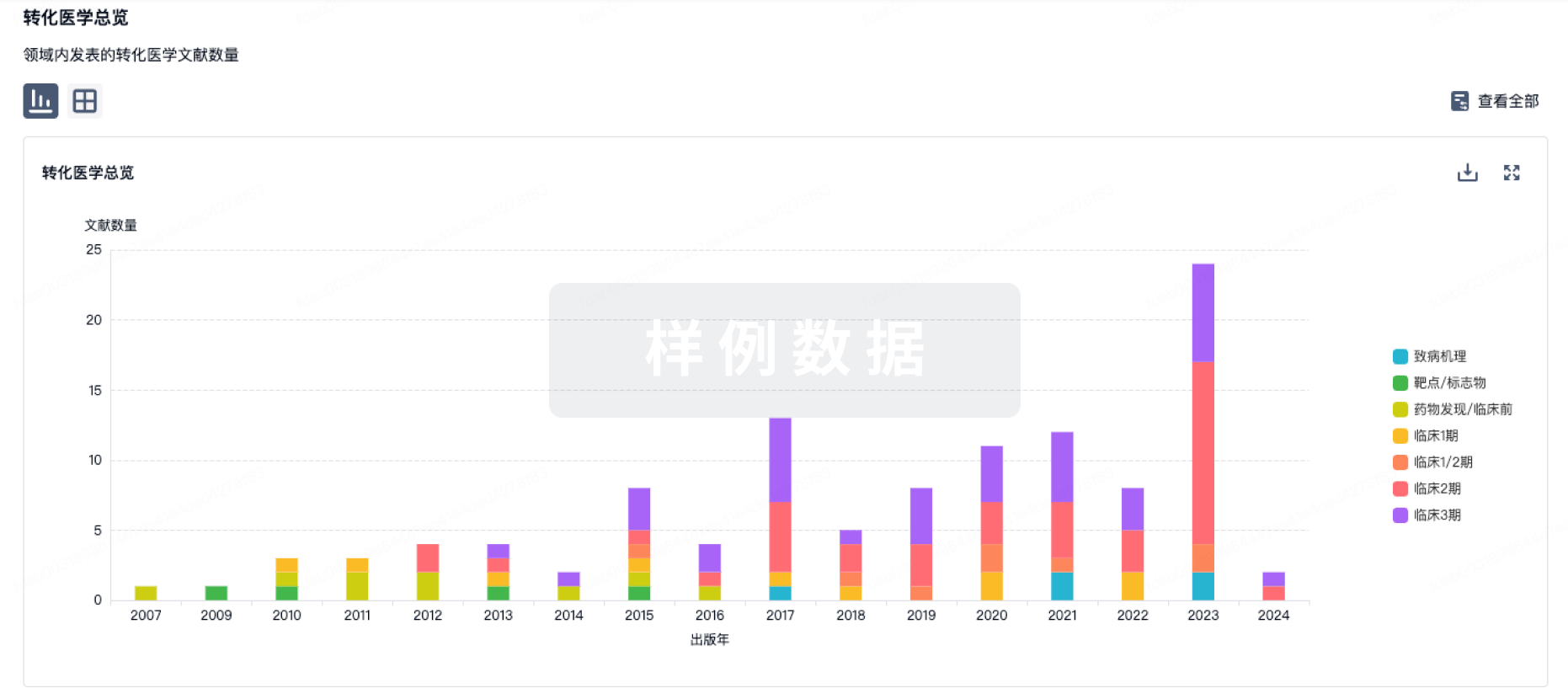
转化医学
使用我们的转化医学数据加速您的研究。
登录
或
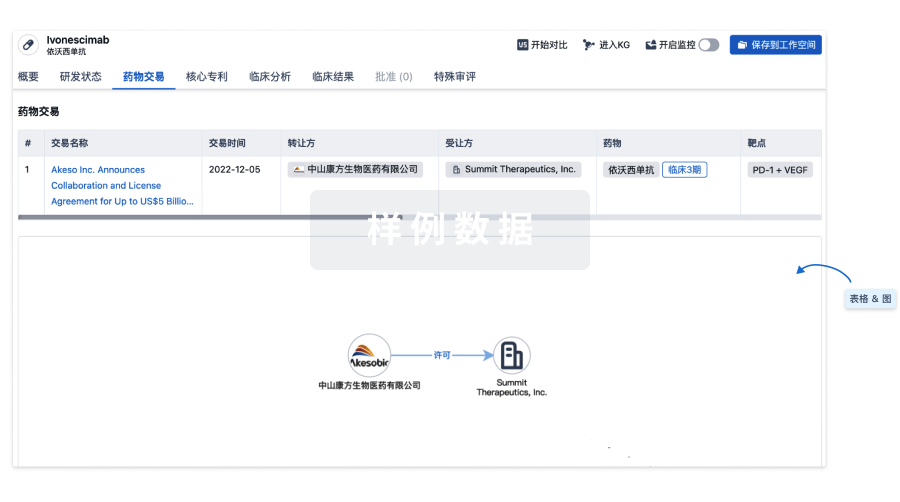
药物交易
使用我们的药物交易数据加速您的研究。
登录
或
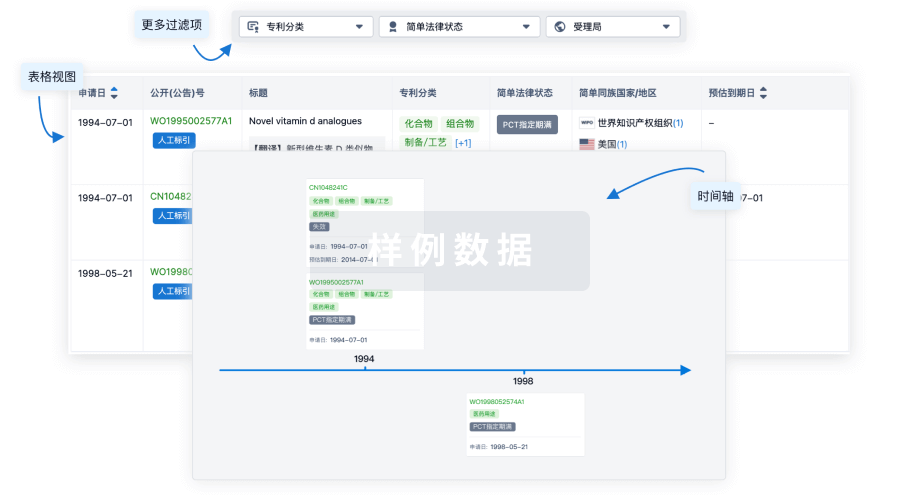
核心专利
使用我们的核心专利数据促进您的研究。
登录
或
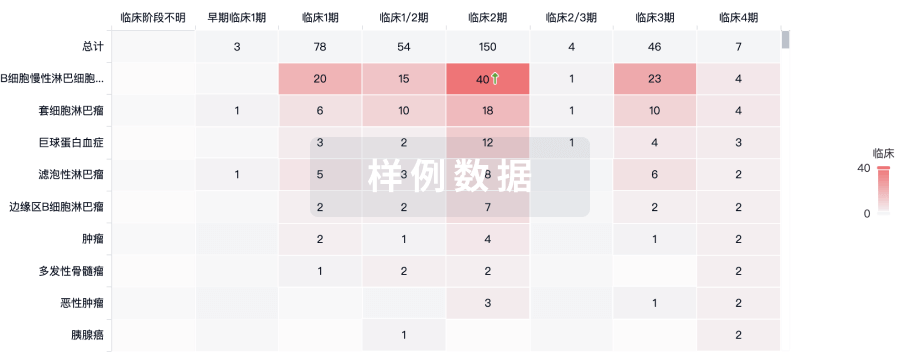
临床分析
紧跟全球注册中心的最新临床试验。
登录
或
批准
利用最新的监管批准信息加速您的研究。
登录
或
特殊审评
只需点击几下即可了解关键药物信息。
登录
或
生物医药百科问答
全新生物医药AI Agent 覆盖科研全链路,让突破性发现快人一步
立即开始免费试用!
智慧芽新药情报库是智慧芽专为生命科学人士构建的基于AI的创新药情报平台,助您全方位提升您的研发与决策效率。
立即开始数据试用!
智慧芽新药库数据也通过智慧芽数据服务平台,以API或者数据包形式对外开放,助您更加充分利用智慧芽新药情报信息。
生物序列数据库
生物药研发创新
免费使用
化学结构数据库
小分子化药研发创新
免费使用