预约演示
更新于:2026-05-23
GNKG-168
更新于:2026-05-23
概要
基本信息
药物类型 CpG ODN |
别名 CpG ODN、CPG-ODN、CPG 685 + [3] |
靶点 |
作用方式 激动剂 |
作用机制 TLR9激动剂(Toll样受体9激动剂) |
在研适应症- |
原研机构 |
在研机构- |
权益机构- |
最高研发阶段终止临床1期 |
首次获批日期- |
最高研发阶段(中国)- |
特殊审评- |


登录后查看时间轴
结构/序列
使用我们的RNA技术数据为新药研发加速。
登录
或
Sequence Code 29304404
来源: *****
关联
4
项与 GNKG-168 相关的临床试验ISRCTN17285423
A phase Ib, open-label, randomised, single-centre, multiple-dose-escalation study of the safety, tolerability, pharmacokinetics and pharmacodynamics of CpG ODN D35 after subcutaneous administration in participants with cutaneous leishmaniasis
ISRCTN15458851
A Phase I, double-blind, randomised, single-centre, parallel-group, single ascending dose, placebo-controlled study of the safety, tolerability, pharmacokinetics, and pharmacodynamics of CpG ODN D35 after subcutaneous administration in healthy male subjects
NCT01743807
A Phase I Study of GNKG168 in Pediatric Patients With Acute Lymphoblastic Leukemia or Acute Myeloid Leukemia (IND#113600)
100 项与 GNKG-168 相关的临床结果
登录后查看更多信息
100 项与 GNKG-168 相关的转化医学
登录后查看更多信息
100 项与 GNKG-168 相关的专利(医药)
登录后查看更多信息
813
项与 GNKG-168 相关的文献(医药)2026-06-01VETERINARY IMMUNOLOGY AND IMMUNOPATHOLOGY
Immune efficacy evaluation of a PEDV spike protein-derived multi-epitope subunit vaccine candidate in mice
Article
作者: Zhou, Bijun ; Shan, Chunlan ; Cheng, Anchun ; Xu, Fei ; Ji, Taotao ; Cen, Zehong ; Ban, Junjun ; Yin, Huaping ; Luo, Yihong ; Wei, Miaozhan ; Cheng, Zhentao ; Wang, Bin ; Guo, Xiaojiang ; Zhu, Erpeng
Porcine epidemic diarrhea virus (PEDV)-induced piglet diarrhea remains one of the most threatening infectious diseases in the swine industry across many countries. Although commercial vaccines are available, their efficacy in preventing the incidence and prevalence of porcine epidemic diarrhea (PED) remains unsatisfactory. Here we developed three subunit vaccine candidates based on four antigenic domains of the PEDV spike (S) protein expressed in E. coli: core neutralizing epitope (COE), S1 subunit domain A (S1A), and more conservative antigenic epitopes heptad repeat 1 (HR1) and heptad repeat (HR2) in S2 protein. Vaccination of the three vaccine candidates (COE, COE-S1A, and COE-HR1-HR2) induced substantial humoral and cellular expression, as evidenced by increase in specific antibody production and mRNA expression of both Th1 and Th2 cytokines. Among them, the COE-HR1-HR2 construct demonstrated a superior outcome. Furthermore, comparative screening of immune adjuvants was conducted to optimize vaccine efficacy. CpG ODN, in combination with the COE-HR1-HR2 fusion protein, induced enhanced humoral and cellular immune responses compared with Freund's adjuvant and GEL 02, and was comparable to ISA660VG. Taken together, in view of the incomplete protection provided by current vaccines against PEDV, there is an urgent need for next-generation formulations that can effectively reduce disease burden and promote robust herd immunity. Our preliminary findings indicate that the COE-HR1-HR2 candidate, by integrating the core S1 and conserved S2 antigenic epitopes, offers the potential for developing novel multi-epitope vaccine against PEDV that could induce protective immunity thereby reducing disease development.
2026-06-01INTERNATIONAL JOURNAL OF BIOLOGICAL MACROMOLECULES
Construction, characterization, and evaluation of nanosized curdlan sulfate/quaternary ammonium chitosan/CpG ODN polyelectrolyte complex as an adjuvant for tumor vaccine
Article
作者: Li, Zuyi ; Zhang, Yuhe ; Wang, Fengshan ; Chen, Yipan ; Liu, Minghui ; Jiang, Wenjie ; Li, Pingli
CpG oligodeoxynucleotides (CpG ODNs), as nucleic acid adjuvants, effectively stimulate humoral and cellular immune responses. However, their clinical application is limited by drawbacks such as susceptibility to nuclease degradation and high negative charge, which impede cellular uptake. Previously, we have confirmed that polyelectrolyte complex nanoparticles composed of curdlan sulfate (CS) and O-(2-hydroxyl) propyl-3-trimethyl ammonium chitosan chloride (CS/O-HTCC) could encapsulate negatively charged proteins and enhance their cellular internalization. Hence, in this study, CS/O-HTCC/CpG nanoparticles (C/O/CpG NPs) were prepared by electrostatic adsorption of positively charged CS/O-HTCC NPs with negatively charged CpG ODN and the formulation was optimized. Besides, the immunological activities of C/O/CpG NPs were evaluated both in vitro and in vivo. Moreover, their adjuvant properties and antitumor effects were assessed using ovalbumin (OVA) as a model antigen. The results showed that C/O/CpG NPs were uniformly spherical with a particle size and polydispersity index (PDI) of 119.67 ± 9.07 nm and 0.18 ± 0.01, respectively. C/O/CpG NPs stimulated the activation of antigen-presenting cells, induce antigen-specific cellular and humoral immune responses effectively and showed significant anti-tumor activity. In conclusion, C/O/CpG NPs could be considered as a promising class of adjuvants for tumor vaccines.
2026-05-01MOLECULES AND CELLS
CpG oligodeoxynucleotide reduces PrPSc accumulation and prolongs survival in prion-infected mice
Article
作者: Kim, Mo-Jong ; Kim, Yong-Sun ; Mostafa, Mohd Najib ; Kwon, Hyung-Joo ; Lee, Younghee ; Choi, Eun-Kyoung ; Choi, Myung-Ju ; Jang, Byungki
Prion diseases, also known as transmissible spongiform encephalopathies, are characterized by the accumulation of misfolded prion proteins (PrPSc), which resists clearance due to impaired removal mechanisms and immune tolerance. Although strategies aimed at enhancing intracellular clearance pathways, including autophagy, have shown promise, effective in vivo interventions remain limited. Innate immune stimulation with CpG oligodeoxynucleotides (CpG ODN), a Toll-like receptor 9 agonist that mimics bacterial DNA containing unmethylated CpG motifs, has been reported to extend survival in prion-infected mice; however, the underlying mechanisms involved remain incompletely defined. In this study, we examined the effects of CpG ODN in both in vitro and in vivo models of prion disease using the 22L scrapie strain. Mice treated with CpG ODN prior to infection exhibited prolonged mean survival compared with vehicle-treated controls and showed reduced PrPSc accumulation in spleen and brain tissues at 60 and 170 days post-infection, respectively. These changes were correlated with increased AMPK (Tyr172) phosphorylation and alterations in autophagy-associated signaling markers in the brain tissue. In 22L scrapie-infected neuronal cells, CpG ODN treatment significantly reduced PrPSc levels, and this effect was attenuated by pharmacological inhibition of autophagy-associated and lysosomal degradative processes. Collectively, these findings indicate that CpG ODN reduces PrPSc accumulation and prolongs survival in prion-infected mice, supporting the involvement of autophagy-associated degradative processes without establishing enhanced autophagic flux.
100 项与 GNKG-168 相关的药物交易
登录后查看更多信息
研发状态
10 条进展最快的记录, 后查看更多信息
登录
| 适应症 | 最高研发状态 | 国家/地区 | 公司 | 日期 |
|---|---|---|---|---|
| 复发性急性淋巴细胞白血病 | 临床1期 | 美国 | 2014-03-26 | |
| 治疗相关性急性髓系白血病 | 临床1期 | 美国 | 2014-03-26 | |
| 慢性淋巴细胞白血病 | 临床1期 | 美国 | 2009-09-01 |
登录后查看更多信息
临床结果
临床结果
适应症
分期
评价
查看全部结果
登录后查看更多信息
转化医学
使用我们的转化医学数据加速您的研究。
登录
或
药物交易
使用我们的药物交易数据加速您的研究。
登录
或
核心专利
使用我们的核心专利数据促进您的研究。
登录
或
临床分析
紧跟全球注册中心的最新临床试验。
登录
或
批准
利用最新的监管批准信息加速您的研究。
登录
或
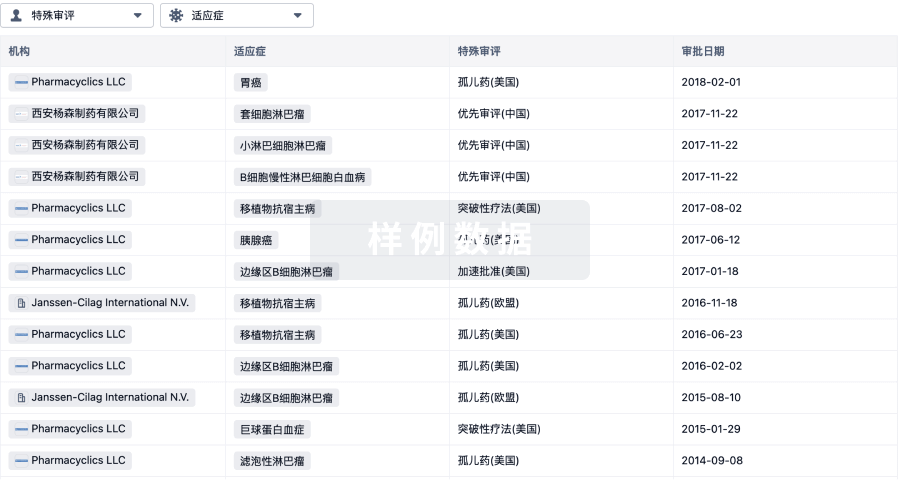
特殊审评
只需点击几下即可了解关键药物信息。
登录
或
生物医药百科问答
全新生物医药AI Agent 覆盖科研全链路,让突破性发现快人一步
立即开始免费试用!
智慧芽新药情报库是智慧芽专为生命科学人士构建的基于AI的创新药情报平台,助您全方位提升您的研发与决策效率。
立即开始数据试用!
智慧芽新药库数据也通过智慧芽数据服务平台,以API或者数据包形式对外开放,助您更加充分利用智慧芽新药情报信息。
生物序列数据库
生物药研发创新
免费使用
化学结构数据库
小分子化药研发创新
免费使用