预约演示
更新于:2026-02-08
Zanthoxylum Nitidum Extract
两面针提取物
更新于:2026-02-08
概要
基本信息

关联
1
项与 两面针提取物 相关的临床试验NCT03908892
A Clinical Study on the Treatment of Paronychia Caused by Afatinib With Zanthoxylum Nitidum Tincture
100 项与 两面针提取物 相关的临床结果
登录后查看更多信息
100 项与 两面针提取物 相关的转化医学
登录后查看更多信息
100 项与 两面针提取物 相关的专利(医药)
登录后查看更多信息
4
项与 两面针提取物 相关的文献(医药)2026-01-30JOURNAL OF ETHNOPHARMACOLOGY
Nitidine chloride alleviates inflammation and pyroptosis by inhibiting the NLRP3/Caspase-1/GSDMD signaling pathway in macrophages and murine models.
Article
作者: Zheng, Dandan ; Chen, Ruihua ; Wei, Shuoshi ; Jiao, Yuanqi ; Zhou, Yi ; Li, Cailan ; Wu, Zhaodi ; Lu, Qiang
ETHNOPHARMACOLOGICAL RELEVANCE:
Zanthoxylum nitidum (Roxb.) DC. has been traditionally utilized for inflammatory conditions, including rheumatic arthritis and periodontitis. Nitidine chloride (NC), a bioactive alkaloid isolated from its roots, exhibits anti-inflammatory properties. However, its molecular mechanisms against inflammation require further investigation.
AIM OF THE STUDY:
This research was designed to delineate the anti-inflammatory effects and mechanisms of NC using cellular and animal models.
MATERIALS AND METHODS:
Cellular study used LPS-stimulated RAW264.7 macrophages, whereas animal studies employed three murine models of inflammation. Cell viability and damage were assessed by CCK-8 and lactate dehydrogenase (LDH) release assays, respectively. Pyroptotic cell death was assessed by Hoechst33342/PI dual staining. Reactive oxygen species (ROS) generation and inflammatory mediators levels were quantified. Mechanistic insights were explored using qRT-PCR, ELISA, and Western blot analyses. Molecular docking was employed to predict the potential binding between NC and key pyroptosis-related proteins.
RESULTS:
In vitro, NC concentration-dependently attenuated LPS-induced cytotoxicity, morphological abnormalities, LDH release, and pyroptotic cell death in RAW264.7 macrophages. It curtailed the content of inflammatory mediators (NO, PGE2, TNF-α, IL-1β, IL-6 and IL-18) and was concomitant with an upregulation of IL-10, alongside downregulated expression of iNOS and COX-2. NC also markedly reduced LPS-induced intracellular ROS levels. At the mechanistic level, NC dose-dependently suppressed the protein expression of key components of the NLRP3/Caspase-1/GSDMD pathway. Notably, pharmacological activation of NLRP3 using nigericin partially reversed the inhibitory effects of NC, supporting the involvement of this pathway. In vivo, NC dose-dependently inhibited xylene-mediated auricular edema, acetic acid-evoked vascular leakage, and carrageenan-triggered paw edema, with efficacy comparable to indomethacin. Consistent with the cellular findings, NC was associated with reduced activation of the NLRP3/Caspase-1/GSDMD pathway in carrageenan-inflamed paw tissues. Molecular docking analyses suggested robust binding affinity of NC towards NLRP3, Caspase-1, and GSDMD.
CONCLUSION:
NC exerted anti-inflammatory and anti-pyroptotic effects in cellular and animal models, which were associated, at least in part, with inhibition of the NLRP3/Caspase-1/GSDMD signaling pathway. These findings provide mechanistic support for the traditional use of Zanthoxylum nitidum in inflammatory conditions and highlight NC as a promising candidate for further investigation.
2025-10-15FASEB JOURNAL
Article
作者: Lu, Qiang ; Jiao, Yuanqi ; Wu, Zhaodi ; Li, Cailan ; Wen, Xia
ABSTRACT:
Ulcerative colitis (UC) is a chronic, untreatable inflammatory bowel disease that severely impairs patients' work capacity and quality of life. It is characterized by bacterial infection and intestinal barrier disruption.
Zanthoxylum nitidum
(Roxb.) DC (
Z. nitidum
) is a famous Chinese herbal medicine traditionally used to promote wound healing and treat gastrointestinal disorders. However, the effect of
Z. nitidum
on intestinal barrier function and its related mechanisms remains unclear. The present study aims to investigate the protective effects and molecular mechanisms of
Z. nitidum
ethanol extract (ZNE) against UC using in vivo and in vitro models. The therapeutic potential was evaluated in 2,4,6‐trinitrobenzenesulfonic acid (TNBS)‐induced UC rat models, while the effects on lipopolysaccharide (LPS)‐stimulated human Caco‐2 cells were examined in vitro. Results indicated that ZNE significantly improved weight loss, DAI scores, colon shortening, and tissue damage in TNBS‐induced UC rats, with superior efficacy to 5‐ASA at equivalent doses. Meanwhile, ZNE dose‐dependently reduced pro‐inflammatory mediators (NO, TNF‐α, IL‐6, IL‐1β, and IL‐8) in colonic mucosa, exerting anti‐inflammatory effects by activating the PPARγ/SIRT1 pathway and suppressing NF‐κB signaling. In vitro, ZNE markedly upgraded trans‐epithelial electric resistance (TEER) values, lowered FITC‐glucan flux penetrability in enteric epithelia, and increased the expression and distribution of ZO‐1, occludin, and claudin‐1 in LPS‐evoked Caco‐2 cells. Moreover, ZNE strongly repressed LPS‐elicited cellular apoptosis and inflammatory response via lowering the degrees of inflammatory mediators, such as NO, PGE
2
, TNF‐α, and IL‐1β. Meanwhile, ZNE observably mitigated LPS‐evoked oxidant stress via elevating the degrees of antioxidant enzymes superoxide dismutase (SOD) and glutathione (GSH), and lowering the degrees of malondialdehyde (MDA) and reactive oxygen species (ROS). Besides, ZNE administration markedly boosted the mRNA and protein degree of PPARγ and inhibited the activation of NF‐κB signaling. Importantly, GW9662, a PPARγ antagonist, observably abrogated the protective function of ZNE. ZNE has a prominent inhibiting property toward epithelial injury, which is related to the regulation of PPARγ/SIRT1/NF‐κB signaling pathway to inhibit apoptosis, inflammatory response, and oxidative stress. Hence, ZNE could be a latent medication for the remedy of sick persons with UC.
2015-11-01Zhong yao cai = Zhongyaocai = Journal of Chinese medicinal materials
[Comparative Study on Effects of Anti-contusion Injury, Analgesia and Anti-inflammation of Root and Stem of Zanthoxylum nitidum].
Article
作者: Qin, Ze-hui ; Chen, Wei-wen ; Tan, Ying ; Zeng, Dan ; Han, Zheng-zhou ; Zhan, Ruo-ting ; Chen, Wei-xuan
OBJECTIVE:
To provide the scientific evidence for expansion of medicinal parts of Zanthoxylum nitidum by comparing the effects of anti-contusion injury, analgesia and anti-inflammation of its root and stem.
METHODS:
The pharmacological effects between root and stem of Zanthoxylum nitidum were compared by observing the anti-injury effect in rats with injury struck by hammer. The analgesic effect in mice was evaluated by writhing test and hot plate test, and the anti-inflammatory effect on paw edema induced by carrageenan and granuloma induced by cotton pellet were investigated in rats.
RESULTS:
Both root and stem of Zanthoxylum nitidum relieved the exterior and histological symptoms of rats' injury legs struck by hammer, decreased the numbers of mice's writhing, enhanced pain threshold of mice on heat plate, inhibited the edema of rats induced by carrageenan, and suppressed the granuloma of rats induced by cotton pellet.
CONCLUSION:
Stem of Zanthoxylum nitidum has similar effects of anti-contusion injury, analgesia and anti-inflammation with root of Zanthoxylum nitidum.
100 项与 两面针提取物 相关的药物交易
登录后查看更多信息
研发状态
10 条进展最快的记录, 后查看更多信息
登录
| 适应症 | 最高研发状态 | 国家/地区 | 公司 | 日期 |
|---|---|---|---|---|
| 甲沟炎 | 临床阶段不明 | 中国 | 2019-06-12 |
登录后查看更多信息
临床结果
临床结果
适应症
分期
评价
查看全部结果
登录后查看更多信息
转化医学
使用我们的转化医学数据加速您的研究。
登录
或
药物交易
使用我们的药物交易数据加速您的研究。
登录
或
核心专利
使用我们的核心专利数据促进您的研究。
登录
或
临床分析
紧跟全球注册中心的最新临床试验。
登录
或
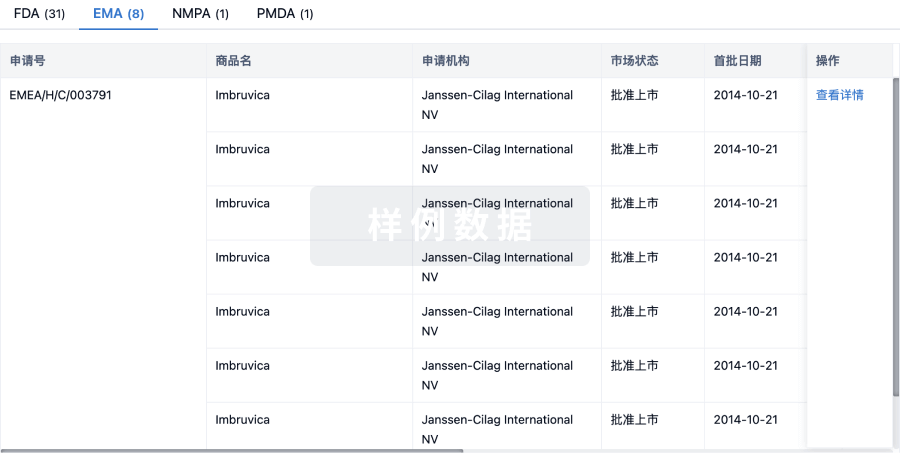
批准
利用最新的监管批准信息加速您的研究。
登录
或
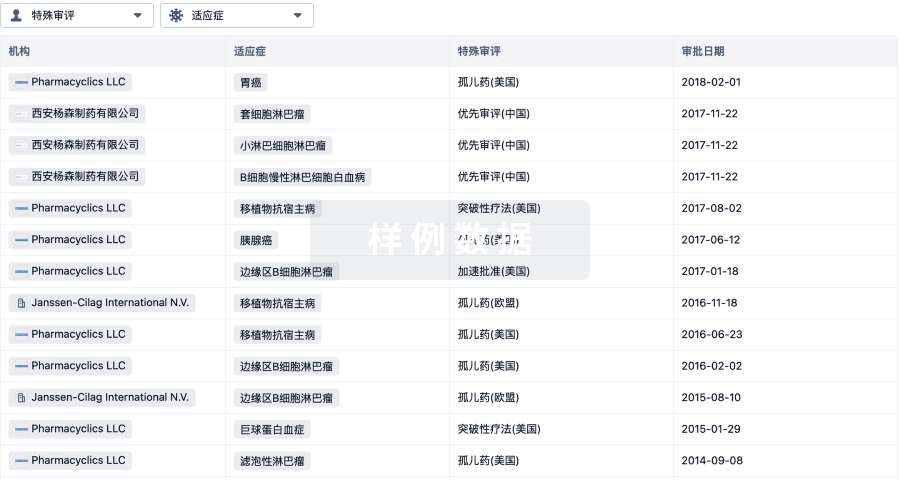
特殊审评
只需点击几下即可了解关键药物信息。
登录
或
生物医药百科问答
全新生物医药AI Agent 覆盖科研全链路,让突破性发现快人一步
立即开始免费试用!
智慧芽新药情报库是智慧芽专为生命科学人士构建的基于AI的创新药情报平台,助您全方位提升您的研发与决策效率。
立即开始数据试用!
智慧芽新药库数据也通过智慧芽数据服务平台,以API或者数据包形式对外开放,助您更加充分利用智慧芽新药情报信息。
生物序列数据库
生物药研发创新
免费使用
化学结构数据库
小分子化药研发创新
免费使用