预约演示
更新于:2026-02-07
GPI 3000
更新于:2026-02-07
概要
基本信息
药物类型 小分子化药 |
别名 GPI-3000、NPC-17742 |
作用方式 拮抗剂 |
作用机制 NMDA receptor拮抗剂(谷氨酸[NMDA]受体复合体拮抗剂) |
在研适应症- |
非在研适应症 |
原研机构 |
在研机构- |
非在研机构 |
权益机构- |
最高研发阶段终止药物发现 |
首次获批日期- |
最高研发阶段(中国)- |
特殊审评- |

关联
100 项与 GPI 3000 相关的临床结果
登录后查看更多信息
100 项与 GPI 3000 相关的转化医学
登录后查看更多信息
100 项与 GPI 3000 相关的专利(医药)
登录后查看更多信息
32
项与 GPI 3000 相关的文献(医药)2009-04-01·PSYCHOPHARMACOLOGY
The discriminative stimulus effects of N-methyl-d-aspartate glycine-site ligands in NMDA antagonist-trained rats
Article
作者: Nicholson, Katherine L. ; Balster, Robert L.
RATIONALE:
Many N-methyl-D-aspartate (NMDA) antagonists produce phencyclidine (PCP)-like side effects that limit their clinical utility. NMDA glycine-site antagonists may be less likely to produce these effects than other site-selective NMDA antagonists.
OBJECTIVES:
The objective of the study is to compare the discriminative stimulus effects of novel NMDA glycine-site drugs to those of channel blocking and competitive NMDA antagonists.
MATERIALS AND METHODS:
Drug discrimination studies were performed in separate groups of rats trained with saline vs. PCP (2 mg/kg i.p.) or the competitive antagonist NPC 17742 (4 mg/kg i.p.) using a standard two-lever operant conditioning procedure under an FR32.
RESULTS:
Neither the partial glycine-site agonists aminocyclopropane carboxylic acid methyl ester and (+)-HA-966 nor the antagonists L701,324; MDL 100,458; MDL 100,748; MDL 103,371; MDL 104,472; MDL 105,519; MRZ 2/571; MRZ 2/576; and ACEA 0762 produced >50% PCP-lever selection, though all were tested over a sufficient dose range to produce response rate decreasing effects. All of the antagonists, except MDL 100,458 and MDL 100,748, were also tested for NPC 17742-like effects, producing somewhat more variable results than in PCP-trained rats. ACEA-0762 produced full substitution for NPC 17742, whereas MDL 105,519 produced no substitution. The remaining compounds engendered between 20% and 80% drug-lever selection.
CONCLUSION:
These results provide evidence that NMDA glycine-site partial agonists and antagonists generally do not produce discriminative stimulus effects similar to those of representative NMDA channel blockers or competitive antagonists. This suggests that these NMDA glycine-site antagonists should be less likely to produce the undesirable behavioral side effects seen in clinical trials with many other NMDA antagonists.
2004-05-01·Life sciences3区 · 医学
Effects of modulators of N-methyl-D-aspartate receptor-mediated neurotransmission on diazepam discrimination in rats
3区 · 医学
Article
作者: Wiley, Jenny L. ; Balster, Robert L.
N-methyl-D-aspartate (NMDA) antagonists share a number of pharmacological effects with GABA(A) agonists, including anxiolytic and anticonvulsant effects. This study evaluated the effects of site-selective NMDA antagonists in rats trained to discriminate the benzodiazepine diazepam from vehicle. As expected, diazepam produced robust discriminative stimulus effects and dose-dependently substituted for the training dose. Mixed results were obtained with competitive NMDA antagonists: whereas NPC 17742 partially substituted for diazepam, SDZ EAA 494 did not elicit responding on the diazepam-associated lever. Other site-selective NMDA antagonists, including the open channel blocker phencyclidine, the glycine-site antagonists ACEA 1021 and MDL 102,288, the polyamine-site antagonist arcaine, and the glutamate release inhibitor riluzole, failed to substitute for diazepam. Agonists at nonbenzodiazepine sites of the GABA(A) receptor complex were also tested for comparison purposes. The barbiturate pentobarbital and the neurosteroid Co 2-1068 partially substituted for diazepam. In contrast, the anticonvulsant carbamazepine failed to substitute even at a dose that substantially reduced response rates. These results suggest that substitution of NMDA antagonists for GABA(A) agonists is dependent upon the site at which the NMDA antagonist binds. Further, they suggest that similarities between the stimulus properties of GABA(A) agonists and NMDA antagonists are at least as strong as similarities among agonists acting at different sites on GABA(A) receptors.
2002-11-01·BEHAVIOURAL PHARMACOLOGY
Evaluation of the discriminative stimulus effects of the low-affinity N-methyl-D-aspartate channel blockers AR-R 13950AA and AR-R 16283AA in rats and rhesus monkeys
Article
作者: R.L. Balster ; K.L. Nicholson
Low-affinity channel-blocking -methyl-D-aspartate (NMDA) antagonists have been of interest for clinical development because they are purported to produce few phencyclidine (PCP)-like side-effects, particularly at therapeutic doses. In the current study, two low-affinity NMDA channel blockers, AR-R 13950AA and AR-R 16283AA, were evaluated for NMDA antagonist-associated behavioral effects. The drugs were tested in rats and rhesus monkeys trained to discriminate PCP from saline, using a standard two-lever drug discrimination paradigm, under a fixed-ratio (FR) schedule of food reinforcement. Both drugs were also tested in rats trained to discriminate NPC 17742, a competitive NMDA antagonist, from saline in a similar experimental procedure. In rats, both AR-R 13950AA and AR-R 16283AA resulted in intermediate levels of PCP-lever selection (up to 60%). Testing in NPC 17742-trained rats produced at most 30% NPC 17742-lever responding. In rhesus monkeys, AR-R 13950AA produced virtually no PCP-lever responding at any dose, while AR-R 16283AA produced a dose-dependent substitution for PCP in all four subjects. The results with AR-R 16283AA in monkeys suggest that, at doses above therapeutic levels, it may produce PCP-like intoxication in humans. Overall, the results suggest that, while there is some overlap of the discriminative stimulus effects produced by the AR-R compounds with those of PCP, there are also important differences.
100 项与 GPI 3000 相关的药物交易
登录后查看更多信息
研发状态
10 条进展最快的记录, 后查看更多信息
登录
| 适应症 | 最高研发状态 | 国家/地区 | 公司 | 日期 |
|---|---|---|---|---|
| 脑卒中 | 药物发现 | 美国 | 1998-04-01 |
登录后查看更多信息
临床结果
临床结果
适应症
分期
评价
查看全部结果
| 研究 | 分期 | 人群特征 | 评价人数 | 分组 | 结果 | 评价 | 发布日期 |
|---|
No Data | |||||||
登录后查看更多信息
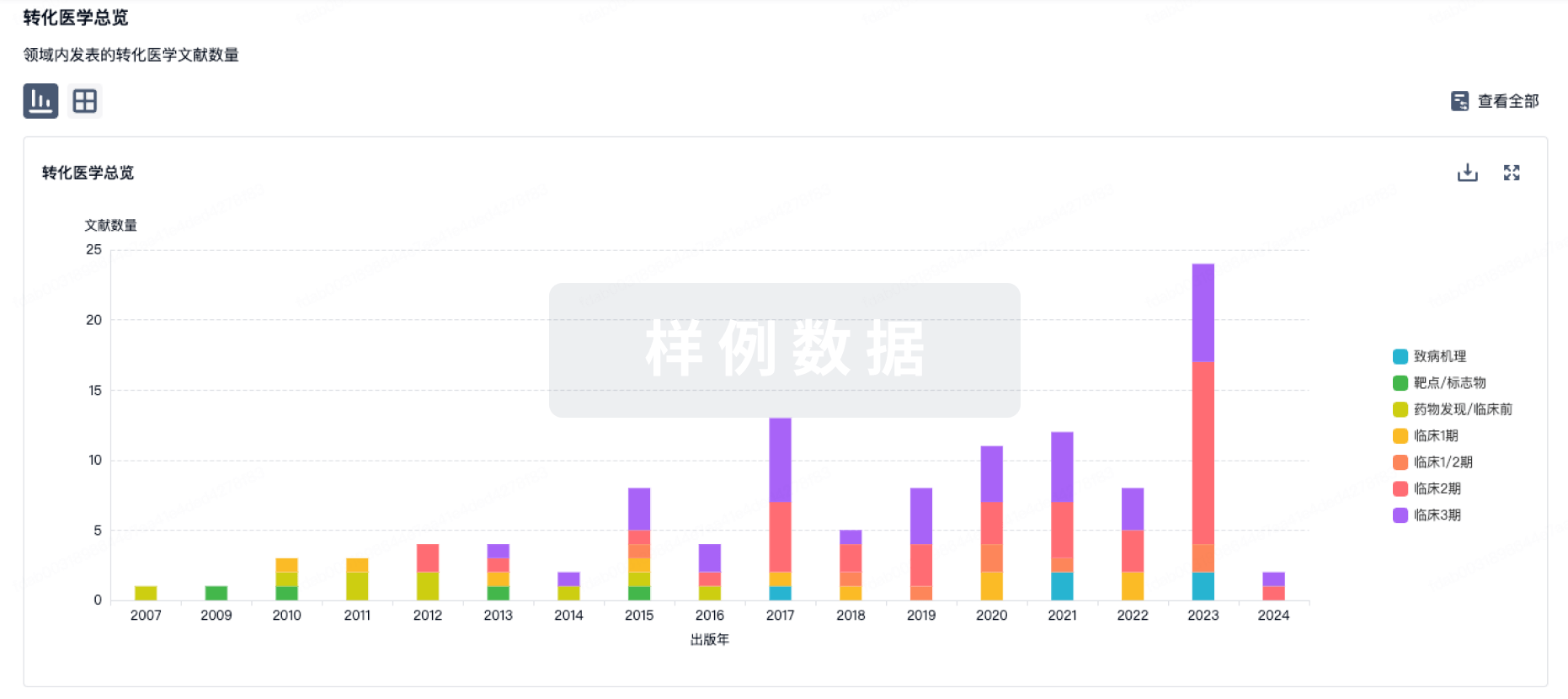
转化医学
使用我们的转化医学数据加速您的研究。
登录
或
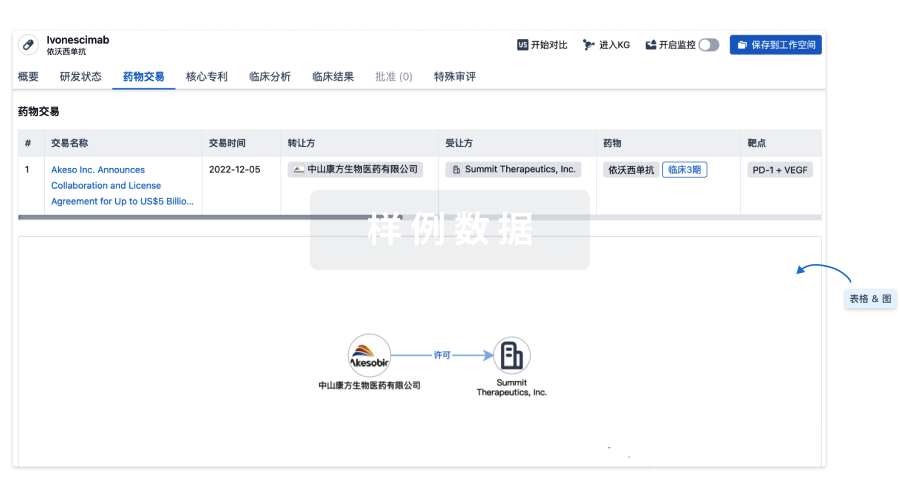
药物交易
使用我们的药物交易数据加速您的研究。
登录
或
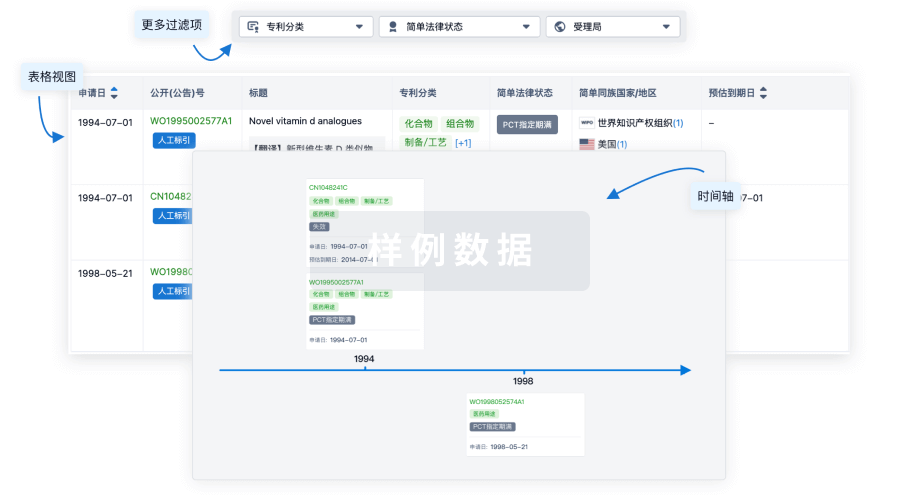
核心专利
使用我们的核心专利数据促进您的研究。
登录
或
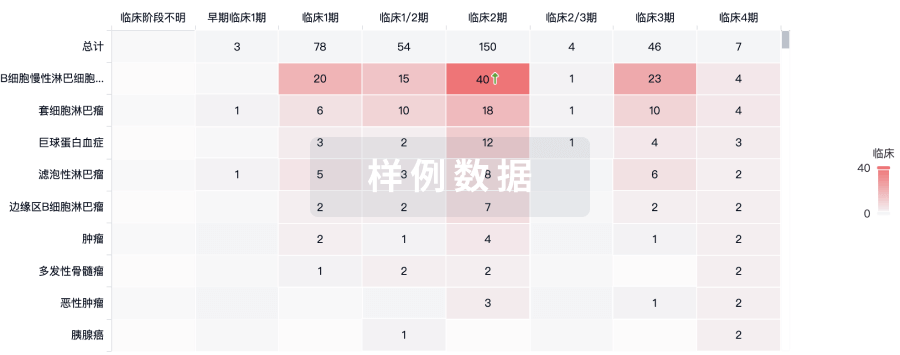
临床分析
紧跟全球注册中心的最新临床试验。
登录
或
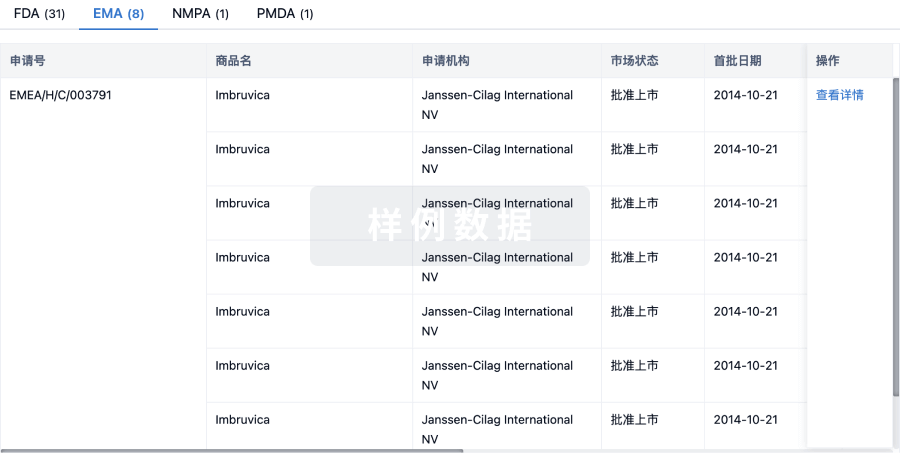
批准
利用最新的监管批准信息加速您的研究。
登录
或
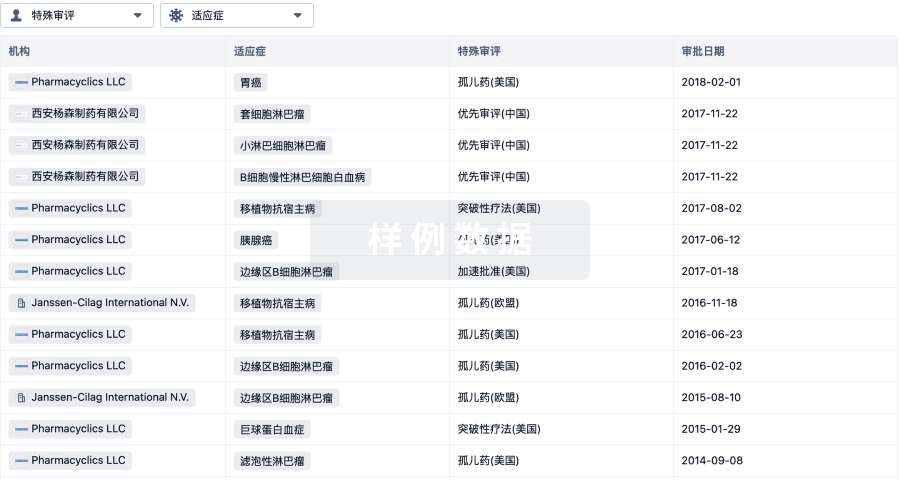
特殊审评
只需点击几下即可了解关键药物信息。
登录
或
生物医药百科问答
全新生物医药AI Agent 覆盖科研全链路,让突破性发现快人一步
立即开始免费试用!
智慧芽新药情报库是智慧芽专为生命科学人士构建的基于AI的创新药情报平台,助您全方位提升您的研发与决策效率。
立即开始数据试用!
智慧芽新药库数据也通过智慧芽数据服务平台,以API或者数据包形式对外开放,助您更加充分利用智慧芽新药情报信息。
生物序列数据库
生物药研发创新
免费使用
化学结构数据库
小分子化药研发创新
免费使用