预约演示
更新于:2026-09-07
Fibronectin
更新于:2026-09-07
概要
基本信息
药物类型 生物药 |
别名 DE-074、JRF-8909 |
作用方式 激动剂、刺激剂 |
作用机制 CD29激动剂(integrin subunit beta 1 agonists)、FN1刺激剂(纤连蛋白刺激剂) |
治疗领域 |
在研适应症- |
非在研适应症 |
在研机构- |
权益机构- |
最高研发阶段终止临床3期 |
首次获批日期- |
最高研发阶段(中国)- |
特殊审评- |

登录后查看时间轴
关联
1
项与 Fibronectin 相关的临床试验EUCTR2005-002741-39-DE
A PROSPECTIVE, CONTROLLED, RANDOMIZED, PATIENT AND EVALUATOR BLINDED STUDY TO EVALUATE PAIN AND FURTHER DISABLING COMPLICATIONS IN PATIENTS UNDERGOING LICHTENSTEIN TECHNIQUE FOR PRIMARY INGUINAL HERNIA REPAIR BY FIXING THE MESH WITH TISSUCOL/TISSEEL FIBRIN SEALANT VERSUS SUTURES
开始日期2006-04-07 |
申办/合作机构- |
100 项与 Fibronectin 相关的临床结果
登录后查看更多信息
100 项与 Fibronectin 相关的转化医学
登录后查看更多信息
100 项与 Fibronectin 相关的专利(医药)
登录后查看更多信息
191
项与 Fibronectin 相关的文献(医药)2026-01-01·Journal of Prosthodontic Research
Titanium-adhesive vitronectin promotes peri-implant bone formation via cell adhesion acceleration: An experimental study
Article
作者: Eguchi, Kaori ; Mizuno, Jun ; Takeuchi, Haruka ; Van Quang, Nguyen ; Akiba, Yosuke ; Dagny, Ochoa Escate ; Terunuma, Miho ; Akiba, Nami
PURPOSE:
Osseointegration begins at the initial blood-implant contact; however, titanium-adhesive blood proteins remain incompletely defined. We used a structure-free, nano-smooth titanium substrate (Ra ≈ 0.6 nm) to identify titanium-adhesive blood proteins and determine whether coating such proteins modulates cell adhesion, osteogenic differentiation, and peri-implant bone formation.
METHODS:
Whole blood from Sprague-Dawley rats was seeded on nano-smooth titanium, followed by stringent washing. Adherent proteins were recovered and analyzed using LC-MS/MS and STRING-based bioinformatics screening. Vitronectin was identified as a major titanium-adhesive protein and functionally evaluated using a recombinant protein. Bone marrow stromal cell (BMSC) adhesion, osteogenic gene expression, mineralization, and peri-implant bone formation were assessed in a rat model. Phosphate-buffered saline (PBS)-treated, albumin-coated, and fibronectin-coated titanium surfaces were used as controls.
RESULTS:
The vitronectin coating significantly enhanced early BMSC adhesion compared to all control surfaces, whereas fibronectin and albumin demonstrated no effect. Vitronectin did not alter osteogenic gene expression or mineralization in vitro but significantly accelerated peri-implant bone formation in vivo.
CONCLUSIONS:
Vitronectin exhibits physicochemical affinity for nano-smooth titanium and promotes peri-implant bone formation, primarily by accelerating early cell adhesion rather than by directly stimulating osteogenic differentiation.
2025-12-01·JOURNAL OF COLLOID AND INTERFACE SCIENCE
Corrigendum to “Electrosprayed core–shell microspheres co-deliver fibronectin and resveratrol for combined treatment of acute lung injury” [J. Colloid Interface Sci. 686 (2025) 498–508]
作者: Shen, Mingwu ; Huang, Yifan ; Shi, Xiangyang ; Zhang, Caiyun ; Zhang, Guixiang ; Sun, Huxiao ; Zhan, Mengsi ; Ma, Jing
2025-11-01·Advanced Healthcare Materials
Correction to “Phosphorus Dendrimers Co‐Deliver Fibronectin and Edaravone for Combined Ischemic Stroke Treatment via Cooperative Modulation of Microglia/Neurons and Vascular Regeneration”
55
项与 Fibronectin 相关的新闻(医药)2026-09-02
·搜狐新闻
Exendin‑4 (Exenatide) 是一种具有口服活性和血脑屏障穿透性的胰高血糖素样肽‑1 受体 (GLP‑1 receptor) 激动剂,能够抵抗二肽基肽酶 IV (Dipeptidyl Peptidase IV) 介导的降解。Exendin‑4 可介导多重糖调节效应,包括刺激葡萄糖依赖性胰岛素分泌、抑制胰高血糖素生成、提升 β 细胞数量、延缓胃排空、降低食物摄入、改善外周胰岛素敏感性以及修复胰岛正常结构。Exendin‑4 能够抑制氧化应激、缓解炎症反应、减少神经元凋亡 (apoptosis)。Exendin‑4 可降低突变亨廷顿蛋白聚集水平,改善运动功能,延长存活时间,并调控 leptin 与 ghrelin 的表达水平。Exendin‑4 可用于 2 型糖尿病、急性缺血性脑卒中以及亨廷顿病的相关研究。
基本信息
英文名称:Exendin‑4
中文名称:艾塞那肽,依克塞汀‑4
单字母序列:HGEGTFTSDLSKQMEEEAVRLFIEWLKNGGPSSGAPPPS‑NH₂
三字母序列:His‑Gly‑Glu‑Gly‑Thr‑Phe‑Thr‑Ser‑Asp‑Leu‑Ser‑Lys‑Gln‑Met‑Glu‑Glu‑Glu‑Ala‑Val‑Arg‑Leu‑Phe‑Ile‑Glu‑Trp‑Leu‑Lys‑Asn‑Gly‑Gly‑Pro‑Ser‑Ser‑Gly‑Ala‑Pro‑Pro‑Pro‑Ser‑NH₂
氨基酸数目:全长共计 39 个氨基酸残基,C 端酰胺化修饰封闭游离羧基末端,N 端保留游离组氨酸氨基
分子量:4186.57
分子式:C₁₈₄H₂₈₂N₅₀O₆₀S
CAS 编号:141758‑74‑9
理论等电点:pI 约 4.70,属于酸性多肽,生理中性 pH 条件下整体携带负电荷,酸性特征主要来源于序列中多个连续谷氨酸以及天冬氨酸侧链的羧基基团。该多肽最初从希拉毒蜥唾液分泌物中分离得到,是 GLP‑1 受体长效天然激动剂,抵抗 DPP‑4 蛋白酶水解,具备葡萄糖依赖性促胰岛素分泌、抑制胰高血糖素释放、延缓胃排空以及降低食欲的多重生理活性,冻干形态为白色粉末,既可以作为代谢疾病药理学研究的工具多肽,也是临床降糖减重药物的先导分子,广泛用于糖尿病、肥胖方向的体内外科研实验。
结构信息
Exendin‑4 属于线性三十九肽,分子内部不存在半胱氨酸残基,无分子内二硫键以及环化结构,水溶液状态下 N 端至中段区域在受体诱导作用下形成双亲性 α‑螺旋结构,C 端富含脯氨酸残基形成刚性转角区域,维持整体构象稳定性。C 端采用酰胺化修饰屏蔽游离羧基,提升多肽对抗外肽酶降解的能力;与人体内源 GLP‑1 相比,Exendin‑4 在 N 端附近的氨基酸序列发生特异性突变,对二肽基肽酶 DPP‑4 的切割位点产生空间位阻效应,避免 N 端快速酶解失活,显著延长体内循环半衰期。序列中段的 Met 残基含有硫醚侧链,对氧化环境较为敏感,氧化修饰会降低多肽生物活性;C 端连续 Pro‑Pro‑Pro 的脯氨酸簇形成刚性结构域,该区域不直接参与受体激活,但能够提升分子整体稳定性,改善多肽在生物体液中的耐受能力。N 端 His‑Gly 区域是结合并激活 GLP‑1 受体的核心功能片段,决定下游信号启动能力。整体空间构象使其与 GLP‑1 受体的亲和力与人源 GLP‑1 水平接近,但代谢稳定性远优于内源短半衰期肠促胰素。
作用机理
Exendin‑4 作为 GLP‑1 受体强效激动剂,通过激活胰岛、胃肠道、中枢神经系统分布的 GLP‑1 受体启动下游 cAMP 信号通路。在进食后血糖升高的条件下,以葡萄糖依赖的方式促进胰腺 β 细胞合成与释放胰岛素,血糖处于正常偏低水平时不会过度刺激胰岛素分泌,低血糖风险可控。该多肽能够抑制 α 细胞分泌胰高血糖素,减少肝脏内源性葡萄糖输出,降低空腹及餐后血糖水平;作用于胃肠道平滑肌减慢胃排空速度,延长食物消化时间,提升餐后饱腹感。作用于下丘脑食欲调控中枢,降低摄食欲望,减少食物摄入,实现体重控制效果。额外的生物学效应包括保护胰岛 β 细胞、抑制 β 细胞凋亡、促进胰岛细胞存活与增殖,长期干预可以改善机体胰岛素抵抗,调节脂质代谢。完整分子对 DPP‑4 水解耐受,单次给药后药效维持时间更长,区别于人体天然 GLP‑1 的快速失活特性。
研究进展
科研人员最早从墨西哥希拉毒蜥的唾液腺分泌物中分离鉴定出 Exendin‑4,初步药理学实验发现该多肽具备强大的降糖活性,且相比人体 GLP‑1 拥有优异的抗酶解稳定性。体外胰岛细胞实验验证其促胰岛素分泌效应具备葡萄糖依赖性;后续啮齿类以及非人灵长类动物糖尿病模型证实该多肽可以持续降低血糖、减轻体重,改善糖耐量异常。基于完整的临床前药效与安全性数据,Exendin‑4 成为首个进入临床开发的外源性 GLP‑1 受体激动多肽,多项临床试验验证其在 2 型糖尿病患者中的降糖减重效果,推动了艾塞那肽制剂的临床应用。随着代谢药物研发不断发展,Exendin‑4 长期作为经典阳性对照多肽,用于新型 GLP‑1 单靶点、多靶点肠促胰素激动剂的活性筛选与药效对比,大量后续修饰改造衍生物均以 Exendin‑4 作为母肽进行结构优化。近年相关机制研究继续探索该多肽在心血管保护、非酒精性脂肪肝、神经退行性疾病中的潜在获益价值,拓展其药理研究边界。
相关应用
可以用于胰岛 β 细胞、肠道内分泌细胞体外培养实验,探究 GLP‑1 受体下游 cAMP 信号通路调控胰岛素分泌的分子机制;可以作为阳性对照多肽开展 GLP‑1 受体结合与功能激活实验,评价新型 GLP‑1 受体激动剂或拮抗剂的药理学活性;可以构建高脂诱导肥胖小鼠、自发性 2 型糖尿病动物模型,评价多肽对血糖、糖耐量、体重与能量代谢的调控效果;可以开展胃排空、胃肠动力相关体内药理学评价;可以用于胰岛细胞保护、抗凋亡方向的细胞损伤模型实验;可以作为先导模板进行多肽结构修饰与长效化改造研究,开发新一代代谢类候选多肽药物,该多肽既可供基础科研使用,其序列也是临床多肽药物的开发原型。
溶解保存
冻干粉末密封避光存放于干燥环境‑20℃长期保存,避免潮湿、高温以及反复温度波动。配制溶剂优先选用无菌超纯水或者中性磷酸盐缓冲液,该多肽水溶性良好;序列内部含有甲硫氨酸残基,易发生氧化失活,配制过程减少长时间暴露于空气,避免强酸强碱造成肽键水解破坏。配制完成的储备溶液分装为单次实验所需的微量体积,置于‑80℃避光冷冻保存,严格减少反复冻融,多次冻融会引发甲硫氨酸氧化以及多肽降解,降低生物活性。稀释后的工作溶液稳定性较差,建议实验前新鲜配制,短期 4℃避光存放不宜超过二十四小时。
相关多肽
α-MSH
Mast Cell Degranulating Peptide HR-2
NPY
Protein Kinase A Inhibitor (6-22), amide
P-256 (Histone H3 Dimethyl Lysine-4 Peptide)
Fibronectin Adhesion-promoting Peptide
ACTH (4-11), human
Apelin-13, human, bovine
Ac-Endothelin-1 (16-21), human
a-TGF (34-43), rat
Brain Derived Acidic Fibroblast Growth Factor (1-11)
Epidermal Growth Factor Receptor Peptide (985-996)
Insulin-Like Growth [Tyr0] Factor II (33-40)
Pro-TGF-a
Growth Hormone (6-13), human
Cockroach Myoactive Peptide II (MII)
Laminin (925-933)
Laminin Penta Peptide, amide
Collagen Binding Fragment
YD-1
YD-2
(Glp1)-Apelin-13, human, bovine
Peptide YY(3-36), PYY, human
Angiotensin II (5-8), human
Bradykinin (1-3)
Exendin-4
C-Peptide, human
Proinsulin C-Peptide(55-89), human 1934-1-3
所有产品仅用作实验室科学研究,不为任何个人用途提供产品和服务。返回搜狐,查看更多
2026-09-01
·搜狐新闻
Exendin‑4 (Exenatide) 是一种具有口服活性和血脑屏障穿透性的胰高血糖素样肽‑1 受体 (GLP‑1 receptor) 激动剂,能够抵抗二肽基肽酶 IV (Dipeptidyl Peptidase IV) 介导的降解。Exendin‑4 可介导多重糖调节效应,包括刺激葡萄糖依赖性胰岛素分泌、抑制胰高血糖素生成、提升 β 细胞数量、延缓胃排空、降低食物摄入、改善外周胰岛素敏感性以及修复胰岛正常结构。Exendin‑4 能够抑制氧化应激、缓解炎症反应、减少神经元凋亡 (apoptosis)。Exendin‑4 可降低突变亨廷顿蛋白聚集水平,改善运动功能,延长存活时间,并调控 leptin 与 ghrelin 的表达水平。Exendin‑4 可用于 2 型糖尿病、急性缺血性脑卒中以及亨廷顿病的相关研究。
基本信息
英文名称:Exendin‑4
中文名称:艾塞那肽,依克塞汀‑4
单字母序列:HGEGTFTSDLSKQMEEEAVRLFIEWLKNGGPSSGAPPPS‑NH₂
三字母序列:His‑Gly‑Glu‑Gly‑Thr‑Phe‑Thr‑Ser‑Asp‑Leu‑Ser‑Lys‑Gln‑Met‑Glu‑Glu‑Glu‑Ala‑Val‑Arg‑Leu‑Phe‑Ile‑Glu‑Trp‑Leu‑Lys‑Asn‑Gly‑Gly‑Pro‑Ser‑Ser‑Gly‑Ala‑Pro‑Pro‑Pro‑Ser‑NH₂
氨基酸数目:全长共计 39 个氨基酸残基,C 端酰胺化修饰封闭游离羧基末端,N 端保留游离组氨酸氨基
分子量:4186.57
分子式:C₁₈₄H₂₈₂N₅₀O₆₀S
CAS 编号:141758‑74‑9
理论等电点:pI 约 4.70,属于酸性多肽,生理中性 pH 条件下整体携带负电荷,酸性特征主要来源于序列中多个连续谷氨酸以及天冬氨酸侧链的羧基基团。该多肽最初从希拉毒蜥唾液分泌物中分离得到,是 GLP‑1 受体长效天然激动剂,抵抗 DPP‑4 蛋白酶水解,具备葡萄糖依赖性促胰岛素分泌、抑制胰高血糖素释放、延缓胃排空以及降低食欲的多重生理活性,冻干形态为白色粉末,既可以作为代谢疾病药理学研究的工具多肽,也是临床降糖减重药物的先导分子,广泛用于糖尿病、肥胖方向的体内外科研实验。
结构信息
Exendin‑4 属于线性三十九肽,分子内部不存在半胱氨酸残基,无分子内二硫键以及环化结构,水溶液状态下 N 端至中段区域在受体诱导作用下形成双亲性 α‑螺旋结构,C 端富含脯氨酸残基形成刚性转角区域,维持整体构象稳定性。C 端采用酰胺化修饰屏蔽游离羧基,提升多肽对抗外肽酶降解的能力;与人体内源 GLP‑1 相比,Exendin‑4 在 N 端附近的氨基酸序列发生特异性突变,对二肽基肽酶 DPP‑4 的切割位点产生空间位阻效应,避免 N 端快速酶解失活,显著延长体内循环半衰期。序列中段的 Met 残基含有硫醚侧链,对氧化环境较为敏感,氧化修饰会降低多肽生物活性;C 端连续 Pro‑Pro‑Pro 的脯氨酸簇形成刚性结构域,该区域不直接参与受体激活,但能够提升分子整体稳定性,改善多肽在生物体液中的耐受能力。N 端 His‑Gly 区域是结合并激活 GLP‑1 受体的核心功能片段,决定下游信号启动能力。整体空间构象使其与 GLP‑1 受体的亲和力与人源 GLP‑1 水平接近,但代谢稳定性远优于内源短半衰期肠促胰素。
作用机理
Exendin‑4 作为 GLP‑1 受体强效激动剂,通过激活胰岛、胃肠道、中枢神经系统分布的 GLP‑1 受体启动下游 cAMP 信号通路。在进食后血糖升高的条件下,以葡萄糖依赖的方式促进胰腺 β 细胞合成与释放胰岛素,血糖处于正常偏低水平时不会过度刺激胰岛素分泌,低血糖风险可控。该多肽能够抑制 α 细胞分泌胰高血糖素,减少肝脏内源性葡萄糖输出,降低空腹及餐后血糖水平;作用于胃肠道平滑肌减慢胃排空速度,延长食物消化时间,提升餐后饱腹感。作用于下丘脑食欲调控中枢,降低摄食欲望,减少食物摄入,实现体重控制效果。额外的生物学效应包括保护胰岛 β 细胞、抑制 β 细胞凋亡、促进胰岛细胞存活与增殖,长期干预可以改善机体胰岛素抵抗,调节脂质代谢。完整分子对 DPP‑4 水解耐受,单次给药后药效维持时间更长,区别于人体天然 GLP‑1 的快速失活特性。
研究进展
科研人员最早从墨西哥希拉毒蜥的唾液腺分泌物中分离鉴定出 Exendin‑4,初步药理学实验发现该多肽具备强大的降糖活性,且相比人体 GLP‑1 拥有优异的抗酶解稳定性。体外胰岛细胞实验验证其促胰岛素分泌效应具备葡萄糖依赖性;后续啮齿类以及非人灵长类动物糖尿病模型证实该多肽可以持续降低血糖、减轻体重,改善糖耐量异常。基于完整的临床前药效与安全性数据,Exendin‑4 成为首个进入临床开发的外源性 GLP‑1 受体激动多肽,多项临床试验验证其在 2 型糖尿病患者中的降糖减重效果,推动了艾塞那肽制剂的临床应用。随着代谢药物研发不断发展,Exendin‑4 长期作为经典阳性对照多肽,用于新型 GLP‑1 单靶点、多靶点肠促胰素激动剂的活性筛选与药效对比,大量后续修饰改造衍生物均以 Exendin‑4 作为母肽进行结构优化。近年相关机制研究继续探索该多肽在心血管保护、非酒精性脂肪肝、神经退行性疾病中的潜在获益价值,拓展其药理研究边界。
相关应用
可以用于胰岛 β 细胞、肠道内分泌细胞体外培养实验,探究 GLP‑1 受体下游 cAMP 信号通路调控胰岛素分泌的分子机制;可以作为阳性对照多肽开展 GLP‑1 受体结合与功能激活实验,评价新型 GLP‑1 受体激动剂或拮抗剂的药理学活性;可以构建高脂诱导肥胖小鼠、自发性 2 型糖尿病动物模型,评价多肽对血糖、糖耐量、体重与能量代谢的调控效果;可以开展胃排空、胃肠动力相关体内药理学评价;可以用于胰岛细胞保护、抗凋亡方向的细胞损伤模型实验;可以作为先导模板进行多肽结构修饰与长效化改造研究,开发新一代代谢类候选多肽药物,该多肽既可供基础科研使用,其序列也是临床多肽药物的开发原型。
溶解保存
冻干粉末密封避光存放于干燥环境‑20℃长期保存,避免潮湿、高温以及反复温度波动。配制溶剂优先选用无菌超纯水或者中性磷酸盐缓冲液,该多肽水溶性良好;序列内部含有甲硫氨酸残基,易发生氧化失活,配制过程减少长时间暴露于空气,避免强酸强碱造成肽键水解破坏。配制完成的储备溶液分装为单次实验所需的微量体积,置于‑80℃避光冷冻保存,严格减少反复冻融,多次冻融会引发甲硫氨酸氧化以及多肽降解,降低生物活性。稀释后的工作溶液稳定性较差,建议实验前新鲜配制,短期 4℃避光存放不宜超过二十四小时。
相关多肽
α-MSH
Mast Cell Degranulating Peptide HR-2
NPY
Protein Kinase A Inhibitor (6-22), amide
P-256 (Histone H3 Dimethyl Lysine-4 Peptide)
Fibronectin Adhesion-promoting Peptide
ACTH (4-11), human
Apelin-13, human, bovine
Ac-Endothelin-1 (16-21), human
a-TGF (34-43), rat
Brain Derived Acidic Fibroblast Growth Factor (1-11)
Epidermal Growth Factor Receptor Peptide (985-996)
Insulin-Like Growth [Tyr0] Factor II (33-40)
Pro-TGF-a
Growth Hormone (6-13), human
Cockroach Myoactive Peptide II (MII)
Laminin (925-933)
Laminin Penta Peptide, amide
Collagen Binding Fragment
YD-1
YD-2
(Glp1)-Apelin-13, human, bovine
Peptide YY(3-36), PYY, human
Angiotensin II (5-8), human
Bradykinin (1-3)
Exendin-4
C-Peptide, human
Proinsulin C-Peptide(55-89), human 1934-1-3
所有产品仅用作实验室科学研究,不为任何个人用途提供产品和服务。返回搜狐,查看更多
2026-09-01
·知乎专栏
Exendin‑4 (Exenatide) 是一种具有口服活性和血脑屏障穿透性的胰高血糖素样肽‑1 受体 (GLP‑1 receptor) 激动剂,能够抵抗二肽基肽酶 IV (Dipeptidyl Peptidase IV) 介导的降解。Exendin‑4 可介导多重糖调节效应,包括刺激葡萄糖依赖性胰岛素分泌、抑制胰高血糖素生成、提升 β 细胞数量、延缓胃排空、降低食物摄入、改善外周胰岛素敏感性以及修复胰岛正常结构。Exendin‑4 能够抑制氧化应激、缓解炎症反应、减少神经元凋亡 (apoptosis)。Exendin‑4 可降低突变亨廷顿蛋白聚集水平,改善运动功能,延长存活时间,并调控 leptin 与 ghrelin 的表达水平。Exendin‑4 可用于 2 型糖尿病、急性缺血性脑卒中以及亨廷顿病的相关研究。基本信息英文名称:Exendin‑4中文名称:艾塞那肽,依克塞汀‑4单字母序列:HGEGTFTSDLSKQMEEEAVRLFIEWLKNGGPSSGAPPPS‑NH₂三字母序列:His‑Gly‑Glu‑Gly‑Thr‑Phe‑Thr‑Ser‑Asp‑Leu‑Ser‑Lys‑Gln‑Met‑Glu‑Glu‑Glu‑Ala‑Val‑Arg‑Leu‑Phe‑Ile‑Glu‑Trp‑Leu‑Lys‑Asn‑Gly‑Gly‑Pro‑Ser‑Ser‑Gly‑Ala‑Pro‑Pro‑Pro‑Ser‑NH₂氨基酸数目:全长共计 39 个氨基酸残基,C 端酰胺化修饰封闭游离羧基末端,N 端保留游离组氨酸氨基分子量:4186.57分子式:C₁₈₄H₂₈₂N₅₀O₆₀SCAS 编号:141758‑74‑9理论等电点:pI 约 4.70,属于酸性多肽,生理中性 pH 条件下整体携带负电荷,酸性特征主要来源于序列中多个连续谷氨酸以及天冬氨酸侧链的羧基基团。该多肽最初从希拉毒蜥唾液分泌物中分离得到,是 GLP‑1 受体长效天然激动剂,抵抗 DPP‑4 蛋白酶水解,具备葡萄糖依赖性促胰岛素分泌、抑制胰高血糖素释放、延缓胃排空以及降低食欲的多重生理活性,冻干形态为白色粉末,既可以作为代谢疾病药理学研究的工具多肽,也是临床降糖减重药物的先导分子,广泛用于糖尿病、肥胖方向的体内外科研实验。结构信息Exendin‑4 属于线性三十九肽,分子内部不存在半胱氨酸残基,无分子内二硫键以及环化结构,水溶液状态下 N 端至中段区域在受体诱导作用下形成双亲性 α‑螺旋结构,C 端富含脯氨酸残基形成刚性转角区域,维持整体构象稳定性。C 端采用酰胺化修饰屏蔽游离羧基,提升多肽对抗外肽酶降解的能力;与人体内源 GLP‑1 相比,Exendin‑4 在 N 端附近的氨基酸序列发生特异性突变,对二肽基肽酶 DPP‑4 的切割位点产生空间位阻效应,避免 N 端快速酶解失活,显著延长体内循环半衰期。序列中段的 Met 残基含有硫醚侧链,对氧化环境较为敏感,氧化修饰会降低多肽生物活性;C 端连续 Pro‑Pro‑Pro 的脯氨酸簇形成刚性结构域,该区域不直接参与受体激活,但能够提升分子整体稳定性,改善多肽在生物体液中的耐受能力。N 端 His‑Gly 区域是结合并激活 GLP‑1 受体的核心功能片段,决定下游信号启动能力。整体空间构象使其与 GLP‑1 受体的亲和力与人源 GLP‑1 水平接近,但代谢稳定性远优于内源短半衰期肠促胰素。作用机理Exendin‑4 作为 GLP‑1 受体强效激动剂,通过激活胰岛、胃肠道、中枢神经系统分布的 GLP‑1 受体启动下游 cAMP 信号通路。在进食后血糖升高的条件下,以葡萄糖依赖的方式促进胰腺 β 细胞合成与释放胰岛素,血糖处于正常偏低水平时不会过度刺激胰岛素分泌,低血糖风险可控。该多肽能够抑制 α 细胞分泌胰高血糖素,减少肝脏内源性葡萄糖输出,降低空腹及餐后血糖水平;作用于胃肠道平滑肌减慢胃排空速度,延长食物消化时间,提升餐后饱腹感。作用于下丘脑食欲调控中枢,降低摄食欲望,减少食物摄入,实现体重控制效果。额外的生物学效应包括保护胰岛 β 细胞、抑制 β 细胞凋亡、促进胰岛细胞存活与增殖,长期干预可以改善机体胰岛素抵抗,调节脂质代谢。完整分子对 DPP‑4 水解耐受,单次给药后药效维持时间更长,区别于人体天然 GLP‑1 的快速失活特性。研究进展科研人员最早从墨西哥希拉毒蜥的唾液腺分泌物中分离鉴定出 Exendin‑4,初步药理学实验发现该多肽具备强大的降糖活性,且相比人体 GLP‑1 拥有优异的抗酶解稳定性。体外胰岛细胞实验验证其促胰岛素分泌效应具备葡萄糖依赖性;后续啮齿类以及非人灵长类动物糖尿病模型证实该多肽可以持续降低血糖、减轻体重,改善糖耐量异常。基于完整的临床前药效与安全性数据,Exendin‑4 成为首个进入临床开发的外源性 GLP‑1 受体激动多肽,多项临床试验验证其在 2 型糖尿病患者中的降糖减重效果,推动了艾塞那肽制剂的临床应用。随着代谢药物研发不断发展,Exendin‑4 长期作为经典阳性对照多肽,用于新型 GLP‑1 单靶点、多靶点肠促胰素激动剂的活性筛选与药效对比,大量后续修饰改造衍生物均以 Exendin‑4 作为母肽进行结构优化。近年相关机制研究继续探索该多肽在心血管保护、非酒精性脂肪肝、神经退行性疾病中的潜在获益价值,拓展其药理研究边界。相关应用可以用于胰岛 β 细胞、肠道内分泌细胞体外培养实验,探究 GLP‑1 受体下游 cAMP 信号通路调控胰岛素分泌的分子机制;可以作为阳性对照多肽开展 GLP‑1 受体结合与功能激活实验,评价新型 GLP‑1 受体激动剂或拮抗剂的药理学活性;可以构建高脂诱导肥胖小鼠、自发性 2 型糖尿病动物模型,评价多肽对血糖、糖耐量、体重与能量代谢的调控效果;可以开展胃排空、胃肠动力相关体内药理学评价;可以用于胰岛细胞保护、抗凋亡方向的细胞损伤模型实验;可以作为先导模板进行多肽结构修饰与长效化改造研究,开发新一代代谢类候选多肽药物,该多肽既可供基础科研使用,其序列也是临床多肽药物的开发原型。溶解保存冻干粉末密封避光存放于干燥环境‑20℃长期保存,避免潮湿、高温以及反复温度波动。配制溶剂优先选用无菌超纯水或者中性磷酸盐缓冲液,该多肽水溶性良好;序列内部含有甲硫氨酸残基,易发生氧化失活,配制过程减少长时间暴露于空气,避免强酸强碱造成肽键水解破坏。配制完成的储备溶液分装为单次实验所需的微量体积,置于‑80℃避光冷冻保存,严格减少反复冻融,多次冻融会引发甲硫氨酸氧化以及多肽降解,降低生物活性。稀释后的工作溶液稳定性较差,建议实验前新鲜配制,短期 4℃避光存放不宜超过二十四小时。相关多肽α-MSHMast Cell Degranulating Peptide HR-2NPYProtein Kinase A Inhibitor (6-22), amideP-256 (Histone H3 Dimethyl Lysine-4 Peptide)Fibronectin Adhesion-promoting PeptideACTH (4-11), humanApelin-13, human, bovineAc-Endothelin-1 (16-21), humana-TGF (34-43), ratBrain Derived Acidic Fibroblast Growth Factor (1-11)Epidermal Growth Factor Receptor Peptide (985-996)Insulin-Like Growth [Tyr0] Factor II (33-40)Pro-TGF-aGrowth Hormone (6-13), humanCockroach Myoactive Peptide II (MII)Laminin (925-933)Laminin Penta Peptide, amideCollagen Binding FragmentYD-1YD-2(Glp1)-Apelin-13, human, bovinePeptide YY(3-36), PYY, humanAngiotensin II (5-8), humanBradykinin (1-3)Exendin-4C-Peptide, humanProinsulin C-Peptide(55-89), human 1934-1-3所有产品仅用作实验室科学研究,不为任何个人用途提供产品和服务。
100 项与 Fibronectin 相关的药物交易
登录后查看更多信息
研发状态
10 条进展最快的记录, 后查看更多信息
登录
| 适应症 | 最高研发状态 | 国家/地区 | 公司 | 日期 |
|---|---|---|---|---|
| 角膜疾病 | 临床3期 | - | - |
登录后查看更多信息
临床结果
临床结果
适应症
分期
评价
查看全部结果
| 研究 | 分期 | 人群特征 | 评价人数 | 分组 | 结果 | 评价 | 发布日期 |
|---|
No Data | |||||||
登录后查看更多信息
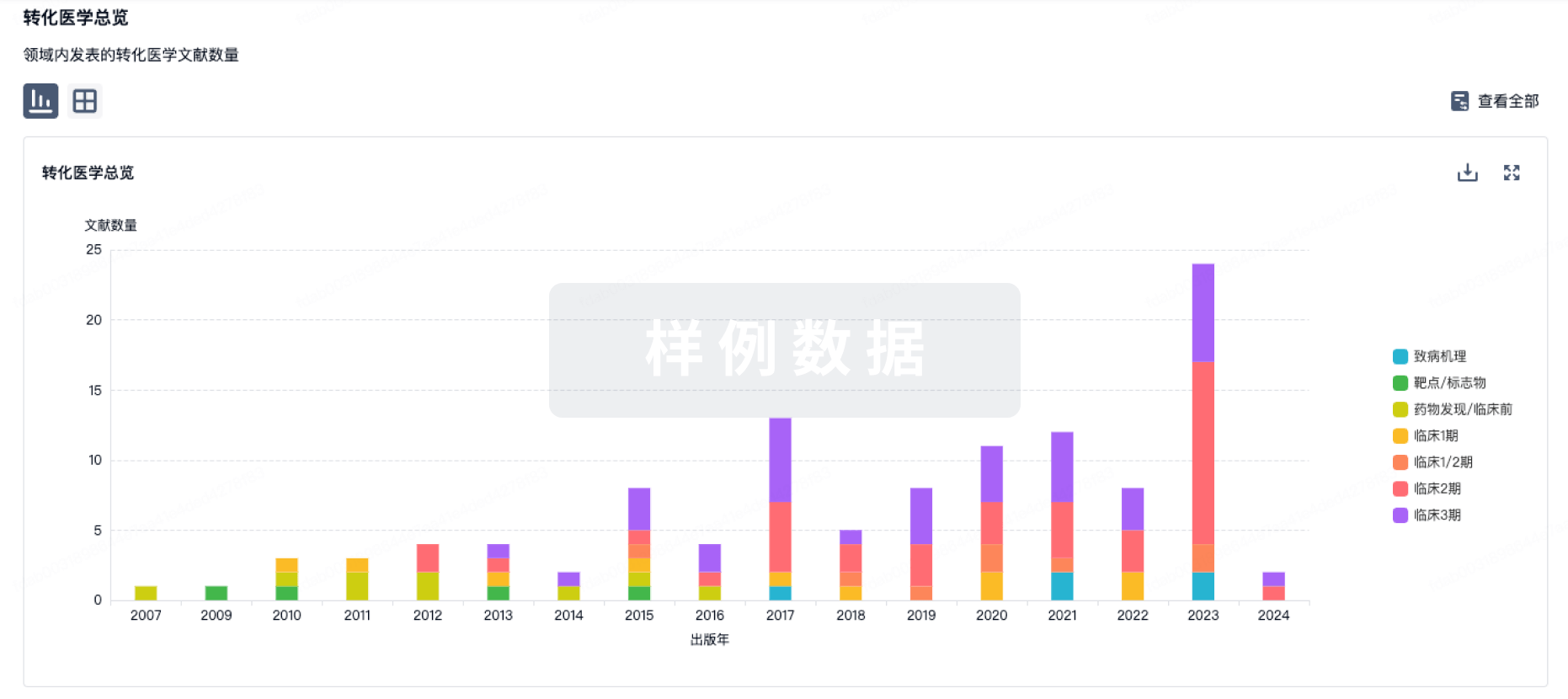
转化医学
使用我们的转化医学数据加速您的研究。
登录
或
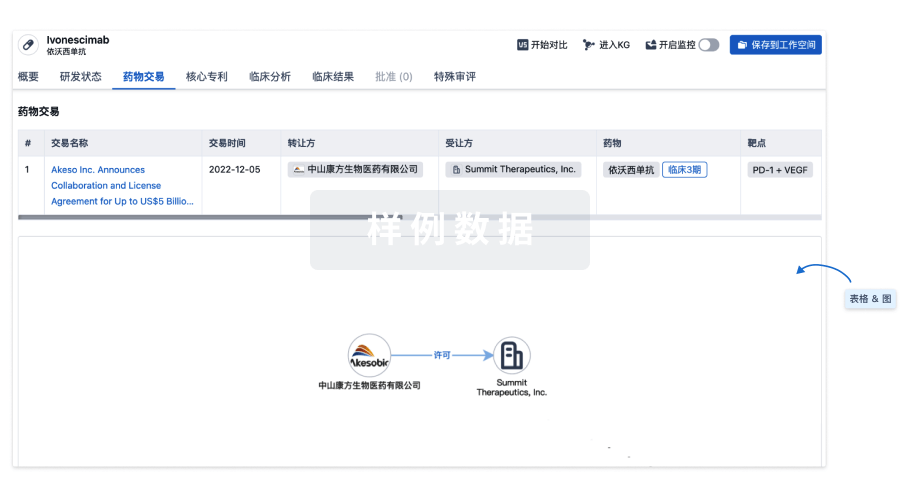
药物交易
使用我们的药物交易数据加速您的研究。
登录
或
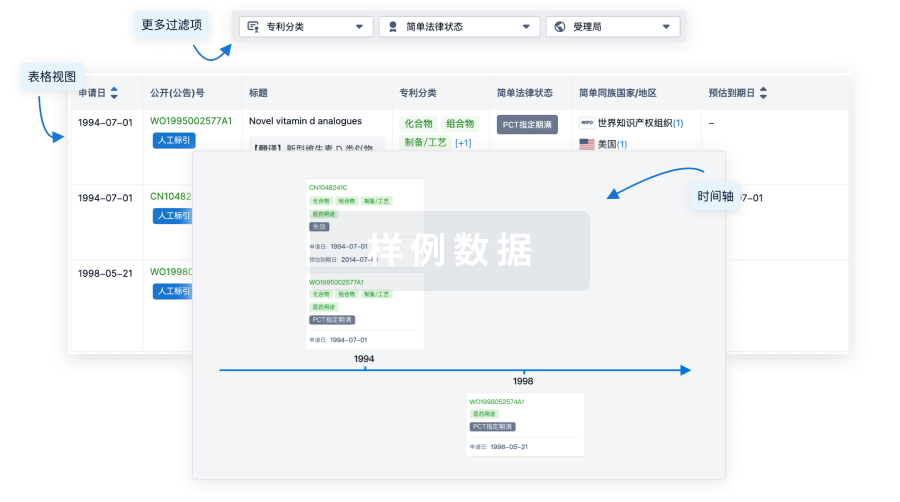
核心专利
使用我们的核心专利数据促进您的研究。
登录
或
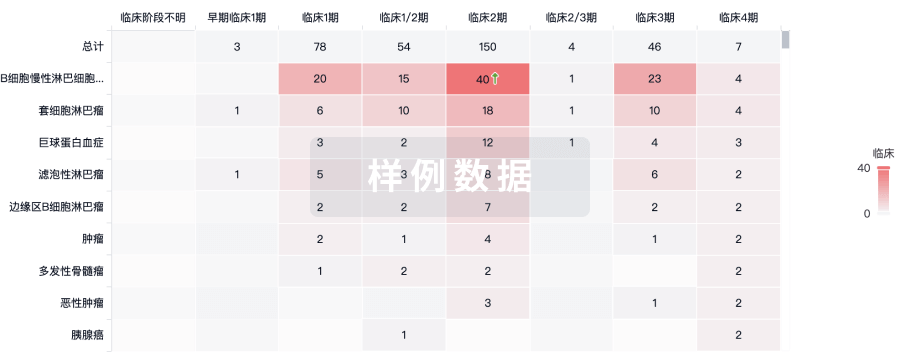
临床分析
紧跟全球注册中心的最新临床试验。
登录
或
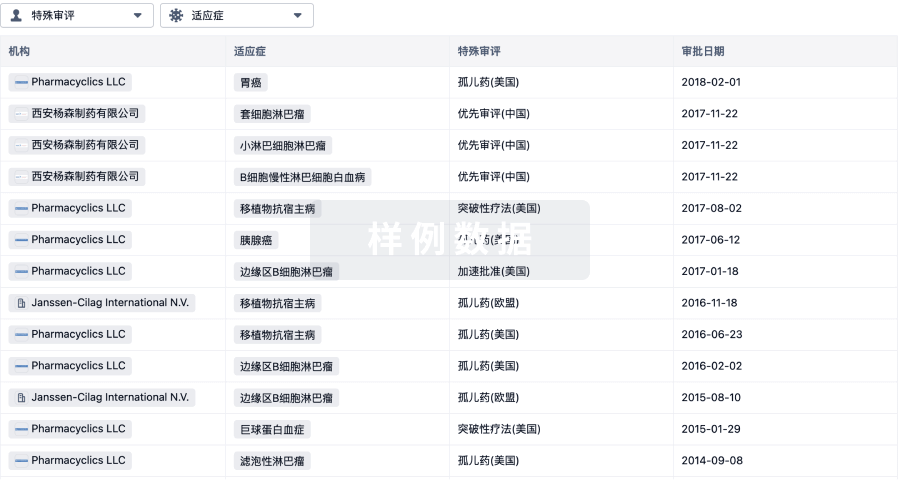
批准
利用最新的监管批准信息加速您的研究。
登录
或
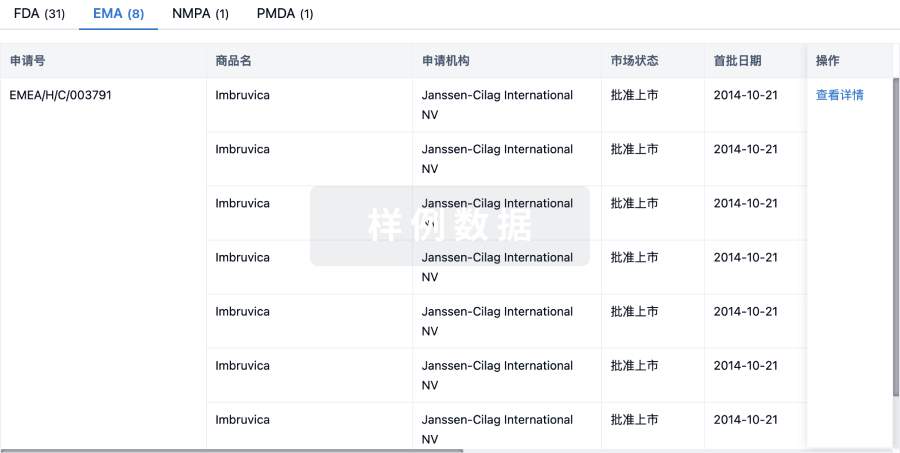
特殊审评
只需点击几下即可了解关键药物信息。
登录
或
提出任何生物医药研究问题
让每一步生物医药决策都精准制胜
基于十亿级生物数据与全球情报的精准 AI,赋能早期药物发现
立即开始免费试用!
智慧芽新药情报库是智慧芽专为生命科学人士构建的基于AI的创新药情报平台,助您全方位提升您的研发与决策效率。
立即接入生物医药数据包
智慧芽新药库数据也通过智慧芽开放平台,以MCP或API服务形式对外开放。立即使用我们的MCP服务定制您的LLM智能体。
生物序列数据库
生物药研发创新
免费使用
化学结构数据库
小分子化药研发创新
免费使用