预约演示
更新于:2026-01-10
Serotonin-Norepinephrine-Dopamine Reuptake Inhibitors(Enveric)
更新于:2026-01-10
概要
基本信息
药物类型 化学药 |
别名 SNDRI |
作用方式 拮抗剂、抑制剂 |
作用机制 DAT拮抗剂(多巴胺转运体拮抗剂)、NET抑制剂(去甲肾上腺素转运蛋白抑制剂)、SERT抑制剂(5-羟色胺转运体抑制剂) |
非在研适应症- |
非在研机构- |
权益机构- |
最高研发阶段药物发现 |
首次获批日期- |
最高研发阶段(中国)- |
特殊审评- |

关联
100 项与 Serotonin-Norepinephrine-Dopamine Reuptake Inhibitors(Enveric) 相关的临床结果
登录后查看更多信息
100 项与 Serotonin-Norepinephrine-Dopamine Reuptake Inhibitors(Enveric) 相关的转化医学
登录后查看更多信息
100 项与 Serotonin-Norepinephrine-Dopamine Reuptake Inhibitors(Enveric) 相关的专利(医药)
登录后查看更多信息
21
项与 Serotonin-Norepinephrine-Dopamine Reuptake Inhibitors(Enveric) 相关的文献(医药)2025-08-01·Clinical Pharmacology in Drug Development
A Randomized Thorough QT Trial Using Concentration‐QT Analysis to Evaluate the Effects of Centanafadine on Cardiac Repolarization
Article
作者: Susan E. Shoaf ; Jennifer Repella-Gordon ; Xiaofeng Wang ; Osman S. Turkoglu
Abstract:
Centanafadine is a norepinephrine/dopamine/serotonin reuptake inhibitor in development for treatment of attention‐deficit/hyperactivity disorder. This double‐blind, placebo‐ and moxifloxacin‐controlled, 3‐period crossover trial evaluated the effects of centanafadine (EB‐1020) and its metabolite (EB‐10601) on cardiac repolarization in 30 healthy adults (18‐65 years). Dosing sequences included centanafadine sustained‐release 800 mg (supratherapeutic) total daily dose, placebo, and moxifloxacin 400 mg. Electrocardiogram parameters and heart rate (HR) were assessed. The primary endpoint was placebo‐corrected change from baseline QTc (ΔΔQTc), analyzed using concentration‐QTc (C‐QTc) analysis. The C‐QTc slopes for centanafadine (−0.001 ms/[ng/mL]) and EB‐10601 (−0.0003 ms/[ng/mL]) were not statistically significant. Assay sensitivity was confirmed by the statistically significant C‐QTc slope for moxifloxacin (0.004 ms/[ng/mL]) and a 2‐sided 90% confidence interval lower bound >5 milliseconds. No change from baseline in QTcF or placebo‐corrected QTcF ≥10 milliseconds for centanafadine was observed at any postdose time point. No centanafadine‐treated participants had QTcF increases of >30 milliseconds and no relevant PR/QRS interval or HR increases were observed. The predicted ΔΔQTcF values of centanafadine, EB‐10601, and moxifloxacin at the geometric mean Cmax were −2.72, −1.59, and 11.75 milliseconds, respectively. No serious treatment‐emergent adverse events or deaths were reported. Centanafadine was generally safe and well‐tolerated, with no clinically meaningful effect on cardiac repolarization.
2025-07-01·JOURNAL OF THE AMERICAN ACADEMY OF CHILD AND ADOLESCENT PSYCHIATRY
Centanafadine for Attention-Deficit/Hyperactivity Disorder in Adolescents: A Randomized Clinical Trial
Article
作者: Ward, Caroline L ; Wilens, Timothy E ; Turkoglu, Osman ; Jin, Na ; Childress, Ann C ; Skubiak, Taisa
OBJECTIVE:
This randomized, double-blind, placebo-controlled trial evaluated the efficacy, safety, and tolerability of centanafadine-a norepinephrine, dopamine, serotonin reuptake inhibitor-in the treatment of attention-deficit/hyperactivity disorder (ADHD) in adolescents.
METHOD:
Adolescents (aged 13-17 years, inclusive) with a primary diagnosis of ADHD were randomized to once-daily centanafadine 164.4 mg, 328.8 mg, or placebo for 6 weeks. Dosing was not titrated. The primary endpoint was change from baseline in the ADHD Rating Scale, version 5 (ADHD-RS-5) symptoms total raw score at week 6. This trial is registered with ClinicalTrials.gov (NCT05257265).
RESULTS:
Of 459 participants (centanafadine 164.4 mg, n = 155; 328.8 mg, n = 155; placebo, n = 149), 451 received ≥1 dose of study drug and 371 (80.8%) completed the trial. At week 6, improvements in ADHD-RS-5 symptoms total raw score were significantly greater with centanafadine 328.8 mg than with placebo (-18.50 [0.93] vs -14.15 [0.93]; p = .0006); centanafadine 164.4 mg did not meet the primary endpoint. Centanafadine 328.8 mg showed separation from placebo at week 1, the first postbaseline timepoint, with the effect maintained throughout the study. Treatment-emergent adverse events (TEAEs) occurred in 48 of 153 (31.4%, 164.4 mg), 76 of 151 (50.3%, 328.8 mg), and 35 of 147 (23.8%, placebo) participants. The most common (≥5% any group) TEAEs were decreased appetite, nausea, headache, and rash. Most TEAEs were of mild or moderate severity; 3 events were severe: liver function test increase (n = 1, 164.4 mg); aggression (n = 1, 164.4 mg); and somnolence (n = 1, placebo).
CONCLUSION:
Centanafadine 328.8 mg was efficacious for ADHD treatment in adolescents. Both doses were generally safe and well tolerated.
CLINICAL TRIAL REGISTRATION INFORMATION:
A Trial of Centanafadine Efficacy and Safety in Adolescents With Attention-Deficit/Hyperactivity Disorder; https://clinicaltrials.gov/study/NCT05257265 DIVERSITY & INCLUSION STATEMENT: We worked to ensure sex and gender balance in the recruitment of human participants. We worked to ensure race, ethnic, and/or other types of diversity in the recruitment of human participants. We worked to ensure that the study questionnaires were prepared in an inclusive way. One or more of the authors of this paper self-identifies as a member of one or more historically underrepresented racial and/or ethnic groups in science. One or more of the authors of this paper self-identifies as a member of one or more historically underrepresented sexual and/or gender groups in science. One or more of the authors of this paper self-identifies as living with a disability. We actively worked to promote sex and gender balance in our author group. The author list of this paper includes contributors from the location and/or community where the research was conducted who participated in the data collection, design, analysis, and/or interpretation of the work.
2024-12-01·CNS SPECTRUMS
Association of antidepressants with cataracts and glaucoma: a disproportionality analysis using the reports to the United States Food and Drug Administration Adverse Event Reporting System (FAERS) pharmacovigilance database
Article
作者: Kwan, Angela T H ; Ho, Roger ; Cao, Bing ; Rosenblat, Joshua D ; Teopiz, Kayla M ; McIntyre, Roger S ; Liao, Sonya ; Rhee, Taeho Greg ; Le, Gia Han ; Vinberg, Maj ; Mansur, Rodrigo B ; Wong, Sabrina
Abstract:
Background:
Antidepressants are commonly prescribed for mood disorders. Epidemiological studies suggest antidepressant use may be associated with cataracts and glaucoma. We aim to investigate the association between antidepressants and cataracts and glaucoma.
Methods:
Data was collected from the United States Food and Drug Administration Adverse Event Reporting System. Reporting odds ratio (ROR) and Bayesian information components (IC025) were calculated for antidepressants (ie, selective serotonin reuptake inhibitors [SSRIs], selective norepinephrine reuptake inhibitors [SNRIs], serotonin-norepinephrine-dopamine reuptake inhibitors, serotonin modulators and stimulators, serotonin antagonists and reuptake inhibitors [SARIs], norepinephrine reuptake inhibitors, norepinephrine-dopamine reuptake inhibitors, tricyclic antidepressants [TCAs], tetracyclic antidepressants [TeCAs], and monoamine oxidase inhibitors [MAOIs]). The reference agent was acetaminophen.
Results:
TeCAs and MAOIs were significantly associated with a decreased risk of cataracts (ROR = 0.11-0.65 and 0.16-0.69, respectively). TCAs, brexanolone, esketamine, and opipramol reported an increased cataract risk (ROR = 1.31-12.81). For glaucoma, SSRIs, SNRIs, SARIs, TCAs, MAOIs, and other investigated antidepressants reported significant RORs ranging from 1.034 to 21.17. There was a nonsignificant association of angle closure glaucoma (ACG) and open angle glaucoma (OAG) with the investigated antidepressants.
Limitations:
For adverse event cases, multiple suspected product names are listed, and as cases are not routinely verified, there may be a possibility of duplicate reports and causality cannot be established.
Conclusion:
Most of the investigated antidepressants were associated with a lower risk of cataract reporting. TCAs, brexanolone, esketamine, and opipramol were associated with greater odds of cataract. For most antidepressants, there was an insignificant increase in reports of ACG and OAG.
15
项与 Serotonin-Norepinephrine-Dopamine Reuptake Inhibitors(Enveric) 相关的新闻(医药)2026-01-09
·今日头条
中国首个SNDRI类抗焦虑创新药迈出关键一步,疗效数据令人振奋。
2026年1月8日,绿叶制药集团宣布了一个重磅消息:中国国家药品监督管理局药品审评中心已正式受理其
1类创新药若欣林®
(盐酸托鲁地文拉法辛缓释片)的新适应症上市申请,拟用于治疗
广泛性焦虑障碍
(GAD)。
这是该产品自2022年11月获批上市用于治疗抑郁症后的又一重要里程碑。如果审批通过,若欣林®将成为国内首个治疗广泛性焦虑障碍的5-羟色胺、去甲肾上腺素、多巴胺三重再摄取抑制剂(SNDRI),为中国约5867万焦虑障碍患者带来新的治疗选择。
01 三重作用机制,若欣林有何独特之处?
若欣林®的核心优势在于其独特的
三重再摄取抑制作用机制
。与传统的SSRIs(选择性5-羟色胺再摄取抑制剂)和SNRIs(5-羟色胺和去甲肾上腺素再摄取抑制剂)相比,若欣林®同时调节5-羟色胺、去甲肾上腺素和多巴胺这三种与情绪调节密切相关的神经递质。
这一机制带来了实实在在的临床优势。多巴胺的加入特别关键,因为它与
动机、快感和情绪调节
直接相关,而传统的抗焦虑药物往往忽视了这一重要神经递质。
临床应用中,SSRIs和SNRIs被广泛用于焦虑谱系障碍的治疗,是目前治疗广泛性焦虑障碍的一线药物。但这两类药物的疗效存在明显局限。荟萃分析显示,SSRIs/SNRIs整体有效率仅为67.7%,缓解率也只有39.7%。
更令人困扰的是,传统药物通常伴有
脂代谢紊乱、体重增加、嗜睡、性功能障碍
等不良反应,这些副作用直接影响患者的治疗依从性和生活质量,成为治疗中断的常见原因。
02 三期临床数据亮眼,有效率超80%
若欣林®新适应症的申报基于一项扎实的Ⅲ期临床研究。这项研究采用
多中心、随机、双盲、安慰剂对照
的科学设计,共纳入555例患者,研究周期为8周。
研究结果令人振奋:若欣林®可快速、全面改善焦虑症状,且
有效率达80%以上
,缓解率约为50%。这一数据明显优于传统药物的67.7%有效率和39.7%的缓解率。
在安全性方面,若欣林®表现出良好的耐受性,对体重及糖脂代谢无明显影响,嗜睡、失眠、乏力、性功能障碍等不良反应发生率低。绝大多数不良反应为轻中度,且多数会好转或痊愈。
该研究以汉密尔顿焦虑量表(HAM-A)总分较基线变化为主要终点,这是国际公认的焦虑症状评估标准,保证了研究结果的科学性和可靠性。
03 焦虑症治疗现状,识别率低下的“隐形流行病”
焦虑障碍是
中国最常见的精神障碍
。2023年全球疾病负担数据显示,中国约有5867万人患有该疾病。广泛性焦虑障碍作为常见的焦虑障碍亚型,成人终身患病率约为4.1%-6.6%。
然而,这一疾病的识别率和治疗率却相当低。许多患者并未意识到自己的症状是一种可治疗的医学疾病,而是将其归因于“性格问题”或“情绪管理能力差”。
广泛性焦虑障碍与其他疾病的共病率很高,给患者、家人及社会带来沉重的经济负担。患者往往伴有心血管疾病、消化系统疾病等其他健康问题,形成了复杂的临床画面。
尽管疾病负担沉重,中国抗焦虑治疗领域的创新药供给却极为有限。IQVIA数据显示,2024年SSRIs及SNRIs类药物的市场规模为48.3亿元,但
近20年来未有1类创新药获批上市
。这种创新停滞与巨大的患者需求形成了鲜明对比。
04 从抑郁症到焦虑症,若欣林的成长之路
若欣林®是中国首个自主研发并拥有自主知识产权、用于治疗抑郁症的化药1类创新药。自2022年11月获批上市以来的3年多来,已
累计服务近19万名患者
,疗效和安全性获得广泛认可。
该药物已成为近年来中国增长最快的抗抑郁新药之一。2024年底,若欣林®
首次纳入《国家基本医疗保险、工伤保险和生育保险药品目录》
,大幅降低了患者的经济负担。
2025年9月,若欣林®以SNDRI新机制类别获得《中国抑郁障碍防治指南》的
一线治疗1A级推荐
,这是国内临床指南对该药疗效和安全性的高度认可。
从抑郁症到焦虑症,若欣林®治疗领域的拓展遵循了科学的渐进路径。这两种疾病在神经生物学基础上存在重叠,使得一种药物同时治疗两种相关疾病成为可能。
05 绿叶制药的中枢神经系统战略布局
绿叶制药在中枢神经系统(CNS)治疗领域有着
长期而深入的布局
。除了若欣林®,公司还拥有多个具有差异化优势的产品组合,涵盖精神分裂症、双相障碍、阿尔茨海默病等多种疾病。
在国际化方面,绿叶制药已有产品在美国获批上市,如Erzofri®(棕榈酸帕利哌酮缓释混悬注射液)和Rykindo®(利培酮缓释微球注射剂)。在欧洲多国、日本和中国获批上市的利斯的明透皮贴剂(2次/周)也为阿尔茨海默病患者提供了便利的治疗选择。
更令人期待的是,公司正在积极布局下一代创新药的研发。包括VMAT2/Sigma-1R双靶点新药LY03015、5-HT2AR/5-HT2CR双靶点新药LY03017、TAAR1/5-HT2CR双靶点新药LY03020、NET/DAT/GABAAR三靶点新药LY03021等多个1类创新药已处于临床阶段。
绿叶制药是致力于创新药物研发、生产和销售的国际化制药公司,在中国、美国和欧洲设有研发中心。公司在微球、脂质体、透皮释药等先进药物递送技术领域达到国际先进水平。
06 市场前景,创新药价值正在显现
从市场表现看,绿叶制药的新药战略正在收获成效。2025年上半年,公司实现营业收入31.81亿元,新产品销售占比不断提升。
其中,若欣林®的表现尤为亮眼。在
首次纳入国家医保目录后销量迅速增长
,2025年上半年销量同比增长超过4倍。目前该药已覆盖1200家医疗机构及药店,成为近年来国内销售增长最快的抗抑郁新药。
公司整体毛利率保持稳定,2025年上半年为67.83%。虽然研发投入有所增加,但这反映了公司对创新的一贯重视。
分析师对公司的前景持乐观态度。预计2025-2027年绿叶制药营业收入将分别达到63.16亿元、74.73亿元和90.76亿元,保持稳步增长态势。
随着若欣林®广泛性焦虑障碍新适应症的推进,其市场空间有望进一步扩大。焦虑障碍患者群体庞大,且目前治疗选择有限,为若欣林®提供了广阔的市场前景。
07 患者受益,生活质量将显著提升
对广大焦虑障碍患者而言,若欣林®新适应症的推进意味着更多的治疗选择和更好的生活质量。
广泛性焦虑障碍患者通常经历
持续且过度的担忧和紧张
,这种情绪状态不仅影响心理健康,还会导致身体症状,如肌肉紧张、头痛和心悸。这些症状严重影响患者的日常功能和生活质量。
与传统药物相比,若欣林®的三重作用机制可能带来更全面的症状改善。特别是对
快感缺失、动机不足
等负面症状,多巴胺的调节作用可能产生更好的效果。
在安全性方面,若欣林®对体重及糖脂代谢无明显影响,性功能障碍等不良反应发生率低,这些特点对需要长期治疗的患者尤为重要,有助于提高治疗依从性。
随着若欣林®纳入医保目录,更多的患者能够负担这一创新治疗。药物可及性的提高,将帮助更多患者重返正常生活,减轻个人和社会的疾病负担。
焦虑障碍是中国最常见的精神健康问题,影响着数千万患者的生活质量。绿叶制药若欣林®新适应症上市申请获受理,意味着我们在精神健康领域迈出了重要一步。
这款国产创新药如果成功获批,将改变我国近20年无抗焦虑1类新药上市的局面。其独特的三重再摄取抑制机制,为医生和患者提供了新的治疗选择,也有望重塑焦虑障碍的治疗格局。
随着审评程序的推进,我们期待这款创新药能早日惠及中国数千万焦虑障碍患者,为他们的生活带来实质性的改善。
临床3期
2026-01-08
香港交易及結算所有限公司及香港聯合交易所有限公司對本公告的內容概不
負責,對其準確性或完整性亦不發表任何聲明,並明確表示,概不就因本公告
的全部或任何部份內容而產生或因倚賴該等內容而引致的任何損失承擔任何
責任。
LUYE PHARMA GROUP LTD.
綠葉製藥集團有限公司
(於百慕達註冊成立之有限公司)
(股份代號:02186)
自願性公告
1 類創新藥若欣林®用於治療廣泛性焦慮障礙的
新適應症中國上市申請獲得受理
綠葉製藥集團有限公司(「本公司」,連同其附屬公司統稱「本集團」)董事會(「董
事會」)宣佈,中華人民共和國(「中國」)國家藥品監督管理局藥品審評中心已正
式受理本集團1 類創新藥若欣林®(鹽酸托魯地文拉法辛緩釋片)的新適應症上
市申請,擬用於治療廣泛性焦慮障礙。這是該產品自2022年11月獲批上市用於
治療抑鬱症後的又一里程碑。隨著新適應症的上市審評推進,若欣林®有望作
為國內首個治療廣泛性焦慮障礙的5-羥色胺、去甲腎上腺素、多巴胺三重再
攝取抑制劑(「SNDRI」),惠及更多患者。
若欣林®的新適應症申報基於一項為期8周、多中心、隨機、雙盲、安慰劑對照
的Ⅲ期臨床研究。該研究納入555例患者,以漢密爾頓焦慮量表(HAM-A)總分較
基線變化為主要終點,評估若欣林®治療廣泛性焦慮障礙的有效性和安全性。
結果顯示:若欣林®可快速、全面改善焦慮症狀,且有效率達80% 以上、緩解率
約為50%;整體安全耐受性良好,對體重及糖脂代謝無明顯影響,嗜睡、失眠、
乏力、性功能障礙等不良反應發生率低,絕大部分不良反應為輕中度,且多數
轉歸為好轉或痊癒。
焦慮障礙是中國最常見的精神障礙。2023 年全球疾病負擔(GBD)數據顯示,中
國約有5867萬人患有該疾病。廣泛性焦慮障礙是常見的焦慮障礙亞型,成人終
身患病率約為4.1%-6.6%,但其識別率和治療率較低,與其他疾病的共病率高,
給患者、家人及社會帶來沉重的經濟負擔。
臨床應用中,選擇性5-羥色胺再攝取抑制劑(「SSRIs」)、5-羥色胺和去甲腎上
腺素再攝取抑制劑(「SNRIs」)被廣泛用於焦慮譜系障礙的治療,也是目前治療廣
泛性焦慮障礙的一線藥物。然而,該兩類藥物的療效仍有限。薈萃分析顯示,
SSRIs/SNRIs整體有效率為67.7%,緩解率僅為39.7%;此外,該兩類藥物通常伴有
脂代謝紊亂、體重增加、嗜睡、性功能障礙等不良反應,影響患者依從性及治
療獲益,也成為治療中斷的常見原因。
儘管疾病負擔沉重,中國抗焦慮治療領域的創新藥供給極為有限。IQVIA數據
顯示,2024年SSRIs及SNRIs 類藥物的市場規模為48.3 億元,近20 年來未有1類創
新藥獲批上市。
若欣林®作為中國首個自主研發並擁有自主知識產權、用於治療抑鬱症的化藥1
類創新藥,自獲批上市後的3年多來,累計服務近19萬名患者,療效和安全性獲
得廣泛認可,成為近年來中國增長最快的抗抑鬱新藥之一。2024年底,若欣林®
首次納入《國家基本醫療保險、工傷保險和生育保險藥品目錄》;2025年9月,該
藥物以SNDRI 新機制類別獲得《中國抑鬱障礙防治指南》的一線治療1A級推薦;
隨著此次若欣林®新適應症上市審評的推進,其可及性有望進一步提升。
包括抑鬱症、焦慮症在內的中樞神經系統治療領域是本集團長期佈局的核心戰
略領域之一。圍繞該領域,集團已形成一系列具有差異化優勢的產品組合,涵
蓋精神分裂症、雙相障礙、阿爾茨海默病等多種疾病。除了若欣林®,產品組合
還包括:在美國獲批上市的Erzofri®(棕櫚酸帕利哌酮緩釋混懸注射液)、Rykindo®
(利培酮緩釋微球注射劑),在歐洲多國、日本、中國獲批上市的利斯的明透皮
貼劑(2次╱W)等。同時,集團積極佈局下一代創新藥的研發,另有包括VMAT2/
Sigma-1R 雙靶點新藥LY03015、5-HT2AR/5-HT2CR雙靶點新藥LY03017、TAAR1/5-
HT2CR雙靶點新藥LY03020、NET/DAT/GABAAR三靶點新藥LY03021等多個1類創新
藥處於臨床階段。
於本公告日期,本公司執行董事為劉殿波先生、楊榮兵先生、袁會先先生及
祝媛媛女士;本公司非執行董事為宋瑞霖先生及黃立明先生;及本公司獨立
非執行董事為張化橋先生、盧毓琳教授、梁民杰先生、蔡思聰先生及夏蓮女士。
临床3期临床结果
2026-01-08
·绿叶制药
绿叶制药集团宣布,中国国家药品监督管理局药品审评中心已正式受理集团1类创新药若欣林®(盐酸托鲁地文拉法辛缓释片)的新适应症上市申请,拟用于治疗广泛性焦虑障碍(GAD)。
此项新适应症的申报是若欣林®自2022年11月获批上市用于治疗抑郁症后的又一里程碑。随着新适应症的上市审评推进,该产品有望作为国内首个治疗GAD的5-羟色胺、去甲肾上腺素、多巴胺三重再摄取抑制剂(SNDRI),惠及更多患者。
快速全面改善焦虑症状,安全性良好
焦虑障碍是我国最常见的精神障碍1,2023年数据显示,我国约有5867万人患有该疾病2。GAD是常见的焦虑障碍亚型,成人终身患病率约为4.1%-6.6%,但其识别率和治疗率较低,与其他疾病的共病率高,给患者、家人及社会带来沉重经济负担3。
临床应用中,选择性5-羟色胺再摄取抑制剂(SSRIs)、5-羟色胺和去甲肾上腺素再摄取抑制剂(SNRIs)被广泛用于焦虑谱系障碍的治疗,也是目前GAD的一线治疗药物3。然而,该两类药物的疗效仍有限。荟萃分析显示,SSRIs/SNRIs整体有效率为67.7%、缓解率仅为39.7%4;此外,该两类药物通常伴有脂代谢紊乱、体重增加、嗜睡、性功能障碍等不良反应,影响患者依从性及治疗获益,也成为治疗中断的常见原因。
若欣林®的新适应症申报基于一项为期8周、多中心、随机、双盲、安慰剂对照的Ⅲ期临床研究。研究纳入555例患者,以汉密尔顿焦虑量表(HAM-A)总分较基线变化为主要终点,评估若欣林®治疗GAD的有效性和安全性。结果显示:若欣林®可快速、全面改善焦虑症状,且有效率达80%以上、缓解率为50%左右;整体安全耐受性良好,对体重及糖脂代谢无明显影响,嗜睡、失眠、乏力、性功能障碍等不良反应发生率低,绝大部分不良反应为轻中度、且多数转归为好转或痊愈。
满足未尽之需,创新可及性持续提升
尽管疾病负担沉重,我国抗焦虑治疗领域的创新药供给极为有限。IQVIA数据显示,2024年SSRIs和SNRIs类药物的市场规模为48.3亿元,近20年来未有1类创新药获批上市。
若欣林®作为中国首个自主研发并拥有自主知识产权、用于治疗抑郁症的化药1类创新药,自获批上市后的3年多来,累计服务近19万名患者,疗效和安全性获得广泛认可,成为近年来国内增长最快的抗抑郁新药之一。2024年底,若欣林®首次纳入《国家基本医疗保险、工伤保险和生育保险药品目录》;2025年9月,该药物以SNDRI新机制类别获得《中国抑郁障碍防治指南》的一线治疗1A级推荐;随着此次若欣林®新适应症上市审评的推进,其可及性有望进一步提升。
包括抑郁症、焦虑症在内的中枢神经系统治疗领域是绿叶制药长期布局的核心战略领域之一。围绕该领域,公司已形成一系列具有差异化优势的产品组合,涵盖精神分裂症、双相障碍、阿尔茨海默病等多种疾病。除了若欣林®,产品组合还包括:在美国获批上市的Erzofri®(棕榈酸帕利哌酮缓释混悬注射液)、Rykindo®(利培酮缓释微球注射剂),在欧洲多国、日本、中国获批上市的利斯的明透皮贴剂(2次/W)等。同时,公司积极布局下一代创新药的研发,另有包括VMAT2/Sigma-1R双靶点新药LY03015、5-HT2AR/5-HT2CR双靶点新药LY03017、TAAR1/5-HT2CR双靶点新药LY03020、NET/DAT/GABAAR三靶点新药LY03021等多个1类创新药处于临床阶段。
关于绿叶制药集团
绿叶制药集团是致力于创新药物的研发、生产和销售的国际化制药公司。绿叶制药在中国、美国和欧洲设有研发中心,在微球、脂质体、透皮释药等先进药物递送技术领域达到国际先进水平,并在新分子实体、生物抗体领域收获多项创新成果。2021年至2025年,公司共有15款新产品在美国、中国、日本和欧洲多国获批上市。
绿叶制药在全球建有8大生产基地并建立了与国际接轨的GMP质量管理和控制体系。公司现有30余个上市产品,覆盖肿瘤、中枢神经系统、心血管等治疗领域;业务遍及全球80多个国家和地区,其中包括中国、美国、欧洲、日本等全球主要医药市场,以及高速增长的各地新兴市场。
参考文献:
1.
Huang Y, Wang Y, Wang H, et al. Prevalence of mental disorders in China: a cross‑sectional epidemiological study[J]. Lancet Psychiatry, 2019, 6(3): 211‑224. DOI: 10.1016/S2215‑0366(18)30511‑X.
2.
Institute for Health Metrics and Evaluation (IHME). (2025). GBD Results: Prevalence of generalized anxiety disorder, China, 2019–2023 [Data set; GBD 2021].
3.
中国焦虑障碍防治指南(第二版).施慎逊,吴文源主编.中华医学电子音像出版社
4.
Basil G Bereza 1, Márcio Machado, Arun V Ravindran, Thomas R Einarson. Evidence-based review of clinical outcomes of guideline-recommended pharmacotherapies for generalized anxiety disorder. Can J Psychiatry. 2012 Aug;57(8):470-8. doi: 10.1177/070674371205700805.
100 项与 Serotonin-Norepinephrine-Dopamine Reuptake Inhibitors(Enveric) 相关的药物交易
登录后查看更多信息
研发状态
10 条进展最快的记录, 后查看更多信息
登录
| 适应症 | 最高研发状态 | 国家/地区 | 公司 | 日期 |
|---|---|---|---|---|
| 焦虑症 | 药物发现 | 美国 | 2024-02-21 | |
| 抑郁症 | 药物发现 | 美国 | 2024-02-21 |
登录后查看更多信息
临床结果
临床结果
适应症
分期
评价
查看全部结果
| 研究 | 分期 | 人群特征 | 评价人数 | 分组 | 结果 | 评价 | 发布日期 |
|---|
No Data | |||||||
登录后查看更多信息
转化医学
使用我们的转化医学数据加速您的研究。
登录
或
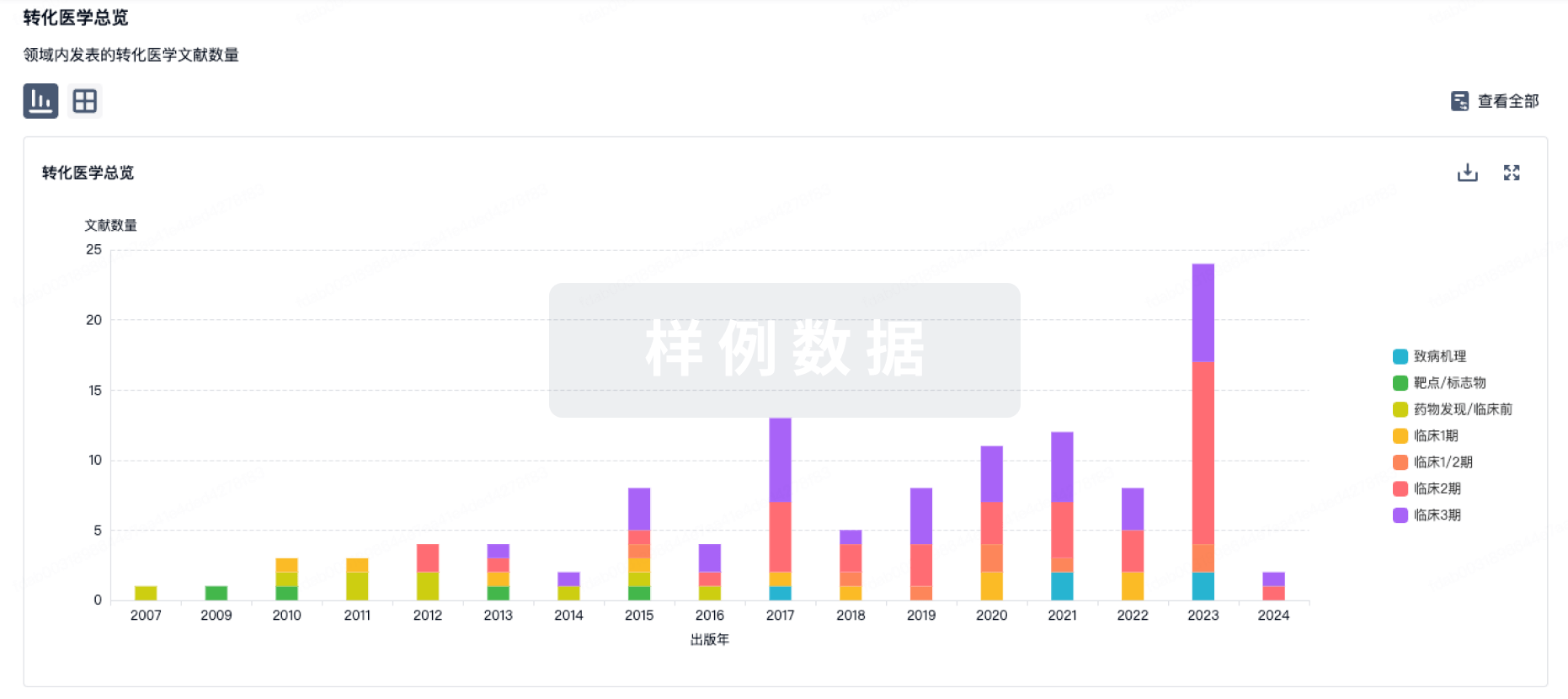
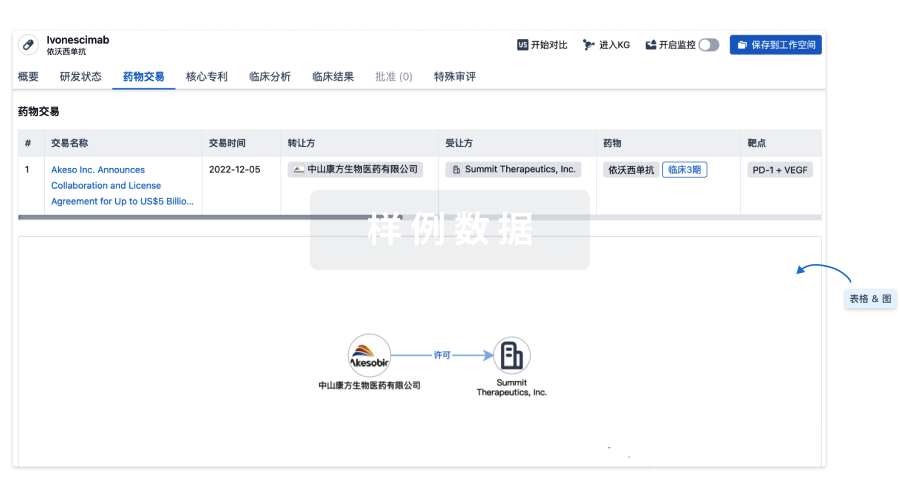
药物交易
使用我们的药物交易数据加速您的研究。
登录
或
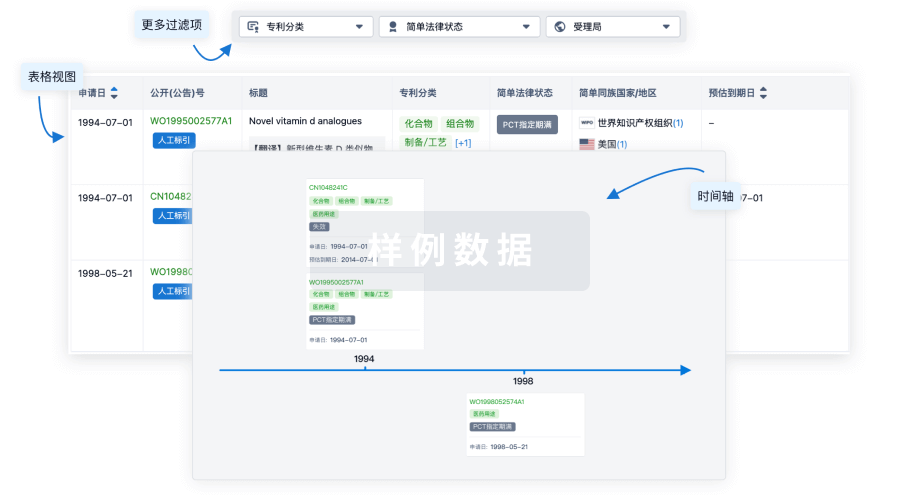
核心专利
使用我们的核心专利数据促进您的研究。
登录
或
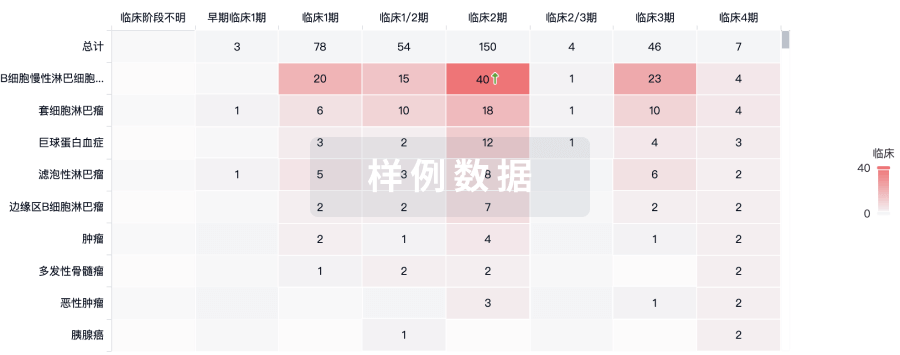
临床分析
紧跟全球注册中心的最新临床试验。
登录
或
批准
利用最新的监管批准信息加速您的研究。
登录
或
特殊审评
只需点击几下即可了解关键药物信息。
登录
或
生物医药百科问答
全新生物医药AI Agent 覆盖科研全链路,让突破性发现快人一步
立即开始免费试用!
智慧芽新药情报库是智慧芽专为生命科学人士构建的基于AI的创新药情报平台,助您全方位提升您的研发与决策效率。
立即开始数据试用!
智慧芽新药库数据也通过智慧芽数据服务平台,以API或者数据包形式对外开放,助您更加充分利用智慧芽新药情报信息。
生物序列数据库
生物药研发创新
免费使用
化学结构数据库
小分子化药研发创新
免费使用