预约演示
更新于:2026-09-26
Semaglutide (Shanxi Jiayuan)
司美格鲁肽(山西嘉源)
更新于:2026-09-26
概要
基本信息
原研机构 |
在研机构 |
非在研机构- |
权益机构- |
最高研发阶段临床3期 |
首次获批日期- |
最高研发阶段(中国)临床3期 |
特殊审评- |

登录后查看时间轴
关联
2
项与 司美格鲁肽(山西嘉源) 相关的临床试验CTR20260145
司美格鲁肽注射液在健康研究参与者中空腹状态下的单剂量、随机、开放、平行对照设计的生物等效性试验
CTR20260987
评价司美格鲁肽注射液与诺和泰®治疗 2 型糖尿病的有效性和安全性的一项多中心、随机、开放、平行对照的Ⅲ期临床试验
100 项与 司美格鲁肽(山西嘉源) 相关的临床结果
登录后查看更多信息
100 项与 司美格鲁肽(山西嘉源) 相关的转化医学
登录后查看更多信息
100 项与 司美格鲁肽(山西嘉源) 相关的专利(医药)
登录后查看更多信息
1
项与 司美格鲁肽(山西嘉源) 相关的文献(医药)2025-07-12AMERICAN JOURNAL OF HEALTH-SYSTEM PHARMACY
National trends in prescription drug expenditures and projections for 2025
Article
作者: Johnson, Thomas J ; Tichy, Eric M ; Cuellar, Sandra ; Tadrous, Mina ; Newell, Mary Kate ; Schumock, Glen T ; Rim, Matthew H ; Hoffman, James M
Abstract:
Purpose:
To report historical patterns of pharmaceutical expenditures, to identify factors that may influence future spending, and to predict growth in drug spending in 2025 in the United States, with a focus on the nonfederal hospital and clinic sectors.
Methods:
Historical patterns were assessed by examining data on drug purchases from manufacturers using the IQVIA National Sales Perspectives database. Factors that may influence drug spending in hospitals and clinics in 2025 were reviewed—including new drug approvals, patent expirations, and potential new policies or legislation. Focused analyses were conducted for biosimilars, cancer drugs, endocrine drugs, generics, specialty drugs and vaccines. For nonfederal hospitals, clinics, and overall (all sectors), estimates of growth of pharmaceutical expenditures in 2024 were made based on a combination of quantitative analyses and expert opinion.
Results:
In 2024, overall pharmaceutical expenditures in the US grew 10.2% compared to 2023, for a total of $805.9 billion. Utilization (a 7.9% increase) and new drugs (a 2.5% increase) drove this increase, while prices remained flat (a 0.2% decrease). Semaglutide was the top drug in 2024, followed by tirzepatide and adalimumab. Drug expenditures were $39.0 billion (a 4.9% increase) and $158.2 billion (a 14.4% increase) in nonfederal hospitals and clinics, respectively. In clinics, increased utilization drove growth, with a small contribution from new products, while prices remained flat. In nonfederal hospitals, new products, price, and new volume each contributed modestly to growth in spend. Several new drugs that will influence spending are expected to be approved in 2025. Specialty, endocrine, and cancer drugs will continue to drive expenditures.
Conclusion:
For 2025, we expect overall prescription drug spending to rise by 9.0 to 11.0%, whereas in clinics and hospitals we anticipate an 11.0% to 13.0% increase and a 2.0% to 4.0% increase, respectively, compared to 2024. These national estimates of future pharmaceutical expenditure growth may not be representative of any health system because of the myriad of local factors that influence actual spending.
48
项与 司美格鲁肽(山西嘉源) 相关的新闻(医药)2026-07-29
100 项与 司美格鲁肽(山西嘉源) 相关的药物交易
登录后查看更多信息
外链
| KEGG | Wiki | ATC | Drug Bank |
|---|---|---|---|
| - | - | - |
研发状态
10 条进展最快的记录, 后查看更多信息
登录
| 适应症 | 最高研发状态 | 国家/地区 | 公司 | 日期 |
|---|---|---|---|---|
| 2型糖尿病 | 临床3期 | 中国 | 2026-03-31 |
登录后查看更多信息
临床结果
临床结果
适应症
分期
评价
查看全部结果
登录后查看更多信息
转化医学
使用我们的转化医学数据加速您的研究。
登录
或

药物交易
使用我们的药物交易数据加速您的研究。
登录
或

核心专利
使用我们的核心专利数据促进您的研究。
登录
或

临床分析
紧跟全球注册中心的最新临床试验。
登录
或

批准
利用最新的监管批准信息加速您的研究。
登录
或

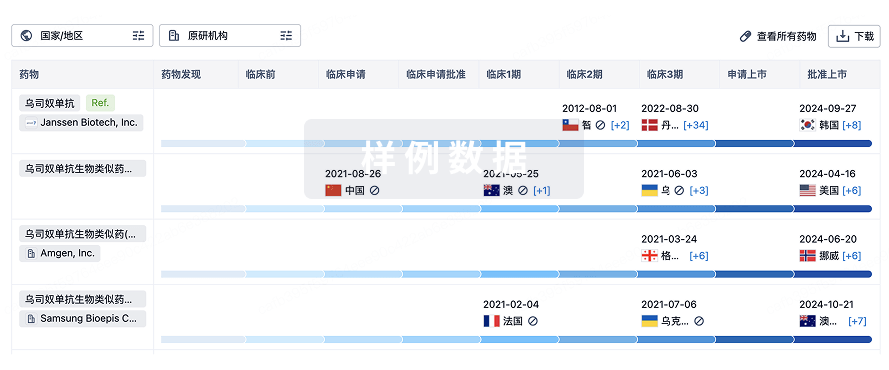
生物类似药
生物类似药在不同国家/地区的竞争态势。请注意临床1/2期并入临床2期,临床2/3期并入临床3期
登录
或
特殊审评
只需点击几下即可了解关键药物信息。
登录
或

提出任何生物医药研究问题
让每一步生物医药决策都精准制胜
基于十亿级生物数据与全球情报的精准 AI,赋能早期药物发现
立即开始免费试用!
智慧芽新药情报库是智慧芽专为生命科学人士构建的基于AI的创新药情报平台,助您全方位提升您的研发与决策效率。
立即接入生物医药数据包
智慧芽新药库数据也通过智慧芽开放平台,以MCP或API服务形式对外开放。立即使用我们的MCP服务定制您的LLM智能体。
生物序列数据库
生物药研发创新
免费使用
化学结构数据库
小分子化药研发创新
免费使用