预约演示
更新于:2026-03-11
NN-3201
更新于:2026-03-11
概要
基本信息
非在研机构- |
最高研发阶段临床1期 |
首次获批日期- |
最高研发阶段(中国)- |
特殊审评- |

登录后查看时间轴
结构/序列
分子式C39H67N5O7 |
InChIKeyDASWEROEPLKSEI-UIJRFTGLSA-N |
CAS号474645-27-7 |
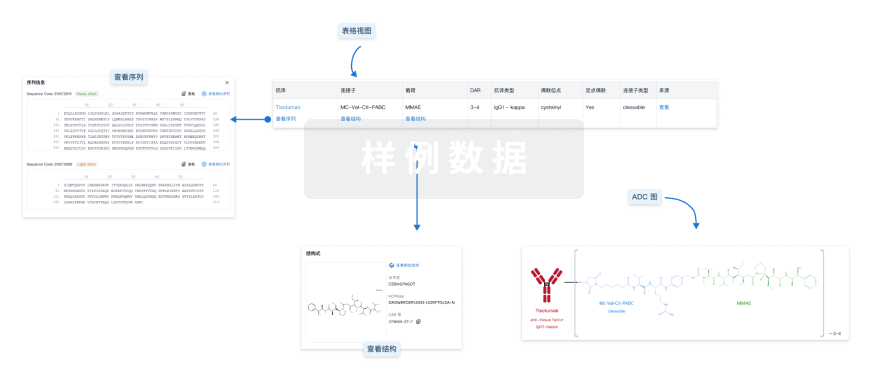
使用我们的ADC技术数据为新药研发加速。
登录
或
关联
1
项与 NN-3201 相关的临床试验NCT06805825
A Phase 1 Dose Escalation and Expansion Study of the c-Kit Specific Antibody-Drug Conjugate NN3201 in Subjects With Advanced and/or Metastatic Solid Tumors Known to Express c-Kit
100 项与 NN-3201 相关的临床结果
登录后查看更多信息
100 项与 NN-3201 相关的转化医学
登录后查看更多信息
100 项与 NN-3201 相关的专利(医药)
登录后查看更多信息
1
项与 NN-3201 相关的文献(医药)2026-01-02MOLECULAR CANCER THERAPEUTICS
Preclinical Antitumor Efficacy of a Novel Anti–c-Kit Antibody–Drug Conjugate, NN3201, in c-Kit–Positive Tumors
Article
作者: Song, Jaeyoung ; Cho, Jin Gu ; Lee, Sun-Hwa ; Moon, Jiwoo ; Lee, Jina ; Park, Sohyeon ; Lee, Yeonjy ; Park, Sang Gyu ; Park, Jinwoo ; Kim, Jin-Ock ; Sung, Gong ; Ko, Han-Jik ; Wi, TaeMin ; Kim, Chansik
Abstract:
Overexpression and gain-of-function mutations of c-Kit have been implicated in cancers including gastrointestinal stromal tumors, small cell lung cancer, acute myeloid leukemia, and systemic mastocytosis. In clinics, small-molecule c-Kit inhibitors often result in secondary c-Kit mutations or are ineffective despite c-Kit overexpression. We developed NN3201, a novel c-Kit–targeting antibody–drug conjugate, via rational design to evaluate its anticancer activity in c-Kit–positive tumors and preclinical pharmacologic profiles. A fully human c-Kit antibody NN2101 was conjugated to monomethyl auristatin E with a Drug-to-Antibody Ratio (DAR) of 4 utilizing a ThioBridge linker to generate NN3201. Antitumor efficacies of NN3201 were evaluated in c-Kit–positive cancer cell lines, cell line–derived xenografts, and patient-derived xenografts. NN3201 selectively binds to c-Kit and is rapidly internalized. By its design, NN3201 exhibits no antibody-dependent cell-mediated cytotoxicity and complement-dependent cytotoxicity and possessed decreased binding to FcγRs. Inhibition of stem cell factor/c-Kit downstream signaling pathways, cell-cycle arrest, and bystander effect were demonstrated as mechanisms of action for NN3201. In xenograft models, NN3201 showed superior efficacy regardless of c-Kit mutations. Repeated intravenous administration of NN3201 was well tolerated in cynomolgus monkeys, confirming the no observed adverse effect level of NN3201 to be 2 mg/kg and the highest nonseverely toxic dose to be >2 mg/kg. NN3201 exhibited significant c-Kit–dependent antitumor efficacies in various tumor models, followed by favorable pharmacokinetic and toxicity profiles in cynomolgus monkeys. These data suggest that NN3201 is a promising therapeutic in small cell lung cancer and gastrointestinal stromal tumors and warrant evaluation in a phase I clinical study.
100 项与 NN-3201 相关的药物交易
登录后查看更多信息
研发状态
10 条进展最快的记录, 后查看更多信息
登录
| 适应症 | 最高研发状态 | 国家/地区 | 公司 | 日期 |
|---|---|---|---|---|
| 腺样囊性癌 | 临床1期 | 美国 | 2025-02-03 | |
| 广泛期小细胞肺癌 | 临床1期 | 美国 | 2025-02-03 | |
| 肾细胞癌 | 临床1期 | 美国 | 2025-02-03 | |
| 葡萄膜黑色素瘤 | 临床1期 | 美国 | 2025-02-03 | |
| 胃肠道间质瘤 | 临床1期 | 美国 | 2025-02-03 | |
| 小细胞肺癌 | 临床1期 | 韩国 | - | |
| 急性髓性白血病 | 临床前 | 韩国 | 2022-07-27 | |
| 费城染色体阳性慢性粒细胞白血病 | 临床前 | 韩国 | 2022-07-27 |
登录后查看更多信息
临床结果
临床结果
适应症
分期
评价
查看全部结果
登录后查看更多信息
转化医学
使用我们的转化医学数据加速您的研究。
登录
或

药物交易
使用我们的药物交易数据加速您的研究。
登录
或

核心专利
使用我们的核心专利数据促进您的研究。
登录
或

临床分析
紧跟全球注册中心的最新临床试验。
登录
或

批准
利用最新的监管批准信息加速您的研究。
登录
或

生物类似药
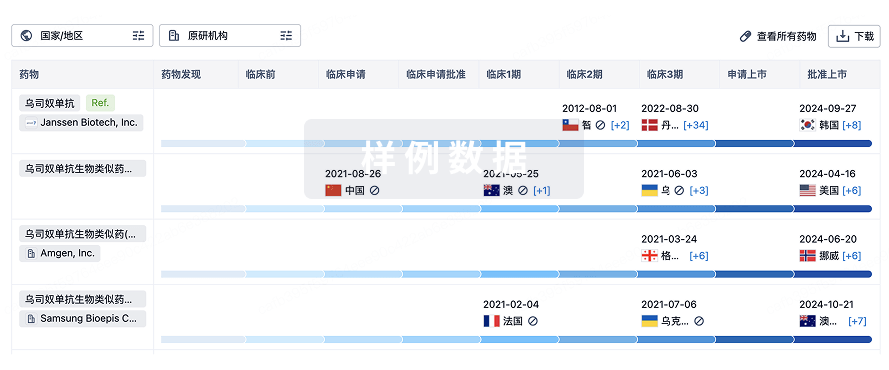
生物类似药在不同国家/地区的竞争态势。请注意临床1/2期并入临床2期,临床2/3期并入临床3期
登录
或
特殊审评
只需点击几下即可了解关键药物信息。
登录
或

提出任何生物医药研究问题
让每一步生物医药决策都精准制胜
基于十亿级生物数据与全球情报的精准 AI,赋能早期药物发现
立即开始免费试用!
智慧芽新药情报库是智慧芽专为生命科学人士构建的基于AI的创新药情报平台,助您全方位提升您的研发与决策效率。
立即接入生物医药数据包
智慧芽新药库数据也通过智慧芽开放平台,以MCP或API服务形式对外开放。立即使用我们的MCP服务定制您的LLM智能体。
生物序列数据库
生物药研发创新
免费使用
化学结构数据库
小分子化药研发创新
免费使用