预约演示
更新于:2026-03-14
IRE1α inhibitor(Quentis Therapeutics)
更新于:2026-03-14
概要
基本信息
在研机构- |
权益机构- |
最高研发阶段无进展临床前 |
首次获批日期- |
最高研发阶段(中国)- |
特殊审评- |

关联
100 项与 IRE1α inhibitor(Quentis Therapeutics) 相关的临床结果
登录后查看更多信息
100 项与 IRE1α inhibitor(Quentis Therapeutics) 相关的转化医学
登录后查看更多信息
100 项与 IRE1α inhibitor(Quentis Therapeutics) 相关的专利(医药)
登录后查看更多信息
47
项与 IRE1α inhibitor(Quentis Therapeutics) 相关的文献(医药)2026-05-01·BIOORGANIC & MEDICINAL CHEMISTRY
An integrated framework identified potent inhibitors targeting IRE1α
Article
作者: Talwar, Priti ; Divya, Subramaniyan ; Ravanan, Palaniyandi
Inositol-requiring enzyme 1 (IRE1α) is one of the key sensors and signaling effectors of the unfolded protein response (UPR), which is essential for preserving endoplasmic reticulum (ER) homeostasis. Dysregulation of IRE1α signaling can lead to several illnesses. Initially, we employed the multidocking approach utilizing AutoDock Vina, AutoDock Wizard, and iGEMDOCK to predict the accurate binding affinities of the flavonoid library against IRE1α and rank them based on their affinities. Subsequently, post-docking approaches were used to refine the hit selection. Finally, the top-ranked flavonoids were selected based on their consistent high binding affinity and exhibited strong binding within the ATP-binding pocket of the kinase active site. In vitro kinase assays revealed that both amentoflavone and glycitein significantly inhibited IRE1α kinase activity, with IC50 values of 16.4 μM and 23.68 μM, respectively. Cell-based studies demonstrated that these flavonoids have anti-inflammatory properties and significantly promote robust activation of XBP1 splicing and IRE1α expression under normal conditions. In contrast, flavonoid pretreatment significantly attenuated LPS-induced IRE1α-XBP1 signaling and reduced inflammatory responses. Overall, our results indicate that both glycitein and amentoflavone exhibit promising modulatory effects on IRE1α. To the best of our knowledge, this is the first study to report the modulatory potential of flavonoids amentoflavone and glycitein to possess both IRE1α kinase inhibitory and RNase-activating properties. This work provides a valuable basis for the development of flavonoid-based IRE1α inhibitors to treat ER stress and associated inflammatory diseases.
2025-11-13·ACS Medicinal Chemistry Letters
Design, Synthesis, and Cellular Efficacy of Inositol-Requiring Enzyme Type 1 (IRE1α) Inhibitors
Article
作者: Murbach, Giulia ; Mitrevski, Adam D. ; Thompson, David H. ; Nociari, Marcelo M. ; Fontan, Patricia A.
A library of 66 small molecules targeting IRE1α were designed using a molecular docking approach and prepared by a two-step reaction sequence using diverse substrates. All compounds utilized a 1-amino-4-bromonaphthalene core that was modified via Suzuki coupling with boronic acids to form intermediates that were carbamoylated to form urea-linked inhibitor candidates. We developed a 33 DoE approach for the Suzuki coupling reaction that was optimized with 216 reactions via HTE. By screening the purified compounds in a tunicamycin-induced ER stress assay with ARPE-19 cells and quantifying their kinase inhibition activity by RT-qPCR, we identified 14 derivatives with the potential for IRE1α inhibition. IC50 assays showed that six of the compounds displayed IRE1α inhibition alike KIRA6, a standard in IRE1α inhibition, with three of the leads possessing improved IC50. Viability screens indicated that the best IRE1α inhibitors were not cytotoxic in the working concentrations and displayed improved protection from apoptosis compared to KIRA6.
2025-08-01·Biomedical Journal
IRE1α-mediated endoplasmic reticulum stress response regulates oxidative damage in CYP4V2 deficient human retinal pigment epithelial cells
Article
作者: Hsiao, Chang-Chun ; Hsiao, Yu-Ting ; Lee, Jong-Jer
BACKGROUND:
Given the role of polyunsaturated fatty acid (PUFA) overload and mitochondrial dysfunction in retinal pigment epithelium (RPE) cells in causing retinal degeneration in Bietti crystalline dystrophy (BCD), we aimed to identify the pathways responsible for intracellular oxidative stress and mitochondrial damage in CYP4V2-deficient RPE cells.
MATERIALS AND METHODS:
Proteomic analysis of control and CYP4V2-knockdown (KD) ARPE-19 cells revealed that endoplasmic reticulum (ER) stress was the most enriched pathway. The effects of CYP4V2 deficiency on intracellular reactive oxygen species, mitochondrial integrity, and ATP production were assessed.
RESULTS:
Inositol-requiring enzyme 1 α (IRE1α) inhibitors suppressed upregulation of endoplasmic reticulum oxidoreductase 1 alpha (ERO1-Lα) protein expression, which contributed to ER-associated oxidative stress. Loss of mitochondrial transmembrane potential and reduced ATP production were mitigated with IRE1α inhibitor in CYP4V2-KD ARPE-19 cells.
CONCLUSIONS:
Our findings reveal a novel regulatory mechanism involving potential reduction in PUFA utilization, IRE1α signaling mediated ER oxidative stress, and mitochondrial dysfunction in BCD, potentially offering future therapeutic avenues.
100 项与 IRE1α inhibitor(Quentis Therapeutics) 相关的药物交易
登录后查看更多信息
研发状态
10 条进展最快的记录, 后查看更多信息
登录
| 适应症 | 最高研发状态 | 国家/地区 | 公司 | 日期 |
|---|---|---|---|---|
| 肿瘤 | 临床前 | 美国 | 2018-02-27 |
登录后查看更多信息
临床结果
临床结果
适应症
分期
评价
查看全部结果
| 研究 | 分期 | 人群特征 | 评价人数 | 分组 | 结果 | 评价 | 发布日期 |
|---|
No Data | |||||||
登录后查看更多信息
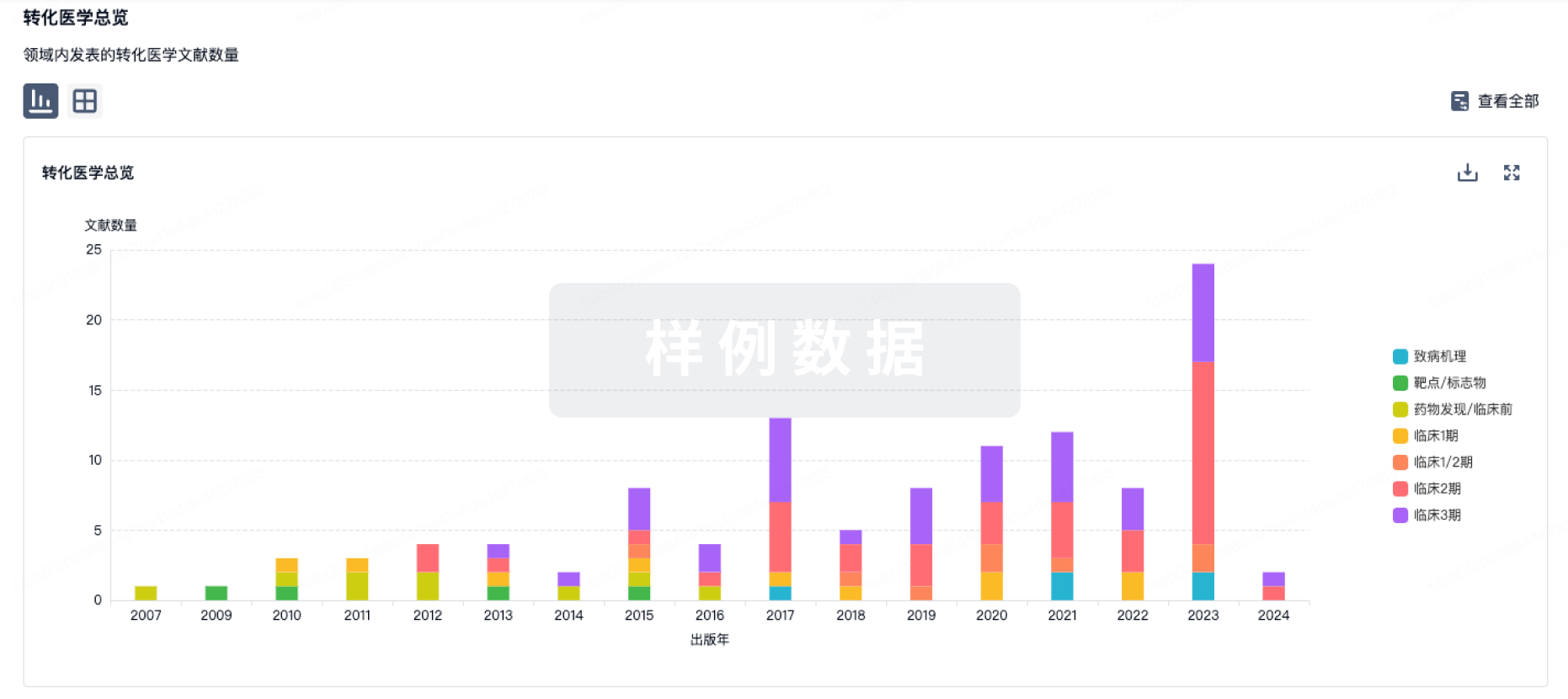
转化医学
使用我们的转化医学数据加速您的研究。
登录
或
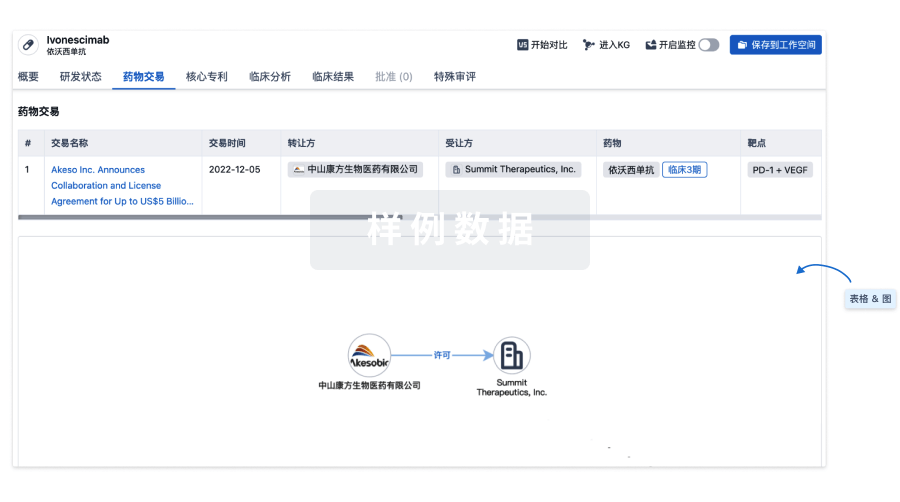
药物交易
使用我们的药物交易数据加速您的研究。
登录
或
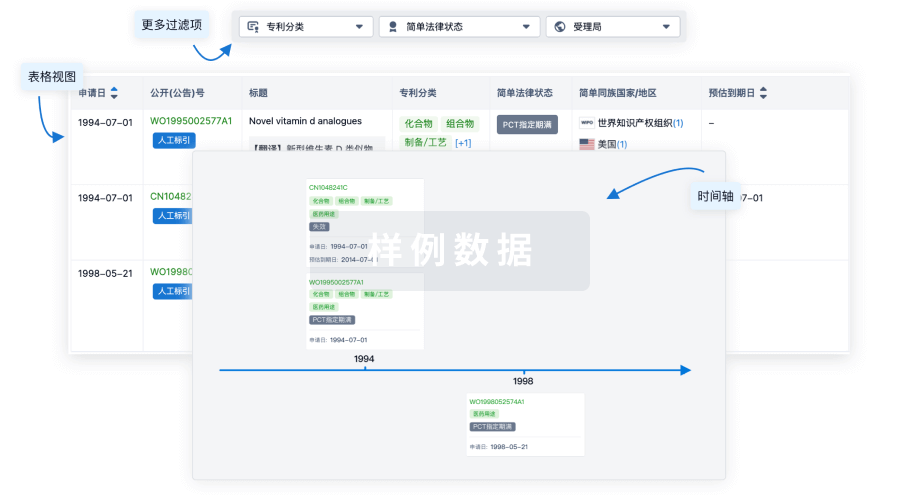
核心专利
使用我们的核心专利数据促进您的研究。
登录
或
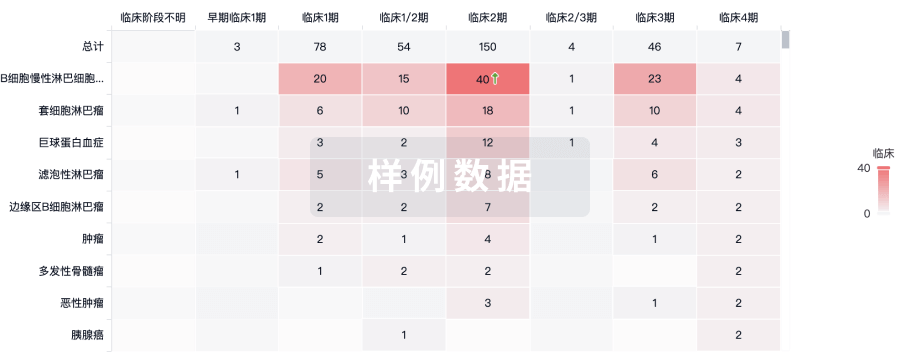
临床分析
紧跟全球注册中心的最新临床试验。
登录
或
批准
利用最新的监管批准信息加速您的研究。
登录
或
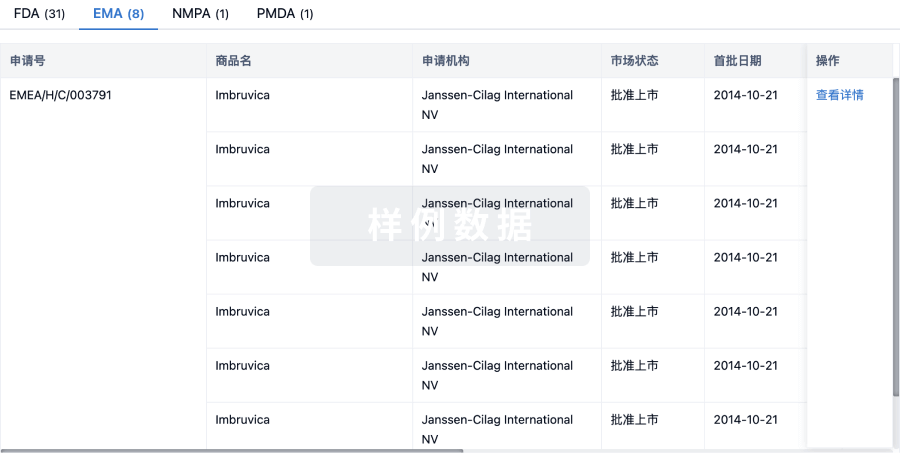
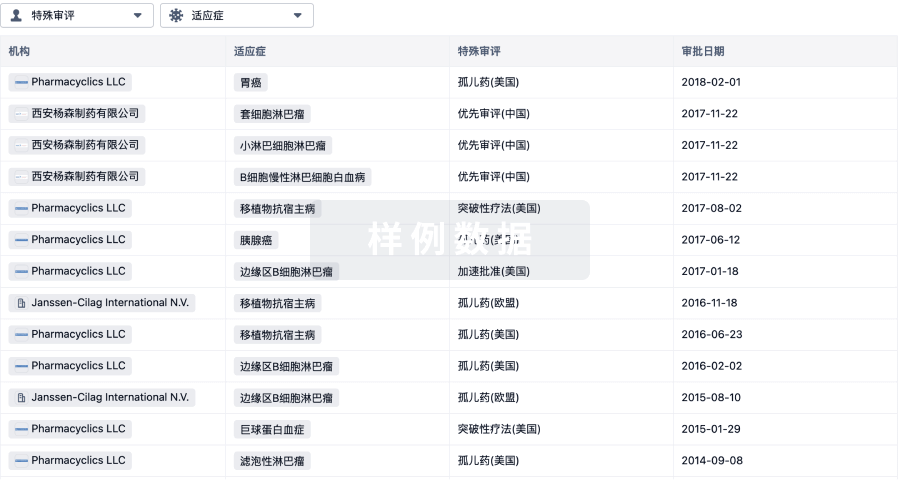
特殊审评
只需点击几下即可了解关键药物信息。
登录
或
生物医药百科问答
全新生物医药AI Agent 覆盖科研全链路,让突破性发现快人一步
立即开始免费试用!
智慧芽新药情报库是智慧芽专为生命科学人士构建的基于AI的创新药情报平台,助您全方位提升您的研发与决策效率。
立即开始数据试用!
智慧芽新药库数据也通过智慧芽数据服务平台,以API或者数据包形式对外开放,助您更加充分利用智慧芽新药情报信息。
生物序列数据库
生物药研发创新
免费使用
化学结构数据库
小分子化药研发创新
免费使用