预约演示
更新于:2026-04-13
VMS063
更新于:2026-04-13
概要
基本信息
原研机构 |
在研机构 |
非在研机构- |
权益机构- |
最高研发阶段临床前 |
首次获批日期- |
最高研发阶段(中国)- |
特殊审评- |

关联
100 项与 VMS063 相关的临床结果
登录后查看更多信息
100 项与 VMS063 相关的转化医学
登录后查看更多信息
100 项与 VMS063 相关的专利(医药)
登录后查看更多信息
301
项与 VMS063 相关的文献(医药)2025-12-24·CLINICAL INFECTIOUS DISEASES
The Effect of Live-Virus Vaccines on Tests for Tuberculosis Infection During the US Immigration Medical Examination: Are Vaccines Causing False-Negative Results?
Article
作者: Wang, Zanju ; Regan, Joanna J ; Phares, Christina R
Abstract:
Background:
It is not recommended to perform tuberculin skin tests (TSTs) or interferon-γ release assays (IGRAs) in the 4 weeks following live-virus vaccination because these vaccines are thought to increase the risk of false-negative results.
Methods:
We retrospectively analyzed TST and IGRA results for 158 484 US-bound immigrant and refugee children aged 2–14 years who received a required medical examination and live-virus vaccines (measles, mumps, rubella; oral polio; or varicella) overseas during 2014–2022. We created logistic regression models to assess the association between test positivity and vaccination during the critical interval (1–28 days after live-virus vaccination) versus after or before, adjusting for sex, age group, country of examination, and other factors.
Results:
The percentage of positive results and the adjusted odds of a positive IGRA result were higher for children tested during the critical interval (4.6%) than for those tested after (3.5%) (adjusted odds ratio, 1.27 [95% confidence interval, 1.13–1.43) or before (3.3%) (1.26 [1.13–1.41]). The percentage of positive results and the adjusted odds of a positive TST were also higher for children tested during the critical interval (15.7%) than for those tested after (7.2%) (adjusted odds ratio, 2.40 [95% confidence interval, 1.79–3.22]) or before (6.6%) (3.81 [2.80–5.18]).
Conclusions:
The concern that recent administration of live-virus vaccines leads to false-negative TST and IGRA results is not supported by these findings. Instead, we observed a modest increase in positive results among children tested during the critical postvaccination interval, challenging the need for the testing delay.
2025-10-01·VACCINE
Impact of 10-year measles, mumps and rubella booster vaccination program among healthcare personnel: a cross-sectional study
Article
作者: Chien, Shu-Fen ; Lu, Chun-Yi ; Ho, Shu-Yuan ; Chang, Shan-Chwen ; Hsieh, Ming-Ju ; Cheng, Shao-Yi ; Hwang, Liang-En ; Tseng, Ping-Huei ; Chen, Yee-Chun ; Huang, Yu-Tsung ; Lin, Kuan-Yin ; Su, Chi-Hsuan ; Chiu, Han-Mo ; Pan, Sung-Ching
INTRODUCTION:
The study aimed to assess the effects of a single-dose measles, mumps, and rubella (MMR) booster vaccination, without prior testing, on MMR immunity and infection among vulnerable healthcare personnel (HCP) 10 years after implementation in a highly vaccinated population.
METHODS:
We conducted a single-center, cross-sectional study to assess the MMR seroprevalence in HCP and health examinees enrolled from December 2021 through April 2023. Since 2013, the hospital has provided a single-dose MMR booster vaccine to HCP working in high-risk units and those born in or after 1981 (≤41 years of age). HCP who met the Taiwan CDC's operational criteria for measles immunity were exempted. MMR-specific IgG antibodies were measured, and detailed vaccination histories were obtained.
RESULTS:
A total of 732 participants were enrolled, including 528 HCP and 204 health examinees. The median age was 43 years, and 74.6 % were female. The overall seroprevalence rates of measles, mumps, and rubella were 89.8 %, 91.0 % and 88.0 %, respectively. The measles seroprevalence rate was lowest among participants aged 31-40 years (80.4 % in HCP and 82.4 % in health examinees). In multivariable analysis, age was associated with measles seropositivity (per 1-year increase, aOR, 1.08; 95 % CI 1.04-1.12). Receiving MMR booster vaccination in adulthood was associated with seropositivity for measles (aOR, 2.77; 95 % CI, 1.46-5.24) and mumps (aOR, 2.39; 95 % CI, 1.23-4.65). No cases of measles acquisition or intra-hospital spread were identified among HCP during the past 10 years.
CONCLUSIONS:
An MMR booster vaccination program is feasible and effective in maintaining high seropositivity rates for MMR, particularly among HCP at risk of waning immunity.
2025-06-01·SCANDINAVIAN JOURNAL OF PUBLIC HEALTH
Information on Measles, Mumps and Rubella Vaccine in the Copenhagen School Health Records Register
Article
作者: Andersen, Matvei ; Baker, Jennifer L. ; Tekin, Erdal ; Altindag, Onur ; Greve, Jane
Background::
The Copenhagen School Health Record Register (CSHRR) includes health information from school examinations and is now updated with information on measles, mumps and rubella vaccines for the cohorts born from 1977 to 1994.
Aim::
The aim of this study is to provide a comprehensive description and validation the newly digitised vaccine information in the CSHRR.
Methods::
We describe the data collection and the newly digitalised information in the CSHRR. We investigate the extent to which the full CSHRR population is representative of Copenhagen and the entire Danish population. Furthermore, we explore how the registry information on vaccination uptake based on reimbursement data matches the vaccine information obtained from CSHRR for the period during which both data are available.
Results::
The CSHRR population matches closely the complete population of all schoolchildren in Copenhagen, and information on vaccine uptake in CSHRR matches with vaccine registry data for later cohorts. However, a sizable proportion of the immigrant children in the CSHRR have missing information on vaccination. Removing children who have had no additional immunisations enhances data quality.
Conclusions::
The CSHRR covers a large share of the Danish population and includes detailed vaccine information. By linking the data to other registry data, the updated CSHRR is valuable resource for future research.
100 项与 VMS063 相关的药物交易
登录后查看更多信息
研发状态
10 条进展最快的记录, 后查看更多信息
登录
| 适应症 | 最高研发状态 | 国家/地区 | 公司 | 日期 |
|---|---|---|---|---|
| 麻疹 | 临床前 | 美国 | 2025-05-12 |
登录后查看更多信息
临床结果
临床结果
适应症
分期
评价
查看全部结果
| 研究 | 分期 | 人群特征 | 评价人数 | 分组 | 结果 | 评价 | 发布日期 |
|---|
No Data | |||||||
登录后查看更多信息
转化医学
使用我们的转化医学数据加速您的研究。
登录
或

药物交易
使用我们的药物交易数据加速您的研究。
登录
或

核心专利
使用我们的核心专利数据促进您的研究。
登录
或

临床分析
紧跟全球注册中心的最新临床试验。
登录
或

批准
利用最新的监管批准信息加速您的研究。
登录
或

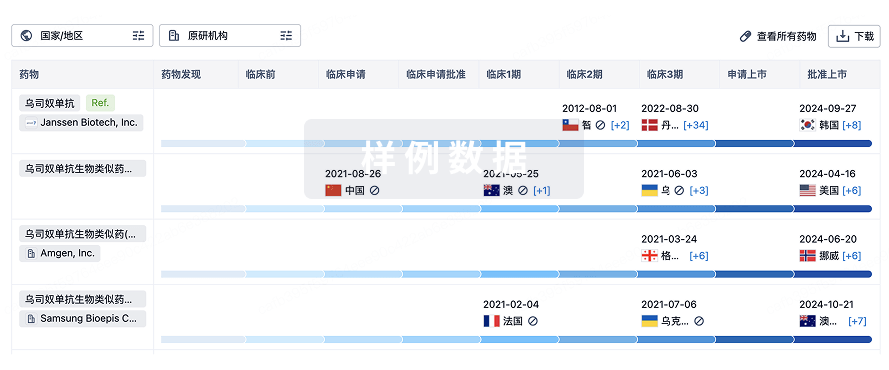
生物类似药
生物类似药在不同国家/地区的竞争态势。请注意临床1/2期并入临床2期,临床2/3期并入临床3期
登录
或
特殊审评
只需点击几下即可了解关键药物信息。
登录
或

提出任何生物医药研究问题
让每一步生物医药决策都精准制胜
基于十亿级生物数据与全球情报的精准 AI,赋能早期药物发现
立即开始免费试用!
智慧芽新药情报库是智慧芽专为生命科学人士构建的基于AI的创新药情报平台,助您全方位提升您的研发与决策效率。
立即接入生物医药数据包
智慧芽新药库数据也通过智慧芽开放平台,以MCP或API服务形式对外开放。立即使用我们的MCP服务定制您的LLM智能体。
生物序列数据库
生物药研发创新
免费使用
化学结构数据库
小分子化药研发创新
免费使用