预约演示
更新于:2026-02-07
HDAC inhibitors(Sapienza University of Rome)
更新于:2026-02-07
概要
基本信息
药物类型 小分子化药 |
别名 3-(4-benzoyl-1-methyl-1H-pyrrol-2-yl)-N-hydroxy-2-propenamide |
靶点 |
作用方式 抑制剂 |
作用机制 HDAC抑制剂(组蛋白去乙酰化酶家族抑制剂)、表观遗传学药物 |
治疗领域- |
在研适应症- |
非在研适应症- |
非在研机构- |
权益机构- |
最高研发阶段临床前 |
首次获批日期- |
最高研发阶段(中国)- |
特殊审评- |

结构/序列
分子式C15H14N2O3 |
InChIKeyBUPFBXCQRDPWSF-BQYQJAHWSA-N |
CAS号128843-54-9 |
关联
100 项与 HDAC inhibitors(Sapienza University of Rome) 相关的临床结果
登录后查看更多信息
100 项与 HDAC inhibitors(Sapienza University of Rome) 相关的转化医学
登录后查看更多信息
100 项与 HDAC inhibitors(Sapienza University of Rome) 相关的专利(医药)
登录后查看更多信息
237
项与 HDAC inhibitors(Sapienza University of Rome) 相关的文献(医药)2025-12-01·Therapeutic Advances in Medical Oncology
Tumor-agnostic therapy: a potential therapeutic approach for SMARCA4-deficient malignancies
Review
作者: Guo, Xiao-Bo ; Ji, Hong-Chen ; Bai, Yin-Miao ; Liu, Zhi-Hui ; Zhang, Qiong ; Zhang, Hong-Mei ; Liu, Yang
SMARCA4 deficiency plays a critical role in the oncogenesis of various aggressive tumors that exhibit resistance to conventional chemotherapy and radiotherapy, posing significant challenges to clinical management. The pivotal role of SMARCA4 deficiency in tumorigenesis suggests the need for a paradigm shift from traditional tumor origin-based approaches to novel tumor-agnostic strategies focused on molecular alterations associated with SMARCA4 deficiency. This review explores potential targetable molecular changes and emerging therapeutic strategies for SMARCA4-deficient tumors. Molecular alterations related to SMARCA4 deficiency involve impaired genomic stability, defects in DNA mismatch repair, and elevated tumor mutation burdens, all of which suggest potential sensitivity to immune checkpoint inhibitors (ICIs). Recent studies indicate that combining ICIs with chemotherapy or anti-angiogenic agents as first-line treatments may offer clinical benefits for SMARCA4-deficient tumors. Furthermore, SMARCA4 deficiency epigenetically affects chromatin accessibility, alters the distribution of Polycomb group proteins on chromatin, and modulates histone acetylation, highlighting the potential efficacy of epigenetic regulators such as EZH2 and HDAC inhibitors. In addition, synthetic lethality strategies targeting vulnerabilities in SMARCA4-deficient tumors are promising therapeutic approaches, including inhibitors of SMARCA2, CDK4/6, ATR, CHK1, PARP, and the oxidative phosphorylation pathway. Based on current clinical evidence, ICI-based combination therapies represent the most promising first-line regimens for SMARCA4-deficient tumors. Although a theoretical basis supports the potential of tumor-agnostic therapy as a promising strategy for these tumors, several challenges remain in clinical practice. These include heterogeneous therapeutic responses across tumor types, safety concerns associated with synthetic lethality-based agents, and the absence of any histology-agnostic approved therapy for SMARCA4-deficient tumors. The continued development of novel therapeutics and further large-scale clinical evaluations are essential to overcoming these barriers.
2025-12-01·SLAS Discovery
High-throughput combination screening of Pidnarulex and other G-quadruplex ligands in multi-cell type tumor spheroids
Article
作者: Silvers, Thomas ; Coussens, Nathan P ; Juneja, Poorva ; Doroshow, James H ; Gore, Steven D ; Jones, Eric ; Dexheimer, Thomas S ; Teicher, Beverly A ; Kunkel, Mark W
G-quadruplexes (G4s) are four-stranded nucleic acid structures that regulate key cellular processes and represent promising therapeutic targets in oncology. To investigate the therapeutic potential of three G4 ligands-pidnarulex, APTO-253, and BRACO-19-a high-throughput drug combination screen was conducted in thirty-one multi-cell type tumor spheroids derived from patient tumors and established cancer cell lines. These 3D spheroids mimic key features of the tumor microenvironment, comprising malignant, endothelial, and mesenchymal cell populations. Compounds selected for combination screening included agents with mechanistic relevance to G4 biology, such as inhibitors of DNA damage response (DDR), replication stress, and chromatin regulation, based on the proposed roles of G4s in replication and genome stability. Combination responses were assessed using cell viability assays and supported by longitudinal brightfield imaging to monitor spheroid morphology and growth dynamics. Drug interactions were quantified using Bliss independence scores and the volume under the viability surface, providing complementary metrics of synergy and overall response. Among the G4 ligands, pidnarulex demonstrated the broadest single-agent activity, while APTO-253 and BRACO-19 showed limited effects. Model-specific synergy was observed from combinations with inhibitors of PARP, DDR kinases (ATM, ATR, DNA-PK), and cell cycle regulators (WEE1, PIM1). Interestingly, pidnarulex exhibited consistent synergy in one of eight pancreatic adenocarcinoma models (966289-007-R4-J1) across multiple DDR-targeted combinations. Combination interactions were also observed with HDAC inhibitors in a subset of models. Brightfield imaging corroborated enhanced spheroid growth suppression from synergistic combinations. These findings underscore the context-dependent activity of G4 ligands and support the use of integrated functional and imaging-based approaches to characterize potential therapeutic combinations in physiologically relevant 3D cancer models.
2025-10-28·ACS Omega
Substrate-Guided Development of HDAC11-Selective Inhibitors Featuring α-Amino Amide Zinc-Binding Groups
Article
作者: Barinka, Cyril ; Schiene-Fischer, Cordelia ; Schutkowski, Mike ; Sippl, Wolfgang ; Baselious, Fady ; Meleshin, Marat ; Hilscher, Sebastian
Histone deacetylases (HDACs) play a pivotal role in various biological pathways and represent interesting drug targets. Therefore, HDAC inhibitors (HDACi) with high isoform selectivity and a zinc-binding group different from hydroxamic acid, because of its low metabolic stability, are required. HDAC11, as a highly potent defatty-acylase, differs from other HDACs in its substrate preference. Starting from this finding, we developed specific inhibitors for HDAC11 based on a peptide containing a fatty-acylated lysine side chain as the selectivity tail. The introduction of different heteroatoms at the fatty acyl residue was used to generate potent zinc-binding groups in combination with the scissile amide bond, as well as to suppress substrate properties of the resulting compounds. Further optimization resulted in a highly potent and selective HDAC11 inhibitor 31, which exhibits low nanomolar inhibition against HDAC11 without targeting other HDACs and is active in cells. The data presented here may help expand the range of zinc-binding groups utilized in HDAC inhibitors. Furthermore, the concept of the selectivity tail was demonstrated to facilitate straightforward access to selective defatty-acylase inhibitors.
100 项与 HDAC inhibitors(Sapienza University of Rome) 相关的药物交易
登录后查看更多信息
研发状态
登录后查看更多信息
临床结果
临床结果
适应症
分期
评价
查看全部结果
| 研究 | 分期 | 人群特征 | 评价人数 | 分组 | 结果 | 评价 | 发布日期 |
|---|
No Data | |||||||
登录后查看更多信息
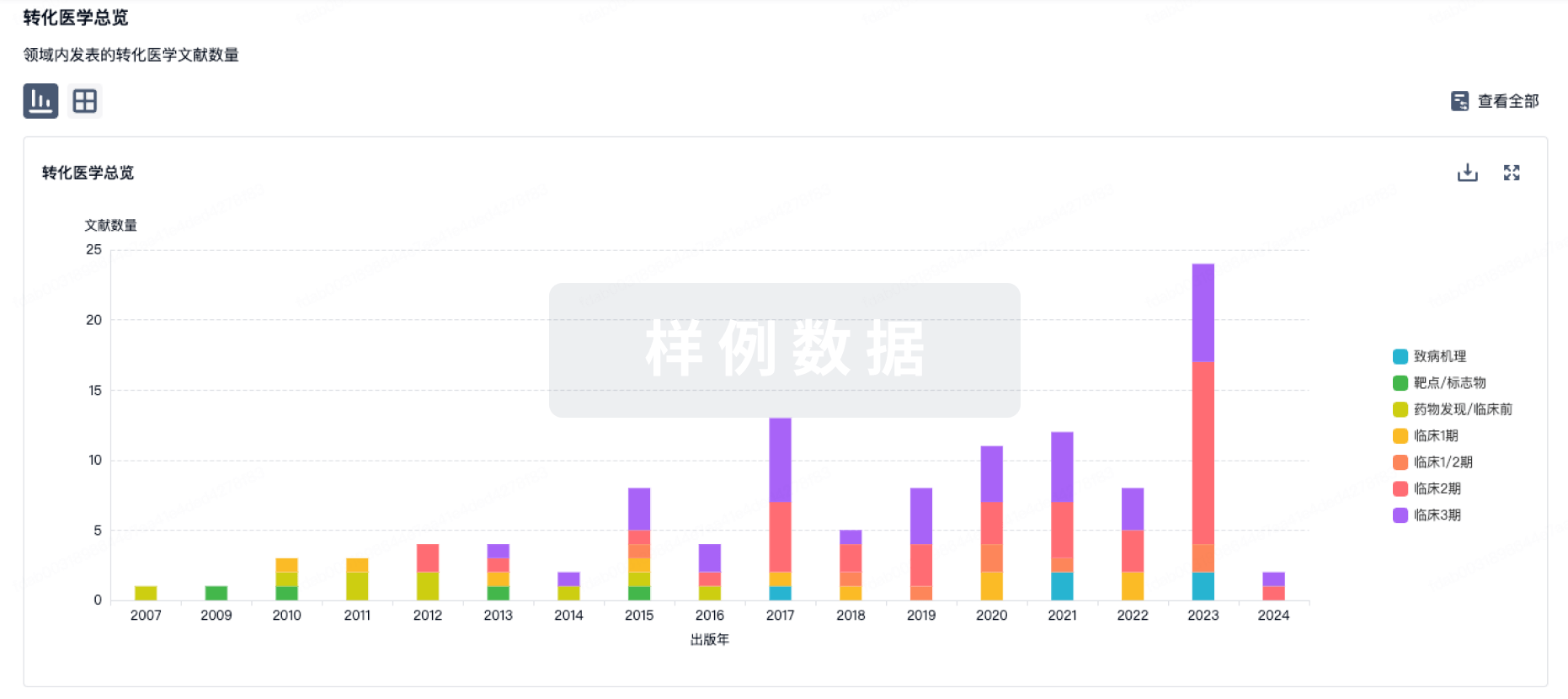
转化医学
使用我们的转化医学数据加速您的研究。
登录
或
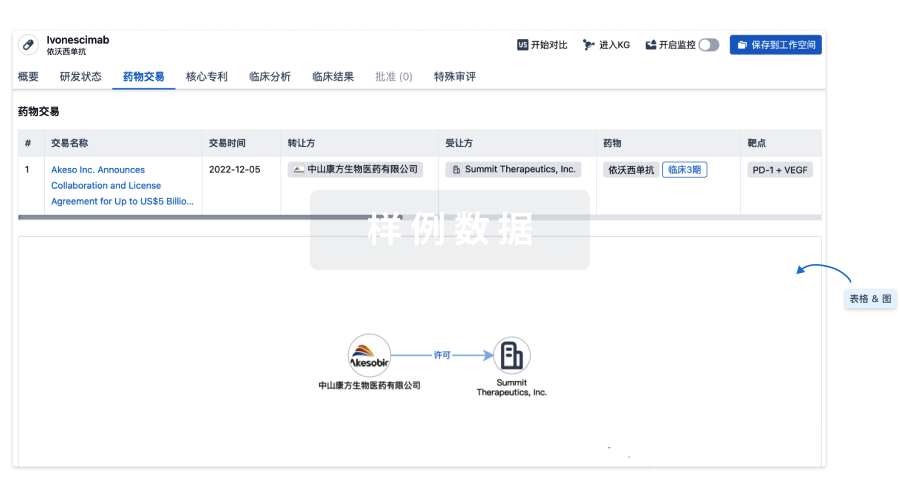
药物交易
使用我们的药物交易数据加速您的研究。
登录
或
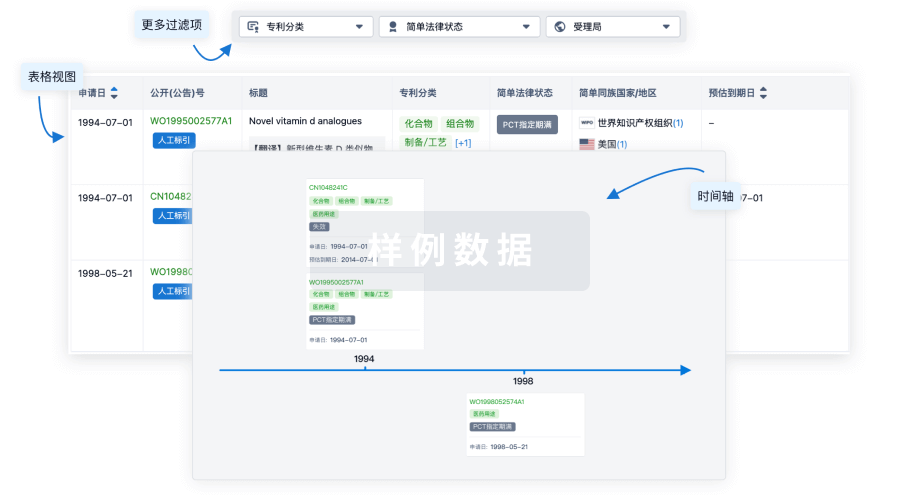
核心专利
使用我们的核心专利数据促进您的研究。
登录
或
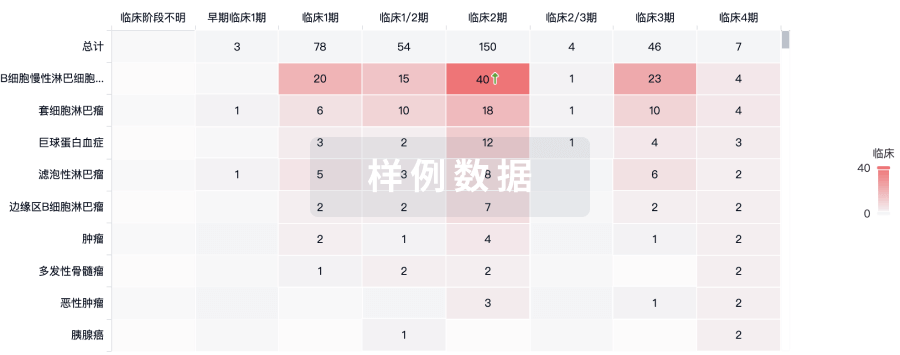
临床分析
紧跟全球注册中心的最新临床试验。
登录
或
批准
利用最新的监管批准信息加速您的研究。
登录
或
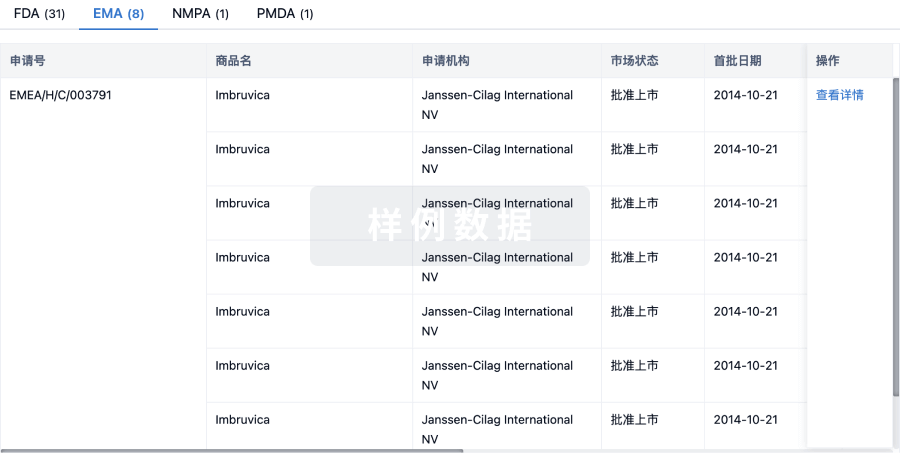
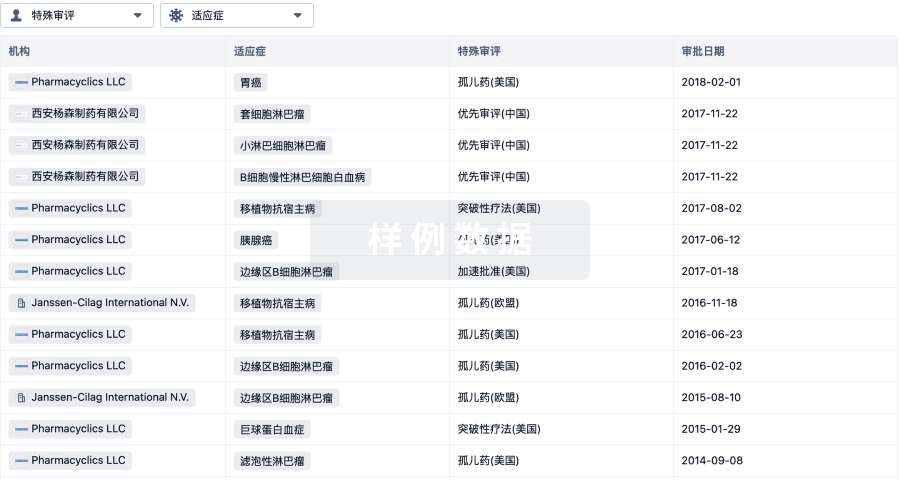
特殊审评
只需点击几下即可了解关键药物信息。
登录
或
生物医药百科问答
全新生物医药AI Agent 覆盖科研全链路,让突破性发现快人一步
立即开始免费试用!
智慧芽新药情报库是智慧芽专为生命科学人士构建的基于AI的创新药情报平台,助您全方位提升您的研发与决策效率。
立即开始数据试用!
智慧芽新药库数据也通过智慧芽数据服务平台,以API或者数据包形式对外开放,助您更加充分利用智慧芽新药情报信息。
生物序列数据库
生物药研发创新
免费使用
化学结构数据库
小分子化药研发创新
免费使用