预约演示
更新于:2026-10-12
HWK-206
更新于:2026-10-12
概要
基本信息
药物类型 ADC |
别名 HWK-206 |
作用方式 调节剂、抑制剂 |
作用机制 SEZ6调节剂(seizure related 6 homolog modulators)、TOP1抑制剂(DNA拓扑异构酶I抑制剂) |
非在研适应症- |
非在研机构- |
权益机构- |
最高研发阶段临床申请 |
首次获批日期- |
最高研发阶段(中国)临床申请 |
特殊审评- |
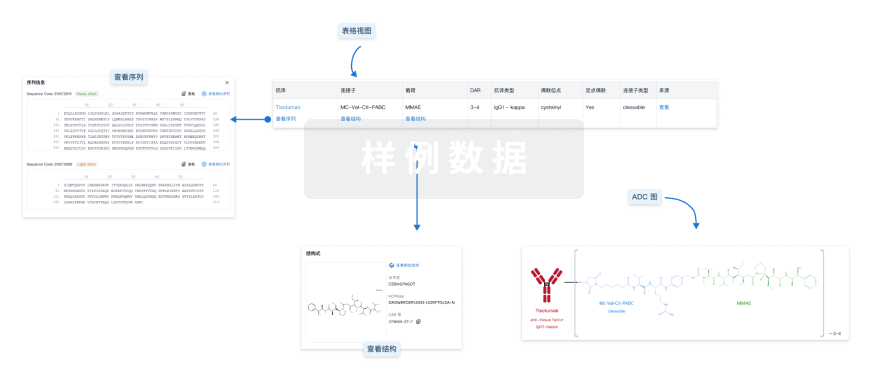
结构/序列
使用我们的ADC技术数据为新药研发加速。
登录
或
关联
100 项与 HWK-206 相关的临床结果
登录后查看更多信息
100 项与 HWK-206 相关的转化医学
登录后查看更多信息
100 项与 HWK-206 相关的专利(医药)
登录后查看更多信息
25
项与 HWK-206 相关的新闻(医药)2026-10-01
MUC16 Expression Remained High and Stable Following Standard-of-Care Therapies, Supporting Its Potential Utility in Both Combination Approaches and Relapsed Settings
High MUC16 Expression Was Associated with Poor Real-World Overall Survival in High-Grade Serous Ovarian Carcinoma, the Most Common Subtype of Ovarian Cancer
Findings Reinforce the Scientific Rationale for HWK-016, Whitehawk's Next-Generation MUC16-Directed ADC Currently in Phase 1 Development
MORRISTOWN, N.J., Oct. 1, 2026 /PRNewswire/ -- Whitehawk Therapeutics, Inc. (Nasdaq: WHWK), a clinical-stage oncology therapeutics company applying advanced technologies to established tumor biology to efficiently develop improved antibody drug conjugate (ADC) cancer treatments, today announced the presentation of two real-world analyses supporting mucin 16 (MUC16) as a durable therapeutic target and potential prognostic biomarker in ovarian cancer. These data will be presented at the International Gynecologic Cancer Society (IGCS) Annual Global Meeting taking place October 1-3, 2026, in Montreal, Canada.
In tumor samples from patients with ovarian cancer, MUC16 expression remained high and largely stable following standard-of-care (SoC) treatments, including platinum and non-platinum chemotherapy, bevacizumab-containing regimens, PARP inhibitors and mirvetuximab soravtansine. Treatment-associated changes in MUC16 expression were consistently small, and MUC16 demonstrated less treatment-associated variation than several other ADC targets, including FRα, TROP2 and NaPi2b. These findings suggest MUC16 is a durable therapeutic target for ADCs across multiple lines of therapy, and support development strategies that include both combination approaches and treatment in relapsed disease.
"For an ADC target to have broad clinical utility in ovarian cancer, it's important that it remains consistently expressed as patients move through multiple lines of therapy," said Margaret Dugan, MD, Chief Medical Officer of Whitehawk Therapeutics. "These findings suggest MUC16 is durable throughout the treatment continuum and support the exploration of HWK-016 both in combination with established therapies and in patients whose disease has progressed following prior treatment."
In a separate analysis of patients with high-grade serous ovarian carcinoma (HGSOC) – the most common histologic subtype accounting for approximately 70% of cases – high tumor MUC16 expression was prognostically associated with poor real-world overall survival (rwOS). This association remained statistically significant after adjustment for key clinical and molecular covariates and was also observed among patients who were treatment-naïve at first metastatic diagnosis.
"Ovarian cancer continues to be a difficult-to-treat disease with new therapeutic approaches urgently needed," said Robert L. Coleman, MD, Texas Oncology. "The observation that high MUC16 expression was independently associated with poorer real-world overall survival indicates it is an important marker of more aggressive disease biology, and supports the continued investigation of MUC16-directed ADCs in this disease."
Poster Details:
Title: Durable and Treatment-Agnostic MUC16 Expression in Ovarian Cancer Supports Targeted Antibody-Drug Conjugate Development
Poster: 950
Presenter: Kathleen N. Moore, MD, University of Nebraska Medical Center, Omaha, Nebraska
Date & Time: E-Poster
Key Findings:
MUC16 expression remained largely stable following platinum and non-platinum chemotherapy, bevacizumab-containing regimens, PARP inhibitors and mirvetuximab soravtansine.
Findings suggest that the target may be suitable for MUC16-directed therapy after prior SoC treatment and in combination with standard early-line platinum-based treatment.
Stable MUC16 expression is also observed in paired tumor samples.
MUC16 demonstrated less treatment-associated variation than several late-stage ADC targets, including FRα, TROP2 and NaPi2b.
Title: High MUC16 Expression Is Associated With Poor Real-World Overall Survival in Patients With High-Grade Serous Ovarian Carcinoma
Poster: 519
Presenter: Robert L. Coleman, MD, Texas Oncology, The Woodlands, Texas
Date & Time: October 1, 2026, 2:35-2:40 ET
Key Findings:
MUC16 expression at metastatic diagnosis was prognostically associated with poor rwOS.
Results were similar in the treatment-naïve subpopulation.
Eastern Cooperative Oncology Group performance status, BRCA mutation status and age at diagnosis were also independent prognostic factors of rwOS.
High circulating CA125 was also associated with poor prognosis in patients with heavily pretreated HGSOC.
HWK‑016 is a MUC16-directed, next-generation ADC targeting the non-shed extracellular domain that is being evaluated in an ongoing Phase 1 clinical trial in patients with advanced ovarian and endometrial cancers (NCT07470853).
These analyses were conducted as part of a previously announced collaboration between Whitehawk and Tempus AI. The posters will be accessible on the Presentations page of the Investors & News section of the Company's website at .
About
Whitehawk Therapeutics
Whitehawk Therapeutics is a clinical-stage oncology therapeutics company applying advanced technologies to established tumor biology to efficiently develop improved antibody drug conjugate (ADC) cancer treatments. Whitehawk's portfolio includes HWK-007, HWK-016 and HWK-206, ADCs engineered to overcome the limitations of first-generation predecessors to deliver a meaningful impact for patients with difficult-to-treat cancers. These assets are in-licensed from WuXi Biologics under an exclusive development and global commercialization agreement.
Whitehawk's underlying ADC platform leverages CPT113 as the core linker-payload technology, enhanced with its proprietary Carbon Bridge Cysteine Re-pairing (CBCR) bioconjugation process to support improved stability and therapeutic index. More information on the Company is available at and connect with us on LinkedIn. Any references to the Company's website or other online resources are provided solely for convenience and are not incorporated by reference into this press release. Investors should rely only on the information contained in this press release and the Company's filings with the Securities and Exchange Commission.
Forward-Looking Statements
This press release contains certain forward-looking statements regarding the business of Whitehawk Therapeutics that are not a description of historical facts within the meaning of the Private Securities Litigation Reform Act of 1995. Forward-looking statements are based on the Company's current beliefs and expectations and may include, but are not limited to, statements relating to the potential therapeutic value and market opportunity for HWK-016 and expectations regarding the beneficial characteristics, design features and the potential targeted markets with respect to HWK-016. Actual results could differ materially from those anticipated in such forward-looking statements as a result of these risks and uncertainties, which include, without limitation, uncertainties associated with preclinical and clinical development of HWK-016.
Additional risks and uncertainties that could cause actual outcomes and results to differ materially from those contemplated by the forward-looking statements are included in the Company's Annual Report on Form 10-K for the fiscal year ended December 31, 2025, including under the caption "Item 1A. Risk Factors," and in Whitehawk's subsequent Quarterly Reports on Form 10-Q, and elsewhere in Whitehawk's reports and other documents that Whitehawk has filed, or will file, with the SEC from time to time and available at .
All forward-looking statements in this press release are current only as of the date hereof and, except as required by applicable law, Whitehawk undertakes no obligation to revise or update any forward-looking statement, or to make any other forward-looking statements, whether as a result of new information, future events or otherwise. All forward-looking statements are qualified in their entirety by this cautionary statement. This cautionary statement is made under the safe harbor provisions of the Private Securities Litigation Reform Act of 1995.
Contact:
[email protected]
SOURCE Whitehawk Therapeutics, Inc.
21%
more press release views with
Request a Demo
2026-09-16
PTK7 Expression Remained Stable Following Standard-of-Care Therapies, Supporting Its Relevance as a Target in Second- or Later-Line EGFR NSCLC
Findings Reinforce the Scientific Rationale for HWK-007, Whitehawk's Next-Generation PTK7-Directed ADC Currently in Phase 1 Developmen
Sept. 13, 2026 -- Whitehawk Therapeutics, Inc. (Nasdaq: WHWK), a clinical-stage oncology therapeutics company applying advanced technologies to established tumor biology to efficiently develop improved antibody drug conjugate (ADC) cancer treatments, today announced the presentation of two real-world analyses supporting protein tyrosine kinase 7 (PTK7) as a durable and clinically relevant ADC target in patients with pretreated, EGFR wild-type non-small cell lung cancer (NSCLC). The data will be presented at the IASLC 2026 World Conference on Lung Cancer (WCLC) hosted by the International Association for the Study of Lung Cancer, taking place September 12-15, 2026, in Seoul, Republic of Korea.
In tumor samples from patients with EGFR wild-type lung adenocarcinoma, PTK7 expression remained largely stable following standard-of-care (SoC) treatments, including chemotherapy and immunotherapy, and demonstrated less treatment associated variation than several other ADC targets in late-stage development. PTK7 expression was also generally consistent regardless of the presence or absence of other actionable genomic alterations (AGA). These findings indicate PTK7 remains available for targeted ADCs for patients that have progressed through multiple lines of SoC therapy and across clinically relevant subgroups.
A separate analysis of patients with advanced EGFR wild-type lung adenocarcinoma found that real-world overall survival was not impacted based on PTK7-expression, supporting PTK7 as a target-engagement biomarker for ADC payload delivery independent of prognosis in NSCLC.
"The development strategy for our PTK7-directed ADC, HWK-007, is grounded in understanding not only where PTK7 is expressed, but also how that expression behaves in a real-world treatment setting," said Margaret Dugan, MD, Chief Medical Officer of Whitehawk Therapeutics. "The stability of PTK7 expression after standard of care therapies, in particular compared to other therapies in late-stage development, add important translational context as we evaluate HWK-007 in patients with EGFR wild-type NSCLC."
Durable and Treatment-Agnostic PTK7 Expression in EGFR Wild-Type Lung Adenocarcinoma Supports Targeted ADC Development
PTK7 expression remained largely stable following standard-of-care immunotherapy, chemotherapy, chemoimmunotherapy and tyrosine kinase inhibitor treatment, suggesting that the target may remain available for PTK7-directed therapy after prior treatment.
Stable PTK7 expression is also observed in paired tumor samples.
PTK7 demonstrated less treatment-associated variation than several late-stage ADC targets, including MET, PD-L1 and ITGB6.
PTK7 expression was generally consistent across tumors with or without other AGA, including KRAS G12C, ALK and MET alterations, suggesting relevance of PTK7 as an ADC target across both AGA+ and AGA- NSCLC subgroups.
Association Between PTK7 Expression and Real-World Survival in Pretreated Patients With EGFR Wild-Type Lung Adenocarcinoma
PTK7 expression was not independently associated with real-world overall survival or progression-free survival in patients with advanced EGFR wild-type lung adenocarcinoma receiving second- or later-line therapy, supporting PTK7 as a target-engagement biomarker rather than a marker of prognosis.
Clinical outcomes were driven primarily by established prognostic factors, including Eastern Cooperative Oncology Group performance status and extent of prior therapy.
PTK7-low tumors were enriched for KEAP1 and STK11 alterations, suggesting biological heterogeneity of EGFR wild-type NSCLC.
"Understanding whether a therapeutic target remains present after prior treatment is particularly important in advanced lung cancer, where patients often receive multiple lines of therapy," said Aaron E. Lisberg, MD, Associate Professor of Medicine at the David Geffen School of Medicine at UCLA. "The stability of PTK7 expression across standard treatments and clinically relevant molecular subgroups supports further investigation of PTK7-directed ADCs in patients with previously treated EGFR wild-type lung adenocarcinoma."
Title: Durable and Treatment-Agnostic PTK7 Expression in EGFR Wild-Type Lung Adenocarcinoma Supports Targeted ADC Development
Poster: P2.241
Presenter: Aaron E. Lisberg, MD, University of California Los Angeles, Los Angeles, CA, USA
Date & Time: Monday, September 14, 2026, at 10:30 AM KST
Title: Association Between PTK7 Expression and Real-World Survival in Pretreated Patients With EGFR Wild-Type Lung Adenocarcinoma
Poster: P2.147
Presenter: Grace Dy, MD, Roswell Park Comprehensive Cancer Center, Buffalo, NY, USA
Date & Time: Monday, September 14, 2026, at 10:30 AM KST
HWK‑007 is PTK7-directed, next-generation ADC being evaluated in an ongoing Phase 1 clinical trial in patients with non-squamous, EGFR wild-type NSCLC, platinum-resistant ovarian cancer and endometrial cancer (NCT07444814).
Whitehawk Therapeutics is a clinical-stage oncology therapeutics company applying advanced technologies to established tumor biology to efficiently develop improved cancer treatments. Whitehawk's portfolio includes HWK-007, HWK-016 and HWK-206, ADCs engineered to overcome the limitations of first-generation predecessors to deliver a meaningful impact for patients with difficult-to-treat cancers. These assets are in-licensed from WuXi Biologics under an exclusive development and global commercialization agreement.
Whitehawk's underlying ADC platform leverages CPT113 as the core linker-payload technology, enhanced with its proprietary Carbon Bridge Cysteine Re-pairing (CBCR) bioconjugation process to support improved stability and therapeutic index. More information on the Company is available at www.whitehawktx.com and connect with us on LinkedIn. Any references to the Company's website or other online resources are provided solely for convenience and are not incorporated by reference into this press release. Investors should rely only on the information contained in this press release and the Company's filings with the Securities and Exchange Commission.
The content above comes from the network. if any infringement, please contact us to modify.

免疫疗法抗体药物偶联物
2026-09-10
Former Incyte Executive Brings Extensive Oncology, Corporate Strategy, Business Development and Medical Affairs Experience
MORRISTOWN, N.J., Sept. 10, 2026 /PRNewswire/ -- Whitehawk Therapeutics, Inc. (Nasdaq: WHWK), a clinical-stage oncology therapeutics company applying advanced technologies to established tumor biology to efficiently develop improved antibody-drug conjugate (ADC) cancer treatments, today announced the appointment of Vijay Iyengar, MD, to its Board of Directors, effective September 9, 2026.
Dr. Iyengar brings more than two decades of oncology experience building and scaling global businesses, leading strategic transactions across development-stage and commercial assets and guiding product portfolios from early development through commercialization. During his nine years in senior leadership roles at Incyte Corporation, he helped drive transformative change, including the launch of five brands across eight indications, the company's expansion into more than 20 countries and growth from approximately $1B to more than $4B in annual revenue.
"I'm pleased to welcome Vij to the Board at this important stage of Whitehawk's growth," said Dave Lennon, PhD, President and Chief Executive Officer of Whitehawk Therapeutics. "His expansive leadership experience in oncology will be valuable as we continue to advance our clinical programs, expand our ADC portfolio and make disciplined decisions about how best to develop and realize the potential of our pipeline."
Prior to joining Incyte, Dr. Iyengar held senior leadership positions in oncology at Novartis. Earlier in his career, he was an Engagement Manager in the healthcare practice at McKinsey & Company. Dr. Iyengar received a BS in Biology from Stanford University and an MD from Harvard Medical School.
"I was drawn to Whitehawk for its strong foundation built on scientific rigor and a clear strategic vision," said Dr. Iyengar. "I look forward to working with the leadership team and my fellow directors to help guide Whitehawk through its next phase as they work to bring new ADC treatments to patients with cancer."
About
Whitehawk Therapeutics
Whitehawk Therapeutics is a clinical-stage oncology therapeutics company applying advanced technologies to established tumor biology to efficiently develop improved cancer treatments. Whitehawk's portfolio includes HWK-007, HWK-016 and HWK-206, ADCs engineered to overcome the limitations of first-generation predecessors to deliver a meaningful impact for patients with difficult-to-treat cancers. These assets are in-licensed from WuXi Biologics under an exclusive development and global commercialization agreement.
Whitehawk's underlying ADC platform leverages CPT113 as the core linker-payload technology, enhanced with its proprietary Carbon Bridge Cysteine Re-pairing (CBCR) bioconjugation process to support improved stability and therapeutic index. Whitehawk has an option agreement with Hangzhou DAC for access to CPT113 for use in up to five additional ADC programs. More information on the Company is available at and connect with us on LinkedIn.
Forward-Looking Statements
This press release contains certain forward-looking statements regarding the business of Whitehawk Therapeutics that are not a description of historical facts within the meaning of the Private Securities Litigation Reform Act of 1995. Forward-looking statements are based on the Company's current beliefs and expectations and may include, but are not limited to, statements relating to: the potential therapeutic value and market opportunity for the Company's ADC portfolio; plans related to the Company's development of its portfolio of ADC assets; n; and the Company's ability to expand its pipeline opportunities. Actual results could differ materially from those anticipated in such forward-looking statements as a result of these risks and uncertainties, which include, without limitation, uncertainties associated with preclinical and clinical development of the ADC portfolio, including potential delays in the commencement, enrollment and completion of clinical trials; failure to demonstrate the efficacy of the ADC portfolio in preclinical and clinical studies; the risk that unforeseen adverse reactions or side effects may occur in the course of testing of the ADC assets; and risks related to the Company's estimates regarding future expenses, capital requirements and need for additional financing.
Additional risks and uncertainties that could cause actual outcomes and results to differ materially from those contemplated by the forward-looking statements are included in the Company's Annual Report on Form 10-K for the fiscal year ended December 31, 2025, including under the caption "Item 1A. Risk Factors," and in Whitehawk's subsequent Quarterly Reports on Form 10-Q, and elsewhere in Whitehawk's reports and other documents that Whitehawk has filed, or will file, with the SEC from time to time and available at .
All forward-looking statements in this press release are current only as of the date hereof and, except as required by applicable law, Whitehawk undertakes no obligation to revise or update any forward-looking statement, or to make any other forward-looking statements, whether as a result of new information, future events or otherwise. All forward-looking statements are qualified in their entirety by this cautionary statement. This cautionary statement is made under the safe harbor provisions of the Private Securities Litigation Reform Act of 1995.
Contact:
[email protected]
SOURCE Whitehawk Therapeutics, Inc.
21%
more press release views with
Request a Demo
高管变更抗体药物偶联物
100 项与 HWK-206 相关的药物交易
登录后查看更多信息
研发状态
10 条进展最快的记录, 后查看更多信息
登录
| 适应症 | 最高研发状态 | 国家/地区 | 公司 | 日期 |
|---|---|---|---|---|
| 神经内分泌癌 | 临床前 | 美国 | 2025-03-19 | |
| 小细胞肺癌 | 临床前 | 美国 | 2025-03-19 |
登录后查看更多信息
临床结果
临床结果
适应症
分期
评价
查看全部结果
| 研究 | 分期 | 人群特征 | 评价人数 | 分组 | 结果 | 评价 | 发布日期 |
|---|
No Data | |||||||
登录后查看更多信息
转化医学
使用我们的转化医学数据加速您的研究。
登录
或

药物交易
使用我们的药物交易数据加速您的研究。
登录
或

核心专利
使用我们的核心专利数据促进您的研究。
登录
或

临床分析
紧跟全球注册中心的最新临床试验。
登录
或

批准
利用最新的监管批准信息加速您的研究。
登录
或

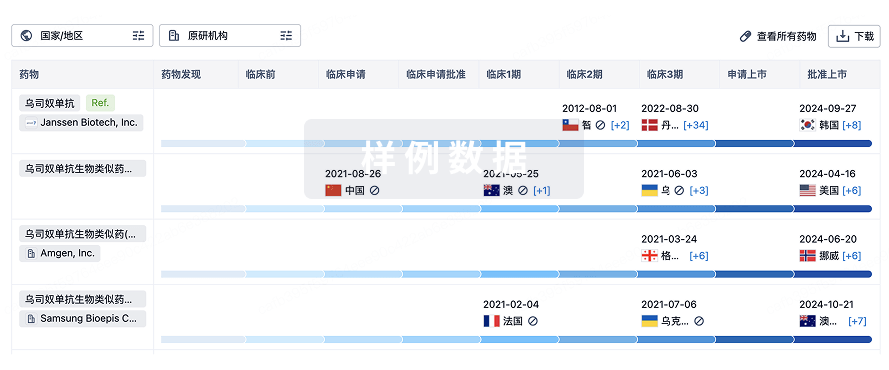
生物类似药
生物类似药在不同国家/地区的竞争态势。请注意临床1/2期并入临床2期,临床2/3期并入临床3期
登录
或
特殊审评
只需点击几下即可了解关键药物信息。
登录
或

提出任何生物医药研究问题
让每一步生物医药决策都精准制胜
基于十亿级生物数据与全球情报的精准 AI,赋能早期药物发现
立即开始免费试用!
智慧芽新药情报库是智慧芽专为生命科学人士构建的基于AI的创新药情报平台,助您全方位提升您的研发与决策效率。
立即接入生物医药数据包
智慧芽新药库数据也通过智慧芽开放平台,以MCP或API服务形式对外开放。立即使用我们的MCP服务定制您的LLM智能体。
生物序列数据库
生物药研发创新
免费使用
化学结构数据库
小分子化药研发创新
免费使用