预约演示
更新于:2026-10-13
Semaglutide (Zhongshan Wanhan)
司美格鲁肽(中山万汉)
更新于:2026-10-13
概要
基本信息
原研机构 |
非在研机构- |
权益机构- |
最高研发阶段临床1期 |
首次获批日期- |
最高研发阶段(中国)临床1期 |
特殊审评- |


登录后查看时间轴
关联
1
项与 司美格鲁肽(中山万汉) 相关的临床试验CTR20250353
随机、开放、单次给药、平行对照评价司美格鲁肽注射液与诺和泰在中国健康受试者中的药代动力学比对研究
100 项与 司美格鲁肽(中山万汉) 相关的临床结果
登录后查看更多信息
100 项与 司美格鲁肽(中山万汉) 相关的转化医学
登录后查看更多信息
100 项与 司美格鲁肽(中山万汉) 相关的专利(医药)
登录后查看更多信息
252
项与 司美格鲁肽(中山万汉) 相关的文献(医药)2026-10-01DIGESTIVE DISEASES AND SCIENCES
Differential Biliary Adverse Event Signals Among Glp-1 Receptor Agonists: A FAERS Disproportionality Analysis
Article
作者: Alvina ; Onwuzo, Chidera N ; Chaar, Abdelkader ; Jaffar, Huda ; Eisa, Mohamed
BACKGROUND:
Biliary adverse events (AEs) have been reported with glucagon-like peptide-1 receptor agonists (GLP-1RAs), but within-class differences remain unclear.
METHODS:
We conducted a disproportionality analysis of FAERS comparing biliary outcomes (cholelithiasis, cholecystitis, biliary colic, bile duct stone, and cholangitis) across semaglutide, tirzepatide, liraglutide, exenatide, and dulaglutide; semaglutide was used as the reference agent. Proportional reporting ratios (PRR), reporting odds ratios (ROR), 95% confidence intervals, and Fisher exact tests were calculated. Subgroup analyses and sensitivity analyses were performed.
RESULTS:
After deduplication, 3460 reports were analyzed: semaglutide 1797, tirzepatide 1363, liraglutide 1033, exenatide 999, and dulaglutide 574. Compared with semaglutide, exenatide and tirzepatide showed lower reporting for bile duct stone (PRR 0.39 and 0.58), while exenatide and dulaglutide showed lower reporting for biliary colic (PRR 0.30 and 0.50). Dulaglutide showed higher reporting for cholangitis (PRR 1.65). Exenatide, liraglutide, and tirzepatide showed higher reporting for cholecystitis (PRR 1.12, 1.07, and 1.05) and cholelithiasis (PRR 1.33, 1.21, and 1.15). Subgroup findings were consistent with heterogeneity mainly observed for bile duct stone and biliary colic. Sensitivity analyses was largely concordant, although rarer outcomes lost significance.
CONCLUSIONS:
Biliary AE reporting varies across GLP-1RAs, highlighting agent-specific differences within class and the need for individualized prescribing and counseling.
2026-10-01DIABETES OBESITY & METABOLISM
Gallbladder‐Related Adverse Events With Semaglutide 2.4 mg: Pooled Analysis of Placebo‐Controlled
STEP
Trials
Letter
作者: Ukkonen, Mika ; Kivivuori, Antti ; Starckjohann, Peter ; Lammi, Pekka ; Junttila, Anna ; Panula, Valtteri
2026-09-15EUROPEAN JOURNAL OF HEART FAILURE
Hemodynamic changes in response to GLP-1 treatment in ICD and CRT patients: insights from HeartLogic sensor data
Article
作者: Fudim, Marat ; Solomon, Scott ; Haugan, Ketil J ; Poulsen, Mikael Kjær ; Davodian, Danny Witten ; Stolen, Craig M ; Fussing, Frederik Holme ; Kumarathurai, Preman ; Larroudé, Charlotte ; Davodian, Lise Witten ; Risum, Niels ; Bekfani, Tarek ; Sattler, Stefan ; Chien, Christopher ; Johansen, Jens Brock ; Ersbøll, Mads ; Modin, Daniel ; Løgstrup, Brian Bridal ; Hernandez, Adrian ; Holm, Katja Fiedler ; Biering-Sørensen, Tor ; Rossing, Kasper ; Vinther, Michael ; Johansen, Niklas Dyrby ; Claggett, Brian ; Nielsen, Jens Cosedis ; Køber, Lars
Abstract:
Background:
Glucagon-like peptide-1 receptor agonist (GLP-1RA) therapy is increasingly used, but the physiological effects in patients with heart failure and reduced ejection fraction (HFrEF) remain uncertain. Continuously collected data from implantable cardiac devices may enable evaluation of drug effects in a real-world setting.
Methods:
In a nationwide Danish retrospective matched cohort study, GLP-1RA initiators with implantable cardiac devices were matched 1:5 to unexposed device recipients by sex and age. Sensor data were assessed from 30 days before to 30 days after initiation. Primary outcomes were changes in heart rate and thoracic impedance. Analyses were adjusted for baseline sensor value, BMI category, hypertension, and type 2 diabetes. Prespecified subgroup analyses were performed in patients with HFrEF.
Results:
In 666 patients (111 GLP-1RA initiators, 555 matched controls), semaglutide was used in 95% of initiators. Compared with controls, GLP-1RA initiation was associated with higher night heart rate (adjusted difference 2.12 bpm; 95% CI, 1.38–2.87), higher daily heart rate (1.46 bpm; 95% CI, 0.65–2.06), and higher thoracic impedance (0.66 Ω; 95% CI, 0.17–1.15) (all P < .01). S1 amplitude decreased (−0.09 mG; 95% CI, −0.14 to −0.04; P < .01). Heart rate increases followed a stepwise pattern across semaglutide dose levels, with an average increase of 2.5 bpm per dose escalation. Findings were directionally consistent in patients with HFrEF (GLP-1RA n = 80), with no evidence of effect modification.
Conclusion:
GLP-1RA initiation was associated with measurable changes in device-derived physiology. Larger studies are needed to evaluate clinical implications, including in HFrEF.
100 项与 司美格鲁肽(中山万汉) 相关的药物交易
登录后查看更多信息
外链
| KEGG | Wiki | ATC | Drug Bank |
|---|---|---|---|
| - | - | - |
研发状态
10 条进展最快的记录, 后查看更多信息
登录
| 适应症 | 最高研发状态 | 国家/地区 | 公司 | 日期 |
|---|---|---|---|---|
| 2型糖尿病 | 临床1期 | 中国 | 2025-02-06 | |
| 2型糖尿病 | 临床1期 | 中国 | 2025-02-06 | |
| 肥胖 | 临床申请批准 | 中国 | 2025-12-26 |
登录后查看更多信息
临床结果
临床结果
适应症
分期
评价
查看全部结果
登录后查看更多信息
转化医学
使用我们的转化医学数据加速您的研究。
登录
或

药物交易
使用我们的药物交易数据加速您的研究。
登录
或

核心专利
使用我们的核心专利数据促进您的研究。
登录
或

临床分析
紧跟全球注册中心的最新临床试验。
登录
或

批准
利用最新的监管批准信息加速您的研究。
登录
或

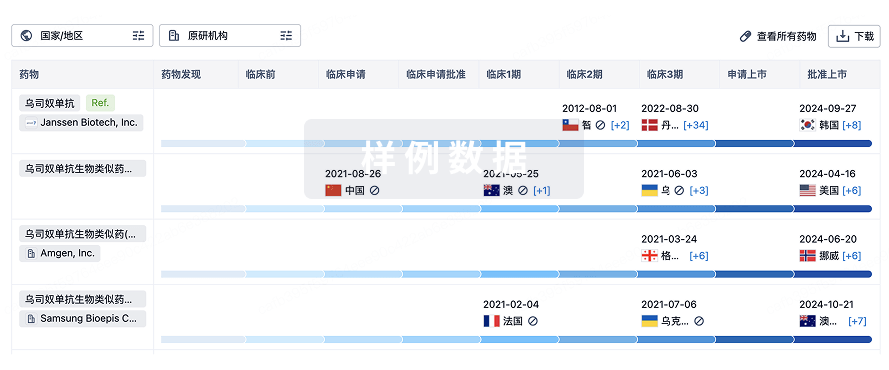
生物类似药
生物类似药在不同国家/地区的竞争态势。请注意临床1/2期并入临床2期,临床2/3期并入临床3期
登录
或
特殊审评
只需点击几下即可了解关键药物信息。
登录
或

提出任何生物医药研究问题
让每一步生物医药决策都精准制胜
基于十亿级生物数据与全球情报的精准 AI,赋能早期药物发现
立即开始免费试用!
智慧芽新药情报库是智慧芽专为生命科学人士构建的基于AI的创新药情报平台,助您全方位提升您的研发与决策效率。
立即接入生物医药数据包
智慧芽新药库数据也通过智慧芽开放平台,以MCP或API服务形式对外开放。立即使用我们的MCP服务定制您的LLM智能体。
生物序列数据库
生物药研发创新
免费使用
化学结构数据库
小分子化药研发创新
免费使用