预约演示
更新于:2025-12-06
AEOL-10113
更新于:2025-12-06
概要
基本信息
在研机构- |
权益机构- |
最高研发阶段终止药物发现 |
首次获批日期- |
最高研发阶段(中国)- |
特殊审评- |

关联
100 项与 AEOL-10113 相关的临床结果
登录后查看更多信息
100 项与 AEOL-10113 相关的转化医学
登录后查看更多信息
100 项与 AEOL-10113 相关的专利(医药)
登录后查看更多信息
28
项与 AEOL-10113 相关的文献(医药)2025-11-14·ACS Infectious Diseases
Article
作者: Reboucas, Julio S. ; Figueiredo, Regina C. B. Q. ; Fontes, Adriana ; Cabral Filho, Paulo E. ; Souza, Tiago H. S. ; Bueno-Janice, Jacqueline C. ; Vasconcelos, Letícia S.
Toxicity and rising resistance to current leishmaniasis drugs highlight the need for alternative therapies. Manganese porphyrins (MnPs) have demonstrated therapeutic potential in various oxidative stress-based diseases/ailments due to their redox-modulating properties. Thus, this study aimed to evaluate the redox-active effects of MnTE-2-PyP5+ (BMX-010, AEOL10113, MnP ethyl) combined with ascorbate (Asc, vitamin C) on Leishmania amazonensis, Leishmania braziliensis, and Leishmania chagasi in vitro. The effects on promastigote growth were assessed, and the mechanism of action was studied by quantifying reactive oxygen species (ROS) and using catalase to evaluate H2O2 involvement. The effects on intracellular amastigotes and the mitochondrial membrane potential (ΔΨm) of promastigotes from the most susceptible species were evaluated. Cytotoxicity assays were carried out on mammalian cells. MnP ethyl alone had no impact on parasite growth; however, MnP ethyl/Asc treatment led to a significant reduction in the promastigote growth: 88% for L. amazonensis, 43% for L. chagasi, and 37% for L. braziliensis after 48 h. MnP ethyl/Asc generated about 300% more ROS than the untreated control and induced ΔΨm depolarization. Catalase addition restored parasite survival, confirming H2O2 as the primary mediator of the MnP ethyl/Asc effect. Moreover, MnP ethyl/Asc exhibited minimal cytotoxicity on mammalian cells. The MnP ethyl/Asc treatment reduced the infection index by about 58% and the number of amastigotes per macrophage by 42% in L. amazonensis after 24 h. These findings demonstrated that MnP ethyl/Asc exerted an antileishmanial effect through oxidative stress, providing a promising alternative for preclinical evaluation.
2025-11-01·BIOMEDICINE & PHARMACOTHERAPY
Manganese porphyrin [MnTE-2-PyP]5+ improves maternal and offspring glycemic homeostasis, placental morphology, and redox balance in diabetic pregnant rats
Article
作者: Santos, Luciano Cardoso ; Santos, Bianca Reis ; Barbosa, Erikles Macêdo ; Oliveira, Cibele Luz ; DeFreitas-Silva, Gilson ; Anjos Cordeiro, Jeane Martinha Dos ; Lavor, Mário Sérgio Lima de ; Bevilacqua, Estela ; Borges, Stephanie Carvalho ; Malheiros, Rodrigo Oliveira ; Santos, Emilly Oliveira ; Rebouças, Júlio Santos ; Martins, Brenda Geovana Campos ; Silva, Juneo Freitas ; Rodrigues, Natália Panhoca ; Santos, Daniel de Assis ; da Silva, Adriana Lopes
Gestational Diabetes Mellitus (GDM) is a prevalent metabolic disorder during pregnancy, associated with oxidative stress and inflammation at systemic and placental levels. Manganese porphyrins (MnPs) modulate redox balance and inflammation, but their therapeutic potential in diabetic pregnants remains unexplored. This study investigated the effects of water-soluble MnP [MnTE-2-PyP]⁵⁺ (BMX-010, AEOL10113) on maternal and offspring glycemic parameters and placental alterations in a diabetic pregnant rat model induced by streptozotocin. MnP treatment was initiated on gestational day 10. Diabetic rats exhibited hyperglycemia, insulin resistance, impaired gestational and fetal mass gain, elevated plasma ALT and ALP, and decreased CK levels. MnP improved gestational mass gain, glucose tolerance, and insulin sensitivity in both mother and offspring, in addition to reducing maternal ALT and ALP levels and enhancing offspring mass gain. Histological analysis revealed that diabetes increased glycogen cell and cyst areas in the placental junctional zone and reduced fetal mesenchyme/trophoblast area in the labyrinth zone; MnP partially mitigated these alterations. At the maternal-fetal interface, diabetes elevated 8-OHdG, TBARS, ROS, HIF1α, IL-6, TNF-α, and SOD1, while downregulating Sod1, GPx1/2, Vegf, Plgf, Igf1, IL-10, and SOD enzymatic activity. MnP treatment decreased HIF1α and TBARS, increased SOD activity and catalase expression, and restored IL-10 expression at transcript and protein levels. These results indicate that MnP [MnTE-2-PyP]⁵⁺ improves maternal and offspring glycemic control, placental morphology, and redox homeostasis in diabetic pregnant rats, supporting its potential as a therapeutic strategy against diabetes-induced placental dysfunction.
2021-01-01·Oxidative medicine and cellular longevity2区 · 生物学
Thermal Stability Kinetics and Shelf Life Estimation of the Redox‐Active Therapeutic and Mimic of Superoxide Dismutase Enzyme, Mn(III) meso‐Tetrakis(N‐ethylpyridinium‐2‐yl)porphyrin Chloride (MnTE‐2‐PyPCl5, BMX‐010)
2区 · 生物学
ArticleOA
作者: Sebastião, Rita de Cássia O ; de Freitas-Marques, Maria B ; Yoshida, Maria Irene ; Rebouças, Júlio S ; de Araujo, Bárbara C R ; Maia, Clarissa G C ; da Costa, Israel F ; da Nova Mussel, Wagner
Mn(III) meso‐tetrakis(N‐ethylpyridinium‐2‐yl)porphyrin chloride (MnTE‐2‐PyPCl5, BMX‐010, and AEOL10113) is among the most studied superoxide dismutase (SOD) mimics and redox‐active therapeutics, being currently tested as a drug candidate in a phase II clinical trial on atopic dermatitis and itch. The thermal stability of active pharmaceutical ingredients (API) is useful for estimating the expiration date and shelf life of pharmaceutical products under various storage and handling conditions. The thermal decomposition and kinetic parameters of MnTE‐2‐PyPCl5 were determined by thermogravimetry (TG) under nonisothermal and isothermal conditions. The first thermal degradation pathway affecting Mn‐porphyrin structural integrity and, thus, activity and bioavailability was associated with loss of ethyl chloride via N‐dealkylation reaction. The thermal stability kinetics of the N‐dealkylation process leading to MnTE‐2‐PyPCl5 decomposition was investigated by using isoconversional models and artificial neural network. The new multilayer perceptron (MLP) artificial neural network approach allowed the simultaneous study of ten solid‐state kinetic models and showed that MnTE‐2‐PyPCl5 degradation is better explained by a combination of various mechanisms, with major contributions from the contraction models R1 and R2. The calculated activation energy values from isothermal and nonisothermal data were about 90 kJ mol–1 on average and agreed with one another. According to the R1 modelling of the isothermal decomposition data, the estimated shelf life value for 10% decomposition (t90%) of MnTE‐2‐PyPCl5 at 25°C was approximately 17 years, which is consistent with the high solid‐state stability of the compound. These results represent the first study on the solid‐state decomposition kinetics of Mn(III) 2‐N‐alkylpyridylporphyrins, contributing to the development of this class of redox‐active therapeutics and SOD mimics and providing supporting data to protocols on purification, handling, storage, formulation, expiration date, and general use of these compounds.
1
项与 AEOL-10113 相关的新闻(医药)2007-04-19
LAGUNA NIGUEL, Calif.--(BUSINESS WIRE)--Aeolus Pharmaceuticals, Inc. (OTCBB:AOLS) announced the presentation of data by researchers at Loma Linda University Medical Center, National Jewish Medical and Research Center and Duke University showing that one of the Company’s metalloporphyrin antioxidants, AEOL 10113, demonstrated protection of healthy normal cells in mice with prostate tumor cells treated with radiation therapy. The study also showed that the compound did not interfere with the tumor destruction effects of the radiation therapy.
放射疗法
100 项与 AEOL-10113 相关的药物交易
登录后查看更多信息
研发状态
10 条进展最快的记录, 后查看更多信息
登录
| 适应症 | 最高研发状态 | 国家/地区 | 公司 | 日期 |
|---|---|---|---|---|
| 哮喘 | 药物发现 | 美国 | - | |
| 1型糖尿病 | 药物发现 | 美国 | - | |
| 肿瘤 | 药物发现 | 美国 | - | |
| 再灌注损伤 | 药物发现 | 美国 | - | |
| 成人呼吸窘迫综合征 | 药物发现 | 美国 | - | |
| 脑卒中 | 药物发现 | 美国 | - |
登录后查看更多信息
临床结果
临床结果
适应症
分期
评价
查看全部结果
| 研究 | 分期 | 人群特征 | 评价人数 | 分组 | 结果 | 评价 | 发布日期 |
|---|
No Data | |||||||
登录后查看更多信息
转化医学
使用我们的转化医学数据加速您的研究。
登录
或
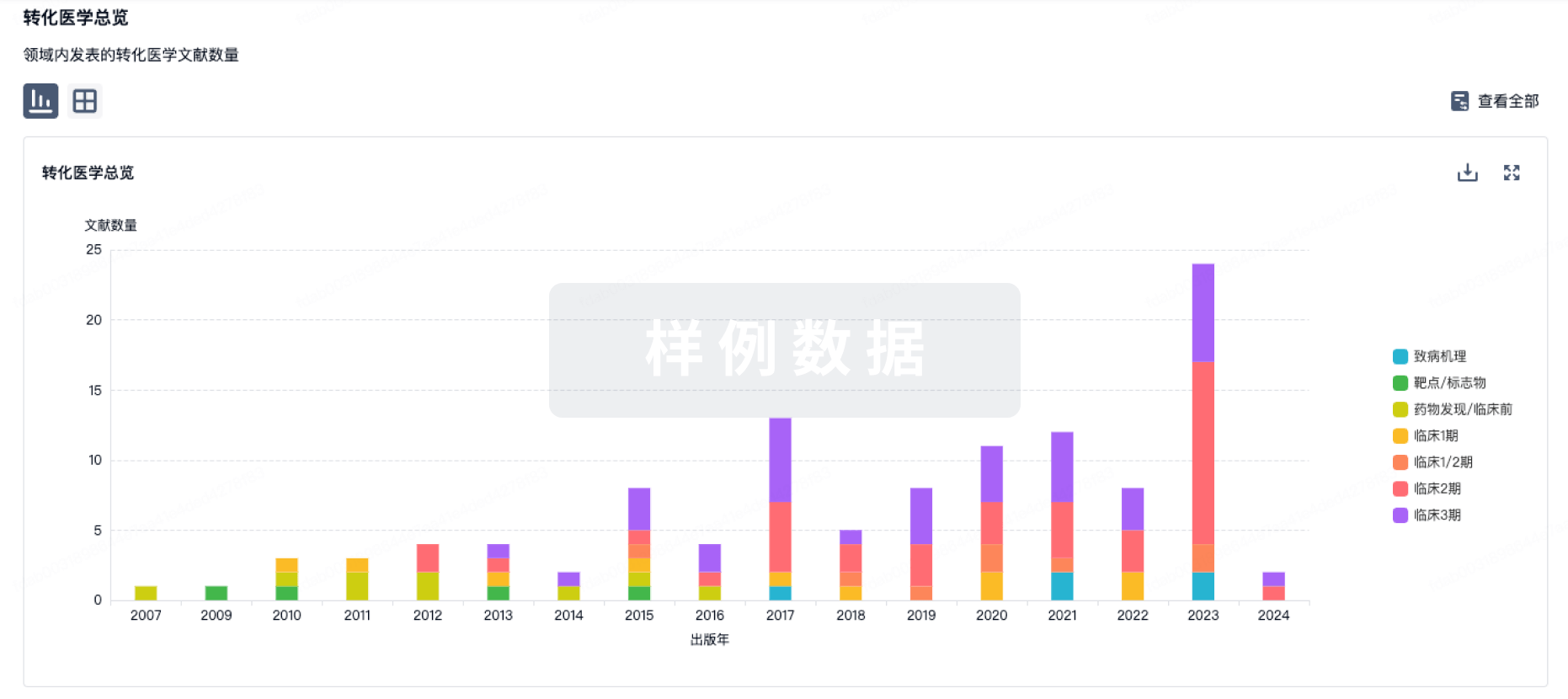
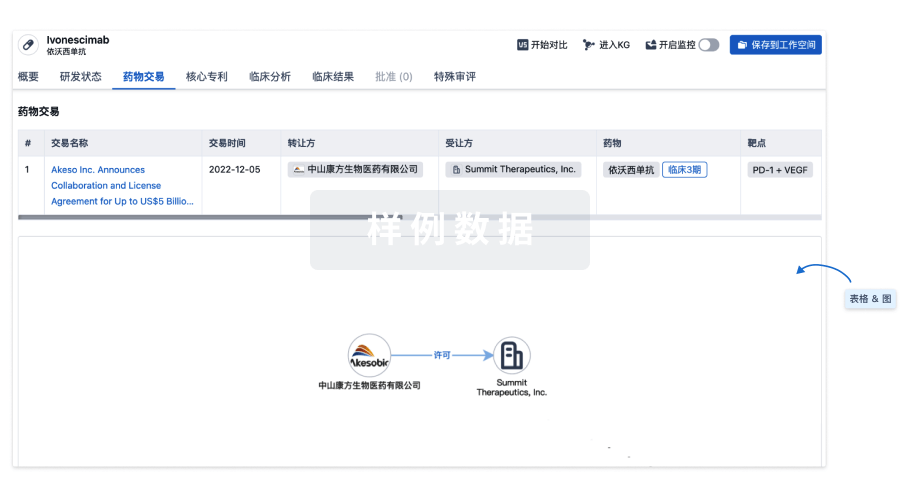
药物交易
使用我们的药物交易数据加速您的研究。
登录
或
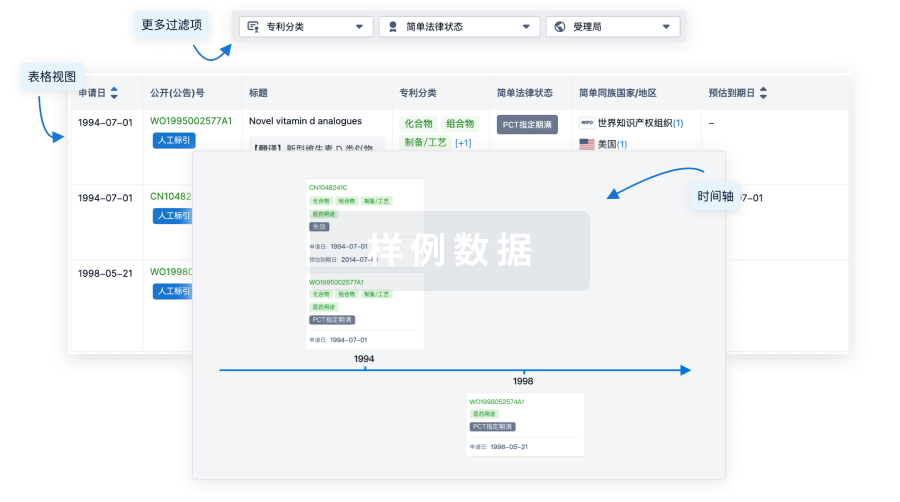
核心专利
使用我们的核心专利数据促进您的研究。
登录
或
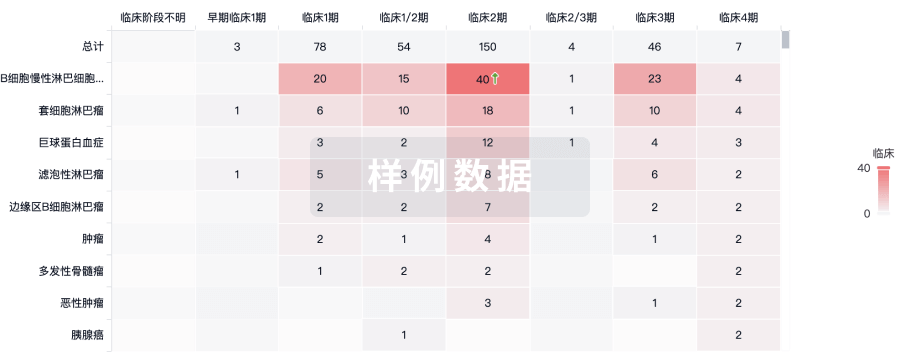
临床分析
紧跟全球注册中心的最新临床试验。
登录
或
批准
利用最新的监管批准信息加速您的研究。
登录
或
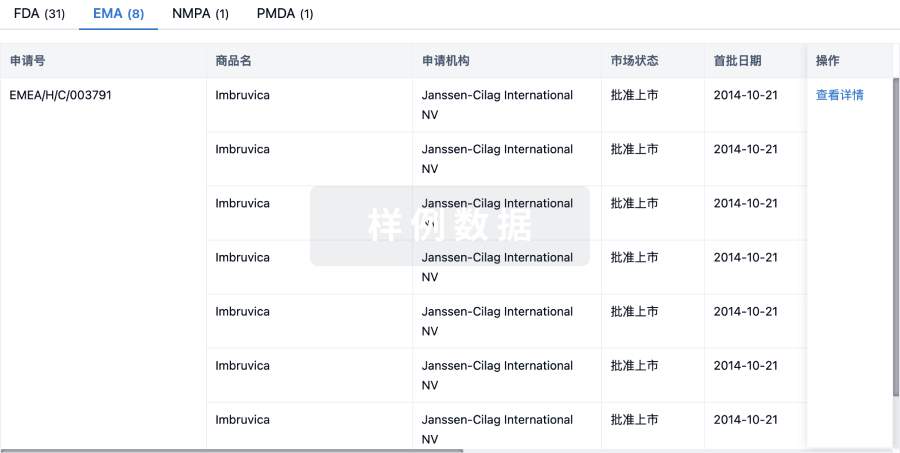
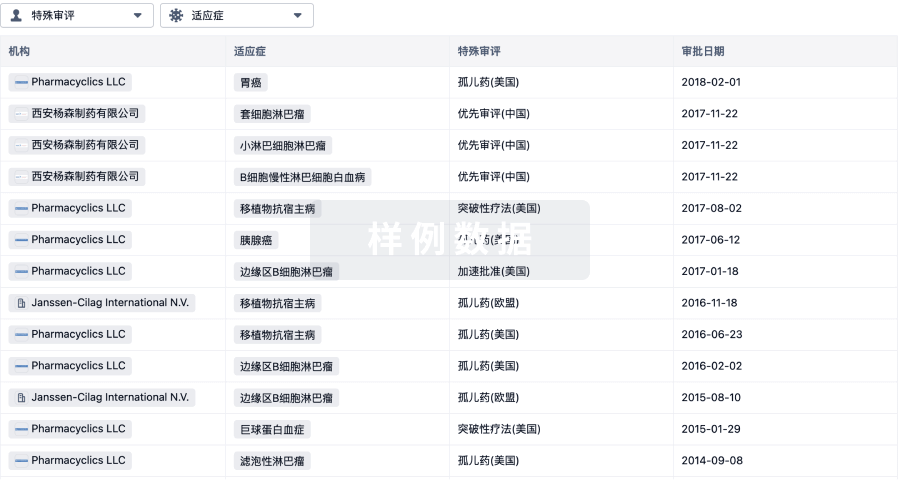
特殊审评
只需点击几下即可了解关键药物信息。
登录
或
提出任何生物医药研究问题
让每一步生物医药决策都精准制胜
基于十亿级生物数据与全球情报的精准 AI,赋能早期药物发现
立即开始免费试用!
智慧芽新药情报库是智慧芽专为生命科学人士构建的基于AI的创新药情报平台,助您全方位提升您的研发与决策效率。
立即接入生物医药数据包
智慧芽新药库数据也通过智慧芽开放平台,以MCP或API服务形式对外开放。立即使用我们的MCP服务定制您的LLM智能体。
生物序列数据库
生物药研发创新
免费使用
化学结构数据库
小分子化药研发创新
免费使用