预约演示
更新于:2026-02-07
HIV-1 integrase inhibitors(CellVir)
更新于:2026-02-07
概要
基本信息
药物类型 小分子化药 |
别名- |
作用方式 抑制剂 |
作用机制 HIV-1 integrase抑制剂(HIV整合酶抑制剂) |
在研适应症- |
非在研适应症 |
原研机构 |
在研机构- |
非在研机构 |
权益机构- |
最高研发阶段终止临床前 |
首次获批日期- |
最高研发阶段(中国)- |
特殊审评- |

关联
100 项与 HIV-1 integrase inhibitors(CellVir) 相关的临床结果
登录后查看更多信息
100 项与 HIV-1 integrase inhibitors(CellVir) 相关的转化医学
登录后查看更多信息
100 项与 HIV-1 integrase inhibitors(CellVir) 相关的专利(医药)
登录后查看更多信息
65
项与 HIV-1 integrase inhibitors(CellVir) 相关的文献(医药)2025-10-01·MOLECULAR DIVERSITY
Structural aspects of HIV-1 integrase inhibitors: SAR studies and synthetic strategies
Review
作者: Gupta, Shankar ; Bharti, Sanjay Kumar ; Asati, Vivek ; Barik, Pallavi ; Singh, Gurpreet
Acquired immunodeficiency syndrome (AIDS) poses a significant threat to life. Antiretroviral therapy is employed to diminish the replication of the human immunodeficiency virus (HIV), extending life expectancy and improving the quality of patients' lives. These HIV-1 integrase inhibitors form robust covalent interactions with Mg2+ ions, contributing to their tight binding, thereby inhibiting the integration of viral DNA into the CD4 cell DNA. The second-generation INSTIs, the most recently approved, exhibit a higher genetic barrier compared to first-generation drugs. Hence, there is a need to develop novel and safe compounds as inhibitors of HIV-1 integrase. This article presents an overview of the current landscape of anti-HIV-1 integrase inhibitors, emphasizing the structure-activity relationship (SAR) of small molecules. The molecules discussed include monocyclic rings consisting of triazoles moiety, and pyrimidine analog along with bicyclic rings with nitrogen-containing moieties. Researchers are exploring anti-HIV-1 integrase inhibitors from natural sources like marine environments, plant extracts, and microbial products, emphasizing the importance of diverse bioactive compounds in combating the virus, which have also been included in the manuscript. The current manuscript will be helpful to the scientific community engaged in the manipulation of small molecules as anti-HIV integrase inhibitors for designing newer leads.
2024-11-13·mBio
The structural and mechanistic bases for the viral resistance to allosteric HIV-1 integrase inhibitor pirmitegravir
Article
作者: Dinh, Tung ; Rey, Juan S. ; Perilla, Juan R. ; Mengshetti, Seema ; Annamalai, Arun S. ; Briganti, Lorenzo ; Amblard, Franck ; Kim, Baek ; Kvaratskhelia, Mamuka ; Tber, Zahira ; Kim, Kyungjin ; Cherepanov, Peter ; Schinazi, Raymond F. ; Haney, Reed ; Fuchs, James R.
ABSTRACT:
Allosteric HIV-1 integrase (IN) inhibitors (ALLINIs) are investigational antiretroviral agents that potently impair virion maturation by inducing hyper-multimerization of IN and inhibiting its interaction with viral genomic RNA. The pyrrolopyridine-based ALLINI pirmitegravir (PIR) has recently advanced into phase 2a clinical trials. Previous cell culture-based viral breakthrough assays identified the HIV-1
(Y99H/A128T IN)
variant that confers substantial resistance to this inhibitor. Here, we have elucidated the unexpected mechanism of viral resistance to PIR. Although both Tyr99 and Ala128 are positioned within the inhibitor binding V-shaped cavity at the IN catalytic core domain (CCD) dimer interface, the Y99H/A128T IN mutations did not substantially affect the direct binding of PIR to the CCD dimer or functional oligomerization of full-length IN. Instead, the drug-resistant mutations introduced a steric hindrance at the inhibitor-mediated interface between CCD and C-terminal domain (CTD) and compromised CTD binding to the CCD
Y99H/A128T
+ PIR complex. Consequently, full-length IN
Y99H/A128T
was substantially less susceptible to the PIR-induced hyper-multimerization than the WT protein, and HIV-1
(Y99H/A128T IN)
conferred >150-fold resistance to the inhibitor compared with the WT virus. By rationally modifying PIR, we have developed its analog EKC110, which readily induced hyper-multimerization of IN
Y99H/A128Tin vitro
and was ~14-fold more potent against HIV-1
(Y99H/A128T IN)
than the parent inhibitor. These findings suggest a path for developing improved PIR chemotypes with a higher barrier to resistance for their potential clinical use.
IMPORTANCE:
Antiretroviral therapies save the lives of millions of people living with HIV (PLWH). However, the evolution of multi-drug-resistant viral phenotypes is a major clinical problem, and there are limited or no treatment options for heavily treatment-experienced PLWH. Allosteric HIV-1 integrase inhibitors (ALLINIs) are a novel class of antiretroviral compounds that work by a unique mechanism of binding to the non-catalytic site on the viral protein and inducing aberrant integrase multimerization. Accordingly, ALLINIs potently inhibit both wild-type HIV-1 and all drug-resistant viral phenotypes that have so far emerged against currently used therapies. Pirmitegravir, a highly potent and safe investigational ALLINI, is currently advancing through clinical trials. Here, we have elucidated the structural and mechanistic bases behind the emergence of HIV-1 integrase mutations in infected cells that confer resistance to pirmitegravir. In turn, our findings allowed us to rationally develop an improved ALLINI with substantially enhanced potency against the pirmitegravir-resistant virus.
2024-09-01·BIOORGANIC & MEDICINAL CHEMISTRY LETTERS
Design and synthesis of novel and potent allosteric HIV-1 integrase inhibitors with a spirocyclic moiety
Article
作者: Ohata, Yoshitsugu ; Akiyama, Yoshiyuki ; Yamasaki, Takayuki ; Adachi, Kaoru ; Miyazaki, Susumu ; Suma, Akira ; Manabe, Tomoyuki ; Adachi, Tsuyoshi ; Furuzono, Tomoko ; Orita, Takuya
We report herein the design and discovery of novel allosteric HIV-1 integrase inhibitors. Our design concept utilized the spirocyclic moiety to restrain the flexibility of the conformation of the lipophilic part of the inhibitor. Compound 5 showed antiviral activity by binding to the nuclear lens epithelium-derived growth factor (LEDGF/p75) binding site of HIV-1 integrase (IN). The introduction of a lipophilic amide substituent into the central benzene ring resulted in a significant increase in antiviral activity against HIV-1 WT X-ray crystallography of compound 15 in complex with the integrase revealed the presence of a hydrogen bond between the oxygen atom of the amide of compound 15 and the hydroxyl group of the T125 side chain. Chiral compound 17 showed high antiviral activity, good bioavailability, and low clearance in rats.
1
项与 HIV-1 integrase inhibitors(CellVir) 相关的新闻(医药)2022-08-03
- STP0404 is the only clinical safety proven HIV treatment candidate with a novel mechanism that can block HIV re-activation.
- STP0404 is expected to enter Phase 2a clinical trial in the US in 4Q 2022.
SEOUL, South Korea, Aug. 3, 2022 /PRNewswire/ -- ST Pharm Co., Ltd. (237690:KOSDAQ) announced on 3rd August that the Phase 1 clinical trial results of STP0404, the HIV treatment candidate, was presented at the 24th International AIDS Conference took place in Montreal, Canada from 29th July to 2nd August.
The International AIDS Conference is the biggest AIDS conference worldwide, held by the International AIDS Society (IAS) which has over 13,000 members from more than 170 countries. All submitted abstracts went through a blind peer-review process by international reviewers and only 300 abstracts were selected to be presented. Among those, the Phase 1 clinical trial results of STP0404 was selected with high score and was formally invited for poster presentation with a poster title, "The First-in-Human Clinical Trial of STP0404, a Novel Potent HIV-1 Allosteric Integrase Inhibitor".
STP0404 is the world's first AIDS treatment with an ALLINI (Allosteric Integrase Inhibitor) mechanism in human clinical trials. All competing drugs developed with the same mechanism failed in preclinical stage due to toxicity issues.
A total of 65 healthy male adult participants, aged from 18 to 45, were included in this Phase 1 clinical study. A total of 28 adverse events (AE) were reported. Headache and diarrhoea with mild to moderate intensity were most frequently reported as treatment emergent adverse events (TEAE). There were no severe AE, Serious AE reported and no clinically significant trend or abnormalities observed in laboratory tests, physical examination, vital signs and ECG evaluations. Since there were no clinically significant AEs reported at the highest dose levels (800 mg in single ascending dose part [SAD] and 400 mg in multiple ascending dose part [MAD]), the maximum tolerated dose was not confirmed. STP0404 also demonstrated consistent pharmacokinetics at various dose levels showing drug exposure increased less-proportionally with dose, and presented an elimination half-life can support once daily dosing regimen.
ST Pharm stated, "From nonclinical studies, dosing with 0.01~10 μM of STP0404 in HIV reactivated T cells reduced the p24 level from over 270 pg/mL to 30 pg/mL. These results can be considered as potentially functional cure. STP0404 not only has optimal antiviral effects as mono-treatment against wild-type strains, but also presented excellent antiviral activities against clinical isolates and reactivated virus that have developed resistance. As the safety of STP0404 was confirmed in Phase 1 trial, a Phase 2a study is planned to be initiated this year."
ST Pharm is further evaluating the clinical potential of co-administering STP0404 with marketed AIDS treatments, and is also developing long-acting injectables.
Learn more at
SOURCE ST Pharm Co., Ltd.
100 项与 HIV-1 integrase inhibitors(CellVir) 相关的药物交易
登录后查看更多信息
研发状态
10 条进展最快的记录, 后查看更多信息
登录
| 适应症 | 最高研发状态 | 国家/地区 | 公司 | 日期 |
|---|---|---|---|---|
| HIV感染 | 临床前 | 法国 | 2009-02-11 |
登录后查看更多信息
临床结果
临床结果
适应症
分期
评价
查看全部结果
| 研究 | 分期 | 人群特征 | 评价人数 | 分组 | 结果 | 评价 | 发布日期 |
|---|
No Data | |||||||
登录后查看更多信息
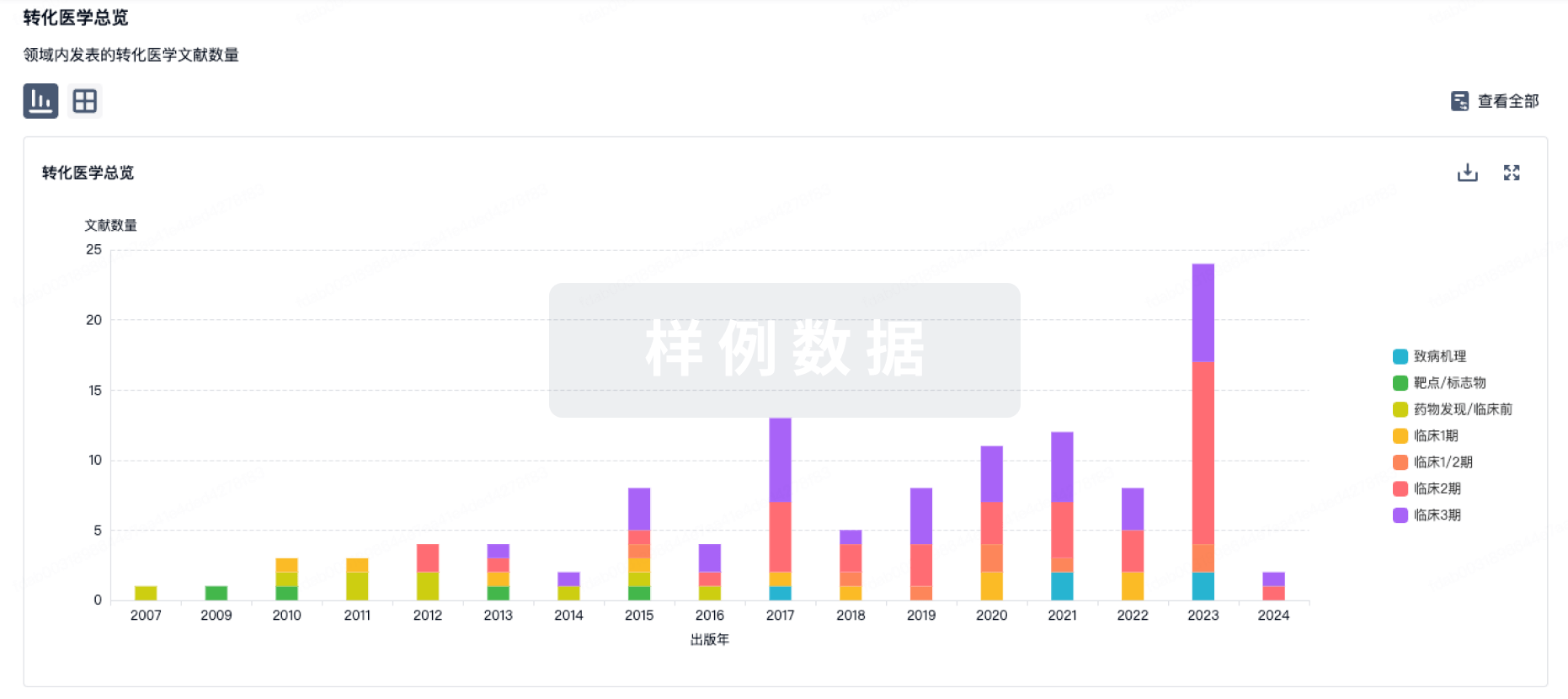
转化医学
使用我们的转化医学数据加速您的研究。
登录
或
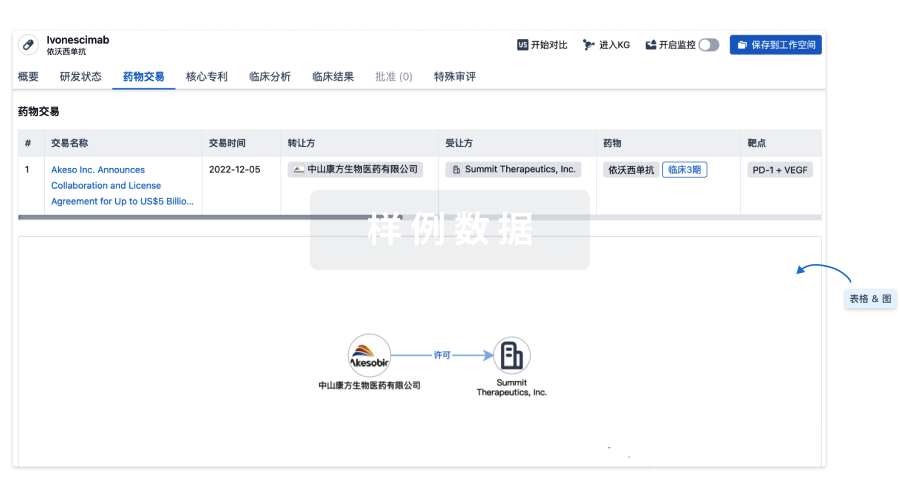
药物交易
使用我们的药物交易数据加速您的研究。
登录
或
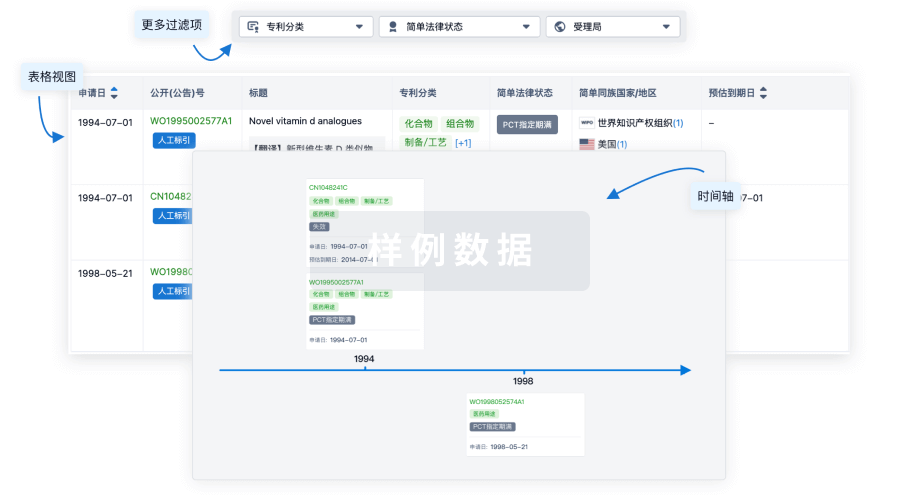
核心专利
使用我们的核心专利数据促进您的研究。
登录
或
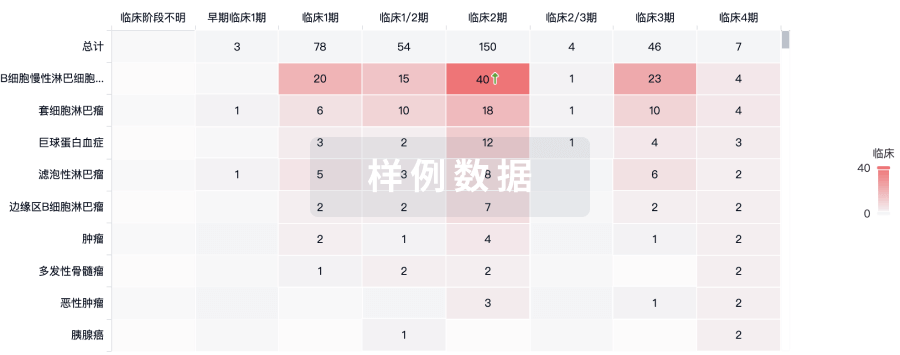
临床分析
紧跟全球注册中心的最新临床试验。
登录
或
批准
利用最新的监管批准信息加速您的研究。
登录
或
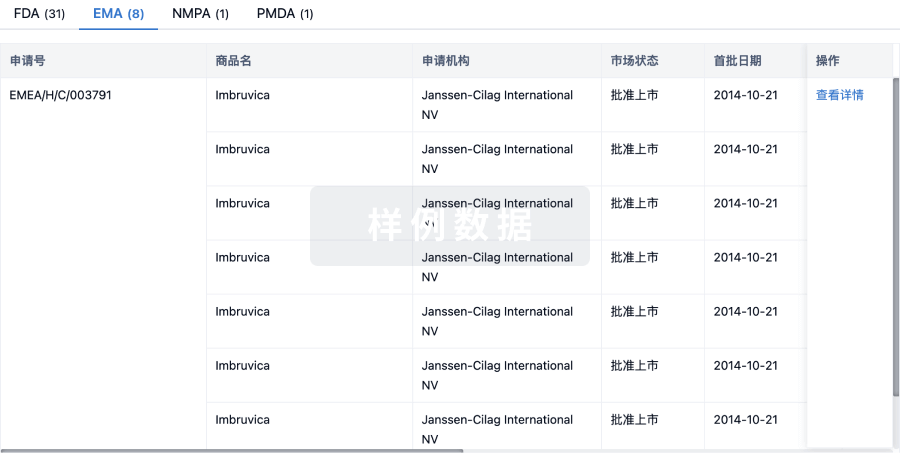
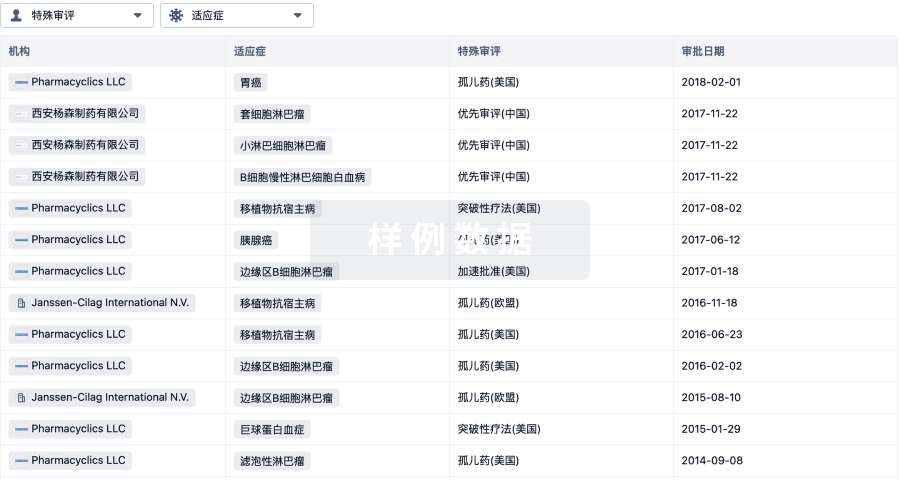
特殊审评
只需点击几下即可了解关键药物信息。
登录
或
生物医药百科问答
全新生物医药AI Agent 覆盖科研全链路,让突破性发现快人一步
立即开始免费试用!
智慧芽新药情报库是智慧芽专为生命科学人士构建的基于AI的创新药情报平台,助您全方位提升您的研发与决策效率。
立即开始数据试用!
智慧芽新药库数据也通过智慧芽数据服务平台,以API或者数据包形式对外开放,助您更加充分利用智慧芽新药情报信息。
生物序列数据库
生物药研发创新
免费使用
化学结构数据库
小分子化药研发创新
免费使用