预约演示
更新于:2026-01-24
Necrostatin-1
更新于:2026-01-24
概要
基本信息
非在研机构- |
权益机构- |
最高研发阶段临床前 |
首次获批日期- |
最高研发阶段(中国)- |
特殊审评- |

结构/序列
分子式C13H13N3OS |
InChIKeyTXUWMXQFNYDOEZ-UHFFFAOYSA-N |
CAS号4311-88-0 |
关联
100 项与 Necrostatin-1 相关的临床结果
登录后查看更多信息
100 项与 Necrostatin-1 相关的转化医学
登录后查看更多信息
100 项与 Necrostatin-1 相关的专利(医药)
登录后查看更多信息
624
项与 Necrostatin-1 相关的文献(医药)2026-03-01·Journal of molecular and cellular cardiology plus
SARS-CoV-2-infected cardiomyocytes exhibit upregulated necroptosis, but no evidence of mitochondrial permeability transition
Article
作者: Bär, C ; Pietschmann, T ; Chatterjee, S ; Amanakis, G ; Stojanović, S D ; Thum, T ; Nilsson-Payant, B E ; Kefalakes, H ; Gross, C ; Bauersachs, J
Cardiac involvement in patients infected with COVID-19, in terms of myocarditis and troponin release, is associated with higher mortality. However, the underlying mechanisms are poorly understood. Infection of cardiomyocytes derived from human induced pluripotent stem cells (iPSC-CMs) with a wild-type variant of SARS-CoV-2 exhibited a cardiotoxic effect. We examined whether elevated intramitochondrial calcium causes opening of the mitochondrial permeability transition pore (mPTP) leading to cell death. The mPTP inhibitor Cyclosporine A (CsA) did not improve viability, and phosphorylation levels of pyruvate dehydrogenase (PDH) remained similar pre- and post-infection, likely suggesting no substantial alteration of the intramitochondrial calcium level. Also, the protein expression of mitochondrial respiratory complexes did not change after SARS-CoV-2 infection. Next, we examined whether cell death is related to necroptosis or pyroptosis upregulation. The phosphorylation level of receptor-interacting protein kinase 3 (RIP3) was elevated post-infection with SARS-CoV-2 while phosphorylation of mixed lineage kinase domain (MLKL)-S358 remained unaltered. This pattern may point toward an alternative regulation of necroptosis. Chemical inhibition of necroptosis (Necrostatin-1) and pyroptosis (MCC950) did not confer any protection. Notably, the phosphorylation of RIP3 under Necrostatin-1 was still elevated, suggesting that autophosphorylation of RIP3 may be a possible confounder. Our data suggest that SARS-CoV-2 compromises cell viability in iPSC-CMs and may engage in non-canonical signaling via RIP3 phosphorylation. The lack of MLKL activation and the absence of protective effects from CsA indicate that neither classical necroptosis nor mitochondrial permeability transition are likely to be central regulators of cell death.
2026-02-01·FOOD AND CHEMICAL TOXICOLOGY
Targeting the MLKL–F-actin–NLRP3 axis attenuates arsenic-induced myocardial necroinflammation
Article
作者: Liu, Yinan ; Shi, Yawen ; Zhao, Xu ; Chen, Jinghong ; Li, Lian ; Cui, Yixin ; Zhang, Xinhe ; Yang, Pinglin ; Zhang, Meng
Arsenic, an environmental toxicant, causes myocardial inflammatory injury upon chronic low-dose exposure, though its mechanisms are not fully understood. Necroptosis, mediated by mixed lineage kinase domain-like protein (MLKL), promotes necroinflammation by activating the NOD-like receptor family pyrin domain containing 3 (NLRP3) inflammasome. Since F-actin depolymerization may regulate NLRP3, this study investigates its role in arsenite-induced cardiac injury. Wild-type (WT) and Mlkl-knockout (Mlkl-/-) C57BL/6 mice were exposed to arsenite (2.8-25.2 mg/L) for 8 weeks, while H9C2 cardiomyocyte were treated with arsenite (8-32 μM) for 24 h. Inhibitors targeting MLKL (Nec-1, GSK-872, NSA), NLRP3 (MCC950), and F-actin stabilization (Jasplakinolide) were employed. Arsenite dose-dependently upregulated p-MLKL and NLRP3 protein expression in myocardial tissues and H9C2 cells. Mlkl knockout or inhibition of necroptosis (Nec-1, GSK-872, and NSA) significantly suppressed NLRP3 activation and attenuated cardiac injury. Arsenite dose-dependently induced F-actin depolymerization and reduced actin expression, which was partially reversed in Mlkl-/- mice and necroptosis inhibitors. F-actin stabilizer Jasplakinolide markedly inhibited NLRP3 without affecting MLKL phosphorylation. Thus, chronic arsenite exposure promotes NLRP3 inflammasome activation via p-MLKL-mediated F-actin disruption, forming a "necroptosis-cytoskeletal disruption-inflammation" cascade. Targeting the MLKL-F-actin-NLRP3 axis offers a novel strategy for preventing and treating arsenic-induced myocardial damage.
2025-12-31·INTERNATIONAL JOURNAL OF HYPERTHERMIA
Nec-1 regulates phenotypic transformation of heat stroke-induced vascular smooth muscle cells by inhibiting RIPK1
Article
作者: Hou, Ling ; Tuo, Wei ; Li, Guanghua ; Xue, Shujing ; Mu, Le ; Wu, Xiaomin
OBJECTIVE:
Cardiovascular injury is a common complication of heat stroke (HS). However, the mechanism underlying vascular smooth muscle cells (VSMCs) following HS remains unclear.
METHOD:
A rat and VSMCs model was established by simulating high-temperature exposure. Primary VSMC was extracted in vitro, and CCK8 screened the concentration of Nec-1 and detected cell proliferation activity. The expression of α-smooth muscle protein (α-SMA), osteopontin (OPN), receptor-interacting protein kinase 1 (RIPK1), receptor-interacting protein kinase 3 (RIPK3), Bcl-2 and Bax were detected by immunohistochemistry and Western blot.
RESULTS:
The results of in vivo experiments showed that with the prolongation of HS recovery time, α-SMA expression basically decreased and OPN expression increased. Meanwhile, the expression of RIPK1 and RIPK3 was increased, which promoted the occurrence of necroptosis. In vitro results showed that with the extension of HS recovery time, the proliferative viability of VSMCs decreased, the cell morphology changed, and the apoptotic cells increased. The fluorescence results indicate that the expression levels of RIPK1 and PIPK3 in the cells are elevated, accompanied by the typical characteristics of cell necroptosis. Nec-1 restored the decreased cell viability and the high expression of RIPK1 and RIPK3 induced by heat stroke, and improved the occurrence of cell necrotic apoptosis. Nec-1 also restored α-SMA expression, reduced OPN expression, and reversed phenotypic abnormalities of VSMC caused by heat stroke.
CONCLUSION:
HS induces abnormal phenotypic transformation and necroptosis in VSMCs. Necrostatin-1 can improve necroptosis and maintain the contractile phenotype of VSMCs. This study can provide new insights into cardiovascular damage caused by high temperatures.
7
项与 Necrostatin-1 相关的新闻(医药)2025-12-03
·今日头条
当年,上海“高考状元”袁钧瑛,公派留美却拒不回国。然而,40年后,已经成为著名科学家的她,却带着全部的积蓄回到了祖国……
2020年,波士顿的秋风萧瑟,哈佛医学院的一间独立教职员办公室内,袁钧瑛看着墙上挂了几十年的荣誉证书,做出了一个让美国学术界瞠目结舌的动作。
她摘下了那些象征着全球生物学顶尖地位的奖章,将一本沉甸甸的辞呈放在了院长的桌上。没有谈判,没有留恋,她变卖了在美国的资产,甚至打包了多年的实验数据和核心团队,买了一张飞往上海的单程机票。
美国同事不解:“袁,你疯了吗?在这个年纪放弃终身教职,去一个你离开了四十年的地方重新开始?”
袁钧瑛只淡淡回了一句:“不是重新开始,是回家交卷。”
这一年,她62岁。而在大洋彼岸的中国互联网上,关于她的争议从未停止——有人骂她是“精致的利己主义者”,有人嘲讽她是“公费留学的叛徒”。
时光回溯到1977年,那是一个改变无数中国人命运的夏天。
上海的一家纺织工厂里,女工袁钧瑛放下了手中的纱锭。高考恢复的消息像一声惊雷,炸醒了她沉睡的大学梦。没有复习资料,她就去废品站翻找发黄的高中课本;没有时间,她就在机器轰鸣的间隙背诵公式。
那一年的考场,那是千军万马过独木桥。结果出来,袁钧瑛的名字赫然印在上海市理科状元的位置上。复旦大学生物系的录取通知书,是她拿到的第一张通往未来的船票。
但真正的转折发生在1982年。
彼时的中国,国门初开,急需从西方汲取先进的科学养分。著名华裔科学家吴瑞发起了CUSBEA(中美生物化学联合招生)项目,这是中国生物学界的“黄埔军校”。袁钧瑛以极其优异的成绩入选,背负着国家的公派重托,踏上了前往哈佛大学的飞机。
初到美国,巨大的落差像一记重锤砸在袁钧瑛心上。国内的实验室,连个像样的离心机都找不到,而哈佛的实验室里,却有着如同科幻电影般的精密仪器。
她师从后来的诺贝尔奖得主霍维茨。在显微镜下,她仿佛进入了另一个宇宙。她夜以继日地盯着那些线虫细胞,终于发现了一个惊天的秘密——细胞的死亡不是随机的,而是像写好的程序代码一样,是可以被基因控制的。
这就是著名的“细胞凋亡”理论。这项发现,直接改写了人类对生命的认知。然而,博士毕业后,袁钧瑛面临了人生最艰难的抉择。
那是上世纪80年代末,国内科研环境依然一穷二白。如果回去,她大概率只能在一间简陋的教室里教书,刚刚萌芽的“细胞死亡”研究必将夭折;如果留下,她将拥有世界顶级的资源,但也意味着背负“不归”的骂名。
她选择了留下。
这一留,就是四十年。她成为了哈佛医学院第一位亚裔女性终身教授,当选美国艺术与科学院院士、美国国家科学院院士。她在国际顶刊上发表了无数论文,定义了“程序性坏死(Necroptosis)”,发现了抑制剂Nec-1。
国内的骂声传到她耳朵里,她从未辩解。只有极少数人知道,她在美国的实验室里,几乎成了中国留学生的“庇护所”。她疯狂地培养中国学生,实验室里常年挂着五星红旗。她像一个守在金矿边的矿工,拼命挖掘,积攒着每一块金石,只为等待一个时机。
她在等什么?
她在等国内的科研“土壤”肥沃起来。基础研究就像种树,没有水和土,再好的种子也会死。
2012年,时机初现。她开始像候鸟一样往返于中美,在上海筹建“生物与化学交叉研究中心”。她不再满足于发论文,她想做药,做能治好老年痴呆、帕金森这种绝症的药。
2020年,当新冠疫情席卷全球,当国际局势波诡云谲之时,袁钧瑛认为,土壤终于熟了。
她辞去哈佛的一切职务,不是退休养老,而是带着“全副身家”——她的毕生所学、她的科研积蓄、她的国际视野,全职加盟中国科学院上海有机化学研究所。
在这个位于上海张江海科路100号的大楼里,袁钧瑛每天的工作时长依然超过12个小时。她不再是那个为了绿卡奋斗的留学生,而是一个要为中国老龄化社会寻找“解药”的统帅。
那些曾经质疑她的人惊讶地发现,这位老太太带回来的,不仅仅是头衔,而是一整套世界最前沿的新药研发体系。
她的团队目前正主攻RIPK1激酶抑制剂的研究。这是一种极具潜力的靶点,直接关系到人类如何对抗阿尔茨海默症(AD)和肌萎缩侧索硬化症(ALS,即“渐冻人症”)。在她的推动下,相关的原创新药已经进入了临床试验阶段,这是中国在神经退行性疾病领域与世界最顶尖水平的一次“并跑”,甚至是“领跑”。
袁钧瑛常对年轻的学生说:“基础研究就像挖井,你不知道哪一铲子下去会有水,但你必须一直挖。”
四十年前,她是一只飞出去寻找火种的燕子;四十年后,她带着燎原的火光归巢。
真正的爱国,不在于你身在何处,而在于你最终把果实结在了哪片土地上。袁钧瑛用大半生的隐忍和最终的决绝,完成了一次跨越世纪的“还愿”。
高管变更
2025-11-27
OTC2025论坛深度聚焦类器官与疾病建模、新药发现/研发、3D细胞培养、类器官培养及质控。OTC2026合作热线:王晨180 1628 8769
2025年11月,中国疾病预防控制中心谭文杰团队在期刊《Journal of Biomedical Science》(IF:12.1)在线发表题为:Human coronavirus OC43 infection in human cerebral organoids: novel insights on pathogenesis and potential therapeutic interventions 的高水平研究论文。
1
abstracts
论文摘要
背景:自COVID-19大流行以来,合并脑炎或脊髓炎的个体中神经系统表现的发病率已被记录上升。与HCoVs感染相关的神经症状谱正在扩大。然而,季节性HCoVs感染中枢神经系统的感染特征及发病机制仍不清楚。迄今为止,没有药物能够特异性且有效地缓解HCoVs感染引起的神经系统症状。
方法:我们开发了由人类诱导多能干细胞衍生的人脑类器官(HCOs),并建立了血脑屏障(BBB)HCOs共培养模型。我们使用这些模型进行季节性人冠状病毒(HCoV)感染,以研究病毒在中枢神经系统(CNS)内的特性。利用RNA测序,我们初步探索了病毒诱导CNS炎症反应的机制。此外,我们还使用HCO模型评估了抗病毒和抗炎药物的疗效。
结果:我们的结果显示,在季节性冠状病毒中,HCoV-OC43能够在类器官中高效复制,主要感染神经元和星形胶质细胞,并破坏BBB的屏障功能。RNA测序分析显示,HCoV-OC43感染通过TNF和NF-κB信号通路触发炎症反应,导致细胞死亡、神经元功能受损及中间神经元信号传导受扰。值得注意的是,Bardoxolone甲基(CDDO-Me)显示出与瑞德西韦相当的抗病毒效果,同时减少了炎症和细胞死亡。
结论:总之,HCoV-OC43感染的HCOs为HCoVs在中枢神经系统(CNS)中的发病机制提供了宝贵的见解,并可能作为开发HCoVs感染新治疗策略的工具,包括COVID-19,尤其在探索治疗候选药物方面。
2
novelty
创新点
1. 首次证实季节性冠状病毒HCoV-OC43可在人脑类器官中高效复制并具神经毒性。
2. 构建hiPSC来源的人脑类器官与血脑屏障共培养模型,模拟病毒中枢神经系统感染。
3. 揭示HCoV-OC43通过TNF/NF-κB通路引发神经炎症及细胞死亡机制。
4. 发现抗氧化药物CDDO-Me具显著抗病毒与抗炎双重活性,效果媲美瑞德西韦。
5. 证实HCoV-OC43可破坏血脑屏障完整性,为冠状病毒神经侵袭研究提供新模型。
3
background
科学背景与研究现状
新冠疫情前,人冠状病毒(HCoV)被视作呼吸道病原,但COVID-19后大量患者出现脑雾、头痛等神经症,提示HCoVs可侵袭中枢。尸检与动物模型已在脑组织检出HCoV-OC43、SARS-CoV-2RNA及抗原,并观察到神经元死亡与脱髓鞘,然缺乏人源生理模型验证。
2D细胞与动物研究因物种差异、结构简单,难以模拟人脑复杂细胞网络及血脑屏障(BBB),致病毒神经嗜性、致病机制及药物评价数据匮乏。类器官技术兴起,hiPSC衍生的人脑类器官(HCOs)重现神经元、星形胶质细胞及早期神经网络,已用于寨卡、HSV-1、SARS-CoV-2等神经病毒研究,但对季节性HCoV仍空白。
因此,亟需建立人源三维模型,系统阐明HCoV-OC43等季节性冠状病毒在中枢的感染特征、分子病理及潜在治疗策略。
4
approach
技术路线与实验方法
1. 培养hiPSC至第45天,诱导形成含神经元、星形胶质细胞的背侧前脑类器官(HCOs)。
2. 用100 TCID50 HCoV-OC43等4种季节性冠状病毒及ZIKV感染HCOs,收集1–14 dpi上清与细胞,RT-qPCR测病毒RNA拷贝与TCID50,电镜与免疫荧光定位NP蛋白。
3. 对1、4、14 dpi样本进行RNA-seq,差异基因筛选及GO/KEGG富集,解析TNF/NF-κB等信号通路变化。
4. 建立Transwell三细胞BBB模型(HBEC+星形胶质细胞+周皮细胞),与HCOs共培养,测TEER与FITC-葡聚糖通透率评估屏障功能。
5. 药物干预组给予瑞德西韦、CDDO-Me、NEC-1单药或联合,4 dpi检测病毒载量、炎症因子mRNA、TUNEL凋亡及紧密连接蛋白表达,评价抗病毒与神经保护效果。
5
results graph
结果图
图1:HCoV-OC43在45天人脑类器官中高效复制。上清病毒RNA随时间升高,5天达峰;TCID50同步上升。细胞内病毒RNA 1–14 dpi持续增加,其余三株季节性HCoV无显著变化。免疫荧光检出NP蛋白分布于神经元;电镜见典型冠状病毒颗粒与包涵体。
图2:病毒细胞嗜性。NP与TUJ1+未成熟神经元、MAP2+成熟神经元及GFAP+星形胶质细胞共定位,SOX2+放射胶质细胞阴性;轴突内可见NP点状信号。
图3:转录组动态。1、4、14 dpi分别获得572、6977、7422个差异基因;炎症、TNF/NF-κB、NOD样受体通路显著上调,GABA能突触与钙信号下调。
图4:炎症与凋亡验证。感染后TNF-α、IL-6等6种促炎因子mRNA升高;TUNEL阳性细胞增多,含未感染旁观者细胞;caspase3、Fas、Apaf1表达上升。
图5:药物抑制病毒。10μM瑞德西韦与0.8μM CDDO-Me单药或联用显著降低上清及细胞内病毒RNA与TCID50,免疫荧光NP信号减弱;NEC-1无效。
图6:药物缓解炎症与凋亡。瑞德西韦和CDDO-Me单用或联用显著下调6种炎症因子mRNA,减少TUNEL阳性细胞及caspase3、Fas、Apaf1表达;NEC-1无显著改善。
图7:BBB破坏。HCoV-OC43顶端或基底侧感染共培养模型,TEER值下降,FITC-葡聚糖通透率升高;病毒可跨膜迁移。电镜显示HBEC空泡化,免疫荧光示claudin-5紧密连接断裂,出现合胞体样结构。
原文链接
https://pubmed.ncbi.nlm.nih.gov/41194141/
END
免责声明:本文仅作知识交流与分享及科普目的,不涉及商业宣传,不作为相关医疗指导或用药建议。文章如有侵权请联系删除。
OTC2025论坛深度聚焦类器官与疾病建模、新药发现/研发、3D细胞培养、类器官培养及质控。OTC2026合作热线:王晨180 1628 8769
2025-11-06
·生物通
当COVID-19大流行席卷全球时,医学界注意到一个令人担忧的现象:除了典型的呼吸道症状,越来越多的患者出现神经系统表现,从脑炎、脊髓炎到长期COVID相关的"脑雾"、抑郁和失眠等。实际上,人类冠状病毒(HCoVs)引起神经系统并发症并非新发现,早在COVID-19之前,季节性冠状病毒如HCoV-OC43就已被报道与脑炎病例相关。然而,由于缺乏合适的人类生理模型,冠状病毒感染中枢神经系统(CNS)的具体机制和有效治疗策略一直不甚明确。
传统上,对病毒神经致病性的研究主要依赖二维细胞培养和动物模型,但这些模型存在明显局限性。二维培养缺乏组织结构和细胞复杂性,而动物模型与人类在神经结构和功能上存在显著差异。因此,开发能够更好模拟人脑生理环境的研究模型成为当务之急。
在这项发表于《Journal of Biomedical Science》的研究中,Liu等研究人员采用了一种创新策略——利用人诱导多能干细胞(hiPSC)衍生的人脑类器官(HCOs)来探索冠状病毒的神经侵袭机制。这种类器官模型能在三维空间中模拟人脑发育和功能,包含多种细胞类型和结构,为研究病毒-宿主相互作用提供了更接近生理条件的平台。
研究人员重点关注了β-属冠状病毒HCoV-OC43,它与SARS-CoV-2同属一类,且已有临床证据表明其与神经系统疾病相关。通过这一前沿模型,团队揭示了HCoV-OC43感染人脑的详细机制,并筛选出有潜力的治疗候选药物,为理解冠状病毒引起的神经系统并发症开辟了新途径。
关键技术方法概述
研究团队通过hiPSC定向分化为45天龄的HCOs,建立了包含血脑屏障(BBB)的共培养模型。采用四种季节性冠状病毒(HCoV-OC43、HCoV-NL63、HCoV-229E和HCoV-HKU1)和寨卡病毒(ZIKV)作为对照感染HCOs。通过RT-qPCR、病毒滴定(TCID50)、免疫荧光、透射电镜和RNA测序等多种技术分析病毒感染特性。利用LDH法和TUNEL法评估细胞活性和凋亡情况,并测试了瑞德西韦、Necrostatin-1(NEC-1)和巴多索隆甲基(CDDO-Me)的药效。
HCoV-OC43可在HCOs中有效复制,主要靶向神经元和星形胶质细胞
研究发现,在四种季节性冠状病毒中,只有HCoV-OC43能在HCOs中有效复制。感染后,病毒RNA在细胞培养上清液中逐渐增加,第5天达到峰值;细胞内病毒RNA水平在感染后1、4和14天(dpi)持续上升。透射电镜观察到了典型的冠状病毒颗粒形态,免疫荧光检测到了病毒核衣壳蛋白(NP)的表达。
进一步细胞类型定位分析显示,HCoV-OC43主要感染TUJ1+的未成熟神经元和MAP2+的成熟神经元,以及GFAP+的星形胶质细胞。有趣的是,病毒NP蛋白沿神经元轴突分布,且感染神经元中的微管蛋白呈现不连续点状分布,提示病毒可能影响神经元内部结构。与SARS-CoV-2不同,HCoV-OC43感染后未观察到合胞体形成。
HCoV-OC43感染诱导转录组失调,可能激活TNF和NF-κB信号通路
RNA测序分析揭示了HCoV-OC43感染引起的显著转录组变化。差异表达基因(DEGs)数量随感染时间增加而上升:1 dpi时572个,4 dpi时6,977个,14 dpi时7,422个。其中524个DEGs在三个时间点共同存在。
上调基因主要富集在抗病毒反应(如IFITM10、DNAJB1)、细胞增殖与周期(如ERRFI1、PIGW)、细胞死亡(如ATG14、MBD2)和神经发育(如GREM1、HLA-A)等相关通路。下调基因则与神经元功能(如DBX1、CSPG5)、突触功能(如ICSF21、KNDC1)和神经退行性疾病(如SLC27A3、AGER)相关。
KEGG通路分析显示,炎症、信号传导以及病毒蛋白与细胞因子受体相互作用通路显著激活,而GABA能突触和钙信号通路则被抑制。这些结果表明HCoV-OC43感染通过NOD、TNF和NF-κB信号通路激活炎症反应,导致细胞死亡、神经元和突触功能受损。
HCoV-OC43感染激活炎症反应并诱导细胞凋亡
实验证实,HCoV-OC43感染后,促炎细胞因子TNF-α、MCP-1、IL-1β、IL-6、IL-8和IL-12的mRNA表达水平显著升高。TUNEL检测显示感染导致细胞死亡增加,且发现未感染病毒(NP阴性)的细胞也出现死亡,表明病毒存在间接的"旁观者效应"。同时,凋亡相关基因caspase 3、Fas和Apaf1的表达也显著上调。
瑞德西韦和CDDO-Me有效抑制HCoV-OC43感染及炎症反应和细胞凋亡
药效评估显示,瑞德西韦和CDDO-Me能有效抑制HCOs中HCoV-OC43的复制,降低病毒RNA水平和病毒滴度。免疫荧光证实了这两种药物的抗病毒效果。同时,它们还能降低促炎细胞因子的表达水平,减少细胞死亡和凋亡相关基因的表达。而NEC-1单独使用对病毒复制和炎症反应无显著影响。
HCoV-OC43诱导血脑屏障损伤
研究还建立了BBB-HCOs共培养模型,模拟体内血脑屏障环境。发现无论从顶端(HBECs侧)还是基底侧(HCOs侧)感染HCoV-OC43,都会导致跨上皮电阻(TEER)值下降和FITC-葡聚糖通透性增加,表明病毒感染破坏了血脑屏障完整性。病毒能从感染侧穿越到对侧培养基中,电子显微镜观察显示感染导致BBB细胞结构损伤,出现空泡样变。免疫荧光显示感染导致HBECs紧密连接蛋白claudin-5丢失,并形成合胞体样结构。
研究结论与意义
本研究首次在hiPSC衍生的人脑类器官模型中证实了季节性冠状病毒HCoV-OC43具有神经侵袭性,能够有效感染神经元和星形胶质细胞并进行复制。感染通过激活TNF和NF-κB信号通路引发炎症反应,导致细胞死亡和神经功能损伤。重要的是,研究发现抗病毒药物瑞德西韦和抗氧化抗炎药物CDDO-Me不仅能抑制病毒复制,还能减轻炎症反应和细胞死亡。
此外,研究证实HCoV-OC43能够感染血脑屏障内皮细胞,破坏屏障完整性,这为解释病毒如何进入中枢神经系统提供了机制依据。由于HCoV-OC43与SARS-CoV-2同属β-冠状病毒属,且具有相似的细胞嗜性,该模型也可作为研究SARS-CoV-2神经系统并发症的替代平台。
这项研究的创新之处在于建立了更接近人体生理状态的研究模型,为探索冠状病毒相关神经系统疾病的致病机制和药物筛选提供了有力工具。尽管类器官模型仍存在缺乏免疫细胞和成熟度有限的局限性,但它无疑推动了病毒神经致病机制研究向更精准、更临床相关的方向迈进。未来,基于此平台的深入研究有望为预防和治疗冠状病毒引起的神经系统并发症开辟新的药物研发途径。
临床研究
100 项与 Necrostatin-1 相关的药物交易
登录后查看更多信息
研发状态
10 条进展最快的记录, 后查看更多信息
登录
| 适应症 | 最高研发状态 | 国家/地区 | 公司 | 日期 |
|---|---|---|---|---|
| 脑缺血 | 临床前 | 美国 | 2005-05-29 |
登录后查看更多信息
临床结果
临床结果
适应症
分期
评价
查看全部结果
| 研究 | 分期 | 人群特征 | 评价人数 | 分组 | 结果 | 评价 | 发布日期 |
|---|
No Data | |||||||
登录后查看更多信息
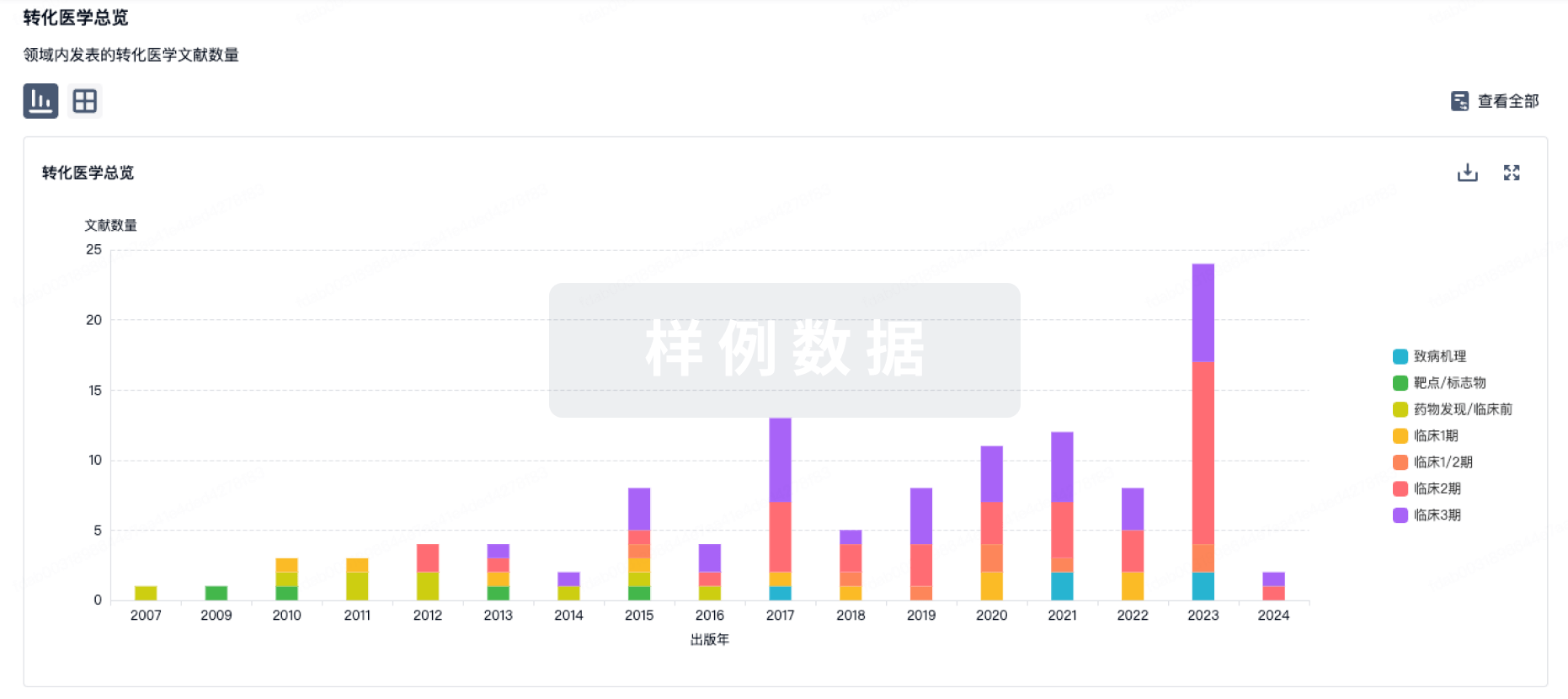
转化医学
使用我们的转化医学数据加速您的研究。
登录
或
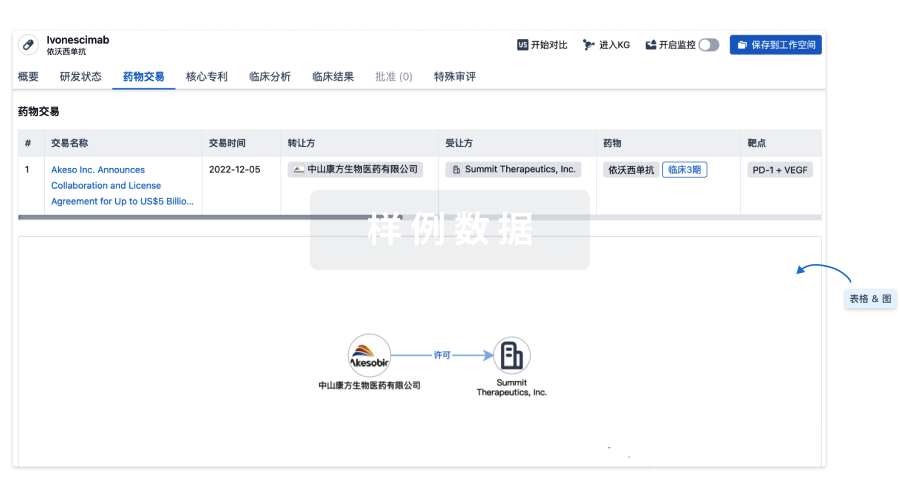
药物交易
使用我们的药物交易数据加速您的研究。
登录
或
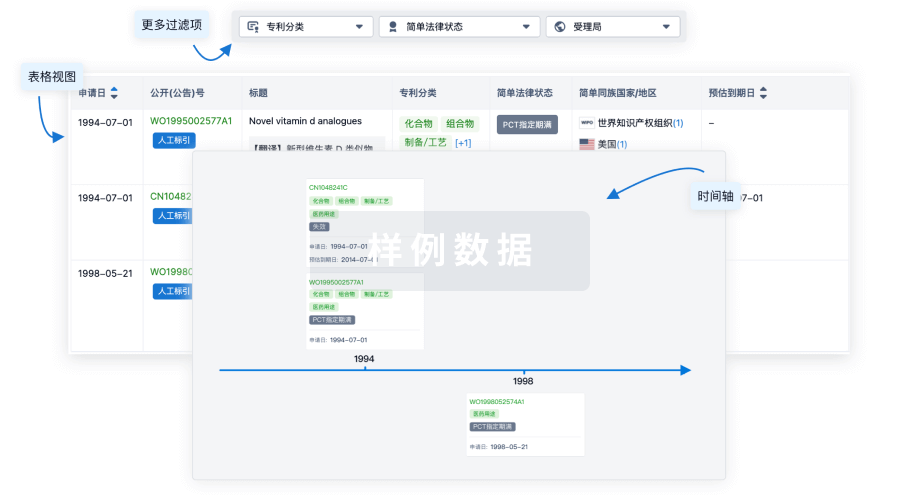
核心专利
使用我们的核心专利数据促进您的研究。
登录
或
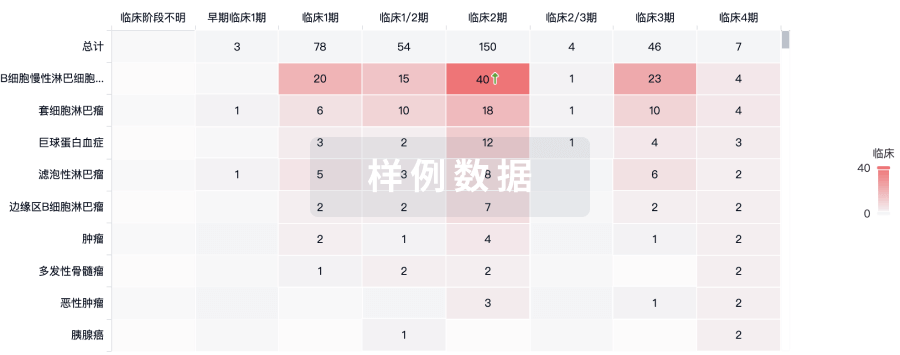
临床分析
紧跟全球注册中心的最新临床试验。
登录
或
批准
利用最新的监管批准信息加速您的研究。
登录
或
特殊审评
只需点击几下即可了解关键药物信息。
登录
或
生物医药百科问答
全新生物医药AI Agent 覆盖科研全链路,让突破性发现快人一步
立即开始免费试用!
智慧芽新药情报库是智慧芽专为生命科学人士构建的基于AI的创新药情报平台,助您全方位提升您的研发与决策效率。
立即开始数据试用!
智慧芽新药库数据也通过智慧芽数据服务平台,以API或者数据包形式对外开放,助您更加充分利用智慧芽新药情报信息。
生物序列数据库
生物药研发创新
免费使用
化学结构数据库
小分子化药研发创新
免费使用