预约演示
更新于:2026-02-07
Non-nucleoside reverse transcriptase inhibitors(Johnson & Johnson)
更新于:2026-02-07
概要
基本信息
在研机构- |
权益机构- |
最高研发阶段无进展临床前 |
首次获批日期- |
最高研发阶段(中国)- |
特殊审评- |
关联
100 项与 Non-nucleoside reverse transcriptase inhibitors(Johnson & Johnson) 相关的临床结果
登录后查看更多信息
100 项与 Non-nucleoside reverse transcriptase inhibitors(Johnson & Johnson) 相关的转化医学
登录后查看更多信息
100 项与 Non-nucleoside reverse transcriptase inhibitors(Johnson & Johnson) 相关的专利(医药)
登录后查看更多信息
191
项与 Non-nucleoside reverse transcriptase inhibitors(Johnson & Johnson) 相关的文献(医药)2026-01-01·HIV MEDICINE
Comorbidities, comedications and potential drug–drug interactions among people living with
HIV
in China
Article
作者: Zhang, Yong ; Zhou, Qunbo ; Ding, Yingying ; Yang, Yuecheng ; Han, Lei ; Xin, Xin ; Shi, Luqian ; Zhao, Yidan ; Jiang, Haibo ; Fu, Xiaobing ; Wu, Leshuang
Abstract:
Objective:
With increasing life expectancy among HIV‐positive persons in China, comorbidities, polypharmacy and potential drug–drug interactions (DDIs) present growing challenges. We evaluated these issues in the integrase strand transfer inhibitor (INSTI) era of antiretroviral therapy (ART).
Methods:
In this multi‐site, cross‐sectional study, we enrolled 5238 HIV‐positive persons from four geographically diverse regions of China. Using the University of Liverpool HIV Drug Interactions Database, we categorized potential DDIs as follows: no interaction (green), weak interaction (yellow), interaction requiring dose adjustment/monitoring (amber) or contraindicated (red).
Results:
The mean age of participants was 41.7 years; 1121 (21.4%) had at least one comorbidity. Notable treatment gaps were observed: 516 (46.0%) comorbid cases received no treatment, with particularly low treatment rates for hypertension (21.8%, 81/372), dyslipidaemia (45.3%, 86/190), diabetes (15.2%, 24/158), cardiovascular disease (23.0%, 20/87) and endocrine/metabolic disorders (58.6%, 85/142). Non‐ART medication use was reported by 604 (11.5%), most commonly antihypertensives (6.1%, 320/5238), antidiabetics (3.4%, 176/5238). Among medication users, 253 (41.8%) had potential DDIs: red‐flagged (1.0%, 4/604), amber‐flagged (32.5%, 198/604) and yellow‐flagged (8.3%, 51/604). Multivariable analysis revealed older age, overweight/obesity, urban insurance, lower income, lower CD4 counts and INSTI‐based regimens were positively associated with comorbidities and comedication use. Potential DDI risk increased with older age, longer ART duration, smoking, polypharmacy and non‐nucleoside reverse transcriptase inhibitors/protease inhibitor‐based regimens.
Conclusions:
Our findings reveal high comorbidity prevalence with significant treatment gaps and frequent potential DDIs among Chinese HIV‐positive persons, particularly involving cardiometabolic medications and non‐INSTI ART regimens. These results underscore the urgent need for integrated HIV/chronic care models incorporating routine DDI screening to improve clinical outcomes.
2025-10-01·HIV MEDICINE
The association between HIV drug resistance testing, viral suppression and mortality in Ontario: a retrospective cohort study
Article
作者: Mazzulli, Tony ; Seow, Hsien ; Burchell, Ann N ; Perez, Richard ; Mbuagbaw, Lawrence ; Garcia, Cristian ; Silva, Jessyca Matos ; Thabane, Lehana ; Logie, Carmen H ; Rachlis, Beth ; Alvarez, Elizabeth ; Smaill, Fiona ; Nguyen, Francis ; Tarride, Jean Eric ; Smieja, Marek ; Kroch, Abigail E
Abstract:
Background:
Drug resistance compromises the effectiveness of antiretroviral therapy (ART). Resistance testing prior to initiating therapy is recommended in guidelines in many high‐income countries, and it has been shown to improve outcomes after first‐line ART regimen failure. There is limited evidence on its role in treatment‐naïve individuals. We sought to investigate the association between resistance testing and viral suppression and mortality in people living with HIV initiating treatment in Ontario, Canada, where resistance testing became standard of care in 2014.
Methods:
We conducted a retrospective cohort study from 2005 to 2018 using Ontario health administrative databases linked to the Ontario HIV Treatment Network (OHTN) Cohort Study (OCS). Eligible cohort participants were those who had complete data within the follow‐up time range. We used logistic regression to compare the odds of viral suppression (<200 copies/mL, at 6–18 months) and death between people living with HIV who had a record of resistance testing prior to treatment and those who did not. We adjusted for age, sex, year ART was started, race, sexual orientation, level of education, income, adherence, anchor drug, immigration status, injection drug use, viral load and baseline CD4 count.
Results:
Of 1806 eligible participants, 716 were analysed for death, of which 3.7% had died at the end of follow‐up. Six hundred and ninety‐nine (699) were analysed for viral suppression, of which 94.6% achieved viral suppression. Resistance testing prior to ART initiation had no significant association with viral suppression (odds ratio [OR] 1.13; 95% confidence interval [CI] 0.58–2.22) or death (OR 1.06 95% CI 0.49–2.28) in the covariate‐adjusted models. Viral suppression was more likely in older age and in people who started treatment with non‐nucleoside reverse transcriptase inhibitors compared to protease inhibitors, and in people with a higher baseline CD4 count. The odds of death were higher in individuals who were older.
Conclusion:
Resistance testing was not associated with viral suppression and death. Outcomes were associated with clinical and demographic factors, notably regimen, baseline CD4 count and age.
2025-02-01·JOURNAL OF BIOCHEMICAL AND MOLECULAR TOXICOLOGY
Deciphering the Molecular Mechanisms of HAART‐Induced Hepatotoxicity
Review
作者: Karthick, Munusamy ; Mani, Uthirappan ; Sanjay, Somasundaram ; Ezhilarasan, Devaraj ; Sharmila, Muthusethupathi
ABSTRACT:
Highly active antiretroviral therapy (HAART), consisting of three or more antiretroviral drugs, is recommended for patients with HIV infection. HAART effectively reduces HIV RNA levels, lowers the risk of opportunistic infections, and improves immune function and survival rates. However, it is also associated with an increased risk of liver injury in HIV‐infected individuals. This review aims to summarize the mechanisms underlying HAART‐induced liver injury. A comprehensive search was conducted in PubMed and EMBASE using keywords such as “Antiretroviral/ARV drugs and drug‐induced liver injury (DILI),” “HAART and DILI,” “Antiretroviral therapy and DILI,” and “HIV infection and DILI.” Relevant papers published before March 2024 were included. Experimental studies have demonstrated that zidovudine and efavirenz can cause structural alterations in mitochondria, impair the respiratory chain, generate free radicals, and deplete mitochondrial DNA, leading to oxidative and endoplasmic reticulum stress, as well as the accumulation of advanced glycation end products in liver tissue. Zidovudine disrupts lipid homeostasis by increasing fatty acid synthesis and reducing metabolism. Efavirenz and its metabolite, 8‐hydroxyefavirenz, induce hepatocellular death and activate proapoptotic markers through c‐Jun N‐terminal kinase signaling. Additionally, lamivudine has been shown to induce liver injury and oxidative stress in rats. Clinically, approximately 50% of HIV patients on HAART regimens containing non‐nucleoside reverse transcriptase inhibitors experience mild to moderate liver injury. HAART regimens that include efavirenz, lamivudine, and tenofovir impair glucose and lipid homeostasis in rats, highlighting the need for caution in HIV patients with fatty liver disease. Patients with viral hepatitis coinfection, those taking antitubercular drugs or cotrimoxazole, and those on nevirapine‐containing regimens are at particularly high risk. Regular monitoring of liver function is essential to prevent liver damage associated with HAART in HIV‐infected patients. While HAART significantly improves survival rates in HIV patients, it also poses a considerable risk of liver injury, necessitating careful monitoring and management.
100 项与 Non-nucleoside reverse transcriptase inhibitors(Johnson & Johnson) 相关的药物交易
登录后查看更多信息
研发状态
10 条进展最快的记录, 后查看更多信息
登录
| 适应症 | 最高研发状态 | 国家/地区 | 公司 | 日期 |
|---|---|---|---|---|
| HIV感染 | 临床前 | 美国 | 2007-03-31 |
登录后查看更多信息
临床结果
临床结果
适应症
分期
评价
查看全部结果
| 研究 | 分期 | 人群特征 | 评价人数 | 分组 | 结果 | 评价 | 发布日期 |
|---|
No Data | |||||||
登录后查看更多信息
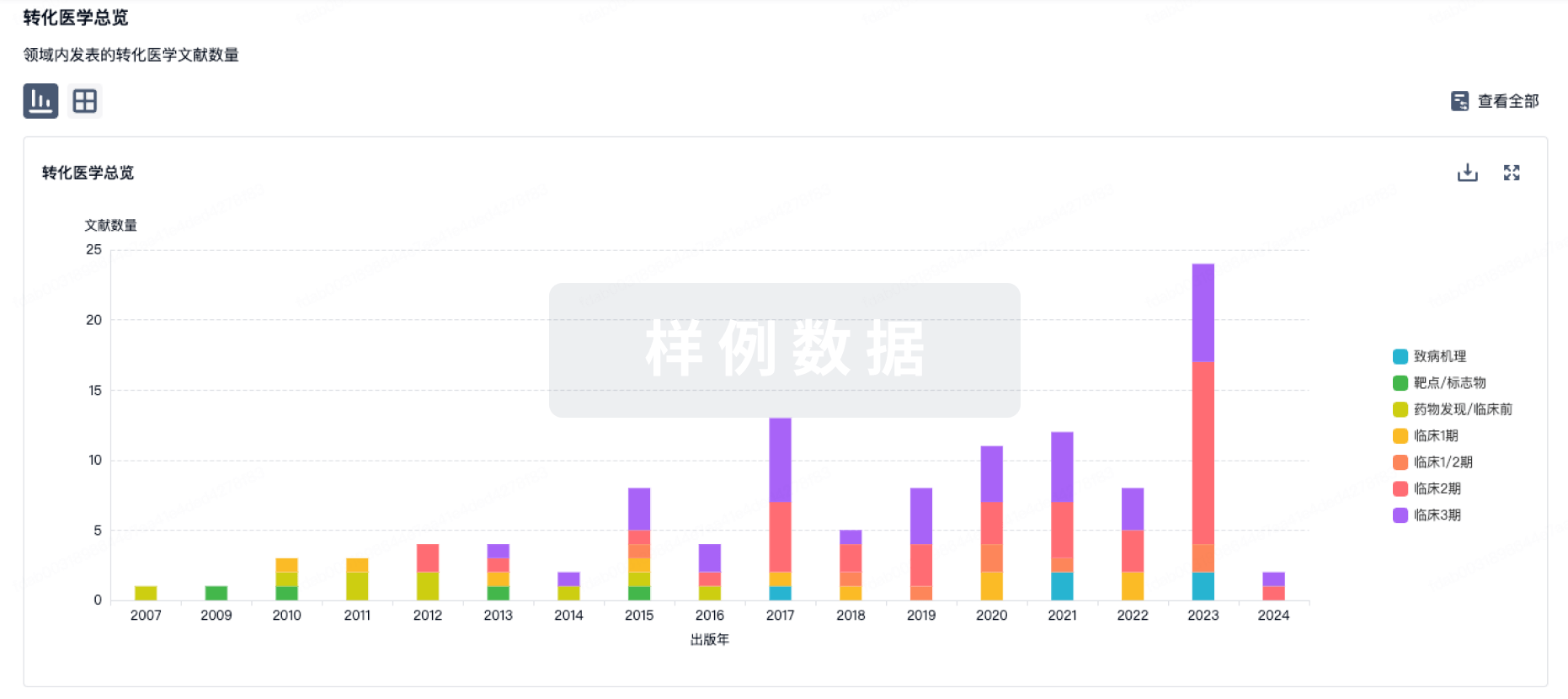
转化医学
使用我们的转化医学数据加速您的研究。
登录
或
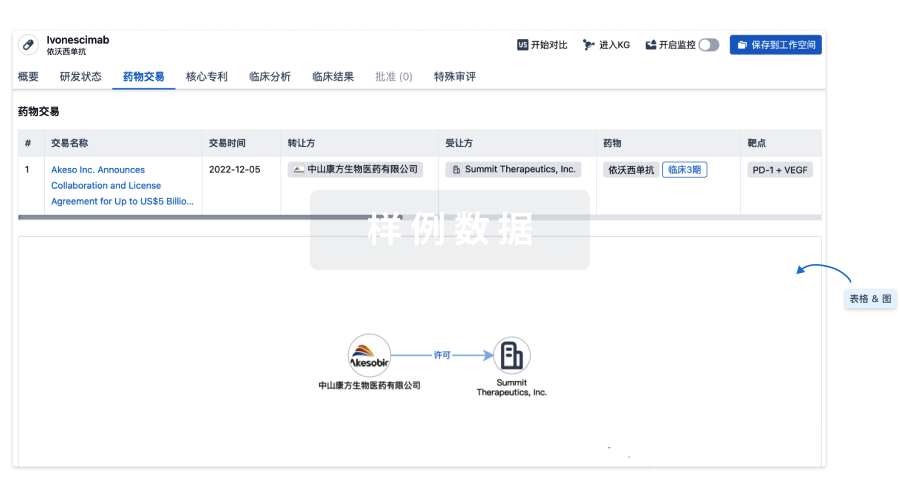
药物交易
使用我们的药物交易数据加速您的研究。
登录
或
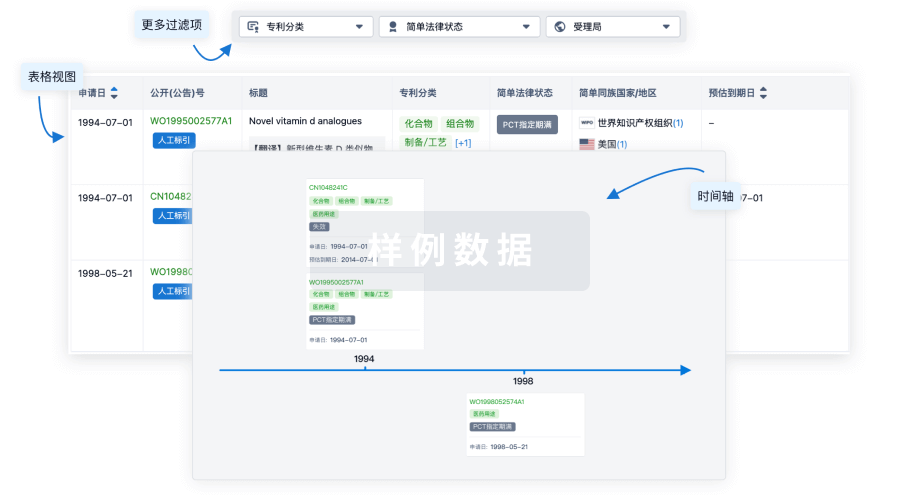
核心专利
使用我们的核心专利数据促进您的研究。
登录
或
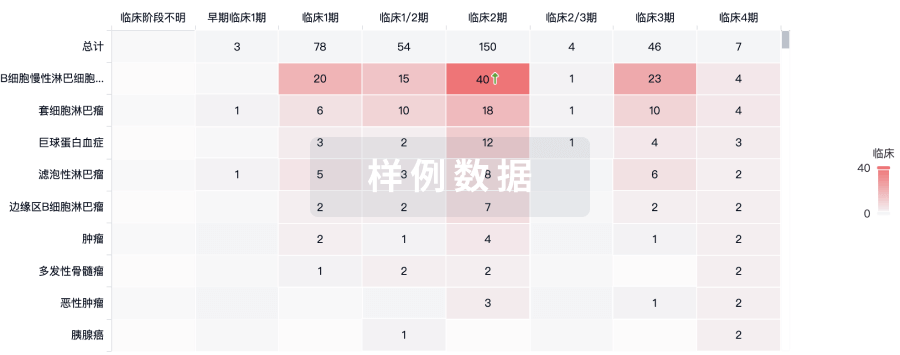
临床分析
紧跟全球注册中心的最新临床试验。
登录
或
批准
利用最新的监管批准信息加速您的研究。
登录
或
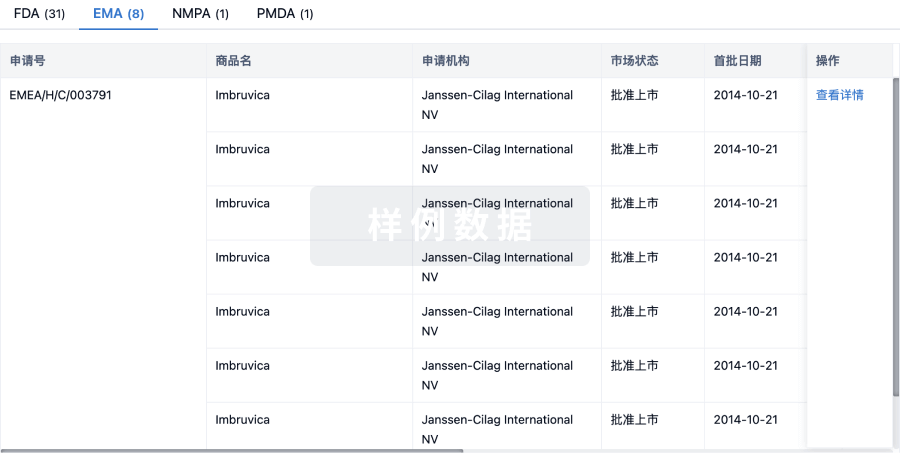
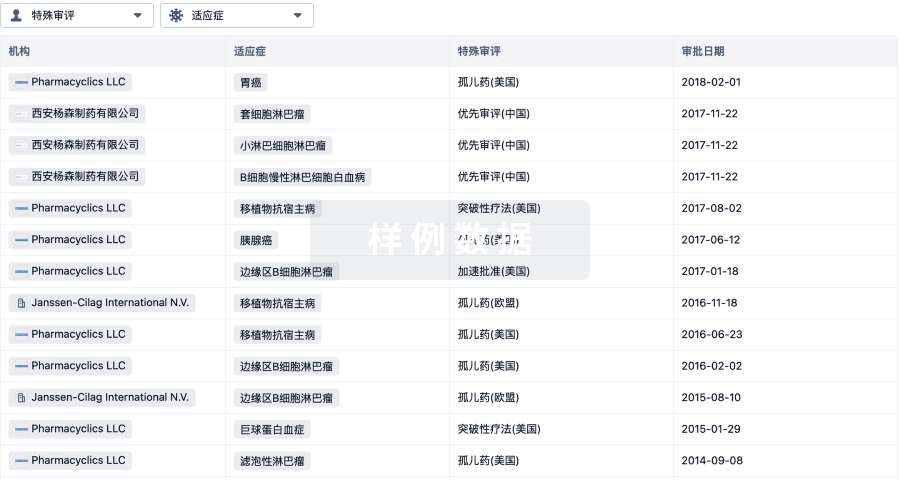
特殊审评
只需点击几下即可了解关键药物信息。
登录
或
生物医药百科问答
全新生物医药AI Agent 覆盖科研全链路,让突破性发现快人一步
立即开始免费试用!
智慧芽新药情报库是智慧芽专为生命科学人士构建的基于AI的创新药情报平台,助您全方位提升您的研发与决策效率。
立即开始数据试用!
智慧芽新药库数据也通过智慧芽数据服务平台,以API或者数据包形式对外开放,助您更加充分利用智慧芽新药情报信息。
生物序列数据库
生物药研发创新
免费使用
化学结构数据库
小分子化药研发创新
免费使用