预约演示
更新于:2026-01-31
Collagenase clostridium histolyticum(University of Alberta)
更新于:2026-01-31
概要
基本信息
在研机构- |
权益机构- |
最高研发阶段终止临床3期 |
首次获批日期- |
最高研发阶段(中国)- |
特殊审评- |

登录后查看时间轴
关联
1
项与 Collagenase clostridium histolyticum(University of Alberta) 相关的临床试验NCT01776892
Collagenase and Needle Aponeurotomy: Single Modality Versus Combination Treatment for Dupuytren's Disease
100 项与 Collagenase clostridium histolyticum(University of Alberta) 相关的临床结果
登录后查看更多信息
100 项与 Collagenase clostridium histolyticum(University of Alberta) 相关的转化医学
登录后查看更多信息
100 项与 Collagenase clostridium histolyticum(University of Alberta) 相关的专利(医药)
登录后查看更多信息
27
项与 Collagenase clostridium histolyticum(University of Alberta) 相关的文献(医药)2026-01-07Journal of Sexual Medicine
The impact of the “bent carrot”: Google search trends on Peyronie’s disease increased following the introduction of collagenase
clostridium histolyticum
advertisement campaign
Article
作者: Rotker, Katherine ; Choksi, Ankur U ; Honig, Stanton C ; Cahill, Ellen M
2025-05-10Journal of Sexual Medicine
Are patients undergoing intralesional collagenase Clostridium histolyticum injection therapy for Peyronie’s disease compliant? A 7-year analysis from a tertiary care men’s health center
Article
作者: Abou Chawareb, Elia ; Nakamura, Hana ; Yafi, Faysal A ; Lumbiganon, Supanut ; Hammad, Muhammed A M
Abstract:
Background:
Peyronie’s disease (PD) involves the formation of fibrous scar tissue in the penis, causing pain, deformity, and significant psychological and sexual distress. Intralesional injection of collagenase Clostridium histolyticum (CCH) has emerged as a promising non-surgical treatment, though patients may experience complications and require multiple clinic visits.
Aim:
This study aims to evaluate patient compliance with CCH therapy, compare outcomes between compliant and non-compliant groups, and identify reasons for non-compliance.
Methods:
This IRB-approved retrospective study analyzed patients with PD between 2017 and 2023. Patients were evaluated by a fellowship-trained andrologist. Patients who elected to have intralesional CCH were initially offered four cycles of treatment, with compliance defined as completing at least four cycles or achieving satisfactory results with fewer cycles.
Outcomes:
Data on demographics, disease characteristics, treatment modalities, compliance, and outcomes were extracted from electronic medical records, and causes of non-compliance were identified. Outcomes and complications were compared between compliant and non-compliant groups.
Results:
Two hundred and ninety-two PD patients elected to have an intralesional injection of collagenase CCH. Among these, 51.4% completed four treatment cycles, 14.7% received more than four cycles, and 33.9% received fewer than four cycles. The overall compliance rate for injection therapy, including those satisfied with fewer cycles, was 70.89%. Mean pre-treatment curvature for 292 patients was 46.77 ± 14.26 degrees. Compliant patients showed a greater percent of curvature reduction (median 44.44 (IQR 34.17) vs 33.33 (IQR 44.17), P = .034) and less post-treatment curvature in degree (median 25.00 (IQR 17.02) vs 30.00 (IQR 23.75), P = .032) compared to non-compliant patients. Common reasons for incomplete treatment included adverse effects (15.1%), early satisfaction with results (14.1%), and unknown factors (45.4%).
Clinical Implications:
Compliance with CCH therapy for PD significantly impacts treatment outcomes. Healthcare providers should address factors contributing to non-compliance. Qualitative studies are recommended to gain deeper insights into non-compliant patients.
Strengths and Limitations:
This study analyzed compliance in a large cohort of PD patients and compared outcomes between compliant and non-compliant groups. However, missing data in the non-compliant group and the bias between compliant and non-compliant patients in this retrospective study are major notable limitations.
Conclusion:
Overall compliance rate for CCH injection therapy was 70.89%. Greater curvature reduction was demonstrated in compliant patients. Common reasons for incomplete treatment included adverse effects (15.1%), early satisfaction with results (14.1%), and unknown factors (45.4%). However, missing data and bias from retrospective design are major limitations.
2025-01-01Case reports in urology
Late-Onset Penile Fracture After Collagenase Clostridium histolyticum Treatment for Peyronie's Disease in a 70-Year-Old Patient.
Article
作者: Masih, Sonia E ; Schuster, Timothy G ; Wainstein, Matthew D
Collagenase Clostridium histolyticum (CCH) injections are the gold standard for nonsurgical management of Peyronie's disease. While generally well tolerated, penis fracture is a known complication. Cases typically occur during intercourse in the weeks following treatment. Because of this, patients are advised to abstain from sexual activity for 4 weeks postinjection. Here, we present a case of corporal rupture occurring 32 days after treatment. This is only the third reported case occurring 30 days after injection. While the risk of penis fracture likely decreases with time, these cases illustrate that the risk may extend beyond 4 weeks.
100 项与 Collagenase clostridium histolyticum(University of Alberta) 相关的药物交易
登录后查看更多信息
研发状态
10 条进展最快的记录, 后查看更多信息
登录
| 适应症 | 最高研发状态 | 国家/地区 | 公司 | 日期 |
|---|---|---|---|---|
| 掌腱膜挛缩症 | 临床3期 | 加拿大 | 2013-05-01 |
登录后查看更多信息
临床结果
临床结果
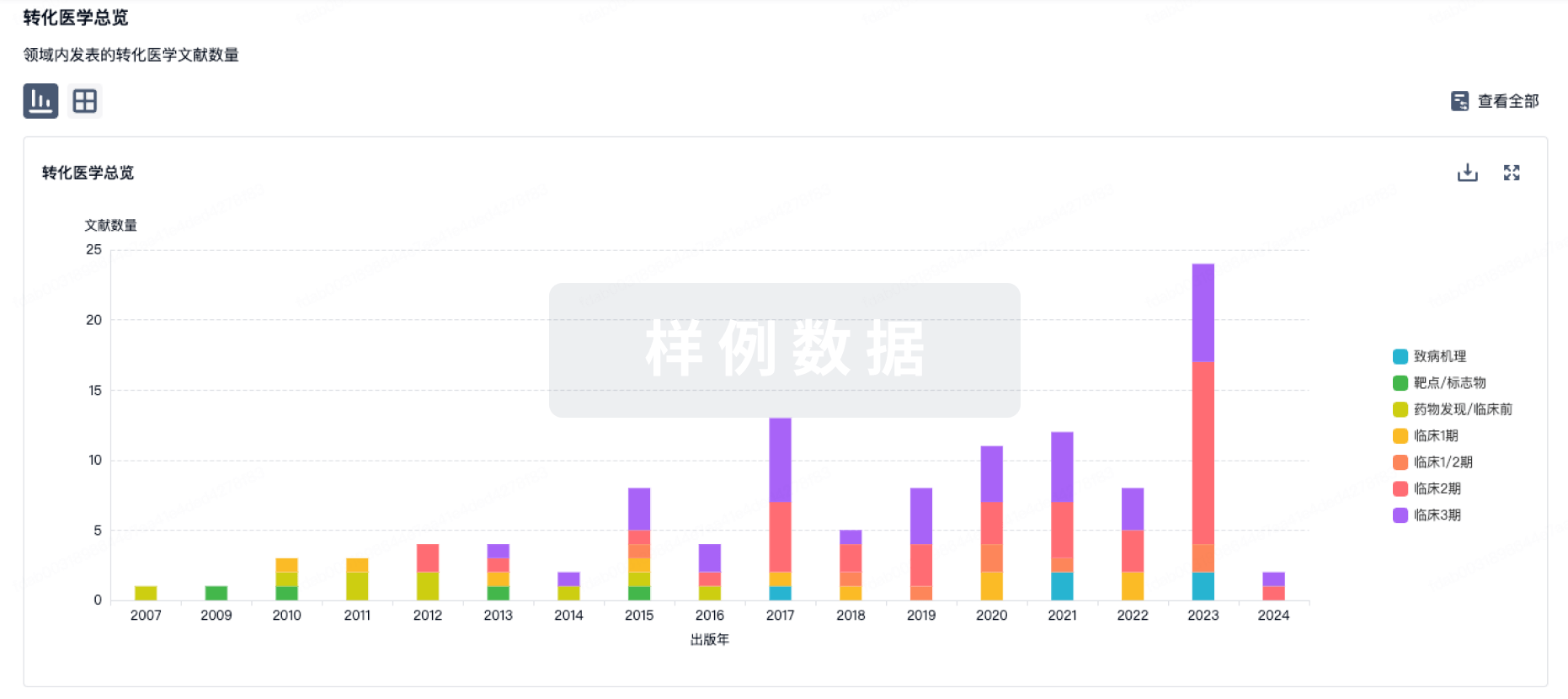
转化医学
使用我们的转化医学数据加速您的研究。
登录
或
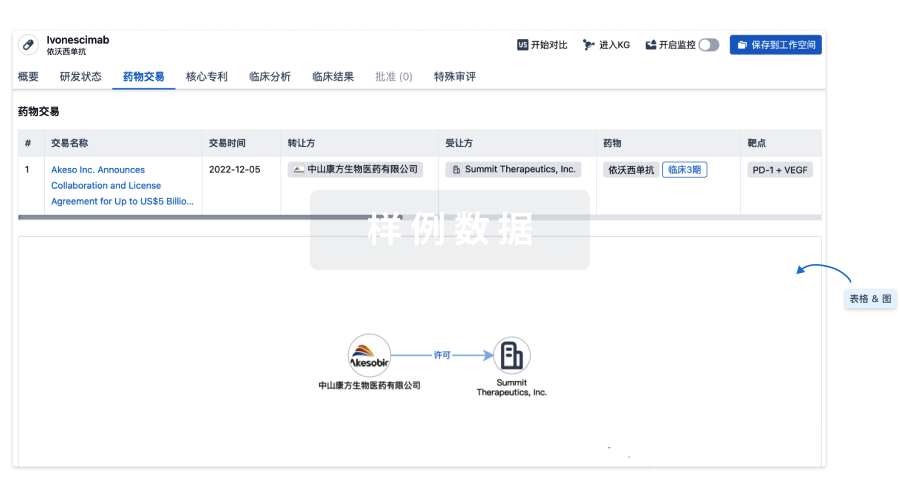
药物交易
使用我们的药物交易数据加速您的研究。
登录
或
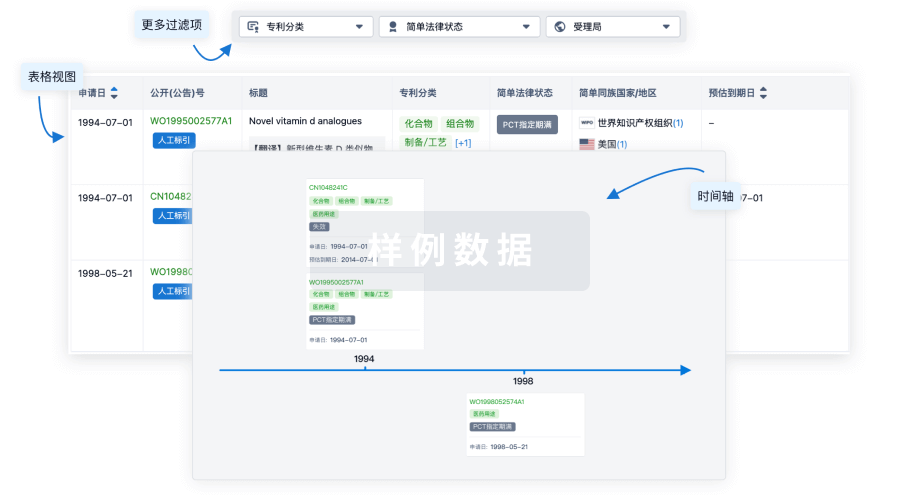
核心专利
使用我们的核心专利数据促进您的研究。
登录
或
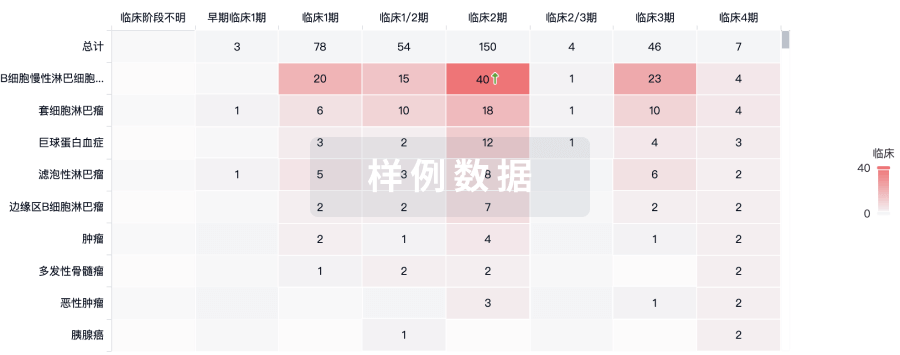
临床分析
紧跟全球注册中心的最新临床试验。
登录
或
批准
利用最新的监管批准信息加速您的研究。
登录
或
生物类似药
生物类似药在不同国家/地区的竞争态势。请注意临床1/2期并入临床2期,临床2/3期并入临床3期
登录
或
特殊审评
只需点击几下即可了解关键药物信息。
登录
或
生物医药百科问答
全新生物医药AI Agent 覆盖科研全链路,让突破性发现快人一步
立即开始免费试用!
智慧芽新药情报库是智慧芽专为生命科学人士构建的基于AI的创新药情报平台,助您全方位提升您的研发与决策效率。
立即开始数据试用!
智慧芽新药库数据也通过智慧芽数据服务平台,以API或者数据包形式对外开放,助您更加充分利用智慧芽新药情报信息。
生物序列数据库
生物药研发创新
免费使用
化学结构数据库
小分子化药研发创新
免费使用