预约演示
更新于:2026-01-27
68Ga-HER2 Affibody
更新于:2026-01-27
概要
基本信息
结构/序列
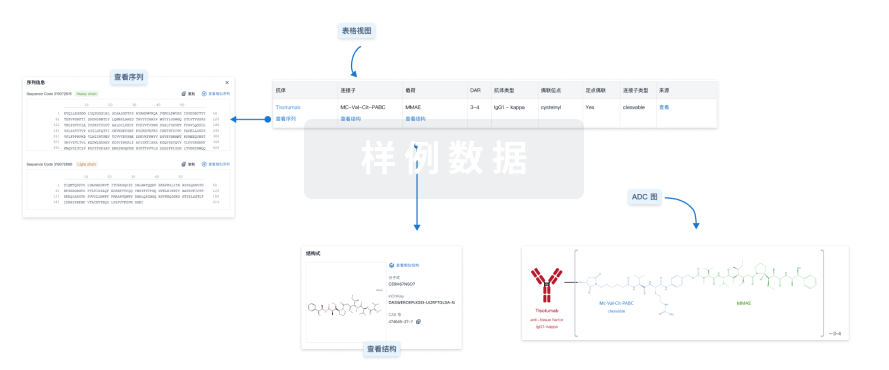
使用我们的ADC技术数据为新药研发加速。
登录
或
关联
1
项与 68Ga-HER2 Affibody 相关的临床试验NCT05411432
Clinical Study of 68Ga Labeled HER2 Affibody Analogues in Healthy Volunteers and Patients With Breast or Gastric Tumors
The purpose of this study is to assess the dosimetric properties of the positron emission tomography (PET) imaging probe 68Ga labeled HER2 Affibody analogues and preliminarily evaluate its diagnosis value in patients with breast or gastric tumors.
开始日期2022-06-01 |
申办/合作机构 |
100 项与 68Ga-HER2 Affibody 相关的临床结果
登录后查看更多信息
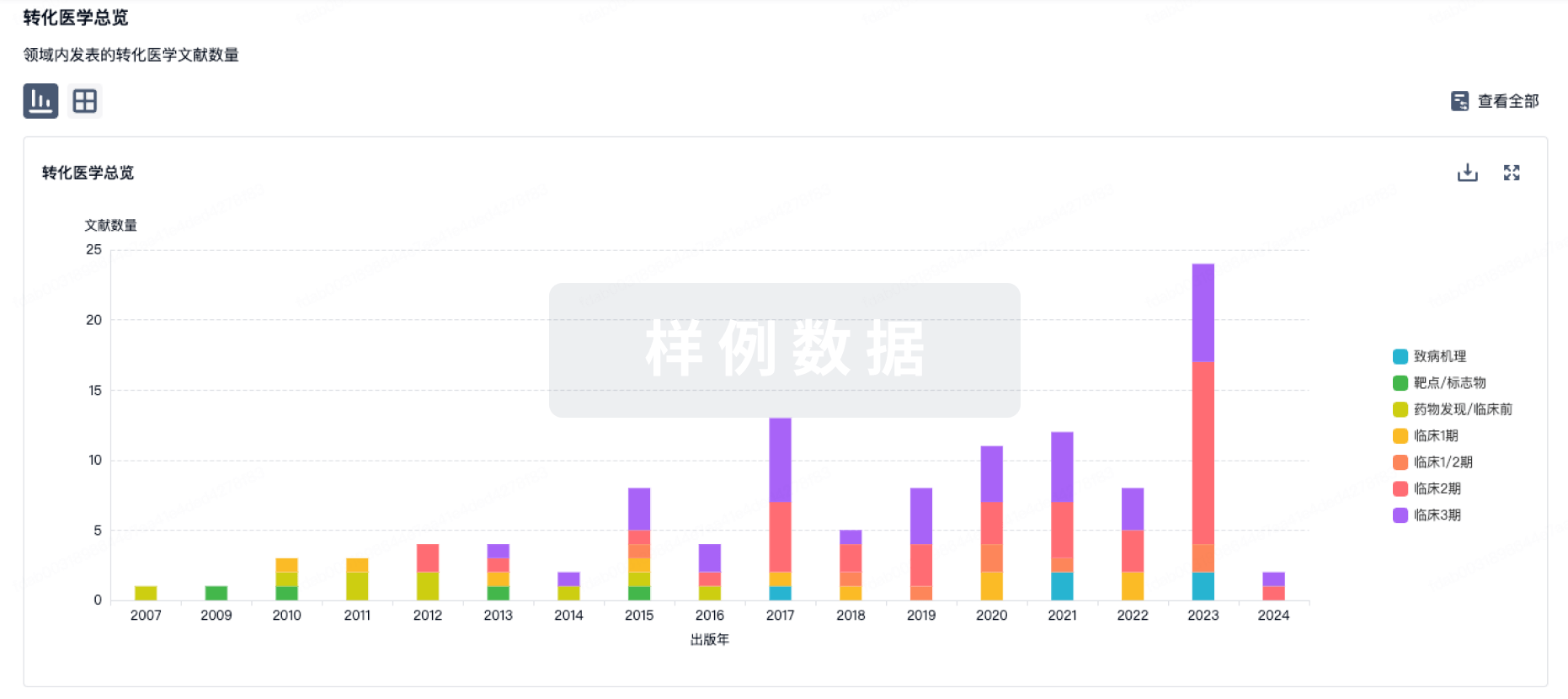
100 项与 68Ga-HER2 Affibody 相关的转化医学
登录后查看更多信息
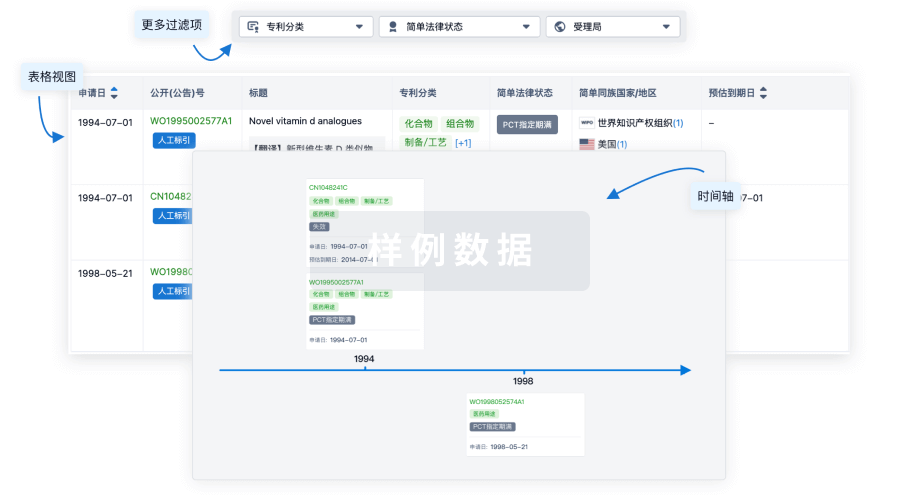
100 项与 68Ga-HER2 Affibody 相关的专利(医药)
登录后查看更多信息
5
项与 68Ga-HER2 Affibody 相关的文献(医药)2026-02-01·CLINICAL NUCLEAR MEDICINE
Noninvasive Evaluation of HER2 Expression and Heterogeneity in Urothelial Carcinoma on 68Ga-HER2-affibody PET/CT
Article
作者: Duan, Xiaojiang ; Tao, Zihao ; Zhang, Jianhua ; Tang, Qi ; Li, Xuesong ; Yin, Lei ; Chen, Xueqi ; Li, Hongyun ; Li, Xiaoying
Purpose::
Human epidermal growth factor receptor 2 (HER2) is a promising therapeutic target in urothelial carcinoma (UC). We aimed to evaluate the feasibility of
68
Ga-HER2 affibody PET/CT in assessing HER2 expression and tumor heterogeneity, and to explore its utility for guiding HER2-targeted therapy in UC.
Patients and Methods::
Thirty-two patients with UC who underwent
68
Ga-HER2-affibody and
18
F-FDG-PET/CT were prospectively recruited from September 2024 to April 2025. Semiquantitative PET/CT parameters (SUVmax, SUVmean, TMR, HER2-TV
/
MTV, and TL-HER2/TLG) were analyzed across HER2 statuses. Intrapatient heterogeneity of SUVmax across lesions was assessed by the coefficient of variation (CV).
Results::
HER2-positive patients demonstrated significantly higher SUVmax, SUVmean, TMR, and HER2-TV of
68
Ga-HER2-affibody PET/CT compared with HER2-negative patients (all
P
< 0.05). No significant differences were observed in
18
F-FDG PET/CT except for MTV and TLG (
P
< 0.05). ROC analysis revealed strong predictive value for HER2-SUVmax (AUC: 0.87) and TMR (AUC: 0.88) in differentiating HER2-negative/positive. Stepwise increases in HER2-PET/CT parameters were observed across HER2 immunohistochemistry statuses (
Ptrend
< 0.05). HER2-PET/CT demonstrated high heterogeneity, with a median SUVmax CV of 49.7% (IQR: 29.7%–64%) across intrapatient metastatic lesions. In 7 patients receiving HER2-target therapy, 2 patients with low HER2 uptake on PET/CT developed progressive disease, whereas 4 of 5 patients with high uptake achieved a partial response.
Conclusions::
68
Ga-HER2 affibody PET/CT is a feasible method to detect the HER2 status and heterogeneity in UC patients noninvasively. This method provides a valuable tool for identifying patients who benefit from HER2-target therapy.
2025-12-01·ANNALS OF NUCLEAR MEDICINE
Comment on the impact of anti-HER2 therapy on the accuracy of 68 Ga-HER2-affibody PET/CT imaging in metastatic breast cancer
Letter
作者: Jiani, Ye ; Jiaming, Song
2025-10-01·European Journal of Nuclear Medicine and Molecular Imaging
HER2-targeted PET/CT imaging provides potential biomarkers for differentiating HER2-zero, -low, and -positive breast cancer
Article
作者: Chen, Jinzhi ; Fu, Zijian ; Liu, Meng ; Duan, Xiaojiang ; Zhu, Xiaojuan ; Gao, Yuan ; Liu, Qian ; Xu, Ling ; Ye, Jingming ; Yin, Lei ; Xiang, Hongyu ; Xin, Ling
PURPOSE:
Human epidermal growth factor receptor 2 (HER2)-targeted antibody-drug conjugates (ADCs) in breast cancer is progressing rapidly, asking for precise categorization of HER2 expression. Our aim was to explore the HER2-affibody uptake characteristics in breast cancer and to find potential biomarkers for differentiating HER2 status, in comparison with 18F-FDG PET/CT.
METHODS:
In this prospective study conducted from May 2024 to Jan 2025, participants with newly diagnosed breast cancer underwent both 68Ga-HER2-affibody and 18F-FDG PET/CT examinations. The relationship between PET parameters (such as maximum standardized uptake value (SUVmax), mean standardized uptake value (SUVmean), tumor-to-background SUV ratio (TBR)) and HER2 expression statuses (HER2-zero, -low and -positive) was analyzed.
RESULTS:
A total of 57 female participants (58 primary lesions) with newly diagnosed breast cancer were included. In the paired comparison of 68Ga-HER2-affibody and 18F-FDG PET/CT, HER2-TBR was higher than FDG-TBR in the HER2-low and HER2-positive group, respectively (P < 0.001). HER2-SUVmax and HER2-SUVmean exhibited differences across most comparisons, especially HER2-zero vs. -low (P < 0.05). HER2-SUVmean emerged as an independent predictor (P = 0.01; OR: 2.8) for differentiating HER2-low/positive and -zero, yielding an AUC of 0.91. Under detailed HER2 immunohistochemistry, HER2-SUVmax, -SUVmean and -TBR demonstrated intergroup differences (P < 0.05).
CONCLUSION:
HER2-targeted PET/CT imaging demonstrated distinct advantages over 18F-FDG PET/CT imaging in characterizing the HER2 status of primary lesions. Parameters based on HER2-affibody differed significantly among different HER2 statuses, and might be potential imaging indicators for screening patients with HER2-low/positive who could benefit from HER2-targeted ADCs.
CLINICALTRIALS:
GOV IDENTIFIER:
NCT06289517 (2024-03-04).
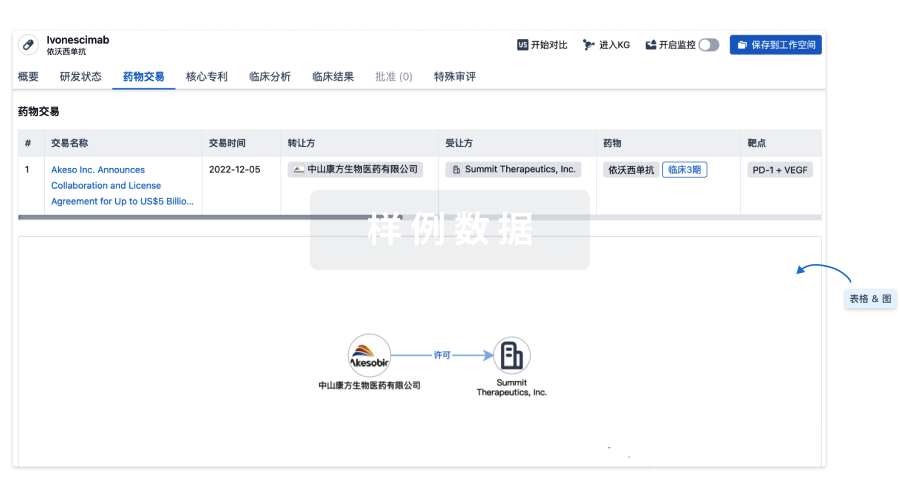
100 项与 68Ga-HER2 Affibody 相关的药物交易
登录后查看更多信息
研发状态
临床结果
临床结果
适应症
分期
评价
查看全部结果
| 研究 | 分期 | 人群特征 | 评价人数 | 分组 | 结果 | 评价 | 发布日期 |
|---|
No Data | |||||||
登录后查看更多信息
转化医学
使用我们的转化医学数据加速您的研究。
登录
或
药物交易
使用我们的药物交易数据加速您的研究。
登录
或
核心专利
使用我们的核心专利数据促进您的研究。
登录
或
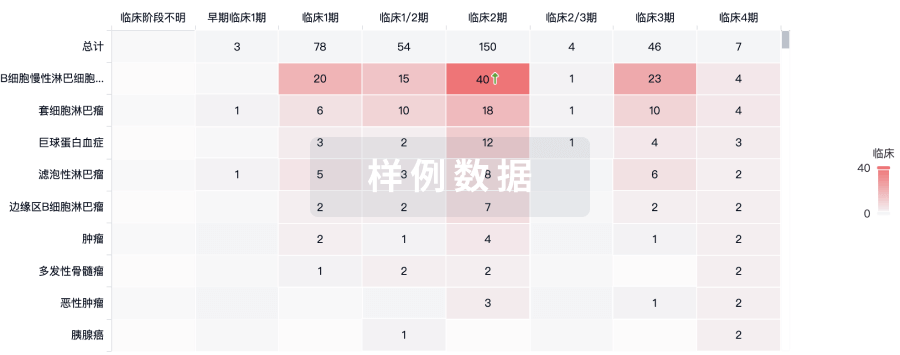
临床分析
紧跟全球注册中心的最新临床试验。
登录
或
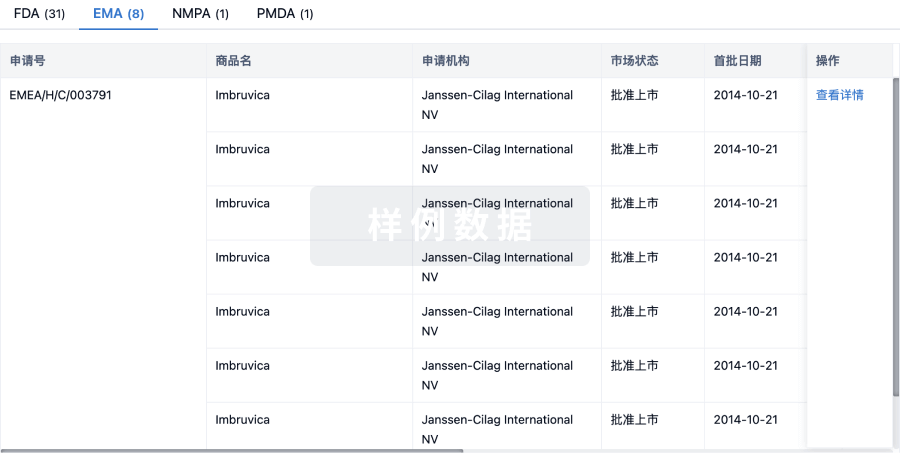
批准
利用最新的监管批准信息加速您的研究。
登录
或
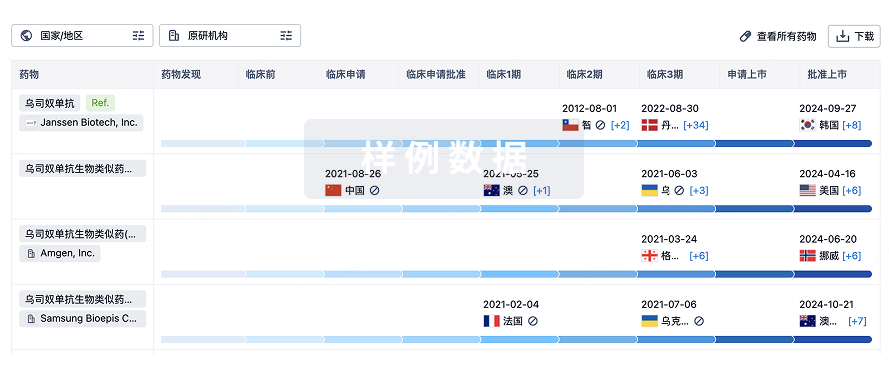
生物类似药
生物类似药在不同国家/地区的竞争态势。请注意临床1/2期并入临床2期,临床2/3期并入临床3期
登录
或
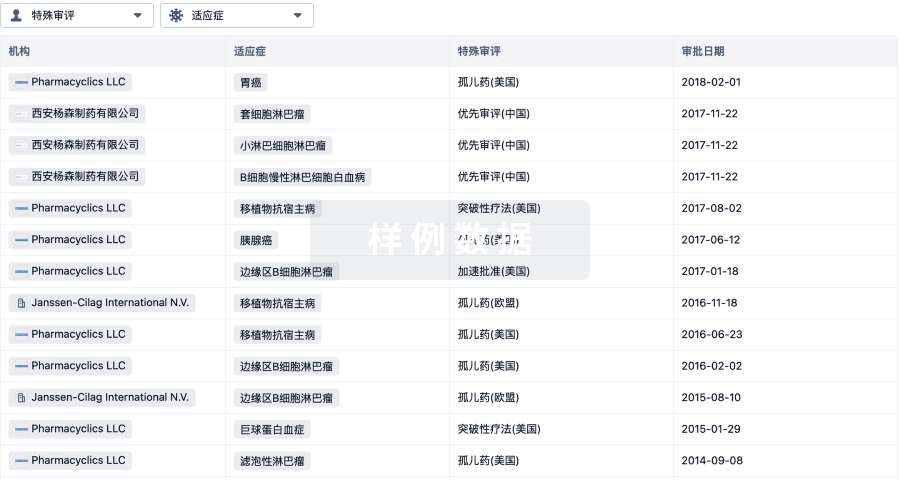
特殊审评
只需点击几下即可了解关键药物信息。
登录
或
生物医药百科问答
全新生物医药AI Agent 覆盖科研全链路,让突破性发现快人一步
立即开始免费试用!
智慧芽新药情报库是智慧芽专为生命科学人士构建的基于AI的创新药情报平台,助您全方位提升您的研发与决策效率。
立即开始数据试用!
智慧芽新药库数据也通过智慧芽数据服务平台,以API或者数据包形式对外开放,助您更加充分利用智慧芽新药情报信息。
生物序列数据库
生物药研发创新
免费使用
化学结构数据库
小分子化药研发创新
免费使用