预约演示
更新于:2025-11-21
BXP-9
更新于:2025-11-21
概要
基本信息
在研机构- |
非在研机构 |
权益机构- |
最高研发阶段无进展药物发现 |
首次获批日期- |
最高研发阶段(中国)- |
特殊审评- |
关联
1
项与 BXP-9 相关的临床试验CTRI/2021/04/032562
A comparative Clinical Study of Marham-e-Khal and Povidone Iodine 5% Ointment in Non healing ulcers.
开始日期2021-04-15 |
100 项与 BXP-9 相关的临床结果
登录后查看更多信息
100 项与 BXP-9 相关的转化医学
登录后查看更多信息
100 项与 BXP-9 相关的专利(医药)
登录后查看更多信息
175
项与 BXP-9 相关的文献(医药)2025-12-01·Animal Bioscience
Cecropin supplementation improves growth performance by regulating immune function, rumen fermentation and microbiota in goats
Article
作者: Zhou, Xinhong ; Shen, Xiaoyun
Objective: This study aimed to determine the effects of cecropin on the growth performance, antioxidant capacity, immune function, rumen fermentation parameters, and rumen microbiota of goats.Methods: Twelve male Yudong black goats were randomly divided into two groups, with 6 replicates per group. The control group (CON) was fed a basic diet, while the antimicrobial peptide group (AMP) received a diet supplemented with 500 mg/kg cecropin. The experimental period lasted for 60 days.Results: Compared with the CON group, the AMP group showed significantly improved FW (35.46 vs. 37.33 kg, p<0.05), average daily gain (205.19 vs. 234.78 g/d, p<0.05), and reduced feed-to-gain ratio (6.45 vs. 5.66, p<0.05). The AMP group presented significantly higher SOD, GSH-Px, and CAT activities and total antioxidant capacitylevels in the serum, while the MDA content was significantly lower (p<0.05). Furthermore, compared with the CON group, the les of IgG, IgA, and IL-10 in the AMP group were significanveltly increased, while the levels of IL-2, IL-6, IL-1β, and TNF-α were significantly decreased (p<0.05). In the rumen fluid, the AMP group presented significantly greater propionate and total volatile fatty acid levels, with a significantly lower acetate/propionate ratio (p<0.05). Microbial analysis revealed differences in rumen microbiota diversity and composition between the two groups. At the phylum level, the AMP group presented significantly greater abundances of Bacteroidota, Fibrobacterota, Desulfobacterota, and Elusimicrobiota, whereas the Firmicutes abundance was significantly lower than that in the CON group (p<0.05). At the genus level, the AMP group presented significantly greater abundances of Prevotella, Rikenellaceae_RC9_gut_group, F082, Fibrobacter, Prevotellaceae_ UCG-003, Bacteroidales_RF16_group, Christensenellaceae_R-7_group, and UCG-010, whereas the abundances of Prevotellaceae_UCG-001 and Butyrivibrio were significantly lower (p<0.05).Conclusion: Overall, these results suggest that adding 500 mg/kg cecropin to the diet promotes goat growth performance by improving serum antioxidant capacity and immune function, optimizing rumen fermentation parameters, and modulating rumen microbiota.
2025-10-07·Microbiology Spectrum
Can antimicrobial peptides provide an improved antimicrobial strategy for treatment of
Cutibacterium acnes
prosthetic joint infection?
Article
作者: Bruni, Gillian O.
ABSTRACT:
With increasing antibiotic resistance and the paucity of new antibiotics in the development pipeline, exploration of antimicrobial peptide applications alone or in combination with existing antibiotics is more crucial than ever. The recent study by J. Varin-Simon, E. F. Haney, M. Colin, F. Velard, et al. (Microbiol Spectr 13:e02523-24, 2025,
https://doi.org/10.1128/spectrum.02523-24
), investigated the use of synthetic D-amino acid host defense peptides (HDP) to mitigate
Cutibacterium acnes
-mediated anaerobic prosthetic joint infections (PJIs). Two of the synthetic HDPs, DJK5 and AB009-D, inhibited planktonic
C. acnes
and adherence to abiotic surfaces, while AB101-D exhibited antibiofilm activity. Moreover, co-administration of some HDPs with antibiotics showed slight reductions in antibiotic MIC. Finally, the D-amino acid HDPs AB009-D and AB101-D significantly reduced osteoblast internalization of
C. acnes,
potentially via bactericidal activity prior to internalization. Further studies are needed to develop multi-faceted, innovative antimicrobial strategies to prevent and treat PJIs with broader impact on antimicrobial control in health and industry.
2025-10-01·Probiotics and Antimicrobial Proteins
Comparative Effects of Antibiotic and Antimicrobial Peptide on Growth Performance, Gut Morphology, Intestinal Lesion Score, Ileal Microbial Counts, and Immune Status in Broilers Challenged with Necrotic Enteritis
Article
作者: Khan, Ehsaan Ullah ; Ahmad, Sohail ; Khan, Muhammad Umar Zafar ; Muneeb, Muhammad ; Haque, Muhammad Naveed Ul ; Ali, Mubashar
This experiment aimed to compare the efficacy of an antimicrobial peptide (AMP) with a conventional antibiotic growth promoter (AGP) during necrotic enteritis (NE) challenge in broilers. In total, 720 1-day-old exclusively male broiler chicks (Ross-308) were allocated to five treatments, each with six replicates of 24 birds (n = 144/treatment), for 35 days. The treatments were as follows: (1) uninfected control (UC) with basal diet, (2) infected control (IC) with C. perfringens challenge and basal diet, (3) CP-AGP with C. perfringens challenge and 200 g/ton enramycin throughout trial, (4) CP-AMP1 with C. perfringens challenge and 200 g/ton AMP in all phases, and (5) CP-AMP2 with C. perfringens challenge and 300 g/ton AMP throughout experiment. To induce NE, the birds were predisposed with 10 × coccidia vaccine (day 15) followed by oral gavage of C. perfringens type G (1 ml; 1 × 10⁸ CFU/ml/bird) at days 19 and 20. The results showed that AMP supplemented at 300 g/ton of diet improved body weight gain and FCR in both non-challenge (days 1-14) and challenge phases (days 15-35) as compared to the infected control (P < 0.05). Moreover, it also enhanced the livability and production efficiency factor (P < 0.0001). AMP at 300 g/ton also reduced NE lesion scores, and coccidia oocyst shedding, and positively affected intestinal morphology, gut microbial balance, immune organ weights, and HI titers against Newcastle disease (P < 0.0001). These findings suggest that AMP at 300 g/ton of diet could effectively mitigate NE and may be used as a viable substitute for AGPs in broiler diets during the NE challenge.
100 项与 BXP-9 相关的药物交易
登录后查看更多信息
研发状态
10 条进展最快的记录, 后查看更多信息
登录
| 适应症 | 最高研发状态 | 国家/地区 | 公司 | 日期 |
|---|---|---|---|---|
| 感染 | 药物发现 | 韩国 | - |
登录后查看更多信息
临床结果
临床结果
适应症
分期
评价
查看全部结果
| 研究 | 分期 | 人群特征 | 评价人数 | 分组 | 结果 | 评价 | 发布日期 |
|---|
No Data | |||||||
登录后查看更多信息
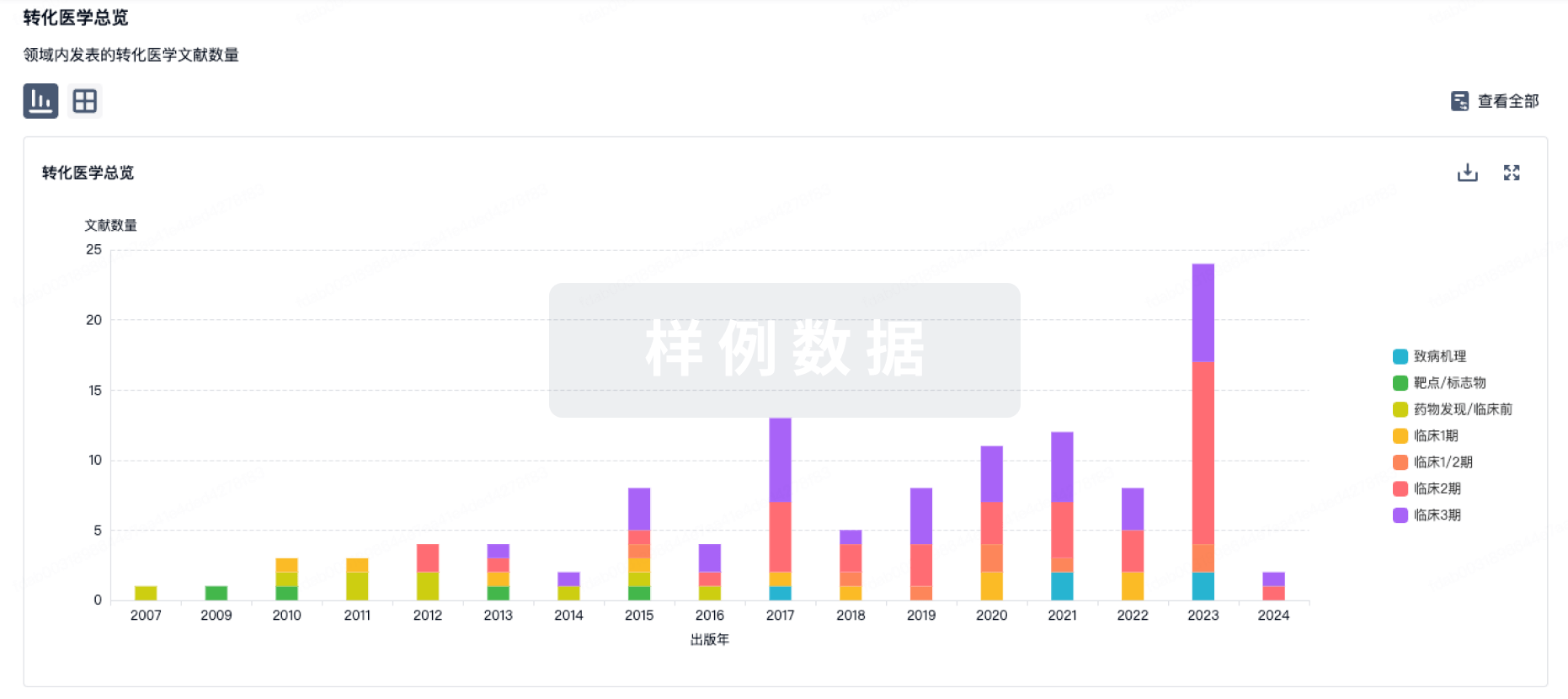
转化医学
使用我们的转化医学数据加速您的研究。
登录
或
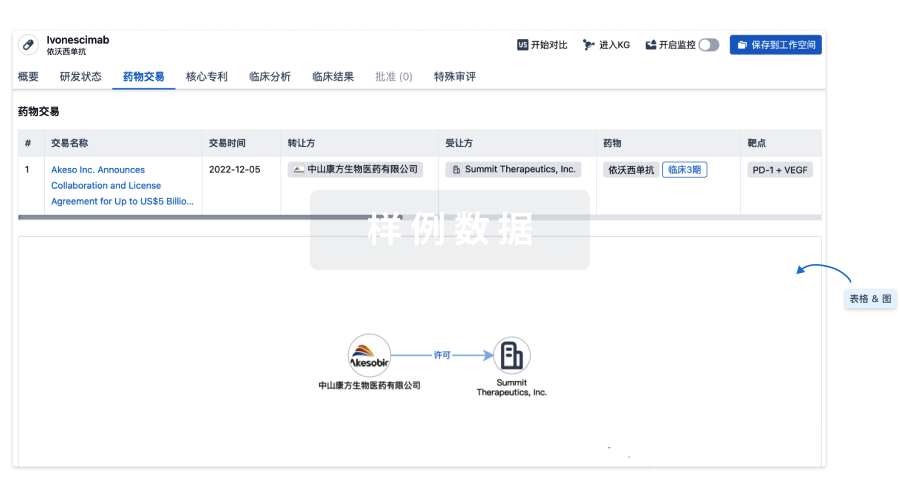
药物交易
使用我们的药物交易数据加速您的研究。
登录
或
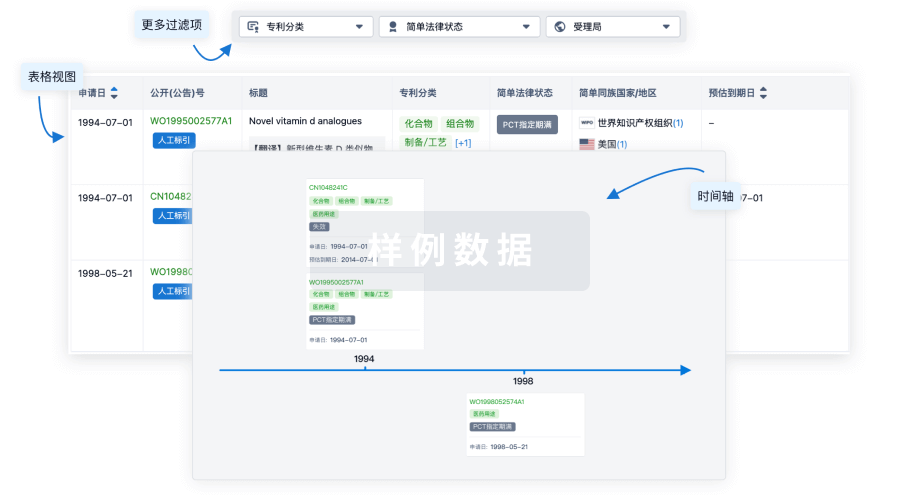
核心专利
使用我们的核心专利数据促进您的研究。
登录
或
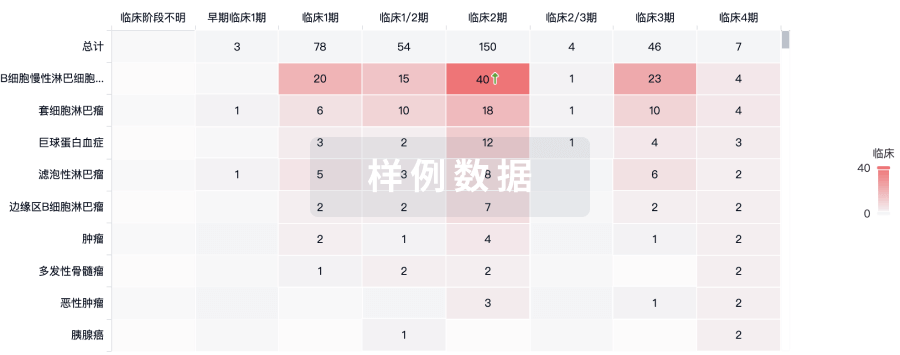
临床分析
紧跟全球注册中心的最新临床试验。
登录
或
批准
利用最新的监管批准信息加速您的研究。
登录
或
特殊审评
只需点击几下即可了解关键药物信息。
登录
或
生物医药百科问答
全新生物医药AI Agent 覆盖科研全链路,让突破性发现快人一步
立即开始免费试用!
智慧芽新药情报库是智慧芽专为生命科学人士构建的基于AI的创新药情报平台,助您全方位提升您的研发与决策效率。
立即开始数据试用!
智慧芽新药库数据也通过智慧芽数据服务平台,以API或者数据包形式对外开放,助您更加充分利用智慧芽新药情报信息。
生物序列数据库
生物药研发创新
免费使用
化学结构数据库
小分子化药研发创新
免费使用