预约演示
更新于:2026-09-04
Hycanthone
海蒽酮
更新于:2026-09-04
概要
基本信息
结构/序列
分子式C20H24N2O2S |
InChIKeyMFZWMTSUNYWVBU-UHFFFAOYSA-N |
CAS号3105-97-3 |
关联
100 项与 海蒽酮 相关的临床结果
登录后查看更多信息
100 项与 海蒽酮 相关的转化医学
登录后查看更多信息
100 项与 海蒽酮 相关的专利(医药)
登录后查看更多信息
435
项与 海蒽酮 相关的文献(医药)2025-02-01·WORLD JOURNAL OF MICROBIOLOGY & BIOTECHNOLOGY
Evaluating the antibacterial efficacy of bee venom against multidrug-resistant pathogenic bacteria: Escherichia coli, Salmonella typhimurium, and Enterococcus faecalis
Article
作者: Behiry, Said ; Teiba, Islam I ; El-Bilawy, Emad H ; Mamdouh, Islam
Abstract:
Bee venom (BV) represents a promising natural alternative to conventional antibiotics, particularly significant given its broad-spectrum antimicrobial activity and potential to address the growing challenge of antimicrobial resistance. The prevalence of antimicrobial-resistant microorganisms (AMR) is a global burden that affects human health and the economies of different countries. As a result, several scientific communities around the world are searching for safe alternatives to antibiotics. In this context, the present study represents a comprehensive investigation to evaluate the antibacterial effect of bee venom (BV) against Escherichia coli ATCC8739, Salmonella typhimurium ATCC14028, and Enterococcus faecalis ATCC25923. One mg of BV was extracted using 1 mL of DMSO to obtain a 1000 µg/mL solution. The chemical profile of the BV extract was determined using GC-MS, which revealed the presence of bioactive molecules with antimicrobial properties, such as astaxanthin, hycanthone, and fucoxanthin. The BV extract was tested against bacterial strains using different concentrations to obtain the minimum inhibitory concentrations (MIC) and minimum bactericidal concentrations (MBC). The results obtained revealed a high antibacterial activity of BV against the three strains with the highest MIC/MBC values of 12.5/25 µgml− 1 against S. typhimurium. The antibacterial activity of the BV extract was compared to five conventional antibiotics using the disc diffusion method. The results showed a high antibacterial activity of the BV extract compared to different antibiotics with the largest inhibition zone obtained against E. faecalis at a value of 15 ± 0.22 mm compared to 9 ± 0.13 for azithromycin. The mode of action of BV, examined using scanning electron microscopy, proved a high effect of BV on the permeability of the bacterial plasma membrane. This study demonstrates bee venom’s promising potential as a natural and eco-friendly antimicrobial agent, with activity against multiple bacterial strains, suggesting it may serve as an alternative to conventional antibiotics. The findings highlight the potential applications of BV in medical, agricultural, and veterinary fields, offering a sustainable solution to combat antimicrobial resistance. However, further studies are needed to fully assess its broad-spectrum antibacterial potential.Clinical trial number Not applicable.
2025-01-01·AQUACULTURE
Impacts of dietary Ajwain (Trachyspermum ammi L.) on growth, antioxidative capacity, immune responses, and intestinal histology of grey mullet (Liza ramada)
作者: Teiba, Islam I. ; El-Hais, Abdelaziz M. ; Soliman, Ali A. ; Luo, Zhi ; Abu-Elala, Nermeen M. ; Mamdouh, Islam ; Hussein, Aya Tallah ; Gabr, Sherif A. ; El Basuini, Mohammed F. ; Zaineldin, Amr I. ; El-Ratel, Ibrahim T. ; Elhetawy, Ashraf I. G. ; El-Serafy, Rasha S. ; El-Bilawy, Emad H. ; Gewaily, Mahmoud S. ; Shehata, Akram Ismael ; Elhetawy, Ashraf I.G.
This study investigated the impacts of dietary supplements with ajwain seed extract (ASE) on the growth, biochem. parameters, digestive enzymes, antioxidant activity, immunity, and intestine histol. of Liza ramada.Juveniles (N = 450) with an initial weight of 40.12 ± 0.14 g were fed six exptl. diets enriched with ASE at 0 (control), 0.2, 0.4, 0.6, 0.8, and 1.0 g/kg diet for 60 days.Results revealed that fish-fed diets containing ASE at levels of 0.6 g/kg or higher exhibited significantly improved growth parameters including final weight, weight gain percentage, and specific growth rate, along with enhanced feed conversion efficiency compared to lower ASE levels and the control diet.Survival rates remained similar across all exptl. groups.Digestive enzyme activity, particularly lipase, was highest in groups fed higher ASE levels (≥ 0.4 g/kg diet).Histomorphol. anal. of the intestine showed improved villi structures with increasing ASE supplementation, reaching an optimal appearance at 0.8 g/kg.Blood biochem. anal. indicated higher total protein and globulin concentrations, and lower total cholesterol levels in groups with higher ASE intake (≥ 0.4 g/kg diet).Immune parameters increased with increasing ASE concentrations, including lysozyme activity, bactericidal percentage, and nitroblue tetrazolium levels.Antioxidant status, measured through superoxide dismutase (SOD), catalase (CAT), glutathione peroxidase (GPx), and malondialdehyde (MDA) levels, showed significant improvements with ASE supplementation, with optimal dietary ASE levels for maximizing SOD (0.73 g/kg), CAT (0.74 g/kg), GPx (0.83 g/kg), and minimizing MDA (0.73 g/kg) identified through polynomial regression anal.These findings suggest that ASE supplementation (0.6-0.8 g/kg) pos. influences the growth performance, digestive function, gut health, immunity, and antioxidant status of L. ramada, highlighting its potential as a beneficial dietary additive in aquaculture.
2024-08-01·FISH & SHELLFISH IMMUNOLOGY
Bee venom enhances performance and immune function in thinlip mullet: A promising approach for sustainable aquaculture
Article
作者: Ali A. Soliman ; Asem A. Amer ; Emad H. El-Bilawy ; Amr I. Zaineldin ; Mahmoud Gewaily ; Serge Dossou ; Abdelaziz M. El-Hais ; Akram Ismael Shehata ; Islam Mamdouh ; Ibrahim T. El-Ratel ; Mohammed F. El Basuini ; Islam I. Teiba ; Reham Yehia Ibrahim Zalat ; Sherif A. Gabr
As an environmentally friendly alternative to antibiotics, bee venom holds promise for aquaculture due to its diverse health advantages, including immune-amplifying and anti-inflammatory features. This study investigated the effects of dietary bee venom (BV) on the growth and physiological performance of Thinlip mullet (Liza ramada) with an initial body weight of 40.04 ± 0.11 g for 60 days. Fish were distributed to five dietary treatments (0, 2, 4, 6, and 8 mg BV/kg diet) with three replicates. Growth traits, gut enzyme ability (lipase, protease, amylase), intestinal and liver histology, blood biochemistry, immune responses [lysozyme activity (LYZ), bactericidal activity (BA), nitroblue tetrazolium (NBT%)], and antioxidant status [superoxide dismutase (SOD), catalase (CAT), glutathione peroxidase (GPx), malondialdehyde (MDA)] were evaluated. BV supplementation significantly improved growth performance, digestive enzyme activity, histological integrity of organs, immune responses (LYZ, BA), and antioxidant status (SOD, CAT, GPx), while declining MDA levels. Optimal BV levels were identified between 4.2 and 5.8 mg/kg diet for different parameters. Overall, the findings suggest that BV supplementation can enhance growth and physiological performance in Thinlip mullet, highlighting its potential as a beneficial dietary supplement for fish health and aquaculture management.
100 项与 海蒽酮 相关的药物交易
登录后查看更多信息
研发状态
10 条进展最快的记录, 后查看更多信息
登录
| 适应症 | 最高研发状态 | 国家/地区 | 公司 | 日期 |
|---|---|---|---|---|
| 结直肠癌 | 临床2期 | - | - | - |
| 淋巴瘤 | 临床2期 | 美国 | - | - |
登录后查看更多信息
临床结果
临床结果
适应症
分期
评价
查看全部结果
| 研究 | 分期 | 人群特征 | 评价人数 | 分组 | 结果 | 评价 | 发布日期 |
|---|
No Data | |||||||
登录后查看更多信息
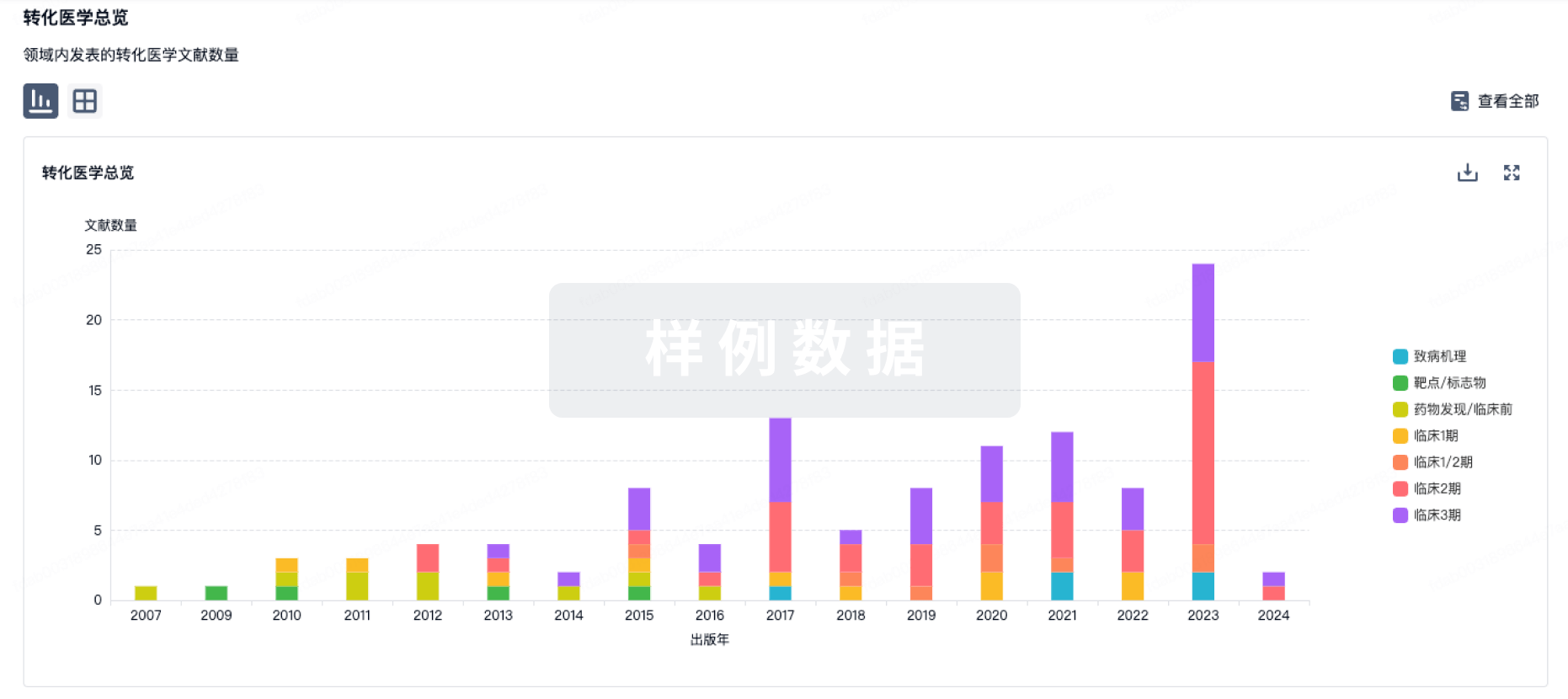
转化医学
使用我们的转化医学数据加速您的研究。
登录
或
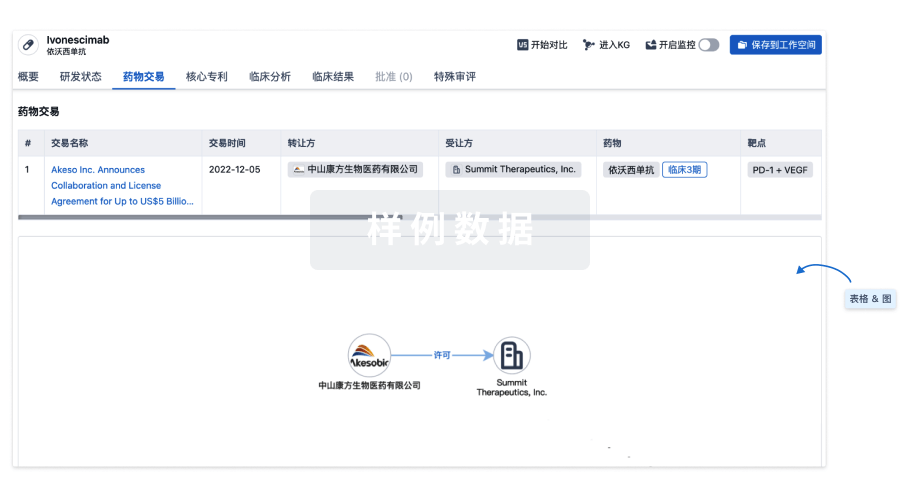
药物交易
使用我们的药物交易数据加速您的研究。
登录
或
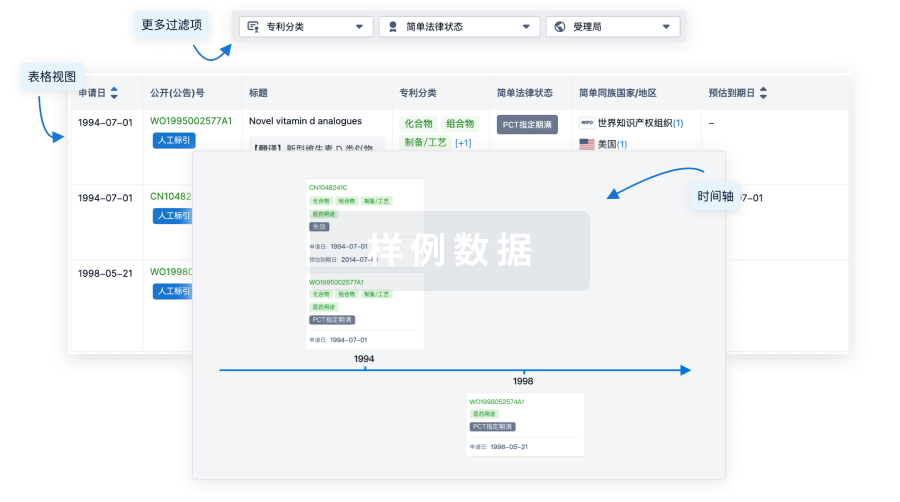
核心专利
使用我们的核心专利数据促进您的研究。
登录
或
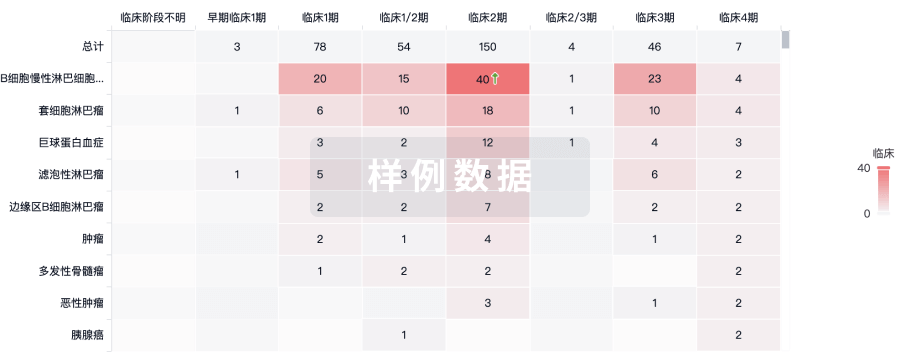
临床分析
紧跟全球注册中心的最新临床试验。
登录
或
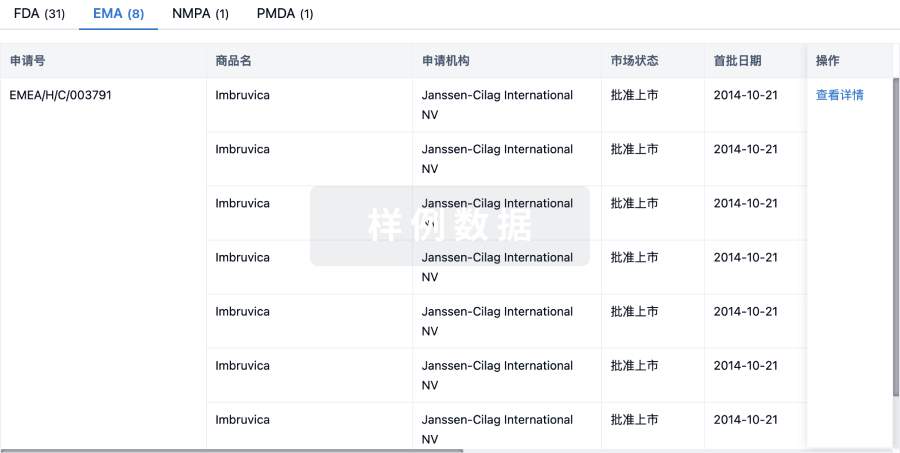
批准
利用最新的监管批准信息加速您的研究。
登录
或
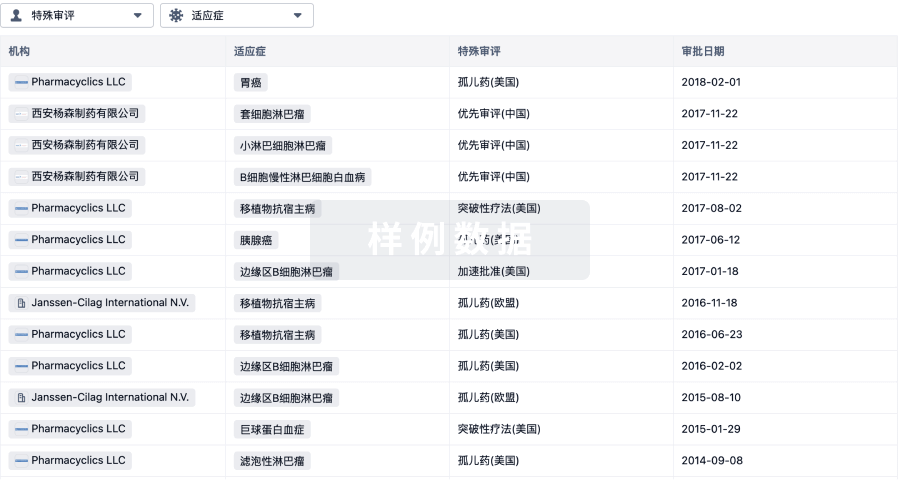
特殊审评
只需点击几下即可了解关键药物信息。
登录
或
提出任何生物医药研究问题
让每一步生物医药决策都精准制胜
基于十亿级生物数据与全球情报的精准 AI,赋能早期药物发现
立即开始免费试用!
智慧芽新药情报库是智慧芽专为生命科学人士构建的基于AI的创新药情报平台,助您全方位提升您的研发与决策效率。
立即接入生物医药数据包
智慧芽新药库数据也通过智慧芽开放平台,以MCP或API服务形式对外开放。立即使用我们的MCP服务定制您的LLM智能体。
生物序列数据库
生物药研发创新
免费使用
化学结构数据库
小分子化药研发创新
免费使用