预约演示
更新于:2025-11-01
Xylose
更新于:2025-11-01
概要
基本信息
药物类型 小分子化药 |
别名 XYLO-PFAN |
靶点- |
作用方式- |
作用机制- |
治疗领域- |
在研适应症- |
非在研适应症- |
原研机构 |
在研机构- |
权益机构- |
最高研发阶段撤市 |
首次获批日期 美国 (1982-01-01) |
最高研发阶段(中国)- |
特殊审评- |


登录后查看时间轴
结构/序列
分子式C5H10O5 |
InChIKeyPYMYPHUHKUWMLA-VPENINKCSA-N |
CAS号58-86-6 |
关联
3
项与 Xylose 相关的临床试验NCT01762579
Not-celiac Wheat Sensitivity (NCWS) in Patients With Irritable Bowel Syndrome. Randomized Double-Blind Placebo-Controlled Trial (Wheat vs Placebo) for Bio-markers Identification of NCWS and Understanding Its Pathogenetic Mechanisms.

NCT01762566
Randomized Double-Blind Placebo-Controlled Trial (Wheat vs Placebo) in Wheat Sensitive Patients for Evaluation of Bio-Markers of a Single Referred Symptom (Bloating & Swelling)
ACTRN12612001131842
A randomised placebo controlled crossover trial to evaluate the effects of a D-xylose preload, with or without sitagliptin, on incretin hormone secretion, gastric emptying, and postprandial glycaemia in patients with type 2 diabetes mellitus.

100 项与 Xylose 相关的临床结果
登录后查看更多信息
100 项与 Xylose 相关的转化医学
登录后查看更多信息
100 项与 Xylose 相关的专利(医药)
登录后查看更多信息
37,083
项与 Xylose 相关的文献(医药)2025-12-01MOLECULAR BIOLOGY REPORTS
In-vitro and in-silico antibacterial and antibiofilm activities of an aromatic heterocyclic metabolite from a novel halo-thermophilic Streptomyces sp. strain CBN-1 against bacteria causing nosocomial infections
Article
作者: Zitouni, Abdelghani ; Badji, Boubekeur ; Pont, Frédéric ; Driche, El-Hadj
BACKGROUND:
Multidrug-resistant and biofilm-forming pathogens have become a global health challenge, contributing to persistent and hard-to-treat infections. The objective of this study was to characterize an active metabolite produced by a novel halo-thermophilic Streptomyces sp. CBN-1 that exhibits potent antibacterial and antibiofilm activities using a combined in-silico and experimental approach.
METHODS & RESULTS:
In this study, a halo-thermophilic Streptomyces sp. CBN-1 strain was selected for its ability to grow in 10% NaCl at 40 °C. This strain was identified using phenotypic characterizations and 16S rRNA gene sequence analysis as Streptomyces rochei NRRL B-2410 with 99.15% similarity. An active metabolite, CBNa-1, was extracted using n-butanol solvent from ISP2 broth medium and purified by HPLC. Structural characterization using electrospray ionization mass spectrometry and NMR spectroscopy identified CBNa-1 as an aromatic heterocyclic compound regulated by non-ribosomal peptide synthetase (NRPS) and type II polyketide synthase (PKS) genes. It exhibited potent activity with minimum inhibitory concentrations (MIC) ranging from 4 to 5 µg/mL and minimum biofilm inhibitory concentrations (MBIC50%) at ½ MIC. Additionally, in-silico docking analyses showed that CBNa-1 had stronger binding affinities from - 8.7 to -8.1 kcal/mol with isoleucyl-tRNA synthetase, glucosamine-6-phosphate synthase, penicillin-binding protein 1a, type II DNA topoisomerases, and quorum sensing compared to antibiotics (-5.7 to -7.9 kcal/mol). Furthermore, molecular dynamic (MD) simulation showed the stability of the protein-ligand complex under physiological conditions.
CONCLUSION:
This study reports the first identification of CBNa-1, a metabolite from prokaryotic cells, with potent antibacterial and anti-biofilm properties to combat nosocomial infections caused by MDR pathogens, including bacteria resistant to third-generation cephalosporins.
2025-12-01FOOD CHEMISTRY
Improving the flavor of protein hydrolysates from shrimp processing byproducts via maillard reaction: Towards structure-flavor relationship
Article
作者: Fu, Yu ; Gong, Xiaoli ; Benjakul, Soottawat ; Zhang, Yuhao ; Yu, Binbin ; Zhang, Na
This study aimed to improve the flavor of protein hydrolysates from shrimp byproducts by Maillard reaction. The structural and flavor characteristics of Maillard reaction products from shrimp byproducts were analyzed. Glucosamine and xylose demonstrated superior reactivity. The free amino group content of xylose-induced Maillard reaction significantly decreased to 188.37 mmol/L after 60 min, while the grafting degree reached the highest value (24.35 %). The UV absorbance of xylose- and glucosamine-induced Maillard reactions significantly increased at 294 and 320 nm, while the browning index remained low. E-nose and GC-MS/MS confirmed higher levels of pyrazines and benzaldehyde in xylose-induced samples. E-tongue analysis revealed that xylose- and glucosamine-induced Maillard reactions significantly enhanced the saltiness (13.78 %, 12.01 %) and umami (10.81 %, 11.45 %), while also reducing bitterness. LC-MS/MS indicated glycopeptides implicated in formation of umami peptides and pyrazines. Overall, glucosamine and xylose improved flavor with xylose generating more aromatic compounds and glucosamine enhancing umami and salt taste.
2025-12-01Molecular & general genetics : MGG
Whole genome sequence, CAZyme repertoire and sugar metabolic model of the phytopathogenic fungus Kretzschmaria zonata GFP 132
Article
作者: Ventorim, Rafaela Zandonade ; do Carmo, Mariana Regina Almas ; Bauer, Diane ; Drula, Elodie ; Ng, Vivian ; Peng, Mao ; Morgan, Tulio ; Alfenas, Rafael Ferreira ; LaButti, Kurt ; Grigoriev, Igor V ; Koriabine, Maxin ; Henrissat, Bernard ; de Vries, Ronald P ; Lipzen, Anna ; Maitan-Alfenas, Gabriela Piccolo ; Manassero, Alessia ; Ahrendt, Steven
Kretzschmaria zonata is an ascomycete fungus known as a significant plant pathogen that causes serious damage to teak plantations, but little is known about its genomic and metabolic features. Studies suggest this fungus is an interesting source of cell wall degrading enzymes. This study evaluated the genome and the diversity of genes encoding carbohydrate-active enzymes (CAZymes) of Kretzschmaria zonata GFP 132. The fungal ability to grow on different carbohydrates and its sugar metabolic network were also investigated. The findings were compared with other fungi, taxonomically close, phytopathogens or fungi known as good producers of plant cell wall degrading enzymes (CWDE). The assembled genome corresponding to 30.15 Mbp and 12,135 protein-coding genes, had approximately 5% of total protein-coding genes as putative CAZymes. In general, the closely related fungi, K. deusta, Hypoxylon submonticulosum, and Xylaria cf. heliscus exhibited a similar CAZymes profile. When compared with other phytopathogenic fungi, the variation in the CAZyme profile suggests that it does not accompany the similar species' lifestyle. Curiously, the repertoire of genes encoding CDWE was similar to Aspergillus niger, an Eurotiomycete, and different from Trichoderma reesei which is Sordariomycete like K. zonata. Based on genome, K. zonata possesses a complete sugar metabolic network, except for an absent gene in the galacturonic acid metabolic pathway. This is consistent with the inability of the fungus to grow in galacturonic acid as the sole carbon source. Finally, K. zonata was able to assimilate a wide range of mono and polysaccharides as carbon source, which opens perspectives for new studies to obtain new enzymes required to increase the efficiency of existing biotechnological industrial processes.
100 项与 Xylose 相关的药物交易
登录后查看更多信息
研发状态
登录后查看更多信息
临床结果
临床结果
适应症
分期
评价
查看全部结果
登录后查看更多信息
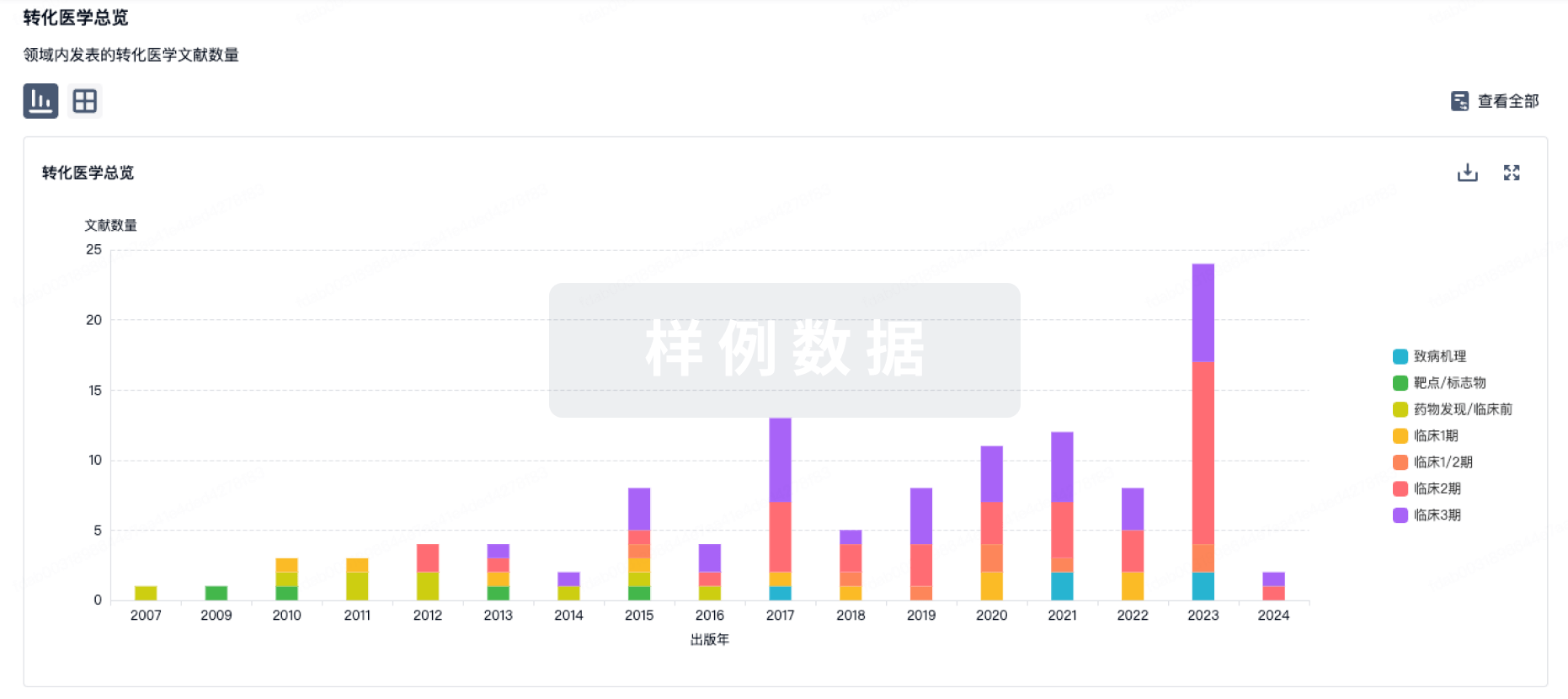
转化医学
使用我们的转化医学数据加速您的研究。
登录
或
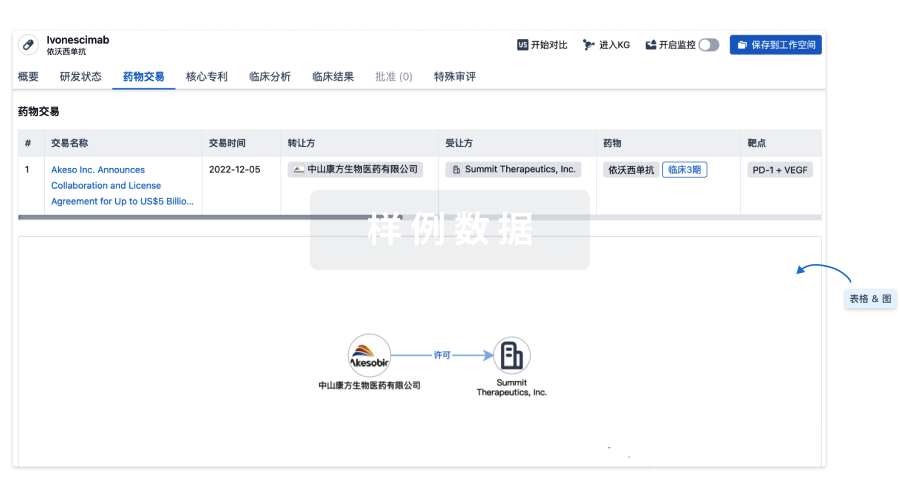
药物交易
使用我们的药物交易数据加速您的研究。
登录
或
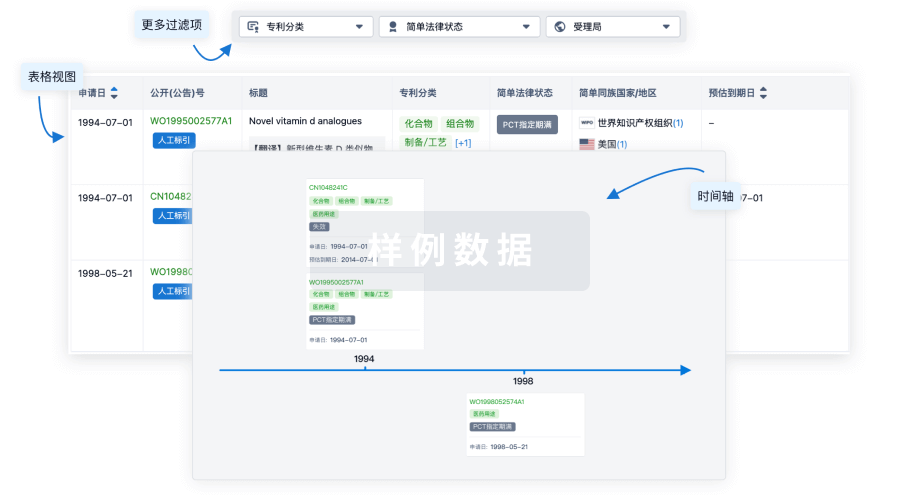
核心专利
使用我们的核心专利数据促进您的研究。
登录
或
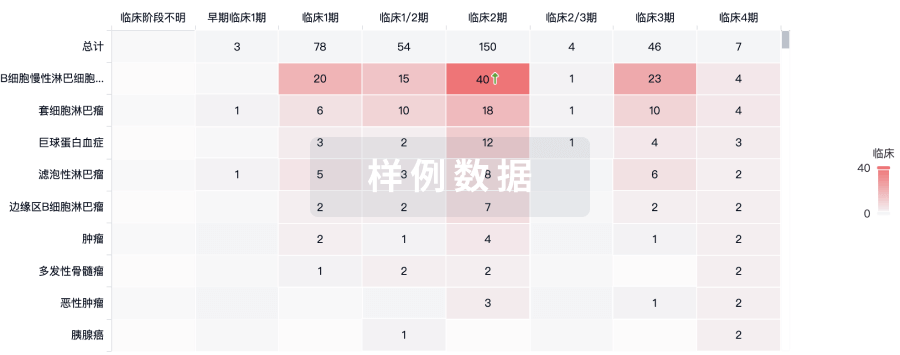
临床分析
紧跟全球注册中心的最新临床试验。
登录
或
批准
利用最新的监管批准信息加速您的研究。
登录
或
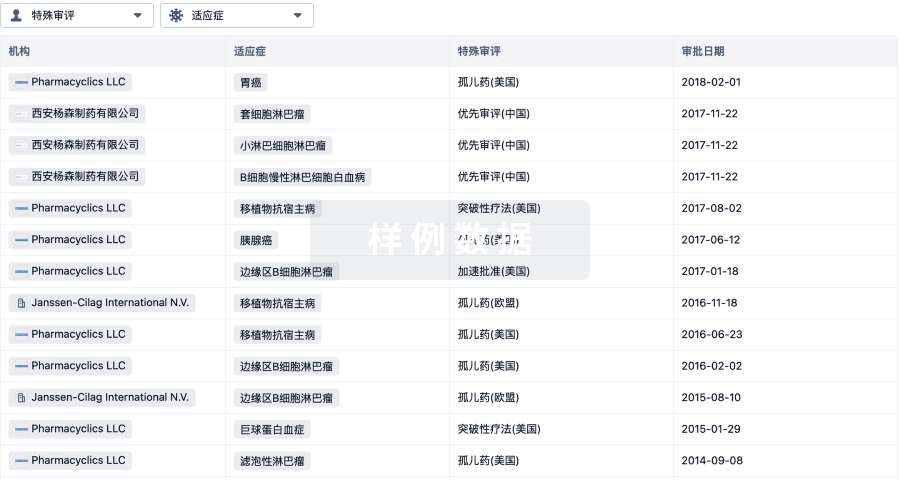
特殊审评
只需点击几下即可了解关键药物信息。
登录
或
生物医药百科问答
全新生物医药AI Agent 覆盖科研全链路,让突破性发现快人一步
立即开始免费试用!
智慧芽新药情报库是智慧芽专为生命科学人士构建的基于AI的创新药情报平台,助您全方位提升您的研发与决策效率。
立即开始数据试用!
智慧芽新药库数据也通过智慧芽数据服务平台,以API或者数据包形式对外开放,助您更加充分利用智慧芽新药情报信息。
生物序列数据库
生物药研发创新
免费使用
化学结构数据库
小分子化药研发创新
免费使用