预约演示
更新于:2026-01-31
NKG2D CAR-T cell therapy (Uwell Biopharma)
更新于:2026-01-31
概要
基本信息
原研机构 |
在研机构 |
非在研机构- |
权益机构- |
最高研发阶段临床阶段不明 |
首次获批日期- |
最高研发阶段(中国)- |
特殊审评- |
关联
1
项与 NKG2D CAR-T cell therapy (Uwell Biopharma) 相关的临床试验NCT04717999
Pilot Study of UWNKG2D CAR-T in Treating Patients With Recurrent Glioblastoma
This is a pilot phase I study to evaluate the safety and efficacy of NKG2D CAR-T cell therapy in patients with relapsed and/or refractory glioblastoma
开始日期2021-09-01 |
申办/合作机构 |
100 项与 NKG2D CAR-T cell therapy (Uwell Biopharma) 相关的临床结果
登录后查看更多信息
100 项与 NKG2D CAR-T cell therapy (Uwell Biopharma) 相关的转化医学
登录后查看更多信息
100 项与 NKG2D CAR-T cell therapy (Uwell Biopharma) 相关的专利(医药)
登录后查看更多信息
3
项与 NKG2D CAR-T cell therapy (Uwell Biopharma) 相关的文献(医药)2026-02-01·BIOMEDICINE & PHARMACOTHERAPY
Dihydroartemisinin enhances NKG2D CAR-T cell therapy against solid tumors by inducing NKG2D ligands and remodeling the tumor microenvironment
Article
作者: Abdalsalam, Nada Mohamady Farouk ; Xu, Zhiming ; Adeshakin, Adeleye O ; Suleiman, Rabiatu Bako ; Liu, Maoxuan ; Salisu, Mansur Dabai ; Wan, Xiaochun ; Saliu, Muhammad Auwal ; Liang, Wei ; Rabiu, Lawan ; Afolabi, Lukman Olalekan ; Babarinde, Isaac Adeyemi
Despite the clinical approval of CAR-T cell therapies for hematological malignancies, their success in solid tumors remains limited due to several factors including antigen escape, immunosuppressive tumor microenvironment (TME), and poor T-cell trafficking to the tumor site. NKG2D CAR-T cells, recognizing multiple stress-inducible NKG2D ligands (NKG2DLs), offer a promising but modest antitumor benefit. Pharmacological agents capable of enhancing NKG2DLs expression and remodeling the TME may overcome these barriers. Here, we identified dihydroartemisinin (DHA), a clinically approved antimalarial compound as a novel inducer of NKG2DLs in tumor cells at non-cytotoxic concentrations without affecting primary human T cells. Transcriptomic analysis revealed that this effect involves activation of DNA damage response, p53, and PI3K/Akt signaling pathways. In addition, DHA upregulated MHC-I and suppressed B7-H3 expression, promoted secretion of T-cell-recruiting chemokines (CXCL9, CXCL10), and polarized macrophages toward an M1-like phenotype, thus contributes to an immunostimulatory TME. Functionally, DHA pretreatment of tumor cells significantly enhanced NKG2D CAR-T cell activation, trafficking, and cytotoxicity. In pancreatic and prostate xenograft models, DHA combined with NKG2D CAR-T cells increased intratumoral T-cell infiltration which led to significant tumor control without any systemic toxicity. This study provides the first evidence that DHA upregulates tumor NKG2DLs and reprograms the TME through modulation of tumor immune axis. Our findings establish DHA as a clinically accessible pharmacological adjuvant with strong translational potential to improve NKG2D CAR-T therapy against solid tumors.
2020-11-01·Biomedicine & pharmacotherapy = Biomedecine & pharmacotherapie2区 · 医学
Novel cellular immunotherapy using NKG2D CAR-T for the treatment of cervical cancer
2区 · 医学
Article
作者: Li, Xing ; Mao, Lin ; Zhang, Jun ; Zhang, Yan
Cellular immunotherapy, including chimeric antigen receptor (CAR) modified T cell therapy, has been regarded as one of the most potential antineoplastic drugs for hematological malignancies and solid tumor. However, due to lacking the suitable target, there is no CAR-T drug had been appoved by FDA for the treatment of cervical cancer, one of the most malignant cancers for women. In current study, we designed a NKG2D CAR-T targeting NKG2DL. The NKG2D CAR-T exhibited high-efficient anti-tumor capacity for NKG2DL positive cervical cancer cell line in vitro. In addition, the amount of cytokines secreted from CAR-T cells have had significantly enhanced after co-cultured with NKG2DL positive tumor cell in vitro. In vivo, NKG2D CAR-T cells presented a robust capacity of significantly suppressing tumor growth. Moreover, there was no obvious off-target toxicity after NKG2D CAR-T infusion. Taken together, NKG2D CAR-T showed excellent therapy effect for cervical cancer and might be used as a novel cellular therapeutic agent for treating cervical cancer.
Frontiers in Immunology
Sodium valproate enhances efficacy of NKG2D CAR-T cells against glioblastoma
Article
作者: Liu, Junchen ; Gan, Jiangyu ; Salisu, Mansur Dabai ; Dai, Kun ; Liu, Maoxuan ; Wan, Xiaochun ; Yan, Dehong ; Zhang, Guizhong ; Saliu, Muhammad Auwal ; Afolabi, Lukman Olalekan
Chimeric antigen receptor T-cell (CAR-T) therapies have shown promise in glioblastoma clinical studies, but responses remain inconsistent due to heterogeneous tumor antigen expression and immune evasion post-treatment. NKG2D CAR-T cells have demonstrated a favorable safety profile in patients with hematologic tumors, and showed robust antitumor efficacy in various xenograft models, including glioblastoma. However, malignant glioma cells evade immunological surveillance by reducing NKG2D ligands expression or cleavage. To enhance the effectiveness of NKG2D CAR-T therapy, we investigated the potential of combining NKG2D CAR-T with approved drugs that cross the blood-brain barrier and augment NKG2D ligands expression in glioma cells. We found that sodium valproate (VPA), an antiepileptic drug, significantly increased surface NKG2D ligands expression on glioblastoma cells at a sublethal concentration. VPA treatment enhanced the susceptibility of glioblastoma cells to NKG2D CAR-T mediated cytotoxicity in both 2D monolayer and 3D tumor spheroid models in vitro. Moreover, VPA-treated glioblastoma cells stimulated CAR-T cells to produce higher levels of inflammatory cytokines (IL-2, IFN-γ, and IL-6). Mechanistically, VPA upregulated NKG2D ligands expression via the PI3K/Akt signaling pathway. Additionally, VPA treatment augmented the antitumor activity of NKG2D CAR-T cells in a glioblastoma xenograft model in vivo. These preclinical results suggest that combining VPA with NKG2D CAR-T therapy represents a promising strategy for improving glioblastoma treatment, warranting further clinical investigation.
100 项与 NKG2D CAR-T cell therapy (Uwell Biopharma) 相关的药物交易
登录后查看更多信息
研发状态
10 条进展最快的记录, 后查看更多信息
登录
| 适应症 | 最高研发状态 | 国家/地区 | 公司 | 日期 |
|---|---|---|---|---|
| 复发性胶质母细胞瘤 | 临床阶段不明 | - | 2021-09-01 | |
| 胶质母细胞瘤 | 临床前 | 中国台湾 | - |
登录后查看更多信息
临床结果
临床结果
适应症
分期
评价
查看全部结果
| 研究 | 分期 | 人群特征 | 评价人数 | 分组 | 结果 | 评价 | 发布日期 |
|---|
No Data | |||||||
登录后查看更多信息
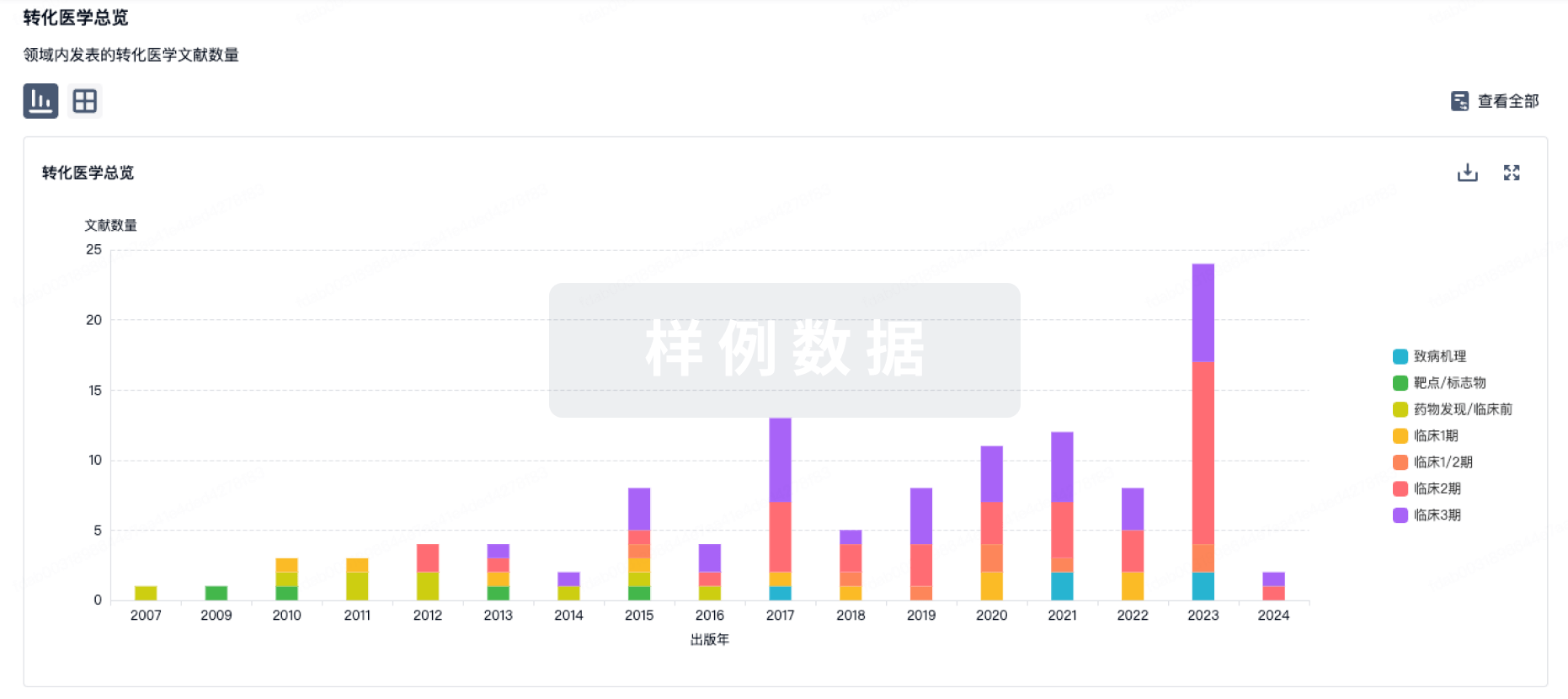
转化医学
使用我们的转化医学数据加速您的研究。
登录
或
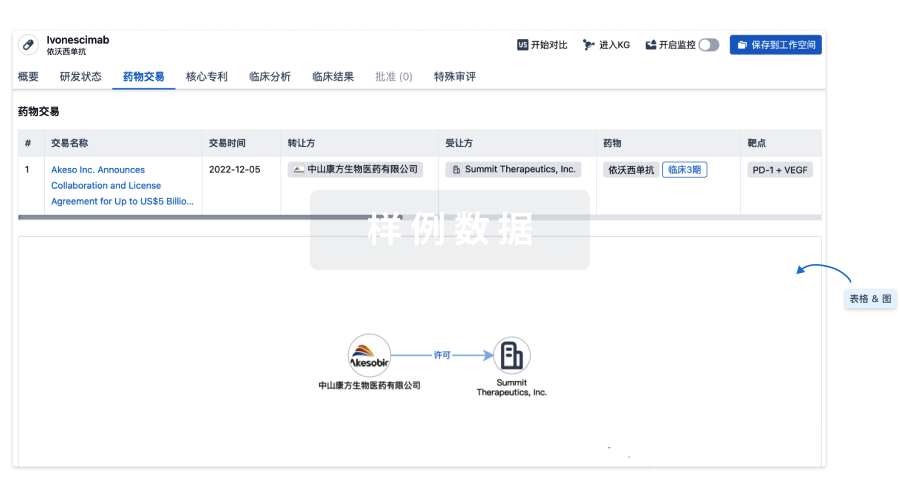
药物交易
使用我们的药物交易数据加速您的研究。
登录
或
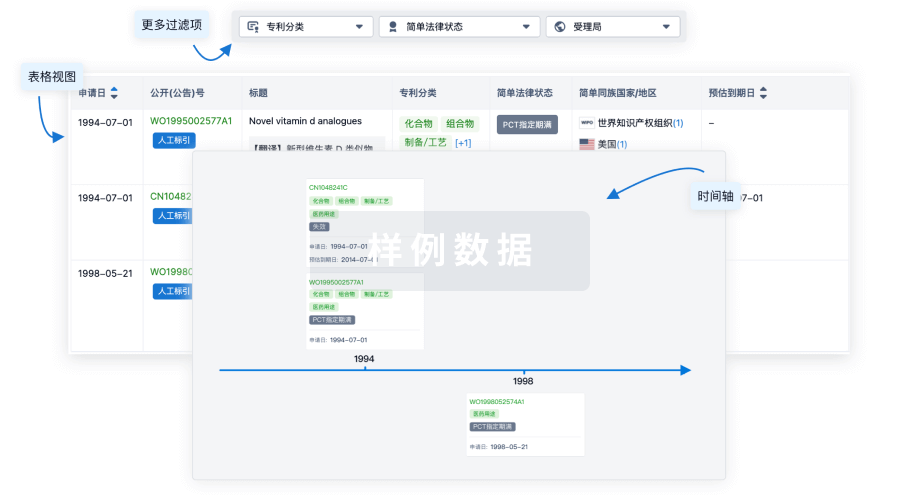
核心专利
使用我们的核心专利数据促进您的研究。
登录
或
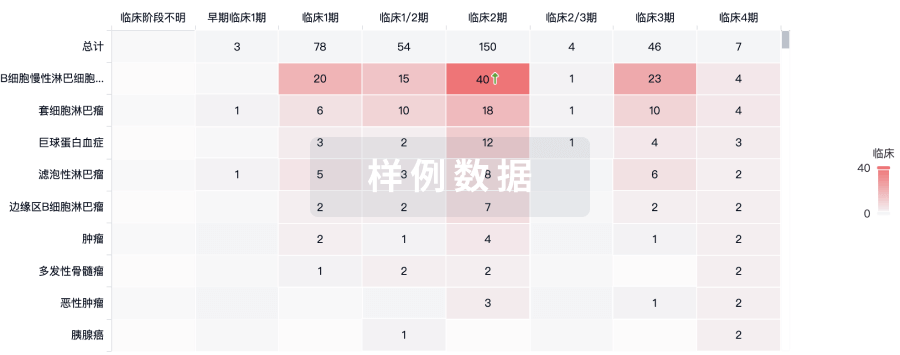
临床分析
紧跟全球注册中心的最新临床试验。
登录
或
批准
利用最新的监管批准信息加速您的研究。
登录
或
特殊审评
只需点击几下即可了解关键药物信息。
登录
或
生物医药百科问答
全新生物医药AI Agent 覆盖科研全链路,让突破性发现快人一步
立即开始免费试用!
智慧芽新药情报库是智慧芽专为生命科学人士构建的基于AI的创新药情报平台,助您全方位提升您的研发与决策效率。
立即开始数据试用!
智慧芽新药库数据也通过智慧芽数据服务平台,以API或者数据包形式对外开放,助您更加充分利用智慧芽新药情报信息。
生物序列数据库
生物药研发创新
免费使用
化学结构数据库
小分子化药研发创新
免费使用