预约演示
更新于:2026-10-24
HWS116
更新于:2026-10-24
概要
基本信息
原研机构 |
在研机构 |
非在研机构- |
权益机构- |
最高研发阶段临床1期 |
首次获批日期- |
最高研发阶段(中国)临床1期 |
特殊审评- |
登录后查看时间轴
关联
1
项与 HWS116 相关的临床试验NCT07413328
A Phase I, Single-Arm, Open-Label, Dose-Escalation and Expansion Study of HWS116 Injection in Advanced Solid Tumors
This is a Phase I open-label study that will evaluate the safety, tolerability, pharmacokinetics, and preliminary efficacy of HWS116 monotherapy in patients with advanced solid tumors.
开始日期2026-04-07 |
申办/合作机构 |
100 项与 HWS116 相关的临床结果
登录后查看更多信息
100 项与 HWS116 相关的转化医学
登录后查看更多信息
100 项与 HWS116 相关的专利(医药)
登录后查看更多信息
21
项与 HWS116 相关的新闻(医药)2026-06-24
2025年,人福医药研发投入16.76亿元,占营收6.99%,研发团队超过2000人,在武汉、宜昌、美国圣路易斯、纽约、德国亚琛都有研发中心。
16.76亿是什么概念?——公司当年归母净利润18.55亿。研发投入≈净利润的90%。
也就是说,如果人福明天把所有研发都停了,利润直接翻倍。但它没停,反而在加码(定增35亿里有17亿继续砸研发)。
钱到底花在哪儿了?值不值?拆开看。方向一:现有产品的“护城河加固”
人福最聪明的地方在于——用仿制药的收入养创新药,同时把仿制药的壁垒也垒起来。
2025年,子公司拿了50多个品规的仿制药生产批件。什么意思?就是在芬太尼、氢吗啡酮这些大单品的周边——不同剂型、不同规格、复方组合——全都占上。
你竞争对手就算拿到批文进来,也只能做人福剩下的边角料。这就好比一个城堡,不只有城墙,每个垛口还都架了一门炮。
而且2025年人福做了一件事:砍掉了低价值仿制药项目,研发管线从数百项压缩至约60个重点方向,同时加大创新药立项。从“仿制药撒胡椒面”转向“只做创新药”——这是一次明确的战略转向。方向二:瑞马唑仑——从“储备”变“增长引擎”
瑞马唑仑是人福历史上第一个自己搞出来的化药1类新药(2020年获批),也是湖北省第一个。
2025年的关键进展:ICU机械通气镇静适应症获批。
这意味着瑞马唑仑从“手术室里用”扩展到“重症监护室也用”。ICU里病人一躺就是几天甚至几周,用药量比手术室大得多——市场空间一下打开了好几倍。
2025年销售额约3.7亿,增速15.5%。绝对值不大,但趋势加速。这个药的潜在天花板在15-20亿左右,取决于ICU推广速度。
瑞马唑仑的意义不止于收入——它证明了一件事:人福不只是“仿制麻醉药龙头”,也能“做创新药”。 这对估值体系的影响比3.7亿销售额本身更大。方向三:一堆1类新药——“广撒网”模式
2025年人福有多个1类新药获批临床或处于临床阶段。看一眼管线布局:
项目
靶点/类型
领域
有意思的地方
HW241045片
AT2R激动剂
呼吸/肺病
全球第二个、国内首个
HW201877胶囊
15-PGDH抑制剂
炎性肠病
全球首个进临床的
HWS116注射液
生物制品1类
自免/肿瘤
2025年新批
HWH486胶囊
BTK抑制剂
自免疾病
已进入II期临床
HWH340片
EP4抑制剂
肿瘤
II期临床
RFUS-144注射液
化药1类
镇痛(新机制)
II期临床
玉蚕颗粒/复方薏薢颗粒等
中药1类
民族药
II期临床
几个观察:
一是领域集中。 这些管线基本围着一个核心打——麻醉镇痛 + 与其相关的延伸领域(呼吸、自免、肿瘤)。没有追ADC、没有追CAR-T、没有追mRNA——没有那种“风口上烧钱”的项目。
二是“全球首个/国内首个”的浓度在提高。 人福以前是“me-too”路线为主,现在有3—4个管线做到同靶点全球最先进入临床。研发能力在升级。
三是管线规模还不大。 和恒瑞(近百个临床项目)、百济(十几个临床项目)比,人福的管线密度还有差距。但问题在于——你付了多少钱?方向四:一个临近上市的“老”创新药
重组质粒-肝细胞生长因子注射液(pUDK-HGF),生物药1类——用于治疗严重下肢缺血(糖尿病足、血管闭塞等)。
这个药有点特殊:技术路线挺新(质粒DNA药物),但推得很慢。2025年完成了生产现场核查和临床核查,临近上市但还没正式报产。
如果获批,它是国内首个上市的质粒DNA类药物。有里程碑意义,但市场空间不好说——严重下肢缺血的患者群体需要看推广力度和医保覆盖情况。
这个药可以作为“期权”看待:成了是加分项,不成就当学费。研发本身就有概率属性。人福的研发模式——和其他药企有啥不一样?
恒瑞的模式:每年~87亿,广撒网,什么热追什么(PD-1、ADC、双抗、核药……)。策略是“在一个大体量领域做到最前面”。
百济的模式:每年100亿+,赌几个大品种(泽布替尼、替雷利珠单抗),走的是“赢者通吃”路线。
人福的模式:以仿养创,渐进创新,不追风口。
具体来说,用仿制药的稳定现金流养创新药研发。创新药集中在中枢神经——不跨界追热点。不追求“First-in-class”的虚名,追求的是“能做出来、能卖出去”的真实管线。
公司
年研发投入
占营收
风格
恒瑞
~87亿
~28%
广撒网追热点
百济
~155亿
~40%
赌大品种
人福
16.76亿
~7%
以仿养创,专注中枢神经
好处是转化率高——不会出现几十亿砸进去一个药都没批的情况。代价也很明显——天花板有限,瑞马唑仑打到顶也就20亿量级,和恒瑞PD-1那种百亿品种没法比。值不值?两个视角
7%的研发强度不算高——恒瑞~28%,百济~40%,在行业里只能算中等偏上,离“创新药企”这个标签还有距离。
但绝对值16.76亿,对PE只有14倍的公司来说不小了。 相当于一年净利润的90%,稍微控一控,报表利润就能明显改善。人福没这么做,反而在加码——这是一个好信号:管理层在考虑长期,不是在凑季度数字。
我个人的判断: 招商局进来之前,人福的研发是“够用就好”——守住基本盘不被竞争对手追上就行。招商局进来之后,研发方向在从“守”转“攻”——往新靶点、新机制、生物药方向延伸。方向是对的,但要看到研发成果转化成利润,需要 3—5年的耐心。
一句话收尾: 人福的研发不是“赌一个爆款”的激进路线,是“麻醉药为核心,渐进往外扩”的稳妥路线。不性感,但风险可控。考虑到14倍PE的估值,这16.76亿的研发投入有一部分其实没有被定价——相当于买人福送的“未来期权”。
⚠️免责声明: 以上内容仅为个人投研笔记,不构成投资建议。投资有风险,请根据自身风险承受能力独立决策。
2026-04-17
近日,人福医药自主研发的FGFR2b单抗HWS116注射液I期临床试验顺利完成首例患者入组,标志着该产品正式进入患者人体试验阶段。
这项“HWS116注射液治疗晚期实体瘤的单臂、开放标签、剂量递增、剂量扩展I期临床试验”,由中山大学肿瘤防治中心徐瑞华院士牵头,旨在评估HWS116注射液单药治疗晚期实体瘤的安全性、耐受性、药代动力学和初步有效性。
关于FGFR2b单抗
成纤维细胞生长因子(FGF)及其受体(FGFR)调节广泛的生理细胞过程,人类功能性FGFR家族主要包含FGFR1、FGFR2、FGFR3、FGFR4四个核心亚型,异常的FGFR信号通路激活通过增加细胞增殖、延长生存期、血管生成来驱动癌症的进展及转移。已有多款靶向FGFR的小分子酪氨酸激酶抑制剂(TKIs)上市,但该类药物临床获益在一定程度上受限于脱靶抑制FGFR1导致的高磷血症和FGFR基因耐药突变的出现[1]。成纤维细胞生长因子受体2b(FGFR2b,也称FGFR2 IIIb),是FGFR2的同源异构体,主要在上皮细胞中表达[2]。在肿瘤发生发展过程中,FGFR2b信号通路常出现异常激活(扩增、突变、过表达等),并引起下游RAS-RAF- MAPK、PI3K-AKT等信号通路持续异常激活,进而驱动肿瘤细胞增殖、存活及血管生成[3]。FGFR2b的异常激活在胃癌、乳腺癌、胆管癌、肺癌、卵巢癌等多种恶性肿瘤中普遍存在[4]。有研究显示,约38%的胃癌患者中存在FGFR2b过表达[5]。
相比小分子药物,FGFR2b单抗具备三大优势:
精准靶向:特异性识别FGFR2b独特表位,规避脱靶毒性;
克服耐药:作用于胞外域,不受激酶域突变影响;
给药便利:半衰期长、血药浓度稳定,给药频率低;
目前全球尚无FGFR2b靶向药物获批上市。
关于HWS116注射液
HWS116是人福医药研究院自主研发的1类创新型生物制品,通过双重机制发挥抗肿瘤作用:
阻断FGFR2b信号通路抑制肿瘤生长;
Fc介导的细胞毒性作用(ADCC)和吞噬作用(ADCP)杀伤肿瘤细胞;
临床前数据显示,HWS116在多种FGFR2b高表达肿瘤模型中抑瘤效果优于同类产品,且安全性良好。
里程碑意义:
HWS116是全球第三款进入临床阶段的FGFR2b单抗。随着项目推进,有望为FGFR2b异常晚期肿瘤患者提供新的精准治疗选择,改善当前治疗手段匮乏、预后不佳的临床困境。
关于人福医药研究院
人福医药研究院是人福医药集团的中央研发机构,是集团创新发展的核心引擎,承载着集团战略转型使命,为构建全球研发体系、冲刺世界一流生命科技企业提供核心支撑。研究院聚焦创新药研发,以满足未被满足的临床需求为导向,在集团的优势治疗领域持续深耕,凭借强劲的自主研发与转化能力确立和巩固集团在核心细分赛道的研发优势。研究院将以患者需求为初心、科技创新为引擎,深耕生命健康领域,用优质创新药物赋能人类健康事业,助力集团打造全球竞争力。如需了解更多研发动态,欢迎关注“人福医药研究院”微信公众号。
Humanwell’s Innovative Oncology Drug HWS116 Injection Enrolls First Subject in Phase I Clinical Trial
Recently, the Phase I clinical trial of HWS116 injection, an FGFR2b monoclonal antibody independently developed by Humanwell, successfully enrolled its first patient, marking the product’s formal entry into the patient clinical trial stage.
The Phase I clinical study of HWS116 injection, titled A single-arm, open-label, dose-escalation and dose-expansion Phase I study of HWS116 injection in patients with advanced solid tumors, has completed enrollment of its first subject. The lead principal investigator(PI)of this study is Academician Ruihua Xu from Sun Yat-sen University Cancer Center. This study is designed to evaluate the safety, tolerability, pharmacokinetics, and preliminary antitumor activity of HWS116 as monotherapy in patients with advanced solid tumors.
About FGFR2b Monoclonal Antibodies
Fibroblast growth factors (FGFs) and their receptors (FGFRs) regulate a wide range of physiological cellular processes. The functional human FGFR family primarily comprises four core subtypes: FGFR1, FGFR2, FGFR3, and FGFR4. Aberrant activation of FGFR signaling can drive cancer progression and metastasis by promoting cell proliferation, prolonged survival, and angiogenesis. Several small-molecule tyrosine kinase inhibitors (TKIs) targeting FGFR have already been approved; however, the clinical benefit of these agents is limited to some extent by hyperphosphatemia caused by off-target FGFR1 inhibition and by the emergence of FGFR resistance mutations[1]. Fibroblast growth factor receptor 2b (FGFR2b, also known as FGFR2 IIIb) is an isoform of FGFR2 that is primarily expressed in epithelial cells[2]. During tumor initiation and progression, the FGFR2b signaling pathway is frequently aberrantly activated through mechanisms such as amplification, mutation, and overexpression, resulting in sustained activation of downstream pathways including RAS-RAF-MAPK and PI3K-AKT, which in turn drive tumor cell proliferation, survival, and angiogenesis[3]. Aberrant FGFR2b activation is commonly observed across a variety of malignancies, including gastric cancer, breast cancer, cholangiocarcinoma, lung cancer, and ovarian cancer[4]. Studies have shown that approximately 38% of patients with gastric cancer exhibit FGFR2b overexpression[5].
Compared with small-molecule drugs, FGFR2b monoclonal antibodies offer three key advantages:
Precision targeting: Specifically recognizes the unique epitope of FGFR2b, thereby minimizing off-target toxicity;
Overcoming resistance: Acts on the extracellular domain and is therefore not affected by kinase domain mutations;
Convenient dosing: Long half-life, stable systemic exposure, and low dosing frequency;
To date, no FGFR2b-targeted therapy has been approved anywhere in the world.
About HWS116 Injection
HWS116 is an innovative biologic independently developed by Humanwell Research & Development Institute and exerts antitumor activity through a dual mechanism:
Blocking the FGFR2b signaling pathway to inhibit tumor growth;
Killing tumor cells through Fc-mediated antibody-dependent cellular cytotoxicity (ADCC) and antibody-dependent cellular phagocytosis (ADCP);
Preclinical data show that HWS116 demonstrates stronger antitumor activity than reference agents across multiple tumor models with high FGFR2b expression, while also maintaining a favorable safety profile.
Milestone significance:
HWS116 is the third FGFR2b monoclonal antibody globally to enter clinical development. As the program advances, it has the potential to provide a new precision treatment option for patients with advanced tumors harboring FGFR2b abnormalities, helping address the current clinical challenges of limited treatment options and poor prognosis.
About Humanwell R&D Institute
Humanwell Pharmaceutical Research and Development Institute is the central R&D organization of Humanwell Healthcare and the core engine driving Humanwell's innovation-led development. It undertakes Humanwell's strategic transformation mission and provides essential support for building a global R&D system and advancing toward a world-class life sciences enterprise. Focused on innovative drug development and guided by unmet clinical needs, the Institute continues to deepen its expertise in Humanwell's key therapeutic areas, leveraging strong in-house R&D and translational capabilities to establish and reinforce Humanwell's research advantages in core niche segments. With patient needs as its founding mission and technological innovation as its driving force, the Institute is committed to advancing the field of life and health sciences, empowering human health through high-quality innovative medicines, and helping Humanwell build global competitiveness. For more updates on our R&D progress, follow the official WeChat account "Humanwell Pharmaceutical Research Institute".
参考文献:
[1] Katoh M, Loriot Y, Brandi G, Tavolari S, Wainberg ZA, Katoh M. FGFR-targeted therapeutics: clinical activity, mechanisms of resistance and new directions. Nat Rev Clin Oncol. 2024;21(4):312-329. doi:10.1038/s41571-024-00869-z
[2] Ishiwata T. Role of fibroblast growth factor receptor-2 splicing in normal and cancer cells. Front Biosci (Landmark Ed). 2018;23(4):626-639. Published 2018 Jan 1. doi:10.2741/4609
[3] Smyth EC, Kim KM, Rha SY, et al. FGFR2b protein overexpression: An emerging biomarker in gastric and gastroesophageal junction adenocarcinoma. Cancer Treat Rev. 2025;139:102971. doi:10.1016/j.ctrv.2025.102971
[4] Ishiwata T. Role of fibroblast growth factor receptor-2 splicing in normal and cancer cells. Front Biosci (Landmark Ed). 2018;23(4):626-639. Published 2018 Jan 1. doi:10.2741/4609
[5] Rha SY, Zhang Y, Elme A, et al. Prevalence of FGFR2b Protein Overexpression in Advanced Gastric Cancers During Prescreening for the Phase III FORTITUDE-101 Trial. JCO Precis Oncol. 2025;9:e2400710. doi:10.1200/PO-24-00710
声明:
1. 本资讯旨在分享医药领域的科研进展与前沿信息,仅供医疗卫生专业人士进行学术交流与参考,不构成任何广告或产品推荐。
2. 本资讯中涉及的信息不能替代专业医疗指导,所有医疗决策请遵从医疗卫生专业人士的意见或指导。
3. 本资讯任何前瞻性陈述均基于当前预测,实际结果可能存在不确定性。
4. 对于依赖本文信息作出的任何决定或行动,本公司不承担相关责任。
2026-02-16
一、公司概况与研究背景
人福医药集团股份公司(股票代码:600079)作为中国麻醉药领域的绝对龙头企业,在 2025 年 12 月 16 日被实施其他风险警示,股票简称变更为 "ST 人福",日涨跌幅限制调整为 5%。这一事件的发生源于原控股股东当代集团在 2020-2022 年期间主导的一系列违规操作,包括 127.85 亿元非经营性资金占用、关联交易未披露、财务报表虚假记载等严重问题。
然而,就在被 ST 的同时,人福医药也迎来了历史性转机。2025 年 7 月 31 日,招商局集团通过司法重整正式入主,成为公司实际控制人,这一变化被业界视为公司的一次 "基因改造"。招商局集团以 118 亿元的投资总额创下医药行业国资收购新纪录,不仅彻底解决了历史遗留问题,更为公司未来发展注入了强大动力。
在当前时点(2026 年 2 月 16 日),ST 人福的股价为 19.20 元,总市值 313.39 亿元,市盈率(TTM)21.94 倍。虽然公司仍处于 ST 状态,但其基本面正在发生积极变化,摘帽预期明确,估值修复空间巨大。本报告将从戴帽原因、基本面状况、摘帽可能性、未来股价走势以及安全边际等五个维度,对 ST 人福进行全面深入的投资分析。
二、戴帽分析
2.1 戴帽的具体原因
人福医药被实施 ST 的核心原因源于原控股股东当代集团在 2020-2022 年期间主导的四项重大违规行为:
第一,巨额非经营性资金占用未及时披露。2020 年至 2022 年 3 月期间,当代集团通过非经营性方式累计占用公司资金 127.85 亿元,其中 2020 年占用 25.02 亿元(占当年净资产 19.26%),2021 年占用 81.79 亿元(占当年净资产 62.97%),2022 年 1 至 3 月占用 21.04 亿元(占当年净资产 13.44%)。这些巨额资金占用均未按规定及时披露,严重违反了信息披露规则。
第二,关联交易未披露。2022 年 3 月,人福医药下属 4 家子公司以 16.45 亿元向珂美立德购买物业资产,该交易金额占公司 2022 年净资产的 9.17%。同时,公司还以 1 亿元向遥星医药购买相关公司 40% 股权。这两笔交易均属于关联交易,但未按规定履行信息披露义务,也未在 2022 年年度报告中披露。
第三,财务报表虚假记载。2017 年至 2022 年 9 月期间,人福医药未将智盈新成、武汉睿成、金科瑞达等实际控股的子公司纳入合并财务报表范围,导致多期财务数据失真。具体而言,2020 年年报虚增归母净利润 1.43 亿元(占比 12.43%),2021 年年报虚增 0.72 亿元(占比 5.21%),2022 年半年报虚增 0.91 亿元(占比 5.71%)。
第四,控股股东隐瞒关联关系。原控股股东当代集团刻意隐瞒多笔交易中的关联关系,未按规定向人福医药报送关联人信息。例如,在人福医药与遥星医药的 1 亿元股权交易中,遥星医药的自然人股东持股实际为当代集团代持,但当代集团未如实告知上市公司,导致公司无法识别关联关系。
2.2 戴帽时间线与监管处罚
人福医药的戴帽过程经历了以下关键时间节点:2024 年 10 月 22 日:公司及原控股股东当代集团收到中国证监会《立案告知书》,因涉嫌信息披露违法违规被立案调查2025 年 12 月 12 日:收到湖北证监局《行政处罚事先告知书》,拟对公司及相关责任人合计罚款 3670 万元2025 年 12 月 15 日:股票停牌一天2025 年 12 月 16 日:正式实施其他风险警示,股票简称变更为 "ST 人福",日涨跌幅限制调整为 5%2025 年 12 月 29 日:收到湖北证监局正式《行政处罚决定书》,公司被警告并处以 850 万元罚款,当代集团被处以 900 万元罚款,原实控人艾路明被处以 390 万元罚款并采取 7 年市场禁入措施
2.3 戴帽后的市场反应
ST 人福戴帽首日(2025 年 12 月 16 日)的市场反应充分体现了投资者的担忧情绪。当日股价 "一字" 跌停,报收于 17.24 元,跌幅 5.01%,成交额约 3 亿元,换手率仅 1.48%。从更长期的股价表现看,从 2025 年 9 月 10 日的 23.66 元高点持续下跌至 12 月 10 日的 17.28 元低点,累计跌幅达 27.81%。
戴帽对公司造成的直接影响包括:交易流动性下降:日涨跌幅限制从 10% 调整为 5%,严重影响了股票的交易活跃度机构资金流出:公募、社保等机构投资者因合规要求被迫减持,导致股价承压融资融券受限:ST 股票无法纳入融资融券标的,进一步限制了资金参与度
然而,从 2025 年 12 月 16 日戴帽至今(2026 年 2 月 16 日)的两个月内,股价已从 17.24 元回升至 19.20 元,累计涨幅达 11.37%,显示市场情绪正在逐步修复。
2.4 公司应对措施与整改进展
面对 ST 带来的挑战,人福医药采取了一系列积极的应对措施,整改工作已基本完成:
财务整改方面,公司早在 2022 年 12 月 22 日就对 2017-2021 年财报进行了追溯调整,更正了 2022 年 1-3 季度报表,所有涉事事项均已整改完毕,不影响未来生产经营。
控股股东更替方面,2025 年 7 月 31 日招商局集团正式入主,通过司法重整获得公司 23.70% 股权的表决权,从根本上解决了原控股股东带来的治理风险。招商局集团的入主被视为公司的 "基因改造",将从治理重塑、战略升级、机制优化三个维度重塑公司未来。
内部控制体系重建方面,招商局入主后迅速推进治理结构优化:取消监事会,修订公司章程以提高决策效率;设立战略、审计、提名、薪酬与考核四个专门委员会;强化独立董事作用;建立新的内部控制体系,内控与合规体系向央企标准靠拢。
管理层调整方面,董事会完成换届,9 名董事中有 5 名由招商生科提名,招商局集团首席战略官邓伟栋当选董事长,原高管团队基本完成更替,实现了管理权的平稳过渡。
三、基本面分析
3.1 财务状况分析
ST 人福的财务状况呈现出 **"营收承压、利润改善"** 的显著特征,这主要源于公司主动推进的 "归核聚焦" 战略和成本控制措施的成效。
营业收入方面,2025 年前三季度实现营业收入 178.83 亿元,同比下降 6.58%。营收下滑的主要原因包括:一是医药行业支付端结构性改革的持续影响,医保控费、集采扩面等政策对传统药品销售形成压力;二是公司主动推进 "归核聚焦" 战略,剥离了杭州诺嘉医疗、人福医疗用品等非核心子公司股权,属于战略性调整。
盈利能力方面,尽管营收下滑,但盈利表现却明显改善。2025 年前三季度归母净利润 16.89 亿元,同比增长 6.22%;扣非净利润 16.66 亿元,同比增长 9.50%。特别值得关注的是,第三季度单季表现更为亮眼,归母净利润 5.34 亿元,同比增长 11.56%;扣非净利润 5.35 亿元,同比激增 23.85%。
盈利质量指标大幅提升,2025 年前三季度毛利率达到 47.95%,创近五年新高;净利率 12.21%,较 2024 年全年的 6.99% 大幅提升 5.22 个百分点。盈利能力改善的主要驱动因素包括:高毛利的麻醉药业务占比提升;费用管控加强,销售费用率和管理费用率下降;资产减值和信用减值计提减少(2024 年计提信用减值损失 2.83 亿元、资产减值损失 3.94 亿元,而 2025 年前三季度这两项计提明显减少)。
资产负债结构持续优化,截至 2025 年 9 月 30 日,公司总资产 368.24 亿元,股东权益 219.01 亿元,每股净资产 11.59 元,资产负债率降至 40.53%,较 2020 年 59.10% 的高位大幅下降 18.57 个百分点。负债结构合理,流动负债 118.31 亿元,非流动负债 30.93 亿元,短期借款 67.10 亿元,财务风险可控。
现金流状况稳健,2025 年前三季度经营活动现金流净额 16.48 亿元,投资活动现金流净额 - 3.73 亿元,筹资活动现金流净额 - 14.54 亿元。经营活动现金流保持正值,显示公司具备良好的现金创造能力。
3.2 业务结构与核心竞争力
人福医药形成了以医药工业为主、医药商业为辅的业务格局,其中医药工业占比持续提升,从 2023 年的 53.05% 提升至 2025 年前三季度的 67.42%。
医药工业板块是公司的核心业务,主要包括三大细分领域:麻醉药业务:绝对的核心优势业务。核心子公司宜昌人福(持股 80%)是亚洲最大的麻醉药品定点研发生产基地,占据国内麻醉药市场超过 60% 的份额。在芬太尼系列产品中,瑞芬太尼市占率超 65%,舒芬太尼市占率达 98.4%,阿芬太尼和氢吗啡酮市占率均为 100%。2025 年上半年宜昌人福实现营业收入 44.23 亿元,净利润 14.32 亿元,净利率高达 31%,ROE 超过 25%。甾体激素类药物:子公司葛店人福在该领域处于全球领先地位,黄体酮原料药全球市占率第一(28%),醋酸环丙孕酮全球市占率 15%。2025 年上半年葛店人福营收 6.97 亿元,净利润 1.06 亿元,净利率 15.3%。民族药业务:新疆维吾尔药业拥有 12 个全国独家医保品种和 4 个国家中药保护品种,2025 年上半年营收 5.70 亿元,净利润 0.72 亿元。
医药商业板块面临一定压力但仍具价值。湖北人福 2024 年营收 82.29 亿元,同比下降 3.90%,净利润 - 0.30 亿元,主要受两票制等政策影响;北京医疗 2024 年营收 19.75 亿元,同比增长 13.98%,净利润 1.09 亿元。
国际化业务快速发展,2024 年国际化业务营收达 46 亿元,占总营收的 18.1%,产品出口至 70 多个国家和地区。2025 年上半年,盐酸氢吗啡酮注射液获德国、马耳他上市许可,咪达唑仑注射液在法国获批上市,标志着公司制剂产品达到国际先进质量标准。
3.3 核心产品市场地位
人福医药在麻醉药领域的市场地位无可撼动,拥有极高的准入壁垒和市场集中度:
市场份额方面,公司在国内麻醉药整体市场占有率超过 60%,其中手术麻醉领域市占率 58%(宜昌人福),瑞芬太尼系列占全麻诱导用药市场的 63%。在 2024 年中国三大终端六大市场中,注射用盐酸瑞芬太尼和枸橼酸舒芬太尼注射液分别是麻醉剂销售额的 TOP1 和 TOP2 产品,人福医药占比分别超过八成和九成。
产品结构优势明显,麻醉药收入 56.1 亿元,是恩华药业(22.35 亿元)的 2.5 倍,是恒瑞医药(11.6 亿元)的 4.8 倍。公司的芬太尼系列产品(如瑞芬太尼、舒芬太尼)占麻醉药收入比重超 70%,毛利率高达 85-90%,远高于恒瑞医药麻醉管线 65-70% 的毛利率水平。
准入壁垒极高,麻醉药属于国家特殊管制药品,全国仅 5 家企业获批生产麻醉药品,审批周期长达 5-8 年。人福医药拥有 6 大类 13 款管制类麻醉药品生产批文,市占率超过 80%,形成了难以逾越的政策壁垒。
全产业链优势突出,公司实现了从医药中间体 - 原料药 - 药用辅料 - 药物制剂的全产业链布局,宜昌人福拥有关键原料药自产能力,如芬太尼碱等,建立了从中间体到制剂的全闭环生产体系。
3.4 研发投入与创新能力
人福医药高度重视研发创新,研发投入持续增长,创新能力不断提升。2024 年研发投入达 16.30 亿元,占营业收入比例 6.41%,创历史新高。2025 年前三季度研发费用 10.50 亿元,研发强度 5.87%;2025 年上半年研发费用超 7 亿元,共有 14 个品种、21 个品规新产品获批。
研发体系完善,公司在武汉、宜昌、美国新泽西、圣路易斯、德国亚琛等地设立研发中心,研发人员达 2000 余人,在研项目超过 500 个,其中 1 类新药 60 多个。
创新成果丰硕,2020 年以来已先后获批 3 个 1 类创新药:化药 1 类新药注射用苯磺酸瑞马唑仑化药 1 类新药磷丙泊酚二钠(2021 年 5 月获批上市)中药 1 类新药广金钱草总黄酮胶囊(2022 年 9 月获批上市)
在研管线进展顺利,2025 年上半年有 5 款 1 类新药首次获批临床,涵盖疼痛管理、实体瘤、炎症性肠病等领域:HW201877 胶囊(炎症性肠病)HW231019 片(急性疼痛)HWS116 注射液(晚期实体瘤,靶向 FGFR2b)RFUS-949(急慢性疼痛)CXJM-66 注射液
重点创新药前景广阔,生物制品 1 类新药 "重组质粒 - 肝细胞生长因子注射液" 已完成生产现场核查,即将申报上市;HW241045 片(特发性肺纤维化治疗)为全球首个同靶点药物;玉蚕颗粒(糖尿病肾病治疗)已进入 II 期临床。
3.5 管理层变动与战略调整
2025 年 7 月招商局集团入主后,人福医药经历了历史性的管理层大换血,为公司发展注入了新的活力:
董事会结构优化,第十一届董事会 9 名成员中有 5 名由招商生科提名,实现了控制权的平稳过渡。招商局集团首席战略官邓伟栋当选董事长,原董事长李杰留任董事并继续担任核心子公司宜昌人福董事长,原高管团队基本完成更替。
战略转型明确,公司确立了 "归核聚焦" 和 "创新转型" 双轮驱动战略:归核聚焦战略成效显著,加速剥离非核心资产,2024 年完成武汉康乐药业、湖北人福成田药业等剥离,2025 年继续完成杭州诺嘉医疗、人福医疗用品等子公司股权出售,回笼资金超 70 亿元。医药工业收入占比从 2023 年的 53.05% 提升至 2025 年前三季度的 67.42%,业务结构持续优化。创新转型战略全面推进,公司正从仿制药向创新药转型,加强生物药、新分子实体和新技术平台的研发能力建设。与晶泰科技合作引入 AI 药物设计技术 "云曦制药",能缩短 60% 的研发周期。国际化战略加速推进,目标是 3-5 年海外收入占比达到 20% 以上。已在非洲建立覆盖 8 个法语区国家的医药商业网络,在美国、德国等地建立生产基地。
四、摘帽分析
4.1 ST 摘帽的监管标准
根据《上海证券交易所股票上市规则(2025 年 4 月修订)》,ST 人福属于因信息披露违法违规被实施其他风险警示的情形,其摘帽需要满足特定的监管要求:
时间要求:根据规则第 9.8.8 条,公司股票因信息披露违法违规被实施其他风险警示后,必须同时满足两个条件才能申请撤销:中国证监会作出行政处罚决定书已满 12 个月公司已就行政处罚决定所涉事项对相应年度财务会计报告进行追溯重述
其他必要条件:财务报告被会计师事务所出具标准无保留意见不存在其他风险警示情形持续经营能力不确定性已消除
值得注意的是,ST 人福属于其他风险警示而非退市风险警示,不涉及连续亏损、净资产为负等财务类退市指标,因此摘帽条件相对宽松,主要关注违规事项的整改完成情况。
4.2 公司达标情况评估
ST 人福目前的摘帽条件达标情况评估如下:
时间条件:公司于 2025 年 12 月 29 日收到正式《行政处罚决定书》,按照 12 个月的时间要求,最早可在2026 年 12 月 29 日后申请摘帽。
整改完成情况:公司已完成所有违规事项的整改工作:2022 年 12 月 22 日,公司已对 2017-2021 年财报进行追溯调整,更正 2022 年 1-3 季度报表所有涉事事项均已整改完毕,不影响未来生产经营原控股股东资金占用问题已通过司法重整彻底解决新的内部控制体系已建立并有效运行
财务状况达标:2025 年前三季度财务数据显示:净资产 219.01 亿元,每股净资产 11.59 元,远高于 0 的要求归母净利润 16.89 亿元,扣非净利润 16.66 亿元,均为正值预计 2025 年全年净利润 21.5-25 亿元,同比增长 54%-62%
内部控制改善:招商局入主后,公司治理体系全面向央企标准靠拢,内控与合规体系迅速完善,从根本上杜绝了历史问题的重演。
4.3 摘帽申请进展
截至 2026 年 2 月 16 日,ST 人福的摘帽申请进展如下:
已完成的工作:2025 年 12 月 29 日收到正式《行政处罚决定书》2022 年 12 月已完成财务报表追溯重述已完成所有违规事项的整改新的董事会和管理层已到位并正常运作
待完成的工作:需要等待至 2026 年 12 月 29 日(处罚决定书满 12 个月)2026 年年度财务报告需被出具标准无保留意见向上海证券交易所正式提交摘帽申请
公司董事会已明确表示将积极推进摘帽工作,按照监管要求做好各项准备。根据目前的进展,预计公司将在 2026 年 12 月 29 日后尽快提交摘帽申请,2027 年上半年有望成功摘帽。
市场预期较为乐观,多数分析认为公司摘帽确定性极高。根据市场预期,2026 年底公司将满足处罚期满、内控无缺陷、业绩为正等核心摘帽条件,摘帽确定性极高。也有观点认为公司可能在 2027 年 3-4 月年报披露后申请摘帽,届时只要审计通过,摘帽就是 "板上钉钉" 的事。
总结
ST 人福作为中国麻醉药领域的绝对龙头,正处于历史性的转折点。虽然因原控股股东的违规行为被实施 ST,但公司基本面依然稳健,核心竞争力并未受损。招商局集团的入主不仅解决了历史遗留问题,更为公司未来发展注入了强大动力。
从投资价值角度看,ST 人福具备 "低估值、高成长、强确定性" 三大特征:低估值:当前 PE 仅 21.94 倍,较行业平均折价 40%,安全边际充足高成长:2025-2027 年净利润 CAGR 预计达 20% 以上,创新药进入收获期强确定性:摘帽时间明确(2027 年上半年),业绩增长路径清晰
对于风险偏好适中的投资者,ST 人福提供了一个 "困境反转" 的绝佳投资机会 。建议在当前位置(19.20 元)积极建仓,耐心持有至 2027 年成功摘帽,预期收益 50%-67%。即使短期股价波动,长期投资价值依然显著。
正如市场所言,"黄金落在垃圾堆里",ST 人福正是这样一个被市场暂时低估的优质资产。随着时间推移和基本面改善,其投资价值必将得到市场认可。
100 项与 HWS116 相关的药物交易
登录后查看更多信息
研发状态
10 条进展最快的记录, 后查看更多信息
登录
| 适应症 | 最高研发状态 | 国家/地区 | 公司 | 日期 |
|---|---|---|---|---|
| 晚期恶性实体瘤 | 临床1期 | 中国 | 2026-04-07 |
登录后查看更多信息
临床结果
临床结果
适应症
分期
评价
查看全部结果
| 研究 | 分期 | 人群特征 | 评价人数 | 分组 | 结果 | 评价 | 发布日期 |
|---|
No Data | |||||||
登录后查看更多信息
转化医学
使用我们的转化医学数据加速您的研究。
登录
或

药物交易
使用我们的药物交易数据加速您的研究。
登录
或

核心专利
使用我们的核心专利数据促进您的研究。
登录
或

临床分析
紧跟全球注册中心的最新临床试验。
登录
或

批准
利用最新的监管批准信息加速您的研究。
登录
或

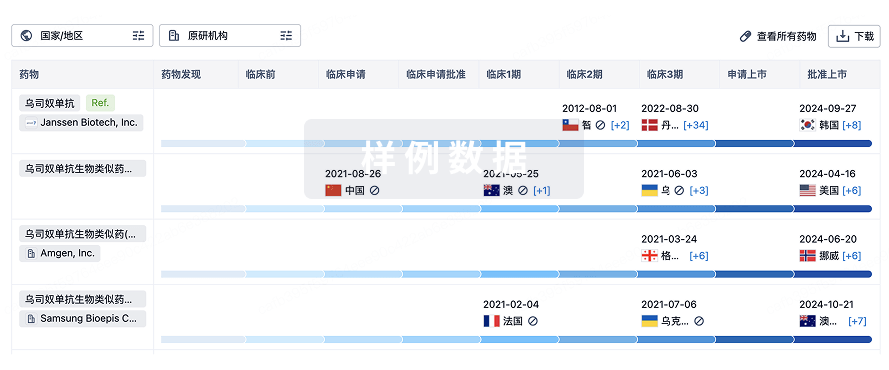
生物类似药
生物类似药在不同国家/地区的竞争态势。请注意临床1/2期并入临床2期,临床2/3期并入临床3期
登录
或
特殊审评
只需点击几下即可了解关键药物信息。
登录
或

提出任何生物医药研究问题
让每一步生物医药决策都精准制胜
基于十亿级生物数据与全球情报的精准 AI,赋能早期药物发现
立即开始免费试用!
智慧芽新药情报库是智慧芽专为生命科学人士构建的基于AI的创新药情报平台,助您全方位提升您的研发与决策效率。
立即接入生物医药数据包
智慧芽新药库数据也通过智慧芽开放平台,以MCP或API服务形式对外开放。立即使用我们的MCP服务定制您的LLM智能体。
生物序列数据库
生物药研发创新
免费使用
化学结构数据库
小分子化药研发创新
免费使用