预约演示
更新于:2026-01-24
AP5
更新于:2026-01-24
概要
基本信息
药物类型 小分子化药 |
别名 Aminophosphonovaleric acid、AP-5、AP5 |
作用方式 激动剂 |
作用机制 NMDA receptor激动剂(谷氨酸[NMDA]受体复合体激动剂) |
在研适应症 |
非在研适应症- |
非在研机构- |
权益机构- |
最高研发阶段临床前 |
首次获批日期- |
最高研发阶段(中国)- |
特殊审评- |

关联
100 项与 AP5 相关的临床结果
登录后查看更多信息
100 项与 AP5 相关的转化医学
登录后查看更多信息
100 项与 AP5 相关的专利(医药)
登录后查看更多信息
976
项与 AP5 相关的文献(医药)2025-12-01·JOURNAL OF NEUROPHYSIOLOGY
Acute intermittent hypoxia enhances nucleus of the solitary tract neuronal activity and requires NMDARs and CaMKII for phrenic long-term facilitation
Article
作者: Hasser, Eileen M ; Khodadadi-Mericle, Fateme ; Kline, David D
Exposure to acute intermittent hypoxia (AIH) induced sustained increases in phrenic nerve activity (phrenic long-term facilitation, pLTF) that were associated with increased nucleus tractus solitarii (nTS) neuronal Ca
2+
and action potential discharge. nTS CaMKII activity was critical for pLTF development and AIH-induced increases in neuronal discharge. In contrast, nTS NMDA receptor (NMDAR) activation, but not CaMKII activity, was required for maintaining AIH-induced pLTF. Increased nTS neuronal activity, NMDAR activation, and CaMKII are critical for AIH-induced neuroplasticity in central cardiorespiratory output.
2025-12-01·Physiological Reports
Characterization of optogenetically activated inhibitory inputs onto cholinergic motor neurons in the spinal dorsolateral nucleus
Article
作者: Stephanie L. Daugherty ; Jonathan M. Beckel ; Tadanobu C. Kamijo ; Naoki Yoshimura ; Minoru Miyazato ; Kanako Matsuoka ; Shingo Kimura ; Sergei Karnup
Abstract:
Inhibitory control of external urethral sphincter motor neurons (EUS‐MNs) in the spinal dorsolateral nucleus (DLN), which corresponds to a portion of Onuf's nucleus in humans, is essential for normal micturition by inducing EUS relaxation during voiding; yet synaptic mechanisms remain poorly characterized. Using neonatal mice P8‐P12, we developed a slicing technique—cutting spinal cords at 150° from the coronal plane (30° from the horizontal plane in the agarose block), for maximizing EUS‐MNs captured per slice. Using transgenic mice co‐expressing channelrhodopsin‐2 in inhibitory interneurons (VGAT‐ChR2) and GFP in cholinergic neurons (ChAT‐GFP), we investigated inhibitory synaptic transmission onto EUS‐MNs. Optogenetic activation evoked robust inhibitory postsynaptic potentials (IPSPs), classified as sustained or transient based on temporal profiles. Pharmacology revealed that sustained IPSPs contained both glycinergic and GABAergic components, while GABAA receptors predominantly mediated transient IPSPs. Strychnine (1 μM) selectively blocked glycinergic transmission, while bicuculline (10 μM) eliminated GABAergic components. Insensitivity to glutamatergic antagonists (CNQX and AP5) confirmed purely inhibitory responses. Our findings demonstrate segregation of inhibitory inputs onto EUS‐MNs, with glycinergic and GABAergic transmission contributing to sustained and transient inhibition, respectively, establishing the methodological foundation for investigating inhibitory circuit dynamics in pathological conditions such as spinal cord injury with deficient inhibitory control.
2025-08-01·JOURNAL OF PSYCHIATRIC RESEARCH
Enriched environment mitigates anxiety and depression-like behaviors induced by SNI via restoration of AMPA and NMDA receptors function in mice
Article
作者: Guo, Guoqing ; Zheng, Xuefeng ; Duan, Wenxia ; Wu, Fengming ; Zhang, Jifeng ; Xie, Keman ; Chen, Kedong ; Xu, Yuanyuan
BACKGROUND:
Chronic pain is well-known for inducing anxiety and depression in humans. Enriched environment (EE) has shown promising effects in alleviating mood disorders; however, the precise mechanisms remain poorly understood. The medial prefrontal cortex (mPFC), a pivotal brain region associated with emotion regulation, particularly through excitatory synaptic transmission, is implicated in the processing of pain-related mood disorders.
METHODS:
First, adult male C57BL/6 mice 6 weeks after spared nerve injury surgery, were subjected to the behavioral tests and dendritic spine morphology staining. Then, 2 weeks after spared nerve injury (SNI), mice were housed in enriched environment, to establish model EE. Behavioral outcomes, dendritic spine maturation, and AMPA and NMDA receptors expression were assessed up to 4 weeks after EE treatment using behavioral tests, Golgi staining, Western blot, and pharmacological experiments.
RESULTS:
Our results showed that SNI mice exhibit anxiety and depression-like behaviors. Further analysis revealed that SNI mice displayed a significant reduction in mature dendritic spines in the mPFC. After 4 weeks of housekeeping in EE, dendritic complexity, spine maturity, and the expression of AMPAR and NMDAR of SNI mice were restored, leading to a rescue of anxiety and depression-like behaviors. Moreover, pharmacological antagonism of AMPAR or NMDAR, by intraperitoneal injection of AP-5 or CNQX, effectively abolished the alleviating effect of EE on anxiety and depression-like behaviors in SNI mice.
CONCLUSIONS:
Together, our findings uncovered a previously unrecognized AMPAR and NMDAR-dependent mechanism of EE in mitigates anxiety and depression-like behaviors in SNI mice via restoration of mPFC excitatory synaptic transmission.
100 项与 AP5 相关的药物交易
登录后查看更多信息
研发状态
10 条进展最快的记录, 后查看更多信息
登录
| 适应症 | 最高研发状态 | 国家/地区 | 公司 | 日期 |
|---|---|---|---|---|
| 学习障碍 | 临床前 | 英国 | 1986-02-01 |
登录后查看更多信息
临床结果
临床结果
适应症
分期
评价
查看全部结果
| 研究 | 分期 | 人群特征 | 评价人数 | 分组 | 结果 | 评价 | 发布日期 |
|---|
No Data | |||||||
登录后查看更多信息
转化医学
使用我们的转化医学数据加速您的研究。
登录
或
药物交易
使用我们的药物交易数据加速您的研究。
登录
或
核心专利
使用我们的核心专利数据促进您的研究。
登录
或
临床分析
紧跟全球注册中心的最新临床试验。
登录
或
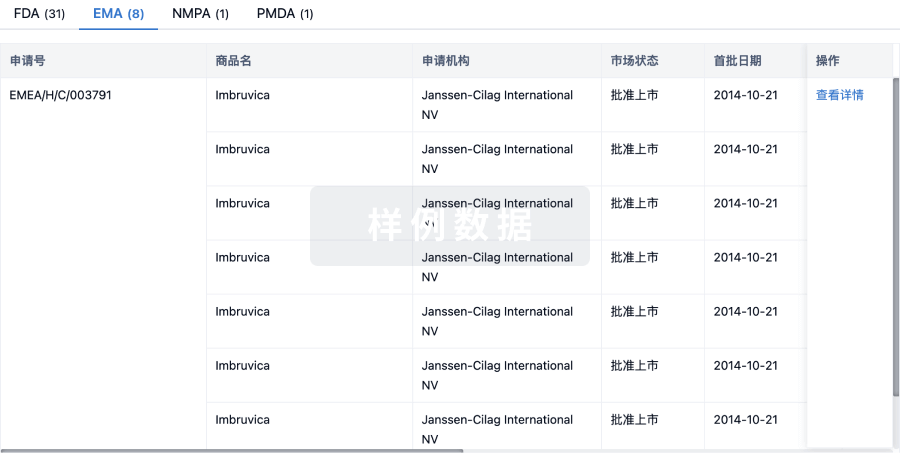
批准
利用最新的监管批准信息加速您的研究。
登录
或
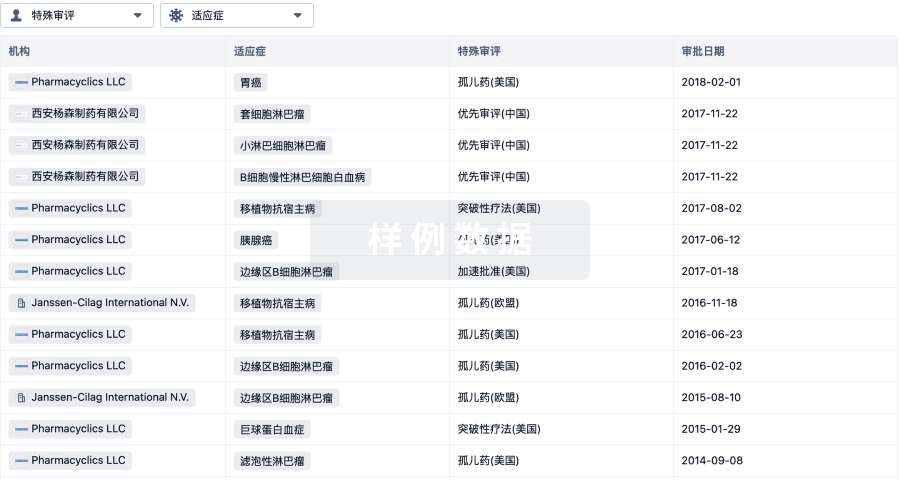
特殊审评
只需点击几下即可了解关键药物信息。
登录
或
生物医药百科问答
全新生物医药AI Agent 覆盖科研全链路,让突破性发现快人一步
立即开始免费试用!
智慧芽新药情报库是智慧芽专为生命科学人士构建的基于AI的创新药情报平台,助您全方位提升您的研发与决策效率。
立即开始数据试用!
智慧芽新药库数据也通过智慧芽数据服务平台,以API或者数据包形式对外开放,助您更加充分利用智慧芽新药情报信息。
生物序列数据库
生物药研发创新
免费使用
化学结构数据库
小分子化药研发创新
免费使用