预约演示
更新于:2026-08-22
AhR Inhibitor(Bukwang)
更新于:2026-08-22
概要
基本信息
非在研机构- |
权益机构- |
最高研发阶段临床前 |
首次获批日期- |
最高研发阶段(中国)- |
特殊审评- |

关联
100 项与 AhR Inhibitor(Bukwang) 相关的临床结果
登录后查看更多信息
100 项与 AhR Inhibitor(Bukwang) 相关的转化医学
登录后查看更多信息
100 项与 AhR Inhibitor(Bukwang) 相关的专利(医药)
登录后查看更多信息
67
项与 AhR Inhibitor(Bukwang) 相关的文献(医药)2026-10-01·VETERINARY RESEARCH COMMUNICATIONS
Cinnabarinic acid regulates the barrier function and inflammatory reactions in primary chicken intestinal epithelial cells with hyperthermia treatment via the aryl hydrocarbon receptor
Article
作者: Ouyang, Jingxin ; Liu, Yichun ; Li, Guanhong ; Chen, Xiaolian ; Deng, Chenxi ; Li, Qiufen ; Zhou, Hua
This study aimed to evaluate the efficacy of cinnabarinic acid (CA) in regulating the barrier function and inflammatory responses of primary intestinal epithelial cells (IECs) derived from chicken embryos subjected to hyperthermia, so as to provide a theoretical basis for alleviating heat stress in broilers. The IECs were randomly divided into 4 groups, a thermoneutral group (37 °C), a hyperthermia group (43 °C), a hyperthermia + CA group and a hyperthermia + CA + aryl hydrocarbon receptor (AhR) inhibitor group. A hyperthermia cell model was established by exposing IECs to 43 °C for 6 h, and the experimental treatments consisted of 1 µmol/L CA and 1 µmol/L AhR inhibitor. According to the results, the supplementation of 1 µmol/L CA into the basal culture medium markedly improved the relative cell viability of hyperthermia-treated IECs, decreased the levels of lactate dehydrogenase (LDH), tumor necrosis factor alpha (TNF-α), and interleukin (IL)-1β in cell culture supernatants, downregulated the mRNA expression of heat shock protein (HSP)70, HSP90, claudin2, toll-like receptor (TLR)4, TLR5 and TLR21, increased AhR protein expression and the mRNA expression of occludin, increased the secretion of IL-22 of IECs treated with hyperthermia. Notably, the protective and regulatory effects of CA were markedly abolished by the AhR inhibitor under hyperthermic conditions. In conclusion, CA activated AhR in IECs, promoted IL-22 secretion, inhibited inflammatory responses, increased tight junction proteins genes expression, enhanced epithelial barrier integrity.
2026-04-01·TOXICOLOGY AND APPLIED PHARMACOLOGY
Targeting aryl hydrocarbon receptor signaling attenuates hypertension programmed by maternal Di-2-ethylhexylphthalate exposure
Article
作者: Liu, Hsi-Yun ; Hsu, Chien-Ning ; Chen, Yu-Wei ; Tain, You-Lin ; Hou, Chih-Yao ; Lin, Shu-Fen ; Chang-Chien, Guo-Ping
Adverse early-life conditions can predispose offspring to long-term health risks. Phthalate exposure, particularly to di-2-ethylhexylphthalate (DEHP), during pregnancy and lactation has been implicated in programming offspring hypertension via aryl hydrocarbon receptor (AHR) activation, renin-angiotensin system (RAS) dysregulation, nitric oxide (NO) deficiency, and gut microbiota alterations. Using a maternal DEHP exposure rat model, we investigated whether blockade of AHR signaling-directly with the AHR inhibitor CH223191 or indirectly with the indoleamine 2,3-dioxygenase (IDO) inhibitor INCN-024360-prevents offspring hypertension. Pregnant rats received DEHP (10 mg/kg/day) by oral gavage throughout pregnancy and lactation, with or without CH223191 (10 mg/kg/day) or INCN-024360 (50 mg/kg/day). Maternal DEHP exposure induced sustained systolic hypertension in adult male offspring, accompanied by upregulation of renal AHR signaling and RAS components. This effect was attenuated by the IDO inhibitor (approximately 10 mmHg reduction in systolic blood pressure) and more effectively by the AHR inhibitor (approximately 16 mmHg reduction). Mechanistically, the IDO inhibitor reduced asymmetric dimethylarginine (an endogenous nitric oxide synthase inhibitor), renin, and CYP1A1 expression while increasing angiotensin-converting enzyme 2 (ACE2), whereas the AHR inhibitor suppressed renal AHR, renin, angiotensin-converting enzyme (ACE), and angiotensin II type 1 receptor (AT1R) expression and significantly enhanced short-chain fatty acid receptor expression. Both interventions were associated with distinct alterations in gut microbiota composition. These findings identify AHR as a key mechanistic link between early-life environmental phthalate exposure and programmed hypertension and support early-life AHR blockade as a potential preventive strategy for offspring cardiometabolic-kidney risk.
2026-02-01·Blood vessels, thrombosis & hemostasis
Tryptophan metabolism reprogramming potentially contributes to the prothrombotic milieu in mice and humans with SARS-CoV-2
Article
作者: Kolachalama, Vijaya B ; Zhao, Grace ; Lotfollahzadeh, Saran ; Kenney, Devin ; Napoleon, Marc Arthur ; Wu Wong, David Jasen ; Douam, Florian ; Bosmann, Markus ; Chitalia, Vipul C ; Francis, Christina ; Elsadawi, Murad ; Kurniawan, Helena ; Burks, Eric J ; Ravid, Katya ; Kamal, Mohamed Hassan ; Cabral, Howard ; Whelan, Stephen A ; Subramaniam, Saravanan
Severe acute respiratory syndrome coronavirus 2 (SARS-CoV-2) infection disturbs the coagulation balance in the blood, triggering thrombosis and contributing to organ failure. The role of prothrombotic metabolites in COVID-19-associated coagulopathy remains elusive. Leveraging K18-hACE2 mice infected with SARS-CoV-2, we observed higher levels of the tryptophan metabolite, kynurenine, than in controls. SARS-CoV-2-infected mice showed a significant upregulation of enzymes controlling kynurenine biogenesis, such as indoleamine 2,3-dioxygenase 1 (IDO-1) and tryptophan 2,3-dioxygenase in the kidney and liver, respectively, as well as changes in the enzymes involved in kynurenine catabolism, including kynurenine monooxygenase and kynurinase. Consistent with the agonistic role of these metabolites in aryl hydrocarbon receptor (AHR) signaling, AHR activation and its downstream mediator, tissue factor (TF), a highly potent procoagulant factor, was observed in endothelial cells (ECs) of lungs and kidneys of infected mice. These findings were validated in humans. Compared with controls, sera of patients with COVID-19 showed increased levels of kynurenine, kynurenic acid, anthranilic acid, and quinolinic acid. Activation of the AHR-TF axis was noted in the kidneys and lungs of patients with COVID-19, and sera from patients infected with SARS-CoV-2 showed higher IDO-1 activity than controls. Kynurenine levels in patients with COVID-19 correlated strongly with the TF-inducing activity of sera from patients infected with SARS-CoV-2 on ECs. A specific IDO-1 inhibitor or AHR inhibitor separately or in combination suppressed sera from induced TF activity in ECs from patients with COVID-19. Together, we identified IDO-1 as upregulated by SARS-CoV-2 infection, resulting in augmented kynurenine and its prothrombotic catabolites, thereby suggesting the kynurenine-AHR-TF axis as a potential new diagnostic and therapeutic target.
100 项与 AhR Inhibitor(Bukwang) 相关的药物交易
登录后查看更多信息
研发状态
10 条进展最快的记录, 后查看更多信息
登录
| 适应症 | 最高研发状态 | 国家/地区 | 公司 | 日期 |
|---|---|---|---|---|
| 实体瘤 | 临床前 | 韩国 | 2024-08-31 |
登录后查看更多信息
临床结果
临床结果
适应症
分期
评价
查看全部结果
| 研究 | 分期 | 人群特征 | 评价人数 | 分组 | 结果 | 评价 | 发布日期 |
|---|
No Data | |||||||
登录后查看更多信息
转化医学
使用我们的转化医学数据加速您的研究。
登录
或
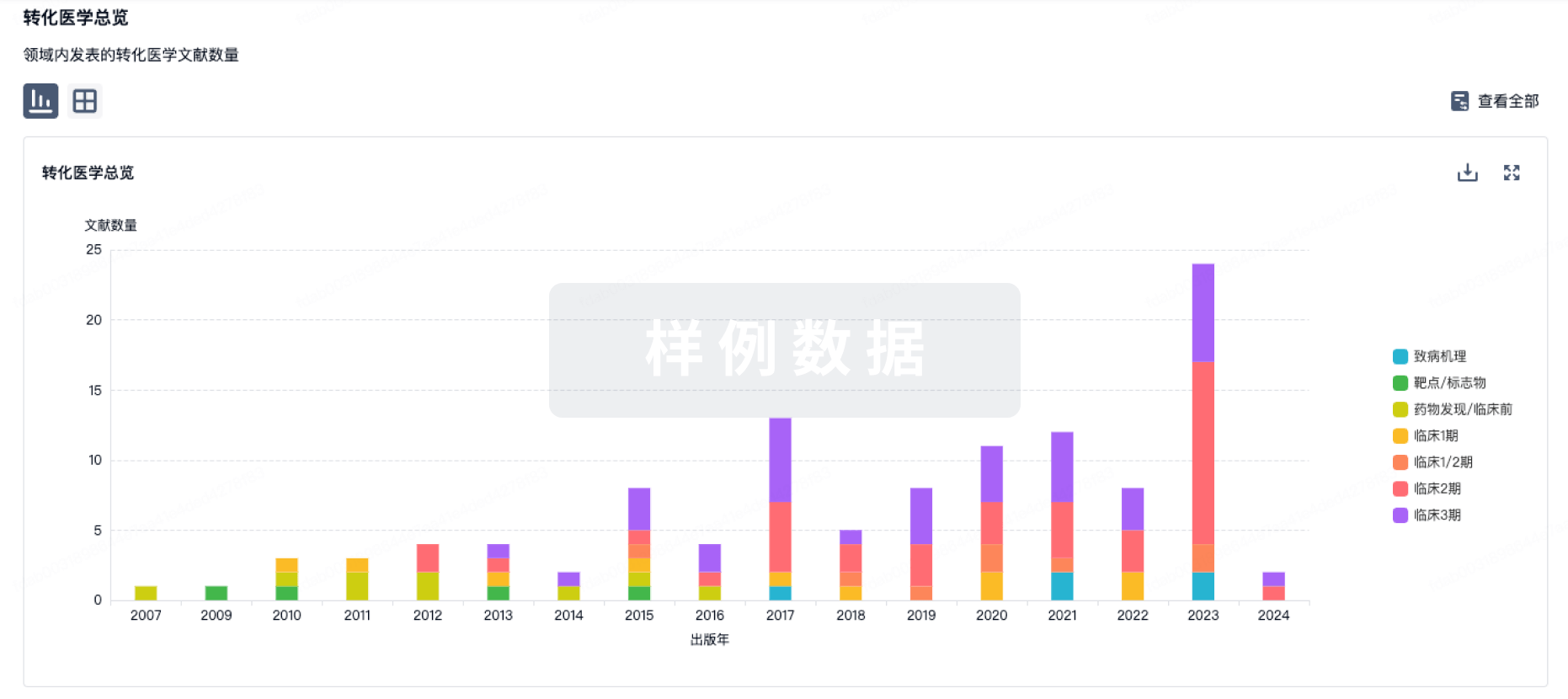
药物交易
使用我们的药物交易数据加速您的研究。
登录
或
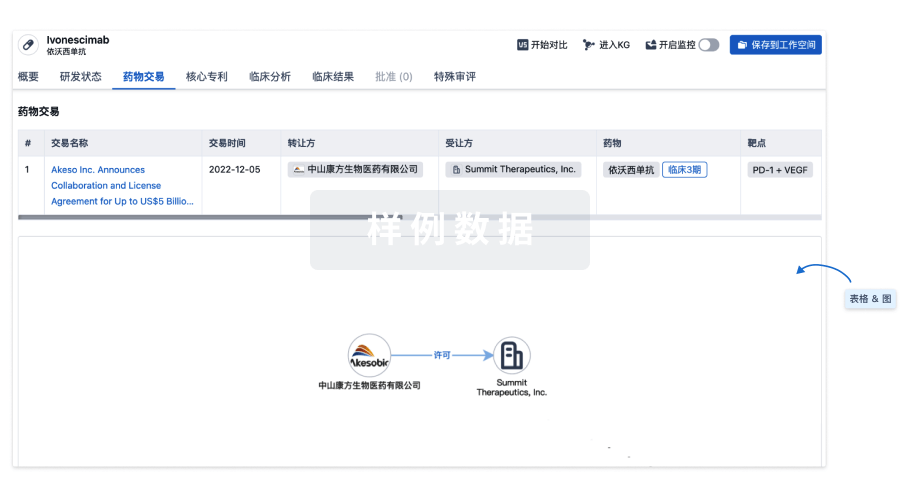
核心专利
使用我们的核心专利数据促进您的研究。
登录
或
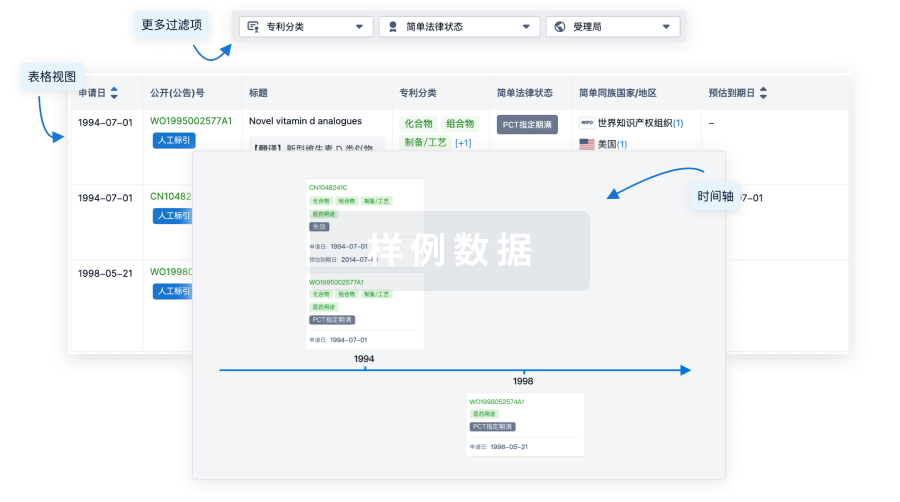
临床分析
紧跟全球注册中心的最新临床试验。
登录
或
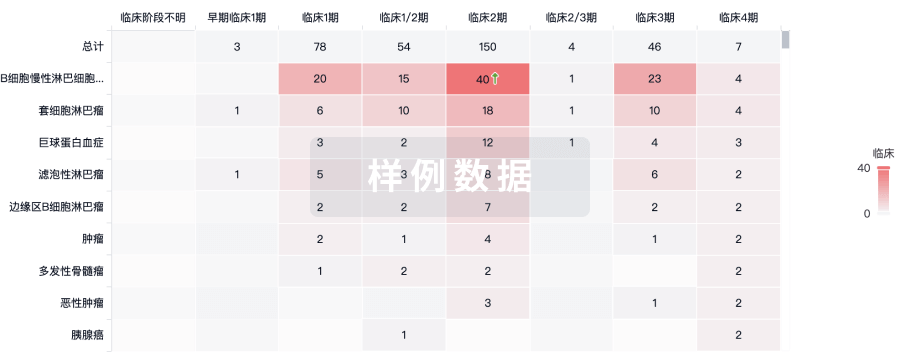
批准
利用最新的监管批准信息加速您的研究。
登录
或
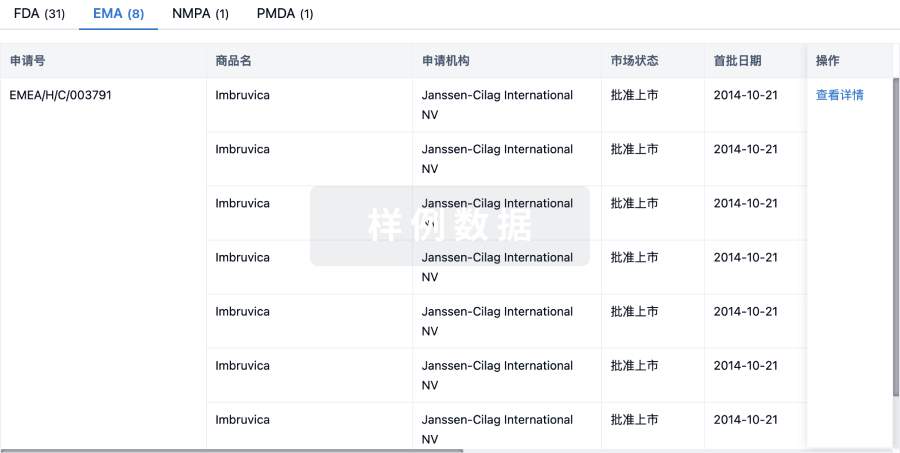
特殊审评
只需点击几下即可了解关键药物信息。
登录
或
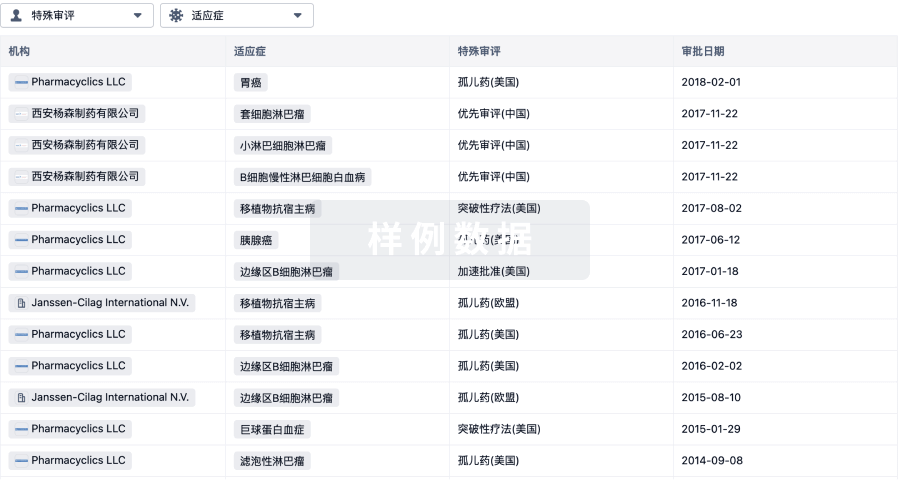
提出任何生物医药研究问题
让每一步生物医药决策都精准制胜
基于十亿级生物数据与全球情报的精准 AI,赋能早期药物发现
立即开始免费试用!
智慧芽新药情报库是智慧芽专为生命科学人士构建的基于AI的创新药情报平台,助您全方位提升您的研发与决策效率。
立即接入生物医药数据包
智慧芽新药库数据也通过智慧芽开放平台,以MCP或API服务形式对外开放。立即使用我们的MCP服务定制您的LLM智能体。
生物序列数据库
生物药研发创新
免费使用
化学结构数据库
小分子化药研发创新
免费使用