预约演示
更新于:2026-09-07
Norfenefrine Hydrochloride
盐酸去甲苯福林
更新于:2026-09-07
概要
基本信息
结构/序列
分子式C8H11NO2 |
InChIKeyLRCXRAABFLIVAI-UHFFFAOYSA-N |
CAS号536-21-0 |
关联
100 项与 盐酸去甲苯福林 相关的临床结果
登录后查看更多信息
100 项与 盐酸去甲苯福林 相关的转化医学
登录后查看更多信息
100 项与 盐酸去甲苯福林 相关的专利(医药)
登录后查看更多信息
265
项与 盐酸去甲苯福林 相关的文献(医药)2025-08-01·BIORESOURCE TECHNOLOGY
From waste to value: Multi-omics reveal pomegranate peel addition improves corn silage antioxidant activity and reduces methane and nitrogen losses
Article
作者: Zhang, Huixian ; Zhang, Yuanqing ; Wang, Dongcai ; Zhang, Xia
Fermentation technology presents promising opportunities for food waste valorization. Pomegranate peel (PP), a food by-product, has potential applications in fermented feed. This study examined the effects of a 6% dry PP additive on the ensiling characteristics, antioxidant activity, metabolites, bacterial community, and in vitro ruminal fermentation, methane (CH4) emission of corn silage ensiled for 7 days and 60 days using microbiome and metabolome analyses. PP-treated silage inhibited (P < 0.05) protein degradation by reducing ammonia nitrogen and non-protein nitrogen concentrations during ensiling. The PP additive increased (P < 0.05) water-soluble carbohydrate content and reduced ethanol production in corn silage. Lactiplantibacillus dominated PP-treated silage at the initial ensiling stage, while Levilactobacillus prevailed at the final stage. Notably, the PP additive exhibited strong antioxidant activity by modulating antioxidant enzymes and flavonoid biosynthesis mediated by key metabolites (epigallocatechin and catechin). Correlation analysis identified Lactiplantibacillus, Citrobacter, Phytobacter and Burkholderia as key microbes in the production of antioxidant metabolites and enzymes in PP-treated silage. Additionally, PP supplementation reduced (P < 0.05) in vitro ruminal CH4 and nitrogen losses, while decreasing dry matter (DM) digestibility in corn silage. In summary, PP-treated corn silage enhanced antioxidant properties and reduced the nitrogen losses and in vitro ruminal CH4 emissions, but lowered DM digestibility. Thus, PP can be recommended as a silage additive, though the dry PP level should be lower than that used in this study.
2025-04-29·ANALYTICAL CHEMISTRY
Met-ID: An Open-Source Software for Comprehensive Annotation of Multiple On-Tissue Chemical Modifications in MALDI-MSI
Article
作者: Shariatgorji, Reza ; Nilsson, Anna ; Käll, Lukas ; Andrén, Per E. ; Svenningsson, Per ; Kaya, Ibrahim ; Vallianatou, Theodosia ; Bjärterot, Patrik
Here, we introduce Met-ID, a graphical user interface software designed to efficiently identify metabolites from MALDI-MSI data sets. Met-ID enables annotation of m/z features from any type of MALDI-MSI experiment, involving either derivatizing or conventional matrices. It utilizes structural information for derivatizing matrices to generate a subset of targets that contain only functional groups specific to the derivatization agent. The software is able to identify multiple derivatization sites on the same molecule, facilitating identification of the derivatized compound. This ability is exemplified by FMP-10, a reactive matrix that assists the covalent charge-tagging of molecules containing phenolic hydroxyl and/or primary or secondary amine groups. Met-ID also permits users to recalibrate data with known m/z ratios, boosting confidence in mass match results. Furthermore, Met-ID includes a database featuring MS2 spectra of numerous chemical standards, consisting of neurotransmitters and metabolites derivatized with FMP-10, alongside peaks for FMP-10 itself, all accessible directly through the software. The MS2 spectral database supports user-uploaded spectra and enables comparison of these spectra with user-provided tissue MS2 spectra for similarity assessment. Although initially installed with basic data, Met-ID is designed to be customizable, encouraging users to tailor the software to their specific needs. While several MSI-oriented software solutions exist, Met-ID combines both MS1 and MS2 functionalities. Developed in alignment with the FAIR Guiding Principles for scientific software, Met-ID is freely available as an open-source tool on GitHub, ensuring wide accessibility and collaboration.
2024-11-01·JOURNAL OF BIOLOGICAL CHEMISTRY
Comprehensive characterization of the OCT1 phenylalanine-244-alanine substitution reveals highly substrate-dependent effects on transporter function
Article
作者: Gebauer, Lukas ; Brockmöller, Jürgen ; Wittern, Carla Isabel ; Schröder, Sophie ; Jensen, Ole
Organic cation transporters (OCTs) can transport structurally highly diverse substrates. The molecular basis of this extensive polyspecificity has been further elucidated by cryo-EM. Apparently, in addition to negatively charged amino acids, aromatic residues may contribute to substrate binding and substrate selectivity. In this study, we provide a comprehensive characterization of phenylalanine 244 in OCT1 function. We analyzed the uptake of 144 OCT1 substrates for the phenylalanine 244 to alanine substitution compared to WTOCT1. This substitution had highly substrate-specific effects ranging from transport reduced to 10% of WT activity up to 8-fold increased transport rates. Four percent of substrates showed strongly increased uptake (>200% of WT) whereas 39% showed strongly reduced transport (<50% of WT). Particularly with larger, more hydrophobic, and more aromatic substrates, the Phe244Ala substitution resulted in higher transport rates and lower inhibition of the transporter. In contrast, substrates with a lower molecular weight and less aromatic rings showed generally decreased uptake rates. A comparison of our data to available transport kinetic data demonstrates that generally, high-affinity low-capacity substrates show increased uptake by the Phe244Ala substitution, whereas low-affinity high-capacity substrates are characterized by reduced transport rates. Altogether, our study provides the first comprehensive characterization of the functional role of an aromatic amino acid within the substrate translocation pathway of OCT1. The pleiotropic function further highlights that phenylalanine 244 interacts in a highly specific manner with OCT1 substrates and inhibitors.
100 项与 盐酸去甲苯福林 相关的药物交易
登录后查看更多信息
研发状态
10 条最早获批的记录, 后查看更多信息
登录
| 适应症 | 国家/地区 | 公司 | 日期 |
|---|---|---|---|
| 低血压 | - | - | - |
登录后查看更多信息
临床结果
临床结果
适应症
分期
评价
查看全部结果
| 研究 | 分期 | 人群特征 | 评价人数 | 分组 | 结果 | 评价 | 发布日期 |
|---|
No Data | |||||||
登录后查看更多信息
转化医学
使用我们的转化医学数据加速您的研究。
登录
或
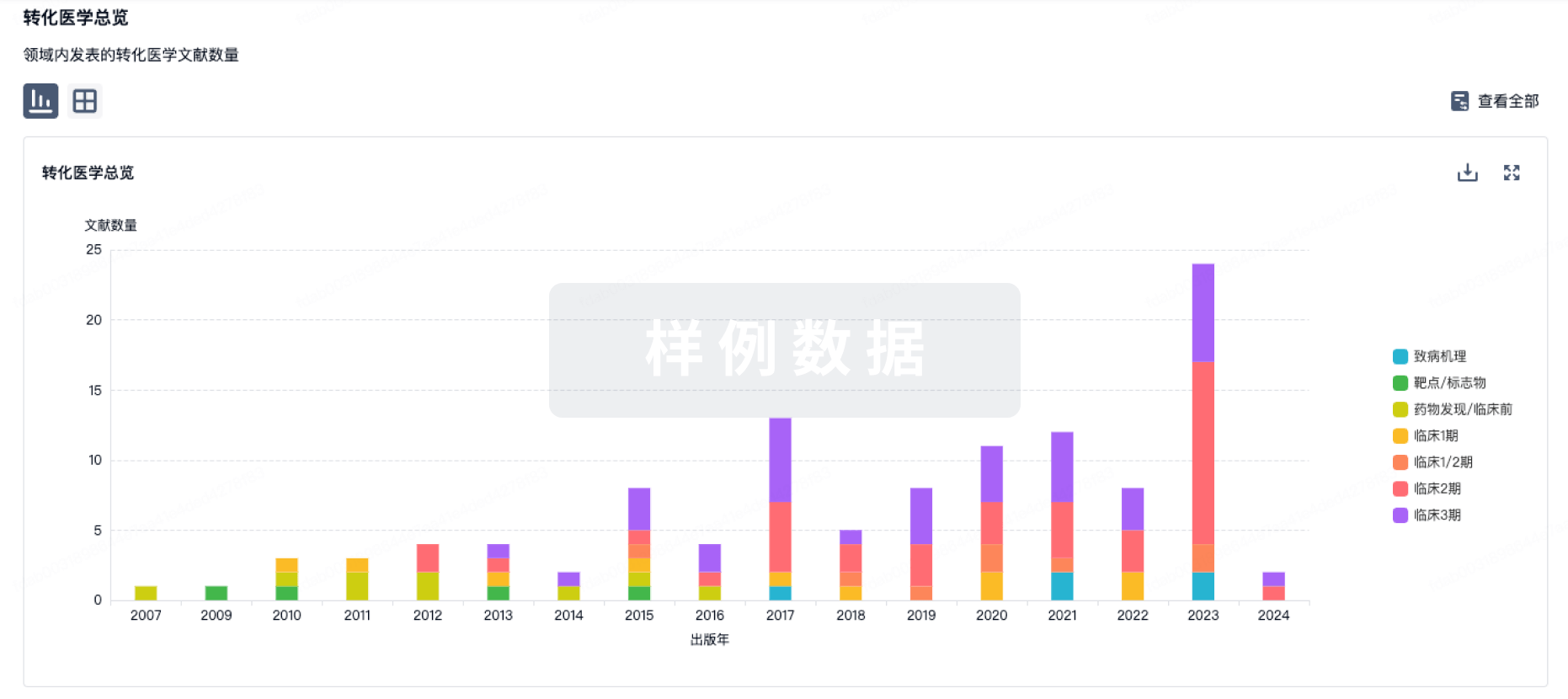
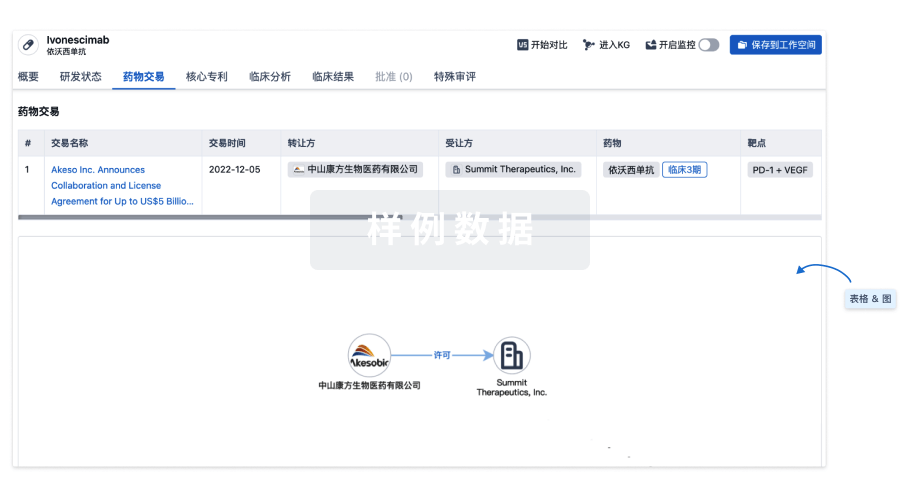
药物交易
使用我们的药物交易数据加速您的研究。
登录
或
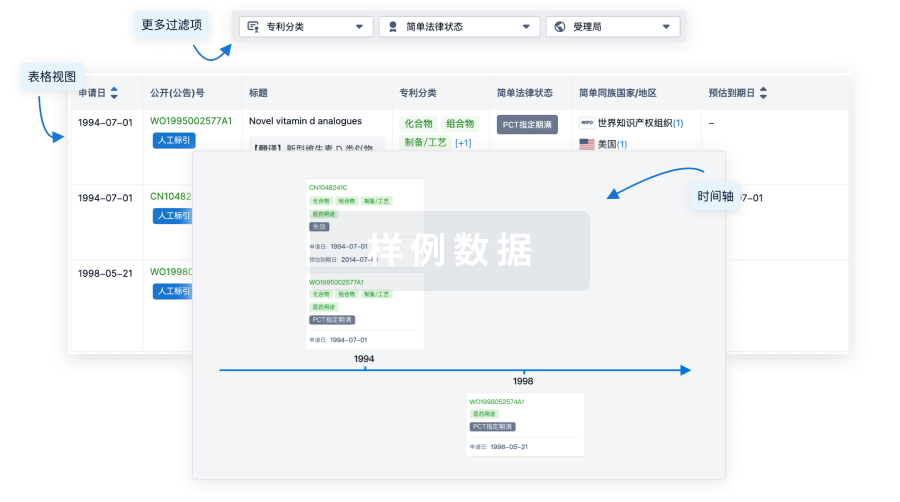
核心专利
使用我们的核心专利数据促进您的研究。
登录
或
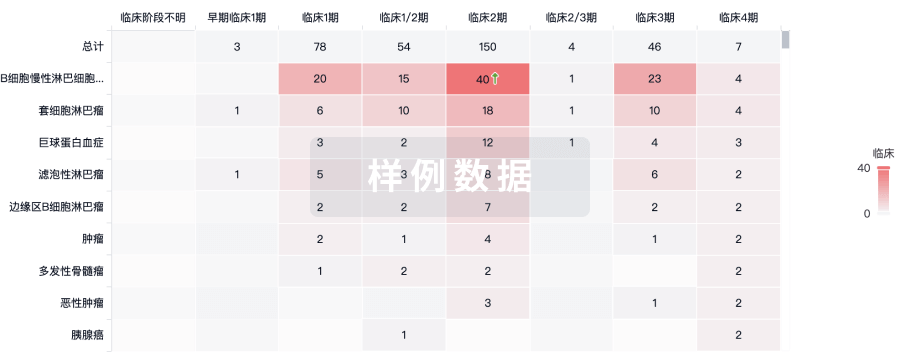
临床分析
紧跟全球注册中心的最新临床试验。
登录
或
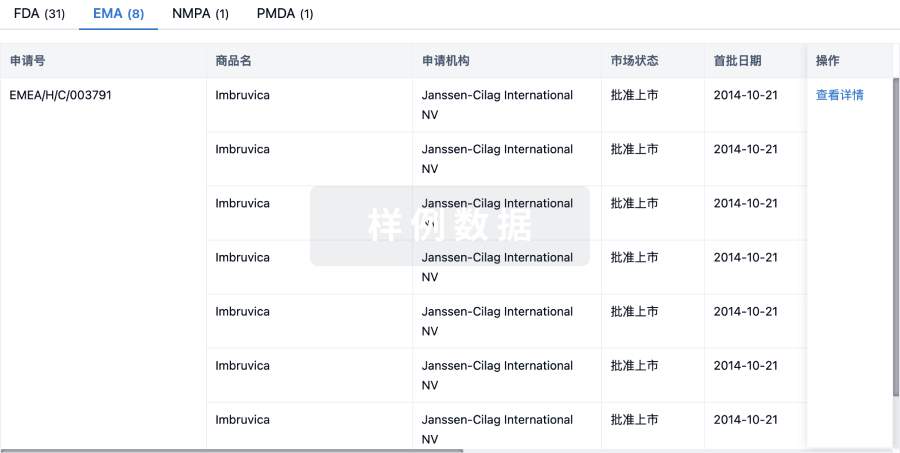
批准
利用最新的监管批准信息加速您的研究。
登录
或
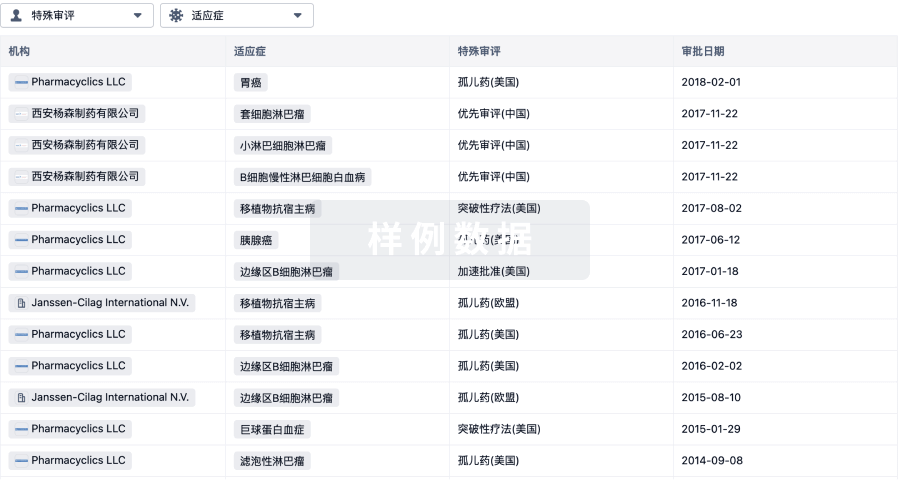
特殊审评
只需点击几下即可了解关键药物信息。
登录
或
提出任何生物医药研究问题
让每一步生物医药决策都精准制胜
基于十亿级生物数据与全球情报的精准 AI,赋能早期药物发现
立即开始免费试用!
智慧芽新药情报库是智慧芽专为生命科学人士构建的基于AI的创新药情报平台,助您全方位提升您的研发与决策效率。
立即接入生物医药数据包
智慧芽新药库数据也通过智慧芽开放平台,以MCP或API服务形式对外开放。立即使用我们的MCP服务定制您的LLM智能体。
生物序列数据库
生物药研发创新
免费使用
化学结构数据库
小分子化药研发创新
免费使用