预约演示
更新于:2026-08-20
Histone acetyltransferase inhibitors(Boehringer Ingelheim/ Epizyme)
更新于:2026-08-20
概要
基本信息
非在研机构- |
权益机构- |
最高研发阶段药物发现 |
首次获批日期- |
最高研发阶段(中国)- |
特殊审评- |

关联
100 项与 Histone acetyltransferase inhibitors(Boehringer Ingelheim/ Epizyme) 相关的临床结果
登录后查看更多信息
100 项与 Histone acetyltransferase inhibitors(Boehringer Ingelheim/ Epizyme) 相关的转化医学
登录后查看更多信息
100 项与 Histone acetyltransferase inhibitors(Boehringer Ingelheim/ Epizyme) 相关的专利(医药)
登录后查看更多信息
89
项与 Histone acetyltransferase inhibitors(Boehringer Ingelheim/ Epizyme) 相关的文献(医药)2026-08-01·BIOCHIMICA ET BIOPHYSICA ACTA-MOLECULAR BASIS OF DISEASE
Targeted inhibition of the H3K27ac/OGT/O-GlcNAcylation axis to overcome gemcitabine-induced chemotherapy resistance in bladder cancer
Article
作者: Li, Dan ; Chu, Guangdi ; Tian, Xintao ; Liang, Ye ; Yuan, Yi ; Chen, Yuanbin ; Liang, Zhijuan ; Wang, Liping
Gemcitabine (Gem), a primary treatment for advanced and metastatic bladder cancer, can lead to malignant progression and drug resistance, though the underlying mechanisms are not fully understood. Post-translational modifications (PTMs) are key to understanding this resistance and identifying new chemosensitizers. To decipher the relationship between the PTM and Gem-induced chemotherapy resistance in bladder cancer, a Gem-resistant cell line was developed from Gem-sensitive cells through repeated exposure to the drug, revealing increased levels of acetylation and O-GlcNAcylation compared to the parent cells. Thereafter, considering the significant role of histone acetylation in gene regulation, the histone acetyltransferase inhibitor C646 was employed to inhibit growth of Gem-resistant bladder cancer cells. Intriguingly, C646 was found to prevent the progression of Gem-resistant bladder cancer not only by inhibiting acetylation but also O-GlcNAcylation modifications both in vitro and in vivo. Immunohistochemistry analysis of bladder cancer clinical specimens confirmed that both histone H3 lysine 27 acetylation (H3K27ac) and O-GlcNAc transferase (OGT) expression levels were elevated post-chemotherapy and positively correlated. Further, chromatin immunoprecipitation followed by quantitative reverse transcription polymerase chain reaction (ChIP-qPCR) demonstrated that H3K27ac influences OGT expression by binding to its promoter region. Additionally, C646 disrupted OGT-mediated O-GlcNAcylation by suppressing the acetylation of H3K27 and its accumulation on the OGT promoter, thereby inhibiting Gem-resistant bladder cancer growth. Consequently, targeting the H3K27ac/OGT axis with histone acetyltransferase inhibitor offers a promising strategy to overcome Gem resistance in bladder cancer.
2026-01-01·INTERNATIONAL IMMUNOPHARMACOLOGY
CD11c+CD69+ trained APCs in lungs mediate allergic asthma through increased H3K27ac
Review
作者: Zeng, Ruihong ; Zheng, Xiaoqing ; Li, Jiao ; Deng, Yuqing ; Wang, Yueling ; Wang, Junhai ; Qin, Beibei ; Liang, Jiaqi ; Wang, Xiaoying ; Li, Hanglin ; Li, Wenjian ; Zheng, Boyang ; Zhang, Ling
OBJECTIVE:
Investigating the impact and mechanism of trained antigen-presenting cells (APCs) in asthma in ovalbumin (OVA)-sensitized mouse model and discovering targets for treating asthma.
METHODS:
BALB/c and C57BL/6 J wild-type mice and TNF-α-/- mice were exposed to OVA. CD11c+CD69+ APCs induced by OVA were re-stimulated by lipopolysaccharide to investigate trained immunity. The effect of histone acetylation in CD11c+CD69+ trained APCs were determined in vivo and in vitro. Epigenetic inhibitors, TNF-α-/- mice, and adoptive transfer were used to explore the development and function of these cells in mice.
RESULTS:
OVA induced CD11c+CD69+ trained APCs, which showed stronger responses and lipid metabolic reprogramming characterized by increased acetylcarnitine, a source of acetyl, compared with CD11c+CD69- APCs in mice. CD11c+CD69+ trained APCs showed the histone acetylation marker H3K27achigh. H3K27ac was enriched at the CD69 gene in CD11c+CD69+ trained APCs, which supported CD69 expression. Histone acetyltransferase inhibitor inhibited development of CD11c+CD69+ trained APCs. Functionally, CD11c+CD69+ trained APCs promoted Th2-type response. Adoptively transferred CD11c+CD69+ trained APCs, but not CD11c+CD69- APCs, induced asthma. Inhibition of histone acetyltransferase prevented asthma. Further, TNF-α expression increased in asthmatic mice or patients. H3K27ac maintained TNF-α production in the trained APCs. TNF-α-/- mice showed attenuated asthma, whereas adoptive transfer of the trained APCs restored asthma, suggesting a key role of TNF-α for the function of the trained APCs.
CONCLUSION:
We discovered a crucial role of CD11c+CD69+ trained APCs in asthma, and demonstrated that histone acetylation supported CD11c+CD69+ trained APCs to mediate asthma. The result may provide a potential target for the treatment of asthma.
2025-12-01·AURIS NASUS LARYNX
Effect of histone acetyltransferase inhibitor against middle ear cholesteatoma in mouse model
Article
作者: Akiyama, Naotaro ; Kojima, Hiromi ; Yamamoto-Fukuda, Tomomi
OBJECTIVE:
Middle ear cholesteatoma (Cholesteatoma) consists of proliferative epithelial cells. In the previous study, we demonstrated that histone H3 acetylation at lysine 27 (H3K27ac), associated with high transcriptional activation, was accumulated in the Cholesteatoma. In this study, we firstly investigated the expression of H3K27ac and histone acetyltransferase, p300 in human Cholesteatoma tissues. And then, we investigated the effects of a p300 inhibitor, C646, against Cholesteatoma growth.
METHODS:
Immunohistochemical analysis was demonstrated in the human Cholesteatoma specimens using anti-p300 and anti-H3K27ac antibodies and in the KGF-induced Cholesteatoma mouse model after p300 inhibitor administration using anti-p300, anti-H3K27ac, and anti-Ki67 antibodies.
RESULTS:
The expression levels of p300 were significantly increased and colocalized with H3K27ac in the human Cholesteatoma specimens. Moreover, C646 decreased proliferative activities of Cholesteatoma cells in the KGF-induced Cholesteatoma mouse model.
CONCLUSION:
We demonstrated that inhibition of the H3K27ac may be a potential treatment strategy for Cholesteatoma from a new perspective.
100 项与 Histone acetyltransferase inhibitors(Boehringer Ingelheim/ Epizyme) 相关的药物交易
登录后查看更多信息
研发状态
10 条进展最快的记录, 后查看更多信息
登录
| 适应症 | 最高研发状态 | 国家/地区 | 公司 | 日期 |
|---|---|---|---|---|
| 肺癌 | 药物发现 | 美国 | - | |
| 肺癌 | 药物发现 | 德国 | - |
登录后查看更多信息
临床结果
临床结果
适应症
分期
评价
查看全部结果
| 研究 | 分期 | 人群特征 | 评价人数 | 分组 | 结果 | 评价 | 发布日期 |
|---|
No Data | |||||||
登录后查看更多信息
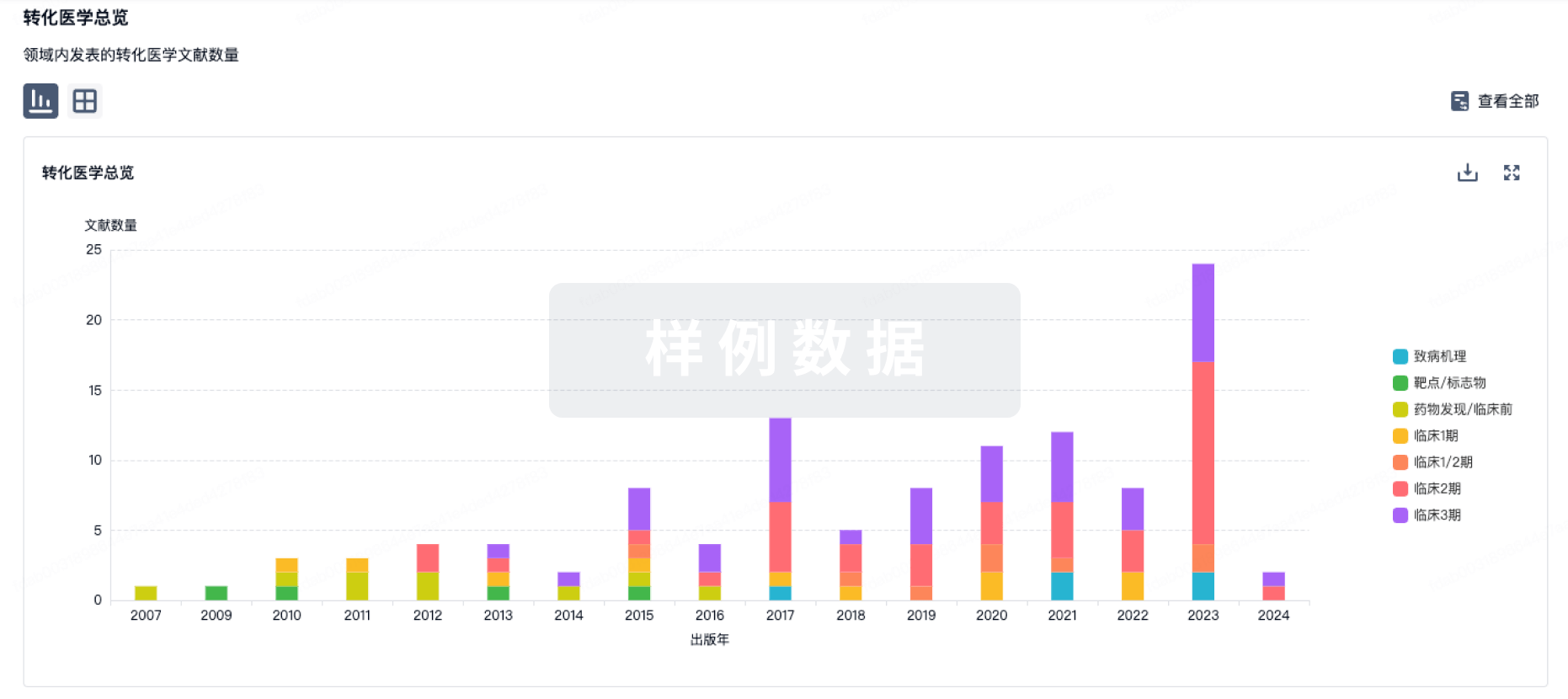
转化医学
使用我们的转化医学数据加速您的研究。
登录
或
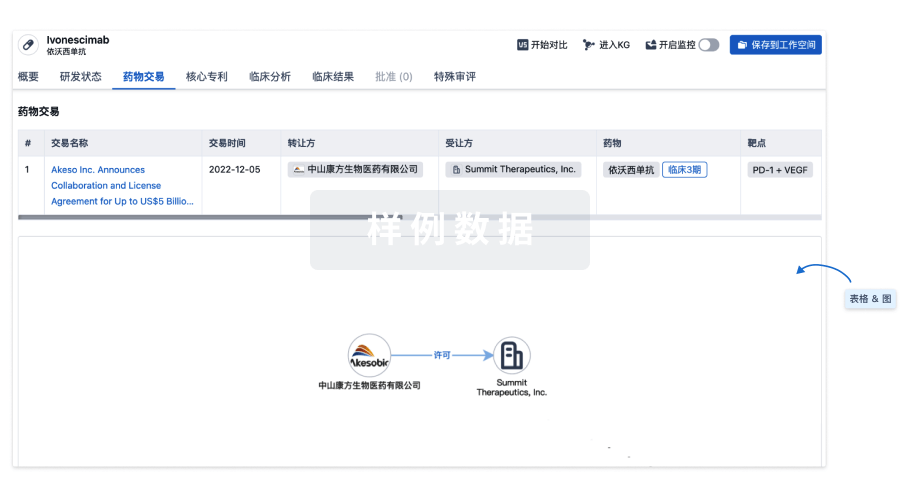
药物交易
使用我们的药物交易数据加速您的研究。
登录
或
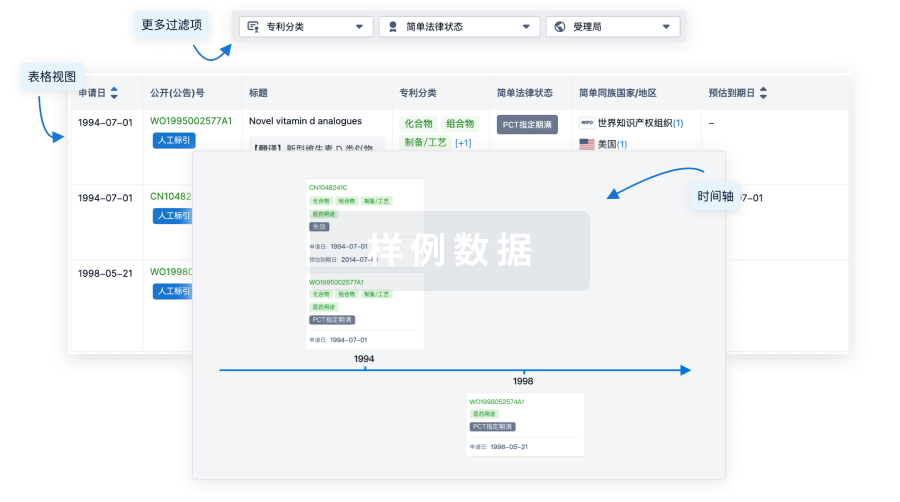
核心专利
使用我们的核心专利数据促进您的研究。
登录
或
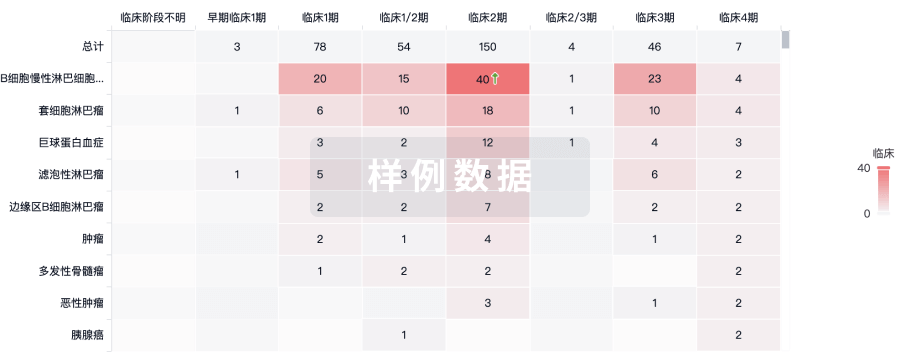
临床分析
紧跟全球注册中心的最新临床试验。
登录
或
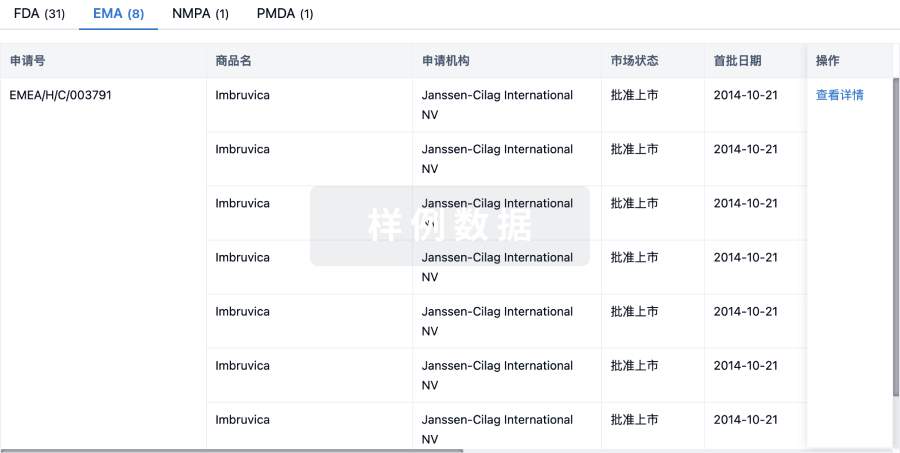
批准
利用最新的监管批准信息加速您的研究。
登录
或
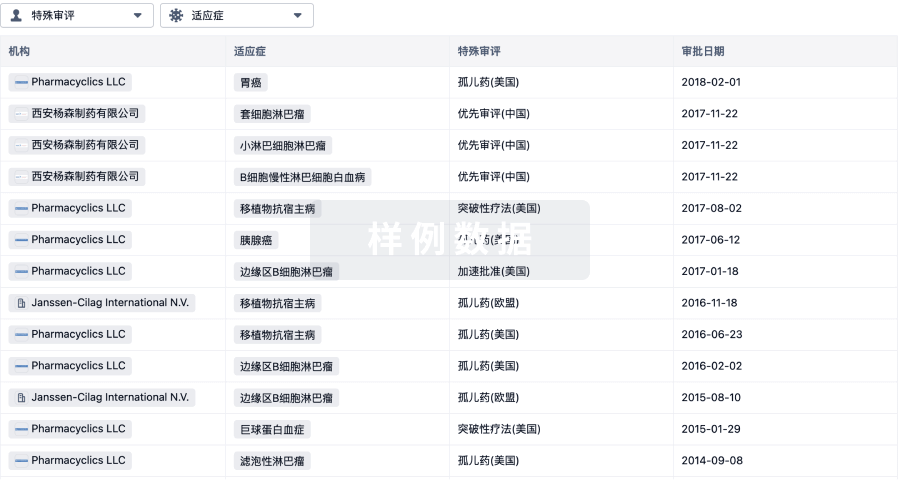
特殊审评
只需点击几下即可了解关键药物信息。
登录
或
提出任何生物医药研究问题
让每一步生物医药决策都精准制胜
基于十亿级生物数据与全球情报的精准 AI,赋能早期药物发现
立即开始免费试用!
智慧芽新药情报库是智慧芽专为生命科学人士构建的基于AI的创新药情报平台,助您全方位提升您的研发与决策效率。
立即接入生物医药数据包
智慧芽新药库数据也通过智慧芽开放平台,以MCP或API服务形式对外开放。立即使用我们的MCP服务定制您的LLM智能体。
生物序列数据库
生物药研发创新
免费使用
化学结构数据库
小分子化药研发创新
免费使用