预约演示
更新于:2026-08-22
PAb001_ADC
更新于:2026-08-22
概要
基本信息
原研机构 |
在研机构 |
非在研机构 |
最高研发阶段临床前 |
首次获批日期- |
最高研发阶段(中国)无进展 |
特殊审评- |


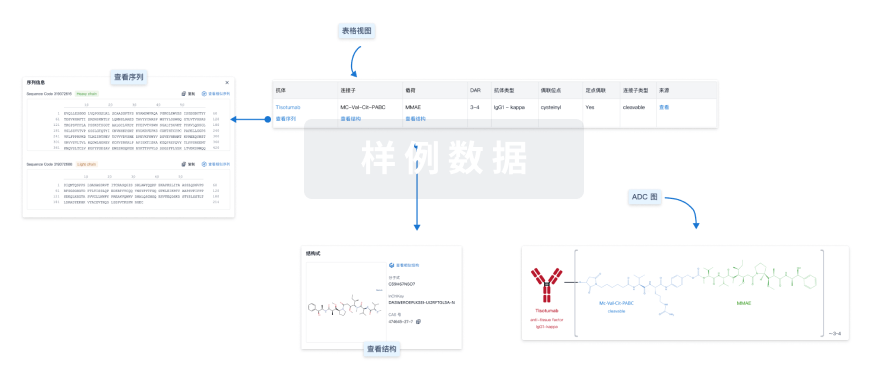
结构/序列
使用我们的ADC技术数据为新药研发加速。
登录
或
关联
100 项与 PAb001_ADC 相关的临床结果
登录后查看更多信息
100 项与 PAb001_ADC 相关的转化医学
登录后查看更多信息
100 项与 PAb001_ADC 相关的专利(医药)
登录后查看更多信息
5
项与 PAb001_ADC 相关的新闻(医药)2026-06-29
Collaboration to evaluate the development potential of next-generation dual-payload ADCs and further strengthen the versatility of Peptron’s PAb001 antibody
Peptron (087010), an innovative peptide-based drug development company, announced that it has entered into a co-research agreement with Debiopharm (Debiopharm Research & Manufacturing SA),, a Swiss-based global biopharmaceutical company, to develop next-generation antibody-drug conjugates (ADCs) using Peptron’s Mucin 1 (MUC1)-targeting antibody, PAb001.
The collaboration aims to discover and evaluate multiple PAb001-based ADC candidates by combining Peptron’s PAb001 antibody with Debiopharm’s proprietary ADC platform technology, MultiLINK™.
PAb001 is an antibody targeting MUC1, which is expressed in various solid tumors. Based on its strong tumor-targeting properties, PAb001 is regarded as a promising antibody asset that may be applicable to the development of various oncology modalities, including ADCs.
Under the research collaboration, Debiopharm will design and produce multiple PAb001-ADC candidates using its MultiLINK™ platform, which integrates cytotoxic payloads, linkers connecting antibodies and payloads, and conjugation technologies.
Peptron plans to conduct in vitro efficacy evaluations, in vivo antitumor efficacy studies, and pharmacokinetic (PK) studies on the ADC candidates provided by Debiopharm. Through these studies, Peptron will compare the characteristics of each candidate and conduct research to support the selection of an optimal development candidate.
Rather than focusing on the development of a single ADC candidate, the two companies plan to evaluate various combinations of linkers, payloads, and conjugation technologies. Through this approach, they aim to expand the applicability and development potential of the PAb001 antibody in ADCs and secure diverse follow-on development options.
Founded in 1979, Debiopharm is a Swiss-based global biopharmaceutical company with experience in developing oncology and specialty pharmaceutical products, including oxaliplatin and triptorelin. Debiopharm has recently been expanding its activities in the ADC field, including a growing pipeline of potential first-in-class and best-in-class compounds
Debiopharm also has a proprietary ADC platform, MultiLINK™, which supports various linker and payload combinations and includes dual-payload ADC technology that enables two different payloads to be conjugated to a single antibody. The platform is characterized by its flexibility in ADC design, based on its high compatibility with diverse payloads and conjugation methods.
“PAb001 is an antibody asset that enables a wide range of ADC designs based on its strong tumor-targeting properties,” said Ho-il Choi, CEO of Peptron. “We expect this research collaboration to further enhance the versatility and commercialization potential of PAb001 by applying various linker, payload, and conjugation technologies beyond the development of a single specific ADC candidate.”
He added, “Debiopharm’s MultiLINK™ platform is recognized as a next-generation technology capable of providing diverse ADC design options. Through this research, we plan to secure multiple PAb001-based ADC candidates and establish a foundation for future expansion into various oncology pipelines.”
Debiopharm CSO Frederic Levy also commented, “We are pleased to evaluate various ADC design possibilities by combining PAb001, which has promising characteristics, with Debiopharm’s MultiLINK™ platform.”
ADCs are next-generation anticancer therapeutic technologies that combine the tumor selectivity of antibodies with cytotoxic drugs. They are regarded as one of the fastest-growing fields in the global biopharmaceutical industry. Recently, active development efforts have been underway for next-generation ADC technologies utilizing multiple payloads, moving beyond conventional single-payload approaches.
Debiopharm is developing fit-for-purpose antibody-drug conjugates through a tailored “Trifecta” approach: strategic target selection, innovative proprietary MultiLINK™ linker technology, and smart payload choices. Their ADC portfolio includes first-in-class or best-in-class candidates: the clinical-stage Debio 1562M, a CD37-targeted ADC for the treatment of acute myeloid leukemia (AML) and myelodysplastic syndromes (MDS) and Debio 2512, targeting HER3 & HER2 driven cancers, as well as other ADCs with undisclosed targets. They are actively partnering to access innovative targets, co-develop, or out-license our ADC programs and linker technologies. Their strong in-house capabilities and in-depth expertise span across ADC conjugation and optimization, pharmacokinetics/ pharmacodynamics (PK/PD), toxicology, translational, pharmaceutical (CMC) and clinical development, and supply chain management. They continue to invest in and explore potential game-changing technologies, such as novel and dual payloads.
抗体药物偶联物
2025-05-20
·小药说药
-01-引言粘蛋白(MUC)家族是一组高度糖基化的大分子,在哺乳动物上皮细胞中大量表达。粘蛋白有助于粘液屏障的形成,因此对感染具有保护作用。有趣的是,一些MUC蛋白在癌细胞中异常表达,并参与肿瘤的发生和发展,包括细胞生长、增殖、凋亡抑制、化疗耐药、代谢重编程和免疫逃避。由于其独特的生物学和结构特征,MUC蛋白被认为是某些癌症的重要生物标志物,以及非常具有前景的治疗靶点。-02-一、粘蛋白的结构和分类粘蛋白分为两类:分泌粘蛋白和跨膜粘蛋白。分泌性粘蛋白包括凝胶形成粘蛋白和非凝胶形成粘蛋白,包括MUC2、MUC5AC、MUC5B、MUC6、MUC7、MUC8、MUC9(OVGP1)和MUC19。跨膜粘蛋白还包括一个跨膜结构域和一个细胞内结构域,包括MUC1、MUC3A、MUC3B、MUC4、MUC12、MUC13、MUC14(内皮粘蛋白)、MUC15、MUC16、MUC17、MUC20、MUC21和MUC22。跨膜粘蛋白是单次跨膜的I型膜蛋白,其N端胞外区域包括串联重复序列(TR)结构域、SEA(海胆精子蛋白-肠激酶-聚集蛋白)结构域和/或EGF(表皮生长因子)样结构域。TR结构域包含数量可变的重复氨基酸序列,富含丝氨酸、苏氨酸和脯氨酸(S/T/P)。这些S/T/P残基是O-连接N-乙酰半乳糖胺(GalNAc)加成的位点,以启动进一步的N-连接糖基化链反应。TR结构域由于其高度糖基化的结构而成为这些分子的物理和化学特征的基础,例如润滑或免疫保护。SEA结构域有一个高度保守的裂解位点,位于细胞膜外侧附近。跨膜粘蛋白的蛋白水解裂解将它们分成一个N端亚单位(包含TR结构域)和C端亚单位(包含跨膜和细胞质结构域)。这两个亚单位可以形成一个非共价且稳定的复合物。EGF样结构域与一些生长因子序列同源,并与ErbB受体等生长因子受体相互作用。MUC1是第一个被识别的粘蛋白,也称为EMA(肿瘤相关上皮膜抗原)或CD227,是一种大的糖基化蛋白质,根据糖基化状态,其预期分子量在120到500 kDa之间。MUC1中的可变数量串联重复序列(VNTR)域由20个氨基酸(PAPGSTAPPAHGVTSAPDTR)的20–125个重复序列组成。MUC1还包含110个氨基酸长度的SEA、短跨膜区和74个氨基酸的胞内区。其胞内结构域具有几个短的(4~9个氨基酸)蛋白质结合基序,促进其与GSK3β(糖原合成酶激酶3β)、β-连环蛋白、GRB2(生长因子受体结合蛋白2)、SRC和ESR1(雌激素受体1)的相互作用。此外,它还拥有一个p53结合区,这是一个相对较长的37个氨基酸序列。MUC16(CA125)是最大的跨膜粘蛋白,由于已知MUC16在卵巢癌细胞表面过表达并分裂/脱落到血液中,因此它是卵巢癌的一种公认的血清生物标记物。MUC16包含约14000个氨基酸,分子量在1.5到5 MDa之间。MUC16包含三个主要结构域:N端结构域(MUC16-N)、串联重复结构域(MUC16-TR)和C端结构域(MUC16-C)。其N-末端结构域在一个约12000个氨基酸长的富含苏氨酸区域内包含多个富含丝氨酸的区域,该区域仅为O-糖基化。TR结构域包含156个氨基酸的12~60个重复序列,具有散布的SEA结构域,其中包含O-连接和N-连接的糖基化位点。MUC16的C端结构域包括一个胞外结构域、短跨膜区和一个32个氨基酸的胞内结构域。-03- 二、跨膜粘蛋白在肿瘤发生中的作用肿瘤发生是一个复杂的过程,涉及细胞内外的各种事件,许多报道表明,跨膜粘蛋白可能在肿瘤发生和进展中发挥多种作用。促进癌细胞增殖癌细胞的基本特征之一是由异常生长信号通路维持的无限增殖潜能。致癌突变或受体酪氨酸激酶(RTK)的过度表达赋予生长因子信号的组成性激活。MUC1的细胞质结构域具有多个蛋白质结合基序和磷酸化位点,已知RTK与MUC1直接相互作用可以产生致癌信号。ErbB是一个RTK家族,MUC1与所有ErbB家族受体相互作用,相互传递致癌信号。此外,MUC1还与成纤维细胞生长因子受体3(FGFR3)结合,FGFR3是肿瘤发生中的另一个关键RTK。在FGF1配体刺激下,FGFR3与MUC1相互作用并磷酸化MUC1细胞质结构域的YEKV基序。抗凋亡作用癌症的另一个重要标志是抗凋亡细胞死亡。癌细胞通过各种机制逃避应激诱导的凋亡,MUC1具有促进这种生存的保护作用。首先,MUC1通过DNA复制机制或抗癌药物的作用减弱DNA损伤引起的遗传毒性应激。MUC1通过与p53调节域和p53反应元件的直接关联来调节p53依赖性基因转录。另一方面,MUC1通过转录多药耐药(MDR)基因直接利用药物外排系统,据报道,该基因可保护肺癌和胰腺癌细胞免受化疗的影响。MUC1可以减弱线粒体凋亡因子,如细胞色素c或Bcl-xL,保护癌细胞免受阿糖胞苷、吉西他滨和顺铂等抗癌基因毒素的侵害。此外,MUC1还通过清除氧化应激为癌细胞提供生存优势,MUC1去磷酸化并激活FOXO3a,FOXO3a激活诱导其核定位和随后的ROS清除基因转录激活。MUC16也被认为在癌细胞中起着抗凋亡的作用。MUC16 c端结构域的异位表达诱导卵巢癌细胞对顺铂产生耐药性,该作用是通过抑制p53介导的。尽管其结合蛋白和耐药表型的确切分子机制尚不清楚,但MUC16的胞内结构域被认为具有与MUC1相当的信号作用。能量代谢重编程各种癌症组织中粘蛋白表达的改变被认为是能量代谢重编程的调节因素。一项早期研究中证明MUC1可以增加胰腺癌患者的糖代谢水平。在原位胰腺癌小鼠模型中,MUC1过表达也与葡萄糖摄取增加以及HIF-1α、GLUT1和LDHA蛋白表达相关。脂质代谢的改变也与癌症的进展有关。一项研究提出了一个包含38个基因的子集,命名为MLMS(MUC1诱导的脂质代谢信号),由与MUC1转化的3Y1细胞中脂质代谢相关的差异表达基因组成。在tamoxifen治疗的乳腺癌患者中,MLMS过度表达与不良预后相关,表明脂质代谢改变可能导致tamoxifen耐药。EMT与转移最近,一系列研究支持了粘蛋白在乳腺癌和胰腺癌EMT中的作用。对MUC1过表达细胞和敲除小鼠模型的分析表明,胰腺癌中MUC1强烈影响EMT过程。例如,当MUC1胞内结构域中的所有酪氨酸残基被苯丙氨酸取代时,EMT被阻断。该MUC1突变体不能与β-连环蛋白结合,因此无法转移到细胞核以促进EMT基因的转录。MUC16也是胰腺癌中EMT的介质,其敲除导致癌细胞在体外迁移减少,在体内转移减少。事实上,最近描述的MUC16和FAK之间的相互作用被认为是胰腺癌转移的一种机制。逃避免疫监视由于在正常上皮细胞中表达的粘蛋白在抵抗细菌感染的粘膜免疫中具有重要作用,癌症相关粘蛋白被认为可以调节肿瘤免疫。粘蛋白参与多种策略以逃避宿主免疫,包括(1)阻断免疫细胞和癌细胞之间的相互作用,(2)通过共刺激或共抑制分子调节免疫细胞信号,以及(3)调节促炎细胞因子的产生。由于其胞外区域的巨大糖基化结构,粘蛋白对细胞间的相互作用具有抑制作用。TCGA样本的免疫细胞浸润分析表明粘蛋白mRNA表达与肿瘤细胞毒性淋巴细胞浸润之间存在强烈的负相关。此外,癌细胞表面过度表达的MUC1和MUC4为癌细胞和细胞毒性淋巴细胞之间的结合提供了空间障碍,导致癌细胞裂解减少。癌细胞上的糖基化MUC1直接与免疫细胞(包括巨噬细胞)上表达的选择素或siglec家族蛋白结合,并抑制其功能。此外,MUC1通过与T细胞上的细胞间粘附分子1(ICAM-1)结合并抑制其功能而发挥免疫检查点分子的作用。-04-三、MUC靶向的肿瘤治疗许多研究表明,粘蛋白是癌症治疗的有希望的靶点。由于其在肿瘤信号转导途径中的作用,跨膜粘蛋白的信号通路可能在抗肿瘤治疗研究中具有特殊的潜力。膜结合粘蛋白的胞外结构域也可以作为抗体介导治疗的良好靶点,如中和抗体、CAR-T、BsAb和ADC。某些粘蛋白的癌症特异性表达也表明了开发基于粘蛋白抗原的癌症疫苗的可能性。MUC1的靶向治疗MUC1的多种候选治疗药物正在开发中,用于多种癌症类型,包括实体瘤和血液瘤。GO-203是MUC1二聚化的细胞穿透肽抑制剂,其直接结合到MUC1胞内结构域的CQCRK区域。GO-203通过阻断多种肿瘤类型中的AKT途径而具有抗肿瘤效力。GO-203还显示出与化疗耐药癌细胞或难治癌症类型的标准化疗相结合的潜力。选择性RNA适配体结合MUC1胞外结构域是靶向MUC1的另一种策略。将抗肿瘤微RNA导入MUC1过度表达的癌细胞,这些搭载miRNA-29b的杂交纳米粒通过下调DNMT3B在肺癌小鼠模型中显示抗肿瘤作用。此外,使用双有效载荷策略,geistein-miRNA-29b双共轭杂化纳米颗粒通过靶向AKT、PI3K、DNMT3B和MCL-1在小鼠肺癌模型中显示出比单一有效载荷纳米颗粒更大的效力。基于抗体的治疗方法,如ADC、BiTE和CAR-T以及中和治疗性抗体都在积极开发中。BM7-PE和M-1231是目前临床试验中MUC1 ADC的主要候选药物。BM7-PE是由抗MUC1抗体BM7与假单胞菌外毒素A(PE)偶联的ADC。在一项临床前研究中,BM7-PE在乳腺癌裸鼠模型中显示出抗转移作用并促进长期存活。BM7-PE目前正在进行转移性结直肠癌的1/2期临床试验(NCT04550897)。M-1231是一种针对EGFR和MUC1的双特异性抗体的ADC,目前正在进行各种转移性实体瘤的1期临床试验。Pab-001是针对OT-MUC1(肿瘤栓系MUC1)的第一类治疗性抗体。Pab-001-MMAE ADC在各种临床前环境中对TNBC和其他癌症显示出有希望的结果。DS-3939是一种PankoMab GEX(gatipotuzumab)ADC,靶向肿瘤特异性粘蛋白碳水化合物-蛋白质表位(TA-MUC1),目前正在同时开发使用PankoMab的双特异性抗体。PM-CD3-GEX是一种BiTE,它将抗肿瘤CD3+T细胞招募到表达MUC1的癌细胞。PM-IL15-GEX将IL-15与PankoMab GEX结合起来,同时刺激抗肿瘤NK或T细胞。PM-PDL-GEX是一种针对MUC1、PD-L1和FcγR的三功能抗体。目前也正在开发几种针对MUC1抗原的CAR-T疗法。由Tmunity Therapeutics开发的Tn-MUC1-CAR是领先的MUC1-CAR-T细胞疗法,目前正在进行1期临床试验(NCT04025216)。由于Tn(GalNAcα1-O-Ser/Thr)是癌症组织中最常见的异常糖类,因此MUC1的Tn糖类(Tn-MUC1)是CAR治疗的一个有希望的靶点。Tn-MUC1 CAR-T已显示出针对T细胞淋巴瘤和胰腺肿瘤的靶向抗肿瘤效力。Leucid Bio开发的MUC-1 pCAR是一个平行CAR平台,分别引入两个具有不同抗原结合域和共刺激域的嵌合抗原受体(WO2020183158)。这种双重受体的组合有望使T细胞对MUC1阳性肿瘤具有更高的特异性,并且比标准CAR-T更有效。Minerva Biotechnologies Corp开发的huMNC2-CAR44 T细胞可对抗实体癌细胞上的MUC1裂解形式,huMNC2-CAR44正在进行乳腺癌、卵巢癌、胰腺癌和肺癌的1期临床试验(NCT04020575),这些肿瘤均是MUC1高表达的肿瘤类型。ONKT-103是ONKTherapeutics开发的MUC1靶向CAR-NK细胞疗法。ONKT-103通过引入DR5-TRAIL变体死亡受体信号通路,最大限度地发挥抗肿瘤活性,ONKT-103目前处于临床前阶段。MUC16和其他粘蛋白靶向治疗与MUC1一样,其他膜结合粘蛋白也被认为是抗癌治疗的潜在靶点。Oregovomab(OvaRex)是临床试验中研究的第一种单克隆抗体药物。Oregovomab以高亲和力结合MUC16的糖基化区域,并通过抗独特型抗体级联反应诱导间接免疫反应。Oregovomab与卡铂和紫杉醇(CP)联合治疗97例III/IV期卵巢癌患者的2期临床试验显示了非常有希望的结果。与CP对照组相比,CP加oregovomab组的无进展生存期(PFS)结果为41.8个月,而CP组为12.2个月(p=0.0027)。CP与oregovomab联合给药导致外周血中MUC16特异性IFN-γ+CD8+T淋巴细胞增加。然而,尽管与标准化疗的联合研究结果令人鼓舞,但oregovomab的单一疗法在2期和3期临床试验中并未显示出临床益处。oregovomab的另一个3期临床试验(NCT04498117)正在进行中。Abagovomab是针对抗MUC16抗体OC125产生的抗独特型抗体。Abagovomab诱导特异性免疫反应,进而激活针对表达MUC16的癌细胞的细胞毒性反应。作为一种用于维持治疗的卵巢癌疫苗,在1b/2期试验中,abagovomab在免疫应答和总生存期(OS)方面改善(23.5个月vs.4.9个月;p<0.001)。然而,一项涉及888名患者的多中心3期临床研究(NCT00418574)未能证实这些临床益处。DMUC5754A(RG-7458,sofituzumab-vedotin)是一种ADC,包含人源化抗MUC16抗体,与MMAE偶联。对铂类耐药卵巢癌(OC)和不可切除胰腺癌(PC)患者进行的1期研究显示,尽管DMUC5754A具有安全性,但OC患者的有效率仅为17%(5/29;1 CR;4 PRs),PC患者均未观察到CR或PR。Regeneron目前正在开发MUC16的BiTE,在小鼠和猴子模型中,REGN4018显示出MUC16依赖性抗肿瘤效力和良好的耐受性。REGN4018目前正在进行2期临床试验,单独或与PD-1抗体cemiplimab或REGN5668(MUC16/CD28 BiTE)联合治疗复发性卵巢癌患者(NCT03564340、NCT04590326)。JCAR-020由Juno/Celgene/Bristol-MyersSquibb开发,是一种含有IL-12受体激动剂的MUC16CAR-T细胞疗法。JCAR-020目前正在进行一期临床试验(NCT02498912)。除了MUC1和MUC16外,其他跨膜粘蛋白也被评估为潜在的癌症靶点。Amgen正在开发一种针对CD3和MUC17的BiTE,用于治疗胃癌和食管癌,目前正在进行一期试验(WO2019133961A1,NCT04117958)。肿瘤疫苗除了以粘蛋白为靶点的被动免疫疗法,粘蛋白抗原疫苗也被积极尝试用于治疗各种实体瘤。CVac是用甘露糖基化MUC1蛋白诱导的自体单核细胞衍生DC。目前已经对这些细胞进行了两项2期临床研究:一项用于标准化疗后病情进展的晚期OC患者,另一项用于OC患者临床缓解后的维持治疗。CVac DC疫苗被发现具有足够的安全性,副作用最小,但与单独标准化疗相比,未能增加PFS。ImMucin是一种21肽疫苗,包含MUC1蛋白的信号肽结构域,与各种MHC I类和II类等位基因结合。多发性骨髓瘤ImMucin与GM-CSF联合应用的1/2期研究表明,该疫苗具有安全耐受性,成功诱导了疫苗介导的细胞和体液免疫应答,11/15患者的临床疾病得到控制。ONT-10是一种脂质体治疗性疫苗,由来自MUC1的20-mer合成糖肽与季戊四醇脂质a(TLR4激动剂)的两个重复组成。ONT-10的临床前研究表明,在同基因B16-MUC1和MC38-MUC1模型中,诱导了对MUC1的细胞和体液免疫反应以及抗肿瘤作用。对28名晚期实体癌患者进行的1期研究表明,ONT-10安全且耐受性良好,但未观察到CR和PR。最近,在晚期卵巢癌和乳腺癌患者中进行了ONT-10与varlilumab(抗CD27激动性抗体)联合的1b期研究(NCT02270372)。Emepepimut-S(L-BLP25)是另一种针对MUC1的已开发肽疫苗。然而,在非小细胞肺癌患者的3期研究中,观察到OS没有显著差异。ETBX-061是一种靶向MUC1蛋白的治疗性腺病毒疫苗。考虑到实体瘤的异质性,ETBX-061已在临床试验中与其他疫苗或治疗药物进行联合研究。在一项针对晚期癌症患者的1期临床试验中研究了三重(CEA/MUC1/Brachyury)疫苗组合方案,该试验证实了抗原特异性T细胞的生成和疾病控制(60%SD和40%PD)。TG4010是一种改良的安卡拉痘苗(MVA),表达MUC1和IL-2。在晚期非小细胞肺癌的2b/3期试验中,TG4010加化疗与安慰剂加化疗相比,PFS有显著改善,但生存期获益微乎其微(5.9个月vs.5.1个月)。MicroVAC LLC正在开发一种ad-sig-hMUC1/ecdCD40L疫苗,其中MUC1与CD40配体(CD40L)的胞外结构域融合,以促进DC活化并促进T细胞和B细胞扩增。该疫苗的一项小型队列1期研究表明,它是安全的,并且具有令人鼓舞的抗肿瘤活性。-05-结语跨膜粘蛋白在维持粘膜结构和生理稳态方面具有重要作用。粘蛋白是高度糖基化的蛋白质,在不同类型的癌症中过表达。人们一直在努力寻找新的治疗策略,以利用某些跨膜粘蛋白作为治疗靶点。许多以粘蛋白为靶点的治疗药物正在对几种癌症进行不同阶段的临床试验,这些药物包括基于抗体的疗法、小分子抑制剂、疫苗和细胞疗法。为了开发更有效的基于粘蛋白的治疗策略,需要更好地理解粘蛋白糖蛋白的脱落机制、异常糖基化、可能的剪接变体、致癌信号级联和相互作用的结合蛋白。参考资料:1.Mucin1 and Mucin16: Therapeutic Targets forCancer Therapy. Pharmaceuticals (Basel). 2021 Oct; 14(10): 1053.公众号内回复“ADC”或扫描下方图片中的二维码免费下载《抗体偶联药物:从基础到临床》的PDF格式电子书!公众号已建立“小药说药专业交流群”微信行业交流群以及读者交流群,扫描下方小编二维码加入,入行业群请主动告知姓名、工作单位和职务。
临床结果抗体药物偶联物临床研究
2022-11-09
12月21-22日,上海大咖带队,新秀集结!以创新利刃,破内卷之局粘蛋白(MUC)家族是一组高度糖基化的大分子,在哺乳动物上皮细胞中大量表达。粘蛋白有助于粘液屏障的形成,因此对感染具有保护作用。有趣的是,一些MUC蛋白在癌细胞中异常表达,并参与肿瘤的发生和发展,包括细胞生长、增殖、凋亡抑制、化疗耐药、代谢重编程和免疫逃避。由于其独特的生物学和结构特征,MUC蛋白被认为是某些癌症的重要生物标志物,以及非常具有前景的治疗靶点。01粘蛋白的结构和分类粘蛋白分为两类:分泌粘蛋白和跨膜粘蛋白。分泌性粘蛋白包括凝胶形成粘蛋白和非凝胶形成粘蛋白,包括MUC2、MUC5AC、MUC5B、MUC6、MUC7、MUC8、MUC9(OVGP1)和MUC19。跨膜粘蛋白还包括一个跨膜结构域和一个细胞内结构域,包括MUC1、MUC3A、MUC3B、MUC4、MUC12、MUC13、MUC14(内皮粘蛋白)、MUC15、MUC16、MUC17、MUC20、MUC21和MUC22。跨膜粘蛋白是单次跨膜的I型膜蛋白,其N端胞外区域包括串联重复序列(TR)结构域、SEA(海胆精子蛋白-肠激酶-聚集蛋白)结构域和/或EGF(表皮生长因子)样结构域。TR结构域包含数量可变的重复氨基酸序列,富含丝氨酸、苏氨酸和脯氨酸(S/T/P)。这些S/T/P残基是O-连接N-乙酰半乳糖胺(GalNAc)加成的位点,以启动进一步的N-连接糖基化链反应。TR结构域由于其高度糖基化的结构而成为这些分子的物理和化学特征的基础,例如润滑或免疫保护。SEA结构域有一个高度保守的裂解位点,位于细胞膜外侧附近。跨膜粘蛋白的蛋白水解裂解将它们分成一个N端亚单位(包含TR结构域)和C端亚单位(包含跨膜和细胞质结构域)。这两个亚单位可以形成一个非共价且稳定的复合物。EGF样结构域与一些生长因子序列同源,并与ErbB受体等生长因子受体相互作用。MUC1是第一个被识别的粘蛋白,也称为EMA(肿瘤相关上皮膜抗原)或CD227,是一种大的糖基化蛋白质,根据糖基化状态,其预期分子量在120到500 kDa之间。MUC1中的可变数量串联重复序列(VNTR)域由20个氨基酸(PAPGSTAPPAHGVTSAPDTR)的20–125个重复序列组成。MUC1还包含110个氨基酸长度的SEA、短跨膜区和74个氨基酸的胞内区。其胞内结构域具有几个短的(4~9个氨基酸)蛋白质结合基序,促进其与GSK3β(糖原合成酶激酶3β)、β-连环蛋白、GRB2(生长因子受体结合蛋白2)、SRC和ESR1(雌激素受体1)的相互作用。此外,它还拥有一个p53结合区,这是一个相对较长的37个氨基酸序列。MUC16(CA125)是最大的跨膜粘蛋白,由于已知MUC16在卵巢癌细胞表面过表达并分裂/脱落到血液中,因此它是卵巢癌的一种公认的血清生物标记物。MUC16包含约14000个氨基酸,分子量在1.5到5 MDa之间。MUC16包含三个主要结构域:N端结构域(MUC16-N)、串联重复结构域(MUC16-TR)和C端结构域(MUC16-C)。其N-末端结构域在一个约12000个氨基酸长的富含苏氨酸区域内包含多个富含丝氨酸的区域,该区域仅为O-糖基化。TR结构域包含156个氨基酸的12~60个重复序列,具有散布的SEA结构域,其中包含O-连接和N-连接的糖基化位点。MUC16的C端结构域包括一个胞外结构域、短跨膜区和一个32个氨基酸的胞内结构域。02跨膜粘蛋白在肿瘤发生中的作用肿瘤发生是一个复杂的过程,涉及细胞内外的各种事件,许多报道表明,跨膜粘蛋白可能在肿瘤发生和进展中发挥多种作用。促进癌细胞增殖癌细胞的基本特征之一是由异常生长信号通路维持的无限增殖潜能。致癌突变或受体酪氨酸激酶(RTK)的过度表达赋予生长因子信号的组成性激活。MUC1的细胞质结构域具有多个蛋白质结合基序和磷酸化位点,已知RTK与MUC1直接相互作用可以产生致癌信号。ErbB是一个RTK家族,MUC1与所有ErbB家族受体相互作用,相互传递致癌信号。此外,MUC1还与成纤维细胞生长因子受体3(FGFR3)结合,FGFR3是肿瘤发生中的另一个关键RTK。在FGF1配体刺激下,FGFR3与MUC1相互作用并磷酸化MUC1细胞质结构域的YEKV基序。抗凋亡作用癌症的另一个重要标志是抗凋亡细胞死亡。癌细胞通过各种机制逃避应激诱导的凋亡,MUC1具有促进这种生存的保护作用。首先,MUC1通过DNA复制机制或抗癌药物的作用减弱DNA损伤引起的遗传毒性应激。MUC1通过与p53调节域和p53反应元件的直接关联来调节p53依赖性基因转录。另一方面,MUC1通过转录多药耐药(MDR)基因直接利用药物外排系统,据报道,该基因可保护肺癌和胰腺癌细胞免受化疗的影响。MUC1可以减弱线粒体凋亡因子,如细胞色素c或Bcl-xL,保护癌细胞免受阿糖胞苷、吉西他滨和顺铂等抗癌基因毒素的侵害。此外,MUC1还通过清除氧化应激为癌细胞提供生存优势,MUC1去磷酸化并激活FOXO3a,FOXO3a激活诱导其核定位和随后的ROS清除基因转录激活。MUC16也被认为在癌细胞中起着抗凋亡的作用。MUC16 c端结构域的异位表达诱导卵巢癌细胞对顺铂产生耐药性,该作用是通过抑制p53介导的。尽管其结合蛋白和耐药表型的确切分子机制尚不清楚,但MUC16的胞内结构域被认为具有与MUC1相当的信号作用。能量代谢重编程各种癌症组织中粘蛋白表达的改变被认为是能量代谢重编程的调节因素。一项早期研究中证明MUC1可以增加胰腺癌患者的糖代谢水平。在原位胰腺癌小鼠模型中,MUC1过表达也与葡萄糖摄取增加以及HIF-1α、GLUT1和LDHA蛋白表达相关。脂质代谢的改变也与癌症的进展有关。一项研究提出了一个包含38个基因的子集,命名为MLMS(MUC1诱导的脂质代谢信号),由与MUC1转化的3Y1细胞中脂质代谢相关的差异表达基因组成。在tamoxifen治疗的乳腺癌患者中,MLMS过度表达与不良预后相关,表明脂质代谢改变可能导致tamoxifen耐药。EMT与转移最近,一系列研究支持了粘蛋白在乳腺癌和胰腺癌EMT中的作用。对MUC1过表达细胞和敲除小鼠模型的分析表明,胰腺癌中MUC1强烈影响EMT过程。例如,当MUC1胞内结构域中的所有酪氨酸残基被苯丙氨酸取代时,EMT被阻断。该MUC1突变体不能与β-连环蛋白结合,因此无法转移到细胞核以促进EMT基因的转录。MUC16也是胰腺癌中EMT的介质,其敲除导致癌细胞在体外迁移减少,在体内转移减少。事实上,最近描述的MUC16和FAK之间的相互作用被认为是胰腺癌转移的一种机制。逃避免疫监视由于在正常上皮细胞中表达的粘蛋白在抵抗细菌感染的粘膜免疫中具有重要作用,癌症相关粘蛋白被认为可以调节肿瘤免疫。粘蛋白参与多种策略以逃避宿主免疫,包括(1)阻断免疫细胞和癌细胞之间的相互作用,(2)通过共刺激或共抑制分子调节免疫细胞信号,以及(3)调节促炎细胞因子的产生。由于其胞外区域的巨大糖基化结构,粘蛋白对细胞间的相互作用具有抑制作用。TCGA样本的免疫细胞浸润分析表明粘蛋白mRNA表达与肿瘤细胞毒性淋巴细胞浸润之间存在强烈的负相关。此外,癌细胞表面过度表达的MUC1和MUC4为癌细胞和细胞毒性淋巴细胞之间的结合提供了空间障碍,导致癌细胞裂解减少。癌细胞上的糖基化MUC1直接与免疫细胞(包括巨噬细胞)上表达的选择素或siglec家族蛋白结合,并抑制其功能。此外,MUC1通过与T细胞上的细胞间粘附分子1(ICAM-1)结合并抑制其功能而发挥免疫检查点分子的作用。03MUC靶向的肿瘤治疗许多研究表明,粘蛋白是癌症治疗的有希望的靶点。由于其在肿瘤信号转导途径中的作用,跨膜粘蛋白的信号通路可能在抗肿瘤治疗研究中具有特殊的潜力。膜结合粘蛋白的胞外结构域也可以作为抗体介导治疗的良好靶点,如中和抗体、CAR-T、BsAb和ADC。某些粘蛋白的癌症特异性表达也表明了开发基于粘蛋白抗原的癌症疫苗的可能性。MUC1的靶向治疗MUC1的多种候选治疗药物正在开发中,用于多种癌症类型,包括实体瘤和血液瘤。 GO-203是MUC1二聚化的细胞穿透肽抑制剂,其直接结合到MUC1胞内结构域的CQCRK区域。GO-203通过阻断多种肿瘤类型中的AKT途径而具有抗肿瘤效力。GO-203还显示出与化疗耐药癌细胞或难治癌症类型的标准化疗相结合的潜力。选择性RNA适配体结合MUC1胞外结构域是靶向MUC1的另一种策略。将抗肿瘤微RNA导入MUC1过度表达的癌细胞,这些搭载miRNA-29b的杂交纳米粒通过下调DNMT3B在肺癌小鼠模型中显示抗肿瘤作用。此外,使用双有效载荷策略,geistein-miRNA-29b双共轭杂化纳米颗粒通过靶向AKT、PI3K、DNMT3B和MCL-1在小鼠肺癌模型中显示出比单一有效载荷纳米颗粒更大的效力。基于抗体的治疗方法,如ADC、BiTE和CAR-T以及中和治疗性抗体都在积极开发中。BM7-PE和M-1231是目前临床试验中MUC1 ADC的主要候选药物。BM7-PE是由抗MUC1抗体BM7与假单胞菌外毒素A(PE)偶联的ADC。在一项临床前研究中,BM7-PE在乳腺癌裸鼠模型中显示出抗转移作用并促进长期存活。BM7-PE目前正在进行转移性结直肠癌的1/2期临床试验(NCT04550897)。M-1231是一种针对EGFR和MUC1的双特异性抗体的ADC,目前正在进行各种转移性实体瘤的1期临床试验。Pab-001是针对OT-MUC1(肿瘤栓系MUC1)的第一类治疗性抗体。Pab-001-MMAE ADC在各种临床前环境中对TNBC和其他癌症显示出有希望的结果。DS-3939是一种PankoMab GEX(gatipotuzumab)ADC,靶向肿瘤特异性粘蛋白碳水化合物-蛋白质表位(TA-MUC1),目前正在同时开发使用PankoMab的双特异性抗体。PM-CD3-GEX是一种BiTE,它将抗肿瘤CD3+T细胞招募到表达MUC1的癌细胞。PM-IL15-GEX将IL-15与PankoMab GEX结合起来,同时刺激抗肿瘤NK或T细胞。PM-PDL-GEX是一种针对MUC1、PD-L1和FcγR的三功能抗体。目前也正在开发几种针对MUC1抗原的CAR-T疗法。由Tmunity Therapeutics开发的Tn-MUC1-CAR是领先的MUC1-CAR-T细胞疗法,目前正在进行1期临床试验(NCT04025216)。由于Tn(GalNAcα1-O-Ser/Thr)是癌症组织中最常见的异常糖类,因此MUC1的Tn糖类(Tn-MUC1)是CAR治疗的一个有希望的靶点。Tn-MUC1 CAR-T已显示出针对T细胞淋巴瘤和胰腺肿瘤的靶向抗肿瘤效力。Leucid Bio开发的MUC-1 pCAR是一个平行CAR平台,分别引入两个具有不同抗原结合域和共刺激域的嵌合抗原受体(WO2020183158)。这种双重受体的组合有望使T细胞对MUC1阳性肿瘤具有更高的特异性,并且比标准CAR-T更有效。Minerva Biotechnologies Corp开发的huMNC2-CAR44 T细胞可对抗实体癌细胞上的MUC1裂解形式,huMNC2-CAR44正在进行乳腺癌、卵巢癌、胰腺癌和肺癌的1期临床试验(NCT04020575),这些肿瘤均是MUC1高表达的肿瘤类型。ONKT-103是ONKTherapeutics开发的MUC1靶向CAR-NK细胞疗法。ONKT-103通过引入DR5-TRAIL变体死亡受体信号通路,最大限度地发挥抗肿瘤活性,ONKT-103目前处于临床前阶段。MUC16和其他粘蛋白靶向治疗与MUC1一样,其他膜结合粘蛋白也被认为是抗癌治疗的潜在靶点。Oregovomab(OvaRex)是临床试验中研究的第一种单克隆抗体药物。Oregovomab以高亲和力结合MUC16的糖基化区域,并通过抗独特型抗体级联反应诱导间接免疫反应。Oregovomab与卡铂和紫杉醇(CP)联合治疗97例III/IV期卵巢癌患者的2期临床试验显示了非常有希望的结果。与CP对照组相比,CP加oregovomab组的无进展生存期(PFS)结果为41.8个月,而CP组为12.2个月(p=0.0027)。CP与oregovomab联合给药导致外周血中MUC16特异性IFN-γ+CD8+T淋巴细胞增加。然而,尽管与标准化疗的联合研究结果令人鼓舞,但oregovomab的单一疗法在2期和3期临床试验中并未显示出临床益处。oregovomab的另一个3期临床试验(NCT04498117)正在进行中。Abagovomab是针对抗MUC16抗体OC125产生的抗独特型抗体。Abagovomab诱导特异性免疫反应,进而激活针对表达MUC16的癌细胞的细胞毒性反应。作为一种用于维持治疗的卵巢癌疫苗,在1b/2期试验中,abagovomab在免疫应答和总生存期(OS)方面改善(23.5个月vs.4.9个月;p<0.001)。然而,一项涉及888名患者的多中心3期临床研究(NCT00418574)未能证实这些临床益处。DMUC5754A(RG-7458,sofituzumab-vedotin)是一种ADC,包含人源化抗MUC16抗体,与MMAE偶联。对铂类耐药卵巢癌(OC)和不可切除胰腺癌(PC)患者进行的1期研究显示,尽管DMUC5754A具有安全性,但OC患者的有效率仅为17%(5/29;1 CR;4 PRs),PC患者均未观察到CR或PR。Regeneron目前正在开发MUC16的BiTE,在小鼠和猴子模型中,REGN4018显示出MUC16依赖性抗肿瘤效力和良好的耐受性。REGN4018目前正在进行2期临床试验,单独或与PD-1抗体cemiplimab或REGN5668(MUC16/CD28 BiTE)联合治疗复发性卵巢癌患者(NCT03564340、NCT04590326)。JCAR-020由Juno/Celgene/Bristol-MyersSquibb开发,是一种含有IL-12受体激动剂的MUC16CAR-T细胞疗法。JCAR-020目前正在进行一期临床试验(NCT02498912)。除了MUC1和MUC16外,其他跨膜粘蛋白也被评估为潜在的癌症靶点。Amgen正在开发一种针对CD3和MUC17的BiTE,用于治疗胃癌和食管癌,目前正在进行一期试验(WO2019133961A1,NCT04117958)。肿瘤疫苗除了以粘蛋白为靶点的被动免疫疗法,粘蛋白抗原疫苗也被积极尝试用于治疗各种实体瘤。CVac是用甘露糖基化MUC1蛋白诱导的自体单核细胞衍生DC。目前已经对这些细胞进行了两项2期临床研究:一项用于标准化疗后病情进展的晚期OC患者,另一项用于OC患者临床缓解后的维持治疗。CVac DC疫苗被发现具有足够的安全性,副作用最小,但与单独标准化疗相比,未能增加PFS。ImMucin是一种21肽疫苗,包含MUC1蛋白的信号肽结构域,与各种MHC I类和II类等位基因结合。多发性骨髓瘤ImMucin与GM-CSF联合应用的1/2期研究表明,该疫苗具有安全耐受性,成功诱导了疫苗介导的细胞和体液免疫应答,11/15患者的临床疾病得到控制。ONT-10是一种脂质体治疗性疫苗,由来自MUC1的20-mer合成糖肽与季戊四醇脂质a(TLR4激动剂)的两个重复组成。ONT-10的临床前研究表明,在同基因B16-MUC1和MC38-MUC1模型中,诱导了对MUC1的细胞和体液免疫反应以及抗肿瘤作用。对28名晚期实体癌患者进行的1期研究表明,ONT-10安全且耐受性良好,但未观察到CR和PR。最近,在晚期卵巢癌和乳腺癌患者中进行了ONT-10与varlilumab(抗CD27激动性抗体)联合的1b期研究(NCT02270372)。Emepepimut-S(L-BLP25)是另一种针对MUC1的已开发肽疫苗。然而,在非小细胞肺癌患者的3期研究中,观察到OS没有显著差异。ETBX-061是一种靶向MUC1蛋白的治疗性腺病毒疫苗。考虑到实体瘤的异质性,ETBX-061已在临床试验中与其他疫苗或治疗药物进行联合研究。在一项针对晚期癌症患者的1期临床试验中研究了三重(CEA/MUC1/Brachyury)疫苗组合方案,该试验证实了抗原特异性T细胞的生成和疾病控制(60%SD和40%PD)。TG4010是一种改良的安卡拉痘苗(MVA),表达MUC1和IL-2。在晚期非小细胞肺癌的2b/3期试验中,TG4010加化疗与安慰剂加化疗相比,PFS有显著改善,但生存期获益微乎其微(5.9个月vs.5.1个月)。MicroVAC LLC正在开发一种ad-sig-hMUC1/ecdCD40L疫苗,其中MUC1与CD40配体(CD40L)的胞外结构域融合,以促进DC活化并促进T细胞和B细胞扩增。该疫苗的一项小型队列1期研究表明,它是安全的,并且具有令人鼓舞的抗肿瘤活性。小结跨膜粘蛋白在维持粘膜结构和生理稳态方面具有重要作用。粘蛋白是高度糖基化的蛋白质,在不同类型的癌症中过表达。人们一直在努力寻找新的治疗策略,以利用某些跨膜粘蛋白作为治疗靶点。许多以粘蛋白为靶点的治疗药物正在对几种癌症进行不同阶段的临床试验,这些药物包括基于抗体的疗法、小分子抑制剂、疫苗和细胞疗法。为了开发更有效的基于粘蛋白的治疗策略,需要更好地理解粘蛋白糖蛋白的脱落机制、异常糖基化、可能的剪接变体、致癌信号级联和相互作用的结合蛋白。参考文献:1.Mucin1 and Mucin16: Therapeutic Targets forCancer Therapy. Pharmaceuticals (Basel). 2021 Oct; 14(10): 1053.BiG近期活动11月18-19日,苏州BiG New Modality闭门会,创新正当时!扫码加入BiG生物创新社读者交流群,分享、交流纯粹的行业知识,非诚勿扰!BiGScientific Driven, Making Impact!创新生态丨医药论坛丨行业分析媒体公关丨BiG Webinar联系我们商务:Max 18662346610媒体:Kathy 17621909690
抗体疫苗免疫疗法抗体药物偶联物细胞疗法
100 项与 PAb001_ADC 相关的药物交易
登录后查看更多信息
研发状态
10 条进展最快的记录, 后查看更多信息
登录
| 适应症 | 最高研发状态 | 国家/地区 | 公司 | 日期 |
|---|---|---|---|---|
| 肿瘤 | 临床前 | 中国 | 2021-03-03 |
登录后查看更多信息
临床结果
临床结果
适应症
分期
评价
查看全部结果
| 研究 | 分期 | 人群特征 | 评价人数 | 分组 | 结果 | 评价 | 发布日期 |
|---|
No Data | |||||||
登录后查看更多信息
转化医学
使用我们的转化医学数据加速您的研究。
登录
或
药物交易
使用我们的药物交易数据加速您的研究。
登录
或
核心专利
使用我们的核心专利数据促进您的研究。
登录
或
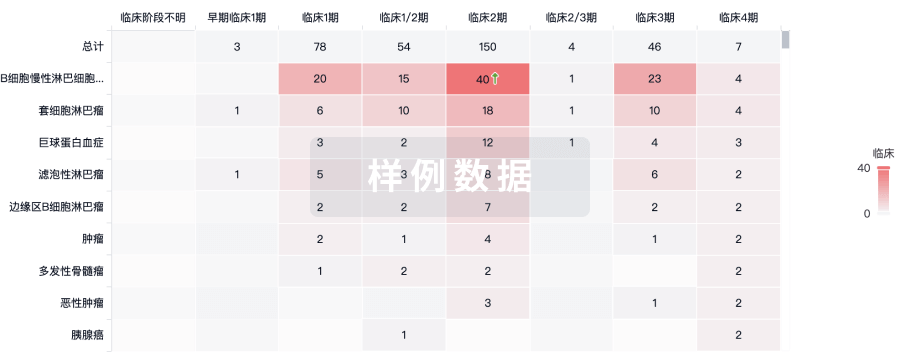
临床分析
紧跟全球注册中心的最新临床试验。
登录
或
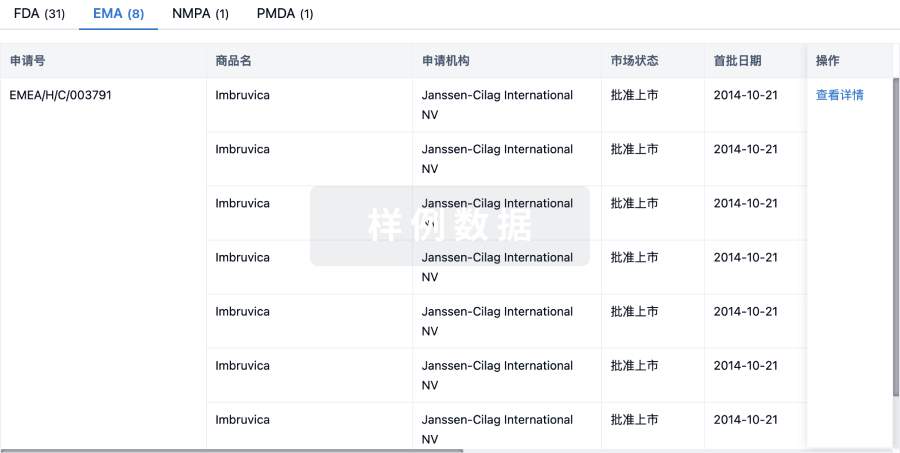
批准
利用最新的监管批准信息加速您的研究。
登录
或
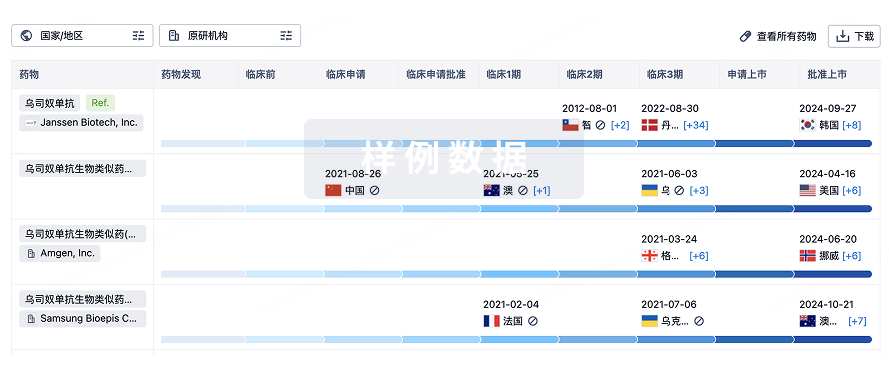
生物类似药
生物类似药在不同国家/地区的竞争态势。请注意临床1/2期并入临床2期,临床2/3期并入临床3期
登录
或
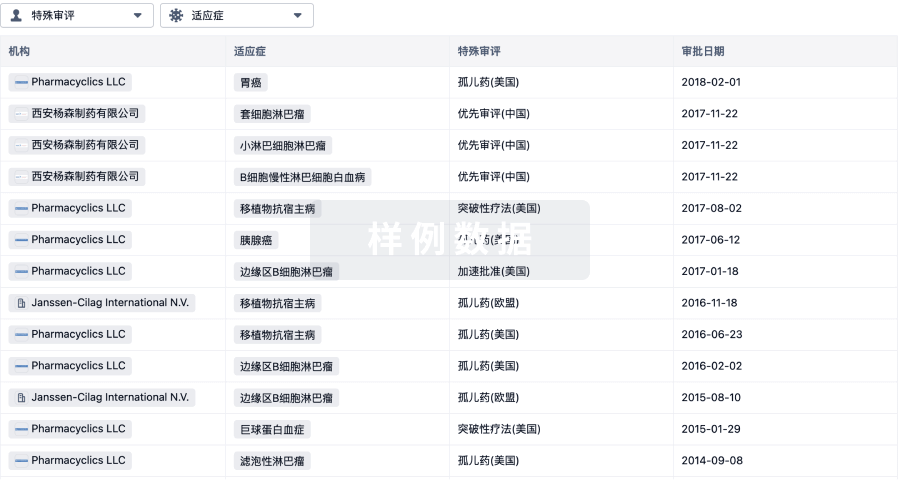
特殊审评
只需点击几下即可了解关键药物信息。
登录
或
提出任何生物医药研究问题
让每一步生物医药决策都精准制胜
基于十亿级生物数据与全球情报的精准 AI,赋能早期药物发现
立即开始免费试用!
智慧芽新药情报库是智慧芽专为生命科学人士构建的基于AI的创新药情报平台,助您全方位提升您的研发与决策效率。
立即接入生物医药数据包
智慧芽新药库数据也通过智慧芽开放平台,以MCP或API服务形式对外开放。立即使用我们的MCP服务定制您的LLM智能体。
生物序列数据库
生物药研发创新
免费使用
化学结构数据库
小分子化药研发创新
免费使用