预约演示
更新于:2025-12-20
OX2R Agonist(DAIICHI SANKYO)
OX2R激动剂(第一三共)
更新于:2025-12-20
概要
基本信息
非在研机构- |
权益机构- |
最高研发阶段临床前 |
首次获批日期- |
最高研发阶段(中国)- |
特殊审评- |

关联
100 项与 OX2R激动剂(第一三共) 相关的临床结果
登录后查看更多信息
100 项与 OX2R激动剂(第一三共) 相关的转化医学
登录后查看更多信息
100 项与 OX2R激动剂(第一三共) 相关的专利(医药)
登录后查看更多信息
3
项与 OX2R激动剂(第一三共) 相关的文献(医药)Scientific Reports
TAK-861, a potent, orally available orexin receptor 2-selective agonist, produces wakefulness in monkeys and improves narcolepsy-like phenotypes in mouse models
Article
作者: Koike, Tatsuki ; Kimura, Haruhide ; Yamada, Ryuji ; Monjo, Taku ; Hiyoshi, Tetsuaki ; Terada, Michiko ; Mitsukawa, Kayo ; Ando, Tatsuya ; Nakakariya, Masanori ; Kajita, Yuichi
Abstract:
Narcolepsy type 1 (NT1) is associated with severe loss of orexin neurons and characterized by symptoms including excessive daytime sleepiness and cataplexy. Current medications indicated for NT1 often show limited efficacy, not addressing the full spectrum of symptoms, demonstrating a need for novel drugs. We discovered a parenteral orexin receptor 2 (OX2R) agonist, danavorexton, and an orally available OX2R agonist, TAK-994; both improving NT1 phenotypes in mouse models and individuals with NT1. However, danavorexton has limited oral availability and TAK-994 has a risk of off-target liver toxicity. To avoid off-target-based adverse events, a highly potent molecule with low effective dose is preferred. Here, we show that a novel OX2R-selective agonist, TAK-861 [N-{(2S,3R)-4,4-Difluoro-1-(2-hydroxy-2-methylpropanoyl)-2-[(2,3′,5′-trifluoro[1,1′-biphenyl]-3-yl)methyl]pyrrolidin-3-yl}ethanesulfonamide], activates OX2R with a half-maximal effective concentration of 2.5 nM and promotes wakefulness at 1 mg/kg in mice and monkeys, suggesting ~ tenfold higher potency and lower effective dosage than TAK-994. Similar to TAK-994, TAK-861 substantially ameliorates wakefulness fragmentation and cataplexy-like episodes in orexin/ataxin-3 and orexin-tTA;TetO DTA mice (NT1 mouse models). Compared with modafinil, TAK-861 induces highly correlated brain-wide neuronal activation in orexin-tTA;TetO DTA mice, suggesting efficient wake-promoting effects. Thus, TAK-861 has potential as an effective treatment for individuals with hypersomnia disorders including narcolepsy, potentially with a favorable safety profile.
JAMA Neurology
Effects of Oveporexton, an Orexin Receptor 2–Selective Agonist, on Cognition in Narcolepsy Type 1
Article
作者: Barateau, Lucie ; Dauvilliers, Yves ; Mignot, Emmanuel ; Scammell, Thomas E. ; Latzman, Robert D. ; Harel, Brian T. ; Pizza, Fabio ; Volfson, Dmitri ; Tanaka, Shinichiro ; Khachadourian, Vahe ; Lammers, Gert Jan ; Plazzi, Giuseppe ; Olsson, Tina ; Naylor, Melissa ; Stukalin, Ellie ; Maruff, Paul
Importance:
Cognitive symptoms negatively impact people with narcolepsy type 1 (NT1). While the effects of orexin receptor 2 (OX2R) agonists have been explored on diagnostic features of the disorder (excessive daytime sleepiness and cataplexy), effects on cognitive symptoms are not characterized.
Objective:
To explore the effects of oveporexton, an oral OX2R-selective agonist, on cognition in people with NT1.
Design, Setting, and Participants:
This is a secondary analysis of the TAK-861-2001 phase 2, 8-week, parallel-group, double-blind, placebo-controlled randomized clinical trial, conducted from January 2023 to December 2023, with a 4-week follow-up period. TAK-861-2001 was a multicenter study conducted in clinical settings. Eligible participants were 18 to 70 years of age, with an
International Classification of Sleep Disorders, Third Edition
diagnosis of NT1. Data analysis was performed from July 2024 to July 2025.
Interventions:
Participants were randomized 1:1:1:1:1 to twice-daily oral oveporexton or matching placebo, dosed 3 hours apart, in dose groups of 0.5/0.5 mg, 2/2 mg, 2/5 mg, 7 mg/placebo, or placebo/placebo, for 8 weeks.
Main Outcomes and Measures:
Cognitive symptoms were assessed using the Psychomotor Vigilance Task (PVT) for attention, the Continuous Paired Associate Learning (CPAL) test for memory, and the One Back (ONB) test and International Digit Symbol Substitution Test–symbols (IDSST-s) for executive function.
Results:
Of 161 eligible individuals screened, 48 did not meet study inclusion criteria, 1 withdrew, and 112 were included in the study. Of 112 participants, mean (SD) age was 34.0 (11.5) years, and 58 participants (51.8%) were female. A total of 112 participants were randomized and received 1 or more doses of oveporexton (0.5/0.5 mg, n = 23; 2/2 mg, n = 21; 2/5 mg, n = 23; 7 mg, n = 23) or placebo (n = 22). Oveporexton improved attention, memory, and executive function over 8 weeks. Least-squares (LS) mean placebo-adjusted changes from baseline were −10.77 (95% CI, −16.74 to −4.79), −9.45 (95% CI, −15.66 to −3.24), −8.60 (95% CI, −14.84 to −2.36), and −8.69 (95% CI, −14.90 to −2.47) PVT lapses with 0.5/0.5 mg, 2/2 mg, 2/5 mg, and 7 mg/placebo doses, respectively. LS mean placebo-adjusted changes were −22.52 (95% CI, −34.95 to −10.10), −16.92 (95% CI, −30.12 to −3.71), −15.51 (95% CI, −28.82 to −2.21), and −17.59 (95% CI, −30.50 to −4.68) for CPAL errors; −0.05 (95% CI, −0.10 to −0.01), −0.07 (95% CI, −0.12 to −0.02), −0.07 (95% CI, −0.12 to −0.02), and −0.05 (95% CI, −0.10 to 0.00) units for ONB log10-transformed performance speed; and 4.72 (95% CI, −1.38 to 10.83), 7.33 (95% CI, 1.06-13.61), 7.85 (95% CI, 1.75-13.95), and 11.82 (95% CI, 5.75-17.89) for IDSST-s correct responses.
Conclusions and Relevance:
In this secondary analysis of the TAK-861-2001 randomized clinial trial, the OX2R agonist oveporexton improved NT1-associated cognitive symptoms in adults.
Trial Registration:
ClinicalTrials.gov Identifier:
NCT05687903
Frontiers in neurology
Involvement of orexin type-2 receptors in genetic absence epilepsy rats
Article
作者: Onat, Filiz ; Molnár, Zoltan ; Mutlu, Nursima ; Erdeve, Elif Tuğçe ; Çelik, Musa ; Öz-Arslan, Devrim ; Akman, Özlem ; Sariyildiz, Özge ; Toplu, Aylin ; Çarçak, Nihan
Introduction:
Orexin is a neuropeptide neurotransmitter that regulates the sleep/wake cycle produced by the lateral hypothalamus neurons. Recent studies have shown the involvement of orexin system in epilepsy. Limited data is available about the possible role of orexins in the pathophysiology of absence seizures. This study aims to understand the role of orexinergic signaling through the orexin-type 2 receptor (OX2R) in the pathophysiology of absence epilepsy. The pharmacological effect of a selective OX2R agonist, YNT-185 on spike-and-wave-discharges (SWDs) and the OX2R receptor protein levels in the cortex and thalamus in adult GAERS were investigated.
Methods:
The effect of intracerebroventricular (ICV) (100, 300, and 600 nmol/10 μL), intrathalamic (30 and 40 nmol/500 nL), and intracortical (40 nmol/500 nL) microinjections of YNT-185 on the duration and number of spontaneous SWDs were evaluated in adult GAERS. The percentage of slow-wave sleep (SWS) and spectral characteristics of background EEG were analyzed after the ICV application of 600 nmol YNT-185. The level of OX2R expression in the somatosensory cortex and projecting thalamic nuclei of adult GAERS were examined by Western blot and compared with the non-epileptic Wistar rats.
Results:
We showed that ICV administration of YNT-185 suppressed the cumulative duration of SWDs in GAERS compared to the saline-administered control group (p < 0.05). However, intrathalamic and intracortical microinjections of YNT-185 did not show a significant effect on SWDs. ICV microinjections of YNT-185 affect sleep states by increasing the percentage of SWS and showed a significant treatment effect on the 1–4 Hz delta frequency band power during the 1–2 h post-injection period where YNT-185 significantly decreased the SWDs. OXR2 protein levels were significantly reduced in the cortex and thalamus of GAERS when compared to Wistar rats.
Conclusion:
This study investigated the efficacy of YNT-185 for the first time on absence epilepsy in GAERS and revealed a suppressive effect of OX2R agonist on SWDs as evidenced by the significantly reduced expression of OX2R in the cortex and thalamus. YNT-185 effect on SWDs could be attributed to its regulation of wake/sleep states. The results constitute a step toward understanding the effectiveness of orexin neuropeptides on absence seizures in GAERS and might be targeted by therapeutic intervention for absence epilepsy.
18
项与 OX2R激动剂(第一三共) 相关的新闻(医药)2025-12-19
·泓博医药
Overview
本周全球创新药专利 landscape 显示出在 CCR6、WRN、KCNT1、IRE1/XBP1s、OX2R、Kv7.2/Kv7.3、CDK、AT2R、Thyroid hormone β receptor、KRAS 等多个核心靶点上的持续突破,涵盖免疫调控、蛋白降解、神经系统疾病、代谢紊乱以及肿瘤治疗等前沿领域。本文所呈现的专利信息与解析内容,均由泓博医药 DiOrion 平台进行智能解析与结构化生成,并选取具有代表性的专利进行展示,以下将逐一解读。
WO2025252626
01
Hydroxyl compounds targeting the ccr6 receptor
靶点:CCR6
申请人:F. HOFFMANN-LA ROCHE AG
生物机制: 该专利提出一类羟基化合物衍生物,通过与 CCR6 受体结合,调控其在免疫细胞迁移与炎症反应中的信号通路,从而影响免疫系统的活化与炎症水平。
可治疗疾病: 自身免疫性疾病、炎症相关疾病。
WO2025252190
02
Targeted degraders of werner syndrome recq helicase
靶点:WRN (Werner syndrome RecQ helicase)
申请人:CULLGEN INC.
生物机制: 该专利开发了异双功能分子(PROTAC 类似物),通过将 WRN 蛋白靶向至细胞内泛素-蛋白酶体系统,实现选择性降解。WRN 是 DNA 修复与复制相关的关键解旋酶,其降解可导致肿瘤细胞 DNA 损伤累积,进而抑制癌细胞增殖。
可治疗疾病: 癌症,尤其是依赖 WRN 功能的肿瘤。
WO2025255170
03
Heterocyclic compounds useful as kcnt1 inhibitors
靶点:KCNT1
申请人:ACTIO BIOSCIENCES, INC.
生物机制: 专利披露一类杂环化合物,通过抑制 KCNT1 钾通道活性,减少异常神经元放电,从而恢复神经系统的电活动平衡。
可治疗疾病: 癫痫及其他神经系统疾病。
WO2025255341
04
Tetrahydrofuranyl ire1/xbp1s activators
靶点:IRE1/XBP1s
申请人:PROTEGO BIOPHARMA, INC.
生物机制: 该专利提出的化合物可激活 IRE1/XBP1s 信号通路,该通路是内质网应激反应的核心调控机制。通过增强 IRE1/XBP1s 活性,促进细胞折叠蛋白质能力,改善细胞稳态。
可治疗疾病: 与内质网应激相关的疾病,如代谢性疾病、神经退行性疾病。
WO2025229584
05
The orexin receptor 2 (ox2r) agonist oveporexton/tak-861 for use in narcolepsy type 1 (nt1)
靶点:OX2R (Orexin receptor 2)
申请人:TAKEDA PHARMACEUTICAL COMPANY LIMITED
生物机制: TAK-861 作为 OX2R 激动剂,通过增强食欲素受体 2 的信号传导,恢复下丘脑觉醒系统功能,改善睡眠觉醒节律。
可治疗疾病: 发作性睡病(Narcolepsy type 1, NT1)。
WO2025252599
06
Hydroxyl compounds targeting the ccr6 receptor
靶点:Kv7.2/Kv7.3
申请人:ANGELINI PHARMA S.P.A.
生物机制:该专利化合物通过促进 Kv7.2/Kv7.3 钾通道开放,增强神经元超极化能力,从而降低神经元兴奋性,稳定神经系统电活动。
可治疗疾病: 癫痫、神经退行性疾病、慢性及神经性疼痛。
WO2025252117
07
Selective cdk inhibitor compound and application thereof
靶点:CDK (Cyclin-dependent kinase)
申请人:SHANGHAI XIANXIANG MEDICAL TECHNOLOGY CO., LTD.
生物机制: 专利披露一类选择性 CDK 抑制剂,通过阻断细胞周期关键蛋白激酶的活性,抑制肿瘤细胞的增殖与分裂。
可治疗疾病: 癌症。
WO2025252142
08
Angiotensin ii type 2 receptor agonist and use thereof
靶点:AT2R (Angiotensin II type 2 receptor)
申请人:JIANGSU CAREPHAR PHARMACEUTICAL CO., LTD.
生物机制: 该专利化合物作为 AT2R 激动剂,能够通过激活受体信号通路,抑制纤维化相关细胞因子表达,改善肺组织纤维化进程。
可治疗疾病: 肺纤维化相关疾病。
WO2025252147
09
Compound of thyroid hormone β receptor agonist and use thereof
靶点:Thyroid hormone β receptor
申请人:ZHUHAI UNITED LABORATORIES CO., LTD.
生物机制: 专利披露一类选择性激活甲状腺激素 β 受体的化合物,通过调节代谢相关基因表达,改善脂质代谢与能量消耗。
可治疗疾病: 代谢性疾病,如肥胖、脂肪肝。
WO2025253326
10
Novel tricyclic compounds and use as kras inhibitors
靶点:KRAS mutant protein
申请人:SK BIOPHARMACEUTICALS CO., LTD.
生物机制: 专利提出新型三环化合物,能够特异性抑制 KRAS 突变蛋白的活性,阻断其下游 MAPK/ERK 信号通路,从而抑制肿瘤细胞的增殖与存活。
可治疗疾病: KRAS 突变驱动的癌症,如胰腺癌、肺癌、结直肠癌。
关于泓博医药
泓博医药成立于2007年,于2022年11月上市(301230.SZ),是一家创新药药物研发以及商业化生产一站式综合服务商,致力于药物发现、制药工艺的研究开发以及原料药、中间体的商业化生产。泓博医药通过多年来精细化智能化的技术布局,打造了涵盖药物研发CRO与CDMO业务全方位综合性技术服务平台,研发服务覆盖了药物临床前研究的全过程。目前公司研发团队超过1000人,在上海、成都两地拥有近6万平方米的高水准研发实验室,同时在辽宁省开原市建设有6万平方米的GMP生产基地。
泓博医药围绕客户的核心需求与市场节奏,不断积极吸收和转化国际先进技术。经过多年的打磨和沉淀,在CRO服务药物发现领域,打造出独具特色的竞争优势,包括靶向性的CADD与AIDD药物设计,差异化药物化学,高质量化学合成,并不断扩充研发团队,加大自身研发投入,提升企业在新技术、新平台上的优势。截至2024年底,公司提供服务的国内外项目中,已成功地将55个化合物推进到PCC阶段,5个化合物进入NDA阶段,为全球创新药医药企业提供了卓越高效的服务。
关于DiOrion Platform
DiOrion 平台是泓博医药自主研发并持续迭代的旗舰级 AI 药物设计系统,集成九大核心模块,全面覆盖从立项调研、化合物设计到成药性研究的新药研发全流程。平台在底层深度整合学术文献、专利、新闻与临床实验等多源数据,构建起支撑全流程药物研发的基座。
本文的专利情报解析,正是DiOrion实战能力的缩影。依托 MolExtract 与 PatChk等模块的深度耦合,平台打通了从数据挖掘到侵权风险评估的功能闭环,将繁杂信息转化为精准决策依据,真正实现数据驱动研发。
如需进一步了解平台功能或申请试用,欢迎联系我们。
科学主导
不断创新
蛋白降解靶向嵌合体
2025-12-02
前言
近日,美国知名Biotech投资机构Atlas Venture,在11月底发布了一篇年度复盘,标题名字叫《Atlas Venture -2025 Year In Review》,就是下面这篇复盘,主要通过宏观环境、生物医药行业变化、创投生态这三个方面,总结了从VC角度看到的整个2025年生物医药行业的变化和趋势。需要研报原文可以加文底小编微信获取。
不过在解读此篇复盘之前,还是要先介绍一下Atlas Venture,Atlas Venture是一家早期风险投资公司,在美国主要从事孵化和投资生物技术初创公司。 自 1990 年开始投资该领域以来,Atlas 已投资了 150 多家生命科学初创公司。 Atlas 投资于一系列治疗领域和模式,包括免疫肿瘤学、自身免疫/炎症、神经科学、基因/细胞治疗和编辑和抗感染。
以下是Atlas Venture的部分投资组合:
以下是Atlas Venture的部分投资项目被MNC并购的情况,例如武田、GSK、礼来、诺华等公司都收购过Atlas Venture投资的早期生物技术公司。
这样一个顶级VC,在2025年度复盘的过程中,到底看到了什么?
小编通过对复盘的讲解以及PPT研读,发现了Atlas Venture想表达的全球生物医药行业的14个变化。
全球药价的“浮士德交易”即将破裂?
1)最惠国待遇
开篇,Atlas Venture便展示了药价的差异,美国与其他发达国家(如瑞士、德国、日本、加拿大)在多种品牌药(如Eliquis, Keytruda)价格上的显著差异,美国政府将药价差异作为施压杠杆,展示的品牌药价格对比图触目惊心:Keytruda在美国的价格是加拿大的2.3倍,Eliquis更是达到瑞士的3.1倍。指出美国纳税人支付过高。
2)医药制造回流美国
特朗普的政策逐渐影响医药制造回流,美国药品进口依赖度高(33%来自爱尔兰和瑞士),并列举了大型药企如强生-55B、AZ-50B、罗氏-50B,宣布的总计超过3600亿美元的制造回流承诺。3)NIH预算重要性
强调NIH是美国科研的基石,预算削减有重大长期成本。而NIH预算的腰斩提案,更是在源头扼杀创新——美国生物医学研究经费的40%依赖NIH,其削减将导致未来五年新靶点发现量下降25%。
生物制药行业深度分析
1)金融交易市场复苏:
具体为生物制药行业在金融交易市场2025年强劲复苏。图表1显示XBI(生物科技指数)、DRG(药品指数)和标普500在一年内的回报率分别为+24%、+15%、+14%。
而且尽管股价上涨,但生物医药企业的P/E系数在整个2025年依然处于历史低位(13.2倍),这意味着股价上涨是由实打实的业绩增长驱动的,而非泡沫。
而全球药品需求量从2019年的3.1万亿剂到2024年的3.6万亿剂,证明了行业的刚需属性,且在2029年可以达到3.7万亿剂的规模,还有很大的增长前景与空间。
2)新药的上市及外部合作:
列举并分析了FDA批准情况(2015-2025年趋势),右侧是今年获批的药物。特意强调过去五年(2020-2024),FDA新药批准的特点:
53%针对罕见病
46%为首创药物(First-in-Class)
加速批准占18%。
且阐述了小型公司在2024年FDA批准中扮演重要角色的事实,有85%的批准药物来自新兴生物制药公司。
对MNC来说,外部收购是获得高价值药物的关键策略。2024年通过收购得到的药物带来了43%的收入。
而MNC通过license得到的药物可以带来20%的收入,且通过license得到的单产品收入最高。
通过收购及Lincese获得的药物,每年可以带来5199亿美元的销售收入!远超自身研发的管线收入。
文章还特意提了8个Atlas Venture关注的临床药物,分别是:
1:武田的OX2R激动剂
2:默克的TL1A拮抗剂
3:阿斯利康的Oral SERD
4:礼来的ActRⅡA/B拮抗剂
5:渤健的ASO
6:礼来/安进的Lp(a)silencing
7:艾伯维的Anti-inflammatory
8:武田的TYK2抑制剂
文章还提了6个Atlas Venture比较看好的被投公司的管线,分别是:
1:DISC的GlyT1抑制剂
2:KYMERA的STAT6降解剂
3:Dyne的Exon51 skipping oligo
4:Kailera的GLP-1R/GIPR双重激动剂
5:SIONNA的CFTR调节剂
6:Triveni的KLK5/7拮抗剂
3)现有药物销售增长与挑战:
在这部分,Atlas Venture表述了一个现象,就是现在的药物销售增长到底在靠什么?
在这个无法随意涨价,定价权有限的年代,处方药净价的增长未来可能为负数的情况下,增长只能靠更多的患者,以及更多的适应症扩展。例如,同一个药,先批重症肌无力,再批多发性肌炎。把一个药挖掘出所有适应症,是现在的核心商业增长模式。
行业挑战也非常巨大,FDA拒绝批准的前三大理由,分别是:
1:CMC问题-50%
2:质量问题-40%
3:临床资料问题-接近30%
而且专利到期会给很多制药巨头带来的巨大销售损失风险, 2025-2029年是史上最恐怖的专利过期潮,预计平均每年损失440亿美元。特别是诺和诺德、默沙东和赛诺菲。
最主要的是研发成功率(从I期到批准)仍然具有挑战性,整体约10-12%,更可怕的是从2015-2024年期间,有三个地方仍然没有改善:
1:研发成功率整体偏低。
2:药物开发总周期并未缩短(2015是8.2年,2024是9.3年)。
3:投资回报率(ROI)在2024年仅达到1.0。
2025年生物制药行业关键话题—中国、肥胖、AI、拥挤赛道和创新疗法
1)中国:
Atlas Venture谈到,他们看到了2025年中国生物医药企业的蓬勃发展,所以通过资本市场、临床、研发、成本、授权等方面来进行过分析。
1:资本市场,恒生香港生物科技指数年内上涨98%,提到了恒瑞、维立志博、映恩等公司。
2:临床试验活动增加,全球新增肿瘤试验100%全部来自于中国公司。
3:跨境交易活跃,2025年占全球授权交易的32%,价值超1300亿美元。提到恒瑞、翰森、联邦、舶望、石药等。
4:成本极低,在中国建立团队成本效益高,例如CEO和科学家薪资远低于美国,1个美国人的薪资可以招到3个中国人,也就意味着同样情况下中国公司可以同时开展3倍于美国公司的管线,且CRO的成本也比美国低很多。
2)肥胖:
Atlas Venture谈到,自从替尔泊肽预计要在2025年登顶全球药王宝座后,肥胖领域竞争极其激烈,图表展示了众多靶点和临床阶段项目,非常夸张的靶点数量和项目编号。
3)AI:
Atlas Venture谈到,AI能在药物研发中的应用场景有以下8点:
·蛋白质折叠/配体协同折叠·药物吸收、分布、代谢与排泄(ADME)预测·毒性风险评估·新型靶点发现·基因表达特征分析·通路解析·化学合成路线优化·生物制剂的定向进化
尽管AI在靶点识别阶段展现出30倍效率提升,但73%的AI发现项目仍集中于已知靶点,大多数还是以已知靶点的优化为主。
4)拥挤的赛道:
Atlas Venture谈到,有一些赛道存在过度拥挤(超夸张,在做管线超过50条的靶点有36个,而PD-1有400多条管线!)。
而且同类药物上市时间间隔缩短,从1990-2003年的15年,缩短到2013-2021年的2年,竞争激烈导致赢家少、输家多。
5)创新疗法:
Atlas Venture谈到,创新疗法是一个好方向,未来也能满足患者的需求,但是不一定都能做到很好的商业化。
Atlas应该对某一些创新疗法的安全性和商业化能力存疑,还特别讲了腺相关基因治疗导致的15起死亡案例的事情。
生物制药VC的生态环境
1)生物医药行业投资趋势:
Atlas Venture谈到,2015至2025这10年间,美国占全球生物风险投资的三分之二,而且约50%的投资都是B轮及以后的融资。
正因为更集中的进行大额投资,所以超过1亿美元的融资数量大幅增加,从2015年的2%上升到了2025年的8%。
对生物医药VC来说,降低投资风险可以从三个角度尝试:
1:投后招聘,特别是拥有一位受VC认可的CEO。
2:投资地域,南湾区和波士顿更适合生物医药企业发展,就好像上海和苏州。
3:被投的商业模式闭环,做管线的要能提供优质的临床数据,做平台的要早期合作伙伴背书。
2)为了更好的退出,VC需要了解被投的合作伙伴:
Atlas Venture谈到,VC一定要特别在意被投企业的对外合作,因为好的合作伙伴来之不易,且80%的收并购,都源于前期的授权合作。
授权合作既可以给企业补充研发资金,加快企业IPO的速度,也让企业多了另一种被并购的路径。无论哪种方式,都可以达到VC退出的目的。
3)投生物医药的VC数量在减少:
Atlas Venture谈到几点美国VC的变化:
1:2010-2025年间,投资Biotech的VC占总投资VC数量的比重,从14%下降到了7%。
2:虽然也有很多医药VC在持续募资,例如RA、8VC、TCG等。但是总募资额并不如过去,募资周期也在加长。。
3:特别是活跃投资者的减少,非常明显的看到2021年是一个顶峰,然后由2021年的869人下降到2025年的383人,活跃投资者下降了57%,用近乎腰斩来形容也不为过。
最后
Atlas Venture所撰写的这份《Atlas Venture 2025年度回顾》,全面分析了2025年生物制药行业的宏观政策环境、行业动态(市场复苏、创新持续但面临R&D生产力、专利到期等挑战)、关键话题(中国崛起、肥胖竞赛、AI应用、拥挤赛道、新疗法发展)以及生物技术风险投资生态。
对美国生物医药动向感兴趣的同仁可以持续关注Atlas Venture~
在这里希望此篇文章能对各位同仁带来一点启发,还请各位多点点关注,转发+关注,学习不迷路,及时为您推送前沿咨询~也欢迎加入500人药企融资&BD交流VIP群,仅限医药公司IR&BD同仁加入,需审核。如有意向请添加下方微信表明需求,谢谢。
2025-11-13
·基因狐
点击蓝字关注“基因狐”
点亮星标 获取更多精彩内容~
▉ 导语
发作性睡病 (narcolepsy) 是一种罕见的睡眠觉醒维持困难的慢性神经系统罕见疾病,发病高峰年龄在8~15岁,临床上以日间过度思睡、猝倒及夜间睡眠紊乱为主要特征,患者因无法正常调节睡眠与苏醒的循环,严重影响其学习、生活和社会活动。国际睡眠障碍分类第3版将发作性睡病分为1型 (NT1, 伴猝倒) 和2型 (NT2, 不伴猝倒),其中1型约占85%,全球各地区患病率从 2.3/10000~5/0000不等,已纳入《中国第二批罕见病目录》。
近日,Alkermes公司宣布,其在研口服选择性食欲素2受体 (OX2R) 激动剂Alixorexton (ALKS 2680) 在一项治疗2型发作性睡病 (NT2) 的Ⅱ期临床Vibrance-2研究中取得了积极的顶线结果,达到所有主要和次要终点。这一里程碑进展有望使其成为首款能够功能性恢复食欲素信号通路的口服药物,为罕见睡眠障碍治疗带来了新的希望。
▲ 来源 iStock
▲ 好物推荐
▉ Ⅱ期临床告捷,双重终点均达显著改善
近日,Alkermes公司 (Nasdaq: ALKS) 宣布,其在研口服选择性食欲素2受体 (Orexin type 2 receptor, OX2R) 激动剂Alixorexton (ALKS 2680) 在一项治疗2型发作性睡病 (NT2) 的Ⅱ期临床Vibrance-2 (NCT06555783) 研究中取得了积极的顶线结果,达到所有主要和次要终点。这一里程碑进展不仅支持该药物快速进入全球Ⅲ期临床,还为罕见睡眠障碍治疗带来了新的希望。
▲新闻稿截图
Alixorexton (ALKS 2680) 是一种靶向OX2R的新型大环化合物,在调节人体睡眠-觉醒周期中起关键作用。Alkermes的研发团队创新性地设计了大环结构,通过共价连接子将这种关键的C形构象稳定锁定,这一设计增强了受体结合亲和力,同时降低了配体结合时的熵损。值得一提的是,Alixorexton (ALKS 2680) 是首个也是唯一一种在1/2型发作性睡病患者中,通过多剂量每日一次给药的大型随机双盲多周Ⅱ期临床研究中显示出疗效的口服OX2R激动剂。
▲Alixorexton (ALKS 2680) 结构式
Vibrance-2研究共纳入93例NT2患者,是一项随机、双盲、剂量范围探索、安慰剂对照Ⅱ期临床研究,旨在评估Alixorexton (ALKS 2680) 在成人2型发作性睡病 (NT2) 患者中的安全性和有效性。此外,该研究还包括一些探索性的患者报告结局指标,评估了Alixorexton (ALKS 2680) 对受试者疾病严重程度、疲劳和认知功能的影响。所有受试者被随机 (1:1:1:1) 分配接受三种不同剂量 (10mg、14mg或18mg) 或安慰剂治疗,每天服用一次,持续八周,结果现实:
清醒维持测试 (MWT):14mg和18mg剂量组患者清醒时长较基线提升超30%,显著优于安慰剂组 (p<0.05);
Epworth嗜睡量表 (ESS):18mg剂量组评分下降4.2分 (p<0.05),反映日间嗜睡症状显著缓解。
安全性数据:大多数治疗期间出现的不良事件 (TEAEs) 的严重程度为轻度至中度。所有剂量组不良事件发生率与安慰剂相当,未出现肝功能异常或严重不良事件,为未来的临床应用提供了保障。
▉ 从罕见病到“大蛋糕”:市场规模有望翻倍
发作性睡病是一种罕见的以大脑觉醒睡眠维持能力受损的慢性神经系统疾病。据估计,全球约有300多万发作性睡患者,我国潜在发作性睡病患者数量约30–70万人。Evaluate Pharma预测,全球发作性睡病市场规模有望将于2028年突破15亿美元,年复合增长率达12%。目前获批药物多依赖中枢兴奋剂或抗抑郁药,存在成瘾性高、疗效有限等缺陷。而在失眠创新药的研发管线中,食欲素受体是当前的主流靶点,部分药物已进入关键临床阶段,如武田制药的TAK-360和翰森制药的HS10506等。
2025年10月22日,Alkermes公司刚刚宣布将以每股高达20.00美元的现金总交易对价收购Avadel Pharmaceuticals (Nasdaq: AVDL) 公司所有已发行普通股,交易估值约21亿美元,进一步深耕睡眠医学领域。此次收购的核心目标是Avadel旗下已获批上市用于7岁及以上嗜睡症患者的猝倒或白天过度嗜睡症状的药物: LUMRYZ™(羟丁酸钠口服混悬液)。每晚一次的给药方式使其具有独特的产品优势,自上市以来市场接受度高、增长潜力巨大。
▲ 新闻稿截图
据统计,截至2025年上半年已有大约3100名患者接受了LUMRYZ™治疗,预计全年净收入将达2.65亿至2.75亿美元,可以为Alkermes带来更大的收入增长前景和盈利能力。通过此次收购,Alkermes不仅丰富了自身产品管线,同时实现了对睡眠障碍治疗领域的快速切入。借助Avadel成熟的商业渠道与运营体系,Alkermes为后续其在研的嗜睡症产品提前铺平了市场道路、奠定了商业化基础。
信息基于公开资料,仅供参考,不构成医疗或投资建议。本公众号署名原创文章,未经授权禁止转载。
资料来源
[1]. https://www.alkermes.com/
[2]. 国家卫健委: 发作性睡病诊疗指南(2025)
[3]. 其它公开资料
版权声明:本公众号署名原创的文章仅为个人学习笔记,且只用于交流学习目的,无意剽窃和抄袭,若涉及版权问题或标记有误,烦请留言联系,将第一时间更正或删除。
免责声明:本公众号对转载、分享的内容、陈述、观点判断保持中立,不对所包含内容的准确性、可靠性或完善性提供任何明示或暗示的保证,仅供读者参考。
推荐阅读
2020-2025:AAV基因治疗安全警示录!
重磅!减少嗜睡,又一种罕见病药物临床III期成功!
突破,首款心肌病AAV基因疗法临床疗效揭晓,有望颠覆传统治疗范式!
千亿AAV赛道大洗牌:巨头退场、天价困局,基因疗法的“下半场”怎么玩?
又一款眼科AAV基因疗法在青少年患者中取得重大突破,挑战遗传性失明治疗边界!
10亿美元豪赌,勃林格殷格翰携手Re-Vana,重塑眼科治疗新纪元!
眼科基因治疗: 点亮“视”界,洞见未来!
2000亿市场悬而未决,眼科新贵再获6.7亿元B轮融资,持续押注AMD新药研发!
“点赞”“分享”“推荐”,让更多人看到
撰文/排版/编辑:基因狐
转载、投稿、合作请联系:25378137@qq.com
临床2期临床成功临床3期临床结果
100 项与 OX2R激动剂(第一三共) 相关的药物交易
登录后查看更多信息
研发状态
10 条进展最快的记录, 后查看更多信息
登录
| 适应症 | 最高研发状态 | 国家/地区 | 公司 | 日期 |
|---|---|---|---|---|
| 发作性睡病 | 临床前 | 日本 | 2024-06-20 |
登录后查看更多信息
临床结果
临床结果
适应症
分期
评价
查看全部结果
| 研究 | 分期 | 人群特征 | 评价人数 | 分组 | 结果 | 评价 | 发布日期 |
|---|
No Data | |||||||
登录后查看更多信息
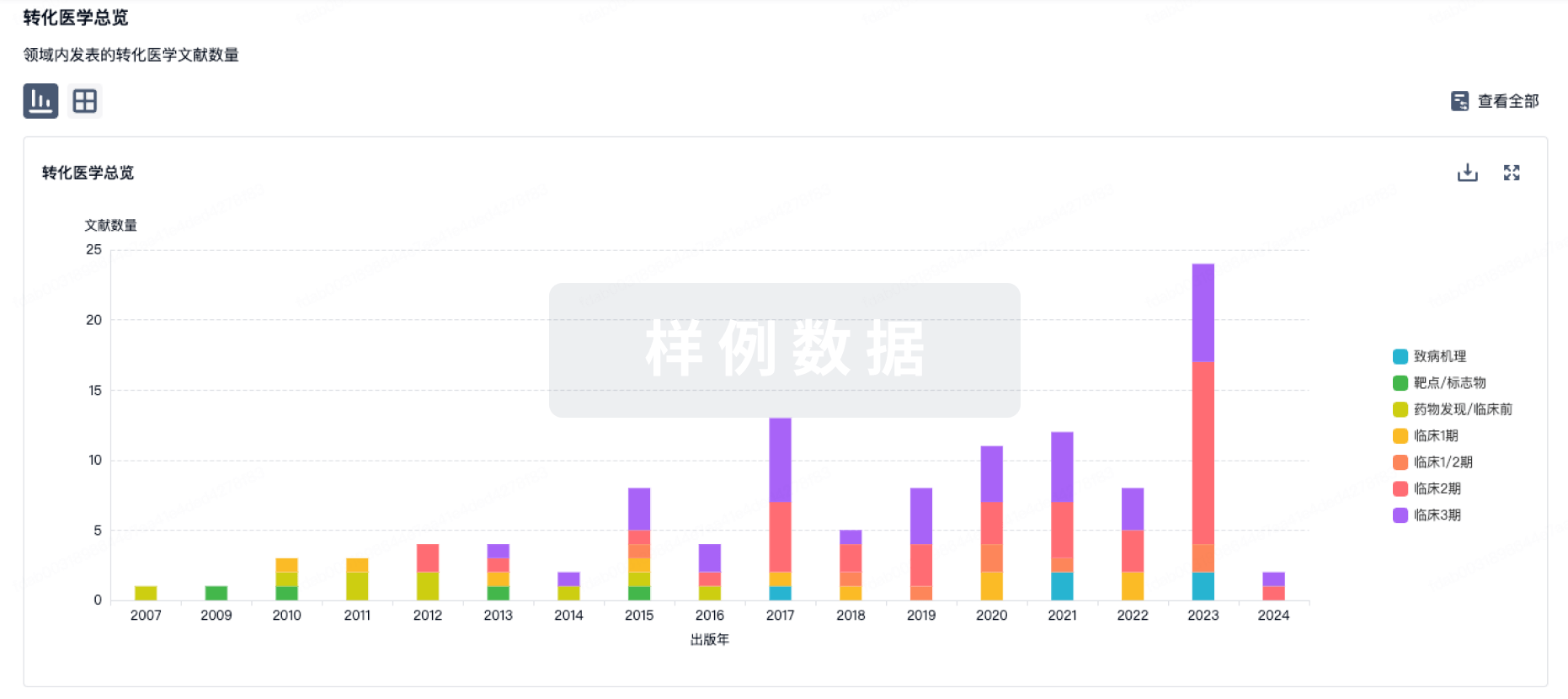
转化医学
使用我们的转化医学数据加速您的研究。
登录
或
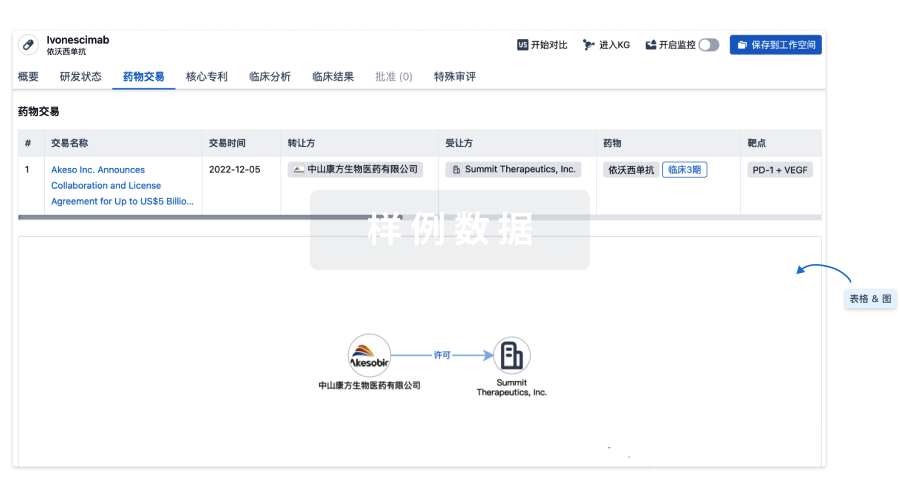
药物交易
使用我们的药物交易数据加速您的研究。
登录
或
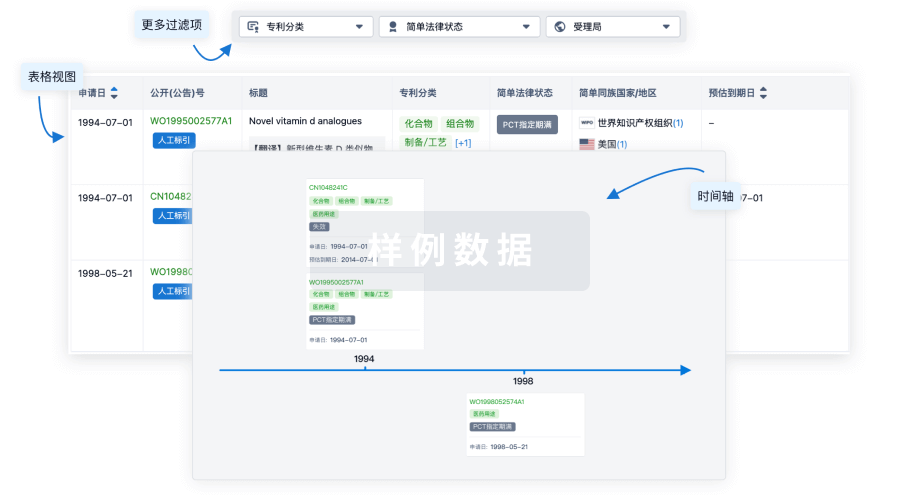
核心专利
使用我们的核心专利数据促进您的研究。
登录
或
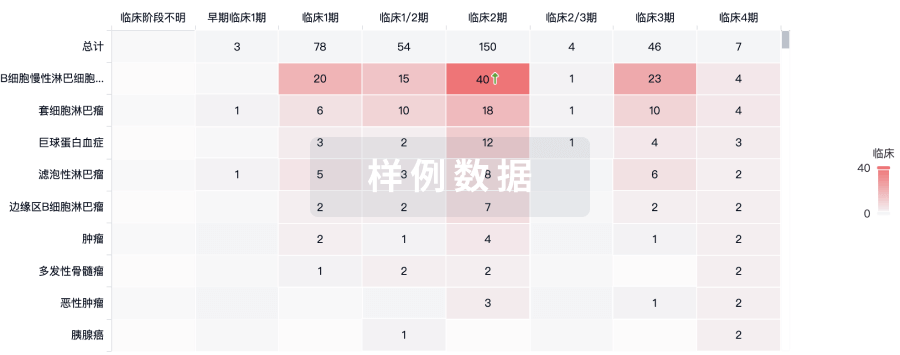
临床分析
紧跟全球注册中心的最新临床试验。
登录
或
批准
利用最新的监管批准信息加速您的研究。
登录
或
特殊审评
只需点击几下即可了解关键药物信息。
登录
或
生物医药百科问答
全新生物医药AI Agent 覆盖科研全链路,让突破性发现快人一步
立即开始免费试用!
智慧芽新药情报库是智慧芽专为生命科学人士构建的基于AI的创新药情报平台,助您全方位提升您的研发与决策效率。
立即开始数据试用!
智慧芽新药库数据也通过智慧芽数据服务平台,以API或者数据包形式对外开放,助您更加充分利用智慧芽新药情报信息。
生物序列数据库
生物药研发创新
免费使用
化学结构数据库
小分子化药研发创新
免费使用