预约演示
更新于:2026-06-20
FH535
更新于:2026-06-20
概要
基本信息
非在研机构- |
权益机构- |
最高研发阶段临床前 |
首次获批日期- |
最高研发阶段(中国)- |
特殊审评- |

结构/序列
分子式C13H10Cl2N2O4S |
InChIKeyAXNUEXXEQGQWPA-UHFFFAOYSA-N |
CAS号108409-83-2 |
关联
100 项与 FH535 相关的临床结果
登录后查看更多信息
100 项与 FH535 相关的转化医学
登录后查看更多信息
100 项与 FH535 相关的专利(医药)
登录后查看更多信息
181
项与 FH535 相关的文献(医药)2026-08-01·BIOCHEMICAL PHARMACOLOGY
Recombinant pigment epithelium-derived factor reverses epithelial-to-mesenchymal transition (EMT) and impedes proliferation of triple-negative breast cancer cells through downregulation of Wnt/β-catenin signaling
Article
作者: Ghosh, Siddhartha Sankar ; Arora, Arisha
Triple-negative breast cancer (TNBC) remains the most aggressive breast cancer subtype due to aberrant activation of EMT, predominantly driven by the Wnt/β-catenin signaling. Pigment epithelium-derived factor, a multifunctional protein and negative regulator of the Wnt pathway, is markedly downregulated in TNBC, providing an opportunity to restore the inhibition of this signaling axis for therapeutic benefit. In this study, we present a systematic method for the production of bioactive recombinant pigment epithelium-derived factor protein expressed in Escherichia coli BL21(DE3) and characterized by circular dichroism and MALDI-TOF analyses. Purified rPEDF treatment significantly inhibited the viability and stemness of EMT-induced TNBC cells and 3D spheroids, exhibiting IC50values of 0.15 and 0.11 µM in MDA-MB-231 and MDA-MB-468 monolayer cells, respectively. Mechanistically, rPEDF suppressed p-LRP6 and β-catenin levels, leading to reduced expression of downstream Wnt/β-catenin targets such as c-MYC, cyclin D1 and MMP-7, with synergistic inhibition when combined with a Wnt pathway inhibitor FH535. rPEDF treatment also suppressed the invasion and migratory capability of TNBC cells, with a 1.65-fold and 1.68-fold reduction in MDA-MB-231 and MDA-MB-468 cells, respectively. This effect was accompanied by concomitant downregulation of mesenchymal markers (Slug, Vimentin, Caveolin) and upregulation of epithelial markers, indicating successful reversal of EMT. Additionally, rPEDF treatment elevated intracellular ROS levels, triggering oxidative stress-mediated cytotoxicity in TNBC cells. Overall, our comprehensive findings establish rPEDF as a potent suppressor of EMT and Wnt-driven oncogenic signaling in TNBC, highlighting its promising potential as a recombinant protein to mitigate tumour metastasis and aggressiveness.
2026-06-01·COLLOIDS AND SURFACES B-BIOINTERFACES
Titanium implants functionalized with metal-polyphenol networks to enhance osseointegration in diabetic conditions
Article
作者: Tao, Xue ; Chen, Chen ; Wang, Mingjuan ; Wei, Mutong ; Zhao, Weichen ; Xie, Haifeng
The pathological microenvironment in diabetes mellitus (DM) patients is marked by local hyperglycemia, elevated oxidative stress, and increased susceptibility to infection, all of which commonly impair the osseointegration of titanium (Ti) implants. To address this clinical challenge, we developed a metal-polyphenol network (CGA/Sr coating) formed by chelating chlorogenic acid with strontium ions, which was anchored to the Ti surface via aminoethylaminopropyltrimethoxysilane (AEAPTMS). The CGA/Sr coating successfully suppressed the biological activity of S. aureus and E. coli, decreased the generation of reactive oxygen species (ROS), and enhanced mitochondrial function. Cell experiments have shown that the coating promotes the proliferation, differentiation and mineralization of osteoblasts, and up-regulates osteogenic markers (Runx2, OSX, OCN). This osteoinductive effect is mediated through the promotion of the Wnt/β-catenin pathway. The involvement of this pathway was further confirmed using a specific inhibitor (FH535). In a type 2 diabetic rat model, Ti rods coated with CGA/Sr exhibited enhanced osteogenesis and osseointegration, as confirmed by micro-CT scanning and histological evaluation. In conclusion, the CGA/Sr coating represents a promising biomaterial strategy for enhancing the osseointegration of Ti implants in DM patients.
2026-05-01·Drug Delivery and Translational Research
Glucocorticoid receptor-targeted liposomal delivery of wnt/β-catenin pathway inhibitor selectively induces efficient colorectal tumor regression
Article
作者: Eanti, Anjaneyulu ; Banerjee, Rajkumar ; Ansari, Aasia ; Das, Pritam ; Chandra, Yogesh ; Bhattacharyya, Tithi
Wnt/β-catenin signaling pathway is a highly conserved developmental pathway. This pathway is also involved in colorectal cancer and thus its selective targeting to cancer cells, albeit the risk involved, can serve as a promising therapeutic approach. Glucocorticoid receptor (GR) is a nuclear hormone receptor present in both cancer and non-cancer cells. Previously, we showed that cancer cell-associated GR, without eliciting any effect in normal cells, could be targeted for selective drug-sensitization in cancer cells. Based on this unique feature, we intended to sensitize the wnt/β-catenin pathway by co-formulating a GR-targeted cationic liposomal formulation carrying dexamethasone, a synthetic GR-ligand, and a wnt/β-catenin pathway inhibitor, FH535, to form D1XFH formulation. The nanometric and positively charged D1XFH formulation selectively kills colorectal cancer cells at much lower FH535 concentration than free drug or drug-associated GR-non-targeted liposome, while exhibiting unique nuclear uptake, increased ROS generation, apoptosis and G2-M phase cell cycle arrest in cancer cells. Further, in vivo data shows enhanced tumor-specific localization of this formulation, significant tumor growth inhibition and increased mice survivability, signifying its efficacy and biocompatibility in mouse colon subcutaneous and orthotopic tumor models. Protein expression analysis reveals enhanced reversal of epithelial-to-mesenchymal transition (EMT) and inhibition of various downstream proteins of wnt/β-catenin pathway. Additionally, analysis of tumor lysate from D1XFH-treated group shows an increased Th1/Th2 ratio, indicating favorable, anti-tumor immune response. The formulation exhibits no sub-chronic toxicity against healthy mice. In overall, our data strongly suggest that the GR-targeted FH535 liposomal delivery can safely target the highly sensitive wnt/β-catenin pathway for effective treatment of colorectal tumor.
100 项与 FH535 相关的药物交易
登录后查看更多信息
研发状态
10 条进展最快的记录, 后查看更多信息
登录
| 适应症 | 最高研发状态 | 国家/地区 | 公司 | 日期 |
|---|---|---|---|---|
| 肿瘤 | 临床前 | 美国 | 2008-03-17 |
登录后查看更多信息
临床结果
临床结果
适应症
分期
评价
查看全部结果
| 研究 | 分期 | 人群特征 | 评价人数 | 分组 | 结果 | 评价 | 发布日期 |
|---|
No Data | |||||||
登录后查看更多信息
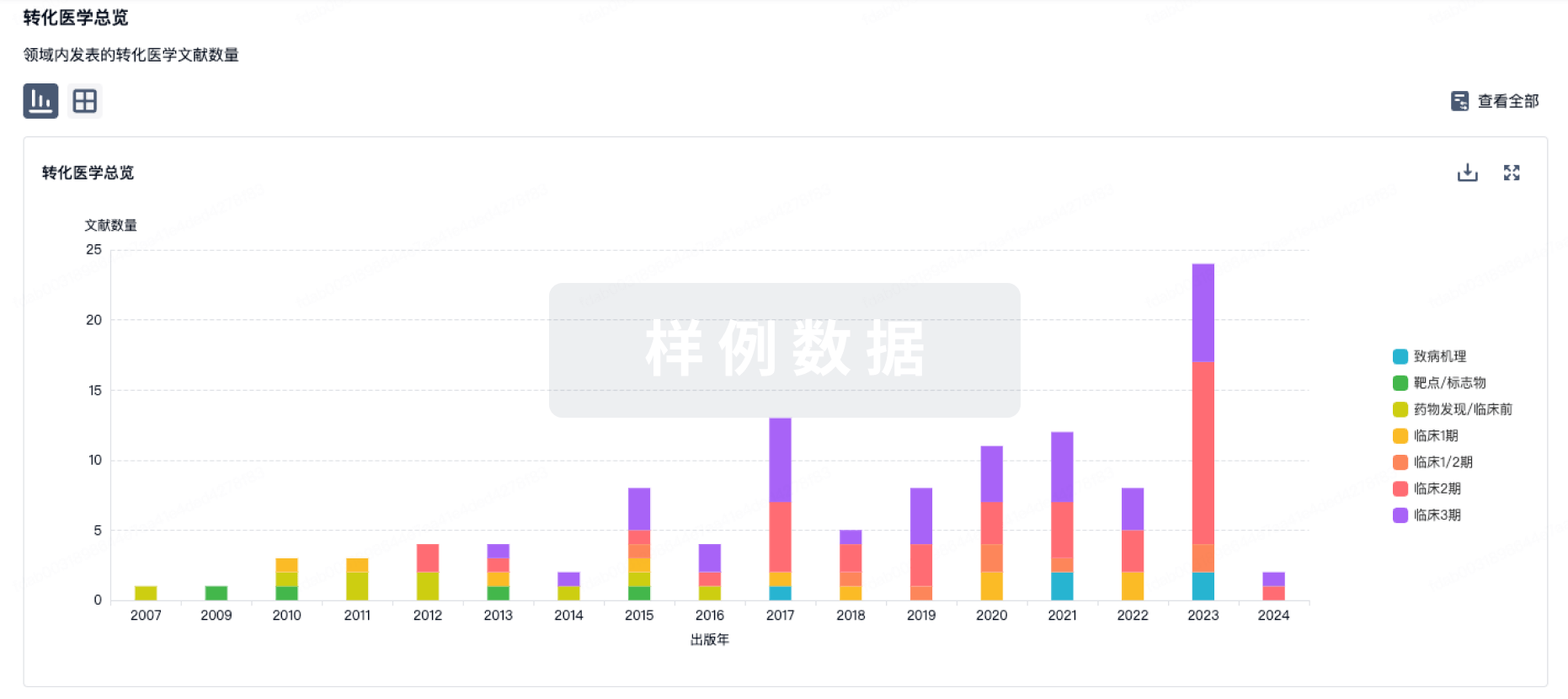
转化医学
使用我们的转化医学数据加速您的研究。
登录
或
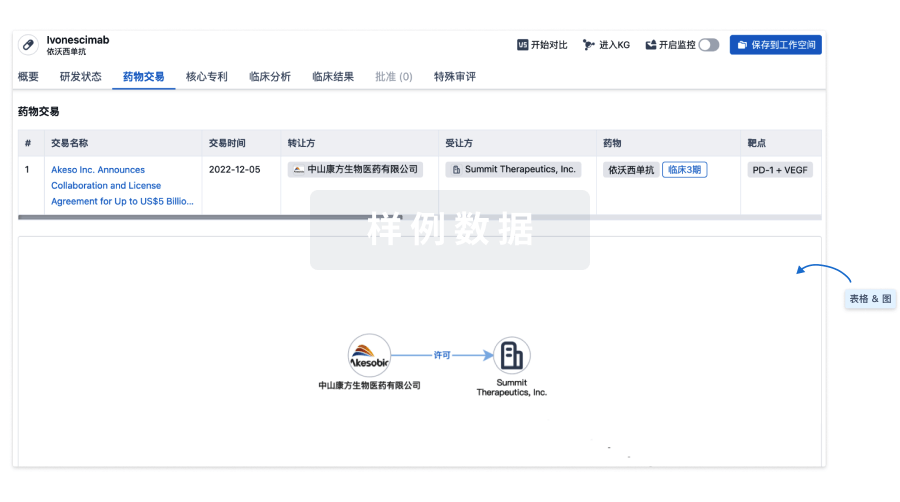
药物交易
使用我们的药物交易数据加速您的研究。
登录
或
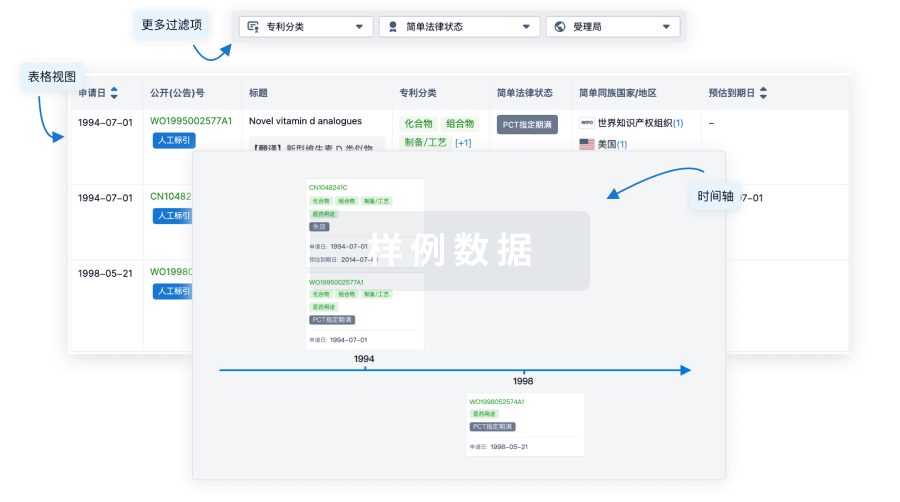
核心专利
使用我们的核心专利数据促进您的研究。
登录
或
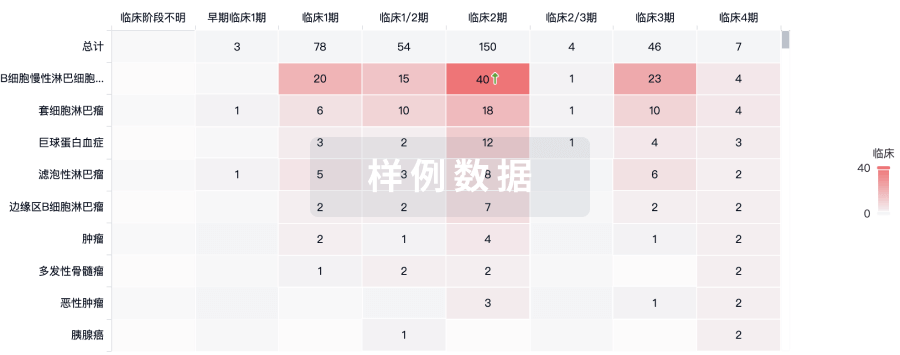
临床分析
紧跟全球注册中心的最新临床试验。
登录
或
批准
利用最新的监管批准信息加速您的研究。
登录
或
特殊审评
只需点击几下即可了解关键药物信息。
登录
或
芽仔
全新生物医药AI Agent 覆盖科研全链路,让突破性发现快人一步
立即开始免费试用!
智慧芽新药情报库是智慧芽专为生命科学人士构建的基于AI的创新药情报平台,助您全方位提升您的研发与决策效率。
立即开始数据试用!
智慧芽新药库数据也通过智慧芽数据服务平台,以API或者数据包形式对外开放,助您更加充分利用智慧芽新药情报信息。
生物序列数据库
生物药研发创新
免费使用
化学结构数据库
小分子化药研发创新
免费使用