预约演示
更新于:2026-02-07
SEL-128
更新于:2026-02-07
概要
基本信息
在研机构- |
非在研机构 |
权益机构- |
最高研发阶段无进展药物发现 |
首次获批日期- |
最高研发阶段(中国)- |
特殊审评- |

关联
1
项与 SEL-128 相关的临床试验NL-OMON47042
Pilot study on the determination of tumor concentrations of protein kinase inhibitors in patients with newly diagnosed high-grade glioma - HGG-TCP High Grade Glioma Tumor Concentrations of protein kinase inhibitors
开始日期2015-01-16 |
申办/合作机构- |
100 项与 SEL-128 相关的临床结果
登录后查看更多信息
100 项与 SEL-128 相关的转化医学
登录后查看更多信息
100 项与 SEL-128 相关的专利(医药)
登录后查看更多信息
1,007
项与 SEL-128 相关的文献(医药)2026-02-16·Future Medicinal Chemistry
Design, synthesis, and biological evaluation of pyridine-quinazoline-oxadiazole hybrids as novel MELK inhibitors:
in-silico
analysis, anti-ovarian cancer activity, antioxidant potential, and assessment of cell cycle arrest and apoptosis
Article
作者: Mishra, Rakhi ; Kumar, Akhalesh
AIM:
A novel series of Pyridine-Quinazoline-Oxadiazole hybrid analogs was synthesized as potential inhibitors of maternal embryonic leucine zipper kinase (MELK) with anticancer activity.
METHOD:
The synthesized compounds were confirmed structurally using 1H, 13C NMR, and mass spectrometry. Anticancer activity was evaluated in SK-OV3 ovarian cancer cells with the MTT assay. The effects on cell cycle and apoptosis were examined using flow cytometry. MELK inhibition was assessed through an enzyme assay.
RESULT:
Compound 14j exhibited strong anticancer effects, with an IC50 of 1.53 ± 0.04 µM, compared to doxorubicin, which had an IC50 of 14.38 ± 0.10 µM in a concentration-dependent manner. Additionally, the MELK enzyme assay for 14j exhibited the strongest inhibition (IC50 = 78 ± 0.47 nM), versus doxorubicin (IC50 = 178 ± 0.66 nM). Furthermore, mechanistic studies on 14j revealed cell cycle at the G1/G2 phase, induction of apoptosis, and only 3.5% cell viability. The molecules also showed notable antioxidant potency. Moreover, molecular docking and dynamics simulations revealed a stable binding conformation within the MELK active site. In-silico ADMET profiling yielded better results regarding pharmacokinetic behavior and stability.
CONCLUSION:
The synthesized Pyridine-based hybrids exhibit potent MELK inhibition, promising anticancer activity, and favorable in-silico drug profiles. 14j emerged as strong lead candidate for further anticancer drug development.
2026-02-01·PHARMACOLOGICAL RESEARCH
Properties of FDA-approved small molecule protein kinase inhibitors: A 2026 update
Review
作者: Roskoski, Robert
Because of the dysregulation of protein kinase activity in many neoplastic and inflammatory diseases, protein kinases are among the most significant drug targets in the 21st century. Of the 94 FDA-approved protein kinase inhibitors, ten were approved in 2025. Of these drugs, six target dual specificity protein kinases (MEK1/2), fourteen inhibit protein-serine/threonine kinases, twenty-six block nonreceptor protein-tyrosine kinases, and 48 target receptor protein-tyrosine kinases. Most of these drugs (≈ 80) are prescribed for the management of neoplasms and others are used for the treatment of inflammatory and miscellaneous diseases. Of the 94 FDA-approved agents, about two dozen are used in the treatment of multiple diseases. The following ten drugs received FDA approval in 2025 - avutometinib (inhibiting MEK1/2 in serous ovarian carcinomas), defactinib (blocking FAK in low grade serous ovarian carcinomas), delgocitinib (antagonizing the JAK family in hand eczema), mirdametinib (inhibiting MEK1/2 in type I neurofibromatosis), remibrutinib (blocking BTK in chronic spontaneous urticaria), rilzabrutinib (antagonizing BTK in chronic immune thrombocytopenia), sunvozertinib (blocking mutant exon 21 insertion EGFR NSCLC), taletrectinib (inhibiting mutant ROS1 in NSCLC), vimseltinib (blocking CSF1R in tenosynovial giant cell tumors), and zongertinib (antagonizing mutant HER2 in NSCLC). Ninety of the approved protein kinase blockers are orally bioavailable. This article summarizes the physicochemical properties of all 94 FDA-approved small molecule protein kinase inhibitors including the molecular weight, number of hydrogen bond donors/acceptors, ligand efficiency, lipophilic efficiency, polar surface area, and solubility. A total of 45 of the 94 FDA-approved drugs have a least one Lipinski rule of five violation.
2026-01-01·JOURNAL OF AFFECTIVE DISORDERS
Real-world pharmacovigilance analysis of depression associated with antineoplastic agents
Article
作者: Chen, Weiyi ; Shang, Jinlu ; Wang, Ke ; Guo, Ling ; Zhou, Meiling ; Li, Ruixiao ; Tao, Chao
Cancer remains a major global health threat. Although antineoplastic agents have significantly improved survival outcomes, growing evidence indicates that they may also induce neuropsychiatric adverse events (AEs), particularly depressive symptoms. Such effects can severely compromise patients' quality of life and adherence to therapy. However, this issue has not been systematically evaluated. In this study, we investigated depression-related AEs submitted to the FDA Adverse Event Reporting System from Q1 2004 to Q4 2024. We included reports involving antineoplastic agents (Anatomical Therapeutic Chemical [ATC] code L01) with oncology-related indications and excluded those with concomitant antidepressant use (ATC N06A) for depression-related indications. Disproportionality analyses were performed using the Reporting Odds Ratio (ROR) and the Bayesian Confidence Propagation Neural Network. A total of 211 antineoplastic agents potentially associated with depression and suicide/self-injury were identified, and class-specific risks were evaluated. Most reports involved female patients, and 56.3 % concerned individuals older than 45 years. Protein kinase inhibitors and other antineoplastics exhibited the strongest associations. Notably, significant signals were observed for docetaxel (ROR = 3.7; IC025 = 1.8), palbociclib (ROR = 2.03; IC025 = 0.98), and ibrutinib (ROR = 1.83; IC025 = 0.83). These signals call for heightened clinical vigilance and may inform safer prescribing. Prospective, multicenter studies integrating pharmacovigilance, mechanistic, and clinical data are needed to guide personalized strategies aimed at improving patient outcomes.
1
项与 SEL-128 相关的新闻(医药)2023-12-20
Protein kinases are a crucial class of enzymes that play a vital role in various cellular processes within the human body. These enzymes are responsible for the transfer of phosphate groups from ATP molecules to specific target proteins, thereby regulating their activity and function. Protein kinases are involved in numerous signaling pathways, including those related to cell growth, proliferation, differentiation, and apoptosis. Dysregulation of protein kinases has been implicated in various diseases, including cancer, neurodegenerative disorders, and autoimmune conditions. Understanding the role of protein kinases and their signaling networks is essential for the development of targeted therapies and drug discovery in the pharmaceutical industry.
Based on the analysis of the target Protein kinases, it is evident that Kringle Pharma, Inc., 1200 Pharma LLC, and Voronoi, Inc. are among the companies showing promising growth and R&D progress. Indications such as solid tumors, neoplasms, autoimmune diseases, and Alzheimer Disease have received significant attention in terms of drug development. Small molecule drugs are the most rapidly progressing drug type, indicating intense competition in the market. Japan, the United States, and China are the countries/locations developing fastest under the current target, with notable progress in each. Overall, the competitive landscape for target Protein kinases is dynamic, with potential for future advancements and breakthroughs in the field.
How do they work?Protein kinase inhibitors are a type of medication that specifically target and inhibit the activity of protein kinases. Protein kinases are enzymes that play a crucial role in cell signaling and regulation. They are responsible for adding phosphate groups to proteins, a process known as phosphorylation, which can activate or deactivate various cellular processes.
In the context of biomedicine, protein kinase inhibitors are used as therapeutic agents to treat various diseases, particularly cancer. Dysregulation of protein kinases is often observed in cancer cells, leading to uncontrolled cell growth and proliferation. By inhibiting specific protein kinases, these inhibitors can help disrupt the signaling pathways that promote tumor growth and survival.
Protein kinase inhibitors can be classified into different types based on their mechanism of action and target specificity. Some inhibitors target specific protein kinases, while others have a broader spectrum of activity. Examples of protein kinase inhibitors include imatinib, which targets the BCR-ABL kinase in chronic myeloid leukemia, and vemurafenib, which inhibits the BRAF kinase in melanoma.
These inhibitors have revolutionized cancer treatment and have shown significant clinical benefits in many cases. However, it is important to note that protein kinase inhibitors can also have side effects, as protein kinases are involved in various physiological processes. Therefore, careful consideration of the specific kinase target and patient characteristics is necessary when using these inhibitors in clinical practice.
List of Protein kinases InhibitorsThe currently marketed Protein kinases inhibitors include:
Oremepermin alfaUCT-01-097UCT-03-008BS-104BXCL-901DRGT-81DRGT-82ESA-1121GEA-04tHGC-245For more information, please click on the image below.
What are Protein kinases inhibitors used for?Protein kinases inhibitors are used as therapeutic agents to treat various diseases, particularly cancer. For more information, please click on the image below to log in and search.
How to obtain the latest development progress of Protein kinases inhibitors?In the Synapse database, you can keep abreast of the latest research and development advances of Protein kinases inhibitors anywhere and anytime, daily or weekly, through the "Set Alert" function. Click on the image below to embark on a brand new journey of drug discovery!
100 项与 SEL-128 相关的药物交易
登录后查看更多信息
研发状态
10 条进展最快的记录, 后查看更多信息
登录
| 适应症 | 最高研发状态 | 国家/地区 | 公司 | 日期 |
|---|---|---|---|---|
| 肿瘤 | 药物发现 | 波兰 | - |
登录后查看更多信息
临床结果
临床结果
适应症
分期
评价
查看全部结果
| 研究 | 分期 | 人群特征 | 评价人数 | 分组 | 结果 | 评价 | 发布日期 |
|---|
No Data | |||||||
登录后查看更多信息
转化医学
使用我们的转化医学数据加速您的研究。
登录
或
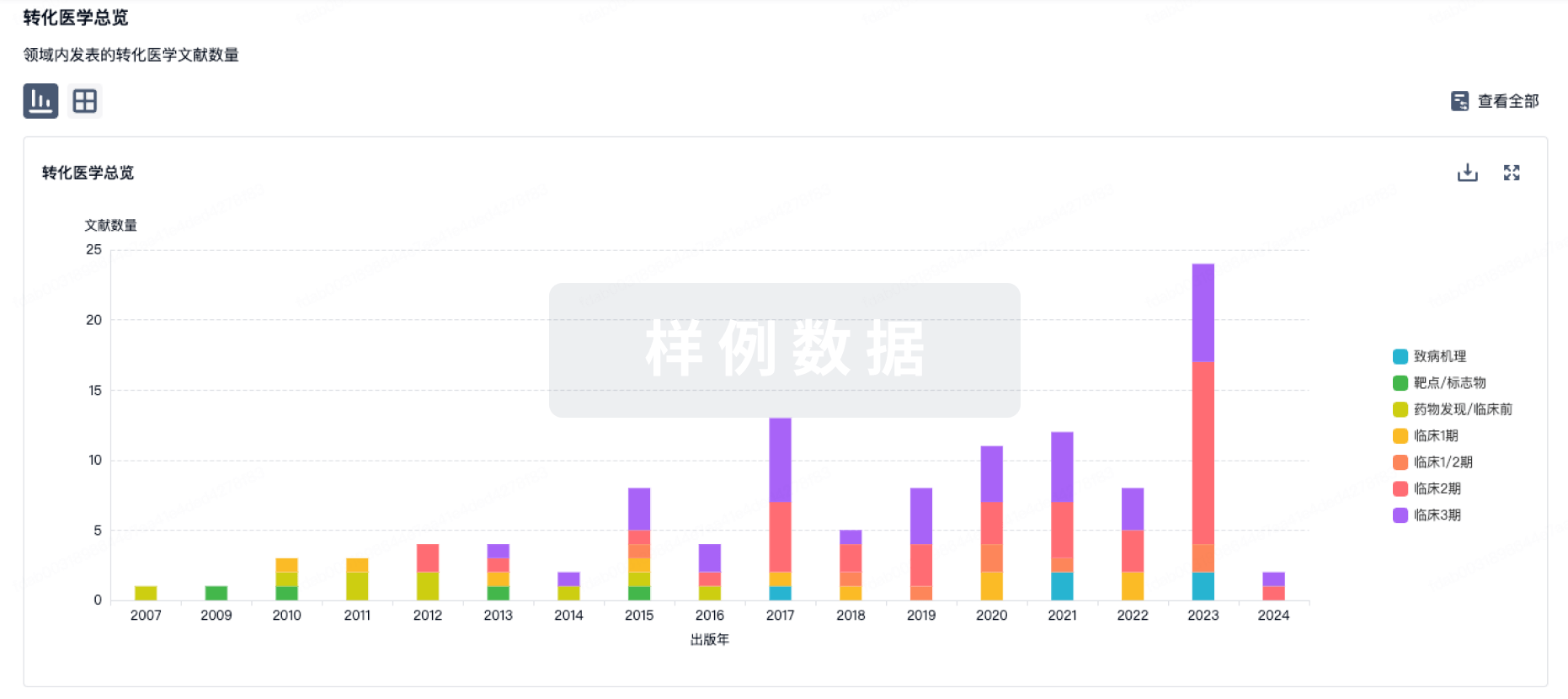
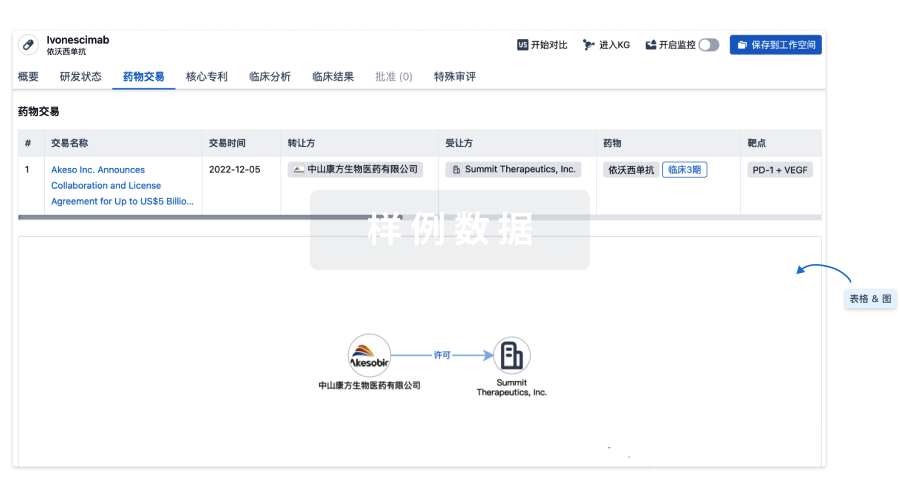
药物交易
使用我们的药物交易数据加速您的研究。
登录
或
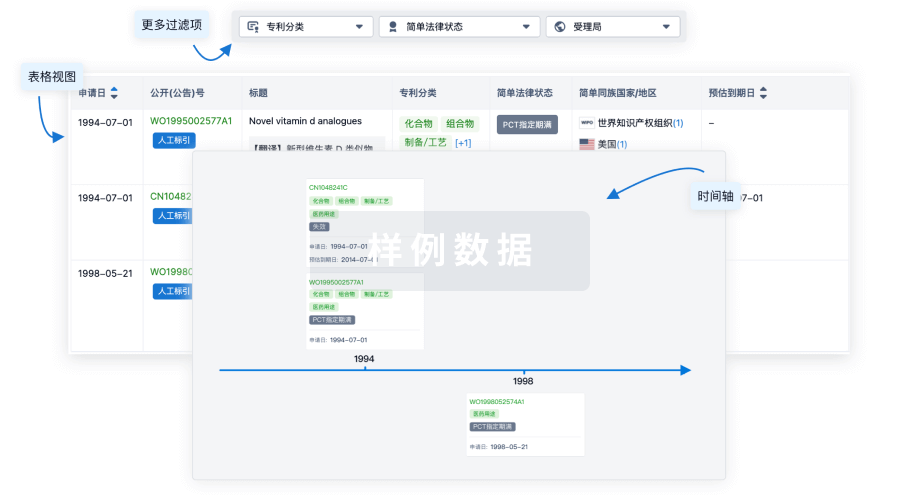
核心专利
使用我们的核心专利数据促进您的研究。
登录
或
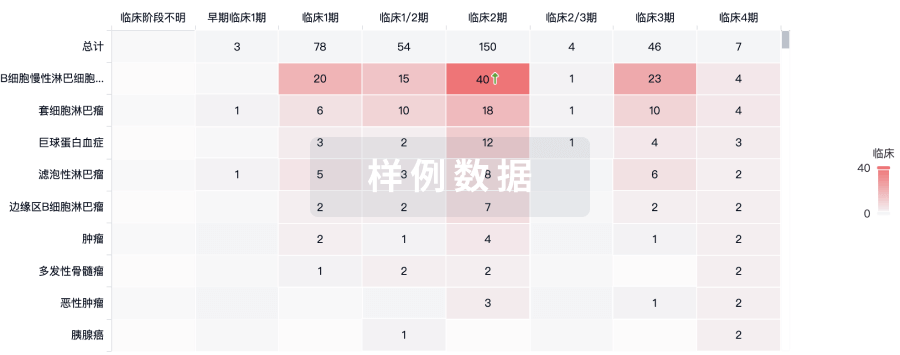
临床分析
紧跟全球注册中心的最新临床试验。
登录
或
批准
利用最新的监管批准信息加速您的研究。
登录
或
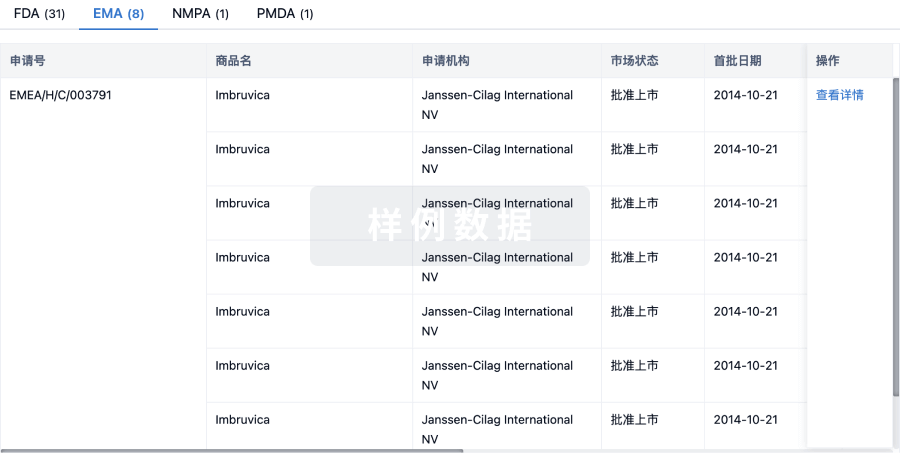
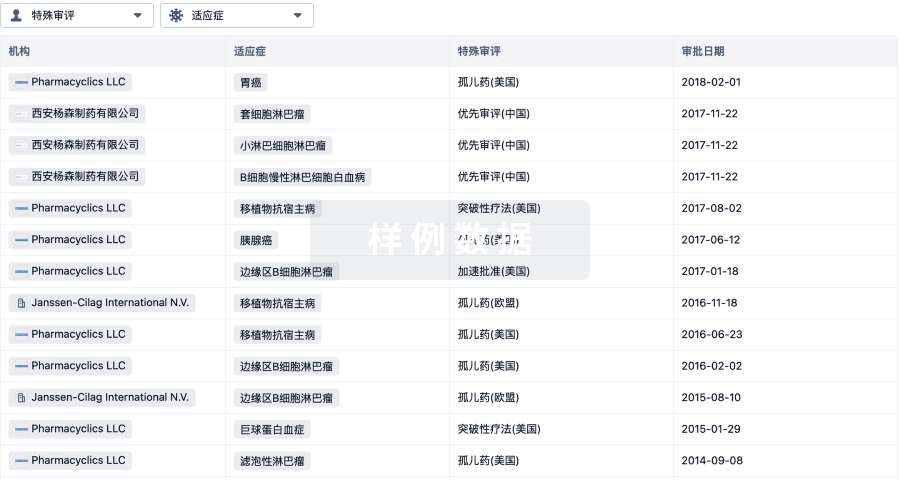
特殊审评
只需点击几下即可了解关键药物信息。
登录
或
生物医药百科问答
全新生物医药AI Agent 覆盖科研全链路,让突破性发现快人一步
立即开始免费试用!
智慧芽新药情报库是智慧芽专为生命科学人士构建的基于AI的创新药情报平台,助您全方位提升您的研发与决策效率。
立即开始数据试用!
智慧芽新药库数据也通过智慧芽数据服务平台,以API或者数据包形式对外开放,助您更加充分利用智慧芽新药情报信息。
生物序列数据库
生物药研发创新
免费使用
化学结构数据库
小分子化药研发创新
免费使用