预约演示
更新于:2026-09-19
Alzheimer disease vaccine(Elan Pharmaceuticals, LLC)
更新于:2026-09-19
概要
基本信息
在研机构- |
权益机构- |
最高研发阶段终止临床2期 |
首次获批日期- |
最高研发阶段(中国)- |
特殊审评- |
登录后查看时间轴
结构/序列
Sequence Code 243
关联
1
项与 Alzheimer disease vaccine(Elan Pharmaceuticals, LLC) 相关的临床试验NCT00021723
Randomized Safety, Tolerability and Pilot Efficacy of AN-1792 in Alzheimer's Disease
A multi-center, double-blind, placebo-controlled out-patient, safety, tolerability, and pilot efficacy study of intramuscular AN-1792 in patients with mild to moderate Alzheimer's disease.
开始日期2001-09-01 |
100 项与 Alzheimer disease vaccine(Elan Pharmaceuticals, LLC) 相关的临床结果
登录后查看更多信息
100 项与 Alzheimer disease vaccine(Elan Pharmaceuticals, LLC) 相关的转化医学
登录后查看更多信息
100 项与 Alzheimer disease vaccine(Elan Pharmaceuticals, LLC) 相关的专利(医药)
登录后查看更多信息
84
项与 Alzheimer disease vaccine(Elan Pharmaceuticals, LLC) 相关的文献(医药)2025-12-01·Alzheimers & Dementia
ARIA: insights from human neuropathology
Article
作者: Boche, Delphine
Abstract:
Background:
Side effects of Aβ immunotherapy (ARIA) have hampered initial trials and subsequent clinical use. The pathophysiology is poorly understood because of lack of human tissue samples. AN1792 was the first anti‐Aβ immunotherapy, relying on the patient's own immune system to generate anti‐Aβ antibodies using the full‐length Aβ peptide. Although different from current passive immunotherapy agents, both approaches aim to produce plaque‐binding anti‐Aβ antibodies, leading to side effects that appear similar.
Method:
Postmortem neuropathological studies of 22 patients with mild to moderate Alzheimer's disease (AD) enrolled in the first clinical trial of Aβ immunotherapy (AN1792).
Result:
Potentially beneficial changes in most treated patients included plaque clearance, microglial phagocytosis of Aβ, reduced tau pathology, straightening of neuronal processes and reduced dystrophic neurites. However, continued spread of tau putatively explained continuing cognitive decline. Vascular changes included increased severity of cerebral amyloid angiopathy, but also removal of vascular Aβ and microhemorrhages. One of the 22 patients had features now recognised as ARIA including cortical microhemorrhages (ARIA‐H), focal white matter changes (ARIA‐E) and CAA‐related inflammation (CAA‐ri).
Conclusion:
Evidence suggests that vascular factors underlie the pathophysiology of ARIA, particularly immunological attack directed at CAA. The few available case reports of side effects of currently licenced passive immunotherapy support these conclusions. Study of spontaneous CAA‐ri may help better understand ARIA.
2025-12-01·Alzheimers & Dementia
Distinct astrocyte phenotypes aid microglia‐mediated Aβ clearance in immunized Alzheimer's disease patients
Article
作者: Forsyth, Anne V ; Camp, Lily ; Kuruvilla, Joshua ; Gate, David ; Simonton, Brooke ; Castellani, Rudolph J ; van Olst, Lynn ; Boche, Delphine ; Jamshidi, Pouya ; Nicoll, James AR ; Edwards, Alex J
Abstract:
Background:
Recently approved Alzheimer's disease (AD) therapies leverage immunization strategies targeting amyloid‐β (Aβ). While most studies focus on microglial responses to these treatments, evidence suggests that sustained immune activity and Aβ clearance drive broader cellular changes. Astrocytes, which accumulate at microglia‐targeted Aβ plaques, may play a complementary role in clearance. This study examines how astrocyte phenotypes are altered by Aβ immunization and their contribution to Aβ clearance.
Methods:
We performed single‐cell RNA sequencing and spatial transcriptomics on post‐mortem brain tissue from 16 AD patients—10 immunized (9 with AN1792 from the first active Aβ immunotherapy trial, 1 with lecanemab) and 6 non‐immunized controls. We identified astrocyte states enriched in immunized brains and analyzed their transcriptomic profiles. Additionally, we mapped astrocyte states localized at microglia‐targeted Aβ plaques.
Results:
A distinct astrocyte population emerged following immunization with both AN1792 and lecanemab, characterized by upregulated
CHI3L1
and other reactive astrocyte markers. Spatial analysis revealed these astrocytes preferentially localize at microglia‐targeted Aβ plaques post‐lecanemab treatment. Ongoing analyses aim to further define astrocyte phenotypes in terms of morphology, protein expression, Aβ uptake, and spatial relationships with Aβ pathology and microglia.
Conclusion:
We identify a unique astrocyte phenotype induced by Aβ immunization in AD, marked by high
CHI3L1
expression. This astrocyte state may be driven by microglia at Aβ plaques and contribute to plaque clearance. Our findings highlight distinct astrocyte responses to Aβ immunization, shedding light on their role in therapeutic outcomes.
2025-12-01·Alzheimers & Dementia
Attitudes toward a potential Alzheimer's Disease Vaccine in adults over the age of 50
Article
作者: Curtis, Craig T ; Curtis, Ava C ; Paiano, Ruth ; Meador, Jenna ; Klenow, Cheryl ; Salazar, Kimberly ; Webster, Kylie
Abstract:
Background:
Vaccines directed against Alzheimer's Disease progression have entered clinical trials. Understanding attitudes and barriers to a potential Alzheimer's Disease vaccine are of vital importance as according to recent published literature, significant shifts in vaccine acceptance have occurred in older adults.
Method:
Brief survey administered to adults over age 50 (
n
= 168) exploring attitudes, acceptance or hesitancy of a potential Alzheimer's Disease vaccine
Result:
91% would accept an FDA approved vaccine against Alzheimer's Disease. Only 41% would accept an experimental vaccine in a clinical trial primarily due to concerns about unknown risks. Age was not a factor in acceptance across groups. Family history of or known acquaintance with Dementia increased overall acceptance of a vaccine against Alzheimer's Disease. The primary reason for lack of acceptance was lack of trust in the healthcare system, however, their trust increased if recommended by their primary healthcare provider.
Conclusion:
We have found that although these shifts have occurred towards non‐AD vaccines, adults in our survey were overwhelmingly accepting of a potential Alzheimer's Disease vaccine. However, the majority of adults would wait for FDA approval rather than accept an experimental vaccine in a clinical trial.
21
项与 Alzheimer disease vaccine(Elan Pharmaceuticals, LLC) 相关的新闻(医药)2026-08-19
·知乎专栏
一、先给结论:不是「药物都失败了」,是「只打一个靶点」的思路失败了如果把过去20年的AD药物研发画成一张图,你会看到一条令人窒息的曲线:数百个进入临床的候选药物,几乎全部集中在同一个靶点上——β淀粉样蛋白(Aβ)。从主动疫苗(AN1792)到被动抗体(bapineuzumab、solanezumab、aducanumab、gantenerumab),再到BACE抑制剂(verubecestat等),这条单靶点路线的累计失败成本,保守估计超过400亿美元。图3 | 2023年两项III期试验的有限临床获益lecanemab使CDR-SB认知下降减缓27%,donanemab减缓22-36%(不同亚组)。两者都证明了Aβ清除的临床价值,但幅度远低于预期——「减缓」不是「逆转」。数据来源:van Dyck 2023 (PMID: 36449413)、Sims 2023 (PMID: 37459141)。但「药物都失败了」这个说法并不准确。准确的说法是:**针对单一Aβ靶点的药物,绝大多数失败了;而Aβ清除确实能带来一定临床获益,只是幅度远小于预期**。2023年Lecanemab的CLARITY AD试验和2023年Donanemab的TRAILBLAZER-ALZ 2试验,都展示了明确的、但只能算「有限」的临床改善【1】【2】。这意味着什么?意味着AD的病理远比「Aβ堆积」复杂——而免疫系统,正是被长期忽视的那块拼图。二、先盘点:抗Aβ药物到底经历了什么图1 | 抗Aβ药物研发时间线从2002年AN1792疫苗因脑膜脑炎终止,到2023年lecanemab与donanemab实现有限成功,20余年里单靶点策略经历多次系统性失败。数据来源:Egan 2019 (PMID: 30970186)、van Dyck 2023 (PMID: 36449413)。把时间线拉直,你会看到一条从狂热到冷静的完整曲线:阶段代表药物关键结果结局1999-2010 概念验证AN1792 (主动疫苗)清除Aβ斑块, 但6%患者发生脑膜脑炎因安全性终止2010-2016 抗体时代bapineuzumab, solanezumab两项III期均未达到认知终点终止/失败2016-2021 BACE时代verubecestat, lanabecestat未改善认知, 反而加重认知下降全部III期失败2021 aducanumab争议aducanumab两项III期(EMERGE/ENGAGE)结果矛盾, FDA加速批准2024年商业撤市2023-2025 有限成功lecanemab, donanemabCDR-SB分别下降27%和22-36%, 但ARIA风险显著FDA批准, 临床获益有限这里最值得停下来想一想的,是verubecestat。Egan等人在《NEJM》发表的试验显示,在早期AD患者中,这个BACE抑制剂不仅没有延缓认知下降,反而让患者的认知评分变得更差【3】。一个能高效清除Aβ的药物,却让患者更糟——这个结果几乎是对「Aβ假说」的正面打击。图4 | ARIA:Aβ抗体的剂量限制性风险Lecanemab的ARIA-E发生率约12.3%,Donanemab约24%,其中症状性严重ARIA约3.7%;APOE4纯合子风险更高。ARIA是抗体介导的小胶质细胞过度清除的影像学表现。数据来源:van Dyck 2023 (PMID: 36449413)、Sims 2023 (PMID: 37459141)。更麻烦的是ARIA(淀粉样蛋白相关影像学异常)。Lecanemab的ARIA-E发生率约12.3%,Donanemab约24%(其中3.7%为有症状的严重ARIA),且APOE4纯合子风险更高【1】【2】。Aβ抗体的作用机制本身就是通过抗体介导的小胶质细胞吞噬清除Aβ——这恰恰是免疫系统在发挥作用。换句话说,现有「成功」的抗体药,本质上是免疫疗法,只是它只激活了免疫系统最狭窄的一环:抗体结合→吞噬清除。三、免疫视角一:小胶质细胞——大脑里的「沉默清洁工」要理解AD的免疫维度,先要认识小胶质细胞(microglia)。它是中枢神经系统的常驻免疫细胞,约占脑内细胞的10%,承担着清除Aβ、修剪突触、维护神经稳态的核心职能。2013年,两项里程碑研究几乎同时发表:Guerreiro等人在《NEJM》和Jonsson等人在《NEJM》分别报道,TREM2基因的罕见变异(特别是R47H)会使AD风险增加2-4倍【4】【5】。TREM2正是小胶质细胞表面的关键受体——它负责识别Aβ、介导吞噬、维持小胶质细胞的代谢活力。图2 | TREM2与小胶质细胞功能衰竭健康小胶质细胞依赖TREM2维持代谢健康并清除Aβ;TREM2变异(如R47H)导致代谢缺陷、清除失败。疾病相关小胶质细胞(DAM)的转变依赖TREM2。数据来源:Guerreiro 2013 (PMID: 23150934)、Ulland 2017 (PMID: 28802038)。2017年,Keren-Shaul等人在《Cell》上定义了「疾病相关小胶质细胞」(DAM):在AD病理中,小胶质细胞经历从稳态表型到DAM表型的转变,这一过程依赖TREM2【6】。同年,Ulland等人在《Cell》进一步证明:TREM2缺失的小胶质细胞出现代谢缺陷(mTOR通路受损),无法有效清除Aβ【7】。这一系列研究指向一个此前被严重低估的结论:**AD不仅仅是神经元和Aβ的问题,更是小胶质细胞这个「免疫细胞」功能衰竭的问题**。你脑内的清洁工干不动了,垃圾(Aβ)才会堆积;你只往脑内灌抗体(临时雇一批新清洁工),却不去修好原有的清洁工队伍(小胶质细胞的代谢和吞噬功能),效果自然有限。四、免疫视角二:神经炎症——Aβ只是「导火索」第二个被忽视的维度是慢性神经炎症。Franceschi等人提出的inflammaging框架【8】同样适用于大脑:随着年龄增长,中枢神经系统进入一种慢性低度炎症状态,小胶质细胞被持续激活,释放TNF-α、IL-1β、IL-6等促炎因子,形成恶性循环——炎症损伤神经元,损伤的神经元又进一步激活炎症。这解释了为什么Aβ清除带来的获益有限:即使你把Aβ全部清掉,已经存在的神经炎症和突触损伤不会自动修复。这也是为什么Lecanemab和Donanemab只能把认知下降减缓27%左右——它们处理的是「导火索」,不是「已经烧起来的火」。五、免疫视角三:外周免疫——AD是不是一种「免疫衰老病」第三个视角最前沿,也最接近我自己的研究方向:外周免疫系统与大脑之间的双向通信。我们实验室关注NK细胞(自然杀伤细胞)与AD的关系已有数年。NK细胞是外周先天免疫的核心成员,随年龄发生显著重塑(CD56bright亚群减少、CD57+终末分化亚群扩增)【9】。越来越多证据提示,外周免疫衰老可能通过血脑屏障、脑膜淋巴系统、以及细胞因子信号影响中枢神经炎症【10】。2025年,一项真正意义上的「免疫调节治疗AD」的IIa期临床试验数据发表——Rash等人在《Nature Medicine》报道了laromestrocel(异体骨髓MSC)治疗轻度AD的随机对照试验【11】。虽然主要终点未达到统计显著性,但在自由水MRI(反映神经炎症/白质损伤的敏感指标)和血浆神经颗粒蛋白(Neurogranin,反映突触损伤)等探索性终点上观察到改善信号。这不是「有效」的证据,但它提示:**通过外周免疫调节影响中枢神经炎症,是一条机制上合理、值得继续验证的新路线**。六、为什么免疫视角能解释「药物失败」把三条免疫视角合在一起,Aβ药物的成败就有了更完整的解释:• Aβ是必要但不充分因素:Aβ堆积触发小胶质细胞应答,但小胶质细胞功能衰退(TREM2缺陷、代谢障碍)导致清除失败,Aβ持续堆积【6】【7】• 抗体药只激活了免疫的一小环:现有抗体依赖小胶质细胞吞噬,但衰老小胶质细胞的吞噬效率本就低下——这可能正是ARIA风险与疗效不足并存的机制根源• 慢性神经炎症独立于Aβ存在:即使Aβ清除,炎症损伤持续【8】• 外周免疫衰老未受干预:免疫衰老系统性地削弱了中枢的免疫修复能力【10】一句话总结:过去20年的AD药物研发,把大部分子弹打在了「Aβ」这个靶标上,却忽略了负责清除Aβ的那个免疫细胞本身正在衰竭。这个视角的转换,正是AD药物研发从「单靶点」走向「免疫调节」的核心逻辑。七、我的判断与展望我对AD药物研发现状的判断是:• Aβ抗体(lecanemab/donanemab)是「有限的成功」:证据确凿但幅度有限,且有ARIA风险【1】【2】。它们证明了Aβ假说部分成立,也暴露了单靶点思路的天花板。• 小胶质细胞/神经炎症是「被严重低估的靶点」:TREM2、CD33、CX3CR1等小胶质细胞通路正在成为AD药物研发的主战场【4】【5】【6】【7】。• 外周免疫调节是「最前沿的探索」:NK细胞、MSC、免疫衰老干预作为AD治疗路径,目前处于早期临床阶段,值得高度关注【9】【10】【11】。• 「免疫衰老病」框架:如果AD的核心问题是免疫(小胶质细胞)衰老,那么真正的治疗思路应该是恢复免疫稳态,而不是单纯清除某一个蛋白。八、给关注AD的人三个提醒• 警惕「根治AD」宣传:目前没有任何药物能逆转或治愈AD,包括已获批的抗体药【1】【2】。• 理解「减缓不等于治愈」:27%的认知下降减缓,对患者有真实意义,但不是「好了」。• 关注早期诊断与预防:AD的病理改变在症状出现前15-20年就已开始;目前最有效的「干预」仍是健康的生活方式、控制心血管危险因素、维持认知储备。【郑重声明】本文为阿尔茨海默病方向的科学科普与机制分析,旨在帮助读者理解该领域药物研发的历程与免疫学视角。文中不涉及任何具体医疗建议、用药指导或治疗方案推荐。如有健康问题或疾病,请到正规医疗机构就诊。文中引用的临床研究数据仅作为科学证据展示,不代表对任何药物或疗法的推广。参考文献[1] van Dyck CH, et al. Lecanemab in Early Alzheimer's Disease. N Engl J Med. 2023;388(1):9-21. PMID: 36449413.[2] Sims JR, et al. Donanemab in Early Symptomatic Alzheimer Disease: The TRAILBLAZER-ALZ 2 Randomized Clinical Trial. JAMA. 2023;330(6):512-527. PMID: 37459141.[3] Egan MF, et al. Randomized Trial of Verubecestat for Prodromal Alzheimer's Disease. N Engl J Med. 2019;380(15):1408-1420. PMID: 30970186.[4] Guerreiro R, et al. TREM2 variants in Alzheimer's disease. N Engl J Med. 2013;368(2):117-127. PMID: 23150934.[5] Jonsson T, et al. Variant of TREM2 associated with the risk of Alzheimer's disease. N Engl J Med. 2013;368(2):107-116. PMID: 23150908.[6] Keren-Shaul H, et al. A Unique Microglia Type Associated with Restricting Development of Alzheimer's Disease. Cell. 2017;169(7):1276-1290. PMID: 28602351.[7] Ulland TK, et al. TREM2 Maintains Microglial Metabolic Fitness in Alzheimer's Disease. Cell. 2017;170(4):649-663. PMID: 28802038.[8] Franceschi C, et al. Inflammaging: a new immune-metabolic viewpoint for age-related diseases. Nat Rev Endocrinol. 2018;14(10):576-590. PMID: 30046148.[9] Gayoso I, et al. Immunosenescence of human natural killer cells. J Innate Immun. 2011;3(4):337-343. PMID: 21576928.[10] Bekkering S, et al. Trained Immunity: Reprogramming Innate Immunity in Health and Disease. Annu Rev Immunol. 2021;39:313-344. PMID: 33637018.[11] Rash BG, et al. Allogeneic mesenchymal stem cell therapy with laromestrocel in mild Alzheimer's disease: a randomized controlled trial. Nat Med. 2025;31(4):1213-1222. PMID: 40065171.[12] Rabinovici GD. Controversy and Progress in Alzheimer's Disease - FDA Approval of Aducanumab. N Engl J Med. 2021;385(9):771-774. PMID: 34320284.
2026-08-09
一、企业基础信息
Elan Corporation是爱尔兰老牌生物制药企业,是全球阿尔茨海默病免疫治疗领域的奠基性先驱公司,没有实现核心AD管线商业化落地,企业后续历经业务分拆、资产变卖、主体并购,公司实体最终彻底解散清算。公司两大标志性AD管线分别为第一代主动免疫疫苗AN1792、与惠氏联合开发的抗Aβ单克隆抗体Bapineuzumab,两款产品覆盖主动疫苗、被动抗体两大AD免疫治疗路径,虽然全部临床宣告失败,但完整暴露了Aβ靶向免疫治疗早期致命风险、临床终点设计缺陷、给药后中枢炎症管控等关键行业痛点,为后续Lecanemab、Donanemab等获批Aβ单抗、多款AD治疗性疫苗的开发提供了不可替代的失败经验与工艺改良依据,在阿尔茨海默病新药研发史上具备里程碑式的参考价值。2013年起,Elan将核心神经管线、制剂业务陆续出售,核心资产由Perrigo完成收购整合,母公司主体注销解体,仅留存历史管线专利与临床文献作为行业研究素材。二、研发整体布局
企业是最早系统性验证“Aβ清除可以改善阿尔茨海默病病理”假说的药企,研发分为主动免疫疫苗、被动单克隆抗体两条平行技术路线。AN1792为Aβ42全长肽段佐剂疫苗,核心逻辑是通过主动注射抗原诱导机体产生抗Aβ自身抗体,溶解脑内淀粉样斑块;在Ⅱ期临床中出现多例无菌性脑膜炎严重不良反应,直接叫停试验,行业首次意识到Aβ疫苗诱导的中枢炎症、脑膜免疫浸润风险。后续转向被动抗体开发,和惠氏合作开发Bapineuzumab,直接输注外源性抗Aβ单克隆抗体,规避主动疫苗自身过度免疫激活问题,开展大型多中心Ⅲ期临床,分别设置认知、功能复合终点,最终全部临床试验未能达到预设疗效终点,仅观察到斑块影像学减少,无法转化为临床认知获益,直接证实单纯斑块清除不足以逆转中晚期AD临床症状,明确早期入组患者、Tau分层、剂量梯度精细化设计的必要性。两条管线一败于安全性、一败于临床有效性,完整勾勒出AD免疫疗法早期两大核心瓶颈。三、AD相关核心产品与管线整体简介
AN1792(Aβ42主动治疗性疫苗)全球第一款进入人体临床试验的阿尔茨海默病Aβ主动疫苗,采用全长Aβ42多肽搭配佐剂进行肌肉注射,目标诱导多克隆抗体结合、清除脑内淀粉样斑块。2000年前后推进至Ⅱ期临床,中期临床数据显示部分受试者脑内Aβ斑块显著消退,但约6%受试者出现无菌性脑膜炎,由抗原诱导的T细胞中枢浸润造成,出于安全性考量,2002年正式终止全部临床试验。该失败直接重塑全球AD疫苗开发思路,后续疫苗全部改为Aβ短肽片段、B细胞表位特异性抗原,剔除易诱发T细胞应答的致病区段,从结构上规避脑膜炎症风险,是现在所有AD疫苗分子设计的起点参考。
Bapineuzumab(抗Aβ单克隆抗体,Elan+惠氏联合开发)被动免疫单抗,靶向AβN端表位,区别于主动疫苗无T细胞激活风险,是当时体量最大的ADⅢ期临床项目,分为轻中度AD多项Ⅲ期试验。试验结果证实静脉给药可明显降低脑淀粉样蛋白负荷,但在ADAS-Cog、ADCS-ADL核心认知功能终点上全部无统计学差异,同时伴发血管源性水肿(ARIA)不良反应,2012年惠氏宣布终止全部开发。该案例明确两个关键行业结论:其一,中晚期AD神经元损伤不可逆,仅清除斑块无法逆转临床症状,临床入组必须锁定前驱/早期AD;其二,抗Aβ单抗需要针对ARIA进行剂量滴定、APOEε4基因型分层管理,成为后续两款获批单抗的核心临床设计准则。
企业最终走向两款核心AD管线接连失败后,Elan战略收缩,剥离神经科学研发板块,2011年将Bapineuzumab剩余权益处置,后续把鞘内给药技术、罕见病制剂业务拆分出售,2013年Perrigo完成对Elan主体收购,原Elan公司法人主体注销、彻底解体,不再作为独立运营药企存在。四、行业遗留价值
Elan没有产出任何上市AD药物,但属于AD免疫疗法的“铺路石企业”。AN1792的脑膜炎不良反应建立AD疫苗安全评价标准;Bapineuzumab的Ⅲ期阴性结果纠正行业“斑块清零即治愈AD”的单一化认知,推动行业转向“Aβ+Tau、炎症、突触保护”多靶点联合策略,同时规范Aβ抗体ARIA监测、早期患者富集的临床实操规范,现代所有Aβ靶向免疫药物开发,均需要回溯Elan两款管线的历史临床数据做方案规避。五、管线发展关键时间线
时间
产品研发进度
资本与企业变动
团队走向
1990–1999年
完成AN1792临床前验证,启动Ⅰ/Ⅱ期临床
Elan神经科学研究院扩张
搭建早期AD免疫研发核心团队
2002年
AN1792Ⅱ期因无菌性脑膜炎永久终止
管线减值计提,缩减疫苗研发团队
基础免疫研究人员分流
2004年
与惠氏达成Bapineuzumab全球联合开发合作
大额首付款入账,支撑Ⅲ期临床投入
组建跨国临床运营团队
2012年
Bapineuzumab全部Ⅲ期临床失败,项目终止
神经管线价值大幅缩水
神经临床团队解散
2013年
Perrigo完成收购,Elan母公司法人注销、正式解体
主体并购交割完成
公司整体人员解散、资产分拆六、综合评述
Elan是阿尔茨海默病免疫治疗的历史性先驱企业,AN1792、Bapineuzumab一疫苗一抗体两次重大临床挫折,看似是研发全盘失利,实则用极高的临床代价试错,划定了Aβ免疫治疗的安全红线、临床入组边界、疗效评价逻辑,直接成就了后续Lecanemab、Donanemab的成功落地。企业最终解体落幕,但历史管线数据、临床教训被完整收录于AD新药研发教科书,是神经退行性疾病药物研发“失败资产价值转化”的经典案例,其探索的主动疫苗、被动抗体两条技术路线,至今仍是阿尔茨海默病病因修饰疗法的主流开发方向。参考文献
[1]Elan AN1792疫苗Ⅱ期临床终止历史性临床总结,https://www.nejm.org/doi/full/10.1056/NEJMoa021291[2]Bapineuzumab两项关键Ⅲ期临床试验阴性结果文献,https://jamanetwork.com/journals/jamaneurology/fullarticle/1107487[3]Elan公司并购解体历史梳理(BioPharmAnalytics),https://www.biopharmanalytics.com/2013/elan-corporation-acquired-perrigo-neuroscience-legacy/[4]阿尔茨海默病免疫疗法发展史综述(包含Elan管线历史定位),https://pmc.ncbi.nlm.nih.gov/articles/PMC8222661/[5]AN1792不良反应对后续AD疫苗设计的指导意义综述,https://www.sciencedirect.com/science/article/pii/S0165572821001235
关键词:Elan Corporation爱尔兰,AN1792 AD初代主动疫苗,无菌性脑膜炎,Bapineuzumab抗Aβ单抗,Ⅲ期临床失败,惠氏Wyeth合作,Perrigo收购解体,阿尔茨海默病免疫疗法发展史,AD新药早期试错里程碑keyword:Elan Corporation Ireland,AN1792 First-Generation AD Active Vaccine, Aseptic Meningitis, Bapineuzumab Anti-Aβ Antibody, Phase 3 Clinical Failure, Wyeth Collaboration, Acquired & Dissolved by Perrigo, History of Alzheimer’s Immunotherapy, Landmark Early AD Drug Trial Lessons
本文内容来自公开信息及研究文献,不代表临床建议。
如需投稿、转载、商务合作后台留言,回复有一定延迟敬请谅解。
辅助编辑:腾讯元宝or(GPT、Gemini、Claude等)
2026-08-04
前言
阿尔茨海默病(AD)是一个日益严重的全球性健康问题,目前尚无治愈方法。大多数现有疗法只能缓解症状,而无法延缓疾病的根本进程。AD最早也是最重要的生物学变化之一是β-淀粉样蛋白(Aβ)的积累,Aβ是一种会在大脑中形成斑块的蛋白质。因此,许多新药被研发出来,旨在清除Aβ或阻止其积累。近年来,一些靶向Aβ的疗法已显示出能够有效减少大脑中的淀粉样斑块。此外,治疗可能伴有脑水肿或小脑出血等副作用。
今天的内容给大家总结一下2026年最新的Aβ靶向疗法,重点关注其作用机制、临床疗效、安全性以及监管进展。
1. 目前Aβ靶向疗法的一些判断和共识
以前,由于分子入脑比较困难,导致一些药物的疗效受到限制。现在随着TfR1载体递送技术的慢慢普及和成熟,越来越多的药物可以实现比较理想的脑组织分布和富集。同样,我们很期待罗氏的TFR1搭载的Aβ靶向疗法的Trontinemab的临床三期研究。
美国食品药品监督管理局 (FDA) 的监管评估和欧洲药品管理局 (EMA) 一直强调,目前的抗Aβ疗法临床疗效不一,通常需要进行大量的安全监测,且患者入组范围有限。同时,因为需要频繁进行磁共振成像(MRI)监测和专门的基础设施,也限制了实际应用。
此外,两家机构均指出,淀粉样蛋白减少的生物标志物证据并未始终转化为相应的认知或功能获益,这强调了改进患者分层、早期干预以及更好地将生物靶点与临床结果相匹配的必要性。
下面是对AD市场的预测,全球阿尔茨海默病治疗市场预计将从2020年代中期的约40亿至50亿美元增长到2035年的超过100亿美元,其中Aβ靶向疗法将是增长最快的细分市场。
2025 年 7 月 25 日,EMA 建议批准 donanemab(Kisunla)用于治疗早期 AD,这标志着一个重要的监管里程碑,预计将使该药物的商业供应范围扩大到美国以外的市场。Aβ 药物的市场份额将取决于报销政策和诊断/监测能力,以及临床疗效;在许多市场,对症药物(多奈哌齐、美金刚)将在未来几年内保持市场份额。
2. 当前Aβ靶向疗法的研究目标
目前针对阿尔茨海默病(AD)的Aβ靶向药物研究的总体目标是确定靶向Aβ病理是否能够显著改变疾病进程,而不仅仅是提供短暂的症状缓解或者进展延迟。
总的来说,这些Aβ靶向疗法方法都针对一个核心假设,即清除或中和Aβ种类将减弱下游病理过程并延缓认知衰。
第一个目标:确定Aβ清除是否能持续转化为具有临床意义的益处
目前的研究还旨在解决一些关键的科学不确定性。因为生物标志物效应并不总是与认知结果一致。针对Aβ靶向疗法的随机对照试验(RCT)一致表明,靶点结合力显著增强,表现为淀粉样蛋白PET信号的降低和Aβ相关体液生物标志物的正常化。
然而,Aβ斑块的清除应与下游神经生物学影响区分开来。淀粉样蛋白的减少代表了AD级联反应中的上游干预,并不会直接转化为对tau蛋白病理、突触功能障碍或神经退行性变的即时影响。
事实上,即使在大量淀粉样蛋白清除后,tau蛋白的传播、神经元丢失和神经网络的解体仍可能持续很长时间,尤其是在症状性疾病阶段。它们可能反映了上游淀粉样蛋白水平降低与下游病理过程进展较慢之间的时间脱节。在解读持续时间有限的随机对照试验中的生物标志物和临床结果时,这种区别至关重要。
第二个目标:评估Aβ 靶向策略固有的安全权衡,特别是 ARIA 的风险
按遗传背景(尤其是APOE基因型)进行分层,现已成为研究设计的核心组成部分,体现了在最大限度减少不良事件的同时优化疗效的努力。
正在进行的II期和III期临床试验的主要目标是通过生物标志物确认和风险分层来富集患者,包括使用淀粉样蛋白PET、血浆Aβ1-42/1-40比值和磷酸化tau蛋白。这些方法旨在减少诊断噪音,并确保入组的受试者在生物学上合适,且处于淀粉样蛋白调节机制可能合理的疾病阶段。
重要的是,抗体介导的淀粉样蛋白清除机制也预测了关键不良事件,包括由血管淀粉样蛋白动员和血脑屏障(BBB)完整性改变引起的ARIA。认识到这些效应在机制上是相关的而非偶然的,对于新兴疗法的合理风险获益评估至关重要。
之后的Aβ疗法能不能将安全性风险,特别是ARIA 发生的风险降到最低,是药企需要重点考虑的方面。
第三个目标:尽早启动干预,早期人群可能获益更佳
针对临床前期或极早期症状人群,在广泛的tau蛋白病理和神经退行性变发生之前进行干预。这一策略反映了日益增长的共识,即Aβ减少不太可能逆转已形成的神经元损伤,但如果应用得足够早,则可能延缓下游病理级联反应。
但是,对于有病理但是无症状的人群如何干预,是一个难点。总体而言,早期干预是有可能取得更好获益的。
第四个目标:生物标志物研究
最后,临床研究越来越重视将生物标志物结果与敏感的认知和功能指标相结合的试验设计,从而能够更细致地解读疾病的改善情况。总而言之,这些目标旨在完善淀粉样蛋白生物学与临床意义获益之间的转化桥梁。
3. 当前的Aβ靶向疗法
目前,针对Aβ的治疗药物研发主要以清除聚集的Aβ的单克隆抗体为主,辅以少量的小分子药物和免疫调节策略。尽管一些药物已展现出强大的靶向结合能力,但临床疗效仍然有限且存在个体差异,这凸显了在安全性、递送方式、患者选择和长期疗效等方面亟需改进的竞争压力。
下表总结了目前处于中后期临床开发阶段的主要 Aβ 中心化合物,重点介绍了它们的作用机制、开发状态和预期前景。
3.1 被动免疫疗法(单克隆抗体)
3.1.1 lecanemab(Leqembi)
临床疗效
尽管lecanemab已获得监管部门批准,但其后期临床和获批后的研究结果提供了重要的转化见解,可直接指导目前处于II期和III期的抗Aβ疗法的开发。在关键的 CLARITY-AD 试验中,lecanemab 在 18 个月内使早期 AD 患者的认知能力下降速度减缓了约 27% 。
公开数据在 AAIC 2025 上公布,但迄今为止尚未发表经同行评审的临床疗效结果,且缺乏稳定的对照组。在为期3年的治疗中,包括核心研究和开放标签扩展研究,与阿尔茨海默病神经影像学计划(ADNI)队列中观察到的预期认知衰退相比,lecanemab在临床痴呆评定量表-总分(CDR-SB)上显示出认知衰退减少了1.01分。
4 年后,这种益处更加显著,与自然病程相比,评分降低了 1.75 分。在 tau PET 子研究中 tau 水平较低的参与者中,69% 的患者在接受 lecanemab 治疗 4 年后,CDR-SB 评分较基线有所改善,56% 的患者评分未见下降。
安全性
该疗法需要每两周进行一次静脉输注,并存在 ARIA 的风险,包括脑水肿和微出血。因此需要定期进行MRI监测。安全性仍然是一个主要挑战:lecanemab与ARIA-E(脑水肿)和ARIA-H(微出血)相关,在相当一部分患者中检测到,尽管ARIA的发生率在最初12个月后有所下降,并在4年的持续治疗期间保持稳定。大多数病例无症状或可控,但也可能发生严重病例,需要密切的MRI监测。
据报道,高达25%的患者出现输注相关反应。lecanemab的皮下制剂现已获准用于维持治疗,而其用于初始治疗的用途仍在研究中;这种策略有可能减轻输注相关负担并提高治疗的可及性。虽然此处仅作为转化参考进行讨论,但这些数据与新兴的抗Aβ项目高度相关,因为它们支持旨在提高长期依从性、可扩展性和实际可行性的侵入性较小的维持策略的可行性——这些都是后期开发的关键考虑因素。
监管进展
Lecanemab 成为首个获批用于治疗早期阿尔茨海默病 (AD) 的抗 Aβ 疗法。它于 2023 年 1 月获得美国 FDA 的加速批准,理由是其可减少 Aβ 斑块;并在 CLARITY-AD RCT 证实其临床获益后,于 2023 年 7 月获得 FDA 的全面批准。
2024年12月,欧洲药品管理局(EMA)发布积极意见,建议在欧盟范围内批准该药物。然而,由于纯合子携带者发生ARIA的风险较高,该药物的使用仅限于APOEε4非携带者和杂合子。尽管大多数患者(约 85%),包括APOE ε4 杂合子和非携带者,不会仅因基因型而被排除在 lecanemab 治疗之外,但通常建议对APOE ε4 携带者进行加强的安全监测。这一决定凸显了遗传分层在抗淀粉样蛋白疗法的调控途径中日益重要的作用。
与donanemab一样,EMA的限制性批准反映了精准治疗的趋势日益增强,即根据基因和生物标志物定义的亚组来定制治疗方案。因此,Lecanemab既是一项突破,也是将抗Aβ疗法整合到临床实践中的一个试金石。
lecanemab的获批被誉为阿尔茨海默病疾病修饰疗法领域的一个里程碑,但也凸显了其面临的关键障碍。这些障碍包括每两周一次的输注带来的后勤负担、高昂的治疗费用以及监测ARIA所需的先进影像基础设施。皮下给药或许能够减轻这些挑战并扩大患者的用药范围。
3.1.2 Donanemab(Kisunla)
临床疗效
donanemab于2024年7月获得美国FDA批准,其靶向焦谷氨酸修饰的Aβ,这种Aβ被认为具有特别强的致病性。在关键的III期TRAILBLAZER-ALZ 2 RCT中,donanemab在早期症状性AD患者中显示出18个月内认知衰退减缓约35%,淀粉样斑块清除率高达 84%,这是迄今为止报道的最显著的生物学效应之一。
更长期的扩展数据(接近 3 年的随访)表明,早期和持续的 Aβ 减少可能转化为与未治疗人群相比临床轨迹的持续分离,尽管获益程度仍然中等且与阶段相关。donanemab的一个显著特点是采用斑块清除指导的停药策略,即一旦Aβ负荷低于预设阈值,即可停止治疗。该策略有望在维持生物效应的同时,降低药物累积暴露量、治疗负担和治疗成本。
安全性
在临床研究中,27% 至 37% 的受试者出现了 ARIA,这通常需要暂停治疗。这些安全隐患,加上高昂的年度费用(每位患者约 6 万美元),导致英国国家医疗服务体系 (NHS) 拒绝资助,并促成了欧洲药品管理局 (EMA) 的最初拒绝。
为了提高安全性,特别是降低 ARIA 的发生率和严重程度,研究人员引入了更新的剂量滴定方案。这些方案包括更缓慢的剂量递增,以及对高风险人群(例如APOEε4 携带者)进行更密切的监测。尽管进行了这些改进,ARIA 仍然是一个重要的安全考量因素,并持续影响着患者的选择和实际应用。
总体而言,donanemab 体现了向适应性治疗模式转变的趋势,它将强效的 Aβ 清除能力与个体化的给药和停药策略相结合,旨在优化疗效、安全性和治疗负担之间的平衡。
监管进展
欧洲药品管理局人用药品委员会 (CHMP) 于 2025 年 9 月 24 日发布积极意见,建议批准 donanemab (Kisunla) 上市,此举与其 2025 年 3 月的决定发生了重大转变。该意见特别适用于患有早期症状性阿尔茨海默病且APOEε4 非携带者或杂合子,并已确诊 Aβ 病理的成年患者。
此前,欧盟委员会于2025年3月首次拒绝批准ARIA,主要原因是出于对ARIA安全性的担忧,包括脑水肿和出血。此次修订后的批准取决于严格的准入标准、严格的资格审查以及密切监测(包括定期进行MRI扫描),以降低ARIA的风险。
欧洲药品管理局 (EMA) 更新的推荐意见强调了分层医疗的趋势,批准了donanemab用于 ARIA 风险较低的基因亚组(APOEε4 非纯合子)。donanemab是继lecanemab之后,欧洲获批的第二种疾病修饰性单克隆抗体。这标志着精准抗淀粉样蛋白疗法在实际临床应用中又向前迈进了一步,但可及性、安全性监测和成本仍然是主要障碍。
3.1.3 Trontinemab(RG6102)
机制与药效
Trontinemab是罗氏BBB穿梭技术的代表药物,是一种新一代抗Aβ单克隆抗体,源自gantenerumab,整合了一种TFR1介导的“脑穿梭”机制,可显著增强血脑屏障(BBB)穿透性,增强幅度约为50倍。
该改造是将TfR1的Fab片段连接到gantenerumab的Fc段。全身给药后,特罗替尼单抗与BBB内皮细胞上的转铁蛋白受体结合,促进内吞作用,随后释放到脑实质中。早期数据显示,特罗替尼单抗可剂量依赖性地降低淀粉样蛋白负荷,其效力估计比gantenerumab高40-50倍。
正在进行的 BRAINSHUTTLE AD 1b/2a 期研究 (NCT04639050) 中大量且不断增长的证据支持。在 3.6 mg/kg 剂量组中,接受 trontinemab 治疗 28 周后,91% 的受试者 (n = 49/54) 的淀粉样蛋白水平降至 24 个百分位数以下;72% 的受试者 (n = 39/54) 的淀粉样蛋白水平达到深度清除,低于 11 个百分位数。这些降低伴随着脑脊液和血浆中 AD 病理生物标志物的早期显著变化,包括总 tau 蛋白、磷酸化 tau 蛋白 181、磷酸化 tau 蛋白 217 和神经颗粒蛋白。
安全性
虽然这种方法旨在提高较低全身剂量下的靶向结合率,但也引发了一些具体的安全问题,需要仔细评估。现有临床前数据表明,与传统抗体相比,trontinemab 可显著提高脑部暴露量,且外周毒性未相应增加。在早期临床研究(Ib/II期)中,trontinemab 目前已显示出可接受的短期安全性和耐受性,未报告任何意外的全身不良事件。输注相关反应的发生频率和严重程度与其他抗 Aβ 单克隆抗体观察到的反应相当,但患者数量仍然有限。鉴于其作用机制,ARIA 尤其受到关注。
初步报告显示,在接受至少 7 次 1.8 或 3.6 mg/kg 剂量组注射的 150 多例患者中观察到了 ARIA 事件,但通常为轻度至中度,且可通过既定的监测方案进行管理。在 1.8 和 3.6 mg/kg 剂量组的合并研究中,淀粉样蛋白相关影像异常伴水肿 (ARIA-E) 的发生率仍然低于 5% (n = 4/149),盲法数据证实了这一发生率在扩展项目中也同样存在。该 ARIA-E 发生率远低于已获批准的抗淀粉样蛋白抗体:lecanemab 为 13%,donanemab 为 24%,研究人员认为这是 trontinemab 的一个潜在差异化优势。
然而,trontinemab 相关 ARIA 的发生率、严重程度和基因型依赖性(例如APOEε4 状态)仍未完全明确,因此尚无法得出明确的结论。
与这些化合物相比,trontinemab 增强的脑部暴露可能允许更低的全身剂量,从而潜在地减少外周不良反应。然而,必须权衡这种优势与增强的中枢神经系统暴露可能增加脑内靶向效应(包括过度激活淀粉样蛋白沉积或下游神经炎症反应)的可能性。
TfR介导的血脑屏障穿梭是一种机制独特的递送中枢神经系统的方法,它能够实现抗体通过受体介导的跨血脑屏障转胞吞作用。然而,除了增加实质暴露外,这种策略还可能影响抗体结合的区域分布,从而可能减少抗体在与脑淀粉样血管病和大型脑血管密切相关的血管隔室中的积累。
鉴于血管淀粉样蛋白结合是ARIA的关键因素,这种分布差异可能部分解释了在早期基于TfR的抗体(包括trontinemab)的临床研究中观察到的ARIA低发生率,这些抗体在重复给药后已报告具有良好的安全性。然而,这些发现仍属初步结果,目前尚不清楚血管结合的减少是否能在更大规模、更长期的试验中转化为持续改善的安全性。需要进一步研究以确定血脑屏障穿梭策略在多大程度上能够有效地将靶点结合与ARIA风险分离。
3.1.4 Remternetug
机制与药效
Donanemab 和 remternetug 是礼来公司开发的两种密切相关但策略不同的抗 Aβ 单克隆抗体。Donanemab 选择性靶向 N 端焦谷氨酸修饰的 Aβ (pE-Aβ),这种 Aβ 在成熟的淀粉样斑块中富集,被认为有助于斑块的稳定性。这种高特异性使得 Donanemab 在后期临床试验中能够快速且显著地清除斑块,并且其治疗方案也包括在淀粉样蛋白转阴后停止治疗。
remternetug 是一种新一代抗体,旨在增强淀粉样蛋白清除,同时实现更灵活的给药策略,包括皮下给药。初步数据显示,remternetug 可能在降低淀粉样蛋白方面达到与 donanemab 相当或更优的效果,并具有潜在的更佳药代动力学特性,这支持其在疾病早期阶段和预防导向型治疗中的评估,包括临床前研究和基因定义的阿尔茨海默病 (AD) 人群。remternetug 相对于 donanemab 的一个潜在优势在于其药代动力学特征,包括抗药抗体 (ADA) 的发生率更低,这可能带来更稳定的全身暴露和更持久的靶点结合。
Remternetug目前处于III期临床试验阶段。早期结果表明其具有优异的淀粉样蛋白清除能力。静脉注射和皮下注射途径均在研究中。
重要的是,remternetug 正在显性遗传 AD 中进行测试,该研究计划在症状出现前数十年进行给药,为评估早期干预能否延缓或预防临床疾病(二级预防试验)提供了独特的机会。本研究纳入了年龄最小为19岁的参与者,旨在在预期症状出现前最多25年,即在显著淀粉样蛋白积累发生之前,给予remternetug治疗。参与者将在两年内每年接受四次remternetug皮下注射。该试验旨在确定早期清除淀粉样蛋白能否预防或延缓这一高危人群的阿尔茨海默病(AD)病理进展。这种独特的设计可能为症状前干预的潜力提供重要的见解。
安全性
remternetug 的理念更符合持续、低强度的维持治疗策略,即长期给药以维持淀粉样蛋白的控制,而不是基于快速清除斑块并在达到预定的淀粉样蛋白阈值后停止治疗的策略。
这种区别可能对长期安全性、耐受性和实际应用可行性产生影响,尤其是在无症状或症状轻微的个体中。总的来说,这些差异凸显了Aβ治疗药物类别的更广泛演变,即从积极的斑块清除转向更精细的策略,以平衡靶点结合、安全性和慢性疾病管理。
3.2 主动免疫疗法(疫苗)
UB-311和其他候选药物
UB-311 是一种基于合成肽的主动免疫疗法,旨在诱导针对 Aβ 的抗体反应,优先结合原纤维和寡聚体,其次结合单体,同时最大限度地减少 T 细胞介导的神经炎症。该疫苗采用基于片段的表位设计,并结合专有的佐剂系统,该系统的开发是为了应对第一代 Aβ 疫苗因安全问题而被迫中止的情况。
UB-311 于 2018 年至 2022 年期间完成了 II 期临床试验,期间展现出可接受的安全性和耐受性,并能产生强大的抗体,且未发现脑膜脑炎的证据。然而,尚未有令人信服的临床疗效信号报告,该项目目前也未处于积极的临床开发阶段。迄今为止,尚未启动任何 III 期随机对照试验,公开披露的信息表明,在完成中期研究后,开发活动实际上已经暂停。
尽管UB-311项目本身已停止推进,但该项目仍具有重要的科学价值。它证明了主动免疫Aβ可以实现,并且与早期的疫苗尝试相比,安全性更高。然而,免疫反应的个体差异、起效延迟以及临床获益的不确定性等挑战,限制了主动免疫疗法策略在当前治疗领域的吸引力。
2017年至2021年间,四款抗Aβ主动免疫疗法候选药物因安全性问题(AN1792)、缺乏临床疗效(Affitope AD02、ACC-001)或免疫原性差(ACI-24)而在II期随机对照试验中终止。CAD-106因缺乏临床疗效而在III期试验中终止
其他候选药物,包括ACC-001和ACI-24,则继续处于早期阶段,专注于表位特异性设计以最大程度地降低风险。一项包含三个连续队列的I期随机对照试验正在进行中(NCT05642429),旨在评估AV-1959D在三种不同剂量下与安慰剂相比在早期阿尔茨海默病患者中的安全性和耐受性。该试验旨在评估AV-1959D在早期阿尔茨海默病患者中的安全性和耐受性,预计将于2026年公布结果。总而言之,这些经验促使人们将研究重点转向被动免疫疗法,以及近年来转向多靶点和早期干预策略。
3.3 小分子药物
Valiltramiprosate(ALZ-801)
Valiltramiprosate (ALZ-801) 是 tramiprosate 的口服前药,其研发目的是抑制可溶性 Aβ 寡聚体的形成,而不是直接靶向纤维斑块。尽管有上述机制上的合理性,但针对APOEε4 纯合子患者的 III 期 APOLLOE4 试验(NCT04770220) 未能达到其主要临床终点,也未显示出显著的疾病改善作用。虽然探索性分析表明其可能对脑萎缩和轻度认知障碍 (MCI) 阶段的信号有潜在影响,但这些发现并未伴随显著的临床获益,因此应谨慎解读。
值得注意的是,tramiprosate在之前的后期试验中显示出有希望的临床前和早期临床信号,但也未能证明其临床疗效。
ALZ-801的失败,以及此前类似化合物tramiprosate的失败,凸显了寡聚体靶向策略面临的持续挑战,包括靶点结合的不确定性、生物标志物验证以及最佳干预时机的确定。因此,ALZ-801最好被视为单一疗法(即针对可溶性Aβ的疗法)局限性的一个典型案例,这促使人们更加关注早期干预和更综合的治疗策略。
3.4 其他药物
目前正在评估诸如 blarcamesine 和 simufilam 等化合物,它们靶向 Aβ 生成、tau 蛋白聚集或神经炎症。
Simufilam 是一种丝状蛋白 A 结合剂,旨在破坏 Aβ1-42介导的 tau 蛋白病理和神经炎症,已在两项 III 期临床试验(RETHINK 和 REFOCUS,分别为 NCT04994483 和 NCT05026177)中针对轻度至中度阿尔茨海默病 (AD) 患者进行了评估。这两项试验均未达到共同主要终点、次要终点或生物标志物终点,REFOCUS 试验提前终止。在轻度 AD 亚组和事后分析中观察到的认知获益并不一致,且未能重复验证。总体而言,simufilam 安全且耐受性良好,但在 III 期随机对照试验中未显示出临床疗效。
Blarcamesine 是一种sigma-1受体激动剂,具有神经保护/抗Aβ作用。Blarcamesine 展现出良好的安全性,未发现相关的神经影像学不良事件,并且在 ANAVEX2-73-AD-004 IIb/III 期临床试验 (NCT03790709) 的结果显示,48 周时临床进展显著减缓了 36.3%。EMA拒绝了blarcamesine欧洲上市授权。现在Blarcamesine已经向美国FDA递交了上市申请,看看最终的结果。
3.5 除斑块导向抗体之外的下一代Aβ靶向策略
近年来,针对 Aβ 的靶向策略多样化,包括对 APP 加工进行上游调控(例如 γ-分泌酶调节剂,GSM)、基因沉默方法(例如 APP 靶向 siRNA)以及选择性靶向有毒 Aβ 构象的新一代抗体,这反映出一种超越以斑块为中心的范式的转变。
寡聚体选择性抗体:ACU193 和 PMN310
寡聚体选择性抗体,例如 ACU193 和 PMN310,靶向可溶性毒性 Aβ 物质,这些物质日益被认为是突触功能障碍和神经退行性疾病的关键介质。近期的研究工作越来越侧重于选择性靶向可溶性、神经毒性 Aβ 构象,而不是靶向斑块沉积。
Acumen Pharmaceuticals 正在开发 ACU193,这是一种人源化单克隆抗体,旨在选择性结合 Aβ 寡聚体,这些寡聚体被广泛认为是突触功能障碍的关键介质。在 II 期临床评估(INTERCEPT-AD;NCT04931459)中,ACU193 旨在最大限度地减少与单体和纤维斑块的非靶向结合,从而可能减少 ARIA 等不良反应,同时保持对毒性物质的疗效。早期数据显示其靶点结合良好且耐受性良好,但临床获益的证实仍有待进行。
同样,ProMIS Neurosciences 正在推进 PMN310 的研发,这是一种采用基于结构的方法设计的抗体,用于识别错误折叠的 Aβ 寡聚体上存在的疾病特异性构象表位。该策略旨在提高对致病物种的选择性,同时避免与生理性Aβ相互作用。尽管PMN310仍处于临床开发的早期阶段,但它体现了向精准靶向毒性聚集体的更广泛转变,与获批的抗体相比,这可能提高治疗指数。
基因沉默方法:靶向APP的小干扰RNA
另一种截然不同的策略是通过基因沉默技术减少Aβ的产生。针对APP的RNA干扰策略,例如ALN-APP,能够从上游抑制Aβ的产生,并代表了一种潜在的持久的疾病修饰方法。
Alnylam Pharmaceuticals公司正在推进一种靶向APP的小干扰RNA(siRNA)的II期临床试验,该siRNA旨在降低APP自身的表达。这种方法有望实现对Aβ生成的持续性上游抑制,且给药间隔可能比基于抗体的疗法更长。然而,鉴于APP在神经元功能中的生理作用,降低APP表达的长期安全性仍有待进一步证实。因此,在不断发展的Aβ治疗领域,该策略既充满希望,也存在高风险。
中国的项目:恒瑞抗体SHR-1707
包括恒瑞药业在内的中国制药公司研发的抗Aβ单克隆抗体目前正在进行临床评估(目前处于III试验阶段),这反映了Aβ靶向治疗药物研发的全球扩张以及抗体设计策略的日益多样化。尽管公开数据仍然有限,但这些项目凸显了Aβ靶向治疗药物研发的全球扩张,并可能有助于加剧竞争、促进抗体设计多样化。
中国一定是这个领域的后起之秀,我们期待更多中国的新兴药物在Aβ靶向药物进入临床。
讨论
从机制角度来看,清除Aβ应被视为一种上游干预措施,它能够促进而非确保下游的临床获益。虽然清除Aβ可能减弱病理级联反应的启动,但它并不能直接逆转已形成的tau蛋白病理、神经炎症或神经元丢失。因此,AD治疗的一个主要未来方向是开发联合疗法和阶段特异性疗法。
与淀粉样蛋白负荷相比,tau蛋白病理与神经退行性变和临床症状的相关性更高,因此仍然是一个关键靶点,目前的研究工作包括单克隆抗体、反义寡核苷酸和聚集抑制剂。
神经炎症是另一个关键轴。遗传和生物标志物数据表明小胶质细胞功能障碍与疾病进展有关。
值得注意的是,Alector公司开发的TREM2激动剂AL002(INVOKE-2试验)和 Denali Therapeutics 开发的 DNL919在临床研究中显示出一些意想不到的,甚至在某些情况下是不利的影响。在包括 CTAD 和 AAIC 在内的主要国际会议上报告的数据表明,存在安全隐患且缺乏明确的临床疗效,凸显了过度或失调的小胶质细胞活化相关的风险。这些发现强调,免疫活化不足和过度都可能有害,支持转向调节而非强激动剂疗法。
脑血管损伤、血脑屏障破坏和代谢紊乱可能会限制Aβ靶向疗法的疗效,并构成重要的补充靶点。
圣研生物的CNS评价平台
圣研(天津)生物科技有限公司是一家专注于神经药效学评价服务的CRO企业。致力于神经药效学服务领域十余年,公司具有一整套行为学设备和下游技术平台,从方案设计、实验实施、数据分析和实验总结等几方面为企业和科研用户提供一体化的神经药效学评价服务。
主要服务涉及:
1.体外大分子药物透脑研究(TFR1靶向特异性抗体、肽类、小核酸)
2.体内阿尔茨海默症、帕金森病、肌萎缩侧索硬化症、脊髓性肌萎缩症、抑郁症、脑卒中、脊髓损伤等模型构建及药效学评价。
3.基因编辑小鼠构建以及动物保种、扩繁服务
4.高架十字迷宫实验、Y迷宫、旷场实验、强迫游泳实验、悬尾测试、旷场跑步机、新物体识别等多种行为学评价
参考文献
1. Lozupone M, Dibello V, Sardone R, Zupo R, Castellana F, Bortone I, Lampignano L, Di Matteo M, Moramarco G, Dellegrazie F, Daniele A, Solfrizzi V, Panza F. Evaluating emerging amyloid-β centric drugs for the treatment of Alzheimer's disease. Expert Opin Emerg Drugs. 2026 Jun 30:1-15. doi: 10.1080/14728214.2026.2693701. Epub ahead of print. PMID: 42322185.
ABOUT SANCTA BIOTECH
圣研生物是一家聚焦于临床前CNS药效评估的生物科技公司,公司创始团队拥有多年创新药神经管线研发经验,现公司围绕神经类疾病搭建体外药物靶点筛选平台、透脑药物筛选平台,针对神经体内药物筛选,构建及验证了不同的动物模型,涵盖转基因动物、手术模型动物及药物诱导动物模型,公司现有的技术平台已经为多个布局渐冻症药物研发、阿尔茨海默症药物研发、抑郁症药物研发企业提供了专业的服务。
体内药效平台配套设施
体外药效平台配套设施
100 项与 Alzheimer disease vaccine(Elan Pharmaceuticals, LLC) 相关的药物交易
登录后查看更多信息
研发状态
10 条进展最快的记录, 后查看更多信息
登录
| 适应症 | 最高研发状态 | 国家/地区 | 公司 | 日期 |
|---|---|---|---|---|
| 阿尔茨海默症 | 临床2期 | 美国 | 2001-09-01 |
登录后查看更多信息
临床结果
临床结果
适应症
分期
评价
查看全部结果
| 研究 | 分期 | 人群特征 | 评价人数 | 分组 | 结果 | 评价 | 发布日期 |
|---|
No Data | |||||||
登录后查看更多信息
转化医学
使用我们的转化医学数据加速您的研究。
登录
或
药物交易
使用我们的药物交易数据加速您的研究。
登录
或
核心专利
使用我们的核心专利数据促进您的研究。
登录
或
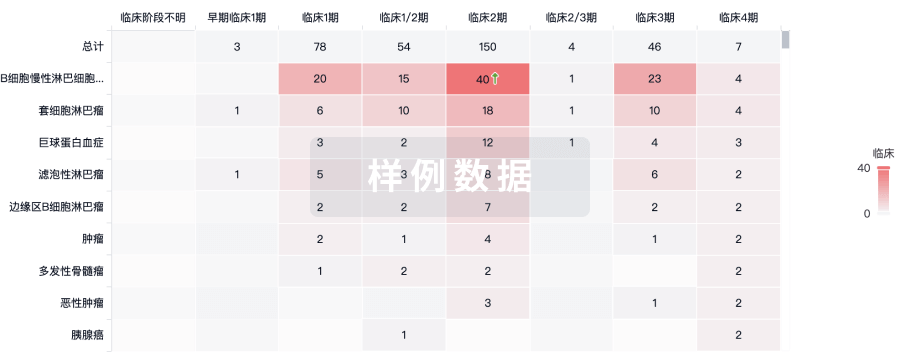
临床分析
紧跟全球注册中心的最新临床试验。
登录
或
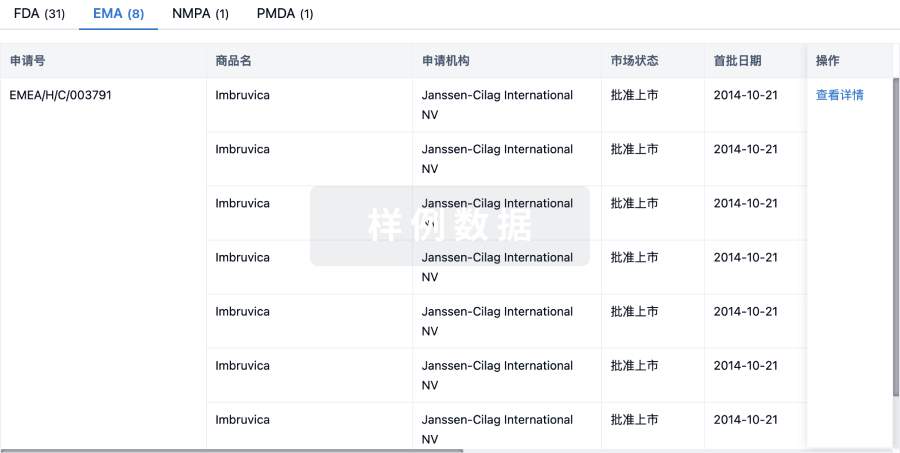
批准
利用最新的监管批准信息加速您的研究。
登录
或
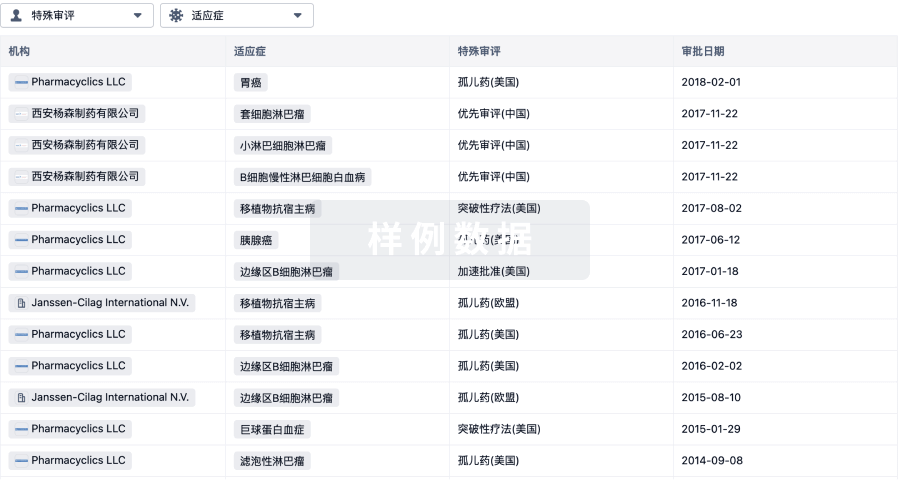
特殊审评
只需点击几下即可了解关键药物信息。
登录
或
提出任何生物医药研究问题
让每一步生物医药决策都精准制胜
基于十亿级生物数据与全球情报的精准 AI,赋能早期药物发现
立即开始免费试用!
智慧芽新药情报库是智慧芽专为生命科学人士构建的基于AI的创新药情报平台,助您全方位提升您的研发与决策效率。
立即接入生物医药数据包
智慧芽新药库数据也通过智慧芽开放平台,以MCP或API服务形式对外开放。立即使用我们的MCP服务定制您的LLM智能体。
生物序列数据库
生物药研发创新
免费使用
化学结构数据库
小分子化药研发创新
免费使用