预约演示
更新于:2026-03-14
GPR119 agonists (Sichuan University)
更新于:2026-03-14
概要
基本信息
非在研机构- |
权益机构- |
最高研发阶段临床前 |
首次获批日期- |
最高研发阶段(中国)临床前 |
特殊审评- |

关联
100 项与 GPR119 agonists (Sichuan University) 相关的临床结果
登录后查看更多信息
100 项与 GPR119 agonists (Sichuan University) 相关的转化医学
登录后查看更多信息
100 项与 GPR119 agonists (Sichuan University) 相关的专利(医药)
登录后查看更多信息
10
项与 GPR119 agonists (Sichuan University) 相关的文献(医药)2026-06-01·BIOORGANIC CHEMISTRY
Electrophilic warhead engagement and structure-activity relationship of Benzothiazole-based putative covalent inhibitors targeting SARS-CoV-2 Main protease
Article
作者: Yaqoob, Muhammad ; Rashid, Umer ; Kanwal, Sofia ; Ikram, Muhammad ; Hussain, Fahad ; Hassan, Abbas ; Tahir, Ayesha ; Shah, Muhammad ; Saeed, Anees ; Zheng, Huaiji
SARS-CoV-2 has precipitated a global health crisis. The Main Protease (Mpro) represents a validated pharmacological target. A series of benzothiazole-based derivatives was designed, synthesized, and evaluated as Mpro inhibitors. The synthesized 5-nitro benzothiazole intermediates (26-29) displayed moderate Mpro inhibition with low to moderate cytotoxicity (CC₅₀ = 16-83 μM in HEK-293 cells). These compounds were subsequently optimized through SAR studies guided by binding site analyses. Lead optimization afforded highly potent derivatives, notably compound 35 (IC50 = 0.026 μM), exhibiting superior potency compared to GC376 and an exceptionally high selectivity index (10,653.8), indicating a favorable potency and safety profile. Acute oral toxicity studies classified compound 35 (LD50 = 947.6 mg/kg BW) and 48 (LD50 = 274.6 mg/kg BW) as Category IV and III toxicants, indicating low acute oral toxicity. Histopathological analysis revealed that the intermediate compound 28 induced hepatic alterations, whereas the final SAR-optimized compound 35 exhibited preserved liver architecture with no apparent pathological changes. Molecular Docking analyses revealed that these benzothiazole derivatives effectively occupied the Mpro active site sub-pocket through stable H-bonding and hydrophobic interactions, thereby facilitating catalytic dyad engagement and pocket adaptability. Covalent docking of compound 35 indicated favorable binding and putative covalent interaction with Cys145. MD simulations confirmed that compound 35 stabilized the protein structure with enhanced compactness, stable interactions, and reduced conformational fluctuations compared to the apo protein. Collectively, these findings highlight benzothiazole-based scaffolds as promising SARS-CoV-2 Mpro inhibitors.
2026-01-01·PESTICIDE BIOCHEMISTRY AND PHYSIOLOGY
Structural optimization of isobavachalcone derivatives with benzofuran-cyclopropane-ester hybrids as potent acaricides against Tetranychus cinnabarinus: Synthesis, bioactivity, and mechanistic insights
Article
作者: Cao, Haiqun ; Gao, Quan ; Yang, Fan ; Chen, Yao ; Wang, Jiawang ; Wang, Zixian ; Ren, Zili ; Yang, Pengjie
A series of 32 novel isobavachalcone derivatives containing benzofuran, cyclopropane, and ester groups were synthesized and tested for acaricidal activity against Tetranychus cinnabarinus. Several derivatives showed higher activity than the parent compound. Among them, compounds 15 and 35 were particularly potent, with LC50 values of 0.161 and 0.112 mg/mL, respectively, comparable to the commercial acaricide spirodiclofen. Greenhouse experiments further confirmed that both compounds provided strong control efficacy on asparagus bean seedlings. Scanning electron microscopy revealed that compound 35 caused severe cuticular damage in mites. Transcriptomic analysis identified 100 differentially expressed genes after treatment with compound 35, mainly enriched in oxidoreductase activity, membrane processes, and lysosome-related pathways. qRT-PCR validation supported the RNA-seq results. Together with the microscopy evidence, these results suggest that compound 35 interferes with hydrolase biosynthesis or lysosomal transport, thereby impairing mite development. Overall, this study offers a promising approach for developing natural product-inspired acaricides with strong efficacy and potential for resistance management.
2024-03-01·European journal of medicinal chemistry
Discovery of FLT3-targeting PROTACs with potent antiproliferative activity against acute myeloid leukemia cells harboring FLT3 mutations
Article
作者: Lu, Tao ; Chen, Yadong ; Huang, Fei ; Liu, Lifei ; Liu, Canlin ; Lu, Xun ; Wang, Zhijie ; Lu, Shuai
Acute myeloid leukemia (AML) patients harboring Fms-like tyrosine kinase 3 (FLT3) mutations often suffer from poor prognosis and relapse. Targeted protein degradation utilizing proteolysis targeting chimeras (PROTACs) is considered as a novel therapeutic strategy in drug discovery and may be a promising modality to target FLT3 mutations for the development of potent anti-AML drugs. Herein, a kind of FLT3-targeting PROTACs was rationally developed based on a FLT3 inhibitor previously reported by us. The representative compound 35 showed potent and selective antiproliferative activities against AML cells harboring FLT3 mutations. Western blot assay demonstrated that compound 35 effectively induced the degradation of FLT3-ITD and decreased the phosphorylation levels of FLT3-ITD, AKT, STAT5 and ERK in MV4-11 cells in a dose-dependent manner. Flow cytometry analysis illustrated that compound 35 strongly induced apoptosis and cell cycle arrest in MV4-11 cells in a dose-dependent manner. Moreover, compound 35 displayed favorable metabolic stability in in-vitro liver microsomes studies. Comparative molecular dynamic (MD) simulation studies further elucidated the underlying mechanism of compound 35 to stabilize the dynamic ensemble of the FLT3-compound 35-cereblon (CRBN) ternary complex. Taken together, compound 35 could serve as a lead molecule for developing FLT3 degraders against AML.
100 项与 GPR119 agonists (Sichuan University) 相关的药物交易
登录后查看更多信息
研发状态
10 条进展最快的记录, 后查看更多信息
登录
| 适应症 | 最高研发状态 | 国家/地区 | 公司 | 日期 |
|---|---|---|---|---|
| 2型糖尿病 | 临床前 | 中国 | 2020-02-01 |
登录后查看更多信息
临床结果
临床结果
适应症
分期
评价
查看全部结果
| 研究 | 分期 | 人群特征 | 评价人数 | 分组 | 结果 | 评价 | 发布日期 |
|---|
No Data | |||||||
登录后查看更多信息
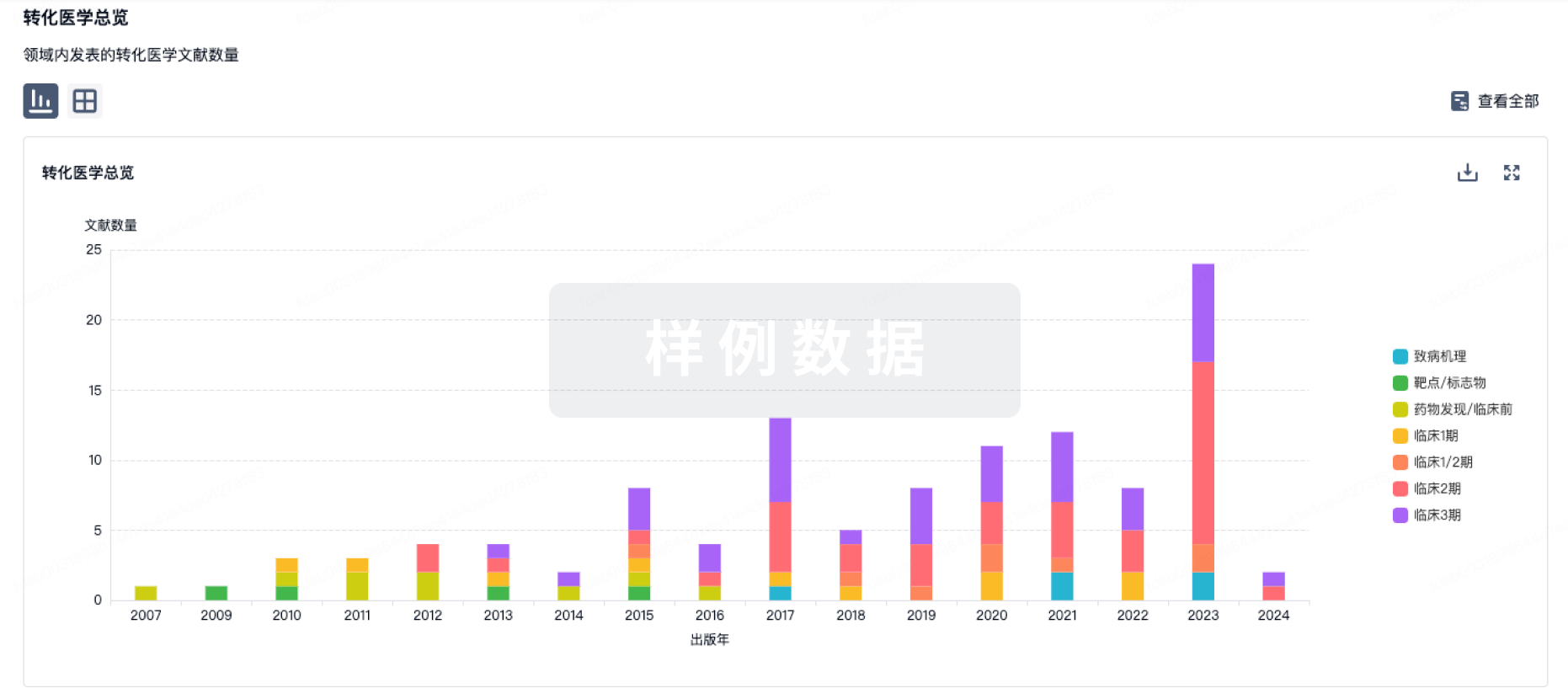
转化医学
使用我们的转化医学数据加速您的研究。
登录
或
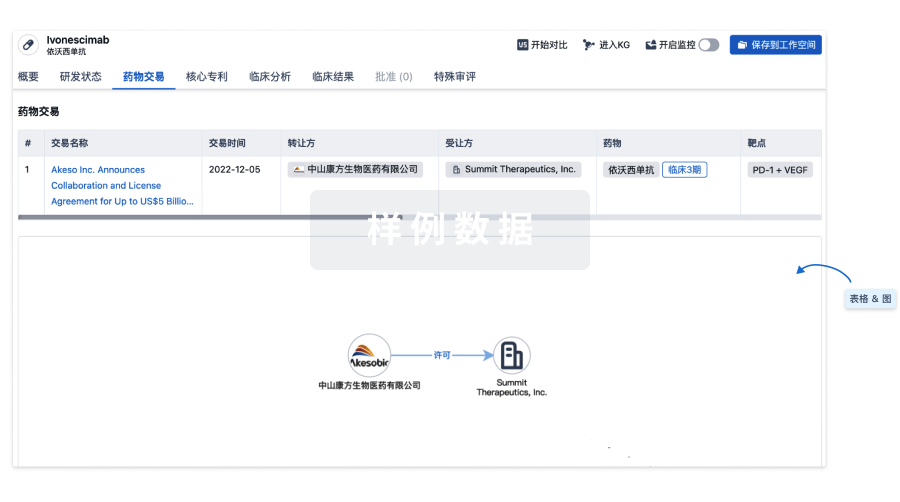
药物交易
使用我们的药物交易数据加速您的研究。
登录
或
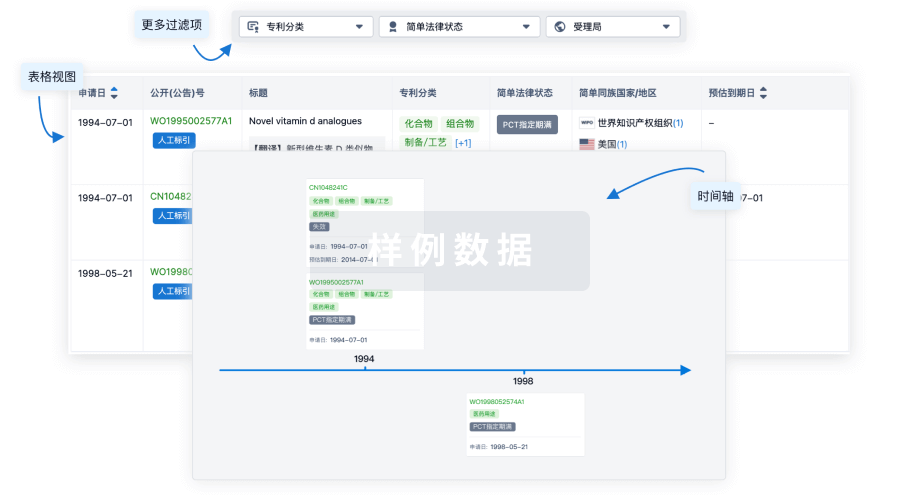
核心专利
使用我们的核心专利数据促进您的研究。
登录
或
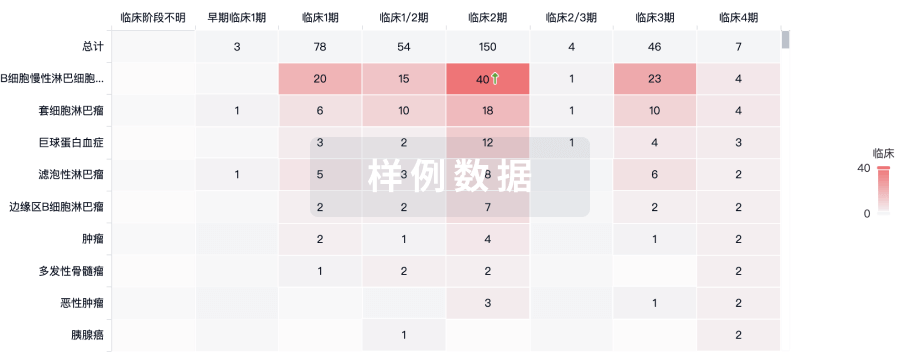
临床分析
紧跟全球注册中心的最新临床试验。
登录
或
批准
利用最新的监管批准信息加速您的研究。
登录
或
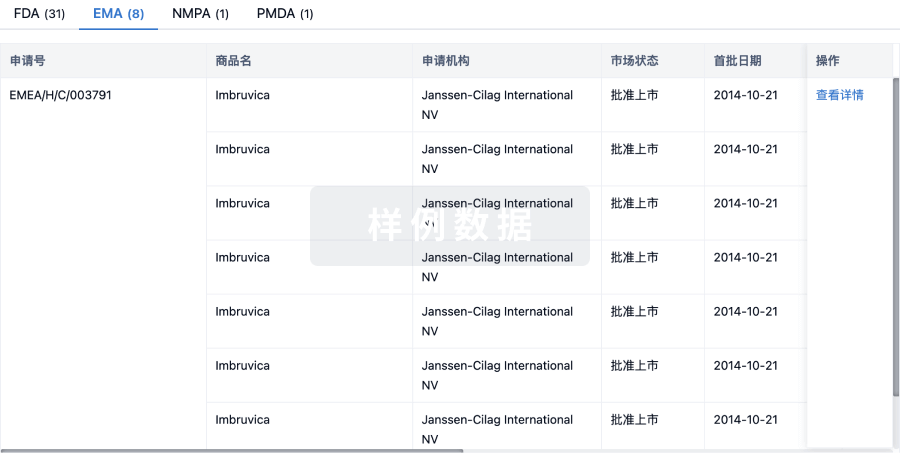
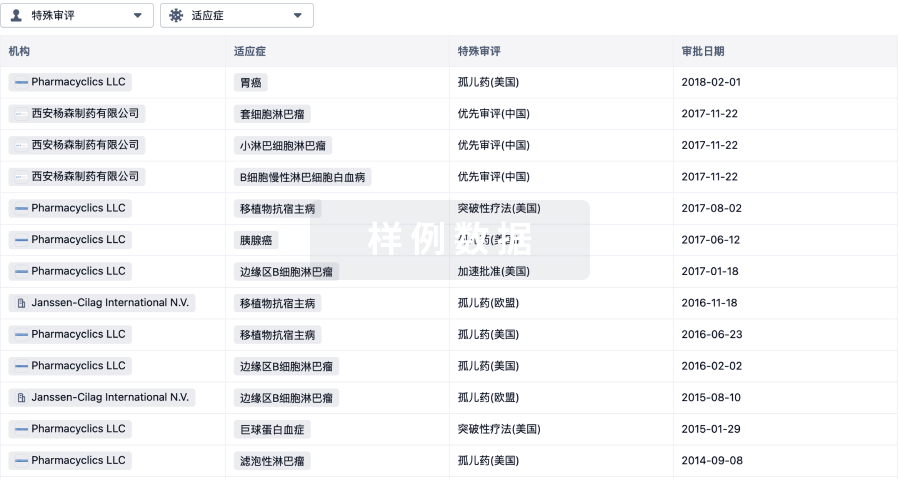
特殊审评
只需点击几下即可了解关键药物信息。
登录
或
生物医药百科问答
全新生物医药AI Agent 覆盖科研全链路,让突破性发现快人一步
立即开始免费试用!
智慧芽新药情报库是智慧芽专为生命科学人士构建的基于AI的创新药情报平台,助您全方位提升您的研发与决策效率。
立即开始数据试用!
智慧芽新药库数据也通过智慧芽数据服务平台,以API或者数据包形式对外开放,助您更加充分利用智慧芽新药情报信息。
生物序列数据库
生物药研发创新
免费使用
化学结构数据库
小分子化药研发创新
免费使用