预约演示
更新于:2026-05-09
Compound A8(University of Chinese Academy of Sciences)
更新于:2026-05-09
概要
基本信息

结构/序列
分子式C25H24BrN5O3S |
InChIKeyULTOCOVWRCTJDQ-RLTFZFDCSA-N |
CAS号3054228-62-2 |
关联
100 项与 Compound A8(University of Chinese Academy of Sciences) 相关的临床结果
登录后查看更多信息
100 项与 Compound A8(University of Chinese Academy of Sciences) 相关的转化医学
登录后查看更多信息
100 项与 Compound A8(University of Chinese Academy of Sciences) 相关的专利(医药)
登录后查看更多信息
7
项与 Compound A8(University of Chinese Academy of Sciences) 相关的文献(医药)2026-01-01·EUROPEAN JOURNAL OF MEDICINAL CHEMISTRY
Development of potent JAK1/2 PROTAC degraders for the treatment of inflammatory bowel diseases
Article
作者: Peng, Mian ; Li, Gang ; Yao, Hongliang ; He, Zhuoran ; Ou, Yanghui ; Wang, Jun ; Pan, Wei ; Liu, Yuanhui ; Zhou, Chuxun ; Deng, Xinshan ; Li, Jiayu ; Zhang, Yali ; Zou, Shuting
Inflammatory bowel diseases (IBD) is a chronic, progressive disorder, which imposes a substantial global health burden. The current scarcity of safer and more efficacious clinical treatment for IBD underscores the urgent need to develop novel drugs. Proteolysis-targeting chimera (PROTAC) technology has surfaced as a ground-breaking therapeutic approach to facilitate drug discovery. Herein, a novel series of PROTAC degraders based on momelotinib were designed and synthesised. Among the PROTAC degraders, compound A8 degraded JAK1 and JAK2 with DC50 values of 1.4 and 0.92 μM, respectively. Additionally, A8 suppressed the secretion of pro-inflammatory cytokines tumour necrosis factor-α and interleukin-6 in lipopolysaccharide-stimulated Raw 264.7 cells (IC50 = 17.17 and 12.89 μM, respectively). Mechanistic investigations revealed that A8 triggers JAK1/2 degradation through a pathway reliant on CRBN and the proteasome system. Furthermore, in vivo studies demonstrated that A8 significantly reduced inflammatory responses and colon injury by suppressing the JAK/STAT3 signalling pathway. Overall, A8 represents a novel JAK1/2 degrader as a lead compound for IBD for the first time, which deserves further development.
2025-10-31·Science Advances
Pharmacological targeting of RIG-I can selectively activate the integrated stress response
Article
The integrated stress response (ISR) is a eukaryotic stress-responsive signaling pathway that attenuates global protein synthesis while allowing selective translation of specific mRNAs, which together can reestablish homeostasis following acute stress. Diverse pathologic insults activate one or more of the four ISR kinases, which selectively phosphorylate eIF2α to mediate ISR functions. Recent results suggest that enhancing ISR kinase activity could ameliorate pathologies linked to numerous diseases, including many neurodegenerative disorders. However, few pharmacological strategies exist to selectively activate ISR kinases and downstream adaptive signaling. Here, we report that compound A8 can preferentially activate the ISR through the binding of the cytosolic pattern recognition receptor RIG-I, which subsequently activates the heme-regulated inhibitor (HRI) ISR kinase independent of an interferon response. The establishment of A8 and its active metabolite CC81 provides opportunities to probe the biological and therapeutic relationship between innate immune signaling and ISR activation in health and disease.
2025-07-01·EUROPEAN JOURNAL OF MEDICINAL CHEMISTRY
Discovery of potent focal adhesion kinase (FAK) inhibitor A8 with enhanced antitumor activity
Article
作者: Zhang, Chenyu ; Gan, Lu ; Li, Ye ; Zhang, Huabei ; He, Yong
FAK has emerged as a promising therapeutic target for cancer treatment due to its role in tumor survival, metastasis, and invasion. Herein, we report the rational design, synthesis, and comprehensive evaluation of a novel FAK inhibitor, compound A8. Our structure-activity relationship (SAR) studies identified A8 as a potent FAK inhibitor, with an FAK-IC50 value of 0.87 nM, superior to VS6063 (1.49 nM). In vitro studies demonstrated that A8 significantly suppressed tumor cell viability, cancer stem cell activity, and cell migration in A549 and SKOV-3 cell lines. Mechanistic insights were provided by surface plasmon resonance (SPR) analysis, revealing high-affinity binding of A8 to FAK with a Kd value of 15 μM. Radiolabeling studies with [18F]A8 highlighted favorable tumor uptake and retention in S180 tumor-bearing mice. Notably, A8 efficiently penetrated the blood-brain barrier, with brain uptake values reaching 2.63 ± 0.63 %ID/g at 15 min and 1.62 ± 0.77 %ID/g at 120 min. In vivo antitumor efficacy trials in A549 and SKOV-3 tumor models confirmed A8's robust activity, with tumor inhibition rates of 59.15 % and 57.9 %, respectively, surpassing VS6063 and standard chemotherapeutics. Combination therapy with paclitaxel further enhanced A8's antitumor effects in SKOV-3 models. Acute toxicity studies indicated that A8 was well-tolerated up to 2000 mg/kg in mice, with no observed acute toxicity. Molecular docking and dynamics simulations substantiated the stable binding of A8 to the FAK protein. Collectively, our findings underscore the potential of compound A8 as a lead candidate for FAK-targeted cancer therapeutics, warranting further preclinical and clinical investigations.
100 项与 Compound A8(University of Chinese Academy of Sciences) 相关的药物交易
登录后查看更多信息
研发状态
10 条进展最快的记录, 后查看更多信息
登录
| 适应症 | 最高研发状态 | 国家/地区 | 公司 | 日期 |
|---|---|---|---|---|
| 肿瘤 | 临床前 | 中国 | 2024-03-01 |
登录后查看更多信息
临床结果
临床结果
适应症
分期
评价
查看全部结果
| 研究 | 分期 | 人群特征 | 评价人数 | 分组 | 结果 | 评价 | 发布日期 |
|---|
No Data | |||||||
登录后查看更多信息
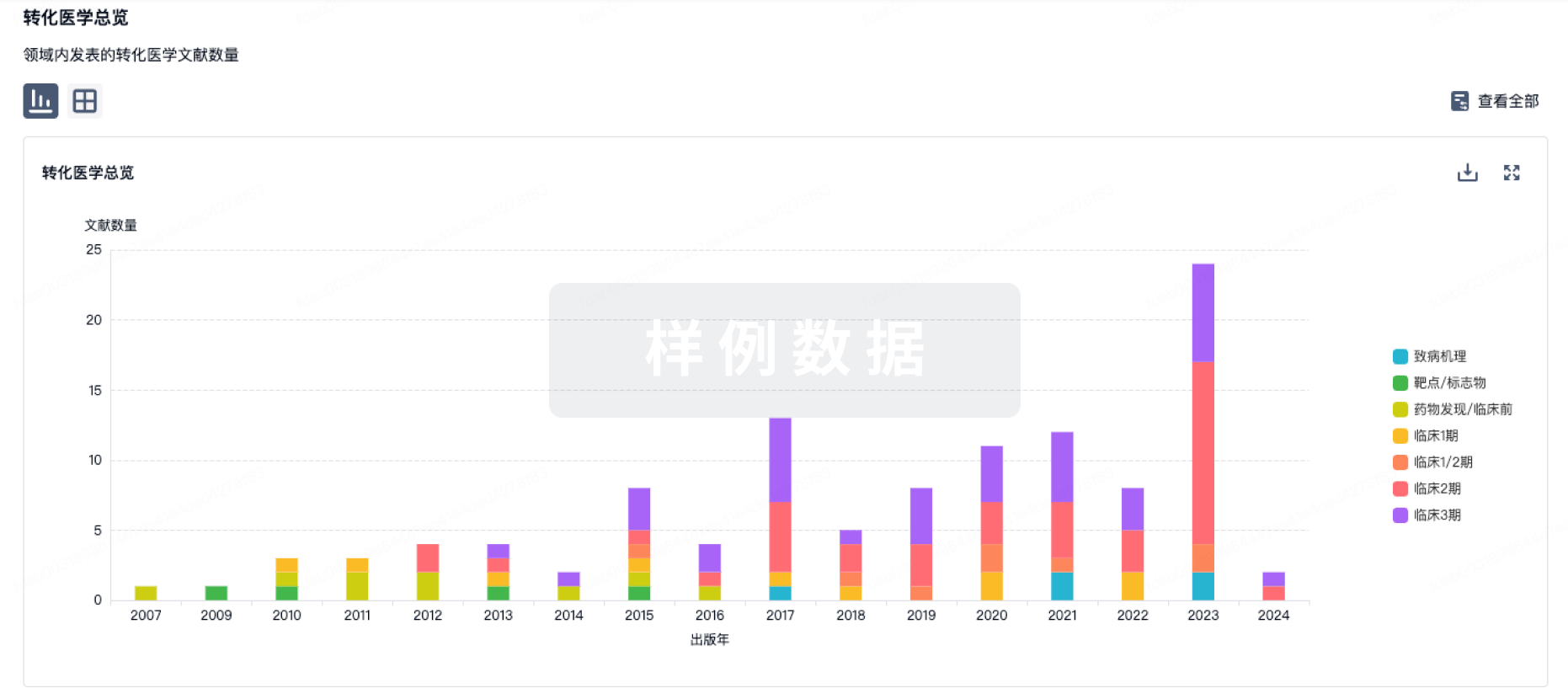
转化医学
使用我们的转化医学数据加速您的研究。
登录
或
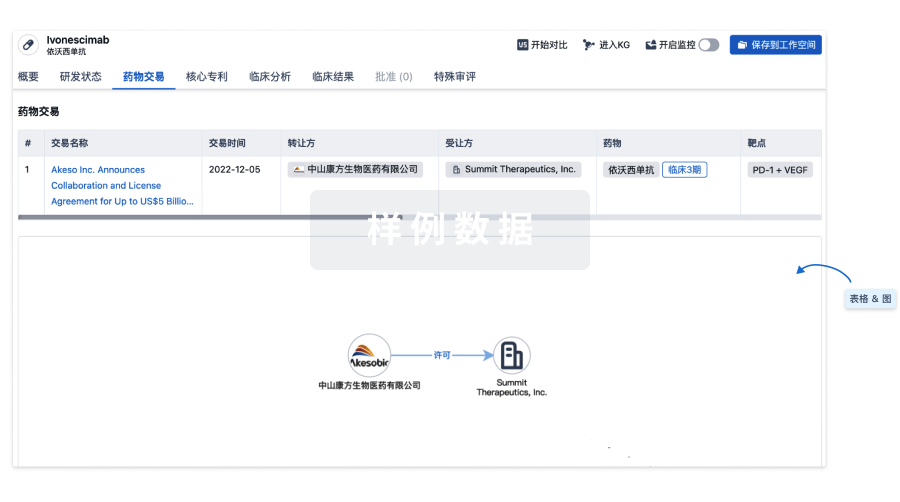
药物交易
使用我们的药物交易数据加速您的研究。
登录
或
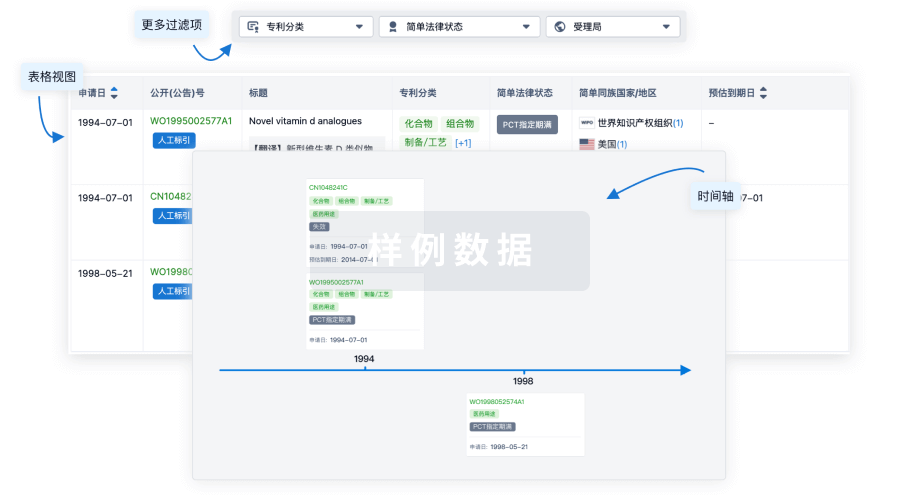
核心专利
使用我们的核心专利数据促进您的研究。
登录
或
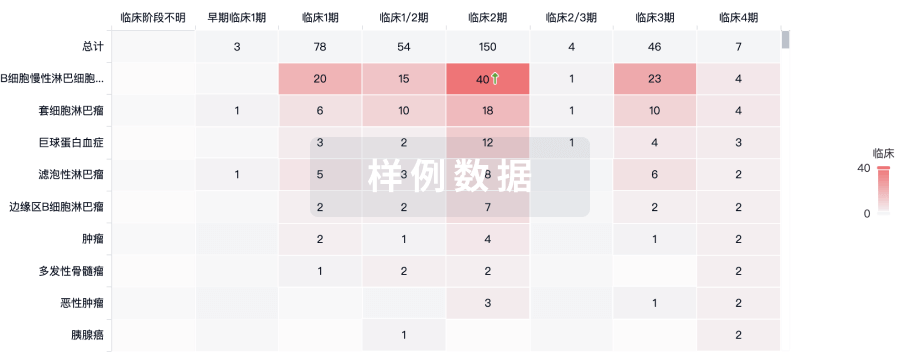
临床分析
紧跟全球注册中心的最新临床试验。
登录
或
批准
利用最新的监管批准信息加速您的研究。
登录
或
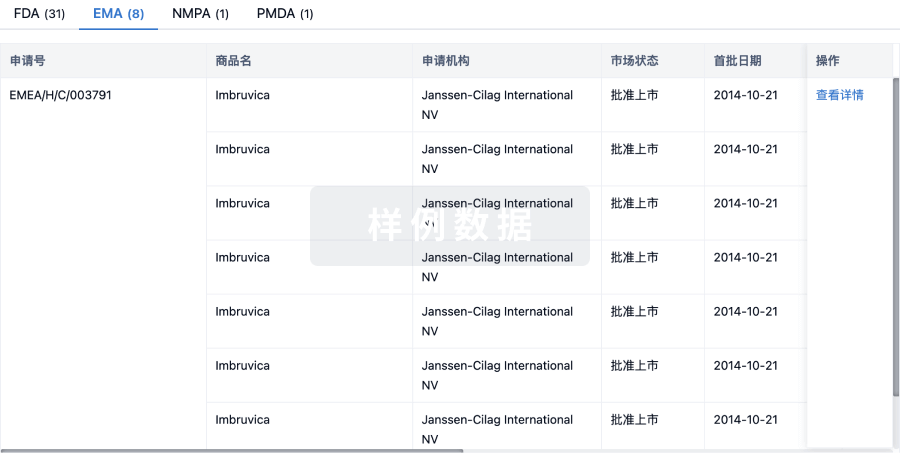
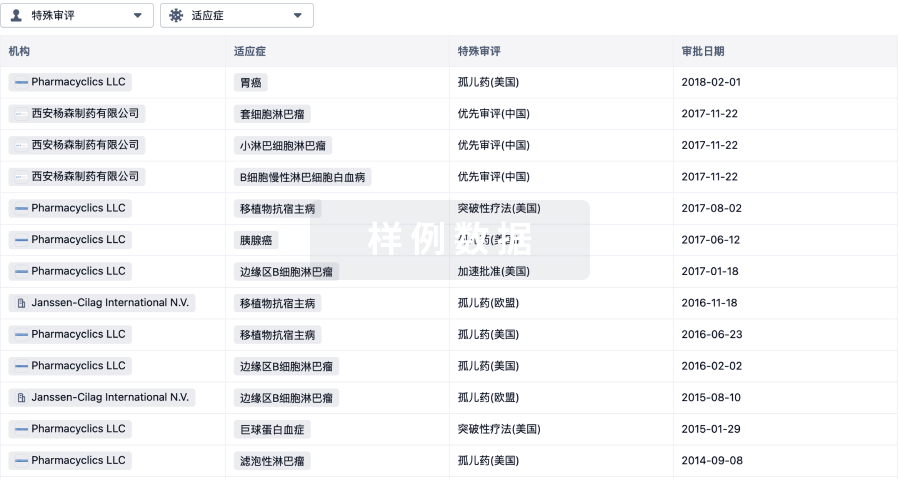
特殊审评
只需点击几下即可了解关键药物信息。
登录
或
生物医药百科问答
全新生物医药AI Agent 覆盖科研全链路,让突破性发现快人一步
立即开始免费试用!
智慧芽新药情报库是智慧芽专为生命科学人士构建的基于AI的创新药情报平台,助您全方位提升您的研发与决策效率。
立即开始数据试用!
智慧芽新药库数据也通过智慧芽数据服务平台,以API或者数据包形式对外开放,助您更加充分利用智慧芽新药情报信息。
生物序列数据库
生物药研发创新
免费使用
化学结构数据库
小分子化药研发创新
免费使用