预约演示
更新于:2026-09-19
Senazodan hydrochloride
更新于:2026-09-19
概要
基本信息
在研机构- |
非在研机构 |
权益机构- |
最高研发阶段终止临床2期 |
首次获批日期- |
最高研发阶段(中国)- |
特殊审评- |

登录后查看时间轴
结构/序列
分子式C15H15ClN4O |
InChIKeyNYQCKFLLTCINSJ-UHFFFAOYSA-N |
CAS号98326-33-1 |
关联
100 项与 Senazodan hydrochloride 相关的临床结果
登录后查看更多信息
100 项与 Senazodan hydrochloride 相关的转化医学
登录后查看更多信息
100 项与 Senazodan hydrochloride 相关的专利(医药)
登录后查看更多信息
61
项与 Senazodan hydrochloride 相关的文献(医药)2018-12-01·Biochemistry and biophysics reports
The calcium sensitizer drug MCI-154 binds the structural C-terminal domain of cardiac troponin C
Article
作者: Sykes, Brian D ; Liu, Philip B ; West, Frederick G ; Wen, Yurong ; Danmaliki, Gaddafi I ; Gelozia, Shorena ; Hwang, Peter M ; Lemieux, M Joanne ; Li, Monica X
The compound MCI-154 was previously shown to increase the calcium sensitivity of cardiac muscle contraction. Using solution NMR spectroscopy, we demonstrate that MCI-154 interacts with the calcium-sensing subunit of the cardiac troponin complex, cardiac troponin C (cTnC). Surprisingly, however, it binds only to the structural C-terminal domain of cTnC (cCTnC), and not to the regulatory N-terminal domain (cNTnC) that determines the calcium sensitivity of cardiac muscle. Physiologically, cTnC is always bound to cardiac troponin I (cTnI), so we examined its interaction with MCI-154 in the presence of two soluble constructs, cTnI1-77 and cTnI135-209, which contain all of the segments of cTnI known to interact with cTnC. Neither the cTnC-cTnI1-77 complex nor the cTnC-cTnI135-209 complex binds to MCI-154. Since residues 39-60 of cTnI are known to bind tightly to the cCTnC domain to form a structured core that is invariant throughout the cardiac cycle, we conclude that MCI-154 does not bind to cTnC when it is part of the intact cardiac troponin complex. Thus, MCI-154 likely exerts its calcium sensitizing effect by interacting with a target other than cardiac troponin.
2006-06-01·Journal of cardiovascular pharmacology4区 · 医学
Effects of MCI-154 on Vascular Reactivity and Its Mechanisms After Hemorrhagic Shock in Rats
4区 · 医学
Article
作者: Yang, Guangming ; Liu, Liangming ; Li, Tao ; Xu, Jing
The objectives of this study were to investigate the effects of 6-[4-(4'-pyridylamino)phenyl]-4,5-dihydro-3(2H)-pyridazinone hydrochloride trihydrate (MCI-154), a newly developed cardiotonic agent, on vascular reactivity and contractile responses to extracellular Ca2+ ([Ca2+]o) after hemorrhagic shock and primarily explore its mechanism. In vivo, the effects of MCI-154 (0.1, 0.5, 1.0, and 2.0 mg/kg) on the pressor effect of norepinephrine (NE) in rats subjected to hemorrhagic shock (30 mm Hg for 2 h) were observed and in vitro, the effects of MCI-154 (10(-7), 10(-6), 10(-5), 10(-4) mol/L) on vascular reactivity and contractile responses to [Ca2+]o of superior mesenteric artery (SMA) from hemorrhagic shock rats and its relationship to Rho-kinase, protein kinase C (PKC), and protein kinase G (PKG) were observed. The results showed that the NE-induced pressor response after hemorrhagic shock was significantly decreased (P<0.01), and MCI-154 made it decrease further. In vitro, MCI-154 further decreased the contractile responses of SMA to NE and Ca2+ after hemorrhagic shock as compared with untreated hemorrhagic shock group (P<0.01). Angiotensin II (Ang II), with Rho-kinase stimulating action, and PMA, a PKC agonist increased the contractile responses to [Ca2+]o of SMA after hemorrhagic shock. MCI-154 (10(-5) mol/L) partly inhibited Ang II and PMA-induced increase of the contractile responses to [Ca2+]o of SMA (P<0.01). KT-5823, the PKG antagonist, antagonized MCI-154-induced decrease of the contractile responses to [Ca2+]o. Taken together, these results suggested that the vascular reactivity and contractile responses to [Ca2+]o of vascular smooth muscle after hemorrhagic shock were significantly decreased. MCI-154 worsened hemorrhagic shock-induced vascular hyporeactivity and the decrease of contractile responses to [Ca2+]o. These effects were possibly regulated by Rho-kinase, PKC, and PKG, but this needs further confirmation.
2005-01-01·Zhongguo wei zhong bing ji jiu yi xue = Chinese critical care medicine = Zhongguo weizhongbing jijiuyixue
[Effect of MCI-154 on calcium sensitivity of vascular smooth muscle and its mechanism in hemorrhagic shock in rats].
Article
作者: Liu, Liang-ming ; Yang, Guang-ming
OBJECTIVE:
To observe the effects of new calcium sensitizer MCI-154 on calcium sensitivity of vascular smooth muscle following hemorrhagic shock (HS) in rats, and to explore its mechanism.
METHODS:
The superior mesenteric artery (SMA) from HS model of rat was adopted to assay the calcium sensitivity via observing the contraction initiated by Ca2+ under depolarizing conditions (120 mmol/L K+) with isolated organ perfusion system. The experiment was conducted in two parts, the effects of MCI-154 on calcium sensitivity of vascular smooth muscle in HS, and to explore whether MCI-154 could regulate the calcium sensitivity through regulating Rho-kinase, protein kinase C (PKC) and protein kinase G(PKG).
RESULTS:
Compared with the normal control group, the cumulative dose-response curve of SMA to Ca2+ in shock group was shifted to the right, the maximal contraction to Ca2+ was decreased significantly (P<0.01). MCI-154(10(-7), 10(-6), 10(-5), 10(-4) mol/L) pretreatment further shift the cumulative dose-response curve of Ca2+ to the right as compared to shock group (P<0.01). These result suggested that calcium desensitization existed in the vascular smooth muscle following HS, and MCI-154 further decreased the calcium sensitivity. Angiotensin II and phorbol 12-myristate-13-acetate (PMA), the Rho-kinase agonist and PKC agonist, increased the calcium sensitivity, made the cumulative dose-response curve of Ca2+ shift to the left. After MCI-154(10(-5) mol/L) pretreatment, the dose-response curve of Ca2+ was shifted to the right as compared to Ang II and PMA alone group (P<0.01). But, KT-5823, the PKG antagonist, antagonized MCI-154-induced right shift of the dose-response curve of Ca2+. It was suggested that MCI-154 induced the decrease of calcium sensitivity might be related to Rho-kinase, PKC and PKG.
CONCLUSION:
The calcium sensitivity of vascular smooth muscle following HS is significantly decreased, MCI-154 can further decrease calcium sensitivity. MCI-154 may regulate calcium sensitivity of vascular smooth muscle through Rho-kinase, PKC and PKG.
100 项与 Senazodan hydrochloride 相关的药物交易
登录后查看更多信息
研发状态
10 条进展最快的记录, 后查看更多信息
登录
| 适应症 | 最高研发状态 | 国家/地区 | 公司 | 日期 |
|---|---|---|---|---|
| 心脏衰竭 | 临床2期 | 日本 | - | - |
| 心脏衰竭 | 临床2期 | - | - |
登录后查看更多信息
临床结果
临床结果
适应症
分期
评价
查看全部结果
| 研究 | 分期 | 人群特征 | 评价人数 | 分组 | 结果 | 评价 | 发布日期 |
|---|
No Data | |||||||
登录后查看更多信息
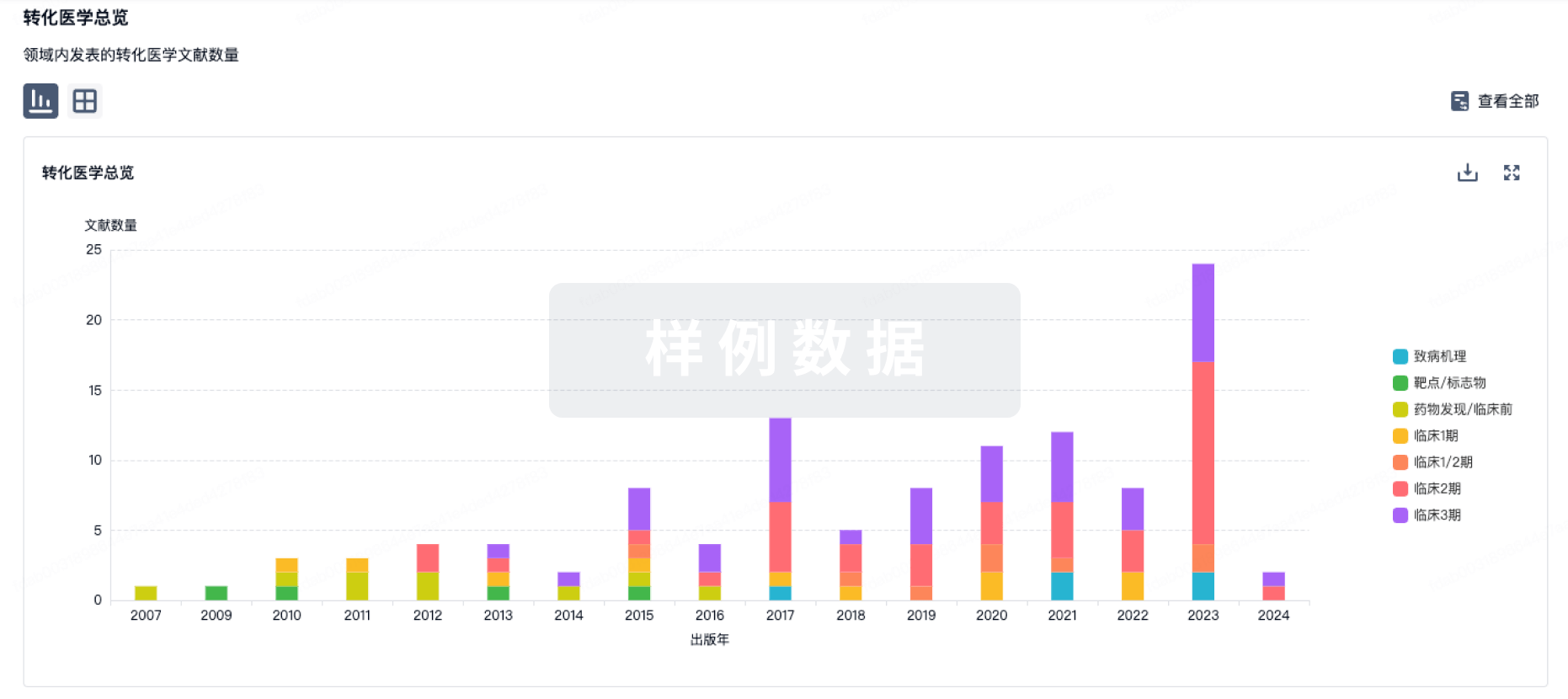
转化医学
使用我们的转化医学数据加速您的研究。
登录
或
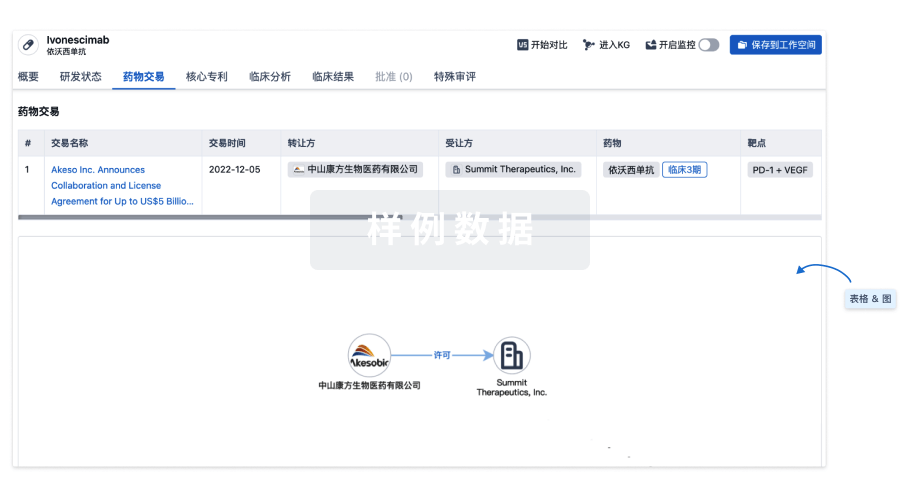
药物交易
使用我们的药物交易数据加速您的研究。
登录
或
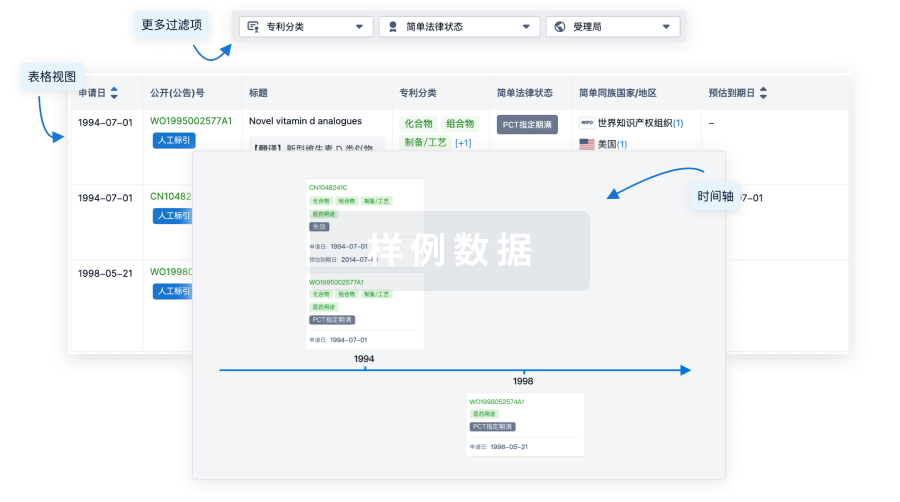
核心专利
使用我们的核心专利数据促进您的研究。
登录
或
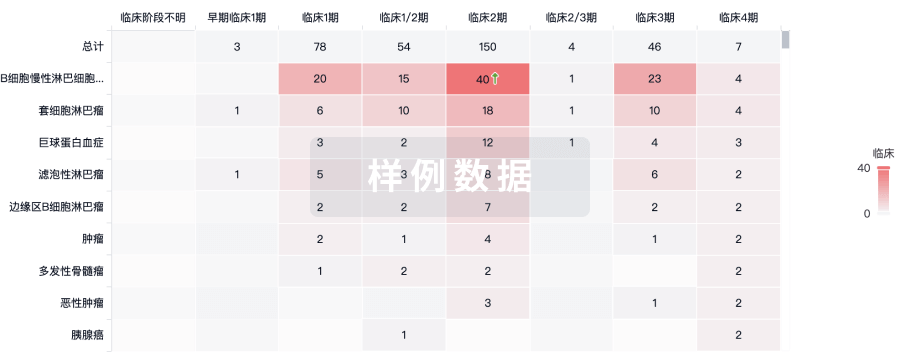
临床分析
紧跟全球注册中心的最新临床试验。
登录
或
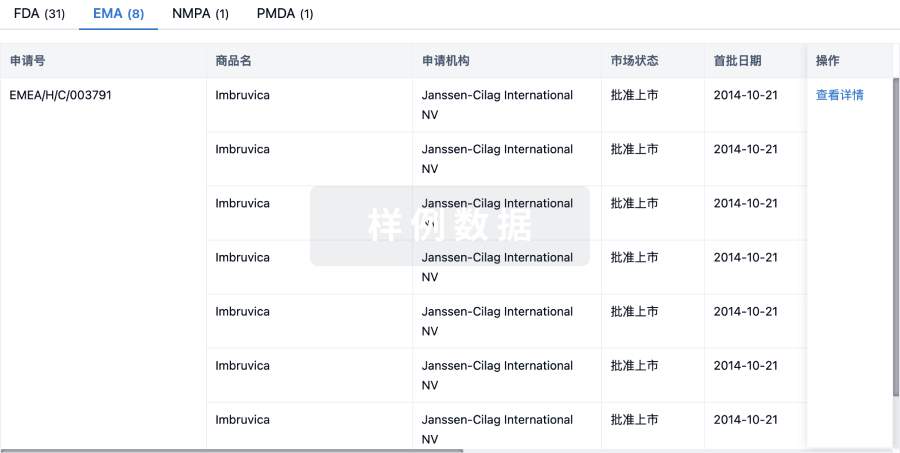
批准
利用最新的监管批准信息加速您的研究。
登录
或
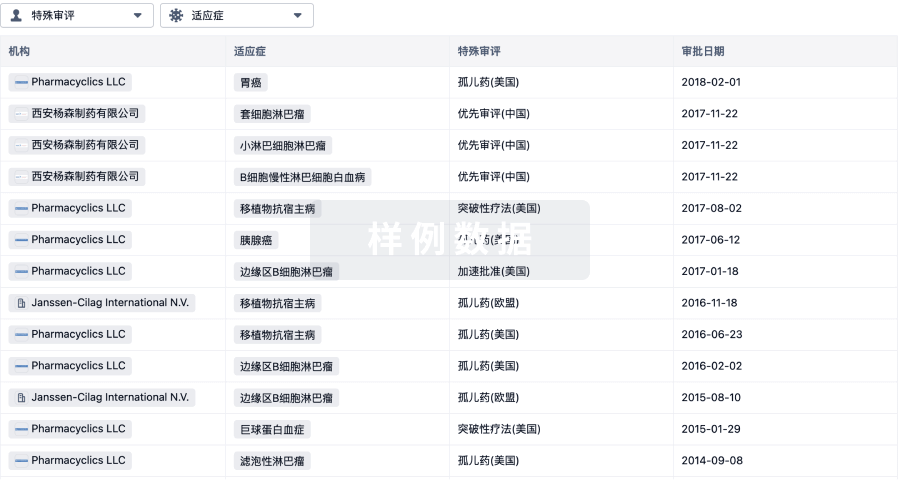
特殊审评
只需点击几下即可了解关键药物信息。
登录
或
提出任何生物医药研究问题
让每一步生物医药决策都精准制胜
基于十亿级生物数据与全球情报的精准 AI,赋能早期药物发现
立即开始免费试用!
智慧芽新药情报库是智慧芽专为生命科学人士构建的基于AI的创新药情报平台,助您全方位提升您的研发与决策效率。
立即接入生物医药数据包
智慧芽新药库数据也通过智慧芽开放平台,以MCP或API服务形式对外开放。立即使用我们的MCP服务定制您的LLM智能体。
生物序列数据库
生物药研发创新
免费使用
化学结构数据库
小分子化药研发创新
免费使用