预约演示
更新于:2026-09-05
PS-3
更新于:2026-09-05
概要
基本信息
药物类型 小分子化药 |
别名 Phycarine derivative (University of Regensburg)、PS-3 |
作用方式 抑制剂 |
作用机制 补体系统蛋白抑制剂 |
在研适应症- |
在研机构- |
权益机构- |
最高研发阶段无进展药物发现 |
首次获批日期- |
最高研发阶段(中国)- |
特殊审评- |

关联
100 项与 PS-3 相关的临床结果
登录后查看更多信息
100 项与 PS-3 相关的转化医学
登录后查看更多信息
100 项与 PS-3 相关的专利(医药)
登录后查看更多信息
43
项与 PS-3 相关的文献(医药)2025-12-01·BRAZILIAN JOURNAL OF MICROBIOLOGY
Isolation and characterization of lytic bacteriophages against Staphylococcus aureus
Article
作者: Kaur, Gurpreet ; Paul, Ashique J. ; Chandra, Mudit ; Narang, Deepti
The study was conceived with the objective to isolate and characterize lytic bacteriophages (phages) against Staphylococcus aureus (S. aureus) associated with bovine mastitis. Phages were isolated from enriched slurry and milk samples using the agar overlay technique. Characterization included plaque morphology, Field Emission Scanning Electron Microscopy (FE-SEM), pH and thermal stability, host range (spot assay), adsorption assay and one-step growth curve analysis. Lytic efficacy was assessed using the Efficiency of Plating (EOP) method. Five phages (pS1 to pS5) were isolated, of which pS4 and pS5 were temperate phages as indicated by its lysis pattern. The analysis showed that phages pS2 and pS3 produced clear, pinpoint-sized plaques while pS1 formed large, clear plaques. FE-SEM classified all three phages under the class Caudoviricetes. Adsorption assay and one step growth curve analysis revealed that the phages had an adsorption time ranging from 9 to 15 min, and a latent period between 30 and 50 min and burst sizes of 68 (pS2), 220 (pS1) and 280 (pS3) pfu/cell. Stability tests revealed significant difference in thermal stability at 60 °C and 70 °C (p < 0.0001), and in pH tolerance from pH 2 to 10 (p < 0.0001) among pS1, pS2 and pS3. The spot assay revealed that the complete panel of clinical S. aureus isolates (n = 18), standard cultures (ATCC 12600 and ATCC 29213) and clinical isolates of S. chromogenes and S. haemolyticus were sensitive to pS1. In contrast, pS2 and pS3 exhibited lytic activity exclusively against the S. aureus isolates, showing no activity against S. chromogenes or S. haemolyticus. Phage pS1 demonstrated good lytic effect against 10/21 test isolates compared to pS2 (3/21) and pS3 (3/21). Overall, the study characterized three lytic phages targeting S. aureus implicated in bovine mastitis and showed its in vitro efficacy against planktonic S. aureus.
2025-07-01·JOURNAL OF HAZARDOUS MATERIALS
Distinct mechanisms of stibnite (Sb2S3) oxidative dissolution mediated by acid-generating and alkali-generating microorganisms within a wide pH range
Article
作者: Gao, Weikang ; Zhang, Jingkang ; Sapsford, Devin J ; Chen, Liran ; Lu, Xiaolu ; Wang, Hongmei ; Wang, Xingjie ; Zhou, Jianwei ; Ma, Liyuan
Indigenous microorganisms in antimony mining areas facilitate stibnite dissolution over a wide pH range, yet their mechanisms remain poorly studied. Herein, the acid-generating Bosea sp. AS-1 and the alkali-generating Pseudomonas sp. PS-3 were selected to interact with stibnite (Sb2S3) under initial acidic (pH value = 5) and alkaline (pH value = 8) conditions, respectively. Results indicated that AS-1 and PS-3 promoted stibnite dissolution compared to the sterile control irrespective of initial pH conditions, but through distinct mechanisms. AS-1 oxidized sulfide to sulfate by regulating the expression of SoxB and SoxC genes, thereby driving the stibnite dissolution and oxidation. Up to 18.63 mg/L total antimony (Sb(tot)) was released and the dissolved Sb(III) was completely oxidized to Sb(V). Moreover, AS-1 prevented the passivation layer formation by inhibiting sulfur oxidation intermediates accumulation. Conversely, PS-3 could not oxidize sulfur, but produced more extracellular polymeric substances which bound microorganisms closely to stibnite. The stibnite dissolution was facilitated through pH elevation from 5.0 to above 9.0 mediated by PS-3, releasing up to 35.56 mg/L Sb(tot). However, the accumulated sulfur oxidation intermediates facilitated the passivation layer formation, inhibiting further dissolution of stibnite. Additionally, less than 44 % of the soluble Sb(III) was oxidized to Sb(V). These results contribute to understanding the microbial-mediated transformation, mobilization and oxidation of antimony.
2025-02-01·DERMATOLOGIC SURGERY
Impact of Needle Design and Suture Gauge on Tissue Tearing During Skin Suturing: A Comparative Analysis
Article
作者: Potter, Christian T. ; Riopelle, Alexandria M. ; Fudem, Gary M. ; Schanbacher, Carl F. ; Maloney, McKenzie E.
BACKGROUND:
Surgeons face numerous choices in selecting sutures for skin closure, with potential adverse effects such as tissue tearing.
OBJECTIVE:
To investigate the influence of needle design and suture gauge on tissue tearing during suturing procedures.
MATERIALS AND METHODS:
The authors tested the tear-through force in Newtons for 3 needle types and 3 suture gauges using an artificial skin model and a professional-grade tensiometer. Suture material was secured into the skin model, and force was applied to the suture at a constant rate, resulting in tearing. Force–displacement and force–time curves were generated. Evaluation included conventional cutting (PC-3), reverse cutting (PS-3), and taper point (BB) needles with a 5-0 polypropylene suture. In addition, nylon sutures with a reverse cutting needle (PS-2) were tested at 3 suture gauges (5-0, 4-0, 3-0).
RESULTS:
The mean tear-through forces for PC-3, PS-3, and BB were 3.26 N, 3.75 N, and 4.07 N, respectively. For the 5-0, 4-0, and 3-0 nylon sutures, the mean tear-through forces were 3.44 N, 3.81 N, and 4.04 N, respectively. Statistical analysis revealed a significant impact of suture gauge size (p < .001) and needle geometry (p < .001) on tear-through force.
CONCLUSION:
Larger suture diameter and taper needles minimize tissue tearing.
100 项与 PS-3 相关的药物交易
登录后查看更多信息
研发状态
10 条进展最快的记录, 后查看更多信息
登录
| 适应症 | 最高研发状态 | 国家/地区 | 公司 | 日期 |
|---|---|---|---|---|
| 炎症 | 药物发现 | 法国 | - | |
| 血栓栓塞 | 药物发现 | 法国 | - |
登录后查看更多信息
临床结果
临床结果
适应症
分期
评价
查看全部结果
| 研究 | 分期 | 人群特征 | 评价人数 | 分组 | 结果 | 评价 | 发布日期 |
|---|
No Data | |||||||
登录后查看更多信息
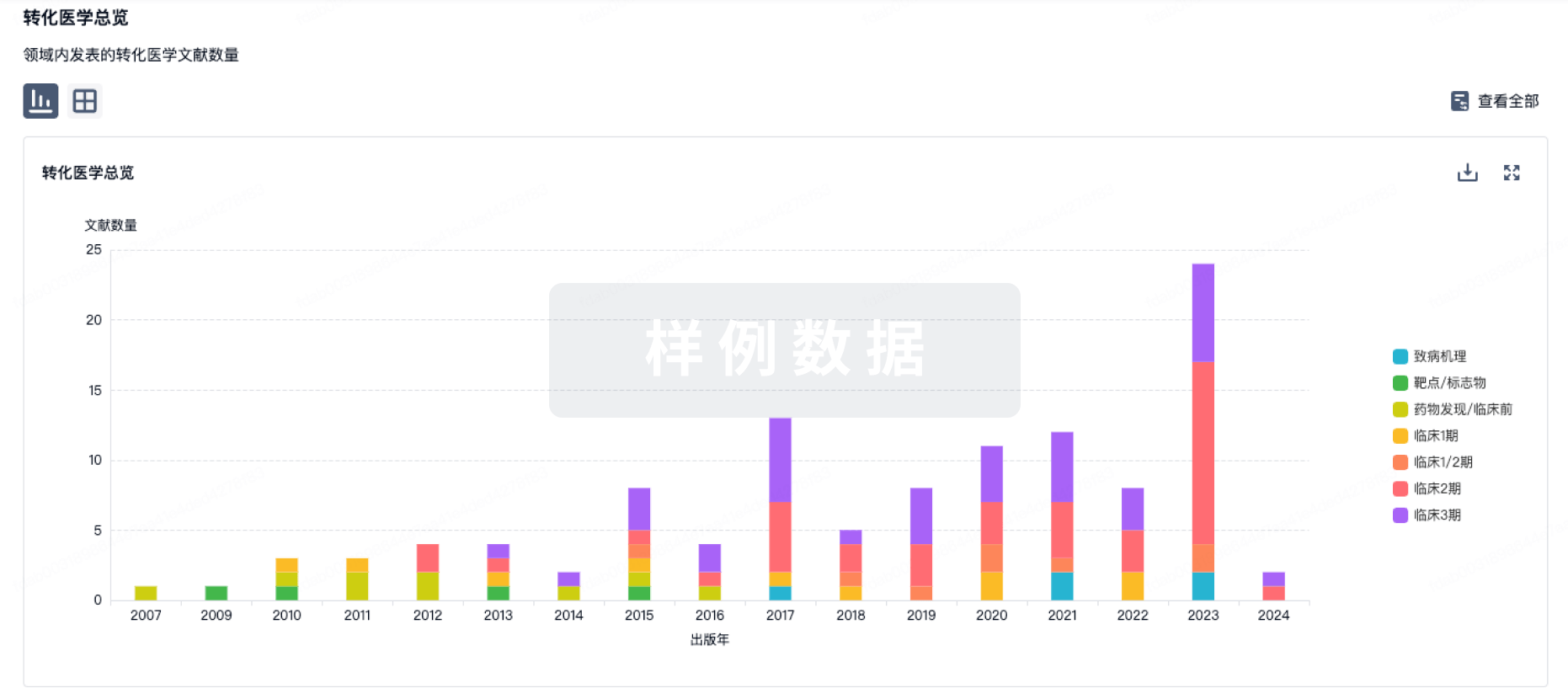
转化医学
使用我们的转化医学数据加速您的研究。
登录
或
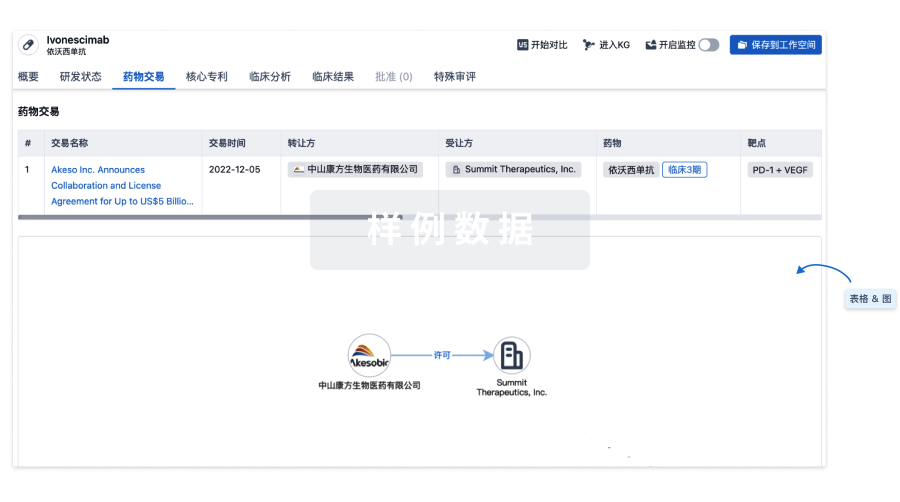
药物交易
使用我们的药物交易数据加速您的研究。
登录
或
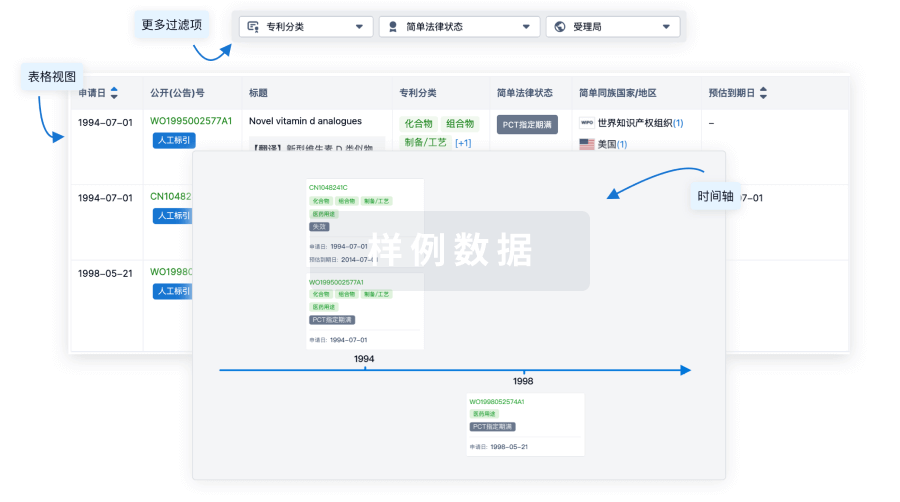
核心专利
使用我们的核心专利数据促进您的研究。
登录
或
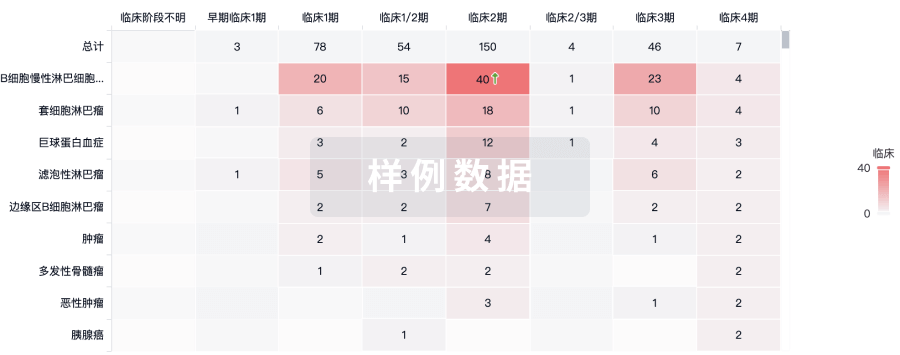
临床分析
紧跟全球注册中心的最新临床试验。
登录
或
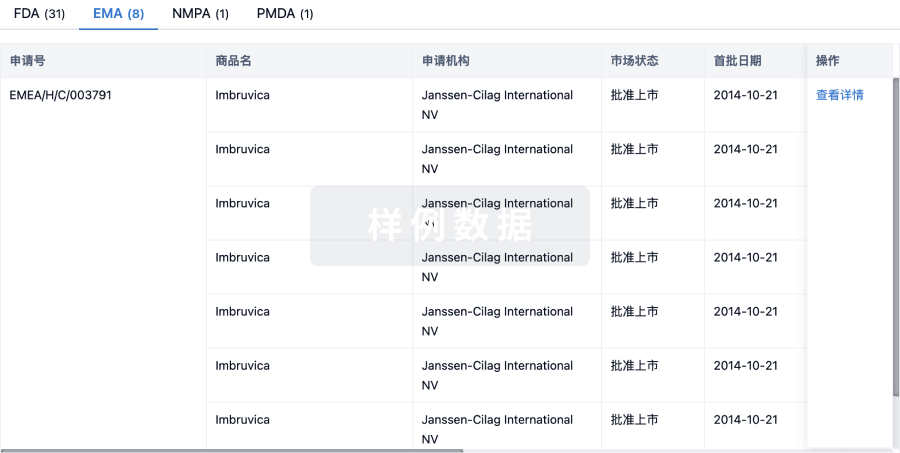
批准
利用最新的监管批准信息加速您的研究。
登录
或
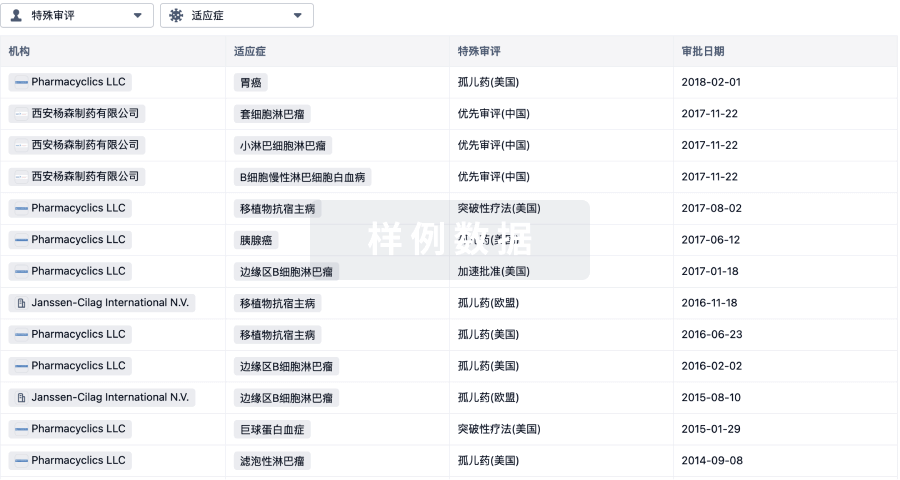
特殊审评
只需点击几下即可了解关键药物信息。
登录
或
提出任何生物医药研究问题
让每一步生物医药决策都精准制胜
基于十亿级生物数据与全球情报的精准 AI,赋能早期药物发现
立即开始免费试用!
智慧芽新药情报库是智慧芽专为生命科学人士构建的基于AI的创新药情报平台,助您全方位提升您的研发与决策效率。
立即接入生物医药数据包
智慧芽新药库数据也通过智慧芽开放平台,以MCP或API服务形式对外开放。立即使用我们的MCP服务定制您的LLM智能体。
生物序列数据库
生物药研发创新
免费使用
化学结构数据库
小分子化药研发创新
免费使用