预约演示
更新于:2026-05-09
Polθ inhibitors (Insilicon Intelligent)
Polθ抑制剂(英矽智能)
更新于:2026-05-09
概要
基本信息
原研机构 |
在研机构 |
非在研机构- |
权益机构- |
最高研发阶段临床前 |
首次获批日期- |
最高研发阶段(中国)临床前 |
特殊审评- |

关联
100 项与 Polθ抑制剂(英矽智能) 相关的临床结果
登录后查看更多信息
100 项与 Polθ抑制剂(英矽智能) 相关的转化医学
登录后查看更多信息
100 项与 Polθ抑制剂(英矽智能) 相关的专利(医药)
登录后查看更多信息
26
项与 Polθ抑制剂(英矽智能) 相关的文献(医药)2026-03-04·EXPERT OPINION ON THERAPEUTIC PATENTS
A patent review of DNA polymerase theta (Polθ) targeted therapies (2019–2025)
Review
作者: Xiang, Hua ; Luo, Guoshun ; Luo, Mingjin ; Ma, Luyu
INTRODUCTION:
DNA Polymerase theta (Polθ), a critical multifunctional DNA repair enzyme in the alternative non-homologous end joining (alt-NHEJ) pathway, has recently emerged as a new promising synthetic lethal target for homologous recombination (HR) deficient cancers. Since the first-in-class Polθ polymerase inhibitor entered clinical trials in 2021, this field has witnessed explosive growth in interest, underscored by a surge in Polθ inhibitor patents and nine candidates progressing to clinical trials.
AREAS COVERED:
This comprehensive patent review focuses on structural features and biochemical profiles of both Polθ inhibitors reported between 2019 and 2025, leveraging patents retrieved from the databases of World Intellectual Property Organization (WIPO), United States Patent and Trademark Office (USPTO), Cortellis Drug Discovery Intelligence, and China National Intellectual Property Administration (CNIPA).
EXPERT OPINION:
The rapid progress of Polθ inhibitors highlights their potential as a synthetic lethal strategy for HR-deficient cancers. Recently, an increasing number of patents and articles on inhibitors targeting Polθ have been published. At present, a total of nine Polθ inhibitors are under study in early clinical trials. Artios' Polθ inhibitor ART6043 has excellent clinical data. The results of these trials will influence the future development of Polθ inhibitors for HR-deficient cancers.
2026-03-01·Cell Reports Medicine
Polθ activity modulates sensitivity to standard therapies in DNMT3A-deficient leukemia
Article
作者: Wasik, Mariusz ; Nieborowska-Skorska, Margaret ; Valent, Peter ; Caron, Marie-Christine ; Masson, Jean-Yves ; Le, Bac Viet ; Haydar, Zayd ; Ghosh, Jayashri ; Podszywalow-Bartnicka, Paulina ; Bellacosa, Alfonso ; Huntly, Brian J P ; Toma, Monika M ; Nejati, Reza ; Challen, Grant A ; Atkins, Jessica ; Gupta, Gaorav P ; Kukuyan, Anna-Mariya ; Chandramouly, Gurushankar ; Vekariya, Umeshkumar ; Piwocka, Katarzyna ; Vaughan-Williams, Elaine ; Walsh, Martin ; Vassiliou, George S ; Skorski, Tomasz ; Hadzijusufovic, Emir ; Pomerantz, Richard ; Ziolkowska, Sylwia ; Gozdecka, Malgorzata
Myeloid malignancies carrying somatic DNMT3A mutations (DNMT3Amut) are refractory to standard therapy. DNMT3Amut leukemia cells accumulate toxic DNA double-strand breaks (DSBs) and stalled replication forks, rendering them dependent on DNA damage response (DDR). We report here that DNA polymerase theta (Polθ), a key element in DSB repair by end-joining (Polθ-mediated end-joining [TMEJ]) and in fork restarting, promotes survival and proliferation of DNMT3Amut leukemia cells. Polθ is overexpressed in DNMT3Amut leukemia cells due to abrogation of PARP1 PARylation-dependent UBE2O E3 ligase-mediated ubiquitination and proteasomal degradation of Polθ. In addition, PARP1-mediated recruitment of the SMARCAD1-MSH2/MSH3 repressive complex to DSBs is diminished in DNMT3Amut leukemia cells, which facilitates association of Polθ with DNA damage. Polθ inhibitors enhance the anti-leukemic effects of standard drugs such as FLT3 kinase inhibitor quizartinib, cytarabine ± doxorubicin, and etoposide in vitro and in mice with DNMT3Amut leukemia. Altogether, Polθ is an attractive target in DNMT3Amut hematological malignancies.
2026-02-12·JOURNAL OF MEDICINAL CHEMISTRY
Discovery of SY-589, a Highly Potent and Orally Bioavailable Polθ Helicase Inhibitor for the Treatment of HR-Deficient Tumors
Article
作者: Wang, Yunyue ; He, Hu ; Ge, Chongxun ; Liu, Song ; Cui, Yaqi ; Yuan, Daopeng ; Li, Xinnan ; Yao, Hong ; Xu, Jinyi ; Feng, Dazhi ; Tang, Shuangtian ; Tang, Xuzhen ; Shi, Song ; Sun, Xianqiang
DNA polymerase theta (Polθ), which mediates microhomology-mediated end joining (MMEJ) in homologous recombination-deficient (HRD) cancers, has recently emerged as a compelling synthetic lethal target. Combining Polθ inhibition with PARP inhibitors represents a promising strategy to overcome PARP inhibitor resistance. Here, we present the discovery of SY-589, a highly potent (ATPase IC50 = 2.29 nM), selective (selectivity index >1800), and orally bioavailable (F = 107%) Polθ helicase inhibitor, which exhibits robust antitumor efficacy in HRD tumors in vitro (CTG IC50 = 2.71 nM). Notably, SY-589 synergized strongly with the PARP inhibitor Olaparib in vitro (Loewe score >20) and in vivo (TGI = 109%), enhancing antitumor effects while permitting reduced Olaparib dosing. Overall, SY-589 is a promising candidate of Polθ inhibitor and has been positioned as a rational combination partner with PARP inhibitors, aiming to overcome PARP inhibitor resistance and mitigate their dose-limiting toxicities.
83
项与 Polθ抑制剂(英矽智能) 相关的新闻(医药)2026-04-26
胰腺导管腺癌(PDAC,Pancreatic ductal adenocarcinoma )是最致命的恶性肿瘤之一,也是导致发病率和死亡率不断上升的重要原因。免疫抑制的、不利的肿瘤微环境以及 KRAS 驱动的生物学特性是导致 PDAC 预后不良的主要原因。近年来,针对肿瘤靶向治疗取得了突破性进展,改善了部分患者的预后,特别是近期,Revolution Medicines宣布其III期RASolute 302研究取得积极顶线结果。在意向治疗人群中,daraxonrasib组中位OS为13.2个月,化疗组仅6.7个月,风险比0.40(p<0.0001)。我们这里综述了 PDAC 治疗的难点现状,并阐述了有望在不久的将来改变 PDAC 预后的药物研发靶点。
1. 背景
胰腺导管腺癌 (PDAC) 是继肺癌和结直肠癌之后,导致癌症相关死亡的第三大主要原因。PDAC 可以说是最致命的恶性肿瘤之一,其 5 年生存率仅为 8%,且发病率仍在以每年约 1% 的速度持续增长。尽管免疫调节和靶向治疗取得了革命性的进展,并已显著改善了多种癌症的治疗效果,但对于大多数 PDAC 患者而言,化疗联合疗法仍然是主要的治疗手段。然而,分子特征分析和药物研发的进步预示着 PDAC 治疗将迎来更加个性化和靶向化的时代。这些进展已经改善了携带种系 BRCA1 和 BRCA2 变异、错配修复缺陷型肿瘤以及 KRASG12C 突变患者的预后。虽然这些群体仅占 PDAC 患者的一小部分,但它们已初步证明,肿瘤免疫微环境 (TIME) 以及 PDAC 的基因组和细胞机制是可以成功靶向的。
接下来我们将总结目前 PDAC 的标准治疗方案,并描述了 PDAC 最有希望的治疗靶点,这些靶点有望改变这种顽固性疾病的治疗结果。
2. 标准治疗方案2.1 转移性胰腺癌的最佳可用化疗方案
转移性胰腺导管腺癌 (mPDAC) 的一线标准治疗方案是改良的 FOLFIRINOX 方案(mFOLFIRINOX、氟尿嘧啶 [5-FU]、伊立替康和奥沙利铂)和吉西他滨联合白蛋白紫杉醇 (GNP) 方案。在 III 期随机对照试验中,与吉西他滨单药治疗相比,这两种方案均显示出更优的中位总生存期 (mOS)(FOLFIRINOX 方案:11.1 个月 vs 6.8 个月;GNP 方案:8.5 个月 vs 6.7 个月,)。最近,NALIRIFOX(亚叶酸钙、5-氟尿嘧啶、纳米脂质体伊立替康、奥沙利铂)方案获批用于该人群,该方案的总生存期优于 GNP 方案(NALIRIFOX 组为 11.1 个月,GNP 组为 9.2 个月)。吉西他滨联合卡培他滨是另一种一线治疗方案,但很少使用。在临床实践中,这三种方案的选择通常取决于患者的功能状态以及患者和医生的偏好。与三药方案相比,GNP 方案的胃肠道和神经系统副作用较少,但脱发和贫血的发生率较高。无论采用何种治疗方法,通常都需要调整剂量以最大限度地提高耐受性和延长治疗时间。在 GNP 和 NALIRIFOX 的 III 期临床试验中,剂量调整与生存期的改善相关。 在二线治疗中,最初接受 FOLFIRINOX 和 NALIRIFOX 治疗的患者通常接受 GNP 治疗。
大多数大型随机试验表明,无论采用何种一线治疗方案,中位总生存期(mOS)均不足一年;二线治疗方案的中位总生存期通常约为 6 个月。图 1 展示了转移性胰腺导管腺癌(mPDAC)的治疗流程图。
图 1. 转移性胰腺导管腺癌(mPDAC)生物标志物检测及当前治疗模式流程图
2.2 胰腺癌最佳辅助和新辅助治疗方法
非转移性胰腺导管腺癌包括可切除、临界可切除和局部晚期疾病。NCCN 将临界可切除疾病定义为实体瘤与肠系膜上静脉(SMV)或门静脉(PV)接触超过 180°,或与静脉轮廓不规则或血栓形成接触,这些情况可能适合进行血管重建。局部晚期 PDAC 目前不适合切除,通常是由于腹腔动脉(CA)或肠系膜上动脉(SMA)受累超过 180°。
对于非转移性胰腺癌患者,围手术期 GNP 方案、FOLFIRINOX 方案以及吉西他滨联合卡培他滨方案均显示出疗效,但尚无明确数据支持某一特定方案的优越性。围手术期化疗 6 个月是多项临床试验的标准治疗方案,但化疗的最佳时机仍是目前研究的热点。对于临界可切除或局部晚期患者,多项试验表明,术前接受化疗可获益。对于可切除患者,来自非转移性 PDAC 临床试验的亚组分析尚未证实新辅助治疗的明显获益。
2.3 胰腺癌的局部区域治疗
对于可手术切除的胰腺导管腺癌,根据肿瘤位置选择胰十二指肠切除术或远端胰腺切除术是局部肿瘤控制的主要方法。既往研究表明,放疗作为围手术期化疗的常规辅助手段并未带来益处,其应用主要限于姑息治疗和不可手术切除的非转移性疾病。然而,近期研究重新审视了局部区域治疗在 PDAC 根治性治疗中的作用。一项针对中位年龄为 80 岁的技术上可切除 PDAC 患者的单臂消融性放疗研究显示,2 年总生存率(OS)和无远处转移生存率分别为 43.7%和 20.0%。
3. 胰腺癌标准靶向治疗方案
约 10% 的胰腺导管腺癌患者获批接受基于生物标志物的靶向治疗。携带种系同源重组缺陷(HRD)突变、和 KRASWT PDAC 肿瘤的患者占此类病例的大多数。表 2 总结了这些靶向治疗获批的临床试验。
表2 胰腺癌靶向治疗已完成的部分具有实践变革意义的临床试验
3.1 同源重组缺陷
携带 BRCA1、BRCA2或PALB2致病性突变的细胞缺乏同源重组 (HRD) 能力,即 DNA 双链断裂修复能力。这种缺陷会促进间接致癌作用,导致肿瘤无法正常修复双链断裂,从而放大 DNA 损伤药物的基因毒性。这些药物包括铂类衍生物和聚合酶 (PARP) 抑制剂。
PARP 在碱基切除修复中发挥着关键作用,有效阻断 PARP 可使 HRD 缺陷型肿瘤产生合成致死效应。携带 BRCA1、BRCA2和PALB2种系致病性变异的患者对这一现象的研究最为深入。PARP 抑制剂已在部分乳腺癌、前列腺癌和卵巢癌患者中显示出疗效。与安慰剂相比,奥拉帕尼的中位无进展生存期(mPFS)更优(7.4 个月 vs 3.8 个月),但中位总生存期(mOS)无差异(18.9 个月 vs 18.1 个月)。该试验的一个主要缺陷在于其与安慰剂而非持续全身化疗进行比较。3.2 错配修复缺陷
错配修复缺陷(dMMR)和/或微卫星不稳定性高(MSI-H)的肿瘤缺乏在转录过程中正确纠正 DNA 链错配的能力,导致数百或数千个体细胞突变以及高水平的肿瘤新抗原。这些发现与免疫治疗反应的改善相关。此类肿瘤占胰腺导管腺癌病例的 3%至 1%。II 期 KEYNOTE-158 研究评估了帕博利珠单抗在 233 例既往治疗后进展的非结直肠 dMMR/MSI-H 疾病患者中的疗效。该研究纳入了 22 例 PDAC 患者,结果显示 1 例完全缓解,3 例部分缓解,中位无进展生存期(mPFS)为 2.1 个月,中位总生存期(mOS)为 4.0 个月。在 4 例缓解患者中,中位缓解持续时间(mDOR)为 13.4 个月。进一步的研究表明,本试验中 dMMR PDAC 患者的临床疗效不佳可能是由于 PDAC 肿瘤中 MSI-H 和 dMMR 之间存在不一致性所致。与其他许多恶性肿瘤中 MMR 和 MSI 检测的一致性高达 95-100%不同,PDAC 中 dMMR 肿瘤中 MSI-H 的比例可能显著较低。3.3 其他罕见泛肿瘤、不区分疾病的监管批准
其他靶向治疗通常是泛肿瘤的、不区分疾病的监管批准或指南推荐,针对的是PDAC中的 3% 至 1%之间。其中许多是酪氨酸激酶基因融合,几乎只在 KRASWT PDAC 中发现,因此,对该人群进行基因融合筛查尤为重要。
对于携带神经营养酪氨酸受体激酶 ( NTRK ) 基因融合的转移性胰腺导管腺癌患者,酪氨酸受体激酶抑制剂已获批准并证实有效。这些药物的篮子试验纳入了少量 PDAC 患者。在恩曲替尼(entrectinib)的试验中,4 例 PDAC 患者中有 3 例有效,中位无进展生存期 (mPFS) 和中位总生存期 (mOS) 分别为 13 个月和 22 个月。在 Larotrectinib的试验中,2 例患者中有 1 例有效,中位缓解持续时间 (mDOR) 为 3.5 个月。
针对 RET 融合实体瘤,selpercatinib 在 13 例 PDAC 患者中显示出 7 例客观缓解率 (ORR),其中包括 1 例完全缓解 (CR),中位缓解持续时间 (mDOR) 为 52.1 个月。在罕见的 ALK 融合阳性 PDAC 中,4 例可评估患者中有 2 例对 ALK 抑制剂有 ORR。由于酪氨酸激酶抑制剂的 ORR 和 DOR 与化疗的预期结果相比具有优势,因此对于已知存在 NTRK 、 ALK 或 RET 融合的 PDAC 患者,如果在制定一线治疗决策时已掌握这些信息,则这些药物可作为合适的治疗选择。
NRG1融合蛋白与HER2 结合,形成 HER2/HER3 蛋白异二聚体 , 最终导致细胞不受控制地增殖。NRG1 融合约占胰腺导管腺癌病例的 0.1%,最常见的融合伴侣是 ATP1B1 。NRG1 融合不仅在 KRAS WT PDAC 中过度表达,而且在早发性 PDAC 中也更为常见。Zenocutuzumab 近期已获 FDA 批准用于治疗 NRG1 融合阳性 PDAC。eNRGy 试验显示,在 36 例 NRG1 融合阳性且化疗后进展的转移性 PDAC 患者中,有 15 例患者获得缓解,中位缓解持续时间 (mDOR) 为 9.1 个月(42%)。
Dabrafenib 和 trametinib 适用于 BRAFV600E 突变 mPDAC,尽管在组织学无关的实体 BRAFV600E 肿瘤中进行的这种组合的篮子试验只招募了两名 PDAC 患者,其中一名患者出现部分缓解,另一名患者病情进展。
4. 临床在研的胰腺癌治疗方法4.1 KRAS 靶向疗法
MAPK 通路激活涉及细胞外促分裂原与受体酪氨酸激酶(RTK)(例如 EGFR)的结合,从而导致细胞增殖和存活。KRAS是 RTK 信号传递至细胞核的关键元件(图 2 )。
图 2 RAS-MAP 激酶信号通路
KRAS 突变存在于高达 95%的胰腺导管腺癌中,是 PDAC 的致病基因。最常见的KRAS突变是 G12D(占所有 PDAC 病例的 33-39%)、G12V(25-33%)、G12R(15-18%)和 Q61 突变(6-8%)。其他突变,包括 G12A 和 G12C,各占约 1%的病例。突变型 KRAS 对 GTP 的高亲和力及其几乎无特征的表面使其成为一个具有挑战性的治疗靶点。 KRAS 靶向治疗的首次成功源于G12C的独特生物化学特性。半胱氨酸硫醇是亲核性最强的氨基酸侧链。这种特性通常表现为二硫键的形成,在这种情况下,基于二硫键片段的技术能够筛选数百种潜在的 G12C 突变KRAS小分子靶点,最终发现了索托拉西布、阿达格拉西布以及其他多种分子。索托拉西布和阿达格拉西布最初均在非小细胞肺癌(NSCLC)中进行评估并获批,其临床疗效非常相似,包括客观缓解率(ORR)37-43%和中位无进展生存期(mPFS)6.5-6.8 个月。在一项针对 38 名既往接受过治疗的转移性KRASG12C突变 PDAC 患者的 1-2 期试验中评估了 Sotorasib,结果发现其 ORR 为 21%,mPFS 为 4.0,mOS 为 6.9 个月。目前有多种KRASG12C抑制剂正在研发中,其中 divarasib 和 olmorasib 在临床前模型中与 sotorasib 和 adagrasib 相比,显示出更高的效力和选择性。
目前临床研发进展最快的泛 RAS“激活”抑制剂是三复合物抑制剂 daraxonrasib(RMC-6236)。Daraxonrasib 通过与 CypA 结合,使其重塑形成一个能高亲和力结合 RAS-GTP 的复合物发挥作用。该 CypA-药物-RAS-GTP 复合物通过空间位阻阻碍 RAS 与效应蛋白的相互作用,从而抑制下游致癌信号传导。在一项 I 期临床试验中,daraxonrasib(每日以临床有效剂量 160-300 mg 给药)作为二线治疗方案,在 57 例 KRAS 突变型转移性胰腺导管腺癌患者中显示出 25%的客观缓解率、mPFS为 8.0 个月和中位总生存期mOS为 14.5 个月。最常见的治疗相关不良事件(TRAE)为皮疹(91%)、腹泻(48%)、恶心(43%)和呕吐(31%)。在未经治疗的KRAS突变型转移性胰腺癌患者中,daraxonrasib 的客观缓解率ORR为 47%,疾病控制率(DCR)为 89%。4.2 胰腺导管腺癌中的 Claudin 靶向疗法
Claudin 18.2 是一种紧密连接分子,主要存在于非恶性胃上皮中。在正常组织中,它难以接近,但在恶性转化过程中,正常的细胞间相互作用被破坏,Claudin 18.2 暴露出来,成为一个潜在的治疗靶点。
Zolbetuximab单抗将 mPFS 从 8.67 个月提高到 10.61 个月,并且在 HER2 阴性、未经治疗、局部晚期不可切除或转移性胃或胃食管交界处腺癌且 claudin 阳性率 3% 至 75% 的患者中,当添加到 mFOLFOX6 方案中时,也显著改善了 mOS。将Zolbetuximab单抗与CAPOX 方案联合使用也观察到了类似的结果,Zolbetuximab单抗已获得 FDA 批准用于该临床治疗。目前的研究主要集中在改进以 claudin 为靶点的疗法,以提高疗效,包括降低 claudin 阳性阈值以及将 claudin 疗法扩展到其他肿瘤类型。
Claudin 18.2 在胰腺导管腺癌和癌前胰腺病变中常异位表达,提示其表达可能在 PDAC 早期发生,或许是胰腺上皮向胃型分化所致。高达 95% 的 PDAC 中存在 Claudin 18.2 染色,但强阳性(表达量 ≥ 75% 或 3+)染色仅见于约三分之一。因此,Claudin 18.2 阳性患者的比例以及符合临床试验入组条件的患者比例很大程度上取决于所使用的阈值。这是以治疗的特异性和疗效为指导的,促使人们在Zolbetuximab单抗之外,对抗体药物偶联物(ADC)、双特异性抗体、三特异性抗体和 CAR-T 疗法进行研究。
目前,Zolbetuximab单抗正与 GNP(GLEAM 试验)或 mFOLFIRINOX 方案联合用于转移性胰腺导管腺癌的一线治疗(NCT03816163,NCT06396091)。GLEAM 试验在Zolbetuximab单抗联合 GNP 方案后未能达到改善总生存期的主要终点,但这些结果的完整细节尚待公布。
SYSA1801 (EO3021) 是一种抗 Claudin 18.2 抗体偶联药物 (ADC),其有效载荷为MMA-E。在一项 I 期临床试验中,33 例晚期、既往接受过治疗且肿瘤细胞中 Claudin 18.2 表达≥1% 的胃癌或胰腺癌患者接受了递增剂量的 SYSA1801 单药治疗。客观缓解率 ORR 为 38%,但其中 7 例胰腺癌患者的缓解例数尚未公开。Q-1802 是一种人源化双特异性抗体,可靶向 Claudin 18.2 和 PD-L1,已在胃癌、胰腺癌或胆道癌的 I 期临床试验中进行评估,24 例患者中有 16 例达到部分缓解,目前正在进行 II 期临床试验 (NCT04856150) 。
CT041 是一种靶向 Claudin 18.2 的第二代 CAR-T 细胞疗法。它在两项 I 期临床试验中进行了评估,共纳入 24 例既往接受过治疗的晚期PDAC患者。客观缓解率 (ORR) 和疾病控制率 (DCR) 分别为 16.7% 和 70.8%。中位无进展生存期 (PFS) 和总生存期 (OS) 分别为 3.3 个月和 10.0 个月)。两例部分缓解持续 3% 至 1 年的患者中,Claudin 表达水平均为 3+(分别有 60% 和 90% 的细胞表达阳性),这表明即使使用强效细胞疗法,也可能需要更高的表达水平才能发挥疗效。4.3 免疫调节剂、癌症疫苗和生物疗法
免疫疗法,包括 PD-1、PD-L1 和 CTLA4 抑制剂,在 MMR 功能正常的 PDAC 患者中,无论采用何种策略,均未能显著改善预后。一种独特的、纤维化的、具有免疫抑制作用的肿瘤微环境(TIME)与免疫疗法的耐药性密切相关,该环境以 M2 巨噬细胞、调节性 T 细胞和免疫抑制性癌相关成纤维细胞亚型为特征。然而,对 TIME 的深入研究促成了治疗方法的改进,使人们看到了免疫调节剂在未来 PDAC 治疗中发挥重要作用的希望。
在围手术期,能够激活患者免疫系统对抗肿瘤特异性抗原的癌症疫苗,是预防癌症复发的一种很有前景的治疗途径。目前最先进的两种胰腺导管腺癌癌症疫苗分别是 KRAS 突变特异性两亲性疫苗 ELI-002 2P 和 ELI-002 7P,以及主要靶向乘客突变的个性化新抗原疫苗 autogene cevumeran。一项针对已切除 PDAC 患者的 I 期临床试验评估了 autogene cevumeran、atezolizumab 和 mFOLFIRINOX 方案的疗效。与无应答者( n =8,mRFS 13.4 个月, P =0.007)相比,疫苗诱导 T 细胞应答者( n =8)的中位无复发生存期(mRFS,NR)显著延长。在该试验中,86%的肿瘤特异性 T 细胞克隆在接种疫苗 3 年后仍然存在。目前尚不清楚疫苗接种反应是否能改善预后,或者接种疫苗的患者是否本身免疫反应更佳,从而无论是否接种疫苗都能获得更佳的预后。
CD40 是一种共刺激受体,表达于 B 细胞、单核细胞、巨噬细胞和树突状细胞表面。CD40 激动剂可改变肿瘤基质,诱导更具免疫激活性和化疗敏感性的表型,包括将肿瘤浸润巨噬细胞从 M2 表型重定向至 M1 表型。在 1b/2 期 OPTIMIZE-1 试验中,CD40 激动剂 mitazalimab 与 mFOLFIRINOX 方案联合用于未经治疗的转移性胰腺导管腺癌患者。该研究达到了主要终点,在 57 例患者中,客观缓解率(ORR)为 40%。该联合方案还取得了令人鼓舞的中位无进展生存期(mPFS)7.7 个月、中位总生存期(mOS)14.3 个月和中位缓解持续时间(mDOR)12.5 个月,目前正在计划开展一项 III 期随机对照试验。
溶瘤病毒能够选择性地感染、复制并裂解癌细胞,从而启动抗肿瘤免疫反应。目前至少有 20 项溶瘤病毒在胰腺导管腺癌治疗中的临床试验已完成、正在进行或计划开展,这些试验大多采用腺病毒或疱疹病毒载体。其中最先进的溶瘤病毒是 VCN-01,它是一种表达透明质酸酶的溶瘤腺病毒,能够降解肿瘤基质,促进化疗,并增强抗肿瘤免疫反应。VCN-01 近期在 IIb 期 VIRAGE 试验中进行了评估。该试验共纳入 112 例未经治疗的转移性胰腺导管腺癌患者,并按 1:1 的比例随机分配至接受 GNP 治疗(联合或不联合 VCN-01)或 GNP 治疗的患者组。VCN-01 相关的最常见严重不良事件包括流感样症状(13.2%)、转氨酶升高(5.7%)和药物性肝损伤(3.8%)。试验组的 mDOR 得到改善(5.4 个月 vs 11.2 个月,HR = 0.22 ,mOS(8.6 个月 vs 10.8 个月,HR = 0.57 )和 mPFS(4.6 个月 vs 7.0 个月,HR = 0.55 )也有改善的趋势,值得进一步研究这种联合疗法。
一系列新型生物制剂正在转移性胰腺导管腺癌的研究中,包括抗体偶联药物(ADC)、双特异性抗体、三特异性抗体和 CAR-T 细胞。
Enfortumab vedotin (EV) 是一种靶向 nectin-4 的 ADC,是一部分转移性膀胱癌的一线标准治疗方案。nectin-4 在高达 71%的胰腺导管腺癌中表达,其中 13%的 PDAC 呈强阳性表达。目前,EV 正在一项针对既往接受过治疗的 mPDAC 患者的 II 期临床试验(NCT05915351)中进行评估。
组织因子(Tissue factor,TF)是一种在胰腺导管腺癌癌变过程中表达上调并增加血栓风险的分子,MRG004A 是一种抗体偶联药物(ADC),其有效载荷为单甲基澳瑞他汀 E(MAU)。一项 I 期剂量扩展研究显示,在既往接受过治疗后疾病进展的转移性胰腺导管腺癌患者中,MRG004A 以 2mg/kg 的完全递增剂量给药时,客观缓解率(ORR)为 9/37。在接受二线治疗的患者队列中,ORR 为 4/10,疾病控制率(DCR)为 8/10,中位无进展生存期(mPFS)为 5.8 个月,中位总生存期(mOS)为 13.2 个月。
TROP2是一种细胞表面抗原,在超过一半的胰腺导管腺癌 (PDAC) 病例中过度表达。靶向 TROP2 的抗体药物偶联物 (ADC) sacituzumab govitecan 和 datopotamab deruxtecan 已获批用于治疗乳腺癌,其依据是 III 期临床试验显示可改善中位无进展生存期 (mPFS) 。一项 sacituzumab tirumotecan 治疗包括转移性胰腺导管腺癌在内的胃肠道恶性肿瘤的 I/II 期临床试验( n = 40)目前正在进行中。MUC1 是一种可携带 CA 19-9 抗原的蛋白质,CA 19-9 抗原常见于胰腺癌。MUC1 ADC 在胰腺癌小鼠模型中显示出良好的肿瘤反应。 CEACAMs是一类高度糖基化的细胞表面锚定、胞内和胞间信号分子,其中一些在胰腺导管腺癌中过度表达。在一项 I 期临床试验中,抗 N256 糖基化 CEACAM5 和 CEACAM6 抗体偶联药物(ADC)EBC-129 在 21 例既往接受过治疗的转移性胰腺导管腺癌(mPDAC)患者中显示出 19%的客观缓解率(ORR)。4.4 同源重组缺陷
约 5%的胰腺导管腺癌患者携带生殖系或体细胞致病性 BRCA1、BRCA2或PALB2突变,10-25%的 PDAC 患者存在可检测到的同源重组缺陷(HRD)表型。该亚组包括携带BRCA1、BRCA2、PALB2、RAD51生殖系和体细胞突变的患者,并定义了一个可能从铂类化疗、PARP 抑制剂以及其他靶向 HRD 相关基因组不稳定性疗法中获益的患者群体。在两项针对既往接受过治疗且具有 HRD 表型的转移性胰腺导管腺癌患者的奥拉帕尼 II 期临床试验中,46 例患者中仅有 1 例达到部分缓解。46 例患者中有 33 例病情稳定,中位无进展生存期(mPFS)为 3.7 个月。 POLO 试验在此基础上,确定 PARP 抑制是维持 HRD 表型最高水平患者既有肿瘤控制的潜在机制。
目前的 PARP 抑制剂可同时抑制 PARP1 和 PARP2,但 PARP1 抑制是导致合成致死的主要原因,而 PARP2 抑制则是造成大部分血液毒性的主要原因,从而限制了药物的耐受性和与化疗的联合应用。多种选择性 PARP1 抑制剂正在研发中。Saruparib(AZD5305)是一种高选择性 PARP1 抑制剂,在一项针对携带生殖系或体细胞 BRCA1/2 、 PALB2 或 RAD51C/D 突变的晚期乳腺癌、卵巢癌、前列腺癌或胰腺癌患者的 I/II 期临床试验中进行了评估。患者既往接受过中位数为 3.5 线的治疗,43.5%的患者既往接受过 PARP 抑制剂治疗。客观缓解率(ORR)为 7/25(28%),早期安全性数据显示,saruparib 的耐受性可能优于第一代 PARP 抑制剂。
由于 HRD 肿瘤修复双链断裂的能力不足,这些肿瘤可能更容易受到诱导双链 DNA 断裂的化疗药物(例如美法仑,melphalan)的治疗。然而, BRCA 基因的回复突变会导致对美法仑的耐药性。双氯乙基亚硝基脲(BCNU)、维生素 B12 和维生素 C 可以提高谷胱甘肽二硫化物水平,从而抑制 DNA 修复,并使野生型癌细胞对美法仑敏感。
除了 PARP 抑制剂外,针对 DNA 修复缺陷肿瘤的新型疗法也正在研发中。DNA 聚合酶θ(POLθ)在正常细胞中表达量极低,但在许多 DNA 修复缺陷的癌症中过度表达,包括同源重组缺陷(HRD)和非同源末端连接(NHEJ)缺陷。在临床前模型中,POLθ抑制剂可导致合成致死,即使在获得 PARP 抑制剂耐药性后也是如此,并且可能与 PARP 抑制剂在 HRD 肿瘤中产生协同作用。目前正在进行评估 POLθ抑制剂单药治疗以及与 PARP 抑制剂联合治疗的临床试验(NCT06077877)。4.5 针对 MTAP 丢失的靶向治疗
甲基硫代腺苷磷酸化酶 ( MTAP) 参与蛋氨酸和腺嘌呤的补救合成,MTAP 活性的丧失会导致代谢重编程,从糖酵解转向嘌呤合成,以满足细胞对核酸和三磷酸腺苷 (ATP) 的需求。这使得MTAP缺失的癌细胞依赖于蛋白精氨酸甲基转移酶 5 (PRMT5),而抑制 PRMT5 则可诱导这些细胞发生合成致死。MTAP 与CDKN2A 基因位置接近,因此这两个基因的纯合缺失具有很高的一致性。MTAP 的缺失可以通过二代测序 (NGS) 或 MTAP 蛋白(S-甲基-5'-硫代腺苷磷酸化酶)的免疫组织化学染色来检测。 PDAC 中 MTAP 丢失的预防在不同队列之间差异很大,但可能在 20-40% 的病例中存在。
甲基硫代腺苷 (MTA) 在 MTAP 缺陷患者体内的水平升高。MTA 是一种弱效的 PRMT5 抑制剂,它与 S-腺苷甲硫氨酸 (SAM) 竞争性结合。与 MTA 而非 SAM 协同结合 PRMT5 的化合物,可以选择性地抑制 MTAP 缺失的 PRMT5 细胞,同时由于 MTAP 野生型细胞中 MTA 水平较低,因此不会对其产生影响,这可能比其他 PRMT5 抑制剂具有更好的毒性特征。目前,多种与 MTA 协同结合的 PRMT5 抑制剂正在进行临床试验,包括 AMG 193、BMS-986504 和 TNG462。
AMG 193 可抑制 PRMT5 并诱导 MTAP 缺失肿瘤的合成致死 [ 174]。一项 I 期临床试验评估了 AMG 193 在既往接受过治疗的MTAP或CDKN2A缺失的实体瘤中的疗效。在接受至少 800 mg 剂量治疗的患者中,客观缓解率 (ORR) 为 9/42 (21%),其中包括一名胰腺导管腺癌 (PDAC) 患者的近乎完全缓解。另一种 PRMT5 抑制剂 BMS-986504 在 133 例既往接受过治疗且出现疾病进展的MTAP缺失患者中进行了评估,其中包括 46 例转移性胰腺导管腺癌患者。在所有肿瘤类型中,ORR、疾病控制率 (DCR) 和中位缓解持续时间 (mDOR) 分别为 23%、70% 和 10.5 个月。一项针对MTAP缺失的 PDAC 患者的 I 期临床试验纳入了 39 例接受活性剂量 TNG462 治疗的患者。在这些患者中,接受二线治疗的患者的客观缓解率(ORR)为 15%,而接受二线治疗的患者的 ORR 为 25%。
此外,鉴于 MTAP 缺失型胰腺导管腺癌中 KRAS 突变和 CDKN2A 缺失的发生率较高,人们对将 PRMT5 抑制剂与 KRAS 或 CDK4/6 抑制剂联合应用产生了兴趣,临床前数据表明这种联合疗法可能具有协同作用。目前,多项 PRMT5 和 KRAS 联合抑制的临床试验正在进行中(NCT06360354,NCT06922591)。
参考:10.1007/s40265-026-02295-0
感谢点赞,及转发分享的朋友。
公众号开放转载,同样欢迎大家提出需求、留言与探讨。
2026-04-13
·生物谷
癌症的本质很大程度上可以理解为一场基因组的 “内乱”。根据世界卫生组织国际癌症研究机构发布的数据,2022 年全球新发癌症病例接近 2000 万例,而几乎所有癌细胞都有一个共同特征——基因组不稳定性。这种不稳定的核心根源之一,正是 DNA 复制过程中频繁出现的 “复制压力”。当 DNA 双螺旋在高速复制时遭遇障碍、意外断裂,细胞必须立刻启动紧急修复程序,否则就会走向死亡,或是发生更严重的致癌突变。
长期以来,科学界始终认为,细胞修复复制叉断裂产生的单端双链断裂(seDSBs),主要依赖 “断裂诱导复制(BIR)” 这一修复通路。但在癌症患者的基因组断点处,研究人员却频繁观察到带有 “微同源序列” 特征的修复痕迹,这一现象始终无法用已知的修复机制完全解释,提示细胞内还存在一条被长期忽视的、针对复制叉断裂的修复路径。这条路径究竟是什么?它如何在复制叉断裂处发挥作用?更重要的是,我们能否靶向这条路径,精准打击癌细胞?这些问题,正是这项重磅研究要解答的核心。
近日,一篇发表在国际顶级期刊Molecular Cell上题为“Microhomology-mediated end joining acts directly on replication forks to repair single-ended double-strand breaks”的研究论文,为我们揭开了谜底。来自美国斯克里普斯研究所、美国国家癌症研究所等机构的科学家团队,首次揭示了一种能在断裂的复制叉上直接发挥修复作用的微同源介导末端连接机制,研究人员将其命名为叉端MMEJ(fork-MMEJ),以此明确区分于传统认知中、仅负责修复非复制相关双端双链断裂(deDSBs)的经典 MMEJ(cMMEJ)。
为了捕捉到这条隐秘的修复通路,研究团队搭建了一套精准且可视化的实验体系,核心材料包括人骨肉瘤 U2OS 细胞、小鼠胚胎干细胞(mES),以及以 CRISPR-Cas9 系统为核心的多种基因编辑工具。团队首先设计了一套增强型绿色荧光蛋白(EGFP)MMEJ 报告系统:将 EGFP 编码序列人为打断,在断裂位点两侧插入特定的微同源序列,只有当细胞通过 MMEJ 途径完成断裂修复、恢复 EGFP 的完整编码框时,细胞才会发出绿色荧光,借此就能直观、精准地量化 MMEJ 的修复效率。
为了特异性制造复制叉断裂,研究团队没有使用常规的 Cas9 核酸酶——它会直接切断 DNA 双链产生双端断裂,而是选择了Cas9 切口酶(Cas9D10A 或 Cas9H840A),这种酶只会在 DNA 的一条单链上制造一个切口。单链切口本身不会对细胞造成致命影响,但当 DNA 复制叉行进到这个切口位置时,就会发生崩塌,精准产生研究所需的单端双链断裂,完美模拟了细胞内复制压力导致的复制叉断裂场景。
在实验中,研究人员将携带报告系统的细胞与靶向特定位点的向导 RNA、Cas9 切口酶共同导入,经过培养后通过流式细胞术检测绿色荧光细胞的占比,以此量化 fork-MMEJ 的修复效率。同时,团队还通过深度测序技术,分析了基因组天然位点修复后的插入缺失(indel)特征,结合染色质免疫沉淀、体外生化实验、DNA 纤维分析等多种技术,全面验证了这条修复通路的分子机制和遗传依赖特征。
通过一系列严谨的实验,研究团队完整揭示了 fork-MMEJ 的全貌,刷新了学界对 DNA 复制叉断裂修复的认知。首先,研究证实,在断裂的复制叉上,确实存在高效的 MMEJ 修复活动,其修复效率与经典 MMEJ 相当,且这一过程严格依赖 DNA 复制——当使用阿非迪霉素、含羞草素等复制抑制剂阻断细胞 DNA 复制后,fork-MMEJ 的修复效率会出现显著下降。
由Cas9和Cas9n诱导的MMEJ(微同源介导的末端连接)具有不同的遗传需求
更关键的是,fork-MMEJ 展现出了与经典 MMEJ 截然不同的分子特征。在修复产物的序列特征上,fork-MMEJ 呈现出独特的非对称缺失模式:当研究人员在 DNA 的一条链上制造切口后,修复导致的序列缺失主要向切口的一侧延伸;而经典 MMEJ 修复双端断裂时,会从断裂的两端同时进行序列切除,最终呈现双侧对称的缺失模式。这一特征直接提示,fork-MMEJ 并非通过末端切除来暴露微同源序列,而是直接利用断裂亲本链的 3' 端,在断裂位点内部搜索微同源序列并完成退火,这也是两条通路最核心的区别之一。
在遗传依赖上,fork-MMEJ 与经典 MMEJ 更是有着近乎相反的核心需求。两者都需要 DNA 聚合酶 θ(Polθ,由POLQ基因编码)和 DNA 连接酶 3(LIG3)的参与,但除此之外,它们的分子依赖几乎完全不同。经典 MMEJ 必须依赖 MRE11 和 CtIP 介导的末端切除,才能暴露出微同源序列完成修复;但 fork-MMEJ 完全不依赖这一过程,甚至敲低 MRE11 或 CtIP 后,fork-MMEJ 的效率反而会显著增强。同时,单链 DNA 结合蛋白 RPA 对经典 MMEJ 起抑制作用,却是 fork-MMEJ 正常发挥功能的必需因子,敲低 RPA 的亚基 RPA2 会导致 fork-MMEJ 效率大幅下降。
研究团队还发现,Polθ 的解旋酶结构域(HelD)在 fork-MMEJ 中发挥着不可替代的核心作用。体外生化实验证实,Polθ 的解旋酶结构域能在 RPA 的协助和 ATP 的供能下,解开 DNA 双链,促进携带微同源序列的单链完成退火,随后 Polθ 的聚合酶结构域(PolD)能直接从退火后的 3' 端启动 DNA 合成,完成断裂修复。在经典 MMEJ 中,Polθ 的解旋酶活性仅起到辅助作用,而在 fork-MMEJ 中,解旋酶结构域的功能失活,会导致修复效率下降到与POLQ基因敲除相当的水平。
同时,fork-MMEJ 对断裂末端的结构有着极为严苛的要求,它对断裂亲本链 3' 端的非同源(NH)尾巴长度高度敏感。实验显示,当 3' 端存在 2 个及以上无法配对的碱基时,fork-MMEJ 的修复活动几乎完全被阻断,而经典 MMEJ 则完全不受长非同源尾巴的限制。这一特性也直接解释了 fork-MMEJ 的链偏好性:在单向复制的基因组区域,fork-MMEJ 会优先修复前导链上发生的复制叉断裂,而非滞后链。这是因为前导链断裂产生的单端双链断裂多为平末端,仅带有极短的 3' 非同源尾巴,适配 fork-MMEJ 的修复需求;而滞后链断裂产生的末端常带有长 3' 单链悬垂,会直接阻断 fork-MMEJ,转而进入 BIR 修复通路。
在明确了 fork-MMEJ 的核心机制后,研究团队进一步揭示了细胞内这条通路的调控开关,以及它与其他复制叉修复通路的协同关系。研究发现,fork-MMEJ 与公认的单端双链断裂核心修复通路 BIR,共同承担着复制叉断裂的修复工作,两者在细胞内同时启动,但 fork-MMEJ 的启动速度更快,会先于 BIR 发挥作用。而 ATR 激酶,正是调控两条通路选择的核心 “开关”。
随着单端双链断裂的末端切除进程启动,ATR 激酶会被持续激活,一方面通过磷酸化 RPA2 直接抑制 fork-MMEJ,另一方面则推动修复通路向 BIR 转换。实验证实,使用抑制剂阻断 ATR 的活性后,fork-MMEJ 的效率会出现显著提升,而 BIR 的修复过程则被明显抑制;ATR 对 RPA2 的磷酸化修饰,正是实现这一调控的关键分子事件。同时,研究还发现,泛素化修饰的增殖细胞核抗原(PCNA),会通过蛋白互作同时招募 Polθ 和 BIR 通路的核心蛋白 PIF1 到断裂的复制叉上,为两条修复通路的启动提供基础。
两条通路虽然能在一定程度上互补,但并不能完全替代彼此。单独敲低 Polθ 阻断 fork-MMEJ,或是单独敲低 PIF1 阻断 BIR,都会导致细胞对羟基脲诱导的复制压力高度敏感,复制叉重启的效率和速度显著下降;而同时失活两条通路时,细胞的修复缺陷会进一步加剧,对复制压力的敏感性也会大幅提升。此外,研究还厘清了 fork-MMEJ 与其他修复通路的关系:非同源末端连接(NHEJ)几乎不参与复制叉断裂的修复,而同源重组(HR)则主要在单端双链断裂转化为双端双链断裂后才会发挥作用,且在复制叉断裂修复中的使用频率远低于 BIR。
这些机制发现,最终指向了一个极具潜力的抗癌新策略。癌细胞最核心的特征之一,就是失控的增殖带来的高复制压力,它们会比正常细胞更频繁地遭遇复制叉断裂,因此高度依赖 fork-MMEJ 和 BIR 这两条 “救命通路” 来维持基因组稳定和细胞存活。而 ATR 抑制剂会阻断 BIR 通路,迫使癌细胞完全依赖 fork-MMEJ 完成修复;此时再使用 Polθ 抑制剂阻断 fork-MMEJ,就相当于同时切断了癌细胞的两条 “救命稻草”,产生 “合成致死” 效应,精准杀灭癌细胞。
实验结果也完美验证了这一策略的可行性:同时抑制 ATR 和 Polθ,能协同杀死高复制压力的癌细胞,包括 T98G 脑胶质瘤细胞、经致癌基因转化的 BJ-ERM 细胞;但对于复制压力极低的正常细胞,如人视网膜色素上皮细胞 RPE1、原代 BJ 成纤维细胞,这种联合抑制方案几乎没有明显毒性。这一差异,正是靶向抗癌疗法最核心的优势——既能高效清除癌细胞,又能最大程度减少对正常组织的损伤,大幅降低治疗的副作用。
当然,这项研究也存在一定的局限性。目前,研究团队主要通过体外生化实验和细胞系模型完成了机制验证,而细胞内的 DNA 解旋酶活性还缺乏可靠的在体检测手段,同时全基因组层面的 fork-MMEJ 修复特征分析仍有待完善,距离真正的临床转化还有很长的路要走。但不可否认的是,这项研究彻底刷新了学界对复制叉断裂修复的认知,不仅填补了 MMEJ 通路研究的核心空白,更找到了一个极具临床转化价值的抗癌新靶点。未来,随着 Polθ 抑制剂和 ATR 抑制剂的临床研发推进,这条靶向双通路的联合治疗方案,有望为高复制压力的难治性癌症,带来全新的治疗希望。
参考文献:
Shibo Li, Yuqin Zhao, Youhang Li, et al. Microhomology-mediated end joining acts directly on replication forks to repair single-ended double-strand breaks, Molecular Cell (2026). DOI:10.1016/j.molcel.2026.02.016.
本文仅用于学术分享,转载请注明出处。若有侵权,请联系微信:bioonSir 删除或修改!
点击下方「阅读原文」,前往生物谷官网查询更多生物相关资讯~
2026-03-24
1. 导言:寻找那把“从未见过”的锁
在传统药物研发的漫长征途中,寻找候选药物就像是在全球数百万把锁中尝试匹配那把契合的钥匙。然而,制药界最深层的挑战并不在于复刻已有的成功,而在于如何应对那些“从未见过”的锁——即在人类历史上从未有过结构记录、甚至在静息状态下不显露任何结合位点的全新靶点。
近期,Isomorphic Labs 推出的 IsoDDE(药物设计引擎,Isomorphic Labs Drug Design Engine)彻底打破了这一僵局。作为 AlphaFold 3 (AF3) 之后又一次里程碑式的突破,IsoDDE 不仅仅是一个更强的结构预测工具,它更标志着 AI 从“预测辅助”向“主动引擎”的代际飞跃。它以前所未有的泛化精度,正重新定义人类导航广阔化学空间的能力。2. 在“未知领域”的精度翻倍:击败 AlphaFold 3 的盲区
AI 模型长期以来面临一个致命伤:强大的“记忆”能力往往掩盖了其在面对“分布外(out-of-distribution, OOD)”事件时的乏力。当遇到与训练数据截然不同的新型分子或蛋白口袋时,即便是此前的领先模型也常会出现性能崩溃。
在专门衡量模型泛化能力的 Runs N’ Poses 基准测试中,IsoDDE 展现了令人惊叹的性能。在相似度仅为 0-20% 的“最难泛化”分箱中,IsoDDE 的表现不仅是简单的提升,而是实现了统治级的跨越。真正的泛化而非背诵:在极低相似度测试中,IsoDDE 实现了 50% 的成功率,精度是 AF3 的两倍以上攻克诱导契合(Induced Fit):
IsoDDE 成功模拟了复杂的变构效应。例如,它精准预测了 NKG2D 三元复合物中由配体诱导产生的隐秘口袋,以及全向 PolΘ 抑制剂引发的螺旋位移。在这些案例中,AF3 均宣告失败。
“IsoDDE 在 Runs N’ Poses 基准测试中最具挑战性的泛化挑战中表现出显著改进,在最难的相似度分箱中实现了 50% 的成功率。”
这种能力意味着 IsoDDE 已经真正理解了分子间的物理交互逻辑,而非仅仅依赖于既有结构的模板比对。3. AI vs 物理学:当神经网络比昂贵的模拟更准
在药物设计中,预测结合亲和力(Binding Affinity)是决定候选药物能否成药的核心。长期以来,基于物理规律的自由能扰动模拟(如 FEP+)被视为该领域的“金标准”,但其巨大的计算开销和对手动初始化的依赖限制了其规模化应用。
IsoDDE 的出现引发了一个反直觉的行业悖论:基于神经网络的方法在精度上竟然超越了昂贵的物理模拟。
这种颠覆性的表现是在 ChEMBL 35 时间切分数据集上得到的验证,该数据集严格模拟了前瞻性药物发现的真实环境。IsoDDE 证明了它可以在不依赖“晶体结构锚定”和复杂初始化的情况下,提供超越物理模拟的预测 fidelity,彻底解决了传统工作流的效率瓶颈。4. 解锁“不可成药”靶点:仅凭序列的“读心术”
许多疾病的致病蛋白在无配体状态(Apo)下表面平滑,被称为“不可成药”。这些蛋白往往存在只有在特定分子结合时才会显现的“隐秘口袋(Cryptic Pockets)”。
IsoDDE 展现了极其卓越的“序列到口袋(Sequence-to-Pocket)”能力。蛋白质序列是其在推理阶段唯一的输入信息,这意味着它不再需要已知的配体来辅助定位:隐秘位点的精准捕捉:在针对 E3 连接酶适配蛋白 Cereblon (CRBN) 的研究中,IsoDDE 准确识别出了在无配体状态下完全“不可见”的位点领先时代的预测:在对 2026 年最新论文中披露的 CRBN 新配体 SB-405483(新型位点)和 Lenalidomide(已知位点)的盲测中,IsoDDE 不仅找到了正确位置,还完美预测了其结合状态(Holo)的姿态
这一突破意味着人类可成药蛋白质组(ligandable proteome)的疆域被大幅拓宽,曾经被认为无法治疗的顽疾,现在有了通过“首创(First-in-class)”药物进行干预的可能。5. 抗体设计的精确打击:CDR-H3 循环的完美建模
在生物大分子药物领域,抗体-抗原接口的预测一直是天花板级别的难题,尤其是极度多变的 CDR-H3 循环。IsoDDE 在这一领域确立了近乎“碾压”的优势。解锁设计空间:
在高保真机制(DockQ > 0.8)下,IsoDDE 的精度比 AF3 提升了 2.3 倍,更是 Boltz-2 的 19.8 倍。对于药企而言,这意味着 IsoDDE 有效解锁了 22% 至 37% 的全新抗体设计空间。原子级精度:
70% 的抗体预测结果在 CDR-H3 骨架 RMSD 上 ≤ 2 Å。恐怖的计算效率:
最让分析师关注的指标是推理缩放(Inference-time scaling)。IsoDDE 仅需 1 个种子(seed)的预测精度,就超过了 AF3 和 Boltz-2 在 1000 个种子下取得的成绩。 这种效率提升对于高通量抗体筛选具有决定性的商业价值。
100 项与 Polθ抑制剂(英矽智能) 相关的药物交易
登录后查看更多信息
研发状态
10 条进展最快的记录, 后查看更多信息
登录
| 适应症 | 最高研发状态 | 国家/地区 | 公司 | 日期 |
|---|---|---|---|---|
| 肿瘤 | 临床前 | 中国 | 2024-04-01 |
登录后查看更多信息
临床结果
临床结果
适应症
分期
评价
查看全部结果
| 研究 | 分期 | 人群特征 | 评价人数 | 分组 | 结果 | 评价 | 发布日期 |
|---|
No Data | |||||||
登录后查看更多信息
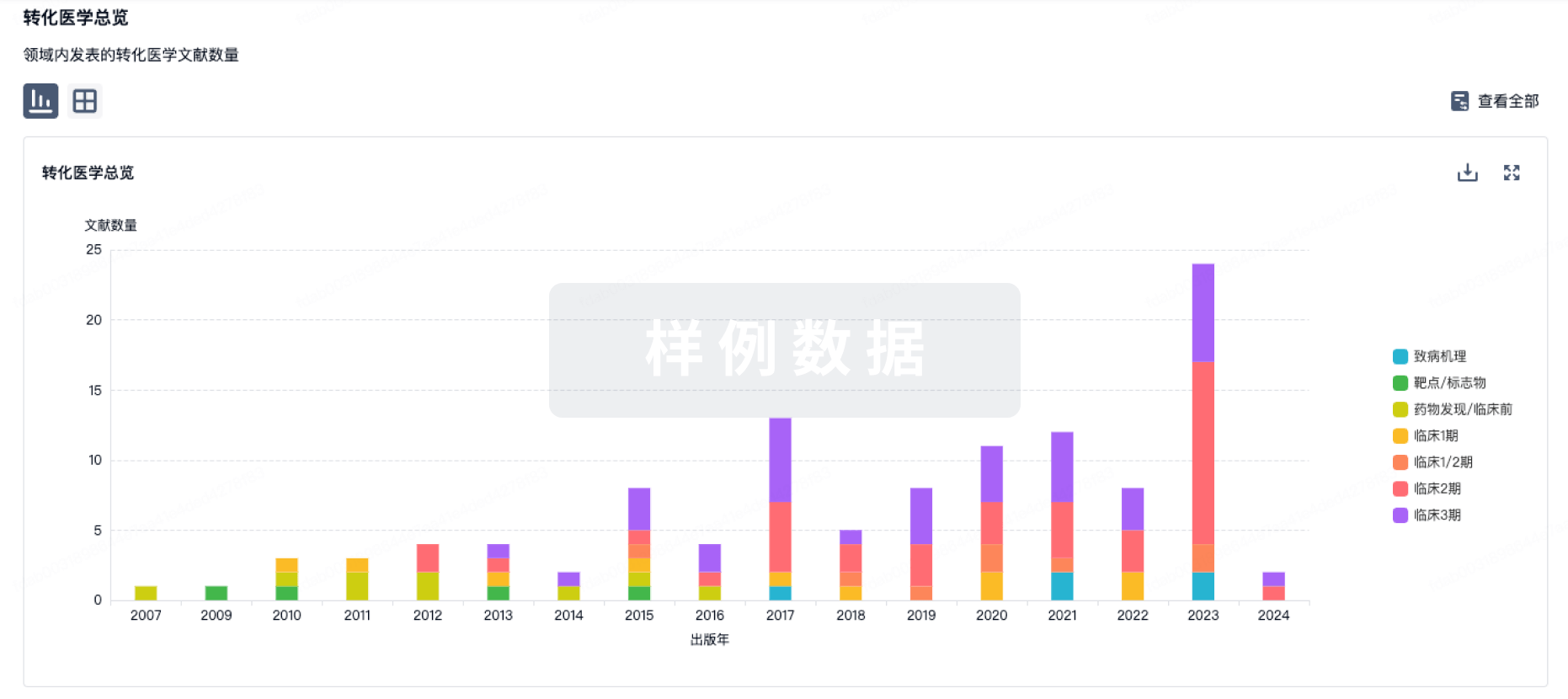
转化医学
使用我们的转化医学数据加速您的研究。
登录
或
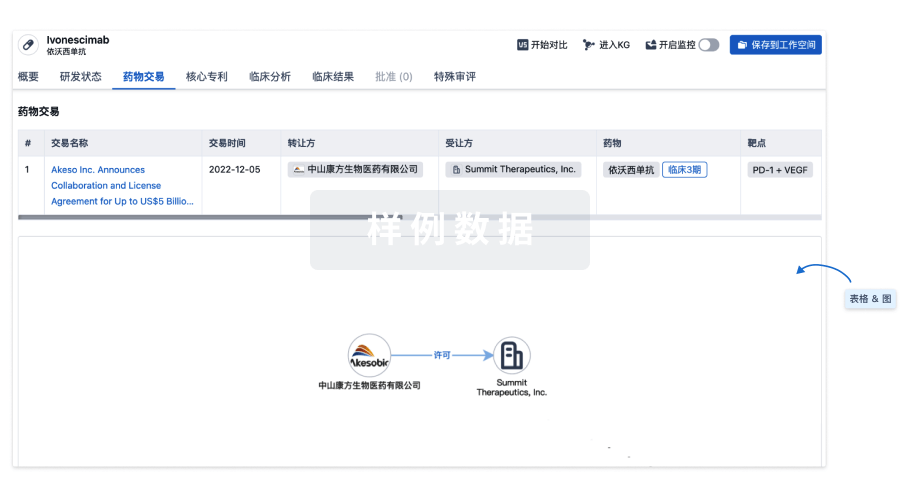
药物交易
使用我们的药物交易数据加速您的研究。
登录
或
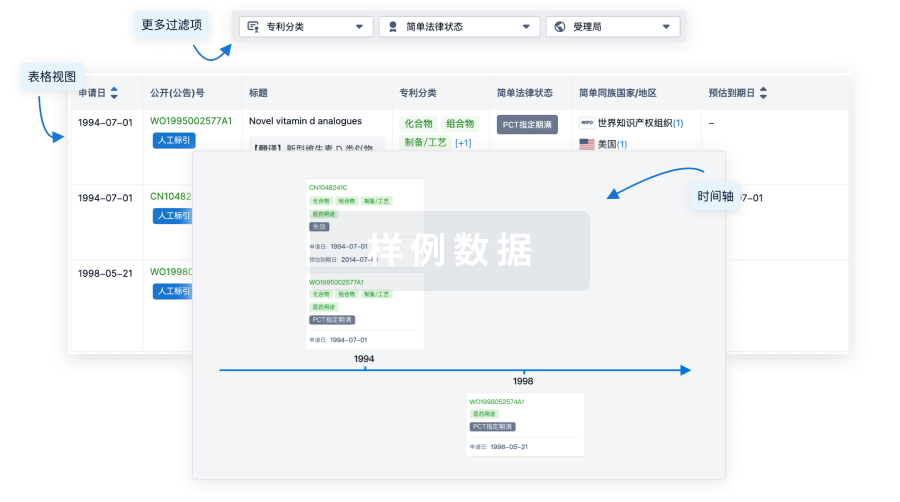
核心专利
使用我们的核心专利数据促进您的研究。
登录
或
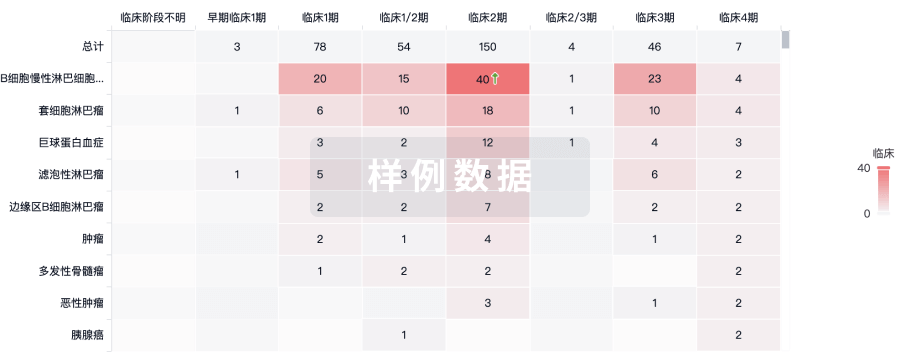
临床分析
紧跟全球注册中心的最新临床试验。
登录
或
批准
利用最新的监管批准信息加速您的研究。
登录
或
特殊审评
只需点击几下即可了解关键药物信息。
登录
或
提出任何生物医药研究问题
让每一步生物医药决策都精准制胜
基于十亿级生物数据与全球情报的精准 AI,赋能早期药物发现
立即开始免费试用!
智慧芽新药情报库是智慧芽专为生命科学人士构建的基于AI的创新药情报平台,助您全方位提升您的研发与决策效率。
立即接入生物医药数据包
智慧芽新药库数据也通过智慧芽开放平台,以MCP或API服务形式对外开放。立即使用我们的MCP服务定制您的LLM智能体。
生物序列数据库
生物药研发创新
免费使用
化学结构数据库
小分子化药研发创新
免费使用