预约演示
更新于:2026-05-30
NLRP3 agonist(Kelun-Biotech)
更新于:2026-05-30
概要
基本信息
药物类型 化学药 |
别名- |
靶点 |
作用方式 激动剂 |
作用机制 NLRP3激动剂(含 NACHT, LRR 和PYD 结构域蛋白-3激动剂) |
治疗领域- |
在研适应症- |
非在研适应症- |
原研机构 |
在研机构- |
非在研机构 |
权益机构- |
最高研发阶段无进展临床前 |
首次获批日期- |
最高研发阶段(中国)无进展 |
特殊审评- |

关联
100 项与 NLRP3 agonist(Kelun-Biotech) 相关的临床结果
登录后查看更多信息
100 项与 NLRP3 agonist(Kelun-Biotech) 相关的转化医学
登录后查看更多信息
100 项与 NLRP3 agonist(Kelun-Biotech) 相关的专利(医药)
登录后查看更多信息
33
项与 NLRP3 agonist(Kelun-Biotech) 相关的文献(医药)2026-06-01·PHYTOMEDICINE
Aloe vera polysaccharides facilitate diabetic wound healing by promoting macrophage M2 polarization through inhibition of NLRP3 inflammasome activation
Article
作者: Yang, Lang ; Qi, Baiwen ; Wang, Zhiwei ; Zhang, Wang ; Huang, Zhilin ; Wang, Weixing ; Wang, Zheng ; Su, Junwei
BACKGROUND:
Diabetic wound healing impairment poses a serious threat to patient health, underscoring the urgent need for effective therapies. Aloe polysaccharides (APs), one of the main bioactive components of Aloe vera, have been reported to exhibit diverse biological activities, including antibacterial, antioxidant, anti-obesity, and anti-tumor effects. However, their role in diabetic wound repair remains unclear, limiting its translational potential.
PURPOSE:
This study aims to clarify the therapeutic effect and specific mechanism of APs on diabetic wound healing.
STUDY DESIGN AND METHODS:
Cellular transcriptome sequencing was used to analyze APs' effect on pathway activation in high glucose (HG)-exposed macrophages. In vitro experiments detected APs' effect on HG-pretreated macrophage-conditioned medium-induced fibroblast migration impairment and their role in promoting macrophage M2 polarization (NLRP3 agonist for pathway verification). A diabetic mouse wound model was established for in vivo validation of APs' effect on wound healing. Animal tissue transcriptome sequencing was conducted to compare with in vitro results and confirm APs' anti-inflammatory mechanism.
RESULTS:
Cellular transcriptome sequencing showed APs significantly suppress NLRP3 inflammasome pathway activation in HG-exposed macrophages. In vitro, APs ameliorate fibroblast migration impairment and promote macrophage M2 polarization (effect reversed by NLRP3 agonist). In diabetic mice, APs accelerate wound closure, attenuate local inflammation and enhance angiogenesis. Animal tissue transcriptome sequencing results matched in vitro findings, confirming APs inhibit NLRP3 pathway as their anti-inflammatory mechanism in vitro and in vivo.
CONCLUSION:
Our study elucidates that APs facilitate diabetic wound healing by modulating macrophage M2 polarization through inhibition of NLRP3 inflammasome activation.
2026-02-01·SHOCK
Selenomethionine Attenuates Sepsis-Induced Skeletal Muscle Atrophy by Inhibiting ROS/NLRP3 Signaling
Article
作者: Zhu, Hao ; Zhao, Xuan ; Xu, Zhikai ; Bai, Xiangjun ; Yang, Fan ; Liu, Yukun ; Li, Zhanfei ; Wang, Yuchang ; Zhao, Hong ; Li, Tonghan
Objective::
Sepsis-induced muscle atrophy significantly impairs patient quality of life, yet effective therapeutic strategies remain limited. This study aimed to investigate the protective effects of selenomethionine (Se-Met) on sepsis-induced skeletal muscle atrophy and explore the underlying molecular mechanisms, with the goal of providing a novel theoretical foundation and potential therapeutic approach for sepsis-associated muscle injury.
Methods::
A murine sepsis model was established via cecal ligation and puncture, followed by treatment with varying doses of Se-Met. Survival rate, body weight, skeletal muscle mass, and muscle strength were evaluated. Histological analysis [hematoxylin and eosin (HE) staining] was used to assess muscle fiber cross-sectional area. Protein expression levels of Atrogin-1, MuRF1, and pyroptosis-related markers (NLRP3, Caspase-1, GSDMD, IL-18, and IL-1β) were examined via Western blot.
In vitro
, C2C12 myoblasts were stimulated with lipopolysaccharide and treated with Se-Met to assess oxidative stress markers [reactive oxygen species (ROS), malondialdehyde, superoxide dismutase, glutathione peroxidase], pyroptosis-related proteins, and inflammatory cytokines (e.g., IL-6 and IL-18). ROS scavenger N-acetylcysteine, NLRP3 agonist, and ROS inducer were employed in mechanistic studies to further elucidate the molecular mechanisms.
Results::
Se-Met significantly improved survival, body weight, and muscle strength in septic mice and alleviated skeletal muscle atrophy. Mechanistically, Se-Met inhibited the NLRP3/Caspase-1/GSDMD signaling axis, thereby reducing pyroptosis and the expression of inflammatory cytokines such as IL-6, IL-18, and IL-1β. Furthermore, Se-Met decreased ROS accumulation, enhanced antioxidant enzyme activities, and suppressed pyroptosis through regulation of the ROS/NLRP3 pathway, ultimately reducing protein degradation mediated by Atrogin-1 and MuRF1.
Conclusion::
This study demonstrates that Se-Met mitigates sepsis-induced skeletal muscle atrophy by exerting antioxidant effects, inhibiting pyroptosis, and modulating inflammatory responses. The findings highlight the critical role of the ROS/NLRP3 signaling pathway in the protective action of Se-Met, providing new experimental evidence for its potential application in sepsis and other oxidative stress-related diseases.
2026-01-01·INTERNATIONAL IMMUNOPHARMACOLOGY
STING knockdown blocks disease progression and inflammation in mice with alcoholic liver disease by relieving pyroptosis via suppressing NLRP3
Article
作者: Xie, Yandi ; Ren, Xueyi ; Liu, Mengsi ; Feng, Bo ; Zhou, Mingying ; Song, Yuxuan
PURPOSE:
This study investigated the influence of STING on alcoholic liver disease (ALD) progression, elucidating underlying mechanism.
METHODS:
Mice were transfected with adenovirus-based STING shRNA and administered a diet containing 5 % alcohol. The effect of knocking down STING on ALD was determined. The NLRP3 inhibitor MCC950 was administered to ALD mice to assess the effect of NLRP3 on ALD. To investigate whether STING regulated the progression of ALD by modulating NLRP3, adenovirus-based STING shRNA transfection and NLRP3 agonist BMS-986299 treatment were performed on ALD mice. Mouse hepatocyte AML12 cells were used to elucidate the mechanism by which STING regulates the progression of ALD.
RESULTS:
In ALD mice, knocking down STING improved liver function, relieved liver inflammation, fiber deposition, and fat accumulation, and decreased GSDMD-N/GSDMD-F, NLRP3, C-caspase1/Pro-caspase1, IL-1β, and p-p65/p65 proteins. The effects of NLRP3 deficiency on ALD mice were similar to those observed after knocking out STING. In the alcohol-induced AML12 cells and the lipopolysaccharide-adenosine triphosphate-induced pyroptosis AML12 cells, knocking down STING enhanced cell viability, attenuated apoptosis, pyroptosis, and ROS production, and decreased NLRP3, GSDMD-N/GSDMD-F, IL-1β, C-caspase1/Pro-caspase1, and p-p65/p65 protein levels. STING knockdown reduced the co-immunoprecipitation of NLRP3 protein. Treatment of ALD mice with MCC950 showed an effect similar to that observed after STING was knocked down. BMS-986299 abrogated the mitigating effect of STING knockdown on ALD mice.
CONCLUSION:
Knocking down STING might block the progression of ALD by mitigating pyroptosis via downregulating NLRP3. Therefore, it might be a potential target for ALD treatment.
100 项与 NLRP3 agonist(Kelun-Biotech) 相关的药物交易
登录后查看更多信息
研发状态
登录后查看更多信息
临床结果
临床结果
适应症
分期
评价
查看全部结果
| 研究 | 分期 | 人群特征 | 评价人数 | 分组 | 结果 | 评价 | 发布日期 |
|---|
No Data | |||||||
登录后查看更多信息
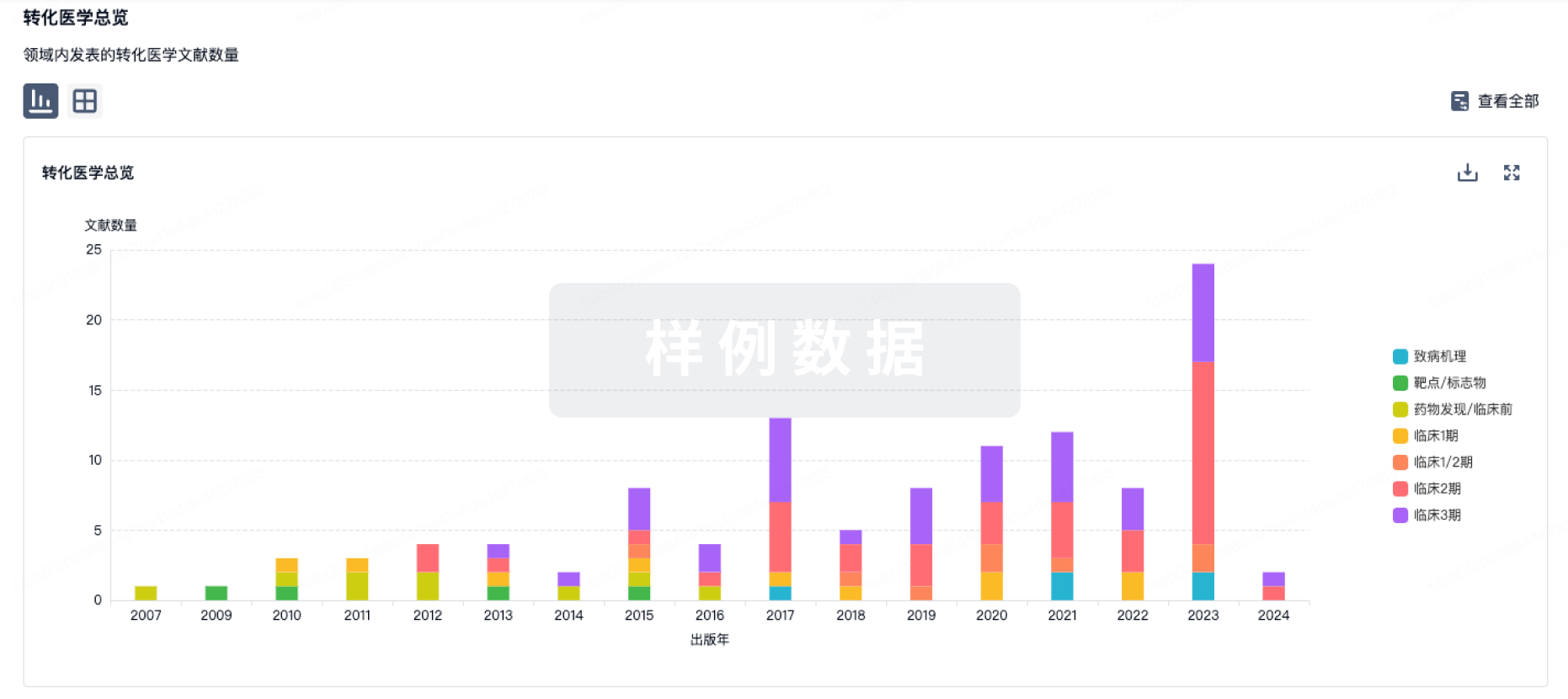
转化医学
使用我们的转化医学数据加速您的研究。
登录
或
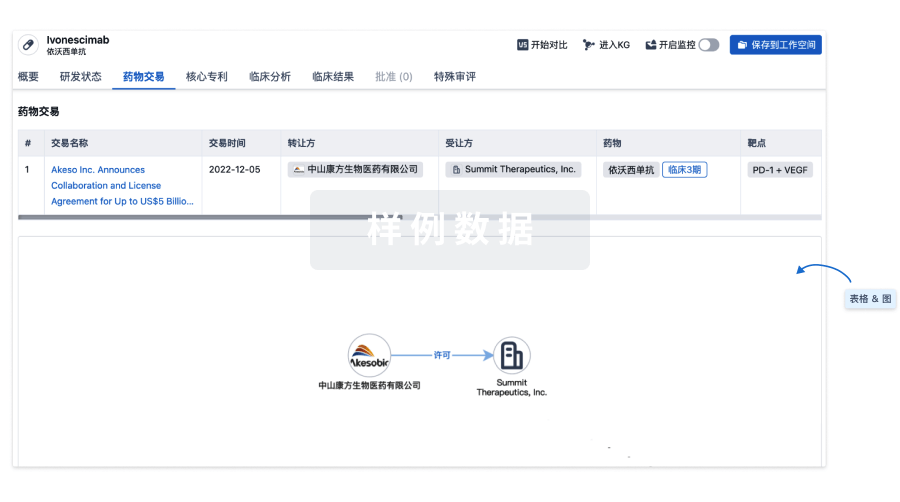
药物交易
使用我们的药物交易数据加速您的研究。
登录
或
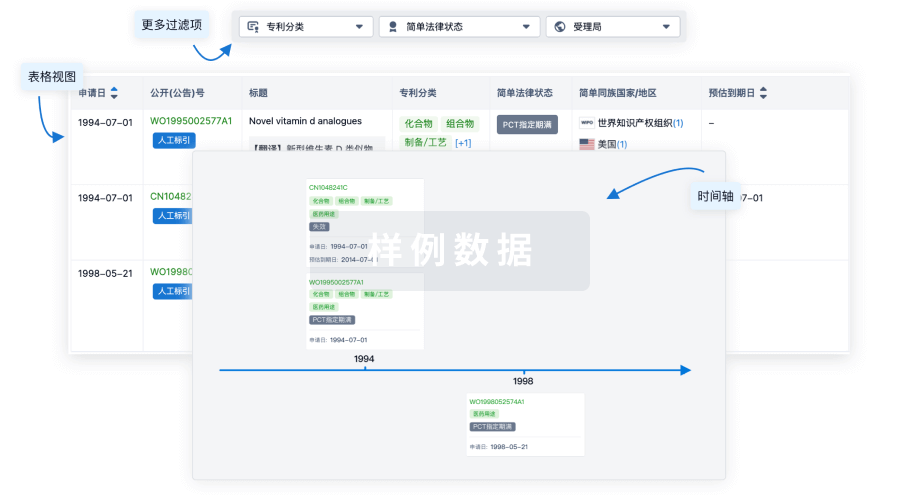
核心专利
使用我们的核心专利数据促进您的研究。
登录
或
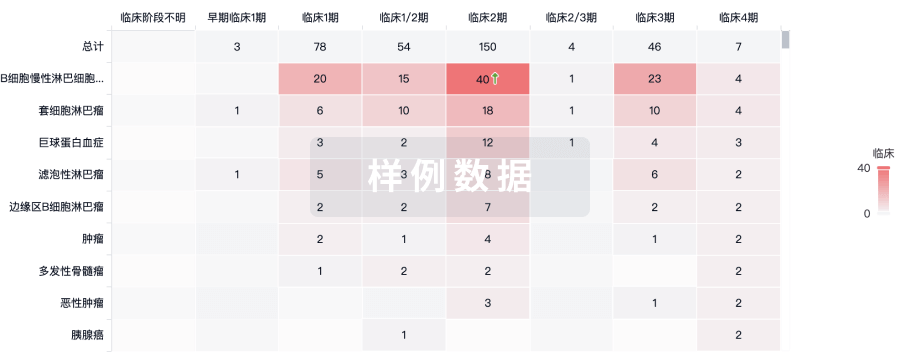
临床分析
紧跟全球注册中心的最新临床试验。
登录
或
批准
利用最新的监管批准信息加速您的研究。
登录
或
特殊审评
只需点击几下即可了解关键药物信息。
登录
或
生物医药百科问答
全新生物医药AI Agent 覆盖科研全链路,让突破性发现快人一步
立即开始免费试用!
智慧芽新药情报库是智慧芽专为生命科学人士构建的基于AI的创新药情报平台,助您全方位提升您的研发与决策效率。
立即开始数据试用!
智慧芽新药库数据也通过智慧芽数据服务平台,以API或者数据包形式对外开放,助您更加充分利用智慧芽新药情报信息。
生物序列数据库
生物药研发创新
免费使用
化学结构数据库
小分子化药研发创新
免费使用