预约演示
更新于:2026-10-17
ZM001
更新于:2026-10-17
概要
基本信息
原研机构 |
在研机构 |
非在研机构- |
权益机构- |
最高研发阶段临床1期 |
首次获批日期- |
最高研发阶段(中国)临床1期 |
特殊审评- |

登录后查看时间轴
关联
1
项与 ZM001 相关的临床试验NCT06852573
A Phase I Clinical Study to Evaluate the Safety and Efficacy of ZM001 Injection in the Treatment of Refractory Systemic Lupus Erythematosus
100 项与 ZM001 相关的临床结果
登录后查看更多信息
100 项与 ZM001 相关的转化医学
登录后查看更多信息
100 项与 ZM001 相关的专利(医药)
登录后查看更多信息
2
项与 ZM001 相关的文献(医药)2026-10-06Microbiology Spectrum
The transcriptional regulator CueR positively regulates the expression of the
cueRA
operon to maintain copper homeostasis in
Pseudomonas chlororaphis
zm-1
Article
作者: Liu, Fengying ; Wang, Zhongkang ; Li, Chen ; Wang, Shaowei ; Lei, Zhenming ; Duan, Sijia ; Wang, Gang
ABSTRACT:
Copper serves as an indispensable trace element in living organisms, playing pivotal roles in fundamental physiological processes including enzyme assembly, antioxidant defense, and metabolic regulation. However, excess copper can induce oxidative damage. MerR-family regulator CueR acts as the core mediator of copper homeostasis in prokaryotes, but its mechanism of action in
P. chlororaphis
zm-1, a plant biocontrol bacterium that inhibits peanut stem rot, remains unclear. In this study, we investigated the regulatory function of CueR using molecular techniques including gene deletion, electrophoretic mobility shift assay, and quantitative real-time PCR. The results demonstrated that the transcriptional regulator gene
cueR
and the P
1B
-type ATPase gene
cueA
(involved in copper efflux) form the
cueRA
operon in strain zm-1, with a 4-bp overlap and co-transcriptional feature. CueR directly binds to the promoter region and positively activates
cueRA
expression upon copper ion induction, thereby driving CueA-mediated efflux of excess copper ions. The deletion of
cueR
or
cueA
significantly reduced copper tolerance, increased intracellular copper content, and impaired peanut rhizosphere colonization ability of the strain, while these phenotypes were restored in the complementation strains. This study deciphers the regulatory mechanism of the
cueRA
operon in
P. chlororaphis
and establishes a correlation analysis between this mechanism and the rhizosphere colonization capacity of the strain. The findings provide a molecular basis for understanding the diversity of copper homeostasis regulation in
Pseudomonas
and optimizing the biocontrol application of this bacterium.
IMPORTANCE:
The CueR-regulated copper efflux system is essential for bacterial survival under copper overload conditions. While this system has been extensively characterized in human pathogens, its function in plant-beneficial bacteria remains poorly understood. Here, we investigate the agricultural biocontrol strain
P. chlororaphis
zm-1 and delineate the regulatory mechanism of CueR through molecular approaches, leading to the identification of the
cueRA
operon. Furthermore, we establish a functional link between CueR and rhizosphere colonization, thereby providing a framework for understanding CueR-mediated regulation in plant-associated bacteria.
2022-12-01BMC microbiology3区 · 生物学
Characteristics of biological control and mechanisms of Pseudomonas chlororaphis zm-1 against peanut stem rot
3区 · 生物学
ArticleOA
作者: Lu, Yifang ; Xu, Fenghua ; Zhang, Juanmei ; Wang, Gang ; Yang, Shan ; Zhang, Zhen ; Liu, Fengying
Abstract:
Background:
Peanut stem rot is a serious plant disease that causes great economic losses. At present, there are no effective measures to prevent or control the occurrence of this plant disease. Biological control is one of the most promising plant disease control measures. In this study, Pseudomonas chlororaphis subsp. aurantiaca strain zm-1, a bacterial strain with potential biocontrol properties isolated by our team from the rhizosphere soil of Anemarrhena asphodeloides, was studied to control this plant disease.
Methods:
We prepared extracts of Pseudomonas chloroaphis zm-1 extracellular antibacterial compounds (PECEs), determined their antifungal activities by confrontation assay, and identified their components by UPLC-MS/MS. The gene knockout strains were constructed by homologous recombination, and the biocontrol efficacy of P. chlororaphis zm-1 and its mutant strains were evaluated by pot experiments under greenhouse conditions and plot experiments, respectively.
Results:
P. chlororaphis zm-1 could produce extracellular antifungal substances and inhibit the growth of Sclerotium rolfsii, the main pathogenic fungus causing peanut stem rot. The components of PECEs identified by UPLC-MS/MS showed that three kinds of phenazine compounds, i.e., 1-hydroxyphenazine, phenazine-1-carboxylic acid (PCA), and the core phenazine, were the principal components. In particular, 1-hydroxyphenazine produced by P. chlororaphis zm-1 showed antifungal activities against S. rolfsii, but 2-hydroxyphenazine did not. This is quite different with the previously reported. The extracellular compounds of two mutant strains, ΔphzH and ΔphzE, was analysed and showed that ΔphzE did not produce any phenazine compounds, and ΔphzH no longer produced 1-hydroxyphenazine but could still produce PCA and phenazine. Furthermore, the antagonistic ability of ΔphzH declined, and that of ΔphzE was almost completely abolished. According to the results of pot experiments under greenhouse conditions, the biocontrol efficacy of ΔphzH dramatically declined to 47.21% compared with that of wild-type P. chlororaphis zm-1 (75.63%). Moreover, ΔphzE almost completely lost its ability to inhibit S. rolfsii (its biocontrol efficacy was reduced to 6.19%). The results of the larger plot experiments were also consistent with these results.
Conclusions:
P. chlororaphis zm-1 has the potential to prevent and control peanut stem rot disease. Phenazines produced and secreted by P. chlororaphis zm-1 play a key role in the control of peanut stem rot caused by S. rolfsii. These findings provide a new idea for the effective prevention and treatment of peanut stem rot.
100 项与 ZM001 相关的药物交易
登录后查看更多信息
研发状态
10 条进展最快的记录, 后查看更多信息
登录
| 适应症 | 最高研发状态 | 国家/地区 | 公司 | 日期 |
|---|---|---|---|---|
| 系统性红斑狼疮 | 临床1期 | - | 2025-02-20 |
登录后查看更多信息
临床结果
临床结果
适应症
分期
评价
查看全部结果
登录后查看更多信息
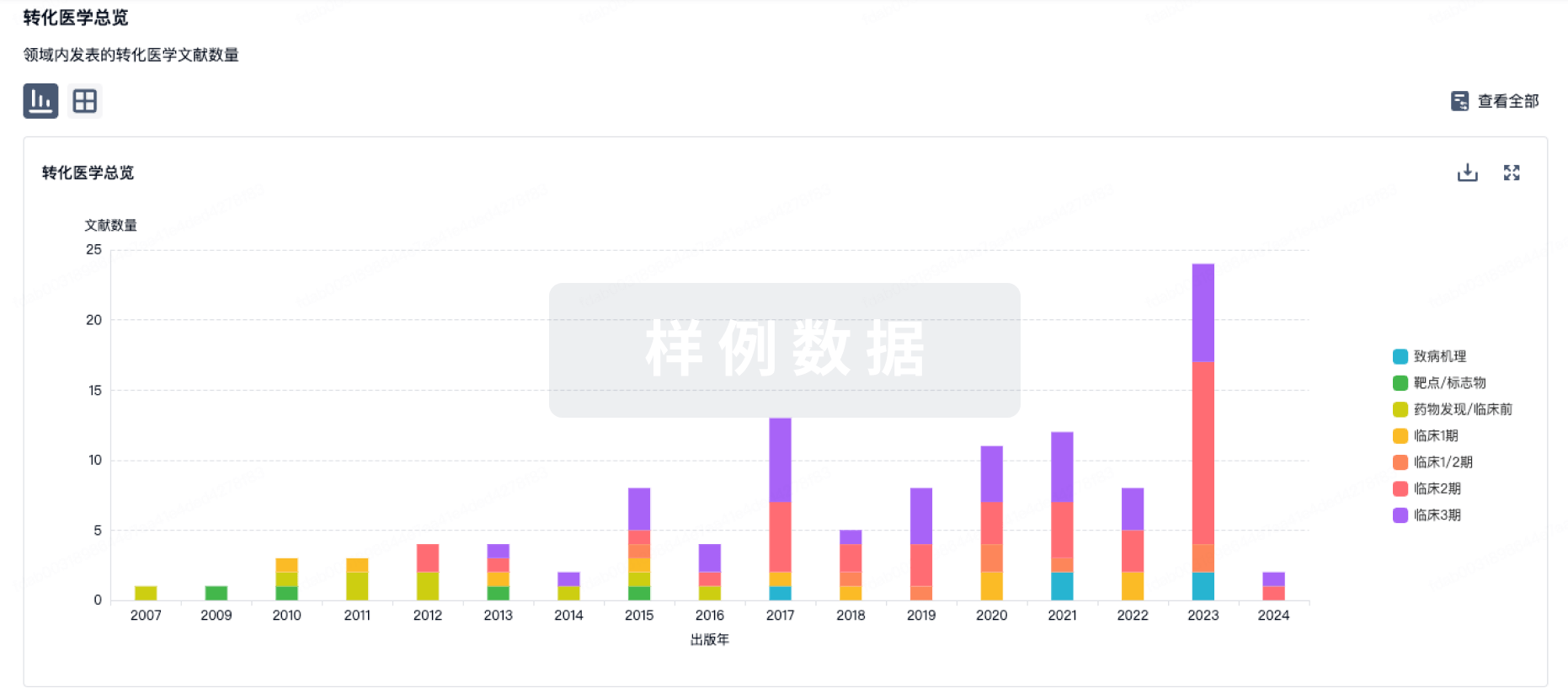
转化医学
使用我们的转化医学数据加速您的研究。
登录
或
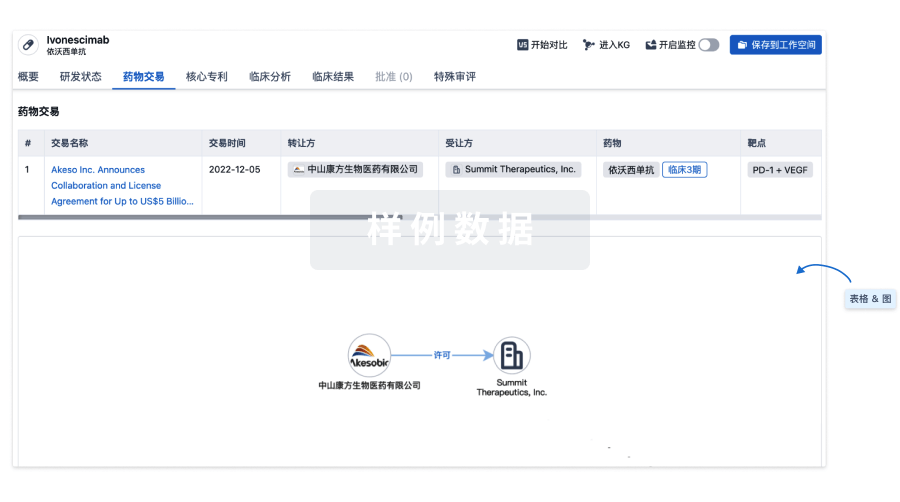
药物交易
使用我们的药物交易数据加速您的研究。
登录
或
核心专利
使用我们的核心专利数据促进您的研究。
登录
或

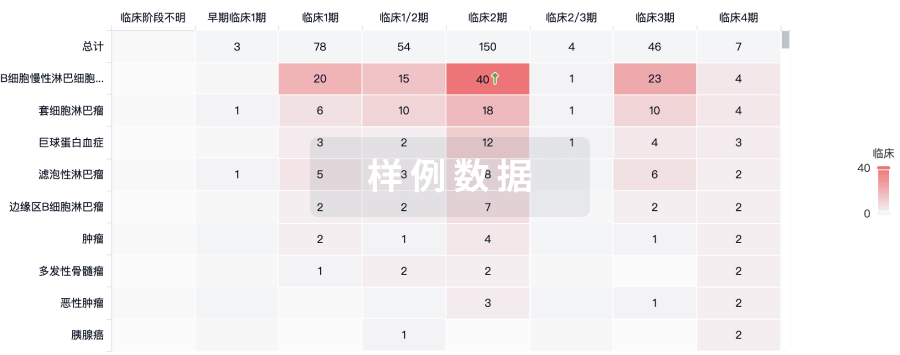
临床分析
紧跟全球注册中心的最新临床试验。
登录
或
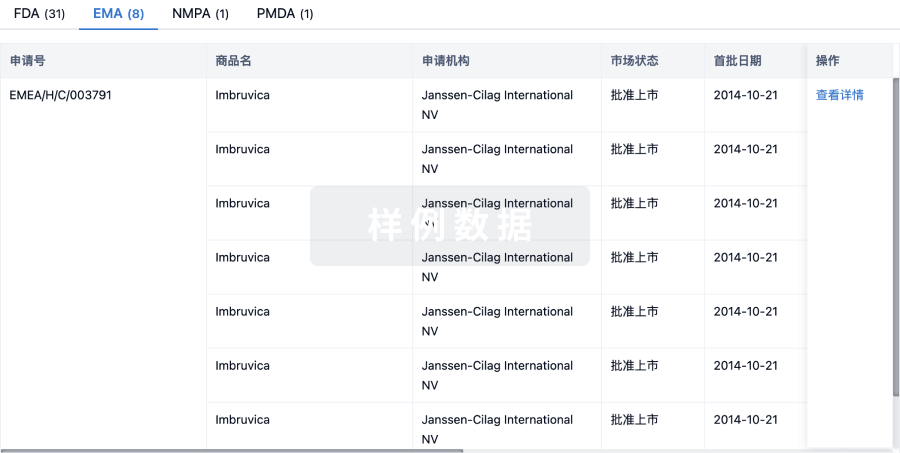
批准
利用最新的监管批准信息加速您的研究。
登录
或
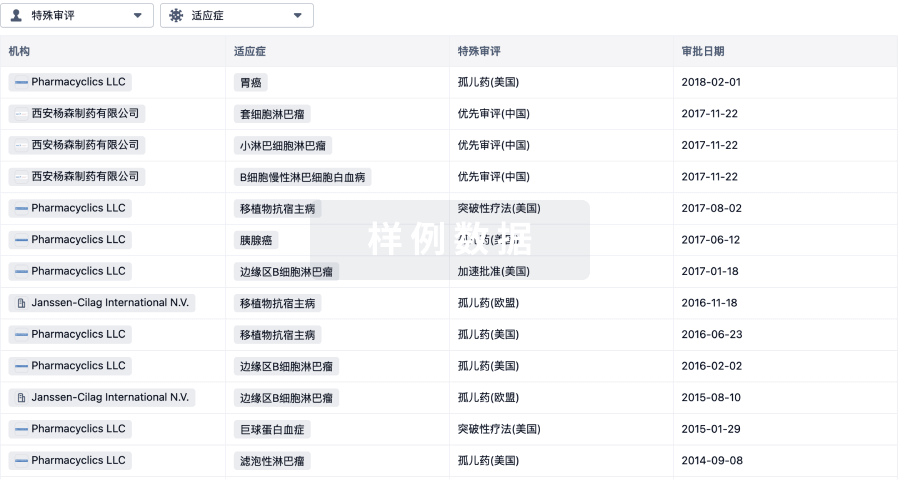
特殊审评
只需点击几下即可了解关键药物信息。
登录
或
提出任何生物医药研究问题
让每一步生物医药决策都精准制胜
基于十亿级生物数据与全球情报的精准 AI,赋能早期药物发现
立即开始免费试用!
智慧芽新药情报库是智慧芽专为生命科学人士构建的基于AI的创新药情报平台,助您全方位提升您的研发与决策效率。
立即接入生物医药数据包
智慧芽新药库数据也通过智慧芽开放平台,以MCP或API服务形式对外开放。立即使用我们的MCP服务定制您的LLM智能体。
生物序列数据库
生物药研发创新
免费使用
化学结构数据库
小分子化药研发创新
免费使用