预约演示
更新于:2026-09-19
SASPject PT1.2
更新于:2026-09-19
概要
基本信息
在研机构- |
权益机构- |
最高研发阶段无进展临床1期 |
首次获批日期- |
最高研发阶段(中国)- |
特殊审评- |

登录后查看时间轴
关联
100 项与 SASPject PT1.2 相关的临床结果
登录后查看更多信息
100 项与 SASPject PT1.2 相关的转化医学
登录后查看更多信息
100 项与 SASPject PT1.2 相关的专利(医药)
登录后查看更多信息
6
项与 SASPject PT1.2 相关的文献(医药)2026-04-01·JOURNAL OF DAIRY SCIENCE
Mammary gland responses to supplementation of rumen-protected methionine products in dairy cows
Article
作者: Kaufman, J D ; Estes, K A ; Zimmerman, C A ; Barton, B A ; Ríus, A G ; Bailey, H R
Methionine can be a limiting nutrient in lactating dairy cows consuming diets with corn, corn-based, and soybean-based ingredients. Rumen-protected Met (RPM) supplementation improves productivity in high-producing cows, and the supplementation of RPM may improve productivity in high-producing cows fed moderate-concentration CP diets. The objective of this work was to compare an RPM prototype with a commercially available RPM product on milk protein concentration, plasma Met concentration, and mammary gland clearance of Met in dairy cows. In experiment 1, 10 multiparous cows (DIM = 76 ± 17 [arithmetic mean ± SD]) were used in a duplicated 5 × 5 Latin square with 18 d periods. A commercial product and an RPM prototype were used to formulate the treatments as follows: (1) control (CTL1; 0 g/d of RPM supplemented), (2) 22 g/d of Met supplemented as RPM using Smartamine M (SM, Adisseo, Alpharetta, GA), (3) 22 g/d of Met supplemented using RPM prototype 1 (PT1.0), (4) 27 g/d of Met supplemented using RPM prototype 1 (PT1.25), and (5) 33 g/d of Met supplemented using RPM prototype 1 (PT1.5). In experiment 2, 20 multiparous cows (DIM = 72 ± 43, arithmetic mean ± SD) were used in a quadruplicate 5 × 5 Latin square with 14 d periods. Cows were randomly assigned to the following treatments: (1) control (CTL2; 0 g of RPM supplemented), (2) 6 g/d metabolizable Met supplemented using Smartamine M (SM6), (3) 12 g/d metabolizable Met supplemented using Smartamine M (SM12), (4) 6 g/d metabolizable Met supplemented using RPM prototype 2 (PT6), and (5) 12 g/d of metabolizable Met supplemented using RPM prototype 2 (PT12). The CTL1 and CTL2 diets were predicted to be deficient in metabolizable Met. The CTL1 and CTL2 diets contained 16.0% and 16.7% CP, 2.03% and 2.02% of metabolizable Met, and 6.74% and 6.84% of metabolizable Lys. In experiments 1 and 2, feed ingredients, milk, and blood (coccygeal vessels) samples were collected and analyzed. In experiment 2, abdominal mammary vein blood samples were collected to determine mammary gland clearance. Data were analyzed using mixed models with animal as the experimental unit, treatment and time as fixed effects, and animal as a random effect. In experiment 1, and compared with CTL1, SM increased milk protein concentration. Compared with CTL1, treatment SM increased plasma Met concentrations. Compared with SM, the PT1.0, PT1.25, and PT1.5 treatments had lower plasma Met concentrations. Treatments PT1.5 and SM supported similar milk protein concentration response. In experiment 2, SM12 increased milk protein concentration compared with CTL2, and the prototype treatments sustained milk protein content similar to SM6 and SM12 treatments. Compared with CTL2, supplementation with SM12 increased plasma Met concentrations, and SM12 had greater concentrations than PT12 in the abdominal mammary vein. Compared with CTL2, SM12 decreased Met mammary clearance rate. Supplementation with RPM products may have increased protein synthesis in the udder of lactating cows. In conclusion, although supplementation with RPM products may have increased protein synthesis in the udder of lactating cows, it indeed increased plasma Met concentrations, confirming the ability of RPM products to increase plasma Met. Supplementation with RPM reduced mammary gland clearance of Met, suggesting the use of additional Met supply in other tissues.
2015-10-01·Molecular and cellular biochemistry3区 · 生物学
The combined treatment with novel platinum(II) complex and anti-MUC1 increases apoptotic response in MDA-MB-231 breast cancer cells
3区 · 生物学
Article
作者: Muszyńska, Anna ; Bielawski, Krzysztof ; Bielawska, Anna ; Czarnomysy, Robert ; Gabryel-Porowska, Halina ; Gornowicz, Agnieszka
New strategy of cancer's targeting treatment is combining monoclonal antibodies with chemotherapeutic agents. An important goal of targeted therapy appears to be a transmembrane glycoprotein type I-mucin 1 (MUC1), which is overexpressed in tumors of epithelial origin, especially in breast cancer. The goal of the study was to check the effect of monoclonal antibody against MUC1 with novel platinum(II) complex (Pt12) on selected aspects of apoptosis in human MDA-MB-231 breast cancer cells. The number of apoptotic and necrotic cells was measured using annexin V binding assay. The decrease of mitochondrial membrane potential (MMP) and DNA fragmentation was analyzed. Finally, the influence of novel platinum(II) complex (Pt12) used with anti-MUC1 on the concentration of selected markers of apoptosis such as Bax, caspase-8, -9, and caspase-3 was performed using ELISA. The results from combined treatment were compared with those obtained using monotherapy. In our study, we proved that anti-MUC1 used in combination with Pt12 strongly induced apoptosis in MDA-MB-231 breast cancer cell line. The effect was stronger than treatment with Pt12, cisplatin, anti-MUC1, and anti-MUC1 used with cisplatin. We also observed the highest decrease of MMP and the strongest DNA fragmentation after such a combined treatment. The results obtained from ELISA showed increased concentration of Bax, caspases-8, -9, -3 compared to monotherapy. Our study proved that Pt12 together with anti-MUC1 strongly induced apoptosis in estrogen-negative breast cancer cell line (MDA-MB-231). The apoptosis may go through extrinsic pathway associated with caspase-8 as well as intrinsic pathway connected with caspase-9.
2014-07-01·Molecular and cellular biochemistry3区 · 生物学
Cytotoxic efficacy of a novel dinuclear platinum(II) complex used with anti-MUC1 in human breast cancer cells
3区 · 生物学
Article
作者: Bielawski, Krzysztof ; Kaluza, Zbigniew ; Bielawska, Anna ; Gabryel-Porowska, Halina ; Gornowicz, Agnieszka ; Czarnomysy, Robert
Mucin 1 (MUC1) is overexpressed in various cancer cells especially in breast cancer cells. There are known research works on the use of anti-MUC1 antibody with docetaxel in ovarian cancer, but there are no data about combined therapy platinum compounds with anti-MUC1 in breast cancer. The aim of the study was to evaluate the antiproliferative properties of a new dinuclear platinum(II) complex (Pt12) used with anti-MUC1 in human breast cancer cells. The dinuclear platinum(II) complex (Pt12) has been synthesized, and its cytotoxicity with anti-MUC1 has been tested in both MCF-7 and MDA-MB-231 breast cancer cells. In this study, the effects of Pt12 with anti-MUC1 on collagen and DNA biosynthesis in human breast cancer cells were compared to those evoked by cisplatin and cisplatin with anti-MUC1. The mechanism of action of Pt12 with anti-MUC1 was studied employing flow cytometry assessment of annexin V binding assay. It was found that Pt12 with anti-MUC1 was more active inhibitor of DNA and collagen synthesis as well more cytotoxic agent than Pt12 alone and cisplatin with anti-MUC1. Cytotoxicity of Pt12 with anti-MUC1 against breast cancer cells is due to apoptotic cell death as well as necrotic cell death. These results indicate that the use of Pt12 with anti-MUC1 may constitute a novel strategy in the chemotherapy of breast cancer tumors.
100 项与 SASPject PT1.2 相关的药物交易
登录后查看更多信息
研发状态
10 条进展最快的记录, 后查看更多信息
登录
| 适应症 | 最高研发状态 | 国家/地区 | 公司 | 日期 |
|---|---|---|---|---|
| 葡萄球菌感染 | 临床1期 | 英国 | - |
登录后查看更多信息
临床结果
临床结果
适应症
分期
评价
查看全部结果
| 研究 | 分期 | 人群特征 | 评价人数 | 分组 | 结果 | 评价 | 发布日期 |
|---|
No Data | |||||||
登录后查看更多信息
转化医学
使用我们的转化医学数据加速您的研究。
登录
或
药物交易
使用我们的药物交易数据加速您的研究。
登录
或
核心专利
使用我们的核心专利数据促进您的研究。
登录
或
临床分析
紧跟全球注册中心的最新临床试验。
登录
或
批准
利用最新的监管批准信息加速您的研究。
登录
或
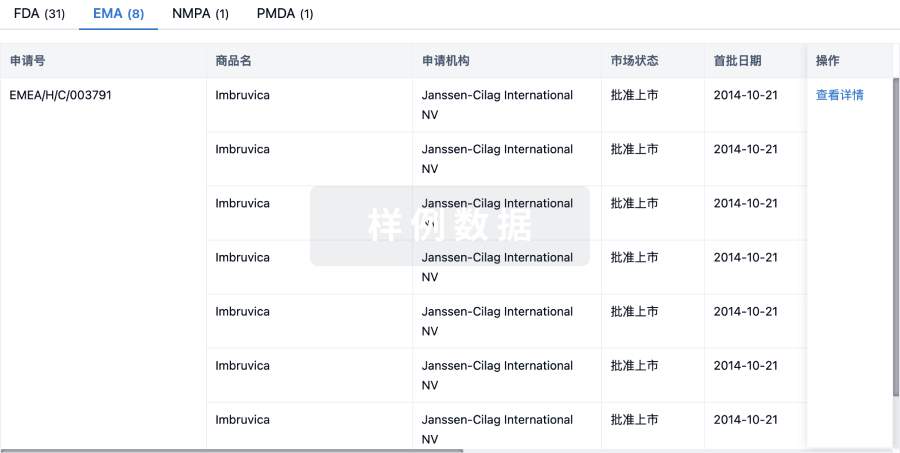
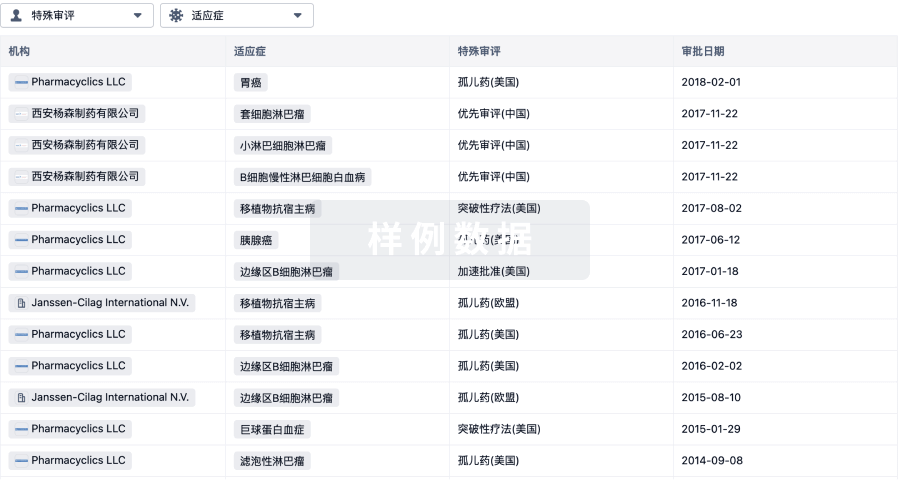
特殊审评
只需点击几下即可了解关键药物信息。
登录
或
提出任何生物医药研究问题
让每一步生物医药决策都精准制胜
基于十亿级生物数据与全球情报的精准 AI,赋能早期药物发现
立即开始免费试用!
智慧芽新药情报库是智慧芽专为生命科学人士构建的基于AI的创新药情报平台,助您全方位提升您的研发与决策效率。
立即接入生物医药数据包
智慧芽新药库数据也通过智慧芽开放平台,以MCP或API服务形式对外开放。立即使用我们的MCP服务定制您的LLM智能体。
生物序列数据库
生物药研发创新
免费使用
化学结构数据库
小分子化药研发创新
免费使用