预约演示
更新于:2025-05-30
Indole-3-Carbinol
更新于:2025-05-30
概要
基本信息
非在研机构- |
权益机构- |
最高研发阶段临床前 |
首次获批日期- |
最高研发阶段(中国)- |
特殊审评- |


关联
100 项与 Indole-3-Carbinol 相关的临床结果
登录后查看更多信息
100 项与 Indole-3-Carbinol 相关的转化医学
登录后查看更多信息
100 项与 Indole-3-Carbinol 相关的专利(医药)
登录后查看更多信息
579
项与 Indole-3-Carbinol 相关的文献(医药)2025-08-01·BIOCHEMICAL PHARMACOLOGY
Integrating structure–activity relationships, computational approaches, and experimental validation to unlock the therapeutic potential of indole-3-carbinol and its derivatives
Review
作者: Wang, Mingjie ; Shi, Zihan ; Wang, Hongting ; Wang, Fangfang ; Wang, Cunqin
Indole-3-carbinol (I3C) a bioactive compound derived from cruciferous vegetables, has garnered significant attention for its role in cancer prevention and its broad-spectrum biological activities, including anti-inflammatory properties and the modulation of critical signaling pathways. This review explores the structure-activity relationship (SAR) of I3C and its derivatives, emphasizing their molecular mechanisms and therapeutic potential. Key cellular targets, such as estrogen receptors, and pathways, including NF-κB, Wnt/β-catenin, and PI3K/Akt, are highlighted for their roles in apoptosis, autophagy, and the disruption of mitogenic signaling. The SAR analysis reveals the influence of molecular modifications, particularly in dimeric forms like diindolylmethane (DIM) on pharmacokinetics and bioactivity. Computational approaches, including molecular docking, molecular dynamics simulations, and density functional theory (DFT) provide insights into ligand-receptor interactions, binding energetics, and electronic properties, facilitating biological activity predictions. Experimental evidence from in vitro assays and synergistic studies underscores the cytotoxic efficacy and combinatorial benefits of I3C with conventional chemotherapeutics. Challenges in clinical translation, such as bioavailability and targeted delivery, are addressed, highlighting the potential of integrating computational and experimental findings to develop novel I3C-based therapeutics. This comprehensive analysis positions I3C as a promising scaffold for designing effective agents against cancer and other diseases.
2025-07-01·ARCHIVES OF BIOCHEMISTRY AND BIOPHYSICS
Indole-3-carbinol exerts neuroprotective effect in cerebral ischaemia/reperfusion through the modulation of Nrf2-mediated antioxidant responses and the restoration of chaperone activity
Article
作者: Lavrushchev, Andrey I ; Popova, Tatyana N ; Pyatigorskaya, Natalya V ; Popov, Sergey S ; Kryl'skii, Evgenii D
Cerebral ischaemia is the primary cause of stroke. The restoration of blood flow, known as reperfusion, has been observed to exacerbate the pathological changes caused by ischaemia and lead to a significant increase in the formation of reactive oxygen species. Cellular defense against reactive molecules is facilitated by the antioxidant system. The nuclear factor erythroid 2-related factor 2 (Nrf2) transcription factor is considered to be the primary regulator of this system. One of the exogenous antioxidants that has the potential to enhance the redox status in tissues experiencing oxidative stress is indole-3-carbinol (I3C). The objective of the present study was to analyze the transcriptional regulation of antioxidant enzyme functioning under conditions of I3C administration to rats with cerebral ischaemia/reperfusion injury (CIRI). The findings of this study demonstrated that the administration of I3C to rats with CIRI resulted in the normalization of the lactate/pyruvate ratio and the reduction of brain tissue damage. These outcomes could be attributed to the improvement of the redox status caused by the tested compound. Furthermore, I3C altered the activity of antioxidant enzymes and the number of Nrf2-positive neurons, leading to a shift towards control values. It has been demonstrated that I3C is also capable of restoring chaperone activity. This capacity may play a pivotal role in correcting dysfunction in the proteostasis system and in maintaining adequate protein folding during the course of a disease. Consequently, I3C demonstrated a neuroprotective effect in CIRI by normalizing oxidative status, regulating Nrf2-mediated antioxidant response, and enhancing chaperone activity.
2025-06-01·PHYTOMEDICINE
Indole-3-carbinol inhibits PD-L1-mediated immune evasion in hepatocellular carcinoma via suppressing NF-κB p105 Ubiquitination
Article
作者: Wu, Yongkang ; Jin, Yong ; Wei, Chengyan ; Zhang, Chunwei ; Liu, Xiao ; Tao, Qing ; Zhou, Yuanzhi ; Wang, Jingjing ; Xie, Jing
BACKGROUND:
Hepatocellular carcinoma (HCC) is one of the most common malignant tumors worldwide, and immunotherapy has demonstrated significant therapeutic benefit in HCC. Indole-3-carbinol (I3C), a naturally occurring ingredient of cruciferous vegetables, significantly inhibits the growth of a wide range of tumors. However, its mechanism of action has not been fully elucidated.
PURPOSE:
This study aims to verify and explore the immunomodulatory effect of I3C in HCC models, and to investigate the specific role and mechanism by which I3C affects PD-L1 expression through the ubiquitination of NF-κB p105.
METHODS:
In vitro, I3C was treated with HepG2 cells and relevant indicators were analyzed. In vivo, the mouse HCC model was established and the effect of I3C on tumors and immune function was evaluated. Subsequently, the downstream target of I3C was found through target prediction, molecular docking, and molecular dynamics simulation. Finally, combined therapy was used to further investigate the effect of I3C on mouse HCC tumors.
RESULTS:
We observed that I3C resulted in decreased programmed cell death ligand 1 (PD-L1) expression in HepG2 cells and increased CD8 T cell infiltration in tissues. Subsequently, target prediction and molecular docking demonstrated that I3C was able to efficiently bind to NF-κB p105. In addition, overexpression of NF-κB p105 upregulated PD-L1 expression and almost completely eliminated the inhibitory effect of I3C. Notably, the combination of I3C and PD-L1 monoclonal antibodies showed synergistic anti-tumor effects in the mouse HCC model.
CONCLUSION:
This study demonstrated that I3C inhibits PD-L1-mediated immune evasion in HCC via suppressing NF-κB p105 ubiquitination. The role of I3C in tumors deserves further investigation and provides the foundation for the future development of novel immunotherapeutic drugs.
100 项与 Indole-3-Carbinol 相关的药物交易
登录后查看更多信息
研发状态
10 条进展最快的记录, 后查看更多信息
登录
| 适应症 | 最高研发状态 | 国家/地区 | 公司 | 日期 |
|---|---|---|---|---|
| 结肠癌 | 临床前 | 加拿大 | 2025-04-29 | |
| 复发性皮肤癌 | 临床前 | 加拿大 | 2025-04-29 | |
| 认知功能障碍 | 临床前 | 印度 | 2025-03-18 |
登录后查看更多信息
临床结果
临床结果
适应症
分期
评价
查看全部结果
| 研究 | 分期 | 人群特征 | 评价人数 | 分组 | 结果 | 评价 | 发布日期 |
|---|
No Data | |||||||
登录后查看更多信息
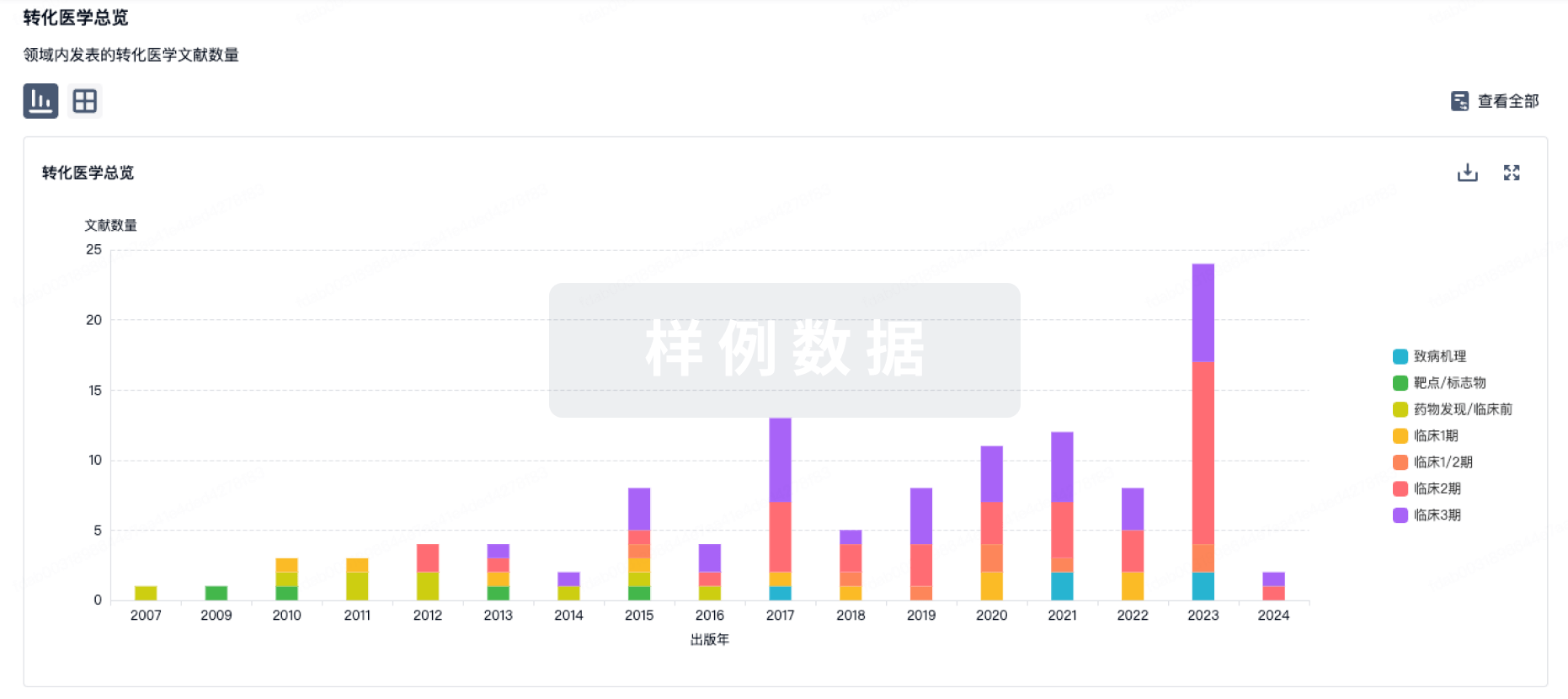
转化医学
使用我们的转化医学数据加速您的研究。
登录
或
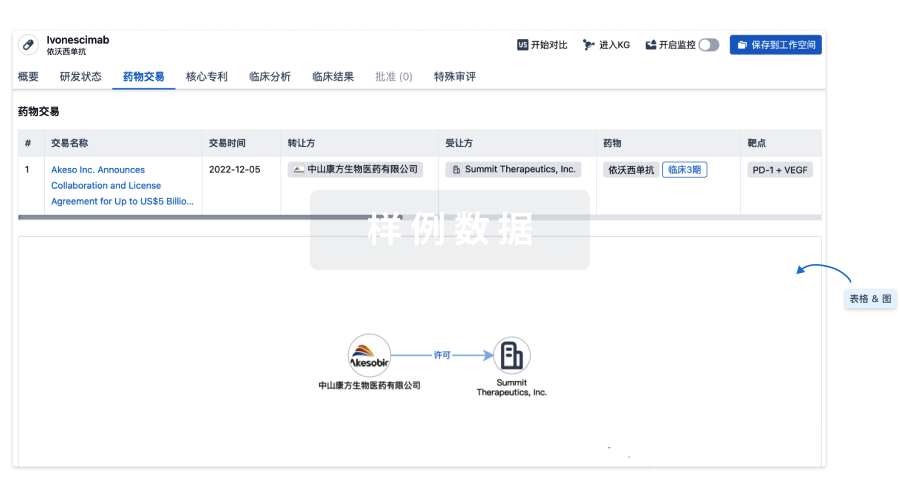
药物交易
使用我们的药物交易数据加速您的研究。
登录
或
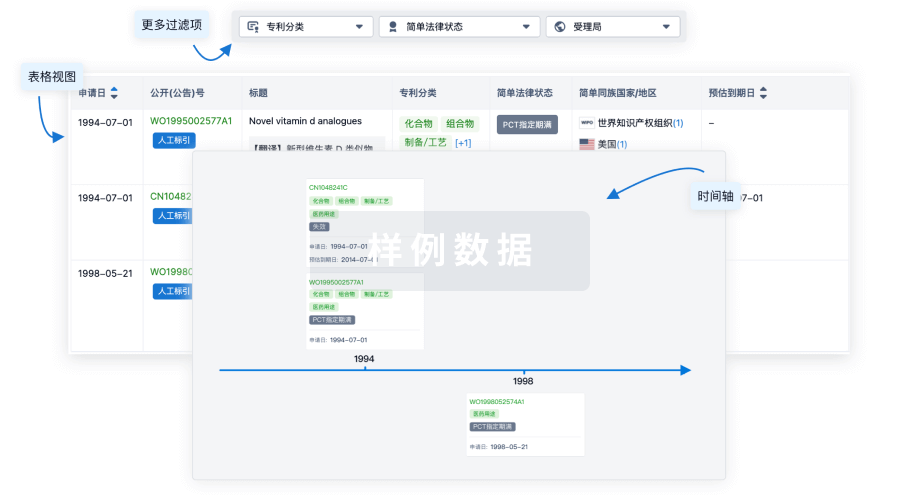
核心专利
使用我们的核心专利数据促进您的研究。
登录
或
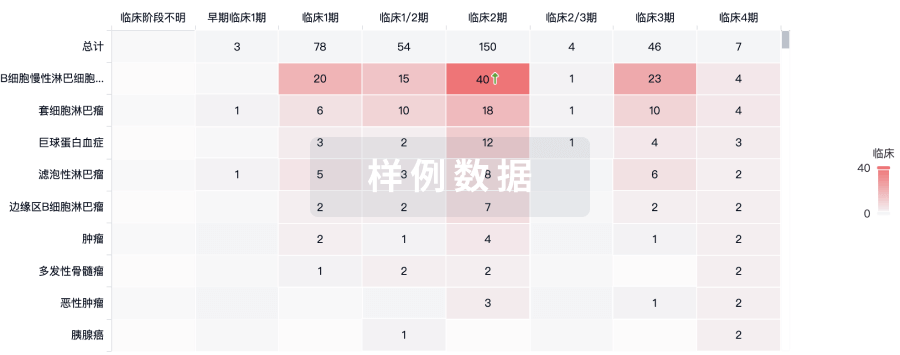
临床分析
紧跟全球注册中心的最新临床试验。
登录
或
批准
利用最新的监管批准信息加速您的研究。
登录
或
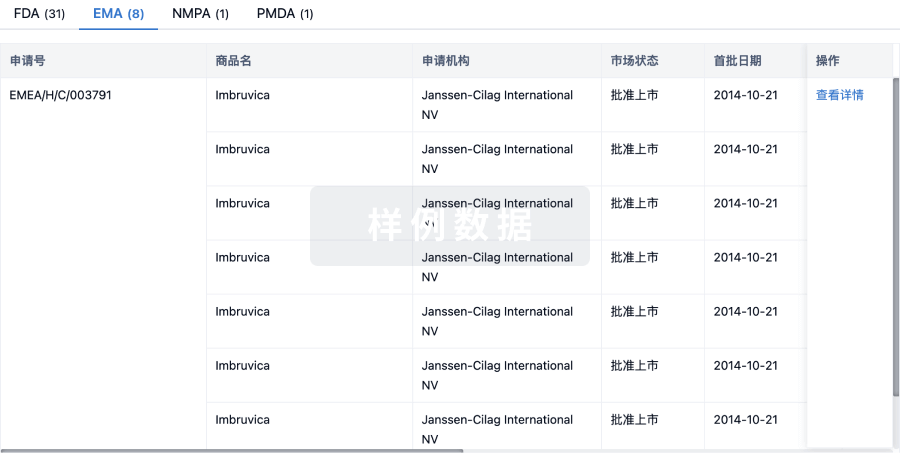
特殊审评
只需点击几下即可了解关键药物信息。
登录
或
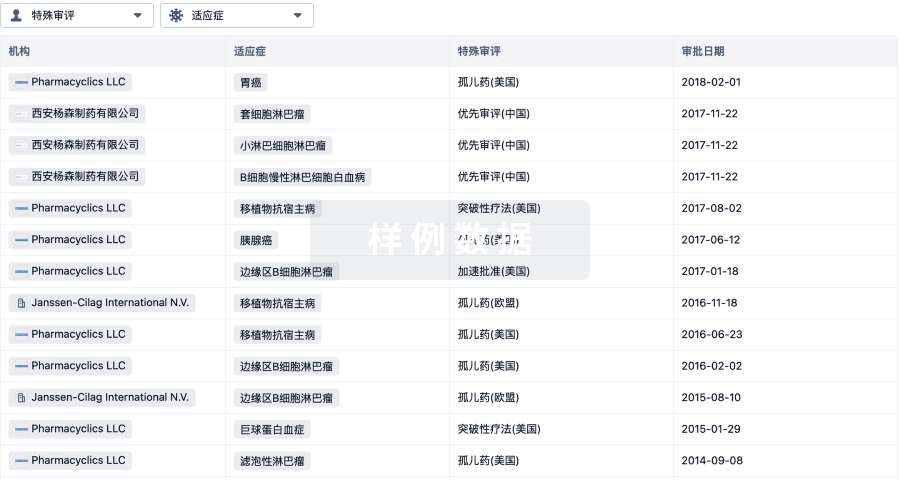
生物医药百科问答
全新生物医药AI Agent 覆盖科研全链路,让突破性发现快人一步
立即开始免费试用!
智慧芽新药情报库是智慧芽专为生命科学人士构建的基于AI的创新药情报平台,助您全方位提升您的研发与决策效率。
立即开始数据试用!
智慧芽新药库数据也通过智慧芽数据服务平台,以API或者数据包形式对外开放,助您更加充分利用智慧芽新药情报信息。
生物序列数据库
生物药研发创新
免费使用
化学结构数据库
小分子化药研发创新
免费使用