预约演示
更新于:2026-05-19
Semaglutide(Vivani Medical)
更新于:2026-05-19
概要
基本信息
权益机构- |
最高研发阶段临床1期 |
首次获批日期- |
最高研发阶段(中国)- |
特殊审评- |
登录后查看时间轴
关联
1
项与 Semaglutide(Vivani Medical) 相关的临床试验NCT07430059
A Randomized, Parallel-Group Study to Assess the Safety, Tolerability, and Pharmacokinetics of Semaglutide Implant
The study will evaluate the safety, tolerability and drug levels of a semaglutide implant placed just under the skin for a period of 4 weeks compared to 4 weekly injections of semaglutide (Wegovy) in overweight/obese participants who are otherwise healthy..
开始日期2026-04-01 |
申办/合作机构 Vivani Medical, Inc. [+1] |
100 项与 Semaglutide(Vivani Medical) 相关的临床结果
登录后查看更多信息
100 项与 Semaglutide(Vivani Medical) 相关的转化医学
登录后查看更多信息
100 项与 Semaglutide(Vivani Medical) 相关的专利(医药)
登录后查看更多信息
188
项与 Semaglutide(Vivani Medical) 相关的文献(医药)2026-05-01·DIABETES-METABOLISM RESEARCH AND REVIEWS
Not All GLP‐1 Receptor Agonists Are Alike: Real‐World Evidence of Differential Endocrine and Dermatologic Safety
Article
作者: Nai Lee ; Yun Kim
ABSTRACT:
Aims:
Glucagon‐like peptide‐1 receptor agonists (GLP‐1 RAs) are widely used for metabolic disorders, but emerging safety concerns include alopecia and reproductive or endocrine‐related adverse events (AEs). This study investigated the association between specific GLP‐1 RAs and these endocrine‐related AEs using a large‐scale pharmacovigilance database.
Materials and Methods:
This study analysed the U.S. FDA Adverse Event Reporting System (FAERS) data (Q2 2022–Q2 2025) for six GLP‐1 Ras (exenatide, lixisenatide, liraglutide, dulaglutide, semaglutide, and tirzepatide) to identify alopecia‐ and reproductive or endocrine–related a AEs. Disproportionality analyses were conducted using crude and adjusted reporting odds ratios (cROR and aROR) from logistic regression controlling for potential confounding factors. Sensitivity analyses with positive and negative controls were used to validate the signal robustness.
Results:
A total of 1276 alopecia‐related and 759 reproductive or endocrine–related cases were identified. Semaglutide showed significant positive associations with alopecia (aROR 1.23 [1.11–1.35]) and reproductive/hormonal disorders, including polycystic ovary syndrome (aROR 6.59 [3.73–11.64]) and menstrual abnormalities. In contrast, dulaglutide and tirzepatide demonstrated negative associations for several reproductive outcomes (e.g., dysmenorrhoea, amenorrhoea, heavy menstrual bleeding), indicating lower reporting odds in this dataset. Sensitivity analyses using control drugs confirmed the consistency and specificity of these findings.
Conclusion:
This real‐world pharmacovigilance study identified agent‐specific differences in the endocrine and dermatologic safety profiles of GLP‐1 RAs. While semaglutide exhibited disproportionate reporting for alopecia and hormonal imbalance, dulaglutide and tirzepatide showed lower or non‐significant disproportionality signals for these events. These results highlight the need for personalised agent selection and continued pharmacovigilance to optimise long‐term patient safety.
2026-04-01·Annals of the American Thoracic Society
Effects of semaglutide on obstructive sleep apnea risk and outcomes in patients with obesity
Article
作者: Tsai, Ya-Wen ; Lai, Chih-Cheng ; Yu, Tsung ; Huang, Po-Yu ; Wu, Jheng-Yan ; Liu, Ting-Hui ; Chuang, Min-Hsiang ; Hsu, Wan-Hsuan ; Lin, Yu-Min
Abstract:
Objectives:
This study investigates the impact of semaglutide on obstructive sleep apnea (OSA) risk and clinical outcomes in individuals with obesity.
Methods:
A retrospective cohort study was conducted using the TriNetX platform, which includes electronic health records from approximately 150 million patients across 149 healthcare organizations. Two cohorts were analyzed: (1) individuals with obesity to evaluate the incidence of new-onset OSA and (2) individuals with OSA and obesity to assess clinical outcomes. Propensity score matching was applied to balance baseline characteristics between semaglutide users and control groups. Primary outcomes included new-onset OSA incidence (obesity cohort) and a composite endpoint of all-cause mortality, major adverse cardiovascular events (MACEs), and major adverse kidney events (MAKEs) (OSA with obesity cohort).
Results:
In the obesity cohort (n = 191 273 in each group), semaglutide use was significantly associated with a reduced the risk of new-onset OSA (hazard ratio [HR], 0.62; 95% confidence interval [CI], 0.60-0.63; P < .0001). Stratified analyses confirmed consistent benefits across subgroups. In the OSA with obesity cohort (n = 40 123 in each group), semaglutide use was associated with lower risk of adverse composite outcomes (HR, 0.72; 95% CI, 0.66-0.78; P < .0001), as well as reductions in all-cause mortality (HR, 0.37; 95% CI, 0.31-0.45), MACE (HR, 0.72; 95% CI, 0.65-0.79), and MAKE (HR, 0.54; 95% CI, 0.48-0.60). Sensitivity analyses confirmed robustness against unmeasured confounders.
Conclusions:
Semaglutide was associated with a significant reduction in OSA risk among individuals with obesity and improved clinical outcomes in those with comorbid obesity and OSA.
2026-03-18·CURRENT PHARMACEUTICAL DESIGN
Semaglutide and Alcohol use Disorder: Breaking Free of Addiction?
Article
作者: Papaetis, Georgios S. ; Picolos, Michalis K.
Abstract::
Alcohol use disorder (AUD) is a chronically relapsing disorder characterized by a compulsive alcohol
drinking pattern, loss of control over intake, and the emergence of negative emotional states promoting
alcohol dependence. It is unquestionably a major public health issue worldwide and a highly stigmatized condition.
Unfortunately, AUD remains untreated in a significant number of adults. Since the approval of disulfiram
by the FDA in 1951, only two medications (naltrexone and acamprosate) have gained subsequent FDA
approval for this disorder. However, even when these medications are administered, the rates of treatment
failure and/or relapse after withdrawal remain high. Novel therapeutic approaches are urgently needed to
break down the barriers to AUD therapy and achieve positive long-term results. Glucagon-like peptide-1
(GLP-1) is produced by the preproglucagon-containing neurons of the brain, while GLP-1 receptors (GLP-
1Rs) are found in several areas of the central nervous system that govern many natural rewards. This paper
discusses the current treatment landscape for individuals with AUD and the pathophysiological background
supporting the administration of GLP-1R agonists in this setting. It explores in detail all preclinical and
clinical evidence on semaglutide and its future perspectives as a therapeutic approach in individuals with
AUD.
73
项与 Semaglutide(Vivani Medical) 相关的新闻(医药)2026-05-14
Initiation of SLIM-1™ clinical trial, a Phase 1 study of NPM-139, a semaglutide implant under development for chronic weight management, on track for mid-year 2026
$28 million in cash, cash equivalents, restricted cash and capital commitments expected to fund current operating plan through the first half of 2027
ALAMEDA, Calif., May 13, 2026 (GLOBE NEWSWIRE) -- Vivani Medical, Inc. (Nasdaq: VANI) (“Vivani” or the “Company”), a clinical-stage biopharmaceutical company developing miniature, ultra long-acting subdermal drug implants utilizing its proprietary NanoPortal™ technology, today reported financial results for the first quarter ended March 31, 2026, and provided a business update.
Vivani Chief Executive Officer Adam Mendelsohn, Ph.D., stated, “I’m very pleased with the progress our team made in the first quarter. We are on track to initiate the first study in our SLIM™ Clinical Program (Semaglutide ultra Long-acting IMplant in obesity). Our Phase 1 study of NPM-139, also known as SLIM-1, will be conducted in Australia and is anticipated to start mid-year 2026. Based on our prior experience with the execution of our first-in-human LIBERATE-1 clinical trial in 2025, we anticipate top-line SLIM-1 results by the end of this year. In parallel, we continue to make good progress on our next generation NPM-139 implant configuration, which is designed to accommodate larger doses of semaglutide in-line with Wegovy® dosing. Pending positive SLIM-1 clinical results, a pre-IND meeting with the U.S. FDA and filing of an Investigational New Drug Application, we aim to launch our Phase 2 study in the SLIM program in 2027. Our strong financial position, with a cash runway through the first half of 2027, underscores our ability to deliver on these milestones and drive meaningful progress in addressing critical healthcare needs."
Dr. Mendelsohn continued: “As the obesity treatment landscape continues to evolve, challenges associated with medication adherence have emerged as a clear and undeniable barrier to the full realization of health outcomes otherwise possible with GLP-1 therapies. These challenges affect patients on injectable and oral GLP-1 options alike. With the potential to provide steady and continuous GLP-1 delivery over periods of 6 months, 12 months, or more, our NanoPortal™ technology is uniquely designed to solve for these challenges while still allowing for patients to stop exposure to the drug on a timeline similar to the current weekly injectables. We’re confident that its distinct advantages will become increasingly apparent as adherence-related data for the GLP-1 class continues to accumulate, and as adherence-related costs for patients, payors, and health systems continue to mount.”
Recent Business Highlights
The Company plans to continue exploring opportunities for Vivani’s stockholders to potentially realize value in its neuromodulation assets. Cortigent Inc. (“Cortigent”), a wholly owned subsidiary of the Company, filed its most recent amendment to its registration statement on Form S-1 on May 13, 2026.
Including multiple share purchase agreements and registered direct offerings entered into in the last 12 months, Vivani has raised $30.2 million in gross proceeds. Current cash, cash equivalents and capital commitments as of March 31, 2026, are expected to fund operations through the first half of 2027.
Upcoming Anticipated Milestones
Initiation of SLIM-1, a Phase 1 study of low-dose NPM-139, Vivani’s miniature, ultra long-acting semaglutide implant under development for chronic weight management, anticipated mid-2026 and top-line results are projected by the end of 2026.
Investigational New Drug (“IND”) Application for NPM-139 to support initiation of the proposed Phase 2 dose-ranging study of this semaglutide implant planned for 2027.
Transition of Cortigent into an independent, publicly traded company. Currently, multiple approaches, including a spin-off to be registered on a Form 10 and an IPO to be registered on a Form S-1 are under consideration.
First Quarter 2026 Financial Results
Cash:
During the three months ended March 31, 2026, Vivani used $6.2 million of cash in operating activities, consisting primarily of a net loss of $6.8 million, partially offset by $0.1 million from a net change in operating assets and liabilities, and non-cash items totaling $0.5 million for stock-based compensation, lease expense, and depreciation of property and equipment. Cash used for investing activities during the three months ended March 31, 2026 was $3,000 for the purchase of property and equipment. Cash provided by financing activities was $9.7 million during the three months ended March 31, 2026, primarily attributable to $2.2 million in net proceeds from a registered direct offering with a placement agent and $7.6 million in net proceeds from other securities purchase agreements with an affiliate of one of its independent directors and another investor.
Research and development expense, net of grants.
Research and development expense, net of grants, during the three months ended March 31, 2026 was $4.4 million, compared to $4.2 million during the three months ended March 31, 2025. The increase of $0.2 million, or 4%, was primarily attributable to the increase in both the clinical trial related expense and development expense.
General and administrative expense, net of grants.
General and administrative expense, net of grants, during the three months ended March 31, 2026 was $2.4 million, compared to $2.3 million during the three months ended March 31, 2025. The increase of $0.1 million, or 4%, was primarily attributable to an increase in professional services fees.
Other income, net.
Other income, net during the three months ended March 31, 2026 was insignificant, compared to $0.3 million during the three months ended March 31, 2025. The decrease of $0.3 million was primarily attributable to lower interest income being earned on deposits and the write-off of the accumulated other comprehensive income related to foreign currency translation balance of the Neurostimulation Division’s Switzerland subsidiary effectively closed in 2025, partially offset by an increase in research and development rebates earned.
Net loss.
For the foregoing reasons, Vivani had a net loss of $6.8 million during the three months ended March 31, 2026 compared to $6.3 million during the three months ended March 31, 2025.
About Vivani Medical, Inc.
Vivani is a clinical stage biopharmaceutical company that develops miniature, ultra long-acting subdermal drug implant candidates utilizing its proprietary NanoPortal™ technology, which is designed to enable reversible, ultra long-acting, near constant-rate delivery of a broad range of medicines to treat chronic diseases. Vivani is leveraging its proprietary NanoPortal™ platform, to develop biopharmaceutical implants designed to deliver drug molecules steadily over extended periods of time with the goal of guaranteeing adherence and improving patient tolerance to their medication. Vivani is developing a portfolio of GLP-1 based implants for metabolic diseases including obesity and type-2 diabetes. These NanoPortal implants are designed to provide patients with the opportunity to realize the full potential benefit of their medication by avoiding the numerous challenges associated with the daily or weekly administration of orals and injectables, including tolerability issues and loss of efficacy. Medication non-adherence occurs when patients do not take their medication as prescribed. This affects an alarming number of patients, approximately 50%, including those taking daily pills. For more information, please visit:
.
About Cortigent, Inc.
Cortigent, Inc., a wholly owned subsidiary of Vivani, is developing brain implant devices to help patients recover critical body functions. Its patent-protected precision neurostimulation technology platform leverages neuroscience and proprietary microelectronics to create advanced medical devices. Vivani’s predecessor, Second Sight Medical Products, previously marketed Argus® II, the first and only medical device to obtain FDA approval to treat a rare form of blindness. This innovative device has helped hundreds of profoundly blind patients to achieve meaningful visual perception. Cortigent’s next generation investigational system, the Orion® cortical stimulation system, has been designed to treat blindness caused by common conditions including glaucoma and diabetic retinopathy. Orion has an FDA Breakthrough Device designation, completed a 6-year Early Feasibility Study in 2025 with promising safety and efficacy results and is covered by an extensive intellectual property estate. Cortigent is also applying its core technology to improving recovery of arm and hand motion in patients with paralysis due to stroke. For more information and patient videos, please visit:
.
Forward-Looking Statements
This press release contains certain “forward-looking statements” within the meaning of the “safe harbor” provisions of the U.S. Private Securities Litigation Reform Act of 1995. Forward looking statements can be identified by words such as: “target,” “believe,” “expect,” “will,” “may,” “anticipate,” “estimate,” “would,” “positioned,” “future,” and other similar expressions that are used in this press release, including express or implied statements regarding Vivani’s business, products in development, including the therapeutic potential and planned development thereof (including, for example, initiation of Phase 1 study of NPM-139, announcement of topline results, and launch of Phase 2 study in the SLIM clinical program), Vivani’s plans with respect to Cortigent and its ability to spin-out Cortigent, as well as statements regarding Vivani’s technology, strategy, cash position and financial runway, among others. Forward-looking statements are neither historical facts nor assurances of future performance. Instead, they are based only on Vivani’s current beliefs, expectations, and assumptions. Because forward-looking statements relate to the future, they are subject to inherent uncertainties, risks and changes in circumstances that are difficult to predict and many of which are outside of Vivani’s control. These statements involve risks and uncertainties that could cause actual results to differ materially from those reflected in such statements, including, without limitation, risks related to developing subdermal implants and conducting clinical trials; risks related to the biopharmaceutical industry generally; risks related to the Cortigent spin-off, including that it will not be completed in a timely manner or at all, that conditions to spin-out will not be satisfied, risks related to the tax treatment of the spin-off, and uncertainty of whether the anticipated benefits of the spin-off can be achieved; as well as more general risks of unexpected costs or delays in conducting its business; and risks and uncertainties associated with the development and commercialization of products and product candidates that may impact or alter anticipated business plans, strategies and objectives; among others. There may be additional risks that the Company or Cortigent consider immaterial, or which are unknown. A further list and description of risks and uncertainties can be found in the Company’s most recent Quarterly Report on Form 10-Q filed with the U.S. Securities and Exchange Commission (“SEC”) on May 13, 2026, as updated by the future filings with the SEC. Actual results and outcomes may differ materially from those indicated in the forward-looking statements. Therefore, you should not rely on any of these forward-looking statements. Any forward-looking statement made by Vivani in this press release is based only on information currently available and speak only as of the date of this press release. Vivani undertakes no obligation to publicly update any forward-looking statement, whether written or oral, that may be made from time to time, whether as a result of added information, future developments or otherwise, except as required by law.
Company Contacts:
Company Contact:
Donald Dwyer
Chief Business Officer
info@vivani.com
(415) 506-8462
Investor and Media Relations Contact:
Jami Taylor
Investor and Media Relations Advisor
investors@vivani.com
(415) 506-8462
VIVANI MEDICAL, INC.
AND SUBSIDIARIES
Condensed Consolidated Balance Sheets (Unaudited)
(In thousands, except per share data)
March 31,
December 31,
2026
2025
ASSETS
CURRENT ASSETS:
Cash and cash equivalents
$
19,749
$
16,232
Receivables
12
-
R&D tax credit incentive receivable
685
654
Prepaid expenses and other current assets
1,102
1,012
Total current assets
21,548
17,898
Property and equipment, net
2,752
2,879
Operating lease right-of-use assets, net
16,616
17,230
Restricted cash
1,338
1,338
Deposits and other assets
99
48
TOTAL ASSETS
$
42,353
$
39,393
LIABILITIES AND STOCKHOLDERS’ EQUITY
CURRENT LIABILITIES:
Accounts payable
$
1,465
$
1,032
Accrued expenses
1,504
1,736
Litigation accrual
1,675
1,675
Accrued compensation expense
349
365
Lease liability, current portion
1,782
1,794
Total current liabilities
6,775
6,602
Lease liability, noncurrent portion
16,493
17,061
TOTAL LIABILITIES
23,268
23,663
Commitments and contingencies (Note 12)
Stockholders’ equity:
Common stock, par value $0.0001 per share; 300,000 shares authorized; shares issued and outstanding: 84,648 and 76,428 at March 31, 2026 and December 31, 2025, respectively
8
8
Additional paid-in capital
174,358
164,225
Accumulated other comprehensive income
32
30
Accumulated deficit
(155,313)
(148,533)
TOTAL STOCKHOLDERS' EQUITY
19,085
15,730
TOTAL LIABILITIES AND STOCKHOLDERS' EQUITY
$
42,353
$
39,393
VIVANI MEDICAL, INC.
AND SUBSIDIARIES
Condensed Consolidated Statements of Operations (Unaudited)
(In thousands, except per share data)
Three Months Ended March 31,
2026
2025
Operating expenses:
Research and development, net of grants
$
4,390
$
4,217
General and administrative, net of grants
2,427
2,340
Total operating expenses, net
6,817
6,557
Loss from operations
(6,817)
(6,557)
Other income, net
37
255
Net loss
$
(6,780)
$
(6,302)
Net loss per common share - basic and diluted
$
(0.08)
$
(0.11)
Weighted average common shares outstanding - basic and diluted
81,269
59,236
2026-04-03
此部分内容仅为学习群每日更新的医美类文献名称汇总,文献为机翻仅供参考。我们会每周从国内外期刊上查找医美类或有一定关系的文献。供大家参考。方便学习群群友无法通过学习群查询到文献后通过公众号查询到相关文章。根据热度也可能做一些产品汇总文献。由于精力有限肯定存在错误,仅供参考。所有文献版权归属出版机构,汇总名称仅为方便从业人员了解(每日文献多数为出版社最近出版或更新的文献。)
4月2日
1.The Chemistry and Biology of Collagen Hybridization
2.The Notch-and-Key Technique for Caudal Septal Deviation in Rhinoplasty: A Novel Approach
3.Lip Flip Revisited: Clinical Outcomes and Neuromodulatory Basis of Upper Lip Eversion
4.A New Technique in Rhinoplasty for Stabilizing the Nasal Tip: Backstay Suture
5.The Use of Laparoscopic Camera Sleeve in Implant-Based Breast Reconstruction: An Innovative “No-Touch” Technique
6.Bibliometric and Visualized Analysis of 3D Printing in Cartilage Repair
7.Two-Year Outcomes of Fractional CO₂ Laser for Vaginal Laxity: Effectiveness, Retreatment Need
8.A Simple Primer on Relative Value Units for Surgeons
9.A Model for Malpractice Preparedness for Plastic Surgery Residents
10.Trends in Dedicated Research Time and Output Among Plastic Surgery Applicants: Implications of the Research Year
11.Letter to the Editor: Improvement of Lower Facial Shape after Treatment with OnabotulinumtoxinA: Secondary Results from a Phase 2 Dose Escalation Study
12.The Aesthetic Imperative in Global Plastic Surgery: Building a Functional-Aesthetic Outreach Framework for Holistic Reconstruction
13.Adipose-Derived Stem Cell-Enhanced versus Conventional Fat Grafting for Breast Reconstruction: A Systematic Review and Meta-Analysis
14.From Pitanguy to Private Equity: What Are We Losing in the Corporatization of Aesthetic Surgery?
15.Beyond Weight Loss: Metabolic and Immunologic Power of GLP-1 Agonists in Plastic Surgery
16.The Association Between Repeated Lip Augmentation With Hyaluronic Acid Filler and Recurrence of Herpes Labialis: A Longitudinal Self-controlled Study
17.Study on Age-Related Facial Fat Changes Using 3D MRI and a Novel Algorithm
18.The ARTIST Post-Market Study: Evaluating a High G' Hyaluronic Acid (HA) Injectable for Chin Combined With Midface HA Filler Treatments
19.The Value of High-Frequency Ultrasound and Color Doppler Flow Imaging in Assessing the Efficacy of Moderate-to-Severe Acne Vulgaris: A Prospective Single-Arm Study
20.A Dual-Phase Approach to Facial Rejuvenation Integrating Contouring and Ligamentous (CL Code) Anchoring With a Polycaprolactone-Based Collagen Stimulator
21.Beyond Isotretinoin: A Narrative Review of Emerging Systemic Therapies for Moderate-to-Severe Acne
22.TriHex Technology and Reversal of Solar Elastosis: Dispelling Some Myths
23.Liposomal Delivery Enhances the Effects of a Collagen Tripeptide–Containing Formulation on Dermal Structure and Optical Skin Parameters: A Randomized, Double-Blind, Placebo-Controlled Trial
24.Predictors and Characteristics of Hair Loss Among Users of GLP-1 Receptor Agonists: A Cross-Sectional Analysis
25.A Retrospective Case Series Reporting the Safety of a Polyvinyl Alcohol (PVA) Composite Filler for Facial
26.Commentary on “Enhancing medical students’ confidence in managing plastic surgery emergencies: a pilot and feasibility study on simulated case-based discussion teaching” by Chin KJ, Boyle A, Whiteman E & Rehman U
27.A Randomized Single-Center Proof of Principle Study to Evaluate the Effectiveness and Safety of a Hydrogel Laser Treatment Patch in Laser Hair Removal
28.Efficacy and Safety of Low-Dose Isotretinoin, Spironolactone, and Diammonium Glycyrrhizinate for Acne in Women With Hyperandrogenism: A Randomized Controlled Trial
29.Medical Complications of Tattooing: A Bicentric Retrospective Study
30.Facial Overfilled Syndrome: A Narrative Clinical Review
31.Bridging Accessibility and Precision: Evaluating the Reliability and Validity of a Smartphone-Based Skin Colorimeter
32.Post-marketing safety signals of four JAK inhibitors for alopecia areata: an indication-restricted FAERS pharmacovigilance study
33.Disparities of itch severity in outpatient clinics as measured by the ItchyQuant
34.Ethical Boundaries in Identifying Systemic Disease in Cosmetic Dermatology
35.Organoleptic Evaluation, User Acceptability, and Cosmetic Safety of Physiorelax Forte Plus Formulations in a Pediatric Population
36.Market Transformation in Dandruff Control: Recent Developments on Anti-Dandruff Active Ingredients
37.Effects of 20% Ferulic Acid Facial Peels on Skin Barrier Function and Elasticity: A Pilot Instrumental Study
38.Rubus fruticosus Fruit Extract Enhances the Pro-Adipogenic Program During Adipocyte Differentiation
39.Resorbable Plate as a Novel Method for Tip Derotation in Intermediate Rhinoplasty for Bilateral Cleft Lip Nasal Deformity
40.A Systematic Review of Head and Neck Free Flaps in The Geriatric Population Over 90 Years Of Age
41.Quality-of-Life Impact of Lymphovenous Anastomosis in Breast Cancer-Related Lymphedema: A Systematic Review and Meta-Analysis
42.Botulinum Toxin Type A Injections in the Bladder Wall—An Effective Treatment for Urinary Incontinence with Low Long-Term Adherence
43.Tissue-specific regulation of cellular senescence on elastic hydrogels via the integrin α1-mediated mechanotransduction
44.Current State of Clinical Trials for Keloid Management: An Analysis of Trials Registered on ClinicalTrials.gov
45.Quantitative Imaging of Microvascular Perfusion for Predicting Flap Survival in Reconstructive Surgery: A Systematic Review of Advanced Contrast-Based Techniques
46.Value of reflectance confocal microscopy in guiding dermatological decision-making: insights from facial, body and oral lesion assessment
47.Skin Tone in Hyperspectral Imaging and Its Implications for Fairness in AI
48.Implementation OF Enhanced Recovery After Bariatric Surgery (ERABS) Protocol: Single-Center Experience of 470 Consecutive Laparoscopic Sleeve Gastrectomies and Separate Analysis for Different Volume Surgical Sessions
49.Outcomes of 1,039 Primary Robotic Gastric Bypass Procedures: A Two-Center Retrospective Cohort with Very Low Anastomotic Leak Incidence
50.Cost-Effectiveness Analysis of Bariatric Surgery and Pharmacological Treatments for People with Obesity and Type 2 Diabetes Mellitus
51.Gastric Volumetric Filling Capacity Before and After Sleeve Gastrectomy: a Magnetic Resonance Imaging and Biomechanical Study
52.Endoscopic Sleeve Gastroplasty versus Laparoscopic Sleeve Gastrectomy: A Systematic Review and Meta-Analysis
53.Real-world Physical Activity and Sedentary Time Trends in Patients Undergoing Obesity Treatment: Insights From the All of Us Research Program
54.Type 2 Diabetes Severity Modifies Long-Term Health Expenditures After Metabolic Bariatric Surgery
55.Impact of Preoperative Toxicological Screening on Perioperative Anesthetic Management and Short-Term Outcomes Following Metabolic and Bariatric Surgery: A Prospective Observational Study
56.Rosacea and Hippophae rhamnoides: A Phytonutrient Approach to Skin Repair (The Systematic Review)
57.Characterization and Management of Androgenetic Alopecia in Transgender and Gender-Diverse Individuals: A Narrative Review
58.Expert Consensus on the Rational Approach to Isotretinoin Usage for Effective Management of Acne: ERAISE ACNE Recommendations
59.Real-World Outcomes of Baricitinib and Ritlecitinib in Refractory Alopecia Areata: Response Predictors and Relapse After Discontinuation or Dose Reduction
60.Hair follicle immune privilege in autoimmune and immune-mediated alopecias: paths toward reestablishing immune tolerance
61.Association of NEK7 Locus Variants with Distinct Palmar Crease Patterning in Han Chinese
62.The key role of dermocosmetics in the management of genital dermatoses
63.TrichoScan: computergestützte Haaranalyse für Diagnostik und Verlauf
64.The supraclavicular artery island flap in maxillofacial reconstruction: A technical noteLambeau supra-claviculaire pour la reconstruction maxillo-faciale : note technique
65.Screening-Based Optimization of a Herbal Mixture (JH01) with Robust Anti-Obesity Effects in High-Fat Diet-Induced Obesity
1. 胶原杂交的化学与生物学研究
2. 鼻整形术中鼻中隔偏曲锁钥矫正术:一种新型术式
3. 再探唇上提术:上唇外翻的临床疗效与神经调控机制
4. 鼻整形鼻尖稳定新型术式:后支撑缝线技术
5. 腹腔镜镜头保护套在假体乳房重建中的应用:创新无接触术式
6. 3D打印技术用于软骨修复的文献计量及可视化分析
7. 点阵二氧化碳激光治疗阴道松弛的两年随访疗效:有效性与再治疗需求评估
8. 外科医师相对价值单位简明指南
9. 整形外科住院医师医疗纠纷应急处理体系构建模型
10. 整形外科申请者专项科研时长与成果趋势:科研年的临床启示
11. 致编辑信函:OnabotulinumtoxinA治疗下面部形态改善:II期剂量递增研究次要终点结果
12. 全球整形外科的美学核心要求:构建兼顾功能与美学的整体性修复诊疗推广体系
13. 脂肪干细胞辅助脂肪移植与传统脂肪移植在乳房重建中的对比:系统综述与荟萃分析
14. 从皮坦圭时代到私募资本入局:医美机构企业化进程中我们正在失去什么
15. 不止减重:GLP-1受体激动剂在整形外科中的代谢与免疫调控作用
16. 透明质酸填充剂反复唇部注射与复发性唇疱疹的相关性:纵向自身对照研究
17. 基于三维磁共振成像与新型算法的面部脂肪老化变化研究
18. ARTIST上市后研究:高弹性模量透明质酸填充剂联合面中部填充用于下巴塑形的疗效评估
19. 高频超声及彩色多普勒血流成像评估中重度痤疮疗效价值:前瞻性单中心研究
20. 整合轮廓塑形与韧带锚定技术联合聚己内酯胶原刺激剂的双阶段面部年轻化方案
21. 异维A酸之外:中重度痤疮新型全身治疗综述
22. TriHex技术与日光性弹力纤维变性逆转:破除相关认知误区
23. 脂质体递送体系增强胶原三肽制剂对真皮结构及皮肤光学参数的作用:随机双盲安慰剂对照研究
24. GLP-1受体激动剂使用者脱发相关预测因素及特征分析:横断面研究
25. 聚乙烯醇复合填充剂面部应用安全性回顾性病例系列研究
26. 评述《模拟病例讨论教学提升医学生整形外科急症处置信心:试点可行性研究》
27. 水凝胶激光护理贴用于激光脱毛疗效与安全性的随机单中心概念验证研究
28. 小剂量异维A酸、螺内酯联合甘草酸二铵治疗高雄激素女性痤疮:随机对照研究
29. 文身相关医疗并发症:双中心回顾性研究
30. 面部过度填充综合征临床综述
31. 兼顾可及性与精准度:智能手机皮肤色度仪信效度评估
32. 四种JAK抑制剂治疗斑秃上市后安全信号:限定适应症的FAERS药物警戒研究
33. 基于瘙痒量化工具的门诊瘙痒严重程度差异研究
34. 医美皮肤科全身性疾病筛查的伦理边界探讨
35. Physiorelax Forte Plus制剂在儿童群体中的感官评价、使用接受度及化妆品安全性研究
36. 去屑护理市场变革:新型去屑活性成分研究进展
37. 20%阿魏酸面部焕肤对皮肤屏障功能及弹性影响:仪器检测初步研究
38. 黑莓果实提取物促进脂肪细胞分化过程中成脂基因表达
39. 可吸收固定板在双侧唇裂鼻畸形中期整复鼻尖旋转矫正中的新型应用
40. 90岁以上老年人群头颈部游离皮瓣手术系统综述
41. 淋巴静脉吻合术改善乳腺癌相关淋巴水肿患者生活质量:系统综述与荟萃分析
42. A型肉毒毒素膀胱壁注射治疗尿失禁:疗效确切但远期依从性偏低
43. 弹性水凝胶基质中整合素α1介导机械信号调控细胞衰老的组织特异性机制
44. 瘢痕疙瘩临床治疗研究现状:基于ClinicalTrials.gov临床试验数据分析
45. 微血管灌注定量成像预测重建外科皮瓣存活:新型造影技术系统综述
46. 反射式共聚焦显微镜指导皮肤科诊疗决策:面部、躯体及皮损评估临床应用总结
47. 高光谱成像中的肤色表征及其人工智能公平性应用启示
48. 减重加速康复外科方案临床应用:470例连续腹腔镜袖状胃切除术单中心经验及不同手术量分层分析
49. 1039例机器人胃旁路术疗效:双中心回顾性队列研究(吻合口瘘极低发生率分析)
50. 减重手术与药物治疗合并2型糖尿病肥胖患者的成本效益分析
51. 袖状胃切除术前后胃容积充盈特征:磁共振成像及生物力学研究
52. 内镜袖状胃成形术与腹腔镜袖状胃切除术对比:系统综述与荟萃分析
53. 肥胖治疗患者真实世界体力活动与久坐行为趋势:基于全民健康研究项目数据分析
54. 2型糖尿病严重程度对代谢减重术后长期医疗支出的影响研究
55. 术前毒物筛查对代谢减重手术围术期麻醉管理及短期预后的影响:前瞻性观察研究
56. 玫瑰痤疮与沙棘:植物营养素皮肤修复干预综述
57. 跨性别及多元性别群体雄激素性脱发特征与诊疗综述
58. 异维A酸规范化治疗痤疮专家共识:ERAISE ACNE诊疗指南
59. 巴瑞替尼与利特昔替尼治疗难治性斑秃真实世界疗效:疗效预测因素及停药减量后复发特征研究
60. 自身免疫性脱发毛囊免疫豁免机制重建与免疫耐受修复通路研究
61. 汉族人群NEK7基因位点变异与掌纹分型特征的相关性研究
62. 皮肤美容制剂在外阴皮肤病诊疗中的核心应用价值
63. 毛发扫描仪:计算机辅助毛发诊断与病程监测技术
64. 锁骨上动脉岛状皮瓣颌面修复术式技巧
65. 高脂饮食肥胖模型中复方草药JH01减脂活性筛选优化研究
文献求助
1.The Impact of BMI on Postoperative Complications Following Reduction Mammaplasty
2.The Versatility of Preexpanded Occipitocervicopectoral Flap in Unilateral and Bilateral (COVID Flap) Facial Resurfacing After Burn Injuries
3.Trichogramm in der Haardiagnostik
4月1日
1.复合酸联合异维A酸口服治疗痤疮的疗效观察-李情.pdf
2.中药熏蒸联合毫火针治疗面部黄褐斑的临床效果分析-张晨.pdf
3.308 nm准分子光联合卤米松封包治疗稳定期白癜风的临床效果观察-李凤娟.pdf
4.电动微针及低能量激光联合中药熏蒸治疗雄激素性脱发的疗效观察-郑良娟.pdf
5.水光针注射致面部肉芽肿3例及文献复习-任伟.pdf
6.改良耳软骨鼻整形支架技术的多中心研究-曾琪.pdf
7.86例小耳畸形外耳再造术患者的回顾性分析-胡兴敏.pdf
8.ALA-PDT联合局部皮瓣修复治疗头面部皮肤基底细胞癌的疗效和美观程度观察-郭继龙.pdf
9.带蒂背阔肌皮瓣与胸三角皮瓣修复胸壁外伤后软组织缺损效果评价-杨丽.pdf
10.不同垂直骨面型骨性Ⅱ类青少年下颌骨对称性分析-孙嵘.pdf
11.小切口去脂埋线法与切开法重睑形成术应用比较-向月.pdf
12.硅酮凝胶联合重组人表皮生长因子凝胶对甲状腺术后切口瘢痕预防效果分析-李向阳.pdf
13.胫腓骨骨折伴软组织缺损皮瓣修复的围术期精准化临床管理策略分析-王丹.pdf
14.超脉冲CO2激光联合水胶体敷料治疗面部复发性色素痣的临床观察-唐艳君.pdf
15.超脉冲CO2点阵激光联合人表皮生长因子治疗痤疮萎缩性瘢痕的回顾性分析-肖汉龙.pdf
16.美容缝合技术及个性化干预方案在鼻外伤术后的临床应用-罗丹华.pdf
17.引导式教育训练对先天性并指畸形患儿术后恢复的影响-杨爱花.pdf
18.强脉冲光治疗黄褐斑的复发情况及其影响因素分析-苏蕾.pdf
19.重组人表皮生长因子联合乳酸依沙吖啶溶液外用对皮肤挫擦伤合并痂下感染的效果研究-田丽.pdf
3月31日
1.Caudal Septal Extension Graft in Combination with Spreader Flaps and Extended Spreader Grafts: An Alternative Technique for Lengthening a Short Caucasian Nose—A Case Series
2.4D Lips Technique Based on Anatomy for Naturalization更正
3.A comparison of Breast Implant Illness-related symptoms between breast cancer survivors and breast augmentation recipients
4.Modified Conjoint Fascial Sheath Suspension Technique with Tri-Plane Dissection and Dual-Ligament Fixation for Severe Blepharoptosis: A Clinical Study
5.An End to the Research Arms Race? How Changes to ERAS May Affect Applications to Plastic Surgery Residency Programs
6.Adipose-Derived Stem Cell-Enhanced versus Conventional Fat Grafting for Breast Reconstruction: A Systematic Review and Meta-Analysis
7.The Effect of 222nm UVC Irradiation on Germ Density on Breast Implants and Epidermis
8.Apixaban (Eliquis) for Venous Thromboembolic Prophylaxis Following Abdominoplasty: Establishing a Safety and Efficacy Profile
9.Multiplex CD30/Carbonic Anhydrase IX Lateral Flow Assay for Rapid Triage of Suspected BIA-ALCL in Peri-implant Seroma Fluid
10.An AI-powered RAG Conversational Agent for Enhancing Patient Recall of Surgical Consultations: A Proof-of-concept Study
11.Trichoscopic Evaluation of the Effectiveness of Topical Stemoxydine for Hair Restoration in Androgenetic Alopecia: A Prospective Pre–Post Single-Arm Exploratory Study
12.Oblique Flankplasty with Lipoabdominoplasty for truncal reshaping after massive weight loss: a prospective case series
13.Commentary on "A place for plastics: systematic review and quantitative analysis of multidisciplinary cranial reconstruction" by Barsch J., Sulaj E., Reddy D. et al
14.Physical activity as a potential nonpharmacologic strategy to prevent seborrheic dermatitis: a cohort study in the UK biobank
15.The HIROSHIMA Study: A High-Volume, Institutional, Retrospective, Observational Study of Hidden Non-Incisional Suture Double Eyelid Surgery for Multivariate Analysis of Crease Loss
16.Ultrasonographic Evaluation of Nasal Tip Anatomy for Rhinoplasty Planning
17.Delayed Infection of Tissue Expanders in Immediate Two-Stage Implant-Based Breast Reconstruction
18.Application of the Lalonde (Horizontal-Only Scar) Technique Reduction Mammoplasty in Oncoplastic Breast-Conserving Surgery for Asian Patients: A Case Report
19.Exploring the Etiologies of Acquired Unilateral Proptosis: A Literature Review with Case Presentations
20.Validity of Ultrasound-Guided Identification of Dilated Lymphatic Vessels to Detect Early Breast Cancer-Related Lymphedema
21.State-of-the-Art Medical Imaging Supporting Supermicrosurgery: A Scoping Review, Practical Guidelines, and Illustrative Case Report
22.Comparing the Readability and Content Quality of Online Patient Education Materials and ChatGPT-Generated Patient Education Materials for Breast Cancer Surgery and Reconstruction
23.Does Exsanguination Enhance Skin Microcirculation in Remote Ischemic Conditioning Using a Tourniquet? A Randomized Controlled Trial on 50 Healthy Subjects
24.Microwave therapy for the treatment of cutaneous melanoma metastases – A pilot study
25.Understanding The Role of Plastic and Reconstructive Surgery in a High-Trauma Setting: A Multicenter Study of Academic and Clinical Exposure Among Syrian Medical Students
26.Oral isotretinoin combined with antihistaminics for the treatment of acne vulgaris: a systematic review, meta-analysis and trial sequential analysis with GRADE assessment of randomized controlled trials
27.Inhibition of miR-193a-3p attenuates high glucose-induced dysfunction in human keratinocytes by targeting PTEN
28.Real-World Switch Rates, Treatment Patterns, and Healthcare Costs Among Patients With Spasticity Treated With Botulinum Toxins
29.Reply to Tarihci Cakmak et al. Comment on “Kang et al. The Effective Way of Botulinum Toxin Injection to Reduce Bite Force: Preliminary Study. Toxins 2025, 17, 519
30.Comment on Kang et al. The Effective Way of Botulinum Toxin Injection to Reduce Bite Force: Preliminary Study. Toxins 2025, 17, 519
31.Chemical constituents of exosome-like nanoparticles-enriched vesicle fraction derived from Sparassis crispa and its biological and molecular docking studies
32.A serum and cream moisturization regimen outperforms separate use in sustaining hydration, reducing TEWL, and balancing surface lipids over an 8-h study
33.Evaluating the suitability of six hydrophobic natural eutectic solvents as the internal phase in a cosmetic cream formulation
34.Comparative Efficacy of Platelet-Rich Plasma, Platelet-Rich Fibrin, and Conventional Therapy in Chronic Non-Healing Skin Ulcers: A Randomised Clinical Trial
35.Efficacy and Safety of Laser-Based Therapies for Melasma: A Systematic Review and Meta-Analysis
36.Suprapubic Hair as a Supplementary Donor Source in Body Hair Follicular Unit Extraction: A Case Report
37.Diversity and Content Reliability Among Dermatologist Influencers on TikTok: A Cross-Sectional Study
38.Pck1 Deficiency Drives Mitochondrial Dysfunction and Cellular Senescence in Adipocytes
39.3D Model Application in Anatomy Education Between 2014 and 2023: A Bibliometric Analysis and Future Direction
40.Resting Energy Expenditure and Metabolic Adaptation Following Sleeve Gastrectomy in Hispanic Adults with Obesity
41.Revisional Metabolic and Bariatric Surgery Versus Semaglutide: Which Strategy Has Greater Efficacy for Recurrent Weigh Gain After Primary Bariatric Surgery?
42.Preoperative Triglyceride-Glucose Index as a Predictor of Weight Loss Following Sleeve Gastrectomy: A Retrospective Cohort Study
43.Bariatric Surgery versus Medical Management Effect on Health-Related Quality of Life in Adults with Severe Obesity and Type 2 Diabetes: A Prospective Cohort Study
44.Italian Expert Consensus on the Efficacy and Safety of High Doses of Incobotulinum Toxin A (Bocouture®) in a Full-Face Approach Based on the Electromyographic Analysis
45.Deucravacitinib, an oral, selective, allosteric tyrosine kinase 2 inhibitor, in patients with alopecia areata: efficacy and safety results of a phase II, multicenter, randomized, double-blinded, placebo-controlled trial
46.Phosphatidylserine-Rich circulating extracellular vesicles activate TAM receptor signaling to promote skin wound repair
47.Proangiogenic and Collagen-Promoting Effects of a 70% Ethanol Extract of Grateloupia angusta in Cutaneous Wound Models
1.鼻中隔尾端延伸移植物联合撑开瓣及延长撑开移植物:矫正高加索人短鼻的替代术式——病例系列研究
2.基于解剖学的4D唇部精细化塑形改良术式
3.乳腺癌幸存者与隆胸受术者的乳房植入物相关疾病症状对比研究
4.三重平面剥离双韧带固定改良联合筋膜鞘悬吊术治疗重度上睑下垂:临床研究
5.科研军备竞赛的终结?ERAS制度调整对整形外科住院医师项目申请的影响分析
6.脂肪干细胞辅助脂肪移植与传统脂肪移植在乳房重建中的疗效对比:系统评价与荟萃分析
7.222纳米紫外线照射对乳房植入物及表皮菌群密度的作用研究
8.阿哌沙班用于腹壁成形术后静脉血栓栓塞预防:安全性与有效性特征确立
9.CD30/碳酸酐酶IX多重侧向流动检测法快速鉴别假体周围血清积液疑似乳房植入物相关间变性大细胞淋巴瘤
10.基于检索增强生成的人工智能对话助手提升患者手术咨询记忆留存效果:概念验证研究
11.皮肤镜评估米诺环素衍生物外用制剂治疗雄激素性脱发的疗效:前瞻性前后对照单中心探索性研究
12.巨体重度减重术后斜侧腰成形联合吸脂腹壁成形术的躯干塑形应用:前瞻性病例系列
13.《整形外科的应用:颅面重建多学科协作系统综述与定量分析》评述
14.体力活动作为预防脂溢性皮炎的非药物干预策略:英国生物银行队列研究
15.广岛研究:大样本单中心回顾性观察非切开埋线重睑术皱褶脱落多因素分析研究
16.鼻整形术前鼻尖解剖结构的超声评估研究
17.即刻两阶段假体乳房重建术中组织扩张器迟发性感染研究
18.横向瘢痕缩减乳房成形术在亚裔肿瘤保乳整形手术中的应用:病例报告
19.获得性单侧突眼病因探究:文献综述与病例展示
20.超声定位扩张淋巴管检测早期乳腺癌相关淋巴水肿的有效性验证
21.超显微外科前沿医学影像辅助技术:范围综述、临床实践指南及病例报道
22.乳腺癌手术与重建网络患者宣教资料与人工智能生成宣教资料可读性及内容质量对比
23.驱血操作能否增强止血带远端缺血预处理的皮肤微循环:50名健康受试者随机对照试验
24.微波疗法治疗皮肤黑色素瘤转移灶的初步临床研究
25.高创伤地区整形外科与重建外科的临床应用价值:叙利亚医学生学术与临床认知多中心研究
26.口服异维A酸联合抗组胺药物治疗寻常痤疮:随机对照试验的系统评价、荟萃分析、试验序贯分析及推荐分级评估
27.抑制微小RNA-193a-3p通过靶向PTEN改善高糖诱导的人角质形成细胞功能障碍
28.肉毒毒素治疗痉挛患者的真实世界换药率、治疗模式及医疗成本分析
29.针对《肉毒毒素注射降低咬合力的有效方式:初步研究》一文的回信评述
30.《肉毒毒素注射降低咬合力的有效方式:初步研究》一文评述
31.绣球菌外泌体纳米囊泡富集组分的化学成分及其生物学活性与分子对接研究
32.精华乳联合面霜保湿方案在长效锁水、经皮水分流失改善及皮肤脂质平衡中的8小时效果研究
33.六种疏水性天然低共熔溶剂作为护肤霜内相基质的适用性评估
34.富血小板血浆、富血小板纤维蛋白与常规疗法治疗慢性难愈皮肤溃疡的疗效随机对照研究
35.激光疗法治疗黄褐斑的有效性与安全性:系统评价及荟萃分析
36.耻骨毛发作为体毛毛囊单位提取术补充供区来源:病例报道
37.抖音皮肤科科普博主内容多样性与专业性可信度横断面研究
38.Pck1基因缺陷诱导脂肪细胞线粒体功能障碍及细胞衰老机制研究
39.2014至2023年3D解剖教学模型应用:文献计量分析与未来展望
40.拉丁裔肥胖患者袖状胃切除术后静息能量消耗与代谢适应研究
41.减重修正手术与司美格鲁肽治疗减重术后体重反弹的疗效对比研究
42.术前甘油三酯-血糖指数预测袖状胃切除术减重效果:回顾性队列研究
43.减重手术与药物治疗对重度肥胖合并2型糖尿病患者生活质量影响:前瞻性队列研究
44.基于肌电图分析的高浓度A型肉毒毒素全脸应用意大利专家共识
45.选择性酪氨酸激酶2变构抑制剂治疗斑秃的二期多中心随机双盲安慰剂对照临床试验
46.富含磷脂酰丝氨酸的循环细胞外囊泡激活TAM受体信号通路促进皮肤创面修复
47.狭叶海松70%乙醇提取物促血管生成及胶原合成的皮肤创面修复作用研究
文献求助
1.Artificial Intelligence-Derived Emotionality State Score Correlates with Layperson Assessment and Objective Measurements in Facial Paralysis
2.The absence of basement membrane in overlapped acellular dermal matrix promotes tissue integration in implant-based breast reconstruction
3.The Midline Approach to Bilateral DIEP Flap Elevation: A Paradigm Shift to Improve Postoperative Integrity of the Abdominal Wall
4.Transcriptomic Analysis of Adipose-Derived Stem Cell Therapy Modulating B Cell Immune Tolerance in Vascularized Composite Allotransplantation
5.Squamous Expression in Breast Implant Capsules: Insights into the Pathogenesis of Breast Implant-Associated Squamous Cell Carcinoma
6.Algorithm for Surgical Management of Temporal Migraine Headaches: A 25-Year Retrospective Observational Review
7.Picosecond Laser-Induced Optical Breakdown: A Novel Approach to Reversing Photoaging at the Molecular Level
8.Mystacial Pad Allotransplantation: A Novel Vascularized Composite Allotransplantation Model for Evaluating Functional Recovery
9.Lifestyle habits and outcomes pre- and postoperatively in patients undergoing gender-affirming mastectomy surgery
10.Retrograde approach to mid-face thread lift with reverse temporal vectors: an innovative insight into the conventional approach
11.Comparative efficacy of 1064 nm Q-Switched Nd:YAG laser and microneedling in treating atrophic acne scars: a retrospective study
12.Caution in Interpreting Treatment Effects in Retrospective Studies of Traumatic Optic Neuropathy.
13.Distally Based Flexor Digitorum Superficialis (FDS) Slip Flap as a Vascularized Alternative to Double-Loop Tendon Grafting in A4 Pulley Reconstruction.
14.Peripheral Nerve Disorders and Treatment
15.Freestyle Multiperforator Island Flap for Reconstruction of Extensive Thoracoabdominal Defects
16.Benchmarking Large Language Models Against Web of Science: A Comparative Bibliometric Analysis on Panniculectomy.
### 文献求助
1. 人工智能衍生情绪状态评分与面瘫患者的普通大众评估及客观测量指标的相关性研究
2. 重叠脱细胞真皮基质中基底膜的缺失促进假体乳房重建中的组织整合
3. 中线入路双侧腹壁下动脉穿支皮瓣切取术:提升腹壁术后完整性的范式转变
4. 脂肪干细胞疗法调控血管化复合异体移植中B细胞免疫耐受的转录组学分析
5. 乳房假体包膜中的鳞状上皮表达:对乳房假体相关鳞状细胞癌发病机制的启示
6. 颞部偏头痛的外科治疗算法:一项25年回顾性观察研究
7. 皮秒激光诱导光击穿:一种在分子水平逆转光老化的新方法
8. 触须垫异体移植:一种评估功能恢复的新型血管化复合异体移植模型
9. 性别确认乳房切除术患者术前术后的生活方式习惯与预后分析
10. 反向颞部矢量逆行入路中面部埋线提升术:对传统术式的创新性探索
11. 1064nm调Q Nd:YAG激光与微针治疗萎缩性痤疮瘢痕的疗效对比:一项回顾性研究
12. 创伤性视神经病变回顾性研究中治疗效果解读的注意事项
13. 远位蒂指浅屈肌腱束皮瓣:A4滑车重建中双环肌腱移植的带血供替代方案
14. 周围神经疾病与治疗
15. 自由式多穿支岛状皮瓣修复广泛胸腹缺损
16. 大型语言模型与Web of Science的基准对比:一项关于腹壁整形术的文献计量学分析
3月29日
1.Photobiomodulation at 830 nm with 5 J/cm2 does not promote PI3K/AKT/mTOR signalling pathway activation in hyperglycemic wounded cells
2.Anatomical Landmarks for Decompression of Common Peroneal Nerve: A Cadaveric study
3.Reliability of a Vertical Reconstruction of the Abdomen Following Massive Weight Loss
4.Cutaneous Melanoma Care in Low-Resource Settings: Surgical Disparities in Global Reconstructive Oncology
5.Posttraumatic Stress Disorder Risk Assessment in Craniofacial Trauma at a Level 1 Trauma Center
6.Prefabricated Expanded Skin Flap With the Serratus Branch of the Thoracodorsal Artery for Extensive Facial Resurfacing
7.Gluteal Augmentation with Polymethyl Methacrylate: A 10-year Cohort Study—Erratum
8.Surgical Reconstruction of Ulcers in Chronic Granulomatous Disease
9.Reconstruction of a Composite Heel Defect Using Achilles Tendon Allograft and Latissimus Dorsi Free Flap: Case Report and Literature Review
10.Management of Severe Buried Penis With Bilateral Hernia
11.Implementation of a Dedicated Facial Trauma Operating Room at a Level 1 Trauma Center
12.Autologous Fat Grafting for Dark Circle Exacerbation Following Lower Eyelid Blepharoplasty
13.A Simple Tip for Facilitating Transosseous Lateral Canthopexy
14.Rectus Abdominis Fat Grafting: Outcomes and Safety
15.Use of Dermal Substitute in Pediatric Traumatic Fingertip Amputation Tissue Loss
16.Saying “Yes” to Saying “No”: A Conceptual Framework for Setting Boundaries in Plastic Surgical Practice
17.Impact of Dorsal Preservation Rhinoplasty on the Internal Nasal Valve
18.The Glucagon-like Peptide-1 Receptor Agonist Era and Its Influence on Body-Contouring Referrals After Weight Loss in Appalachia
19.Proposing a Geographic Classification of Fractures Based on the Island of Menorca
20.Outcome Analysis of 852 Breast Implant Check Assessments: The Added Value of Clinician-operated Ultrasound
21.First Free Anterolateral Thigh Flap for Facial Reconstruction Following Bear Mauling in Bhutan
22.Nasal Aesthetic Preferences Across Populations: A Systematic Review of Cultural, Ethnic, and Generational Trends
23.GLP-1 Receptor Agonist-associated Weight Loss and Aesthetic Breast Surgery: A Narrative Review and Experience-based Recommendations for Plastic and Reconstructive Surgeons
24.Long-Term Outcomes of Preoperative Botulinum Toxin Use in Abdominal Wall Reconstruction: A Propensity-Matched Analysis of More Than 5,000 Patients Over 5 Years
25.Outcomes of Mastopexy Explantation: A Consecutive Series of 841 Patients
26.Development and Validation of the Cheek Smoothness Scale: A Photonumeric Assessment Tool for Cheek Skin Texture
27.Comment on “Efficacy and Safety of Combined Platelet-Rich Plasma With Fractional Laser for Adult Patients With Vitiligo: A Systematic Review and Meta-Analysis of Randomized Controlled Trials
28.Is Ready-To-Use AbobotulinumtoxinA More Effective Than OnabotulinumtoxinA for Glabellar Lines? A Randomized, Controlled, Triple-Blinded Clinical Trial
29.Multimodal Approach for Recalcitrant Melasma Using Picosecond Laser and Topical JAK Inhibition: A Case Report
30.BIO3 Protocol: Clinical and In Vitro Evidence of Triple Biostimulation With CaHA and P (LA/CL) Threads
31.Treatment of Melasma Targeting Dermal–Epidermal Interactions Utilizing High-Intensity, High-Frequency Parallel Ultrasound Beam in Asian Skin
32.The “ideal” Southern European female buttocks: a socio-demographic analysis
33.The patients’ satisfaction of autologous fat grafting in facial rejuvenation: a systematic review and meta-analysis
34.The Exposome in Melasma: A Comprehensive Review of Etiology, Mechanisms, and Implications for Management
35.Evaluation of the Effect of Laterality and Age on Pain Perception in Monopolar Radiofrequency Facial Therapy
36.Combination Therapy with 308-nm Excimer Laser, Compound Glycyrrhizin, and Tacrolimus for Pediatric Facial and Cervical Vitiligo
37.Local therapeutic strategies for neurocutaneous dysesthesia: from capsaicin to cannabinoids
38.Comparative and Complementary Diagnostic Value of Dermatoscopy and Clinical Close-up Photography in Skin Cancer Diagnosis: A Study from the MILK10k Dataset
39.The 50 Most-Cited Publications in Lymphatic Surgery: A Bibliometric Analysis
40.Autologous Fat Grafting and Injectable Fillers for Post-Reconstructive Breast Remodelling: A Systematic Review and Quantitative Synthesis
41.Response to correspondence on: “Neurolymphatic clearance in neurodegenerative disease: emerging mechanisms and potential translational strategies
42.Clinical Outcomes of Synthetic Absorbable Mesh Use in Breast Surgery: First Case Series in Reconstruction and Aesthetic Mastopexy
43.Oculocardiac Reflex During Endoscopic Brow Lift: A Case Report
44.Severe paediatric burn injuries following a social media trend involving a microwaved toy: a case report and warning.
45.Long-Term Comparative Effectiveness of Microsurgical Treatment Options for Lower Limb Lymphedema: Lymphovenous Anastomosis vs. Vascularized Lymph Node Transfer
46.Influence of the Facial Nerve on Facial Bone Growth and Development in Patients with Congenital or Acquired Facial Paralysis During Childhood: A Tomographic Study
47.Inhibition of miR-193a-3p attenuates high glucose-induced dysfunction in human keratinocytes by targeting PTEN
48.Multifunctional Toxin-Neutralizing and Antibacterial Cell-Mimicking Liposomes for Effectively Managing Wound Infections and Promoting Scarless Healing
49.LetibotulinumtoxinA for Rosacea: A Pilot Study
50.Botulinum Toxin as Targeted Neuromodulation in Complex Regional Pain Syndrome: An Anatomy-Informed Mechanistic Review
51.Recombinant Humanized Type III Collagen Improves Ovarian Function via ITGA2-Mediated Mitochondrial Function Restoration in Granulosa Cells and Extracellular Matrix Remodeling
52.MRI Highlights the Hypervascularity of Breast Keloids
53.The Healing Effect of Photobiomodulation on Venous Leg Ulcers: A Systematic Review and Meta-Analysis
54.Radiology-Dermatology Diagnostic Variation in Skin and Soft Tissue Infections: A Cohort Analysis
55.Efficacy and Safety of Topical Delgocitinib for Chronic Hand Eczema: A Systematic Review and Meta-Analysis of Randomized Controlled Trials
56.Scrotal Botulinum Toxin Exposure and Male Fertility: Mechanistic Insights and Clinical Evidence
57.Hyperbaric Oxygen Therapy in Surgical Wound Healing and Tissue Salvage: A Structured Narrative Review
58.Holistic Skincare Approach of Cleanse–Treat–Moisturize–Protect (CTMP®) in Atopic Dermatitis Management: Indian Perspectives, Evidence, and Future Directions
59.Evanescent Hyperemia: An Underrecognized Cutaneous Manifestation of Postural Orthostatic Tachycardia Syndrome
60.Recalcitrant Perioral Dermatitis Successfully Controlled With Low-Dose Isotretinoin: A Case Report
61.Personality Traits Predict Weight Loss Following Endoscopic Sleeve Gastroplasty: A Cohort Study with External Validation
62.Machine and Deep Learning Models for Preoperative Prediction of Suboptimal Clinical Response One Year after Metabolic Bariatric Surgery: Findings from the Tehran Obesity Treatment Study
63.Construction of a Prediction Model for Inadequate Weight Loss After Sleeve Gastrectomy Based on Preoperative Indicators
64.Pregnancy Outcomes After Metabolic Bariatric Surgery According to the Surgery-to-Conception Interval: A Multicentre Retrospective Cohort Study (MOMBARIS 2)
65.Beyond the Operating Room: Determinants of Burnout and Resilience among Metabolic Bariatric Surgeons Worldwide
66.The Effects of Long-Term Exercise Intervention on Cardiovascular Health Outcomes in Patients after Metabolic and Bariatric Surgery: a Systematic Review and Meta-Analysis
67.Comparative Analysis of Postoperative Hair Loss and Micronutrient Deficiencies After One-Anastomosis Gastric Bypass Versus Sleeve Gastrectomy
68.Pan-Immune Inflammation Value in Detecting Perioperative Complications in Patients Undergoing Laparoscopic Sleeve Gastrectomy: A Prospective Cohort Study
69.Clinical Evaluation of the Turkish Version of the Eating Behavior after Bariatric Surgery (EBBS) Scale and its Association with Postoperative Weight Outcomes
70.Application of the SF-BARI Score for Evaluating long-term Metabolic and Clinical Outcomes after Bariatric Surgery
71.Gut Microbiota-specific Profile Prior to Surgery for Predicting Type 2 Diabetes Remission in Patients Undergoing Sleeve Gastrectomy
72.Sexual Function in Women with and Without PCOS after Metabolic Bariatric Surgery: Insights from a Prospective Cohort Study
73.Early and Late Trocar-Site Outcomes After Laparoscopic Sleeve Gastrectomy Using a Standardized Fascial Closure Technique: a Prospective Observational Study
74.Low-Dose Oral Minoxidil Improves Hairline and Eyebrow Coverage in Frontal Fibrosing Alopecia: A Prospective Study
75.The Role of Imaging Techniques in Pigmented Bowen Disease and Lentigo Maligna of the Head and Neck: A Comparative Dermoscopic and Reflectance Confocal Microscopy Study
76.Endothelial cell expression of STINGV154M gain-of-function mutation delays the resolution of UVB-induced skin injury
77.Prospective Multi-Centre Photopatch Test Study of Photoallergy to Sunscreens and NSAIDs in Europe
78.Therapeutic Anti-Fibrotic Effects of a Dual Hyaluronic Acid Hybrid Complex in Bleomycin-Induced Dermal Fibrosis and UVB-Irradiated Human Skin
1.830纳米、能量密度5焦耳每平方厘米的光生物调节无法激活高糖损伤细胞的PI3K/AKT/mTOR信号通路
2.腓总神经减压术的解剖标志:一项尸体解剖研究
3.重度减重术后腹部垂直重建的可靠性研究
4.低资源地区皮肤黑色素瘤诊疗:全球重建肿瘤外科的诊疗差异
5.一级创伤中心颅颌面创伤患者创伤后应激障碍风险评估
6.胸背动脉肩胛支预制扩张皮瓣修复大面积颜面皮肤缺损
7.聚甲基丙烯酸甲酯臀部填充术:一项10年队列研究——勘误
8.慢性肉芽肿病溃疡的外科重建治疗
9.跟腱同种异体移植物联合背阔肌游离皮瓣修复足跟复合组织缺损:病例报告并文献复习
10.重度隐匿阴茎合并双侧腹股沟疝的综合治疗
11.一级创伤中心专用颜面创伤手术室的建设与应用
12.自体脂肪移植改善下睑成形术后黑眼圈加重的疗效观察
13.简易技巧辅助经骨外眦固定术的临床应用
14.腹直肌脂肪移植:疗效与安全性分析
15.真皮替代物在儿童外伤性指尖离断组织缺损中的应用
16.敢于拒绝:整形外科临床边界设定的概念框架
17.鼻背保留隆鼻术对鼻内瓣膜的影响研究
18.胰高血糖素样肽1受体激动剂时代及其对阿巴拉契亚地区减重后形体整形转诊的影响
19.基于梅诺卡岛地理特征的骨折分型体系构建
20.852例乳房假体检查结果分析:临床医师操作超声的附加诊断价值
21.不丹首例股前外侧游离皮瓣修复熊咬伤所致面部缺损
22.不同人群鼻部审美偏好:文化、种族与年代趋势的系统综述
23.胰高血糖素样肽1受体激动剂相关减重与乳房美容外科:整形外科医师叙事综述及临床经验建议
24.腹壁重建术前注射肉毒毒素的远期疗效:一项超5000例患者5年倾向性匹配分析
25.乳房固定术联合假体取出术的临床疗效:841例连续病例研究
26.面颊平滑度量表的构建与验证:面颊皮肤纹理影像数值评估工具
27.评述《富血小板血浆联合点阵激光治疗成人白癜风的疗效与安全性:随机对照试验系统综述及荟萃分析》
28.即用型阿波毒素A型肉毒毒素与奥恩毒素A型肉毒毒素治疗眉间纹疗效对比:一项随机对照三盲临床试验
29.皮秒激光联合外用JAK抑制剂多模式治疗顽固性黄褐斑:病例报告
30.BIO3临床方案:羟基磷灰石钙复合聚乳酸/己内酯线材三重生物刺激的临床及体外研究证据
31.高强度高频平行超声靶向皮表皮交互作用治疗亚洲人群黄褐斑
32.南欧理想女性臀部形态:社会人口学特征分析
33.自体脂肪移植用于面部年轻化的患者满意度:系统综述及荟萃分析
34.暴露组学在黄褐斑中的研究进展:病因、机制及临床管理的全面综述
35.单侧射频面部治疗中左右侧别与年龄对疼痛感知的影响评估
36.308准分子激光联合复方甘草酸苷与他克莫司治疗儿童面颈部白癜风
37.神经皮肤感觉异常的局部治疗策略:从辣椒素到大麻素类药物
38.皮肤镜与临床近距离摄影在皮肤肿瘤诊断中的互补诊断价值:基于MILK10k数据集研究
39.淋巴外科领域被引频次最高的50篇文献:文献计量学分析
40.自体脂肪移植与注射填充剂在乳房重建后塑形中的应用:系统综述及定量整合分析
41.对《神经退行性疾病神经淋巴清除:新兴机制及转化研究策略》通讯稿件的回复
42.合成可吸收补片在乳房外科中的临床应用疗效:重建手术与美容乳房固定术首组病例研究
43.内镜额部提升术中眼心反射:病例报告
44.社交媒体微波玩具潮流致儿童重度烧伤:病例报告及警示
45.下肢淋巴水肿显微外科治疗远期疗效对比:淋巴静脉吻合术与血管化淋巴结移植术
46.儿童先天性及获得性面瘫患者面神经对面骨生长发育的影响:断层影像学研究
47.抑制微小RNA-193a-3p通过靶向PTEN减轻高糖诱导的人角质形成细胞功能损伤
48.多功能毒素中和抗菌仿细胞膜脂质体用于创面感染治疗及无瘢痕愈合促进
49.利波毒素A型肉毒毒素治疗玫瑰痤疮:初步临床研究
50.肉毒毒素作为复杂区域疼痛综合征靶向神经调节治疗:基于解剖学的机制综述
51.重组人III型胶原蛋白通过整合素α2介导线粒体功能修复及细胞外基质重塑改善卵巢功能
52.磁共振成像凸显乳房瘢痕疙瘩高血管化特征
53.光生物调节疗法治疗下肢静脉性溃疡疗效:系统综述及荟萃分析
54.皮肤软组织感染放射科与皮肤科诊断差异:队列研究分析
55.外用德克莫司治疗手部慢性湿疹疗效与安全性:随机对照试验系统综述及荟萃分析
56.阴囊肉毒毒素暴露与男性生育能力:机制探讨及临床证据
57.高压氧疗法在外科创面愈合及组织保活中的应用:结构化叙事综述
58.清洁-护理-保湿-防护全流程护肤方案在特应性皮炎管理中的应用:印度临床观点、研究证据及未来展望
59.一过性充血:体位性心动过速综合征易被忽视的皮肤表现
60.低剂量异维A酸成功治疗顽固性口周皮炎:病例报告
61.人格特质预测内镜袖状胃成形术后减重效果:队列研究及外部验证
62.机器学习与深度学习模型术前预测代谢减重手术术后1年疗效不佳:德黑兰肥胖治疗研究结果
63.基于术前指标构建袖状胃切除术减重效果不佳预测模型
64.代谢减重手术至受孕间隔对妊娠结局的影响:多中心回顾性队列研究
65.超越临床操作:全球代谢减重外科医师职业倦怠与心理韧性影响因素分析
66.长期运动干预对代谢减重术后患者心血管健康结局的影响:系统综述及荟萃分析
67.单吻合口胃旁路术与袖状胃切除术术后脱发及微量营养素缺乏对比研究
68.全免疫炎症指标在腹腔镜袖状胃切除术围手术期并发症筛查中的应用:前瞻性队列研究
69.减重术后饮食行为量表土耳其版临床验证及其与术后减重效果的相关性研究
70.SF-BARI评分系统在评估减重术后远期代谢及临床结局中的应用
71.术前肠道菌群特征预测袖状胃切除术2型糖尿病缓解效果
72.多囊卵巢综合征与非多囊卵巢综合征女性减重术后性功能对比:前瞻性研究分析
73.标准化筋膜闭合技术下腹腔镜袖状胃切除术穿刺孔近远期结局:前瞻性观察研究
74.低剂量口服米诺地尔改善前额纤维化性秃发发际线与眉毛密度:前瞻性研究
75.影像学技术在头颈部色素型鲍恩病与恶性雀斑样痣诊断中的应用:皮肤镜与反射共聚焦显微镜对比研究
76.STINGV154M功能获得性突变内皮细胞表达延缓中波紫外线诱导皮肤损伤修复进程
77.欧洲防晒剂与非甾体抗炎药光过敏前瞻性多中心光斑贴试验研究
78.透明质酸复合双效复合物在博来霉素诱导皮肤纤维化及中波紫外线照射人皮肤中的抗纤维化治疗作用
文献求助
1.Management of a Complication of At-Home High-Strength Glycolic Acid Peels
2.Incidental Findings in Imaging Studies for Perioperative Management of Head and Neck Cutaneous Squamous Cell Carcinomas
3.A Clinician's Perspective: June 2026: Spironolactone Rules
4.Dual-wavelength LED Plus Acyclovir Improves Rash Healing and Pain Control in Elderly Patients with Acute Herpes Zoster: A Multicentre, Randomised, Double-blind Clinical Trial
5.Dermatology’s Ether Moment: Reflecting on the Breakthrough of Anesthesia as a Lens for Recalcitrant Pruritus
6.Response to Zhang et al., "JAAD-D-25-04773R1, "Mixing povidone-iodine and erythromycin ointment in skin wound management: A reconsidered practice
7.Quantitative versus qualitative risk framing in patient decision aids for dysplastic nevi: A randomized A/B testing study
8.Mixing povidone-iodine and erythromycin ointment in skin wound management: A reconsidered practice
9.Highlights from JAAD Reviews: Photodynamic and nicotinamide - complementary strategies in cutaneous carcinogenesis
10.Occupational epidemic of Mycobacterium marinum infection in fishermen: Surgical pearls and multidisciplinary care of the invasive cases
11.Ethical Considerations in Skin of Color Dermatology: Navigating Requests for Racial Concordance
12.Artificial intelligence for diagnosis and treatment recommendation in infantile hemangioma: A retrospective multicenter diagnostic accuracy study
13.Earlier Functional Recovery With an Amniochorionic Membrane Allograft Nerve Wrap After In-Continuity Stretch Injury in the Rat Median Nerve
14.Dual-Nerve Coaptation Using Nerve Tape in DIEP Flap Breast Reconstruction: A Cost-Effective and Efficient Alternative to Traditional Methods
15.Retrograde approach to mid-face thread lift with reverse temporal vectors: an innovative insight into the conventional approach
16.Caution in Interpreting Treatment Effects in Retrospective Studies of Traumatic Optic Neuropathy.
17.Distally Based Flexor Digitorum Superficialis (FDS) Slip Flap as a Vascularized Alternative to Double-Loop Tendon Grafting in A4 Pulley Reconstruction.
18.Freestyle Multiperforator Island Flap for Reconstruction of Extensive Thoracoabdominal Defects
19.Investigating the Influence of Tranexamic Acid on Adipocyte Differentiation in an In Vitro Model
20.The Importance of Clinical Relevance and the Limitations of P-Values in Plastic Surgery: The CLARITY-SURG Statement.
21.Peripheral Nerve Disorders and Treatment
22.Non-Kosher Collagen Products for Patients Practicing Judaism: Addressing religious concerns
23.Poultry collagen: Structural and functional properties, biomaterial potential, and the molecular mechanisms and biological interactions of its hydrolysates in wound healing and tissue regeneration — A review
1. 家用高浓度甘醇酸焕肤并发症的临床处理
2. 头颈部皮肤鳞状细胞癌围手术期影像学检查中的偶然发现
3. 临床医师视角:2026年6月专题——螺内酯的临床核心应用
4. 双波长LED联合阿昔洛韦改善老年急性带状疱疹患者皮疹愈合与疼痛控制:一项多中心随机双盲临床试验
5. 皮肤科的乙醚变革时刻:以麻醉学突破为视角审视顽固性瘙痒诊疗进展
6. 回应Zhang等人《JAAD-D-25-04773R1:皮肤创面护理中碘伏与红霉素软膏联用:一项需重新审视的临床操作》
7. 发育不良痣患者决策辅助工具中定量与定性风险表述对比:一项随机对照A/B测试研究
8. 皮肤创面护理中碘伏与红霉素软膏联用:一项需重新审视的临床操作
9.《美国皮肤病学会杂志》综述精选:光动力疗法与烟酰胺——皮肤癌变的协同防治策略
10. 渔民海洋分枝杆菌职业感染流行病:侵袭性病例的外科要点与多学科综合诊疗
11.有色皮肤皮肤病诊疗中的伦理考量:合理应对种族匹配就诊诉求
12.人工智能在婴幼儿血管瘤诊断与治疗推荐中的应用:一项多中心回顾性诊断准确性研究
13.羊绒毛膜异体神经包裹修复大鼠正中神经连续性牵拉损伤:促进早期功能恢复
14.腹壁下深动脉穿支皮瓣乳房重建术中神经胶带双神经吻合术:传统术式兼具成本效益与高效性的替代方案
15.逆向颞部向量中面部线雕提升逆行入路:传统术式的创新改良思路
16.外伤性视神经病变回顾性研究中治疗疗效解读的注意事项
17.远端蒂指浅屈肌腱滑移皮瓣重建A4滑车:双环肌腱移植的血管化替代术式
18.自由设计多穿支岛状皮瓣修复大面积胸腹壁缺损
19.体外模型中氨甲环酸对脂肪细胞分化影响的机制研究
20.整形外科研究中临床相关性的重要意义与P值的局限性:CLARITY-SURG共识声明
21.周围神经病变及其临床治疗
22.犹太教信仰患者使用非洁食合规胶原蛋白产品:宗教顾虑的解决方案探讨
23.禽类胶原蛋白:结构功能特性、生物材料潜力及其水解产物在创面愈合与组织再生中的分子机制及生物学作用综述
3月26日
1.Response to: “Supplementary Strategies for Optimizing Local Anesthesia in Plastic Surgery”
2.Response to the Letter to the Editor: “Lateral Crural Mid-Down Flap Technique in Primary Rhinoplasty”
3.Assessing ChatGPT and Gemini Responses to Common Patient Questions Regarding Augmentation Mammaplasty
4.Reconstruction of Medial Epicanthal Fold and Treatment of Some Adverse Complications Using the V-Y Tongue-Shaped Flap
5.Combination Therapy of Intense Pulsed Light and Fractional Carbon Dioxide Laser Versus Botulinum Toxin Type A in Post-thyroidectomy Scar Prevention: A Prospective, Randomized Controlled Trial
6.When Artificial Intelligence Fails the Future: How Unchecked Artificial Intelligence Could Amplify Inequality in Medical Education
7.Improving Limb Salvage Outcomes in Racially and Ethnically Underserved Populations With a Highly Integrated Multidisciplinary Approach
8.Racial and Ethnic Differences in Carpal Tunnel Syndrome Management: Analysis of a National Single-payer System
9.Noninvasive Cosmetic Treatments for Fitzpatrick IV–VI: A Narrative Review of Safety and Efficacy Guidelines
10.Financial Awards to Enhance Access to Careers in Plastic Surgery: A Survey of Program Directors
11.What Patients See: Evaluating the Quality, Readability, and Ethnic Inclusivity of Online Resources for Breast Reconstruction
12.Bridging the Gap: A Pilot Study Using Artificial Intelligence to Make Plastic Surgery Research Accessible
13.Risk Factors Associated with Adverse Functional Outcomes in Free Flap Reconstructions of the Lower Extremity
14.Comment on “Unmasking Inequality: The Current State of Health Disparities Research in Plastic Surgery
15.Versatility of the LICAP Flap for Enhancing Outcomes of Autologous Breast Reconstruction
16.Knowing that Someone Had Facial Plastic Surgery Does Not Modify Perceptions of Attractiveness or Social Attributes
17.Graduating” from Cleft Care and the Illusion of Finality
18.Ozempification of Aesthetics: Why Plastic Surgeons Must Lead the GLP-1 Era
19.Non-surgical Rhinoplasty: Patient Satisfaction and Progression to Surgery
20.The SibUS-In Finger Probe: An Alternative Device and Method for Ultrasound-guided Injections
21.Non-facial Use of Injectable Poly-L-lactic Acid (PLLA-SCA): Safety Data From a Multicenter Observational Study in the United States
22.Dissolving Hyaluronic Acid Filler: The Diffusion Barrier to Hyaluronidase Efficacy
23.Cross-Cultural Beliefs and Stigmatization in Vitiligo: A Systematic Review
24.Ultra-Low-Dose Isotretinoin for Acne: A Pilot Evaluation of Efficacy and Tolerability in Chinese Patients
25.Research Progress on Platelet-Rich Plasma (PRP) in the Treatment of Androgenetic Alopecia
26.Comment on “Post-Botulinum Headache in Cosmetic Practice: A Prospective Study”
27.A Case Series on a Layered Biomaterial Strategy for Midface Rejuvenation: Combining Collagen Stimulators and Hyaluronic Acid
28.Rejuvenating the Periocular Region With a TCA–Croton Oil Peel
29.Assessing the Role of Baseline Creatine Kinase Measurement Before Initiating Oral Isotretinoin in Acne Vulgaris Patients: Insights From a Retrospective Cohort of 1256 Individuals
30.CO2 Laser Resection of Giant Rhinophyma Under Local Anesthesia: A Case Report
31.Photodynamic Therapy Combined with Surgery: An Effective Treatment for Keloids via the YAP/Engrailed-1 Signaling Pathway
32.From consensus to continuity: Redefining long-term melasma management
33.Enhancing Dermatology Workflow Through a Replicable Epic-Based Module: Impact on Documentation and After-Hours EMR Use
34.Transtemporal Endoscopic Subcutaneous Face-and-Neck Lift with SMAS Plication
35.A Retrospective Population-Based Analysis of 19,640 Pediatric and Young Adult Males with Gynecomastia
36.Fingertip Injury Epidemiology, Patterns, and Clinical Management at a Tertiary Care Centre, [institution name withheld]: A Retrospective Analysis
37.Combined minimally invasive lymphatic microsurgery and aligned nanofibrillar collagen scaffold for refractory post-traumatic eyelid lymphedema: a case report
38.BREAST IMPLANT EXPLANTATION AND CAPSULECTOMY IN SYMPTOMATIC PATIENTS. IS THERE ANY IMPROVEMENT WITH THE PROCEDURE? SYSTEMATIC REVIEW AND META-ANALYSIS
39.Complications and Health Costs of Cosmetic Tourism. A Systematic Review
40.Botulinum Toxin for Chronic Migraine: Beyond Headache Reduction and Toward Possible Cognitive Benefits
41.Bio-active designed peptide for hair keratin strengthening
42.Mechanisms underlying the protective effects of San-Bai decoction against UV radiation on the skin
43.Effectiveness and Safety of Topical Finasteride for Male Androgenetic Alopecia: Real World Data
44.Pellagra in Contemporary Clinical Practice (2000–2023): A Systematic Review
45.Managing Orbital Floor Fractures With Three-Dimensional (3D)-Printed Surgical Guides: A Narrative Review
46.The Role of Biotics in Rosacea: A Narrative Review
47.A Novel Intraoral Technique for Botulinum Toxin Type A Application in the Mentalis Muscle
48.Accuracy of ChatGPT-4o in Identifying Anatomical Structures on Cadaveric Images: A Practical Anatomy Examination Study
49.Selective Visualization of Type II Collagen Using Sum-Frequency Generation (SFG)
50.New-onset Anorectal Symptoms and Disorders After Bariatric Surgery: An Overlooked Entity
51.Micronutrient Deficiency During Pregnancy After Bariatric Surgery: The Role of Micronutrient Supplements and Dietary Intake
52.Adverse Outcomes in Patients on Chronic Anticoagulation Therapy Undergoing Sleeve Gastrectomy Conversions: Analysis of 30,664 Patients from the MBSAQIP Database
53.Accuracy and Knowledge Base Evaluation of ChatGPT-4o, Gemini-2.0-Flash, and DeepSeek-V3 in Metabolic and Bariatric Surgery: an Expert-Rated Blinded Study
54.A Case Series and Technical Note on Endoluminal Vacuum Therapy via Pull-Through Technique for Leakage after Metabolic Bariatric Surgery
55.Association Between Obstructive Sleep Apnea and Preoperative Cardiopulmonary Fitness in Patients Undergoing Sleeve Gastrectomy: A Real-World Study
56.A decade under review—trends in insurance coverage and wait times for chest masculinization surgery in the United States
57.Definition of Severity and Relapse for Vitiligo
An International Consensus Statement
58.Japanese Clinical Practice Guidelines for Vascular Tumors, Vascular Malformations, Lymphatic Malformations, and Lymphangiomatosis 2022
59.Sustained efficacy of botulinum toxin in primary palmar hyperhidrosis: a systematic review of duration, quality of life, and satisfaction
60.Long-term impact of antibiotic exposure duration on recurrence and microbial resistance in moderate-to-severe acne: a real-world retrospective analysis
61.Reconstruction of large scalp and forehead defects using transposition flaps and guitar-string sutures. a single-center retrospective study
62.Patient and physician satisfaction with video consultations in dermatology: An exploratory cross-sectional study
63.Metformin reduces senescence induced by obesity-related inflammation in luminal breast cancer through estrogen receptor beta modulation
64.Disproportionality Analysis of Tirzepatide vs. Semaglutide and Liraglutide: System Organ Class-Level Post-Marketing Reporting Patterns in EudraVigilance
1. 回复:《整形外科局部麻醉优化的补充策略》
2. 致编辑信回复:《初次鼻整形术中外侧脚中下瓣技术》
3. ChatGPT 与 Gemini 对隆乳术常见患者问题答复质量评估
4. 应用V-Y舌形瓣修复内眦赘皮及部分不良并发症
5. 强脉冲光联合点阵二氧化碳激光对比A型肉毒毒素预防甲状腺术后瘢痕:一项前瞻性随机对照试验
6. 当人工智能辜负未来:不受约束的人工智能如何加剧医学教育中的不平等
7. 采用高度整合的多学科方案改善种族与族裔弱势群体的保肢结局
8. 腕管综合征诊疗中的种族与族裔差异:基于全国单一支付体系的分析
9. 菲茨帕特里克皮肤Ⅳ~Ⅵ型无创美容治疗:安全性与有效性指南的叙述性综述
10. 助力整形外科职业可及性的经费奖励:项目主任调查研究
11. 患者视角:乳房重建在线资源的质量、可读性与种族包容性评估
12. 弥合差距:利用人工智能实现整形外科研究通俗化的预试验研究
13. 下肢游离皮瓣重建术后功能不良结局的相关危险因素
14. 评述《揭露不平等:整形外科健康差异研究现状》
15. 旋髂浅动脉穿支皮瓣在提升自体乳房重建效果中的多功能应用
16. 知晓他人接受过面部整形手术并不会改变对其吸引力或社会属性的认知
17. 唇腭裂治疗“毕业”与终局治愈的假象
18. 美学领域的“Ozempic化”:整形外科医生为何必须引领GLP-1时代
19. 非手术鼻整形:患者满意度及后续手术转归
20. SibUS-In指用探头:超声引导下注射的替代器械与方法
21. 可注射聚左旋乳酸(PLLA‑SCA)的非面部应用:美国一项多中心观察性研究的安全性数据
22. 透明质酸填充剂溶解:透明质酸酶疗效的扩散屏障
23. 白癜风的跨文化观念与病耻感:系统评价
24. 超低剂量异维A酸治疗痤疮:对中国患者疗效与耐受性的预试验评估
25. 富血小板血浆(PRP)治疗雄激素性脱发的研究进展
26. 评述《美容临床中肉毒毒素注射后头痛:一项前瞻性研究》
27. 分层生物材料策略用于面中部年轻化的病例系列研究:胶原刺激剂联合透明质酸
28. 三氯醋酸‑巴豆油剥脱术用于眼周年轻化
29. 寻常痤疮患者口服异维A酸前基线肌酸激酶检测的价值:基于1256例回顾性队列的分析
30. 局部麻醉下CO₂激光切除巨大鼻赘:病例报告
31. 光动力疗法联合手术:通过YAP/Engrailed‑1信号通路有效治疗瘢痕疙瘩
32. 从共识到延续:重新定义黄褐斑长期管理
33. 通过可复制的基于Epic系统的模块优化皮肤科诊疗流程:对病历书写及非工作时间电子病历使用的影响
34. 经颞内镜皮下面颈部提升联合浅表肌肉腱膜系统折叠术
35. 19640例儿童及青年男性男性乳房发育症的回顾性人群分析
36. 某三级医疗中心指尖损伤流行病学、损伤模式与临床处理:一项回顾性分析
37. 微创淋巴显微外科联合定向纳米纤维胶原支架治疗难治性创伤后眼睑淋巴水肿:病例报告
38. 症状性患者的乳房假体取出术与包膜切除术:该手术是否有效?系统评价与Meta分析
39. 医疗美容旅游的并发症与健康成本:系统评价
40. A型肉毒毒素治疗慢性偏头痛:不止缓解头痛,或可带来认知获益
41. 用于毛发角蛋白强化的生物活性设计肽
42. 三白汤抗皮肤紫外线辐射保护作用的机制研究
43. 外用非那雄胺治疗男性雄激素性脱发的有效性与安全性:真实世界数据
44. 现代临床实践中的糙皮病(2000–2023):系统评价
45. 应用三维(3D)打印手术导板治疗眶底骨折:叙述性综述
46. 生物制剂在酒渣鼻中的作用:叙述性综述
47. 经口内入路注射A型肉毒毒素治疗颏肌的新型技术
48. ChatGPT‑4o在解剖标本图像中识别解剖结构的准确性:一项实用解剖学考核研究
49. 基于和频生成(SFG)技术对Ⅱ型胶原的选择性显影
50. 减重手术后新发肛门直肠症状与疾病:一个被忽视的病症
51. 减重手术后妊娠期微量营养素缺乏:微量营养素补充剂与膳食摄入的作用
52. 长期抗凝治疗患者行袖状胃切除术转流手术的不良结局:基于MBSAQIP数据库30664例患者的分析
53. ChatGPT‑4o、Gemini‑2.0‑Flash与DeepSeek‑V3在代谢与减重外科领域的准确性及知识库评估:一项专家盲评研究
54. 经拖出式腔内真空治疗代谢减重手术后吻合口漏的病例系列及技术要点
55. 阻塞性睡眠呼吸暂停与袖状胃切除术患者术前心肺适能的相关性:一项真实世界研究
56. 十年回顾:美国男性胸部塑形手术的保险覆盖范围与等待时间趋势
57. 白癜风严重程度与复发定义:国际共识声明
58. 2022年日本血管肿瘤、血管畸形、淋巴管畸形及淋巴管瘤病临床实践指南
59. A型肉毒毒素治疗原发性掌跖多汗症的持久疗效:对疗效持续时间、生活质量及满意度的系统评价
60. 抗生素使用时长对中重度痤疮复发及微生物耐药性的长期影响:一项真实世界回顾性分析
61. 应用转位皮瓣及弦线式缝合修复头皮与额部大面积缺损:单中心回顾性研究
62. 皮肤科视频会诊的医患满意度:一项探索性横断面研究
63. 二甲双胍通过雌激素受体β调控减轻肥胖相关炎症诱导的管腔型乳腺癌细胞衰老
64. 替尔泊肽与司美格鲁肽、利拉鲁肽的不均衡性分析:基于EudraVigilance数据库的系统器官层级上市后报告模式
文献求助
1.Benign Peripheral Nerve Sheath Tumors: Recurrence Rates and Pain Outcomes Following Excision
2.Safety of Brand Discordant Tissue Expanders and Implants in Staged Breast Reconstruction
3.Breaking Tradition: The Feasibility and Outcomes of Postoperative Day 1 Discharge After Microsurgical Breast Reconstruction
4.Does Cumulative Exposure to Overfilled Faces Cause Visual Adaptation?
5.Improving Patient Comfort of Vibratory Anesthetic Devices With a Dampener: A Pilot Study
6.Facial Sweet Syndrome Triggered by Hyaluronic Acid Filler
7.Artificial intelligence for diagnosis and treatment recommendation in infantile hemangioma: A retrospective multicenter diagnostic accuracy study
8.Ethics of Artificial Intelligence in Aesthetic Dermatology
9.Framing Bias in a large language model: prompt framing influences ChatGPT’s accuracy in melanoma classification. A diagnostic accuracy study
10.Rethinking Oral Minoxidil: Distinguishing the Hair-Growth Window from the Cardiovascular Threshold
11.Breaking the Sunscreen Bottleneck: Regulatory Reform and Clinical Impact
12.Adjunctive Approaches for Androgenetic Alopecia: A Clinical Review of Nutritional, Light-Based, Topical, and Lifestyle Interventions
13.Long-Term Outcomes of Proximal Row Carpectomy in Patients Younger Than 45 Years: A Minimum 10-Year Follow-Up Study
14.Sternal Wound Reconstruction in Geriatric Patients: A Comparison of Patient Characteristics and Outcomes Over Thirty Years
15.Response to Correspondence On: “The impact of metabolic syndrome on postoperative outcomes in breast oncoplastic surgery: A nationwide analysis
16.Correspondence on: Simple and Generalizable Formula for Predicting Deep Inferior Epigastric Artery Perforator Flap Weight in Breast Reconstruction
17.Correspondence On: ‘Immediate versus delayed symmetrisation of the contralateral breast after oncoplastic procedures: A systematic review and meta-analysis
18.The Importance of Clinical Relevance and the Limitations of P-Values in Plastic Surgery The CLARITY-SURG Statement
19.Indications and Complications After Extremity Reconstruction: A NSQIP Database Study.
20.Neurodevelopmental and Psychiatric Outcomes in Pediatric Nonsyndromic Craniosynostosis: Insights for Plastic Surgery From a Retrospective Risk Analysis.
21.Antibacterial and anti-inflammatory chitosan films incorporating recombinant collagen functionalized mesoporous bioactive glass nanoparticles for skin wound healing
22.Hyperinnervation inhibits organ-level regeneration in mammalian skin
1.良性周围神经鞘肿瘤:切除术后复发率与疼痛预后研究
2.分期乳房重建术中不同品牌组织扩张器与假体混用的安全性研究
3.打破传统:显微外科乳房重建术后首日出院的可行性与临床疗效研究
4.长期接触过度填充面容是否会引发视觉适应效应
5.使用缓冲装置优化振动麻醉仪的患者舒适度:一项初步研究
6.透明质酸填充剂诱发面部斯威特综合征
7.人工智能在婴幼儿血管瘤诊断与治疗推荐中的应用:一项多中心回顾性诊断准确性研究
8.人工智能在美容皮肤科应用中的伦理问题
9.大语言模型的框架偏倚:提示词框架对ChatGPT黑色素瘤分类准确性的影响——一项诊断准确性研究
10.重新审视口服米诺地尔:区分毛发生长有效窗口与心血管安全阈值
11.突破防晒霜发展瓶颈:监管改革与临床应用影响
12.雄激素性脱发的辅助治疗方案:营养、光疗、外用制剂与生活方式干预的临床综述
13.45岁以下患者近排腕骨切除术的长期疗效:至少10年随访研究
14.老年患者胸骨伤口重建:三十年患者特征与疗效对比分析
15.通讯回复:《代谢综合征对乳房肿瘤整形手术术后疗效的全国性分析》一文回复
16.通讯:预测乳房重建下腹壁深动脉穿支皮瓣重量的通用简易计算公式
17.通讯:肿瘤整形术后对侧乳房即刻与延期对称整形的系统综述及Meta分析
18.整形外科研究中临床相关性的重要意义与P值局限性:CLARITY-SURG声明
19.四肢重建手术的适应证与并发症:一项美国外科质量改进计划数据库研究
20.非综合征性颅缝早闭患儿神经发育与精神心理预后:基于回顾性风险分析的整形外科临床启示
21.负载重组胶原功能化介孔生物活性玻璃纳米颗粒的壳聚糖抗菌抗炎薄膜用于皮肤创面愈合研究
22.神经支配过度抑制哺乳动物皮肤器官水平再生机制研究
3月25日
1.Combination therapy of focused ultrasound and radio-frequency for noninvasive body contouring in Asians with MRI photographic documentation
2.Ultrasound and high frequency equipment efficacy for abdominal obesity reduction in women
3.Efficacy and Safety of High-Intensity Focused Ultrasound for Noninvasive Abdominal Subcutaneous Fat Reduction
1.结合磁共振影像记录:聚焦超声联合射频用于亚洲人群无创身体塑形治疗
2.超声及高频设备对女性腹部肥胖减脂的疗效研究
3.高强度聚焦超声用于无创腹部皮下脂肪减脂的疗效与安全性
3月25日
1.Mapping Filler Nodules: Ultrasound Characteristics and Clinical Patterns in Dermal Filler Complications
2.Reactive Palatal Fibrosis Following Facial Dermal Filler Injection and Anfiye Inhalation: A Case Mimicking OSMF
3.Functional Anatomy-Based Filler Injection for Lifting
4.Hyaluronic Acid Filler for Clavicular Definition: A Novel Cannula Approach
5.A rare case of migrating dermal filler mimicking lymphadenopathy(暂无)
6.Adipocytes as core drivers of skin aging and novel targets for regeneration
7.Potential complications and management of hyaluronic acid fillers in facial aesthetics
8.Carbon Dioxide Gas-Assisted Subcision and PDLLA infusion for Horizontal Neck Lines
9.Poly-D,L-Lactic Acid Filler Restores Hair Thickness and Shine by Ameliorating Age-Associated Follicular Decline
10.Hyaluronic acid fillers in systemic sclerosis and localized scleroderma: A systematic review
11.Poly-lactic Acid Dermal Filler Enriched With InCube-encapsulated Vitamin C and Glutathione: Preclinical Evidence of Superior Collagen Induction and Tissue Response Compared With Conventional PLA
12.Losing Weight and Gaining Wrinkles: The Impact of Weight Loss Drugs on Facial Aesthetics
13.Penetrating globe injury following periocular hyaluronic acid filler injection
14.Chronic Facial Abscess Mimicking Cervicofacial Actinomyces From Dermal Filler Migration: Case Report
15.Preparation of Uniform PEG-PLLA Microspheres via Membrane Emulsification for Soft Tissue Filling Applications
16.Poly(γ-glutamic acid)-thickened PLLA microspheres with enhanced biocompatibility and efficacy in aged mice
17.Intraoperative Discovery of Permanent Gluteal Filler During Implant Revision: A Case Report on Surgical Adaptation and Risk Awareness
18.Use of Hyaluronic Acid-Based Filler to Prevent Ostomy Pouch System Leakage
19.Author correction to “A high clinically translatable strategy to anti-aging using hyaluronic acid and silk fibroin co-crosslinked hydrogels as dermal regenerative fillers
20.Recombinant Human Collagen Type III Improves Hypertrophic Scarring by Regulating the Ratio of Type I/III Collagen
21.A refined blueprint for human skin
1. 填充剂结节定位:皮肤填充剂并发症的超声特征与临床模式
2. 面部皮肤填充剂注射及安非他明吸入后反应性腭纤维化:一例酷似口腔黏膜下纤维化的病例
3. 基于功能解剖学的填充剂注射提升术
4. 透明质酸填充剂塑造锁骨轮廓:一种新型钝针注射方法
5. 游走性皮肤填充剂酷似淋巴结病罕见病例报告
6. 脂肪细胞作为皮肤衰老核心驱动因素及再生新靶点
7. 面部美容中透明质酸填充剂的潜在并发症及处理
8. 二氧化碳气体辅助皮下剥离术联合聚D,L-乳酸灌注治疗颈部水平横纹
9. 聚D,L-乳酸填充剂通过改善年龄相关性毛囊衰退恢复毛发密度与光泽
10. 透明质酸填充剂在系统性硬化症与局限性硬皮病中的应用:系统综述
11. 含InCube包封维生素C和谷胱甘肽的聚乳酸皮肤填充剂:临床前研究证实其胶原诱导及组织反应优于传统聚乳酸
12. 减重与皱纹增加:减重药物对面部美学的影响
13. 眼周透明质酸填充剂注射后眼球穿通伤
14. 皮肤填充剂游走致慢性面部脓肿酷似颈面部放线菌感染:病例报告
15. 膜乳化法制备均一PEG-PLLA微球用于软组织填充
16. 聚γ-谷氨酸增稠的PLLA微球在老年小鼠中具有更优生物相容性及效果
17. 假体修复术中发现臀部永久性填充剂:手术应对与风险认知病例报告
18. 透明质酸基填充剂用于预防造口袋系统渗漏
19. 作者更正:《采用透明质酸与丝素蛋白共交联水凝胶作为皮肤再生填充剂的高临床转化抗衰老策略》
20.重组人 III 型胶原蛋白通过调控 I 型 / III 型胶原蛋白比例改善增生性瘢痕
21.人体皮肤的精妙蓝图
3月24日
1.Efficacy and Safety of a Topical Nicotinamide Adenine Dinucleotide Skinbooster for the Treatment of Melasma
2.The Effects of Throat Packing and Gender on Postoperative Nausea, Vomiting, and Sore Throat in Septorhinoplasty Patients: A Randomized Controlled Trial
3.Pilot Study: Precision in Plastic Surgery: Efficacy of Nerve Mapping and Neural Stimulation for Facial Nerve Localization in Permanent Filler Removal(勘误)
4.A Comparison of Modified Radical Mastectomy, Breast Conservation Therapy, and Nipple-sparing Mastectomy With Immediate Implant Reconstruction
5.Cannabis Use and Outcomes in Breast Surgery
6.Recurrent Motor Branch Injury During Open Carpal Tunnel Release: A Case Report and Recommendations for Prevention of This Surgical Hazard
7.Crowdsourcing the perception of foregoing nipple-areola complex reconstruction during double incision mastectomy top surgery
8.Analysis and Comparison of the Trends in Burden of Acne Vulgaris in China and Worldwide from 1990 to 2021
9.Experts’ view on the management of scalp seborrheic dermatitis in Italy
10.Post-Electrospinning Surface Functionalization of PCL Nanofibrous Membranes with Sisal Extracts: Extract-Dependent Cytocompatibility and Bioactivity
11.Progress in the Application of Raman Spectroscopy to Cosmetic Analysis: From Component Detection to Transdermal Mechanism Research
12.Association between androgenetic alopecia and cardiovascular diseases: a genetic correlation and Mendelian randomization study
13.High performance injectable PLLA/BG composite microspheres in aging skin regeneration
14.Revolutionizing Gluteal Augmentation With the “Round Ass Technique”: A Polymethylmethacrylate-Based Approach
15.Enhancing Dressing Clinic Nurses' Knowledge in Breast Reconstruction Care: An Educational Intervention Study
16.Epidemiology and Clinical Profile of Brachial Plexus Injuries in Semi-Urban Punjab: Insights From a Retrospective Study at a Tertiary Care Center
17.Efficacy of Laser Therapy in Patients With Atopic Dermatitis: A Scoping Review
18.Perspectives From Care Seekers and Non-Care Seekers on Challenges and Recommendations to Improve Dermatologic Care in Puerto Rico
19.Short-Term Safety and Healthcare Utilization Following Intragastric Balloon Placement in Patients With and Without Diabetes Mellitus: A Propensity-Matched Analysis
20.Perioperative Outcomes Following Single-Anastomosis Duodeno-Ileal Bypass with Sleeve Gastrectomy (SADI-S): Analysis of a National Multicenter Mexican Cohort
21.A Pharmacovigilance Analysis of Ocular Adverse Events Associated with GLP-1 Receptor Agonists
22.Clinical Practice Guidelines for the Management of Porphyrias in Japan: Secondary Publication (English Translation)
23.Global trends and hotspots of natural medicines for pathological scar treatment: a visualized bibliometric analysis (2008–2025)
24.Immediate Breast Reconstruction in Skin-Reducing Mastectomy Using Prepectoral Approach with Porcine-Derived Dermal Matrix and Autologous Dermal Sling: A Retrospective Observational Study
25.Reconstructing the lining in full-thickness nasal defects: techniques, challenges, and innovations
26.Current research status and progress of laser therapy in wound healing
27.Targeting ferroptosis in photoaging: mechanisms and therapeutic potential of adipose-derived stem cell exosomes
28.Systematic review and meta-analysis on safety and effectiveness of postoperative radiotherapy after ear keloid excision
29.Reconstructing the nasal septum in rhinoplasty surgery
1. 外用烟酰胺腺嘌呤二核苷酸皮肤焕活制剂治疗黄褐斑的疗效与安全性
2. 鼻腔填塞及性别对鼻中隔鼻成形术患者术后恶心、呕吐及咽痛影响的随机对照研究
3. 初步研究:整形外科精准化——神经绘图联合神经刺激定位面神经用于永久性填充剂取出术的疗效(勘误)
4. 改良根治术、保乳治疗与保留乳头乳晕乳房切除术联合即刻假体乳房重建术的对比研究
5. 大麻使用与乳房手术预后的相关性
6. 开放性腕管松解术术中复发性运动支损伤:病例报告及该手术风险的预防建议
7. 基于众包调研评估双切口乳房切除性别重塑手术中放弃乳头乳晕复合体重建的患者认知
8. 1990—2021年中国与全球寻常痤疮疾病负担趋势分析及对比
9. 意大利头皮脂溢性皮炎管理的专家共识
10. 剑麻提取物对聚己内酯纳米纤维膜的静电纺丝后表面改性:提取物依赖性细胞相容性及生物活性
11. 拉曼光谱在化妆品分析中的应用进展:从成分检测到经皮渗透机制研究
12. 雄激素性脱发与心血管疾病的关联:遗传相关性及孟德尔随机化研究
13. 用于老化皮肤再生的高性能可注射聚左旋乳酸/生物活性玻璃复合微球
14. 基于聚甲基丙烯酸甲酯的“圆润丰臀技术”:丰臀整形的革新方案
15. 提升门诊换药护士乳房重建护理相关知识水平的干预性教学研究
16. 印度旁遮普半城乡地区臂丛神经损伤的流行病学及临床特征:基于三级医院的回顾性研究
17. 激光疗法治疗特应性皮炎疗效的范围综述
18. 波多黎各就诊与未就诊皮肤病患者对皮肤科诊疗改善难点的看法及建议
19. 有无糖尿病患者置入胃内水球后的短期安全性及医疗资源利用情况:倾向性匹配分析
20. 单吻合口十二指肠回肠旁路联合袖状胃切除术的围手术期预后:墨西哥全国多中心队列分析
21. GLP-1受体激动剂相关眼部不良反应的药物警戒分析
22. 日本卟啉病临床管理实践指南(二次刊发,英文译本)
23. 2008—2025年天然药物治疗病理性瘢痕的全球研究趋势与热点:可视化文献计量分析
24. 降皮乳房切除术中采用猪源性真皮基质联合自体真皮悬锁胸前人路即刻乳房重建术:回顾性观察研究
25. 全层鼻部缺损衬里重建:技术、难点及创新进展
26. 激光治疗在创面愈合中的研究现状及进展
27. 靶向铁死亡抗光老化:脂肪间充质干细胞外泌体的作用机制及治疗潜力
28. 耳廓瘢痕疙瘩切除术后放疗安全性及有效性的系统评价与荟萃分析
29. 鼻成形术中的鼻中隔重建术
文献求助
1.Real-world Outcomes and Tolerability of JAK Inhibitors in Chronic Spontaneous Urticaria and Chronic Inducible Urticaria: A Single-center Retrospective Study
1.JAK 抑制剂在慢性自发性荨麻疹与慢性诱导性荨麻疹中的真实世界疗效及耐受性:一项单中心回顾性研究
3月23日
1.面部可吸收注射材料研究进展-呙金海
2.自体脂肪及其衍生物在面部凹陷畸形治疗中的应用进展-魏安涛.pdf
3.BCCT.core软件与JBCS量表在乳腺癌保乳术后美学效果评价中的对比分析-赖杨素.pdf
4.内窥镜辅助与传统假体隆乳术效果比较的Meta分析-王荣.pdf
5.基于深度学习的微等离子射频消融治疗病理性瘢痕外观结局模拟研究-李乘飞.pdf
6.超分子乳酸在轻中度寻常痤疮中应用研究-赵琪.pdf
7.万古霉素修饰改良型富血小板纤维蛋白的功能评价-俞璐.pdf
8.氦氖激光联合超声清创仪对慢性难愈创面微环境改善作用-周薇.pdf
9.点阵CO2激光辅助药物递送技术治疗增生性瘢痕临床观察-刘宗辉.pdf
10.面动脉鼻唇沟穿支皮瓣与额部滑车上动脉皮瓣在鼻尖缺损整形中的疗效对照-周晨阳.pdf
11.穴位注射浓缩生长因子治疗面部皮肤光老化的临床观察-熊楚楚.pdf
12.点阵微针射频联合透明质酸微填充治疗痤疮萎缩性瘢痕的临床研究-赵德梅.pdf
13.大颗粒脂肪联合微颗粒脂肪分层注射填充矫正颞部凹陷的临床应用-徐嘉雪.pdf
2026-04-02
*仅供医学专业人士阅读参考
打开网易新闻 查看精彩图片
多靶点药物引领未来减重药物发展新方向撰文:文嘉欣全球肥胖问题有多严峻?据统计,目前全球约有46%的成年人超重或肥胖,预计到2035年这一比例将增加到54%。过量的脂肪组织可导致多种与肥胖相关的并发症,包括2型糖尿病(T2DM)、高血压和血脂异常等,不仅影响生活质量,还可能会缩短预期寿命[1]。过去几年,胰高血糖素样肽-1(GLP-1)类药物开启了抗肥胖治疗的“新时代”,但“减重效果能不能再提升?”“对糖尿病这类合并症能否改善?”等问题成了患者新的期盼。在2025年欧洲糖尿病研究协会(EASD)年会上,专家们聚焦“未来减重药物方向”这一议题,分享了新药相关研究,就以上问题给出了新解答。胰淀素+GLP-1“双剑合璧”,新药减重最高达23%CagriSema作为一种双靶点联合注射制剂(卡格列肽+司美格鲁肽复方),是目前抗肥胖领域的“明星选手”。来自美国洛杉矶代谢研究所的JuanPabloFrias教授,就这一新药在体重管理中的临床试验更新展开分享。
打开网易新闻 查看精彩图片
图1:Juan Pablo Frias教授在EASD大会现场要理解这款药的优势,首先得理清其设计逻辑——司美格鲁肽作为GLP-1受体激动剂,虽能通过抑制食欲、延缓胃排空等实现减重,但单一靶点始终存在疗效“天花板”;而CagriSema的创新之处,在于加入了卡格列肽(长效胰淀素类似物,与天然胰淀素的同源性达84%)这一“帮手”。胰淀素是由37个氨基酸组成的饱腹感多肽激素,参与食物摄入、体重和血糖的中枢调节[1-2]。Juan Pablo Frias教授进一步介绍道,胰淀素不仅能调控能量摄入、抑制食欲、减少食物摄取;同时,它还能通过调节胃排空、降低餐后胰高血糖素水平,对血糖控制产生显著作用。通过氨基酸改造,卡格列肽被去除了人类胰淀素的纤维化特性,半衰期达180小时(约7天),与司美格鲁肽(半衰期7天)完美匹配,实现了“每周一针”的用药便利性,两者结合形成协同作用,且可能产生叠加效应。
打开网易新闻 查看精彩图片
图2:CagriSema是卡格列肽+司美格鲁肽的复方制剂随后,Juan Pablo Frias教授重点分享了两项关键Ⅲ期试验(REDEFINE1/2),覆盖“肥胖未合并T2DM”和“肥胖合并T2DM”人群,用扎实数据凸显了CagriSema的减重纪录。1未合并T2DM的肥胖人群:68周减重23%,九成以上患者减重超5%REDEFINE1:试验纳入3417名肥胖患者(平均BMI37.9kg/m²,体重106.9kg),CagriSema每周一次给药[1]。减重效果:68周内平均减重达23%,这一数据显著优于司美格鲁肽的16.1%和卡格列肽单药的11.8%;达标率:91.9%的人减重超5%,70.1%患者减重超15%,三分之一以上患者减重达到25%以上;代谢改善:腰围减少19.4cm,收缩压下降10.9mmHg,炎症指标(hsCRP)更是大幅降低68.9%,这些变化都与心血管风险下降有关。
打开网易新闻 查看精彩图片
图3:CagriSema有助于降低患者的心血管风险2肥胖合并T2DM:减重16%,还能降2%糖化血红蛋白(HbA1c)REDEFINE2:针对1206名肥胖合并T2DM患者(平均HbA1c 8.0%,T2DM病程8.5年),CagriSema展现“减重+降糖”双优势[3]。减重效果:68周内平均减重16%,52%的患者减重超15%,更有九成的患者减重超5%;降糖效果:HbA1c平均下降2.0%,81%的人HbA1c≤6.5%(糖尿病控制重要达标线),甚至近40%的人降到5.7%以下(接近正常人水平),血糖在目标范围(3.9-10mmol/L)内的时间占比也从基线的约44%提升至86.8%;低血糖风险低:严重低血糖发生率仅0.2%,且都和联用磺脲类药物有关(调整用药后可避免)。
打开网易新闻 查看精彩图片
图4:CagriSema能够有效降糖关于CagriSema的安全性,两项研究显示最常见的不良事件为胃肠道反应,多为轻至中度,且发生在治疗初期,因胃肠道反应停药的患者比例均低于5%。值得关注的是,CagriSema的研发并未止步于现有成果,后续还有多项关键研究正在推进:包括一项覆盖7000人的长期研究(REDEFINE 3),探索其在确诊心血管疾病成人患者中的疗效与安全性;一项纳入800人的头对头试验(REDEFINE 4),计划在72周内对比其与替尔泊肽的减重效果等。后续专家讨论环节主要就CagriSema剂量优化的问题展开。目前CagriSema采用1:1剂量配比,未来或需通过剂量探索研究调整卡格列肽与司美格鲁肽比例,实现个体化治疗;临床观察发现,未达最大剂量的患者仍可能获得显著减重,提示个体对药物反应差异需重视。肠促胰素介导靶向递送,五重激动剂打开抗肥胖治疗新局面除了CagriSema这款双靶点复方药,德国慕尼黑亥姆霍兹中心的Daniela Liskiewicz教授分享的新型“五重激动剂”,也为减重药物研发开辟了全新路径。Daniela Liskiewicz教授介绍道,这款药物的研发灵感源于对PPAR激动剂的潜力挖掘。PPAR,即过氧化物酶体增殖物激活受体,包含α、γ、δ三个亚型:PPAR-α主导脂肪酸氧化与抗炎,PPAR-γ负责改善胰岛素敏感性,PPAR-δ参与糖脂代谢调节。
打开网易新闻 查看精彩图片
图5:PPAR作为代谢调控的“主开关”所发挥的作用基于此,Daniela Liskiewicz团队提出“肠促胰素介导靶向递送”的思路:利用GLP-1和葡萄糖依赖性促胰岛素多肽(GIP)这两种肠促胰素的受体靶向性,将PPAR激动剂Lanifibranor偶联至肠促胰素上,使药物仅在表达肠促胰素受体的细胞中释放PPAR激动剂,精准增强疗效的同时减少副作用。基于这一设计研发的GLP-1:GIP:Lani,即将GLP-1、GIP与Lanifibranor融合,形成覆盖GLP-1、GIP、PPAR-α、PPAR-δ、PPAR-γ的五重作用靶点,因此被称为“五重激动剂”。
打开网易新闻 查看精彩图片
图6:肠促胰素与PPAR激动剂结合在饮食诱导肥胖(DIO)小鼠模型中,这款药物展现出了明显的减重效果。结果显示,GLP-1:GIP:Lani偶联物组14天治疗期内体重降低约50%,显著优于GLP-1:GIP与Lanifibranor联合用药,且偶联物的剂量更低,其抑制食物摄取的效果却更优。此外,Daniela Liskiewicz团队还发现其在减少脂肪、降低空腹血糖、改善糖耐量和胰岛素敏感性方面,效果也均优于联合用药(降糖获益独立于体重降低)。
打开网易新闻 查看精彩图片
打开网易新闻 查看精彩图片
图7-8:GLP-1:GIP:Lani偶联物 VS GIP与Lanifibranor联合用药Daniela Liskiewicz团队又将其与司美格鲁肽进行比较,结果显示,GLP-1:GIP:Lani偶联物在减重和改善糖耐量方面均优于司美格鲁肽。
打开网易新闻 查看精彩图片
图9:GLP-1:GIP:Lani偶联物与司美格鲁肽的疗效对比更关键的是,机制验证实验显示,在缺乏肠促胰素受体的小鼠中,GLP-1:GIP:Lani完全失去减重效果,这一结果证实了其作用依赖肠促胰素受体,确保了靶向性的可靠性。之后,专家们就安全性做进一步探讨。该偶联物在瘦小鼠中无减重作用,治疗2~3周后体重达平台期,不会继续下降,提示其安全性良好。关于减重药物未来的研发趋势,专家们认为单靶点药物时代逐渐落幕,多靶点药物将成为主流;给药途径方面,注射剂型因疗效稳定、用药频率低(如每月1次甚至更长)等优势相较口服药物或许更具竞争力;同时,需关注体重维持策略,强调药物与饮食、运动、心理干预的联合应用,以及减重质量而非仅数量。小结从上述分享的2025EASD年会研究中,我们可以清晰地看到未来减重药物的发展趋势。首先,双靶点或多靶点协同将成为主流方向——无论是CagriSema的“胰淀素+GLP-1”,还是GLP-1:GIP:Lani的五重靶点设计,都比单一靶点的疗效更优。其次,精准化与长效化将成为提升患者依从性的关键。拉长用药间隔有利于患者更少感受到自己处于疾病状态,精准靶向则有利于疗效的提升与副作用的降低。最后,“减重与保护并重”将成为药物研发的核心目标。未来的减重药不仅要能降低体重数字,更要兼顾对心血管、血糖等多方面的保护,这也意味着肥胖治疗将从“单一减重”向“代谢性疾病综合管理”转型,为患者带来更长期的健康获益。参考文献:[1] Garvey WT, Blüher M, Osorto Contreras CK, et al. Coadministered Cagrilintide and Semaglutide in Adults with Overweight or Obesity. N Engl J Med. 2025 Aug 14;393(7):635-647.[2] Hay DL, Chen S, Lutz TA, et al. Amylin: Pharmacology, Physiology, and Clinical Potential. Pharmacol Rev. 2015 Jul;67(3):564-600.[3] Davies MJ, Bajaj HS, Broholm C, et al. Cagrilintide-Semaglutide in Adults with Overweight or Obesity and Type 2 Diabetes. N Engl J Med. 2025 Aug 14;393(7):648-659.责任编辑丨小林
100 项与 Semaglutide(Vivani Medical) 相关的药物交易
登录后查看更多信息
外链
| KEGG | Wiki | ATC | Drug Bank |
|---|---|---|---|
| - | - | - |
研发状态
10 条进展最快的记录, 后查看更多信息
登录
| 适应症 | 最高研发状态 | 国家/地区 | 公司 | 日期 |
|---|---|---|---|---|
| 超重 | 临床1期 | - | 2026-04-01 | |
| 2型糖尿病 | 临床前 | 美国 | 2025-09-01 | |
| 肥胖 | 临床前 | 美国 | 2024-02-28 |
登录后查看更多信息
临床结果
临床结果
适应症
分期
评价
查看全部结果
| 研究 | 分期 | 人群特征 | 评价人数 | 分组 | 结果 | 评价 | 发布日期 |
|---|
No Data | |||||||
登录后查看更多信息
转化医学
使用我们的转化医学数据加速您的研究。
登录
或
药物交易
使用我们的药物交易数据加速您的研究。
登录
或
核心专利
使用我们的核心专利数据促进您的研究。
登录
或
临床分析
紧跟全球注册中心的最新临床试验。
登录
或
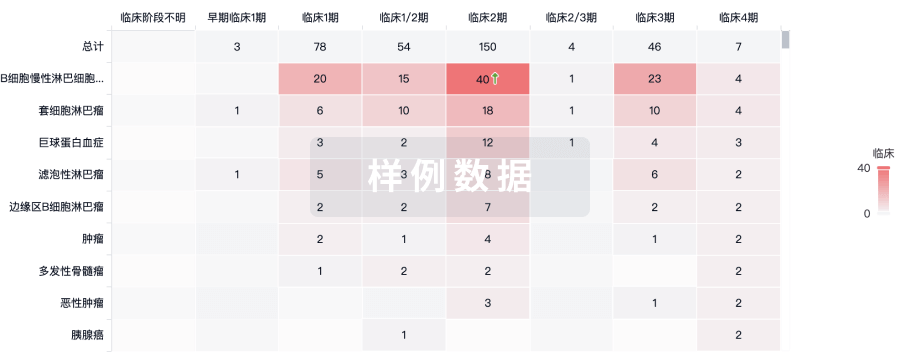
批准
利用最新的监管批准信息加速您的研究。
登录
或
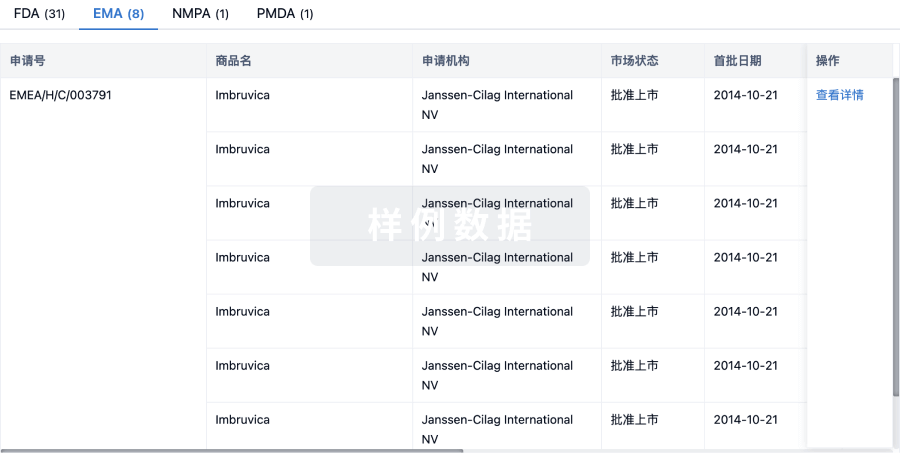
生物类似药
生物类似药在不同国家/地区的竞争态势。请注意临床1/2期并入临床2期,临床2/3期并入临床3期
登录
或
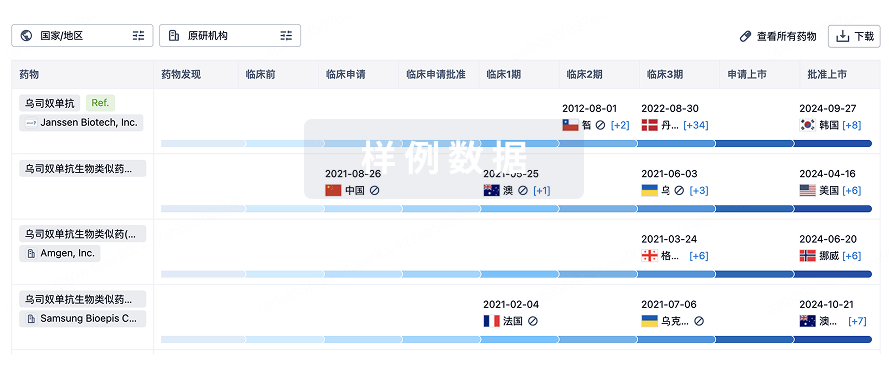
特殊审评
只需点击几下即可了解关键药物信息。
登录
或
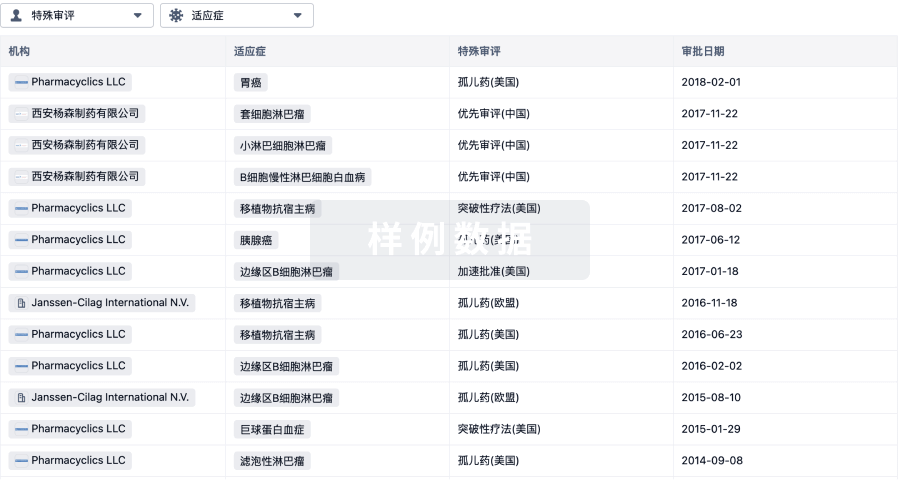
生物医药百科问答
全新生物医药AI Agent 覆盖科研全链路,让突破性发现快人一步
立即开始免费试用!
智慧芽新药情报库是智慧芽专为生命科学人士构建的基于AI的创新药情报平台,助您全方位提升您的研发与决策效率。
立即开始数据试用!
智慧芽新药库数据也通过智慧芽数据服务平台,以API或者数据包形式对外开放,助您更加充分利用智慧芽新药情报信息。
生物序列数据库
生物药研发创新
免费使用
化学结构数据库
小分子化药研发创新
免费使用