预约演示
更新于:2026-02-07
CD19 CAR T-cell(Guangdong Zhaotai Cell Bio-tech Co., LTD)
更新于:2026-02-07
概要
基本信息
原研机构 |
在研机构- |
非在研机构 |
权益机构- |
最高研发阶段终止临床1/2期 |
首次获批日期- |
最高研发阶段(中国)终止 |
特殊审评- |
登录后查看时间轴
关联
2
项与 CD19 CAR T-cell(Guangdong Zhaotai Cell Bio-tech Co., LTD) 相关的临床试验IRCT20240529061945N1
A phase I/II single arm study, Safety and Efficacy assessment of the CD19 CAR T cell on pediatric patients with relapsing or refractory B cell acute lymphoblastic leukemia (r/r B-ALL)
NCT05613348
Humanized CAR19T2 T Cell in Children With Refractory/Relapsed B-cell Leukemia/Lymphoma
100 项与 CD19 CAR T-cell(Guangdong Zhaotai Cell Bio-tech Co., LTD) 相关的临床结果
登录后查看更多信息
100 项与 CD19 CAR T-cell(Guangdong Zhaotai Cell Bio-tech Co., LTD) 相关的转化医学
登录后查看更多信息
100 项与 CD19 CAR T-cell(Guangdong Zhaotai Cell Bio-tech Co., LTD) 相关的专利(医药)
登录后查看更多信息
113
项与 CD19 CAR T-cell(Guangdong Zhaotai Cell Bio-tech Co., LTD) 相关的文献(医药)2026-02-01CLINICAL MICROBIOLOGY AND INFECTION
Invasive fungal infections after CD19 chimeric antigen receptor T-cell therapy for B-cell lymphoma: a Lymphoma study association study from the DESCAR-T (Dispositif d’Enregistrement et Suivi des patients traités par CAR-T cells) registry
Article
作者: Lemonnier, François ; Lorente, Cristina Castilla ; Melica, Giovanna ; Eloit, Martin ; Gastinne, Thomas ; Dulery, Rémi ; Durand, Amandine ; Bachy, Emmanuel ; Campidelli, Arnaud ; di Blasi, Roberta ; Latiere, Christelle ; Morschhauser, Franck ; Casasnovas, Olivier ; Le Bras, Fabien ; Joris, Magalie ; Dupont, Vivien ; Denis, Blandine ; Tudesq, Jean-Jacques ; Angebault, Cécile ; Gangneux, Jean-Pierre ; Bouvier, Amélie ; Houot, Roch ; Gabellier, Ludovic ; Gower, Nicolas
OBJECTIVES:
To describe the landscape of invasive fungal infections (IFIs) after chimeric antigen receptor (CAR) T-cell therapy for B-cell malignancies from the French national DESCAR-T registry and evaluate risk factors associated with invasive fungal infections in this population.
METHODS:
We conducted a multicentre cohort study to describe the landscape of IFIs in adults with relapsed or refractory B-cell lymphoma treated with CD19 CAR T-cell therapy. Patients were identified through the French DESCAR-T registry. Clinical and biological data were collected retrospectively. Each IFI was classified according to the European Organization for Research and Treatment of Cancer (EORTC) criteria.
RESULTS:
Among the 1012 patients included in the registry from 2018 to 2022, 32 patients (3.1%) presented with proven (n = 14/32), probable (n = 12/32), or possible (n = 6/32) IFIs. The median time to onset was 29.5 days (IQR 16.5-79.5 days). The most frequent mould infection was invasive aspergillosis, occurring in 11 of 32 patients, whereas the most frequent yeast infection was candidemia occurring in 12 of 32 patients. The IFI-related mortality rate among infected patients was 21.8% (7/32 patients). Multivariate analysis identified several risk factors associated with IFIs: advanced age, number of prior lines of therapy, prior allogeneic haematopoietic cell transplantation, antiinterleukin-1 receptor antagonist treatments, and pre-IFI bacterial infection. The median overall survival of patients with IFIs was 6 months (95% CI, 1.0-20.6) compared with 25.4 months (95% CI, 20.5-32.0) in the noninfected population. The median progression-free survival of patients with IFIs was 3.2 (95% CI, 0.8-18.3) months compared with 5.8 months (95% CI, 4.5-6.7) in the noninfected population.
CONCLUSIONS:
Despite the low incidence of IFI in B-cell lymphoma patients treated with CD19 CAR T-cell therapy, the high infectious mortality underscore the need for individualized prophylaxis and rapid diagnosis for high-risk patients.
2026-01-29NEW ENGLAND JOURNAL OF MEDICINE
2026-01-16CLINICAL CANCER RESEARCH
Article
作者: Hernández-Sánchez, María ; Ancos-Pintado, Raquel ; Bastos-Oreiro, Mariana ; Cedena, María-Teresa ; Carbonell, Diego ; Jiménez-Ubieto, Ana ; Tomás-Barberán, Francisco A. ; Linares, María ; Bragado-García, Irene ; Arroyo, Andrés ; Ortiz-Ruiz, Alejandra ; Alonso, Rafael ; Sánchez-Pina, Jose María ; Martín García-Sancho, Alejandro ; Ortega-Hernández, Adriana ; Barba, Pere ; Rodríguez-García, Alba ; Martínez-López, Joaquín ; Castellano, Eva ; García-Vicente, Roberto ; García-Villalba, Rocío ; Leivas, Alejandra ; Gómez-Garre, Dulcenombre ; Valeri, Antonio ; Navarro-Aguadero, Miguel Ángel ; Kwon, Mi ; Carpio, Cecilia ; Modrego, Javier
Abstract:
Purpose::
The microbiota is recognized as an important contributor to the efficacy of immunotherapies. The aim of this study is to analyze the role of gut microbiota and related metabolites in the response of chimeric antigen receptor (CAR) T cells for non-Hodgkin lymphoma.
Experimental Design::
Stool, serum, and clinical data were collected from 84 patients with non-Hodgkin lymphoma from four hospitals before CD19 CAR T-cell treatment. The microbiota was characterized through 16S rRNA gene sequencing, and serum short-chain fatty acids (SCFA) were measured using mass spectrometry. CAR T cells were exposed to butyrate; their in vitro cytotoxicity was determined, and molecular mechanisms were characterized by flow cytometry and RNA sequencing and then assessed in an in vivo model.
Results::
As we confirmed the negative impact of antibiotics on the response, we delved into the mechanisms involved. We showed that they reduce microbiota diversity and that their composition correlates with the response. We identified SCFA-producing bacterial groups, including Prevotella, Ruminococcus, and Butyricicoccus, as having a relatively higher abundance in the microbiota of patients who responded to CAR T cells. Analysis of butyrate levels revealed a positive correlation with survival, potentially representing a novel biomarker of response. Finally, we found that stimulation of CAR T cells with butyrate induced phenotypic and transcriptomic changes associated with enhanced antitumor efficacy.
Conclusions::
Our results support the relationship between microbiota and CAR T-cell therapy major outcomes. Analysis of microbiota led to the identification of SCFAs, especially butyrate, as a prognostic factor, and also provides the basis for considering them as chemical modifiers of CAR T cells to improve their efficacy.
1
项与 CD19 CAR T-cell(Guangdong Zhaotai Cell Bio-tech Co., LTD) 相关的新闻(医药)
100 项与 CD19 CAR T-cell(Guangdong Zhaotai Cell Bio-tech Co., LTD) 相关的药物交易
登录后查看更多信息
研发状态
10 条进展最快的记录, 后查看更多信息
登录
| 适应症 | 最高研发状态 | 国家/地区 | 公司 | 日期 |
|---|---|---|---|---|
| B细胞淋巴瘤 | 临床2期 | 中国 | 2022-12-01 | |
| CD19阳性B细胞急性淋巴细胞白血病 | 临床2期 | 中国 | 2022-12-01 |
登录后查看更多信息
临床结果
临床结果
适应症
分期
评价
查看全部结果
登录后查看更多信息
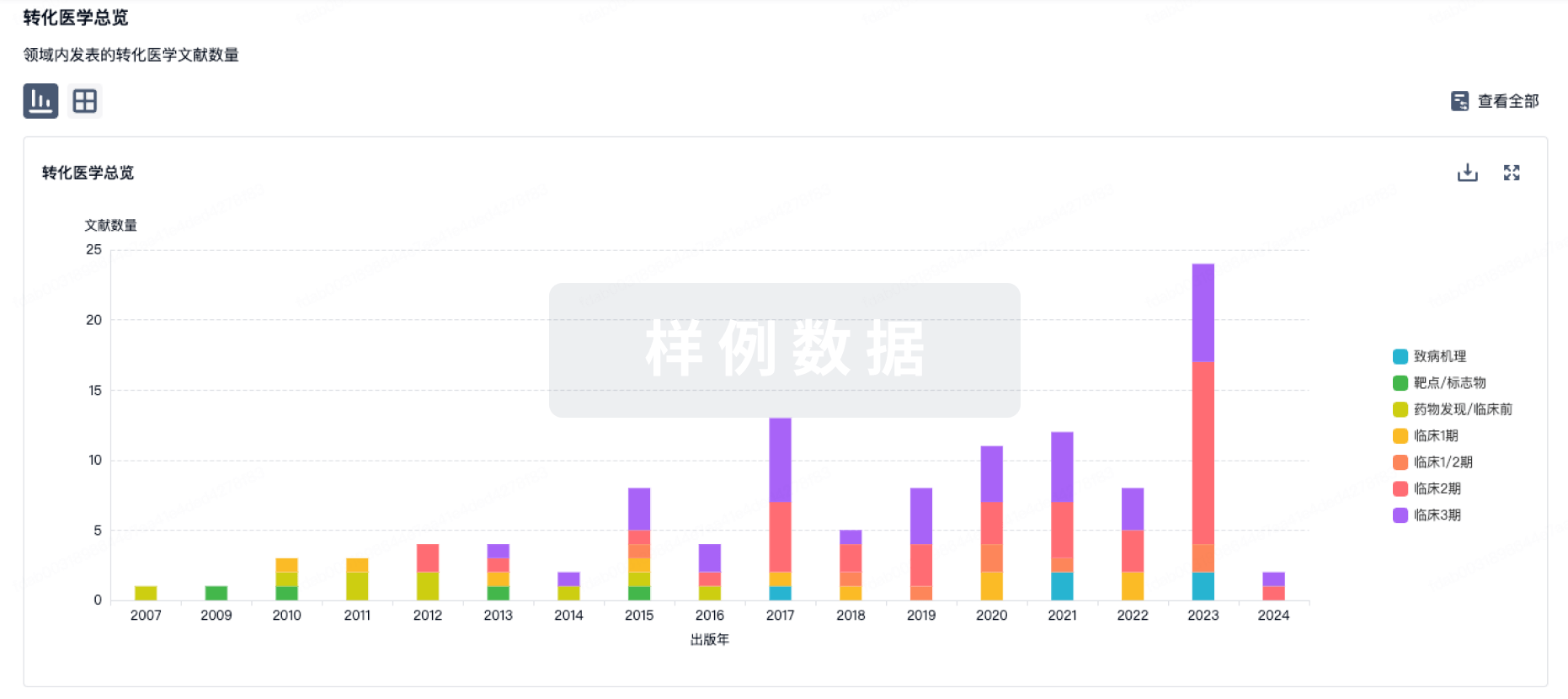
转化医学
使用我们的转化医学数据加速您的研究。
登录
或
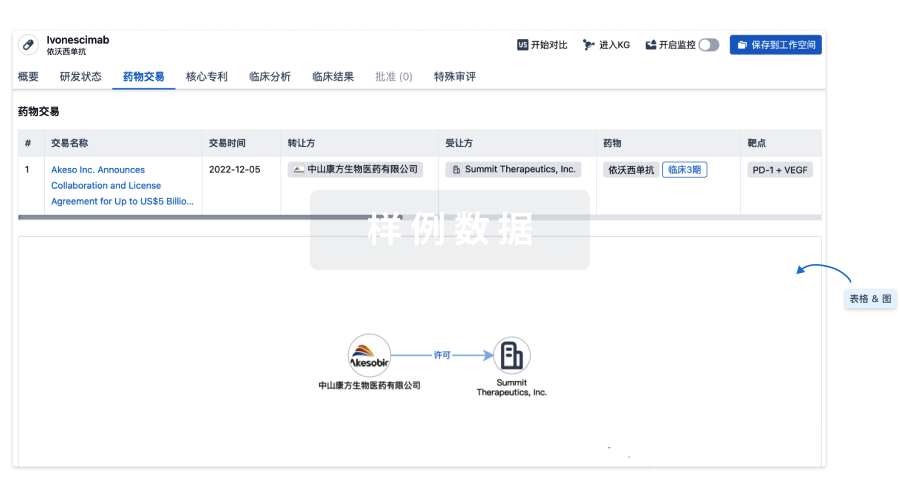
药物交易
使用我们的药物交易数据加速您的研究。
登录
或
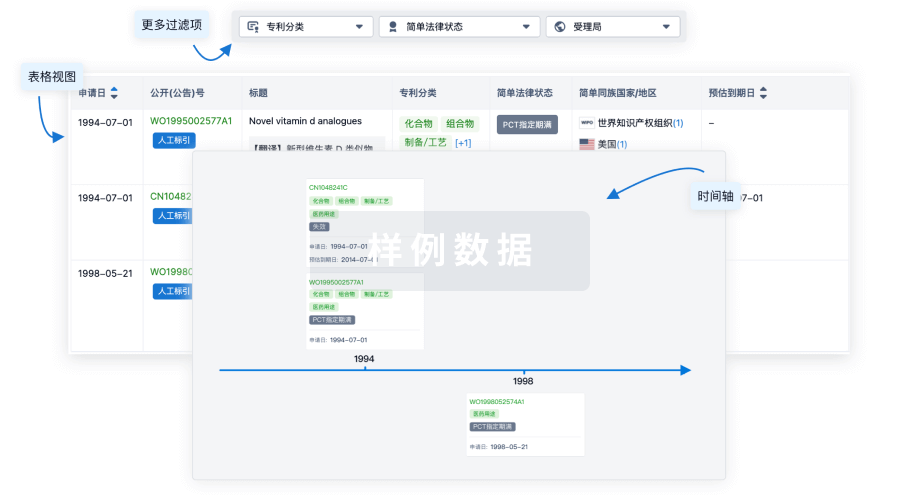
核心专利
使用我们的核心专利数据促进您的研究。
登录
或
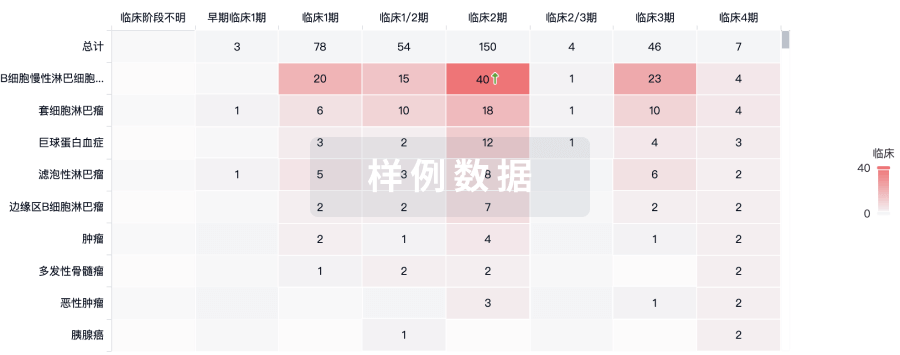
临床分析
紧跟全球注册中心的最新临床试验。
登录
或
批准
利用最新的监管批准信息加速您的研究。
登录
或
特殊审评
只需点击几下即可了解关键药物信息。
登录
或
生物医药百科问答
全新生物医药AI Agent 覆盖科研全链路,让突破性发现快人一步
立即开始免费试用!
智慧芽新药情报库是智慧芽专为生命科学人士构建的基于AI的创新药情报平台,助您全方位提升您的研发与决策效率。
立即开始数据试用!
智慧芽新药库数据也通过智慧芽数据服务平台,以API或者数据包形式对外开放,助您更加充分利用智慧芽新药情报信息。
生物序列数据库
生物药研发创新
免费使用
化学结构数据库
小分子化药研发创新
免费使用