预约演示
更新于:2026-03-19
NPC 18884
更新于:2026-03-19
概要
基本信息
药物类型 小分子化药 |
别名- |
作用方式 拮抗剂 |
作用机制 B2 receptor拮抗剂(缓激肽B2受体拮抗剂) |
治疗领域 |
在研适应症- |
非在研适应症 |
原研机构 |
在研机构- |
非在研机构 |
权益机构- |
最高研发阶段无进展临床前 |
首次获批日期- |
最高研发阶段(中国)- |
特殊审评- |

关联
100 项与 NPC 18884 相关的临床结果
登录后查看更多信息
100 项与 NPC 18884 相关的转化医学
登录后查看更多信息
100 项与 NPC 18884 相关的专利(医药)
登录后查看更多信息
3
项与 NPC 18884 相关的文献(医药)2003-01-01·British Journal of Pharmacology
Up‐regulation of kinin B1 receptor in the lung of streptozotocin‐diabetic rat: autoradiographic and functional evidence
Article
作者: Domenico Regoli ; Brice Ongali ; Rose Mari J Vianna ; João Batista Calixto ; Réjean Couture
The function and autoradiographic binding expression of kinin B1 receptors were evaluated in the lungs of Streptozotocin (STZ)‐diabetic rats.The intrapleural injection (i.pl.) of des‐Arg9‐bradykinin (des‐Arg9‐BK) (50 and 100 nmol per site), a selective B1 receptor agonist, increased time‐dependently the mononuclear and neutrophil cells influx in the pleural cavity of rats treated with STZ (65 mg kg−1, i.p., 4 days earlier). This effect was significantly less in control rats.The influx of mononuclear and polymorphonuclear neutrophil cells induced by des‐Arg9‐BK was significantly inhibited by two B1 receptor antagonists (des‐Arg10‐Hoe140 or R‐715, 100 nmol per site, 5 min earlier), but not by two B2 receptor antagonists (Hoe140, 10 nmol or NPC 18884, 100 nmol per site, 5 min earlier). However, Hoe140 prevented the higher basal leukocyte influx seen in STZ‐diabetic rats.Leukocyte infiltration induced by des‐Arg9‐BK in STZ‐diabetic rats was significantly reduced after treatment with insulin (2 U per day, s.c. over 4 days) or with an anti‐PMN antibody (0.1 ml of a 1 : 20 dilution, i.pl. 5 min earlier).Specific B1 receptor binding sites were seen in lung sections from both control and STZ‐diabetic rats, yet the density of labelling was much greater in diabetic rats and particularly after intrapleural injection of des‐Arg9‐BK. Treatment with insulin or with the anti‐PMN antibody markedly reduced B1 receptor binding sites occurring after the injection of des‐Arg9‐BK in STZ‐diabetic rats.Data suggest that the B1 receptor is up‐regulated in the lungs of STZ‐diabetic rats, and its activation increases leukocyte infiltration into the pleural cavity. The overexpression of B1 receptors seems to depend on neutrophils influx and appears to be associated with hyperglycaemia.British Journal of Pharmacology (2003) 138, 13–22. doi:10.1038/sj.bjp.0704999
2002-05-01·Current medicinal chemistry2区 · 医学
Non-peptide Antagonists and Agonists of the Bradykinin B2 Receptor
2区 · 医学
Review
作者: Heitsch, H
Stimulation of the bradykinin (BK) B(2) receptor by kinins is associated with pathophysiological as well as pronounced beneficial effects. Consequently, interference with BK B(2) receptors by either antagonism or agonism offers promising therapeutic approaches for the development of drugs for the treatment of various human diseases. BK B(2) receptor antagonists may prove useful for the treatment of pathological situations caused by excessively increased local kinin concentrations, such as inflammation, tissue injury and pain. Beneficial effects of peptide BK B(2) receptor antagonists in perennial rhinitis, asthma and brain edema have already been demonstrated in clinical trials. On the other hand, kinins have also been identified as potent vasodilatory and organ-protective peptides. Therefore, BK B(2) receptor agonists may have the potential to become valuable therapeutics in the treatment of cardiovascular diseases such as hypertension, myocardial hypertrophy, myocardial infarction and arrhythmias as well as diabetic disorders. For both approaches, potent, selective and even orally active non-peptide compounds have been discovered recently. Prototypes of these novel third generation classes of compounds are the alkylphosphonium salt WIN-64338, the pseudopeptide NPC-18884, the thiosemicarbazide bradyzide and especially the imidazo[1,2-a]pyridine FR-167344 and the quinolines FR-173657 and LF-16.0687 as non-peptide BK B(2) receptor antagonists, whereas the 4-(2-pyridylmethoxy)-substituted quinoline FR-190997 and the 3-(2-pyridylmethyl)-substituted benzimidazole FR-191413 emerged as non-peptide BK B(2) receptor agonists. These antagonists and agonists of the BK B(2) receptor have already demonstrated efficacy a various animal models of human diseases, which offers promising therapeutic approaches for the development of drugs for the treatment or even prevention of a variety of severe human diseases either via stimulation or via blockade of BK B(2) receptors.
1998-12-01·European journal of pharmacology3区 · 医学
Oral anti-inflammatory action of NPC 18884, a novel bradykinin B2 receptor antagonist
3区 · 医学
Article
作者: Saleh, Tania S. F. ; Creczynski-Pasa, Tania B. ; Vianna, Rose M. J. ; Calixto, Joao B. ; Mavunkel, Babu J. ; Kyle, Donald J. ; Chakravarty, Sarvajit
This study describes the anti-inflammatory actions of NPC 18884, a non-peptide bradykinin B2 receptor antagonist in bradykinin and carrageenan-induced inflammation in the mouse model of pleurisy. The selectivity of NPC 18884 was assessed in the pleurisy caused by histamine, substance P and des-Arg9-bradykinin. NPC 18884 given intraperitoneally or orally inhibited bradykinin-induced leukocytes influx (ID50 value of 63 nmol/kg and 141 nmol/kg, respectively). The NPC 18884 also inhibited the exudation induced by bradykinin (P < 0.05). NPC 18884 given either intraperitoneally or orally caused dose-dependent inhibition of the exudation and total and differential cell content caused by intrapleural injection of carrageenan (1%, assessed 4 h after), with mean ID50, values of 132 and 295 nmol/kg, respectively. The NPC 18884 actions installs rapidly (0.5 h), lasted for up to 4 h and were selective for the bradykinin B2 receptors; at similar doses it had no significant effect against the inflammatory responses induced by des-Arg9-bradykinin, histamine or substance P. These results indicate that the novel non-peptide bradykinin B2 receptor antagonist, NPC 18884, exhibited selective intraperitoneal and oral anti-inflammatory properties when assessed in the inflammatory reaction induced by bradykinin and carrageenan in the mice model of pleurisy.
100 项与 NPC 18884 相关的药物交易
登录后查看更多信息
研发状态
10 条进展最快的记录, 后查看更多信息
登录
| 适应症 | 最高研发状态 | 国家/地区 | 公司 | 日期 |
|---|---|---|---|---|
| 炎症 | 临床前 | 美国 | 1998-12-01 |
登录后查看更多信息
临床结果
临床结果
适应症
分期
评价
查看全部结果
| 研究 | 分期 | 人群特征 | 评价人数 | 分组 | 结果 | 评价 | 发布日期 |
|---|
No Data | |||||||
登录后查看更多信息
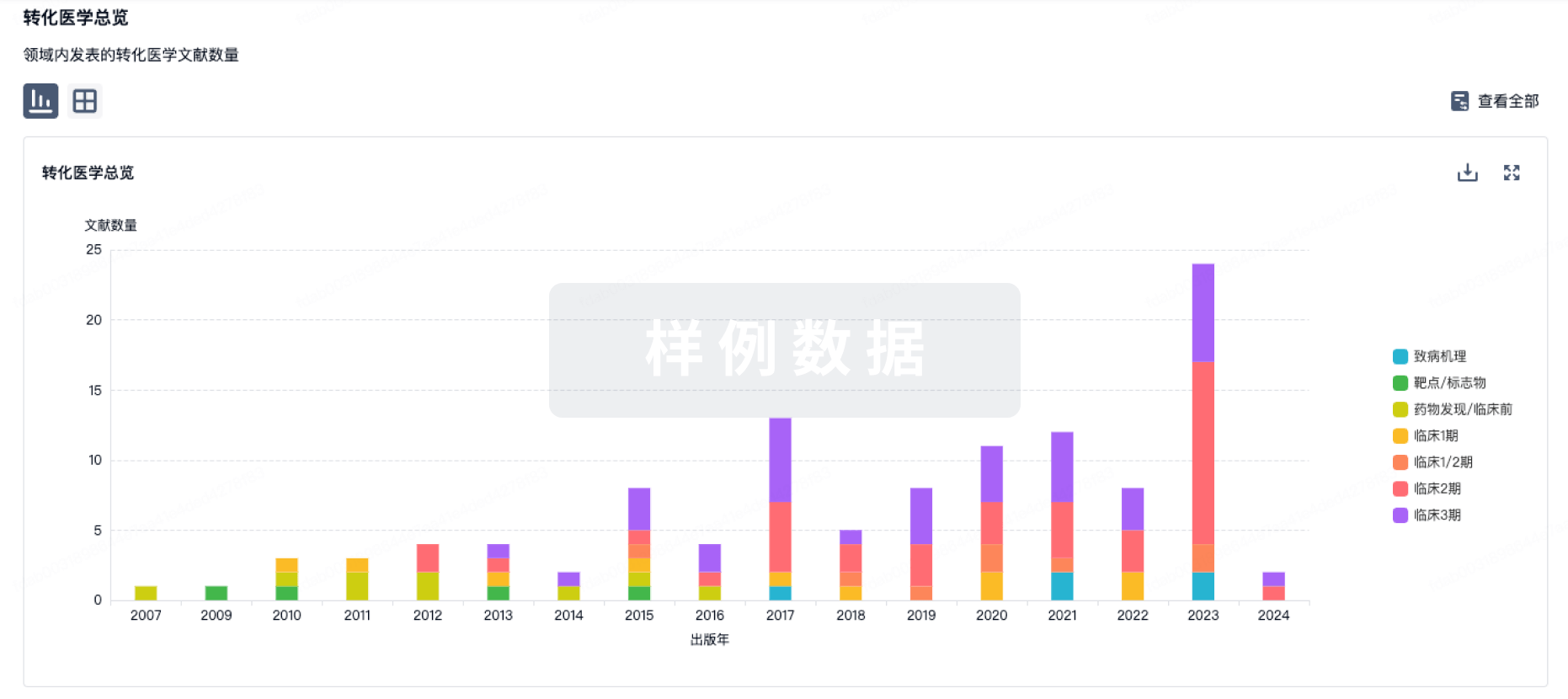
转化医学
使用我们的转化医学数据加速您的研究。
登录
或
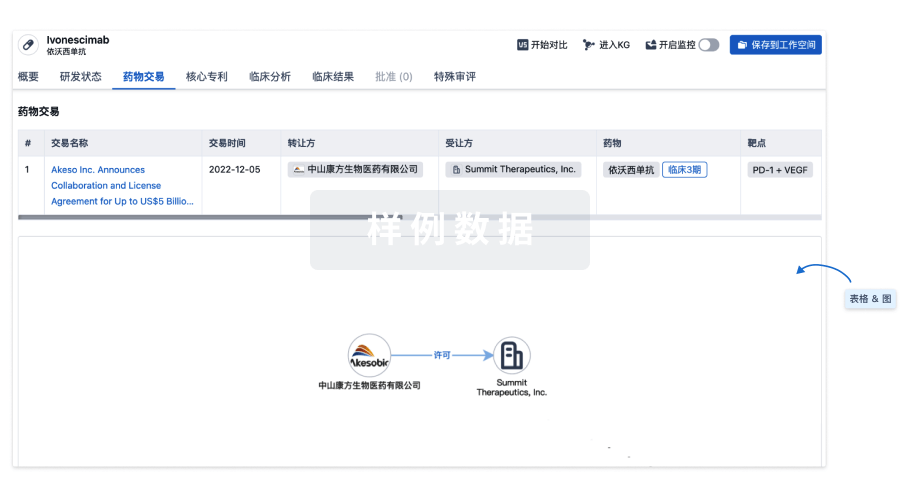
药物交易
使用我们的药物交易数据加速您的研究。
登录
或
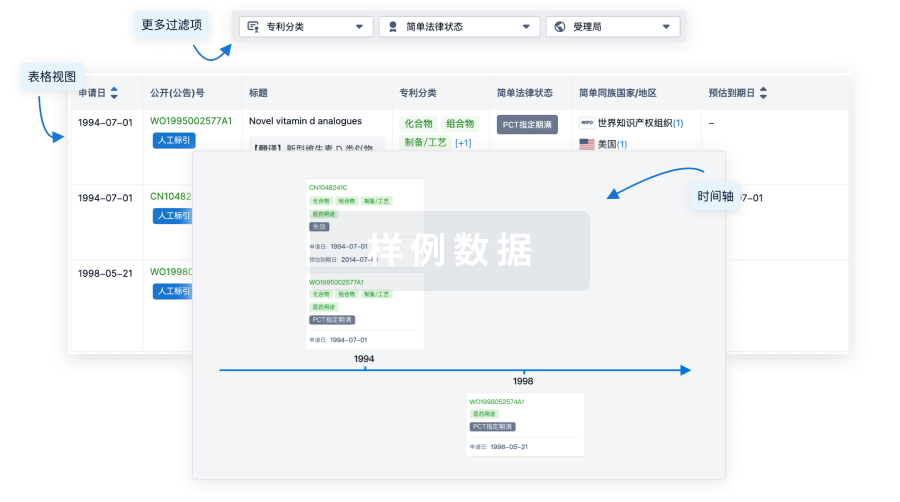
核心专利
使用我们的核心专利数据促进您的研究。
登录
或
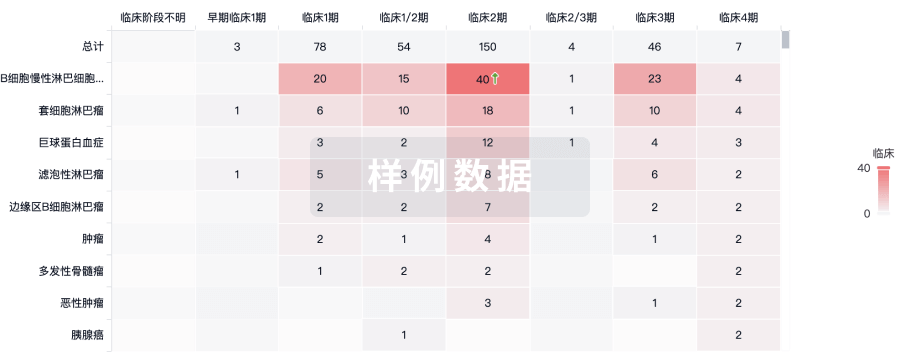
临床分析
紧跟全球注册中心的最新临床试验。
登录
或
批准
利用最新的监管批准信息加速您的研究。
登录
或
特殊审评
只需点击几下即可了解关键药物信息。
登录
或
提出任何生物医药研究问题
让每一步生物医药决策都精准制胜
基于十亿级生物数据与全球情报的精准 AI,赋能早期药物发现
立即开始免费试用!
智慧芽新药情报库是智慧芽专为生命科学人士构建的基于AI的创新药情报平台,助您全方位提升您的研发与决策效率。
立即接入生物医药数据包
智慧芽新药库数据也通过智慧芽开放平台,以MCP或API服务形式对外开放。立即使用我们的MCP服务定制您的LLM智能体。
生物序列数据库
生物药研发创新
免费使用
化学结构数据库
小分子化药研发创新
免费使用